
The Harry Potter series began as a fantasy adventure aimed at younger readers. The first book and movie, Harry Potter and the Sorcerer’s Stone, followed a group of young students at Hogwarts as they learned magic and faced some danger. While there was an evil wizard to defeat, the stakes felt relatively low and the action was geared towards children. Harry Potter and the Chamber of Secrets continued this trend, with the characters a year older but the overall tone remaining light and family-friendly, much like director Chris Columbus’s earlier film, The Goonies. However, the series took a significant turn after these initial installments.
Harry Potter and the Prisoner of Azkaban marked a turning point for the series. The story became more complex as Harry discovered the man believed responsible for his parents’ death had escaped, and a dangerous plot began to emerge. The film’s tone also shifted dramatically, becoming darker and more mature with the direction of Alfonso Cuarón, who replaced the previous, more family-oriented director and steered the franchise toward an older audience.
Harry Potter and The Prison of Azkaban Forced the Audience to Groiw Yp Fast
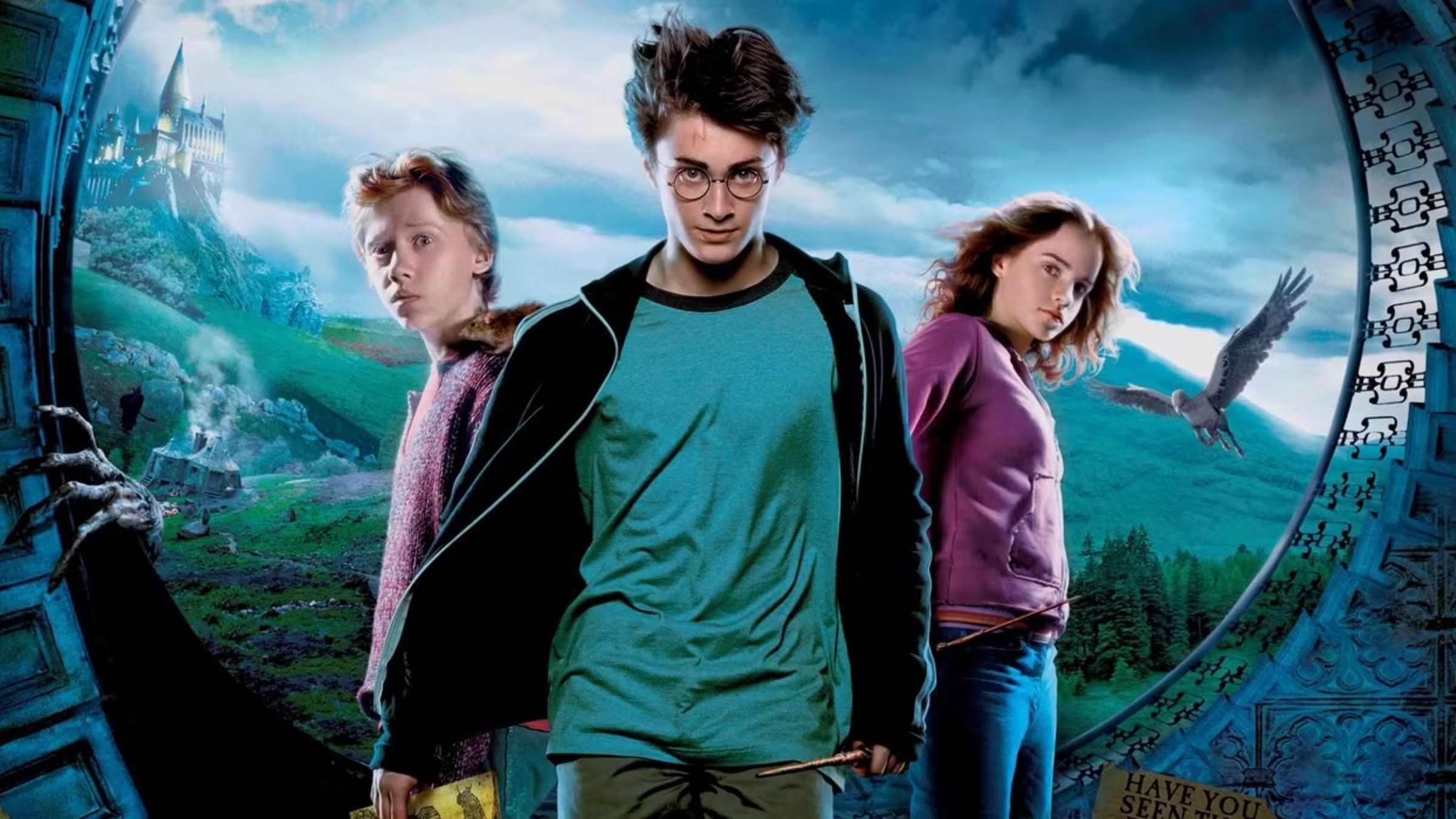
With the release of Harry Potter and the Prisoner of Azkaban in 1999, the series started to mature, both in the book and the films. This installment introduced Sirius Black and revealed the existence of Azkaban, a prison guarded by terrifying creatures called Dementors, who drain all hope and happiness from those nearby. When Sirius Black escaped, the Dementors were sent to Hogwarts, causing distress and fear among the students.
The first two books in the series were exciting, but the challenges Harry and his friends faced were mostly about solving mysteries and overcoming obstacles. These books were ideal for younger readers and offered a relatively easygoing experience. But things changed when Sirius Black became a suspect in the deaths of Harry’s parents. This introduced much higher stakes and, as Harry pursued revenge, the series became significantly more intense and mature.
Looking back, Prisoner of Azkaban really shifted things for me. It wasn’t just about school adventures anymore. We met Professor Lupin, who was such a cool character, but then the bombshell dropped – he was a werewolf! And Scabbers, Ron’s rat? Turns out he was Peter Pettigrew, a truly awful Death Eater in disguise. That’s when the story started to hint at Voldemort making a comeback, and honestly, it felt like the stakes were raised so high. It went from being a fun read for kids to something much darker and more complex, definitely geared towards older teens and young adults. It felt like a real turning point for the whole series.
With Harry Potter and the Prisoner of Azkaban, the film series took a significant turn. The bright, whimsical style of the first two movies, directed by Chris Columbus, was replaced with a much darker and more serious tone. While the earlier films felt like a lighthearted adventure with hidden dangers, this installment introduced a genuinely bleak atmosphere, visually reflected in its muted colors and pervasive sense of threat. The first two films were suitable for younger audiences, but Prisoner of Azkaban marked a clear shift towards more mature themes, requiring parental guidance.
Many fans believe this is the strongest Harry Potter film, and it’s easy to see why. It successfully broadened the series’ appeal to older viewers and benefited from being directed by Alfonso Cuarón, widely considered the best director involved with the Harry Potter movies. The young actors were maturing, which showed in their improved performances. The film also featured increased intensity and a darker atmosphere, marking a turning point for the entire series.
The Harry Potter Franchise Changed After Prisoner of Azkaban for the Better
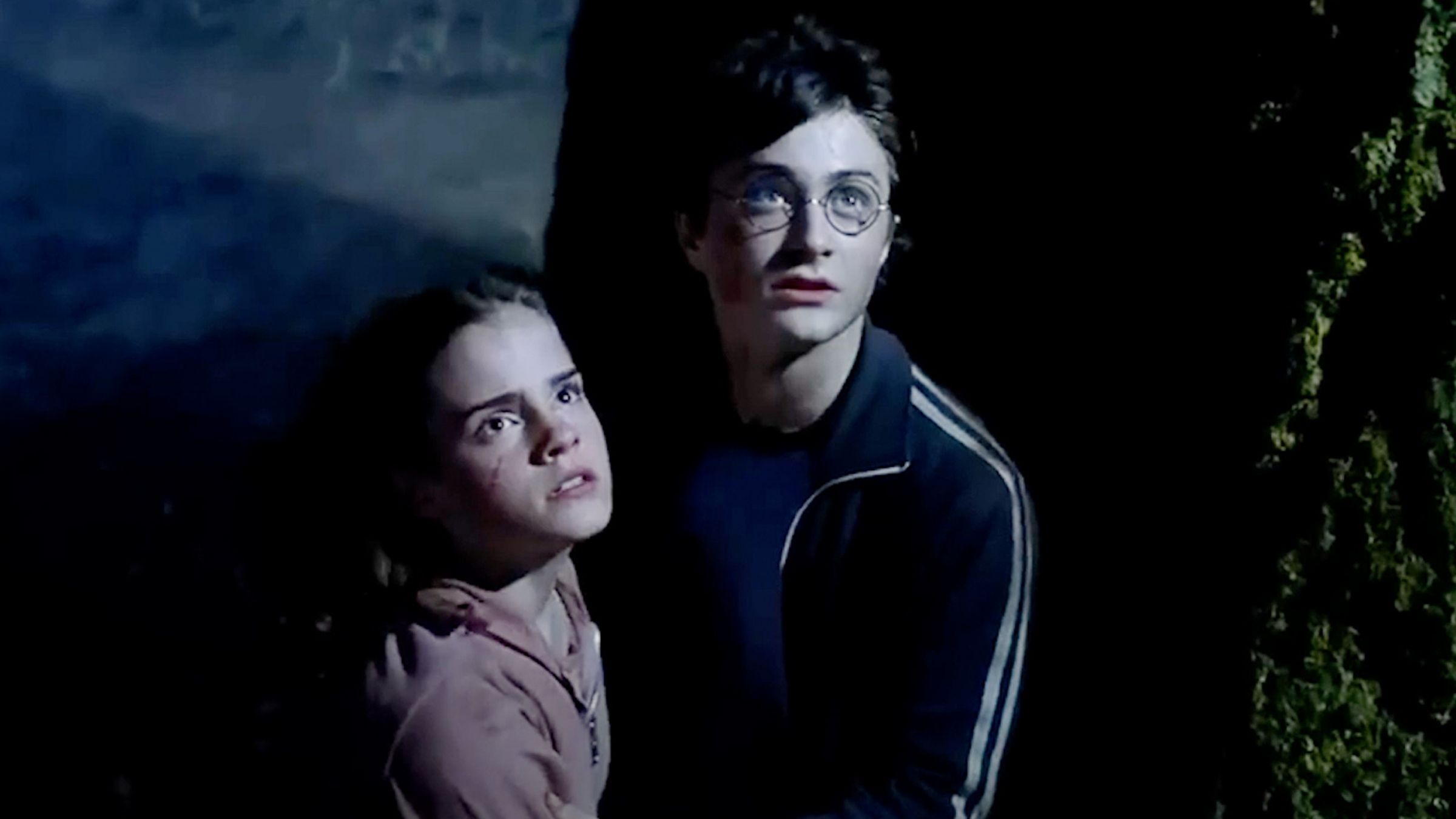
Although Alfonso Cuarón didn’t direct any further Harry Potter films, and no other director quite matched his visual style, the series continued to tell its mature fantasy story, building on what Harry Potter and the Prisoner of Azkaban started. The fourth film, Harry Potter and the Goblet of Fire, actually became even more intense. While the third movie introduced darker elements with the Dementors and Sirius Black, the fourth film marked a turning point by showing a student being killed by Voldemort’s followers.
The Harry Potter series took a dark turn when Voldemort had Peter Pettigrew kill Cedric Diggory, marking a point of no return. By the last movie, many beloved characters – including Albus Dumbledore, Severus Snape, Fred Weasley, Remus Lupin, Dobby, and Mad-Eye Moody – had died. What began as a magical adventure for children transformed into a story of a full-scale war, with devastating losses and young characters forced to mature quickly and fight to defend their school.
The Harry Potter series truly evolved with Harry Potter and the Prisoner of Azkaban. J.K. Rowling began to explore more mature themes, and director Alfonso Cuarón elevated the films to appeal to both children and adults. Introducing darker elements and the reality of death was key to the series’ enduring popularity, and allowing the characters to mature was essential to its success.
What do you think? Leave a comment below and join the conversation now in the ComicBook Forum!
Read More
- GBP CNY PREDICTION
- Elon Musk’s Mom Maye Musk Shares Her Parenting Philosophy
- Elon Musk’s Ex Ashley St. Clair Reveals When Romance Became “Weird”
- 10 Best Free Games on Steam in 2026, Ranked
- Mark Zuckerberg & Wife Priscilla Chan Make Surprise Debut at Met Gala
- Forza Horizon 6 Car List So Far: Confirmed Highlights, Cover Cars, DLC, and Rewards
- 10 Greatest Manga Endings of All Time
- Hollow Knight: Silksong Guide – All 30 Lost Flea Locations
- 38 Years Later, Murder, She Wrote’s Most Overlooked Episode Still Pulls Off TV’s Greatest Crossover
- 20 K-Dramas That Nailed the Perfect Ending
2026-01-19 18:15