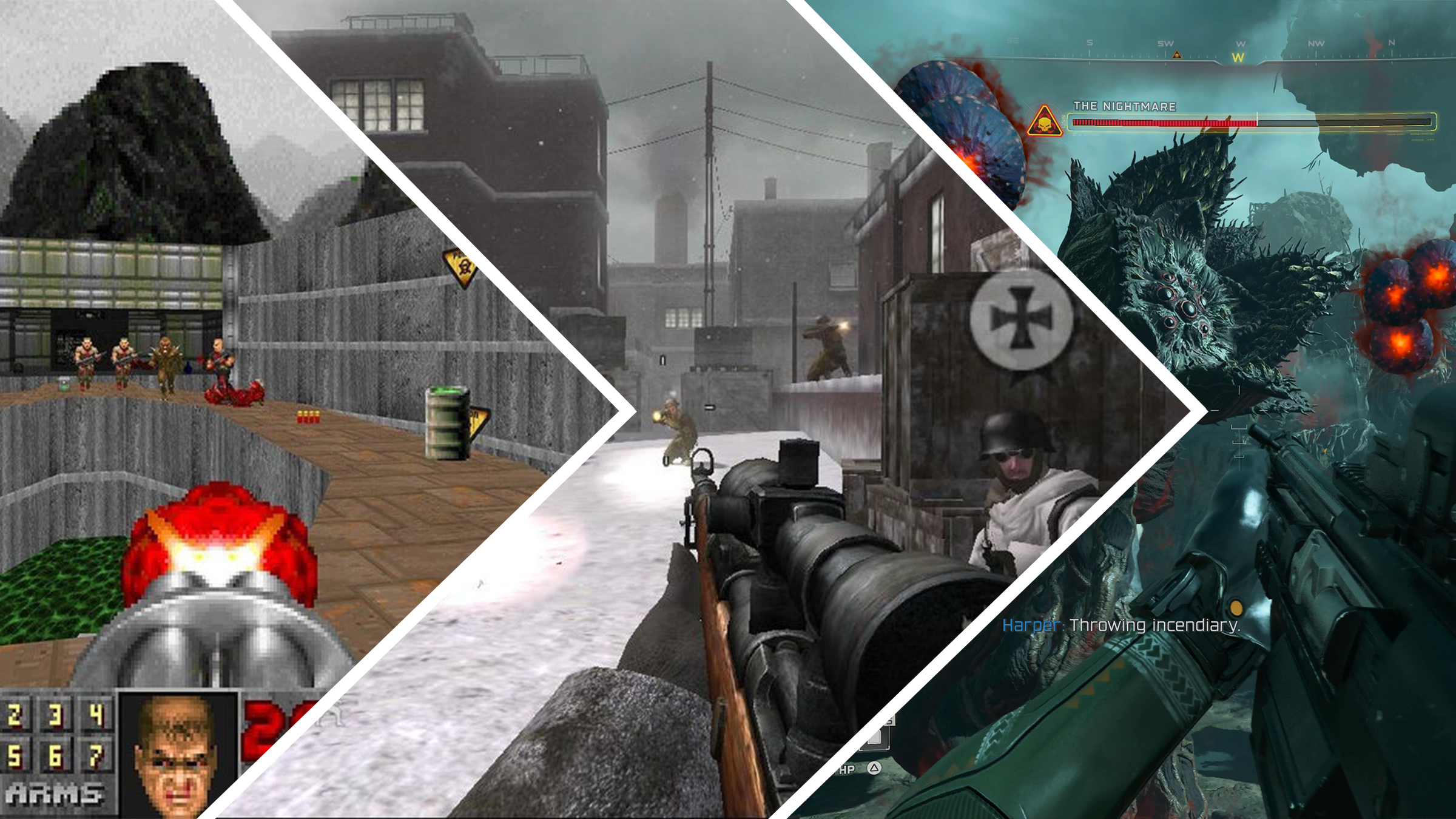
First-person shooters are incredibly popular, boasting some of gaming’s biggest franchises like Call of Duty and Fortnite, and their popularity continues to rise. Modern FPS games have come a long way since their beginnings, evolving through many complex stages to become the visually impressive experiences we know today. Each new game has brought both minor and major improvements, transforming the genre from its simple 2D origins into the 3D, virtual reality, and potentially even more immersive formats we see now. This details the key innovations that have shaped FPS games from the 1970s to the present day.
1) Maze War (1973)

Generally considered the first first-person shooter (FPS) game, Maze War was created in 1973 by high school students using the IMLAC PDS-1 minicomputer. They quickly added the ability to play between two connected computers and included shooting mechanics by the end of the year. The game even spread to the ARPANET – an early version of the Internet – but was banned at DARPA because players were getting too distracted! While several iterations of Maze War were released, it’s considered a key pioneer of the FPS genre, alongside 1974’s Spasim, which also helped establish important elements of the gameplay.
2) Battlezone (1980)
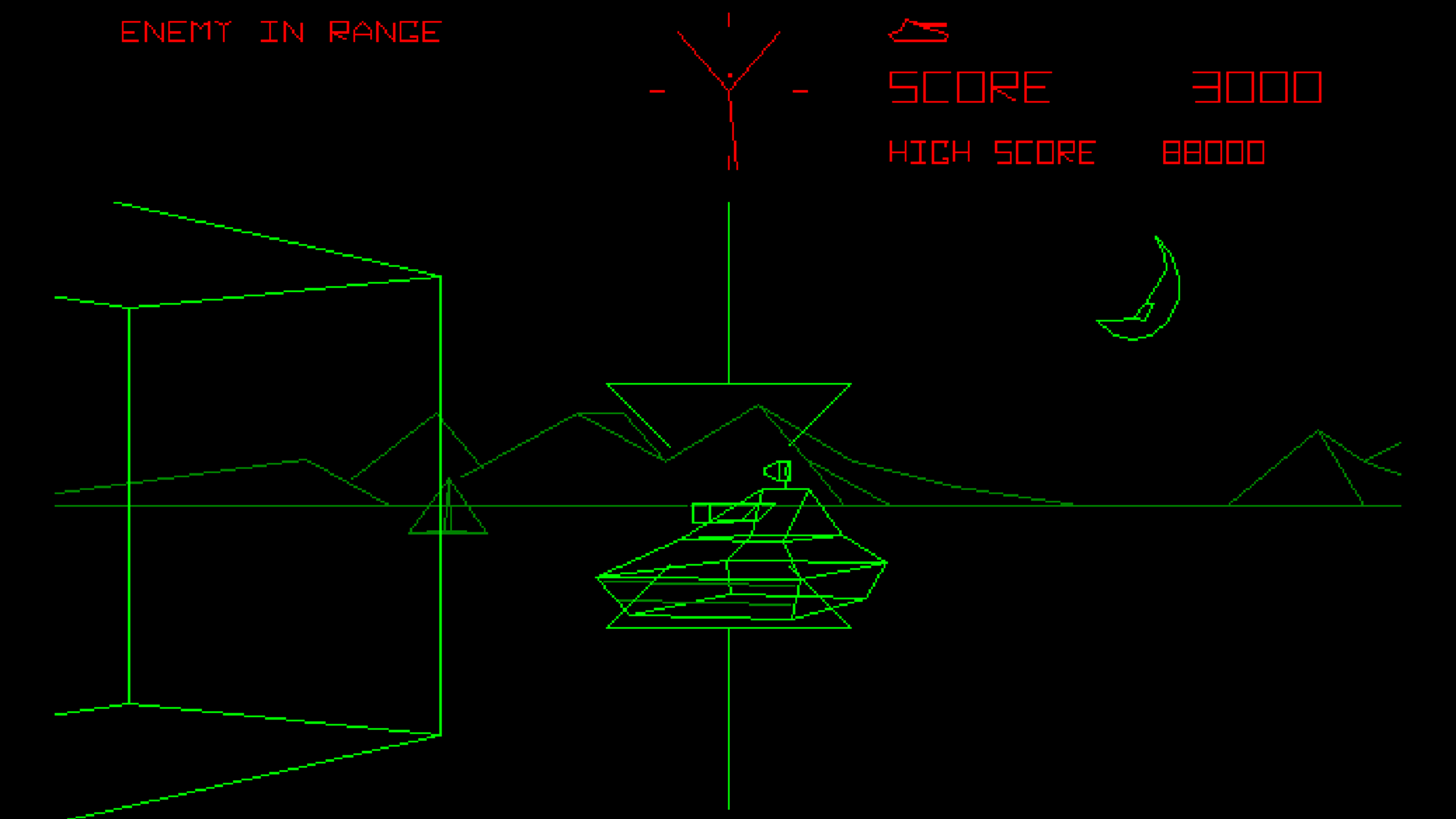
As a longtime fan of early gaming, I remember when Battlezone hit arcades in 1980 – it was a huge deal! After Maze War, this was the game that really took the first-person shooter idea to the next level. It wasn’t just that it had cool 3D vector graphics – a lot of people consider it the first truly 3D game you could play in an arcade. You basically looked through a digital periscope, controlling a tank, and had to lead your shots to hit targets. It really pushed the boundaries of what 3D gameplay could be, and you can definitely see its influence in those early FPS games we all love.
3) Midi Maze (1987)
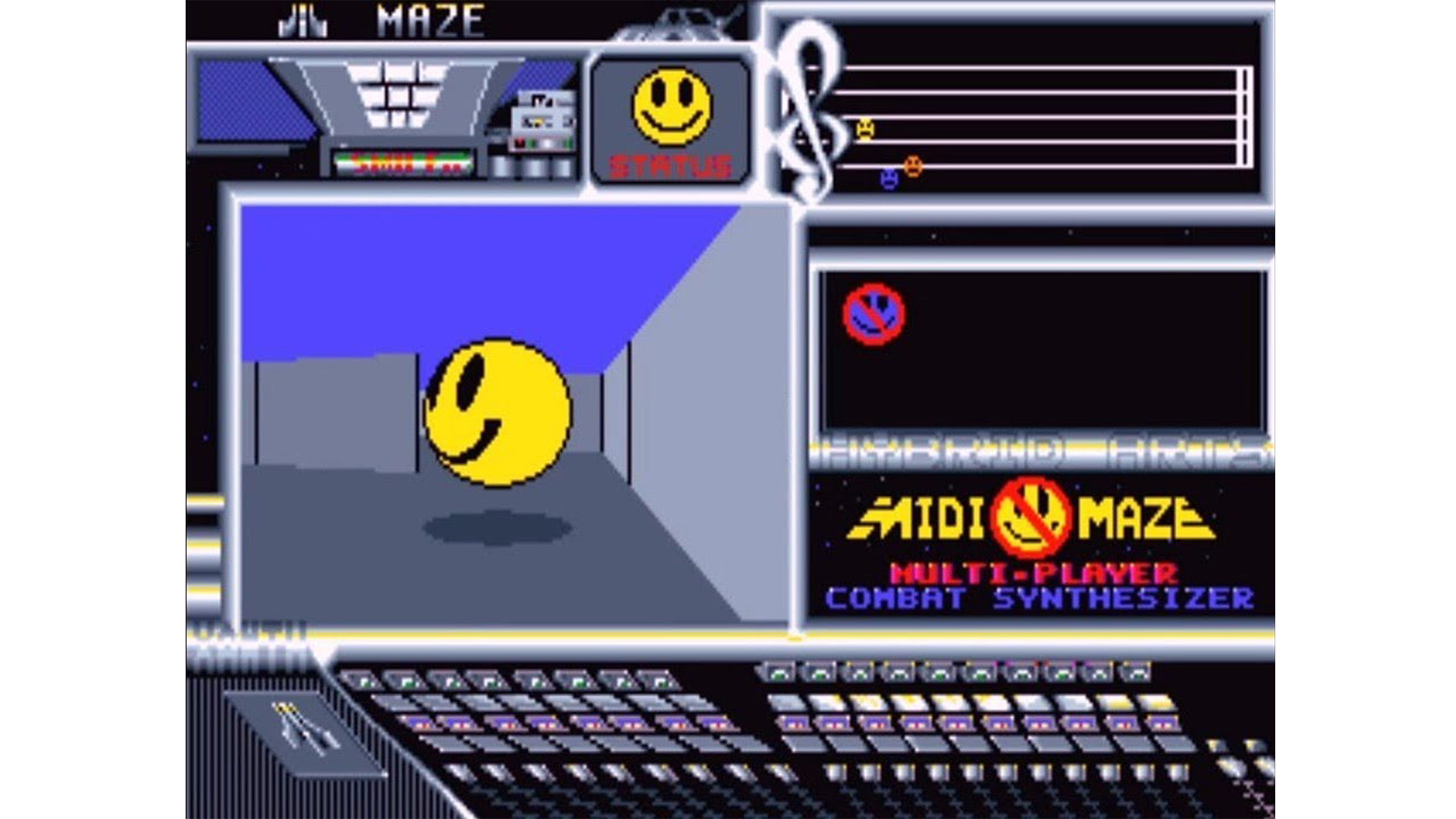
The 1980s saw the rise of home video game consoles, and with them came early first-person shooters (FPS). While these games were limited by the technology of the time, titles like 1987’s Midi Maze began to explore the genre. Midi Maze featured a smiley-face character navigating a simple maze, shooting bubbles at opponents. A key innovation was the game’s ability to allow for smooth turning – previous FPS games, such as 1982’s Wayout, were restricted to 90-degree rotations. This fluidity added a new level of action to the gameplay. Notably, Midi Maze also allowed up to 16 players to connect via a local network, a groundbreaking feature for its time, even with some lag.
4) Wolfenstein 3D
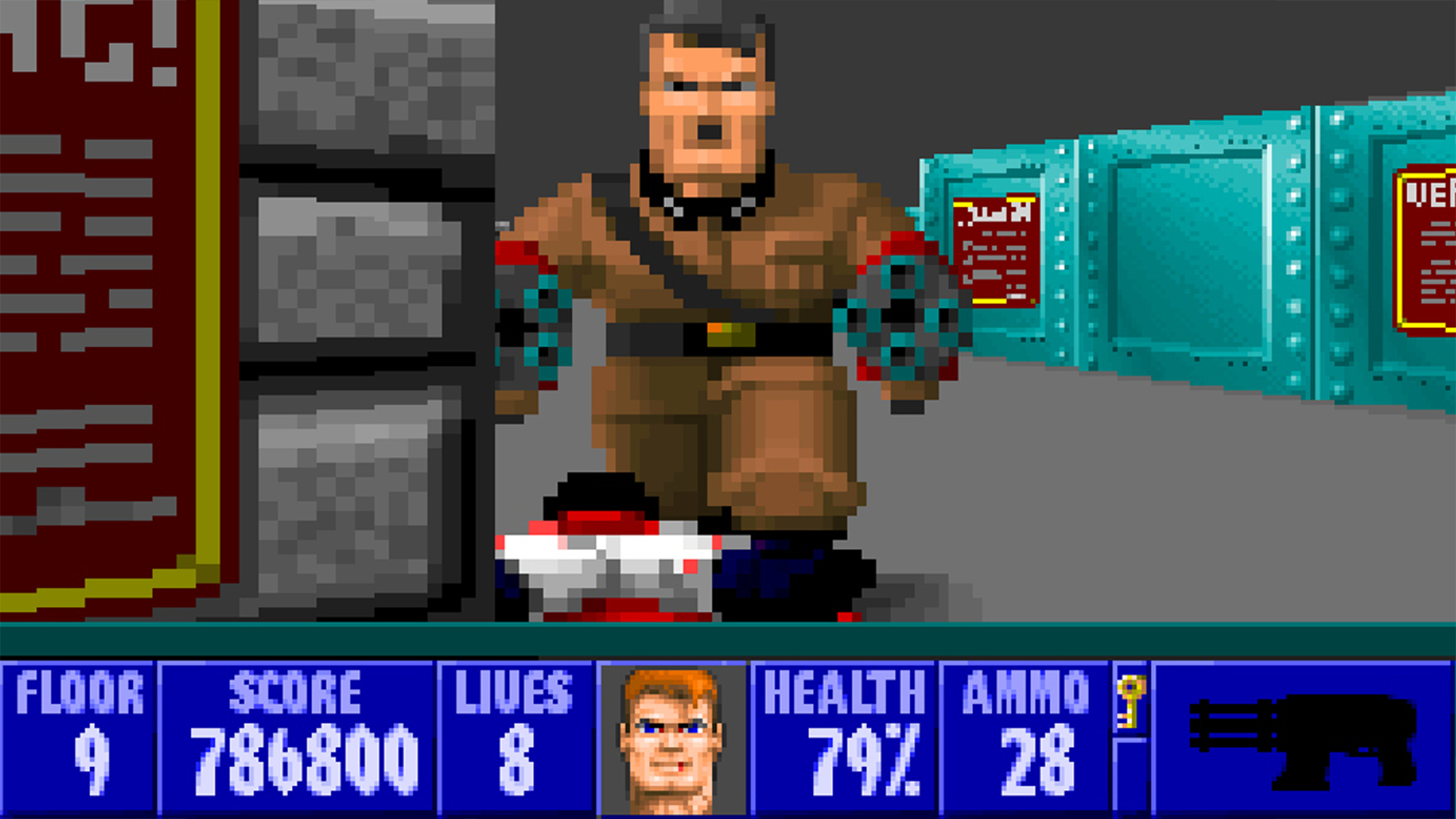
As a huge fan of first-person shooters, I can tell you that Wolfenstein 3D completely changed everything back in 1992. Before that, games in this style felt clunky, but Wolfenstein 3D just moved so smoothly. It wasn’t just the movement, though – it had a surprisingly immersive story, tons of different enemies to fight, and even a final boss! You weren’t stuck with just a knife either – you could find all sorts of weapons. I spent hours replaying it because it was so much fun and genuinely challenging. It became incredibly popular, proving that FPS games could be really dynamic and engaging. Honestly, Wolfenstein 3D paved the way for everything that followed in the genre.
5) Doom (1993)
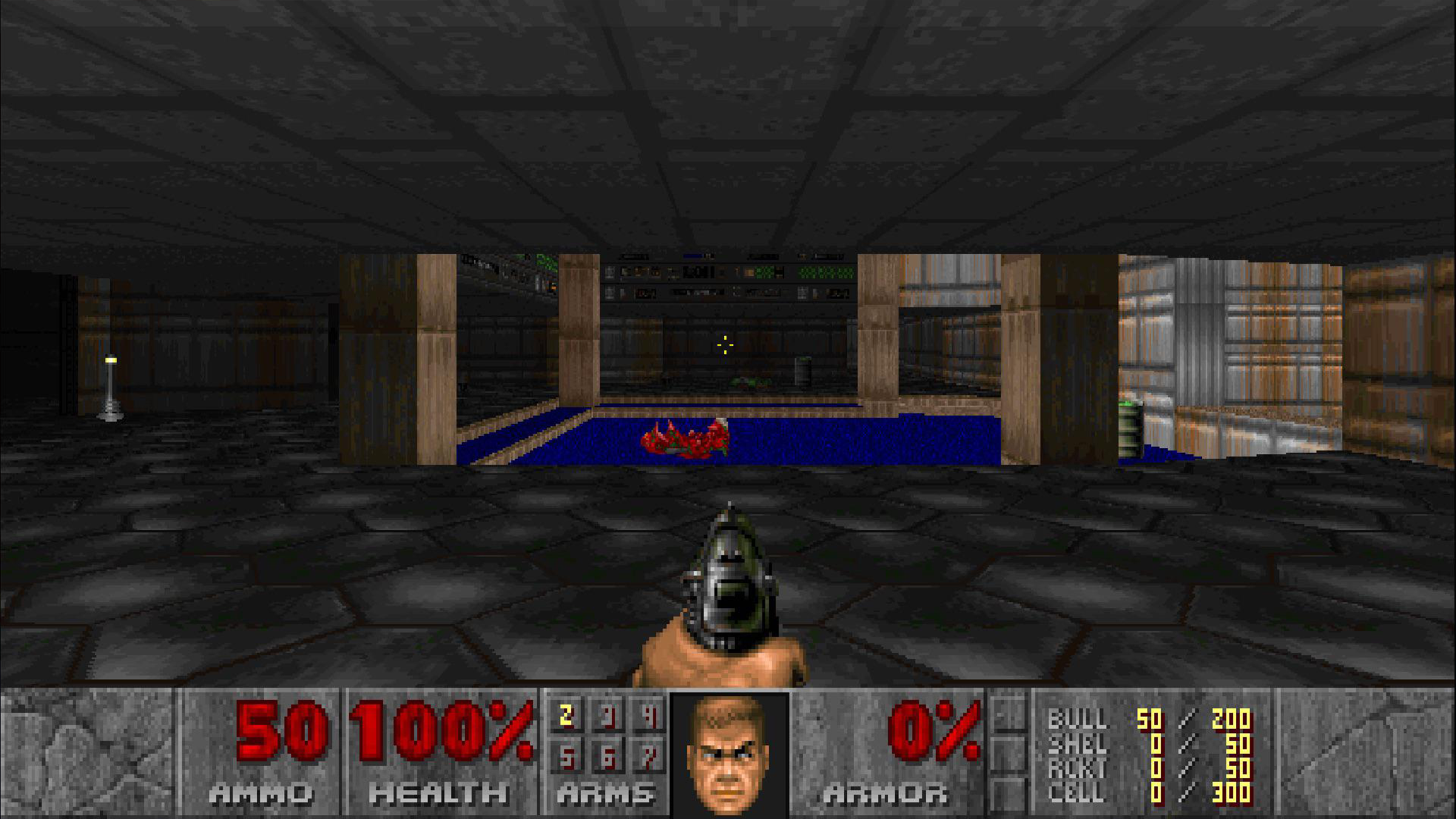
Okay, so Wolfenstein 3D brought first-person shooters back to life, but Doom? Doom totally changed everything. The enemies weren’t just cannon fodder – they actually behaved differently, which was wild at the time. Plus, the soundtrack was incredible, really adding to the intense action. Honestly, it was one of the first games I just couldn’t stop playing. But the biggest deal? Multiplayer. We’re talking local split-screen, but also playing with friends over dial-up modems! It was amazing being able to frag your buddies from anywhere, though it definitely tied up everyone’s phone lines. Seriously, the whole world was trying to play Doom. And the engine they built for it was a game-changer, setting the stage for how all FPS games would be made going forward.
6) Marathon (1994)
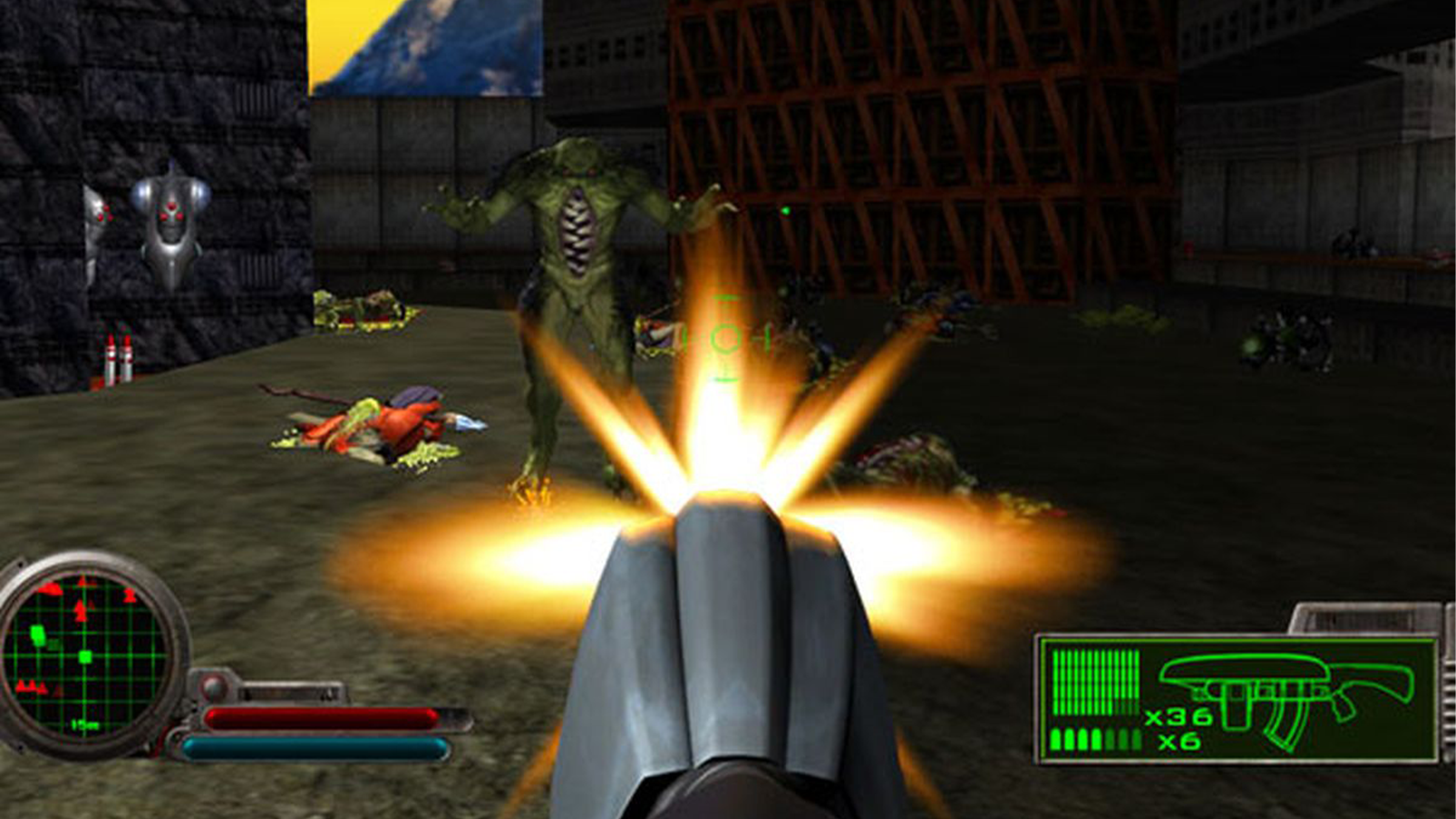
It’s strange to think about now, but first-person shooter (FPS) games didn’t always let you look around freely. This feature, known as “free look,” wasn’t introduced until the 1994 game Marathon, created by Bungie for the Apple Macintosh. Marathon was the first game to offer this ability. Think about playing a modern game like Black Ops if you couldn’t move your view – it’s hard to even picture! Before Marathon, that’s how all games were, but this innovation has been a key part of 3D gaming ever since.
7) Quake (1996)

While Doom was incredibly important, its graphics appear simple compared to later games. Quake built upon Doom’s foundation with a new game engine, allowing for more detailed textures and a truly 3D world – a huge leap forward from the earlier, flatter graphics. Quake also greatly expanded multiplayer options, becoming one of the first games widely played in competitions, and essentially paving the way for modern Esports. However, the biggest legacy of Quake is arguably its engine, which drove significant advancements in graphics technology.
8) GoldenEye 007 (1997)
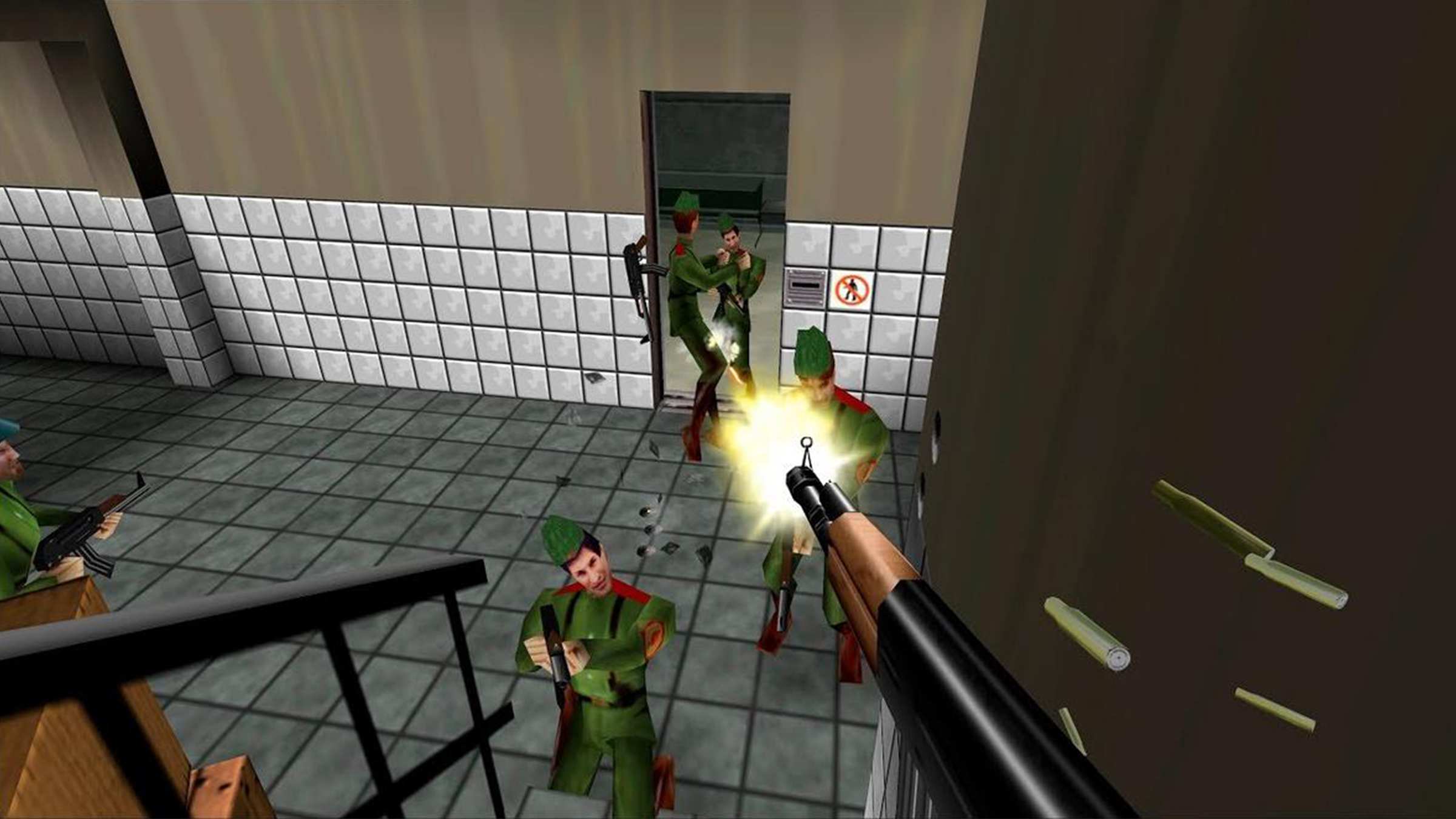
First-person shooter (FPS) games existed before GoldenEye 007 arrived on the Nintendo 64, with versions of games like Doom and Quake available on consoles. However, GoldenEye 007 felt fresh. Its local split-screen multiplayer was particularly successful, proving that playing together on a single console could be incredibly engaging. Friends would gather around the TV, intensely focused on their portion of the screen as they battled each other. This helped change FPS games from a solitary activity to a social one. While most multiplayer gaming is now done online, GoldenEye 007 excelled at the in-person experience that defined the ‘90s, making it a truly memorable game and one of the best video games ever based on a movie.
9) Half-Life (1998)
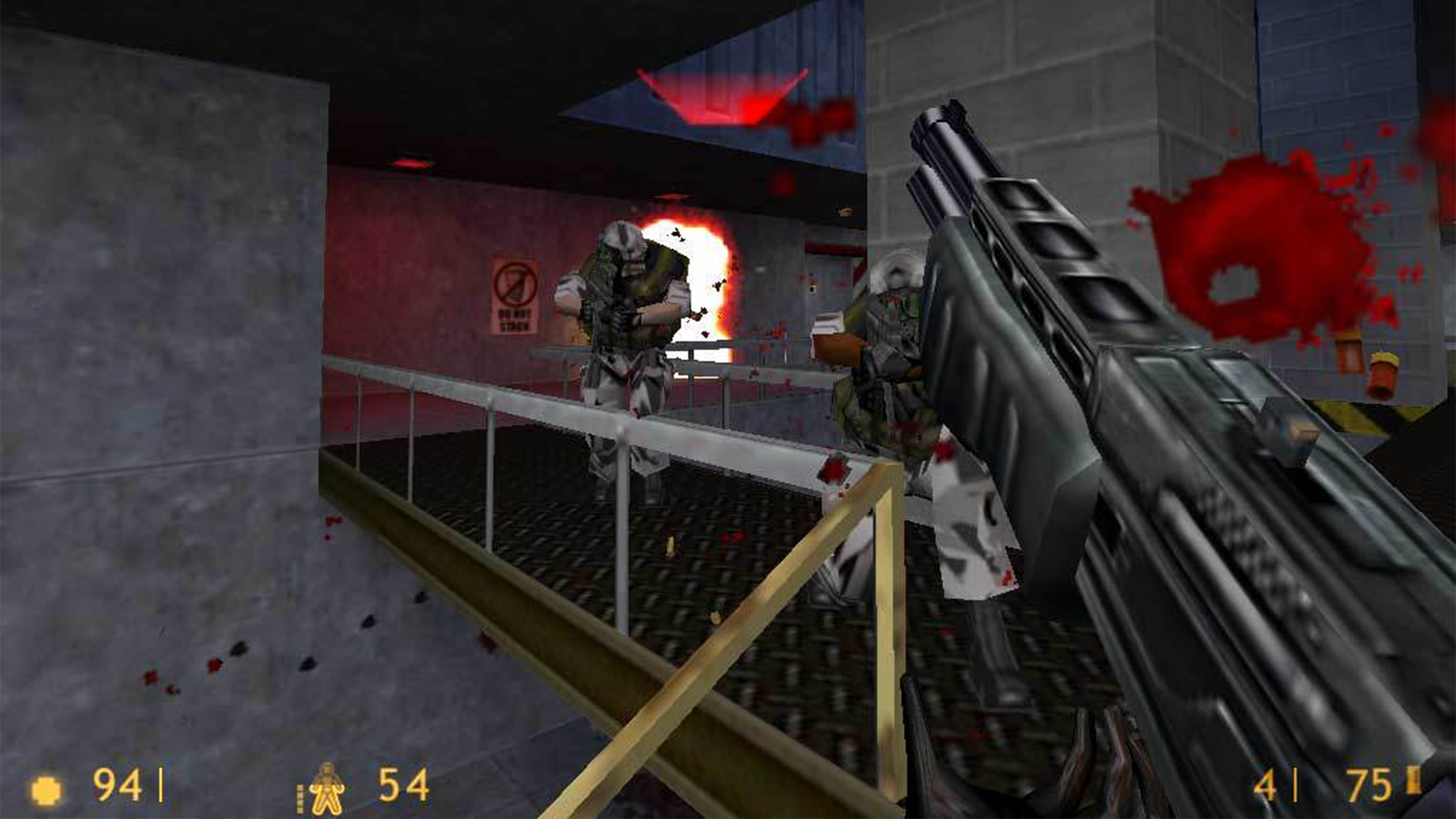
Released in 1998, Valve’s Half-Life was a groundbreaking first-person shooter with a compelling story and polished gameplay. While not the first FPS to focus on narrative, Half-Life truly excelled, immediately immersing players in its captivating adventure. Valve aimed to move the genre beyond simple shooting and create a more sophisticated experience, and they succeeded. Half-Life wasn’t just a game-changer for FPS titles; its powerful storytelling influenced the entire gaming landscape, paving the way for many popular franchises that expertly blend narrative and gameplay.
10) Tom Clancy’s Rainbow Six (1998)
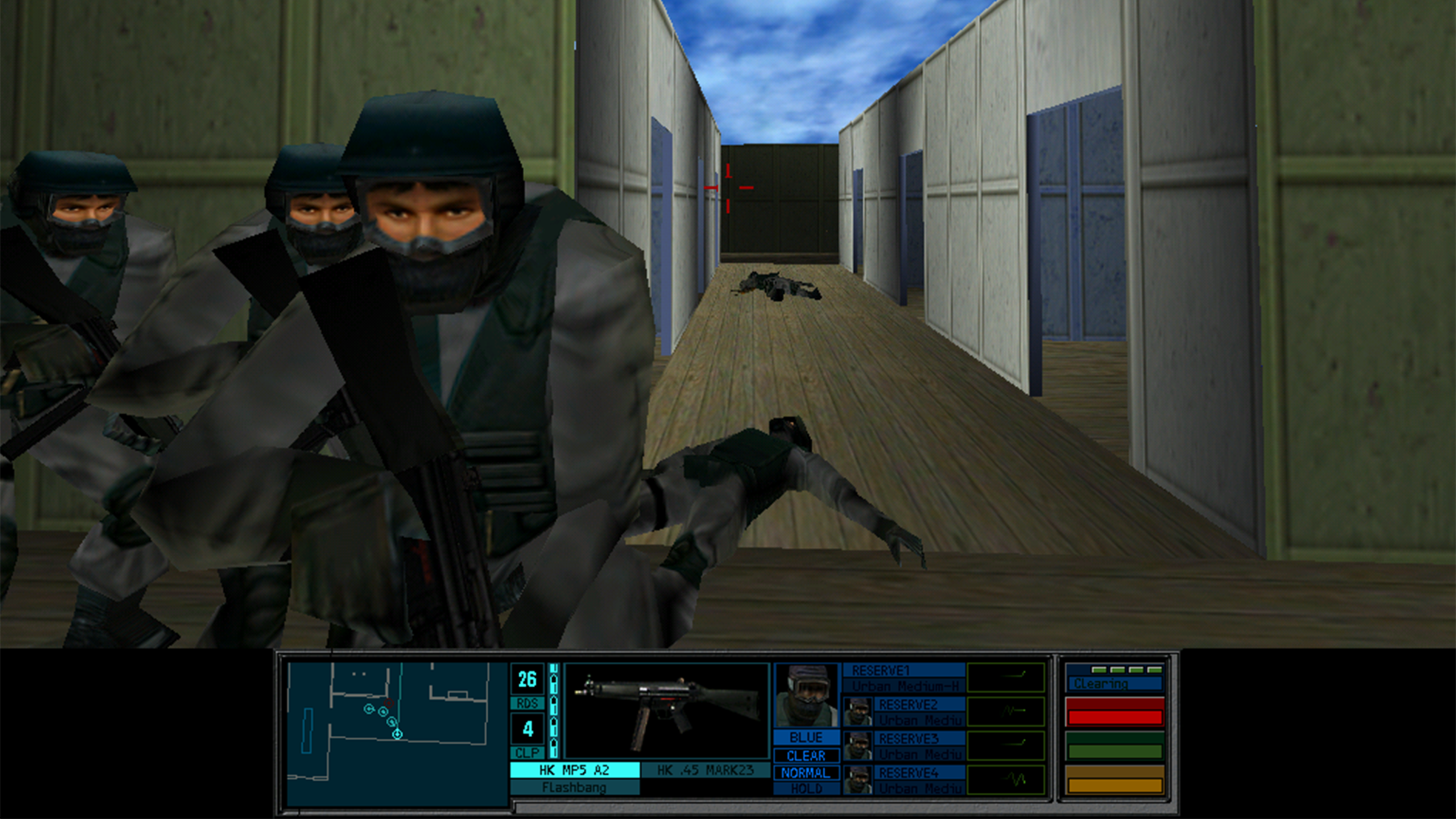
Released in the same year as Half-Life, Tom Clancy’s Rainbow Six didn’t stand out for its story or graphics. Its real innovation was a tactical command system that let players give orders to their AI-controlled squadmates – directing them where to go and what to do. This feature was groundbreaking and has influenced many FPS games since. For example, games like Borderlands 4 let you command supporting characters in a similar way, demonstrating the lasting impact of Rainbow Six’s approach to combat.
11) Halo: Combat Evolved (2001)
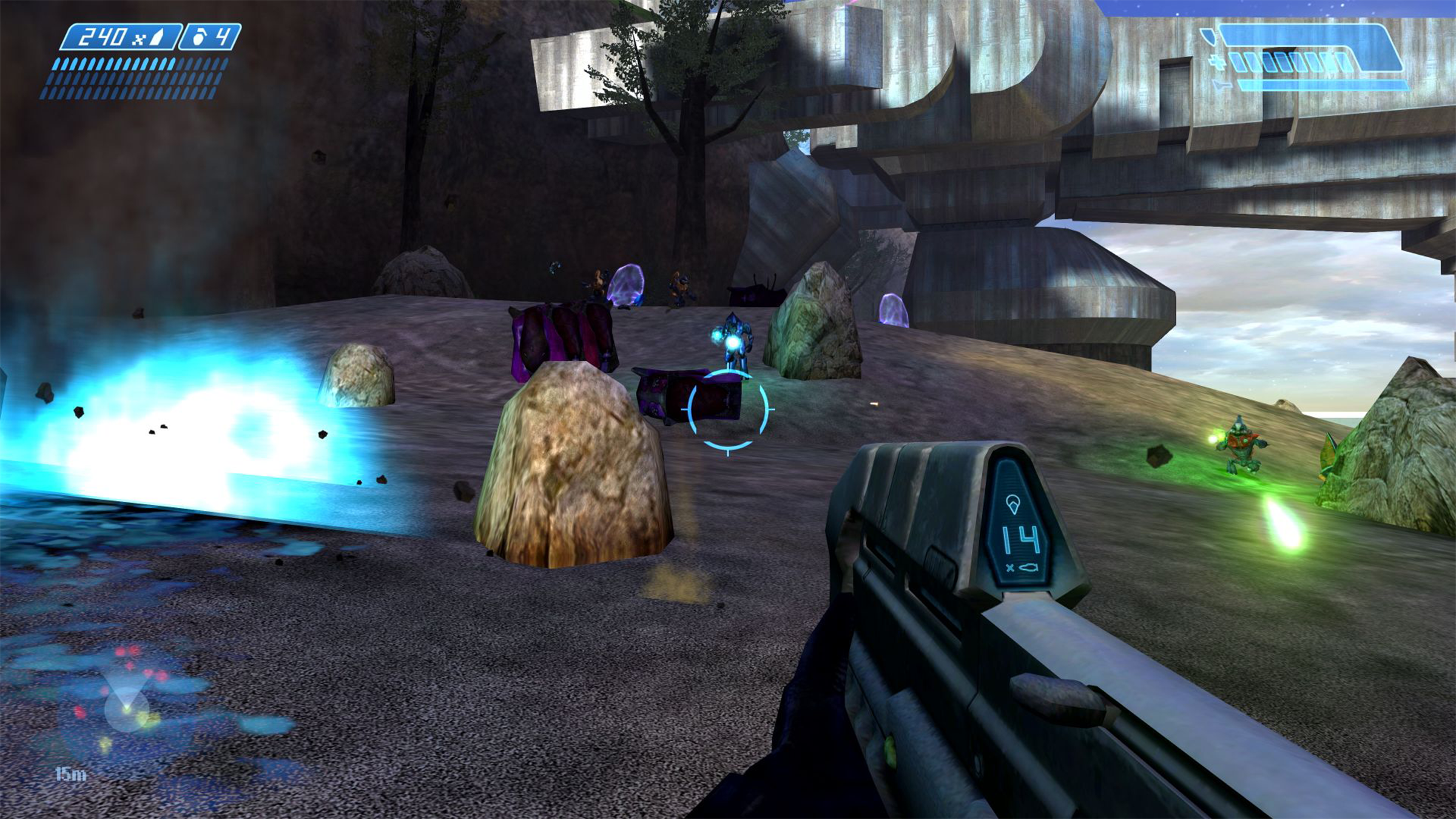
Multiplayer first-person shooters existed before Halo: Combat Evolved, but Halo felt completely different. Beyond its compelling story, memorable characters, and unique enemies in the single-player mode, the game’s multiplayer was a huge leap forward. Halo truly defined the FPS genre in the 2000s, improving both how games looked and how they played. It also popularized regenerating shields and health – before this, players had to rely on finding health packs. Halo essentially set the standard for many FPS mechanics, allowing the genre to evolve into the more complex multiplayer experiences we see today.
12) Battlefield 1942 (2002)
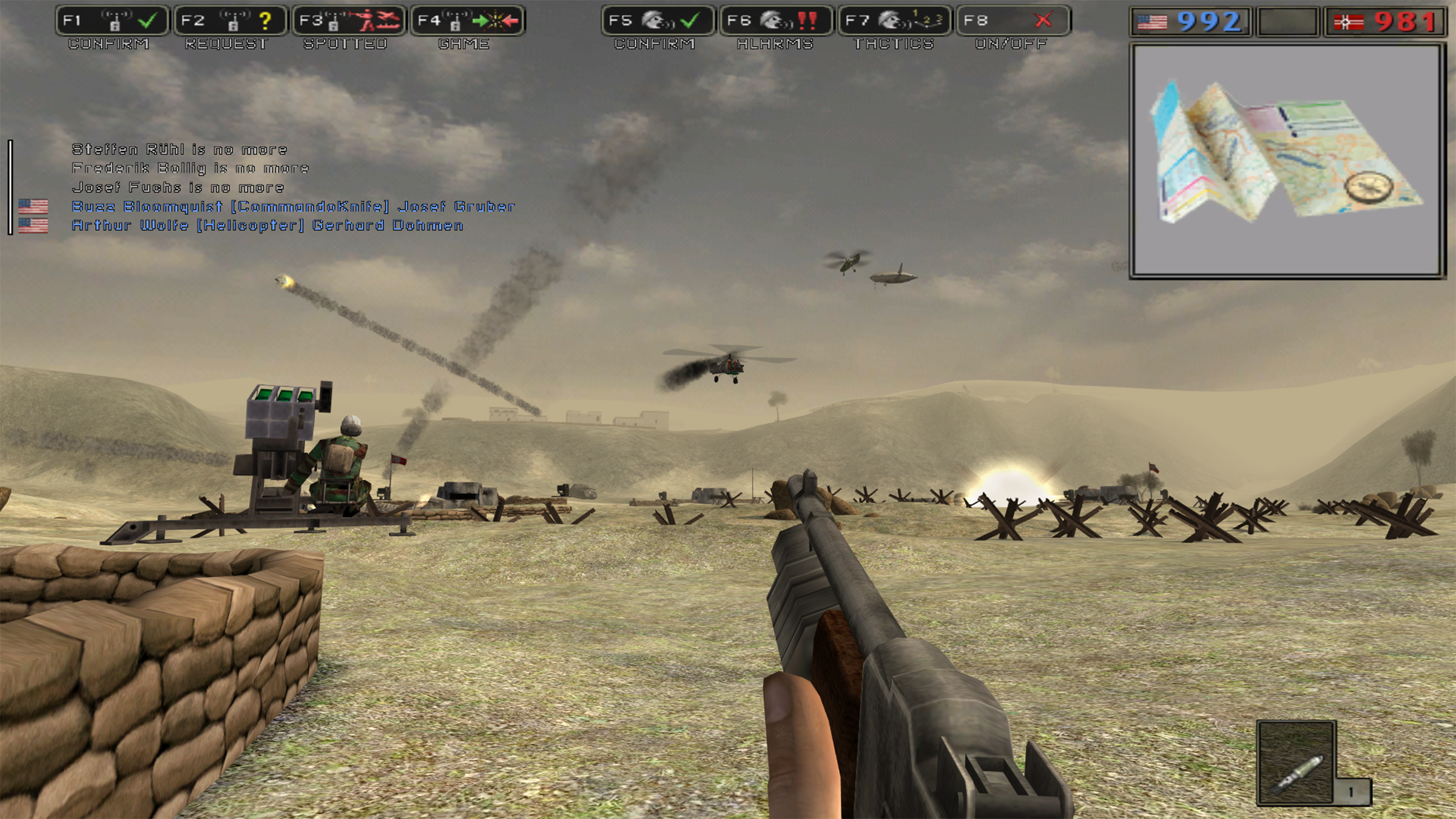
Many modern shooting and battle arena games were heavily influenced by Battlefield 1942. While the game offered different character classes, it was its multiplayer mode that truly changed the genre, allowing for large-scale battles and setting a standard for many shooters that followed. With the ability to host up to 64 players simultaneously, it was a groundbreaking feature that helped create the massive multiplayer experiences we see today in games like Fortnite. Battlefield 1942, along with earlier titles, played a key role in shaping the first-person shooter (FPS) genre into what it is now.
Okay, fellow gamers, I’m really curious – what single thing changed FPS games for the better more than anything else? Hit me with your thoughts in the comments and let’s chat about it over on the ComicBook Forum!
https://comicbook.com/gaming/list/6-best-fps-single-player-campaigns-ranked/embed/#
Read More
- GBP CNY PREDICTION
- Elon Musk’s Mom Maye Musk Shares Her Parenting Philosophy
- Elon Musk’s Ex Ashley St. Clair Reveals When Romance Became “Weird”
- 10 Best Free Games on Steam in 2026, Ranked
- Mark Zuckerberg & Wife Priscilla Chan Make Surprise Debut at Met Gala
- Forza Horizon 6 Car List So Far: Confirmed Highlights, Cover Cars, DLC, and Rewards
- 10 Greatest Manga Endings of All Time
- Hollow Knight: Silksong Guide – All 30 Lost Flea Locations
- 38 Years Later, Murder, She Wrote’s Most Overlooked Episode Still Pulls Off TV’s Greatest Crossover
- 20 K-Dramas That Nailed the Perfect Ending
2026-01-19 19:44