
Kathleen Kennedy‘s appointment as President of Lucasfilm marked a significant change in how the entertainment industry handled established franchises. Chosen by George Lucas himself in 2012, she spearheaded the $4 billion sale of the studio to Disney. Afterwards, she quickly transformed Star Wars from a largely inactive film series into a constantly producing entertainment powerhouse, prioritizing a steady stream of new content for both movie theaters and streaming services. This period saw a resurgence of the main Star Wars story and the launch of live-action Star Wars television shows, leading to unprecedented growth and dramatically expanding the franchise. However, despite its financial success, Kennedy’s leadership was also characterized by considerable creative disagreements and internal changes.
Kathleen Kennedy left her position at Lucasfilm on January 15, 2026. Dave Filoni has been promoted to President and Chief Creative Officer, and will lead the company with Co-President Lynwen Brennan. This change aims to recapture the original creative spirit of George Lucas. Despite the leadership shift, several projects Kennedy oversaw are still planned for release, including a film featuring The Mandalorian and Grogu, and the new Star Wars: Starfighter movie starring Ryan Gosling. With this change in leadership, it’s a good time to review all the Star Wars projects developed during Kennedy’s tenure. To keep things focused, we won’t include short-form series, shorts, or the Jedi Temple Challenge game show.
19) Star Wars: The Rise of Skywalker

The final film in the Skywalker Saga was a major creative challenge during Kathleen Kennedy’s leadership. After a troubled production that included a change in directors – with J.J. Abrams returning – The Rise of Skywalker tried to cover up a weak story with a fast pace and lots of references to the past. Bringing back Emperor Palpatine (Ian McDiarmid) felt like a last-minute fix instead of something planned, and it hurt the development of characters we’d seen in the previous films. Though the movie looked impressive technically, the script failed to satisfyingly resolve the many unanswered questions from the trilogy, leaving the overall story of Star Wars feeling unclear and confused.
18) Star Wars Resistance
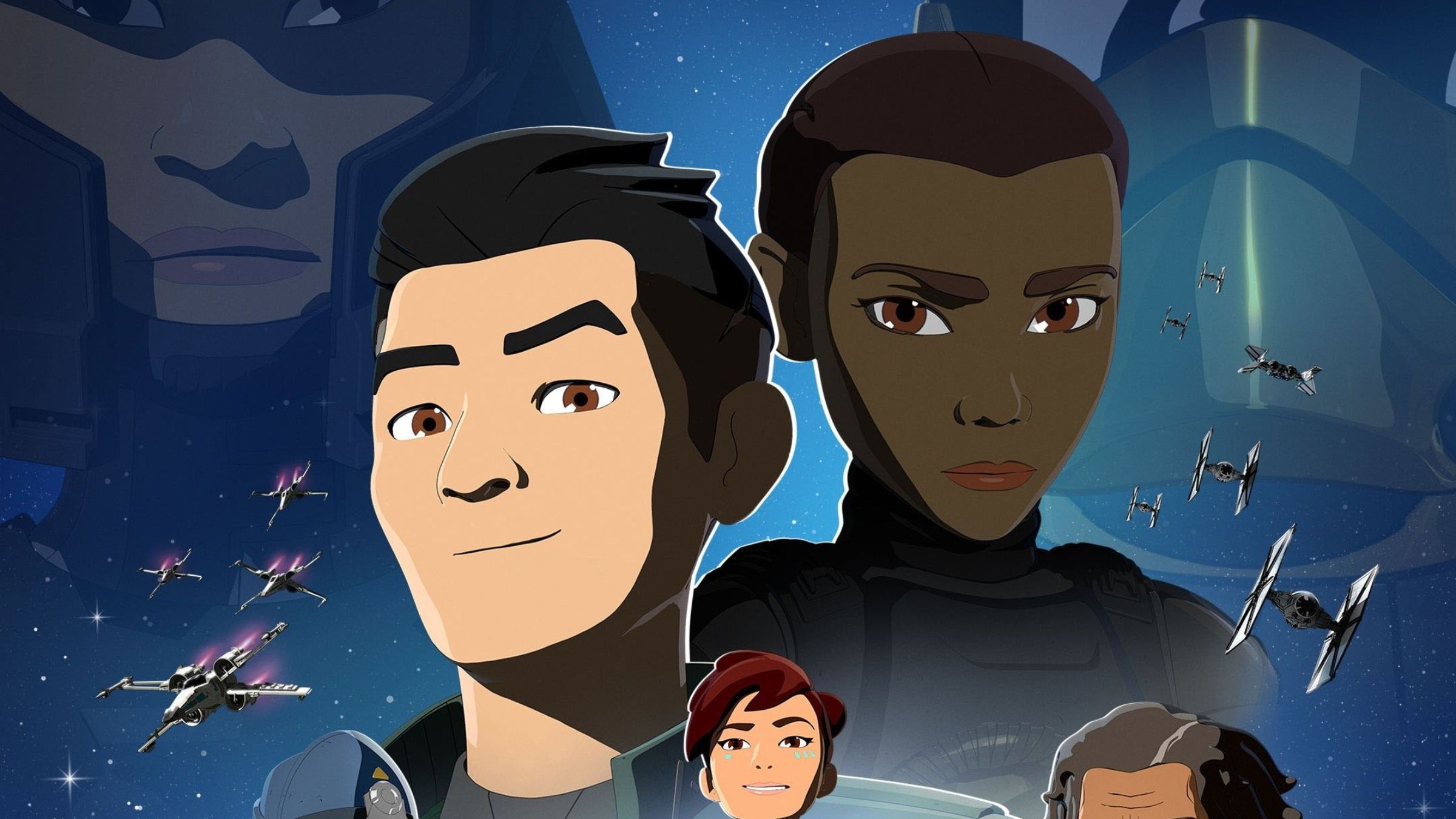
Trying to attract a younger audience during the height of the sequel trilogy, Star Wars Resistance had a difficult time finding its place within the broader Star Wars story. One issue was its animation style – a simpler, cel-shaded look that felt out of place compared to the more detailed animation of previous Star Wars shows. Additionally, while the series focused on the everyday pilots of the Colossus, the problems they faced didn’t feel significant enough considering the galaxy was supposedly facing a major crisis. The show also didn’t effectively connect its story to the larger conflict with the First Order, making it feel separate from the main Star Wars narrative. Finally, the main character, Kazuda Xiono, often relied on silly, slapstick humor, which prevented him from becoming as popular as other characters in Lucasfilm’s animated series.
17) The Book of Boba Fett
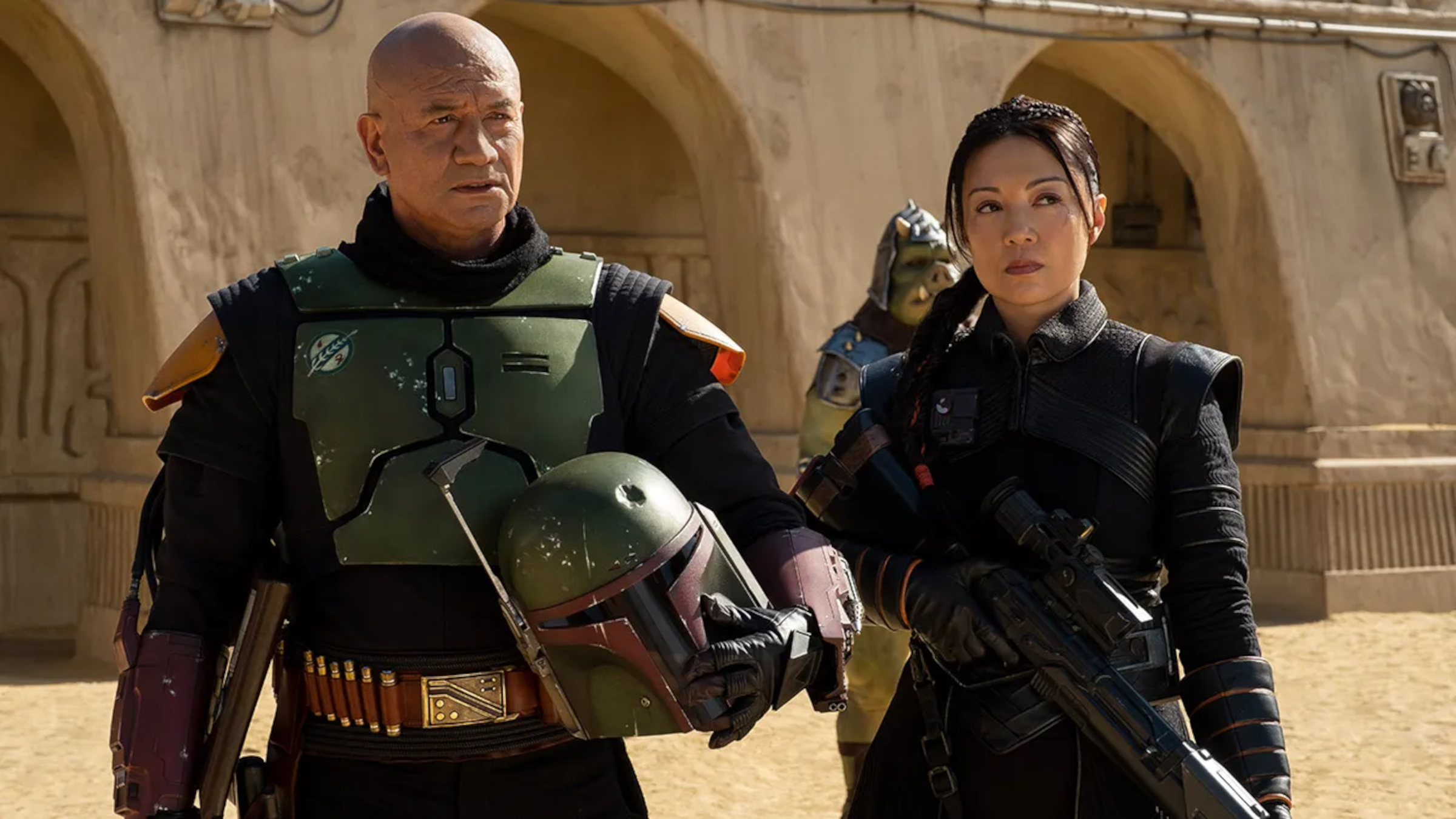
The return of Boba Fett, a character fans had been waiting to see again, was ultimately disappointing. The Book of Boba Fett tried to show a softer side to the legendary bounty hunter, exploring his journey from ruthless mercenary to a more compassionate crime lord. However, the show often lost its way with lengthy flashbacks focused on the Tusken Raiders, which slowed down the main story happening in Mos Espa. This problem was made worse when the series unexpectedly shifted its focus to Din Djarin for two whole episodes, essentially turning The Book of Boba Fett into an extension of The Mandalorian. Though the action scenes were occasionally exciting, the show never really explained why Boba Fett needed his own series. The finale felt less like a satisfying conclusion to his story and more like a way to promote the larger Star Wars universe.
16) Young Jedi Adventures

The addition of Young Jedi Adventures shows Lucasfilm’s dedication to bringing Star Wars to very young children. Set in the High Republic era, the show follows young Jedi trainees like Kai Brightstar and Nash Durango as they learn the fundamentals of the Jedi Order. It features bright, cheerful animation and focuses on important lessons about kindness and working together, making it perfect for preschoolers. However, because the show prioritizes teaching, it doesn’t have the complex stories seen in other Star Wars projects. While it’s a good introduction for toddlers, it lacks the depth and serious themes that would make it stand out among more ambitious Star Wars content.
15) Solo: A Star Wars Story

The making of Solo: A Star Wars Story is often cited as a prime example of the challenges faced during Kathleen Kennedy’s leadership. After the original directors were replaced mid-film, Ron Howard took over and delivered a solid, though somewhat predictable, origin story for Han Solo (Alden Ehrenreich). The movie successfully showed how Han acquired the Millennium Falcon and first met Chewbacca (Joonas Suotamo). However, the story felt limited by its need to connect to existing Star Wars lore, often focusing more on explaining details about Han’s possessions and nicknames than on developing his character. Donald Glover’s performance as Lando Calrissian was a highlight, but Solo didn’t perform well in theaters. It’s a well-crafted adventure film that ultimately demonstrates the difficulties of the “Star Wars Story” anthology format when the films are too concerned with filling in backstory.
14) The Acolyte
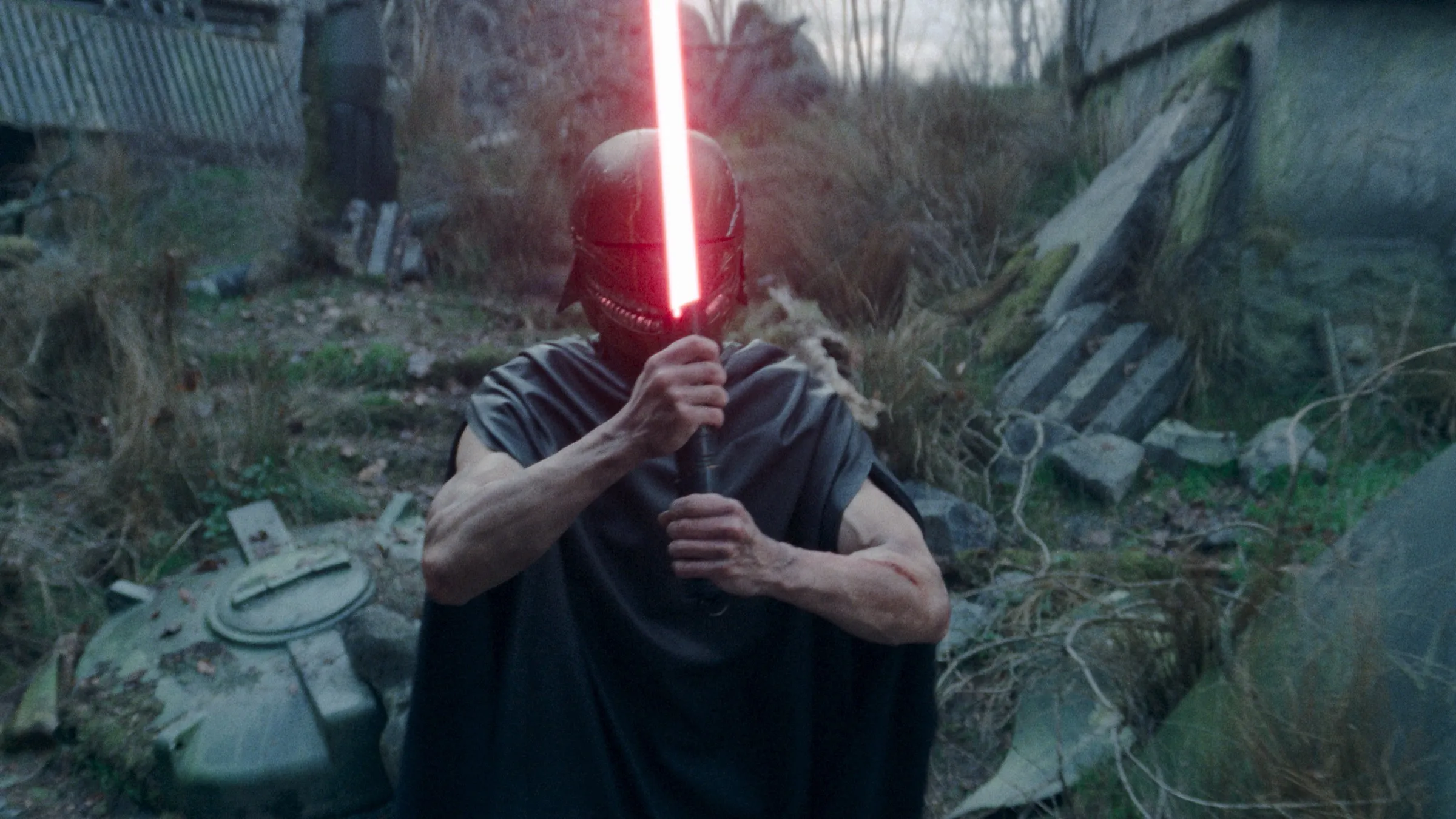
With The Acolyte, viewers finally saw the High Republic era come to life in a live-action Star Wars series. The show aimed to challenge typical ideas about the Jedi and Sith, centering on a mystery involving twins Osha and Mae (Amandla Stenberg). It also delivered some of the most complex and intense lightsaber fights ever seen in the franchise. The introduction of the Stranger (Manny Jacinto) added a truly frightening new villain who questioned the Jedi’s unwavering beliefs. However, The Acolyte suffered from an inconsistent pace and a story structure that made it hard for some viewers to connect with the core emotional story. Despite impressive visuals and ambitious world-building, the show sparked a lot of cultural discussion, which ultimately drew attention away from its creative strengths. Sadly, the series was cancelled after just one season, leaving several key storylines unresolved and marking it as an unfinished experiment.
13) Obi-Wan Kenobi

The series Obi-Wan Kenobi successfully tapped into the continued fondness for the prequel films by bringing back Ewan McGregor and Hayden Christensen. It delved into the emotional struggles Obi-Wan faced while in hiding on Tatooine, explaining how he moved from a defeated mentor to the wise guide we see in the original films. A key part of the show’s heart was the relationship between Obi-Wan and a young Princess Leia (Vivien Lyra Blair), adding depth to their connection in A New Hope. Unfortunately, the series suffered from underwhelming visual effects and a plot that felt drawn out over six episodes. Though the long-awaited duel between Vader and Kenobi was a highlight, some of the other storylines felt unnecessary, ultimately preventing Obi-Wan Kenobi from reaching its full potential.
12) Star Wars: Skeleton Crew
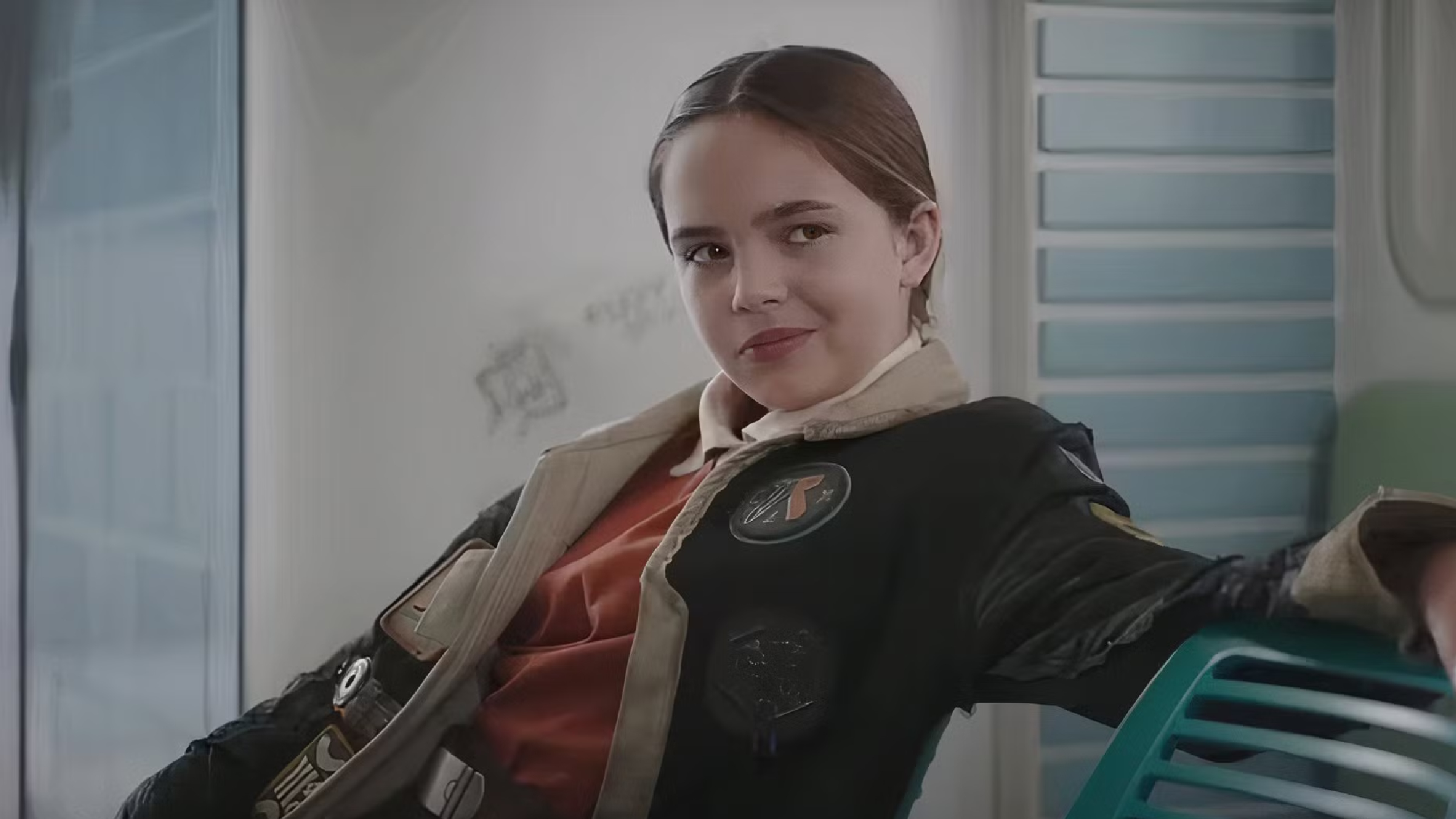
Directed by Jon Watts and Christopher Ford, Star Wars: Skeleton Crew is a fun, coming-of-age adventure that feels like a classic 1980s movie. The series centers around a group of kids who stumble upon a lost spaceship and end up on a perilous journey through an uncharted part of the Star Wars galaxy. By telling the story through the eyes of children, the show recaptures a sense of excitement and danger that had been missing from the franchise. Jude Law’s character, Jod Na Nawood, adds intrigue as a guide with questionable motives, heightening the tension as the kids try to find their way home. What makes the show work is its ability to tell a self-contained, intimate story, demonstrating that the Star Wars universe can support different types of stories beyond epic wars. It’s a creative and welcome addition, showing how smaller, more focused stories can thrive in the age of streaming.
11) Ahsoka
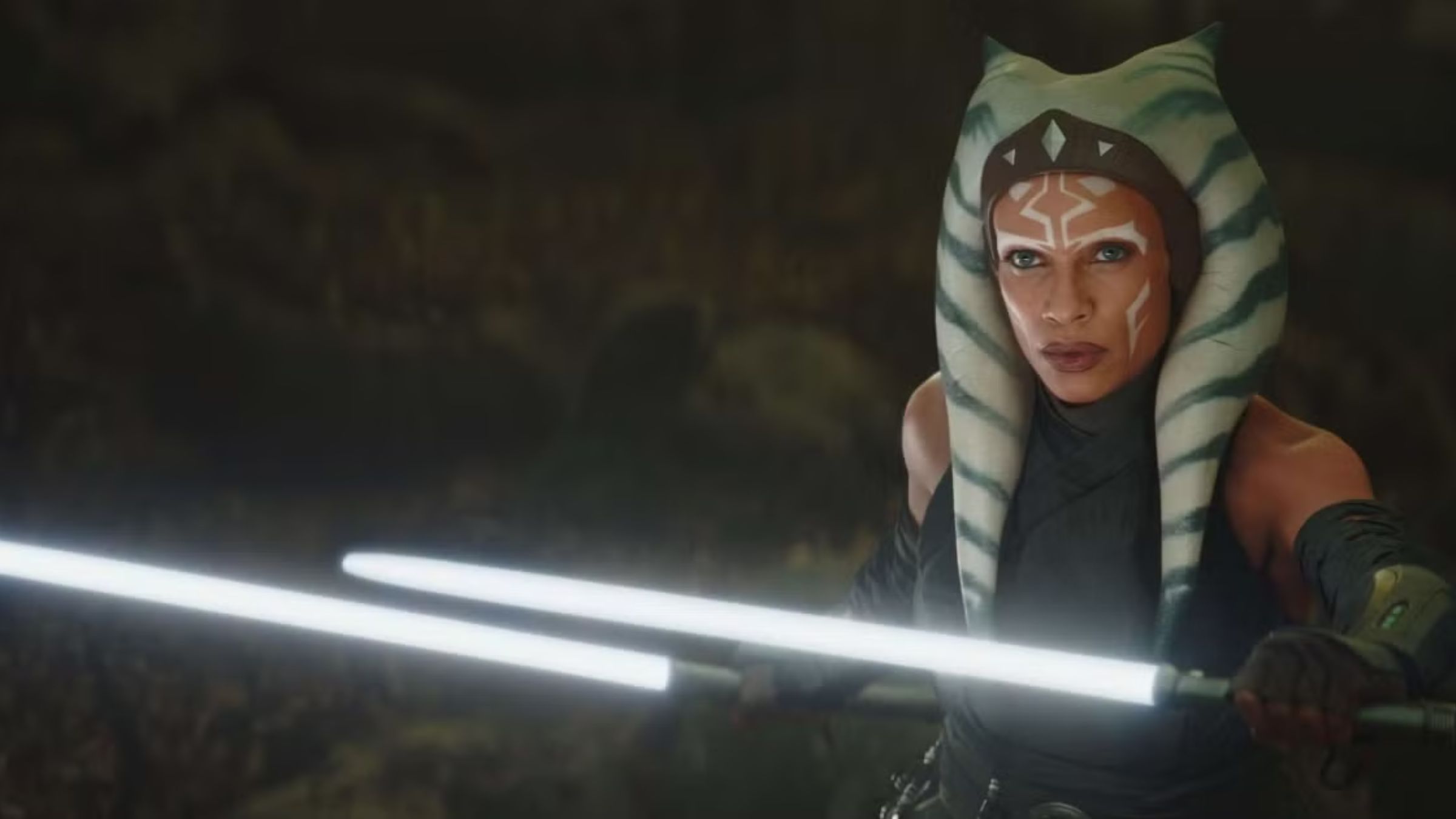
The live-action series Ahsoka continued the story from the animated show Star Wars Rebels, bringing the popular character Ahsoka Tano (played by Rosario Dawson) into the central conflict of the New Republic. The show revolved around the hunt for Ezra Bridger and the potential return of Grand Admiral Thrawn, with a visual style that emphasized the spiritual side of the Force. A standout performance came from Ray Stevenson as Baylan Skoll, a compelling new villain who offered a different perspective than the usual Jedi versus Sith conflict. Although some viewers felt the series required familiarity with the animated shows, Ahsoka effectively brought the feel of those stories to life in a live-action setting.
10) Star Wars: Tales

The series Tales of the Jedi, Tales of the Empire, and Tales of the Underworld allowed the creators to tell some of their most compelling and concentrated stories through short animated episodes. Building on the visual style established by Dave Filoni, these episodes delve into important moments in the lives of characters like Count Dooku (voiced by Corey Burton) and Morgan Elsbeth (voiced by Diana Lee Inosanto). Because each episode is short, the writers had to focus on the core story, creating a streamlined and powerful narrative that prioritized character development and themes over big action sequences. The series was especially effective at showing Count Dooku’s growing disappointment with the Republic and his tragic turn to the dark side, adding depth to his role in the earlier Star Wars films. These stories demonstrate how effectively the Star Wars universe can explore characters’ inner lives, making this series a valuable addition to the overall story that rewards dedicated fans without unnecessary complexity.
9) Star Wars: The Bad Batch

Following directly after the events of The Clone Wars, Star Wars: The Bad Batch centers on a group of highly skilled clone troopers as they adjust to life after Order 66. The show moved beyond a typical military story by focusing on the close relationship between the team and a young girl named Omega (voiced by Michelle Ang), creating a heartwarming story about family. It also offered a unique perspective on the Empire’s rise to power, showing how it dismantled the Republic and replaced the clone army with stormtroopers. Throughout its run, The Bad Batch maintained impressive visuals with stunning lighting and dynamic action sequences, raising the bar for animated television. Ultimately, the series delivered a satisfying and emotional ending for its characters – something not often seen in the Star Wars universe.
8) Star Wars: The Force Awakens
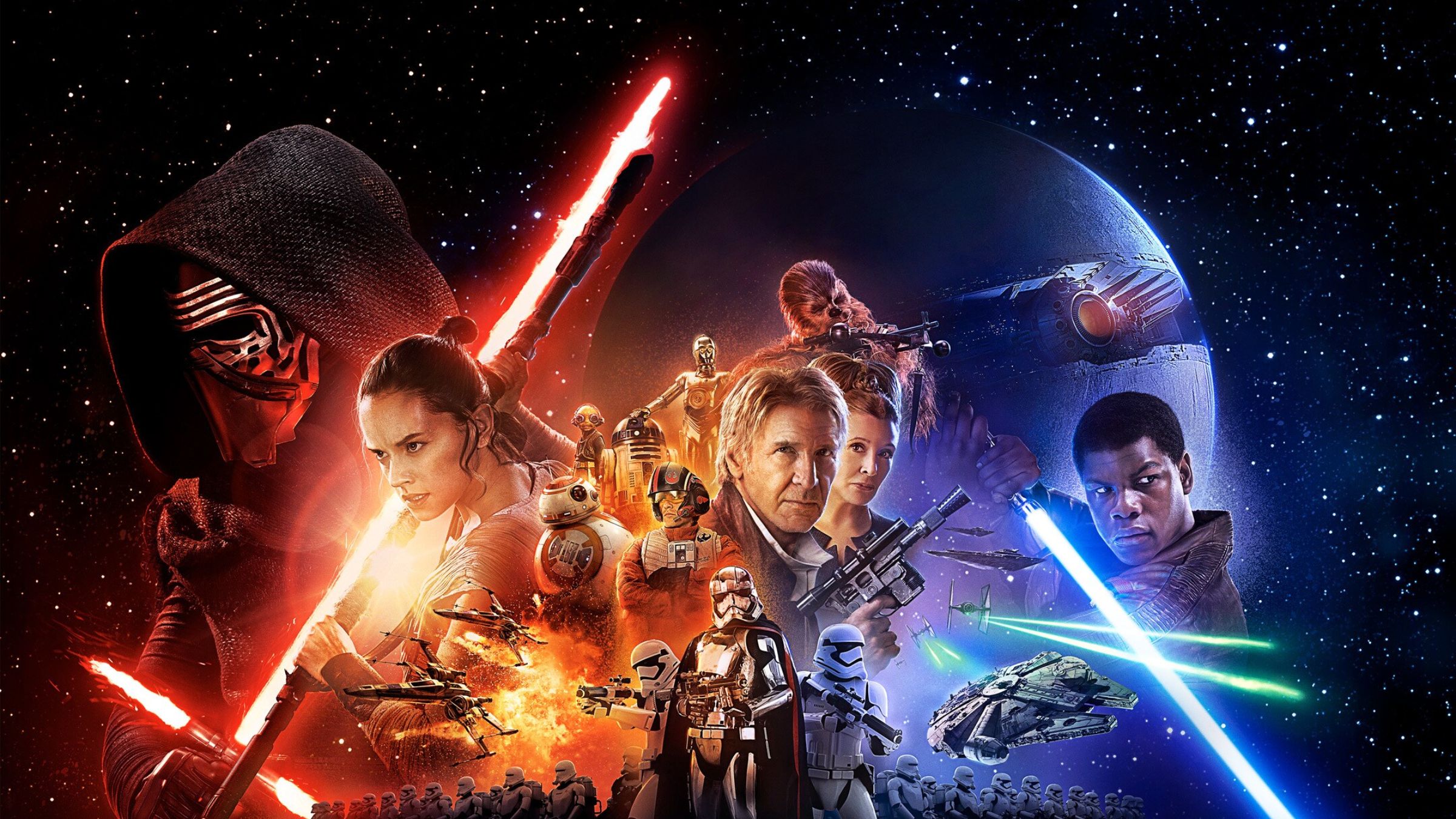
Star Wars: The Force Awakens successfully brought the franchise back to life for a new generation, becoming a huge hit with both audiences and critics. It introduced a new group of heroes, led by Rey (Daisy Ridley), offering a fresh but recognizable feel. Director J.J. Abrams focused on real effects and filming on location, giving the movie a realistic and immersive quality. Though some felt the story was too similar to the first Star Wars film, its fast pace and compelling characters reminded everyone why the franchise is so popular. Adam Driver’s intense performance as Kylo Ren also created a captivating conflict that became central to the subsequent films, solidifying the movie as a standout achievement during Kathleen Kennedy’s time overseeing the series.
7) Star Wars: Visions
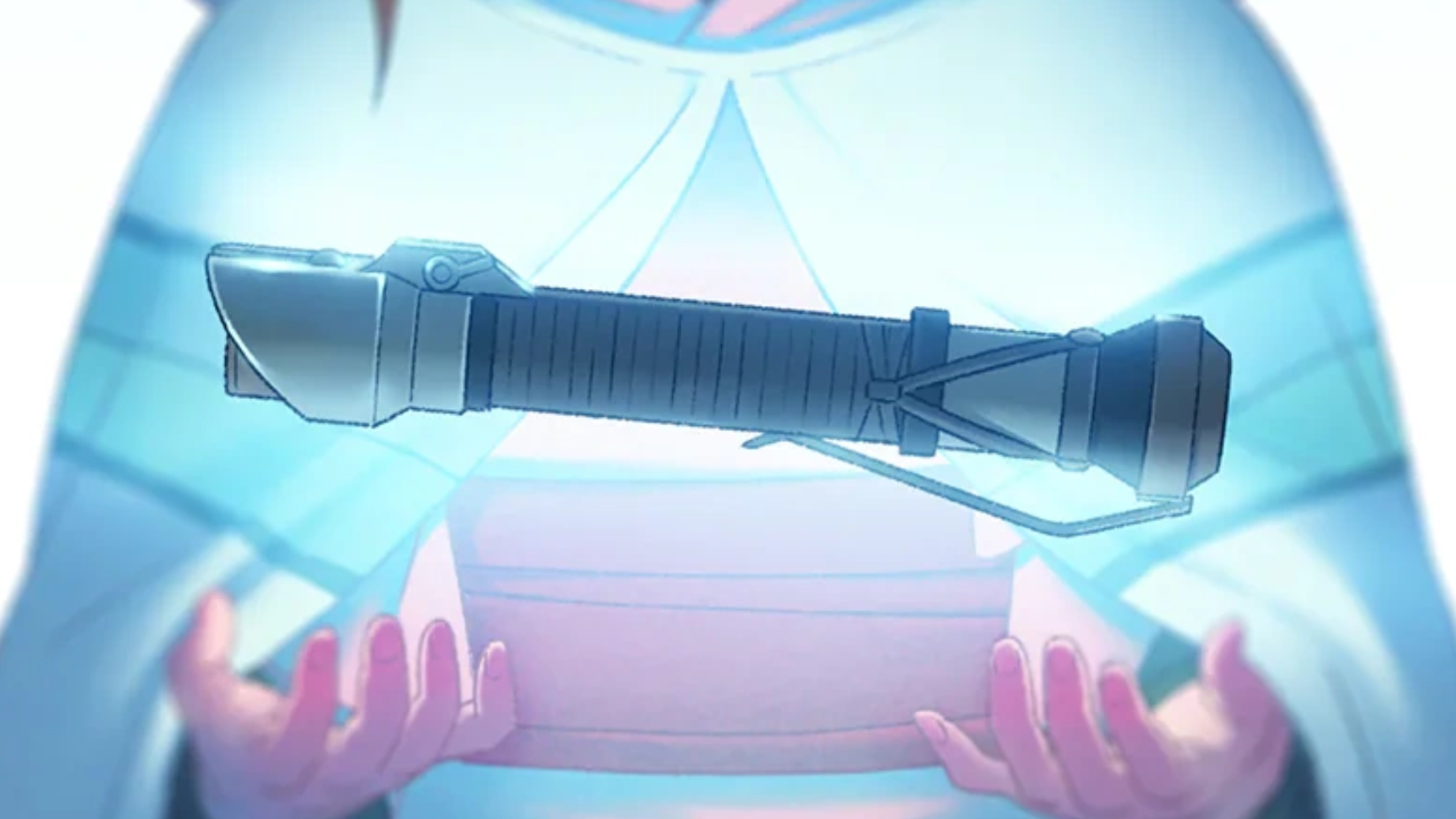
As a huge Star Wars fan, I was completely blown away by Star Wars: Visions. It’s such a cool project! The show lets animation studios from all over the world create their own stories within the Star Wars universe, without worrying about sticking to the established timeline. It’s amazing to see how differently they interpret familiar elements – like the samurai-inspired world in ‘The Duel’ or the super colorful style of ‘Screecher’s Reach’. It really proves that the heart of Star Wars – the fight between good and evil, the importance of family – can resonate with any culture. What I loved most is that the anthology format allowed for so much creativity and risk-taking, giving us visuals unlike anything we’ve seen in the live-action films. Visions truly shows how adaptable the Star Wars brand is and how it can inspire artists worldwide to reimagine what a Star Wars story can be.
6) Star Wars Rebels

Initially a straightforward adventure about a small group of rebels, Star Wars Rebels grew into a vital part of the larger Star Wars story. The series centered on the crew of the ship Ghost as they helped start the Rebellion, and introduced compelling new characters like Kanan Jarrus (voiced by Freddie Prinze Jr.) and Hera Syndulla (voiced by Vanessa Marshall). Importantly, the show connected the prequel and original Star Wars trilogies by thoughtfully including established characters like Darth Vader and Maul. Rebels also skillfully combined fun, lighthearted moments with thoughtful explorations of the Force and the Jedi Order. The series finale beautifully resolved many storylines, but left the fate of the main character, Ezra Bridger (voiced by Taylor Gray), open-ended, solidifying Rebels as an important piece of the Star Wars universe for years to come.
5) Star Wars: The Clone Wars (Season 7)
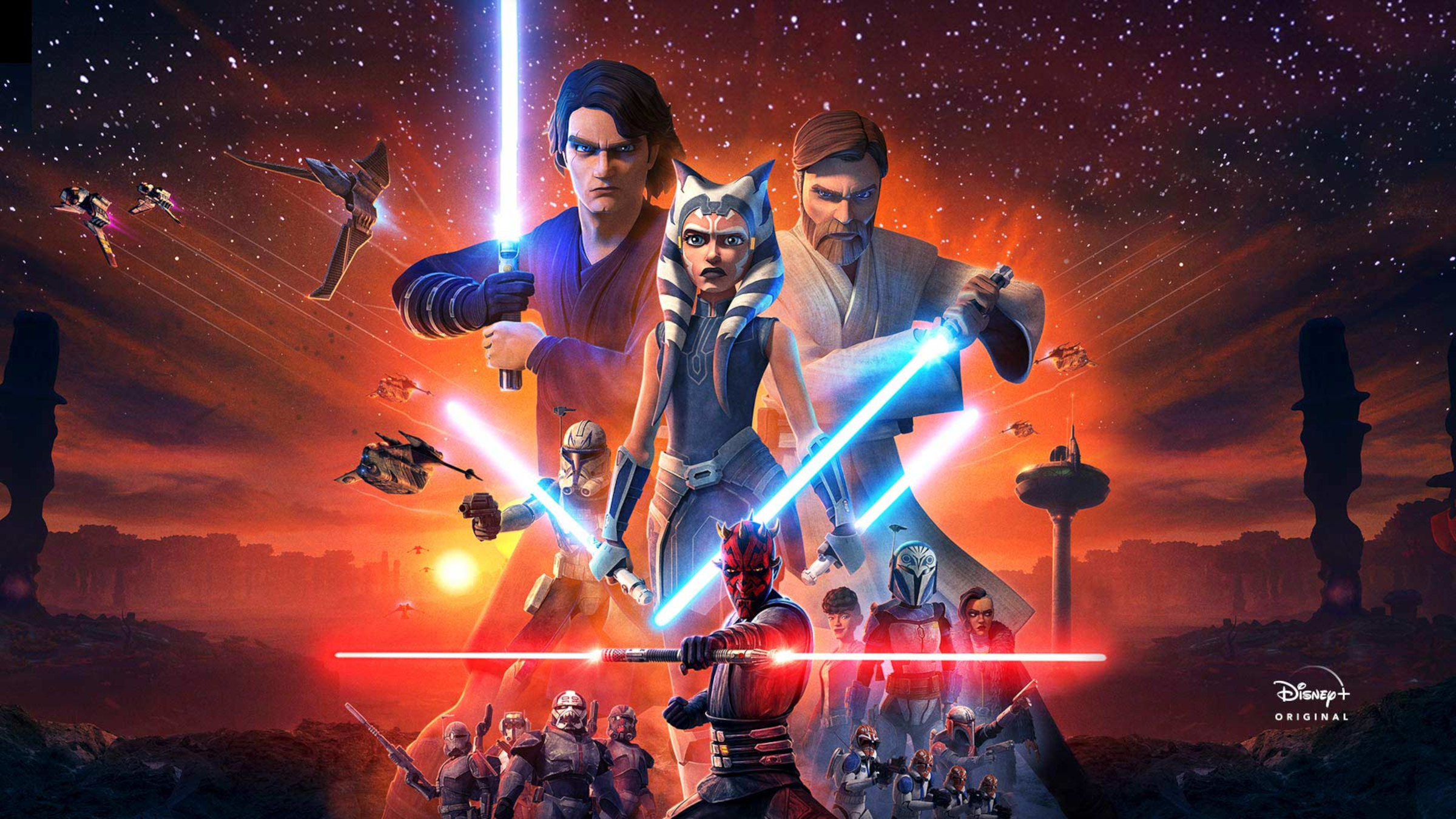
The seventh and final season of Star Wars: The Clone Wars was a remarkable conclusion to a series that had kept the Star Wars brand thriving for over ten years. The season’s last story arc, centered on the Siege of Mandalore, featured animation quality that exceeded typical television standards. By portraying the devastating events of the Great Purge and Order 66 through the eyes of Ahsoka Tano (voiced by Ashley Eckstein) and Captain Rex (voiced by Dee Bradley Baker), The Clone Wars created a powerfully emotional experience that even the live-action films struggled to achieve. This final season significantly enhanced the entire prequel era, demonstrating that animation could deliver some of the most complex and heartbreaking stories in the Star Wars galaxy.
4) Star Wars: The Last Jedi

As a fan, I truly believe The Last Jedi was the most courageous Star Wars film since the original era. It wasn’t afraid to challenge everything we thought we knew about the Jedi and Luke Skywalker, and I really appreciated that. Rian Johnson delivered a beautiful movie that made us question the simple idea of ‘good’ versus ‘evil’. It showed us that anyone can be a hero, no matter where they come from, and that was a powerful message. Mark Hamill’s performance as a broken Luke was brilliant – a real risk that paid off with a deeply moving story of redemption. I know the film’s choices are still debated, but its boldness and critical praise made it stand out. That’s why I was so disappointed with Lucasfilm’s decisions after The Last Jedi – they seemed to undo a lot of the amazing potential it unlocked for the Star Wars universe.
3) The Mandalorian
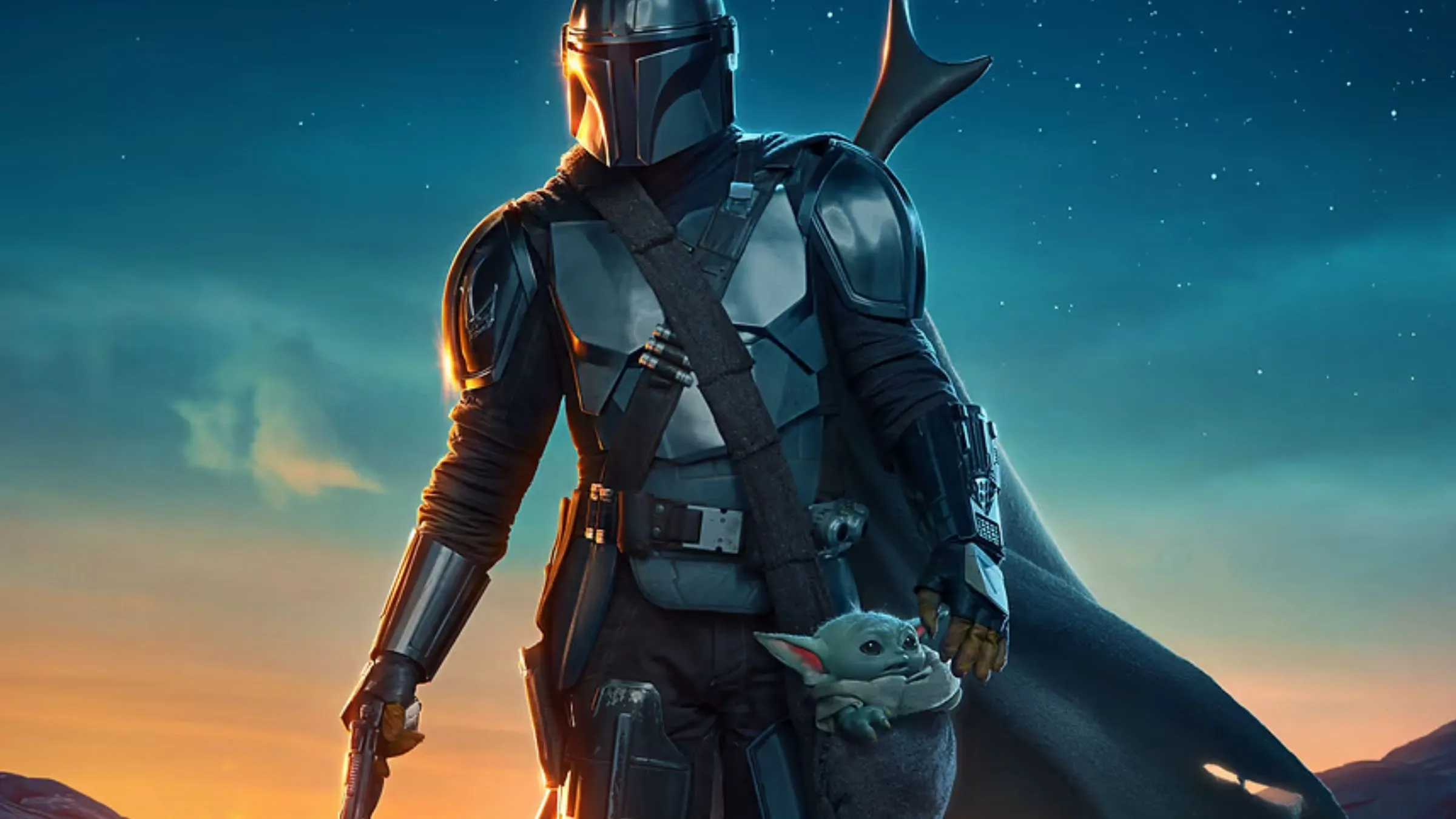
The debut of The Mandalorian marked a fresh start for Star Wars, successfully bringing big-budget, live-action storytelling to television. The series followed the adventures of Din Djarin, a quiet bounty hunter played by Pedro Pascal, and his surprising mission to protect a young, Force-sensitive child nicknamed “Baby Yoda” by fans. Unlike the epic scope of the Skywalker films, The Mandalorian offered a more personal and realistic view of the Star Wars galaxy, drawing inspiration from classic Westerns and samurai movies. The show was also groundbreaking for its use of advanced digital stage technology, now widely adopted in major film productions. Its huge popularity and the endearing Grogu helped keep Star Wars relevant while theatrical releases were paused, proving a new way for the studio to keep a franchise going through streaming series.
2) Rogue One: A Star Wars Story
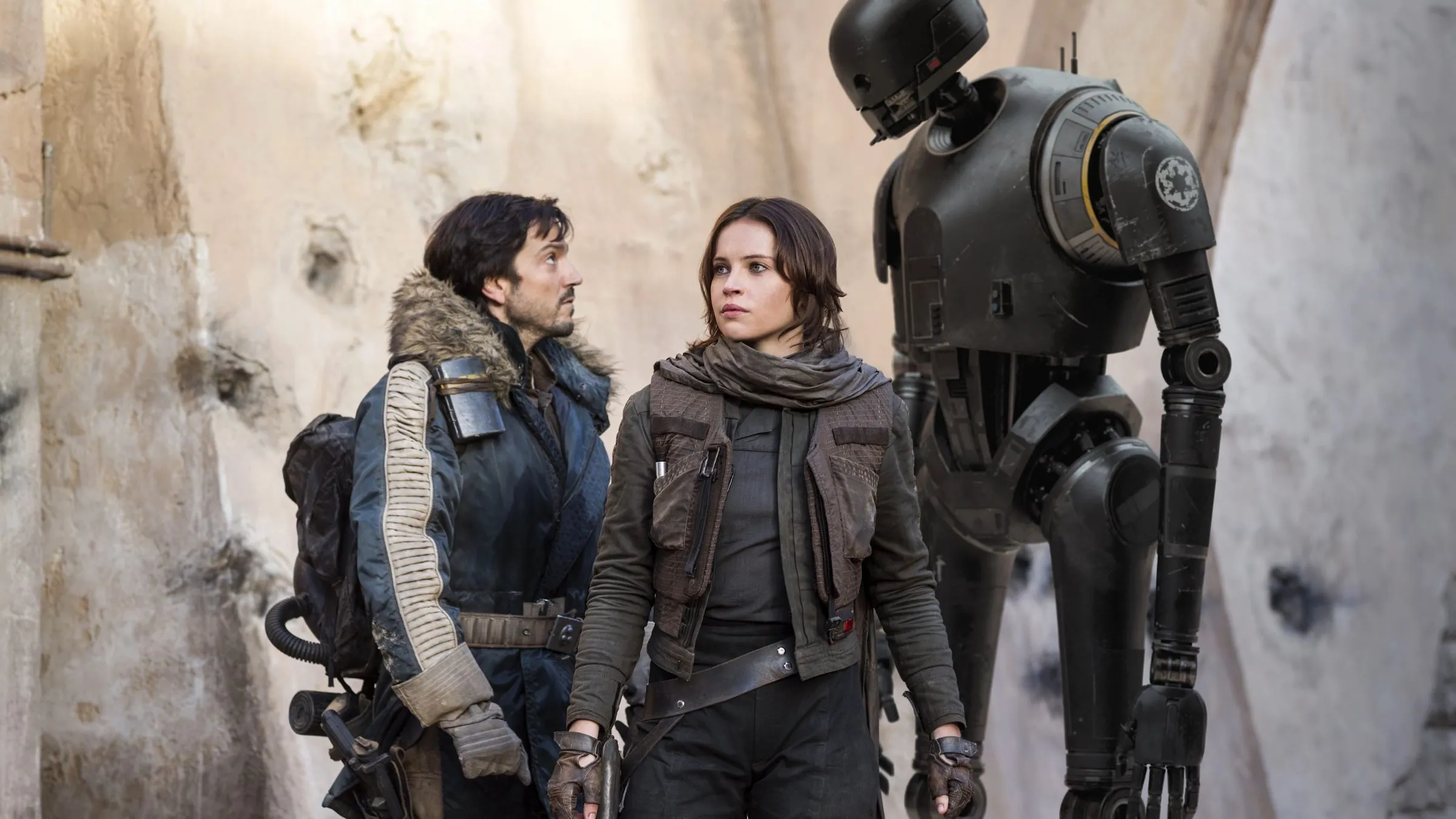
Rogue One: A Star Wars Story is considered the best of the standalone Star Wars films Disney has made, offering a raw and powerful look at the sacrifices made during the Rebellion. The movie centers on Jyn Erso (Felicity Jones) and her team’s dangerous mission to steal the plans for the Death Star, which ends in a fierce battle on the planet Scarif. What set Rogue One apart was its willingness to let its main characters die, giving the story a serious weight and a sense of closure rarely seen in big-budget action films. Despite a challenging production with many reshoots, the movie successfully captured the feel of the original 1977 Star Wars while presenting a fresh take on the conflict. The climactic scene with Darth Vader’s attack is still considered a highlight of the entire franchise, seamlessly connecting the prequel and original trilogy with impressive filmmaking.
1) Star Wars: Andor
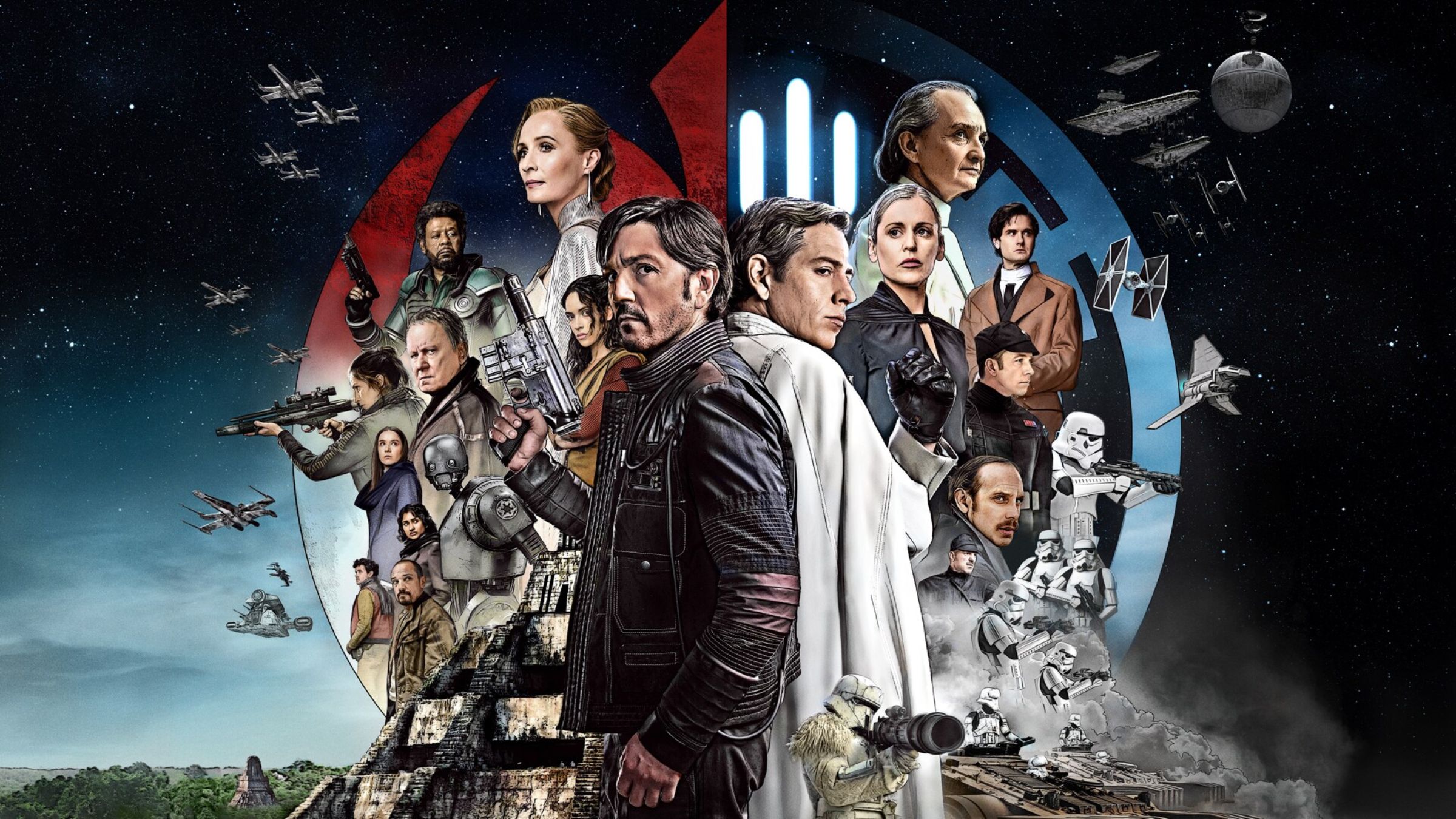
The high point of the recent Star Wars stories is Andor, a series that completely redefined what a Star Wars story could be. Creator Tony Gilroy, who also worked on Rogue One, crafted a smart and intense political thriller that explored how easily evil can become commonplace and the difficult, often morally ambiguous, realities of starting a rebellion. By focusing on the everyday struggles of Cassian Andor (Diego Luna) under the oppressive Empire, the show built a level of suspense and thoughtfulness rarely seen in the genre. The performances were also exceptional, with actors like Stellan Skarsgård as the cunning Luthen Rael and Genevieve O’Reilly as the determined Mon Mothma bringing a sense of authenticity to the world. Andor demonstrated that Star Wars doesn’t need Jedi or lightsabers to be captivating—it just needs strong writing and a focus on the human side of conflict.
What Star Wars project released under Kathleen Kennedy’s leadership do you think will be most remembered and influence the franchise for years to come? Share your thoughts in the comments and join the discussion in the ComicBook Forum!
https://comicbook.com/movies/list/the-10-best-star-wars-villains-of-all-time-ranked/embed/#
Read More
- 10 Greatest Manga Endings of All Time
- Mark Zuckerberg & Wife Priscilla Chan Make Surprise Debut at Met Gala
- Elon Musk’s Mom Maye Musk Shares Her Parenting Philosophy
- Forza Horizon 6 Car List So Far: Confirmed Highlights, Cover Cars, DLC, and Rewards
- GBP CNY PREDICTION
- 10 Best Free Games on Steam in 2026, Ranked
- Ranking the 5 Best Spring 2026 Anime So Far (Mid-Season Update)
- Elon Musk’s Ex Ashley St. Clair Reveals When Romance Became “Weird”
- 20 K-Dramas That Nailed the Perfect Ending
- 7 Classic Anime You Can Stream for Free Right Now (& Where to Find Them)
2026-01-20 18:17