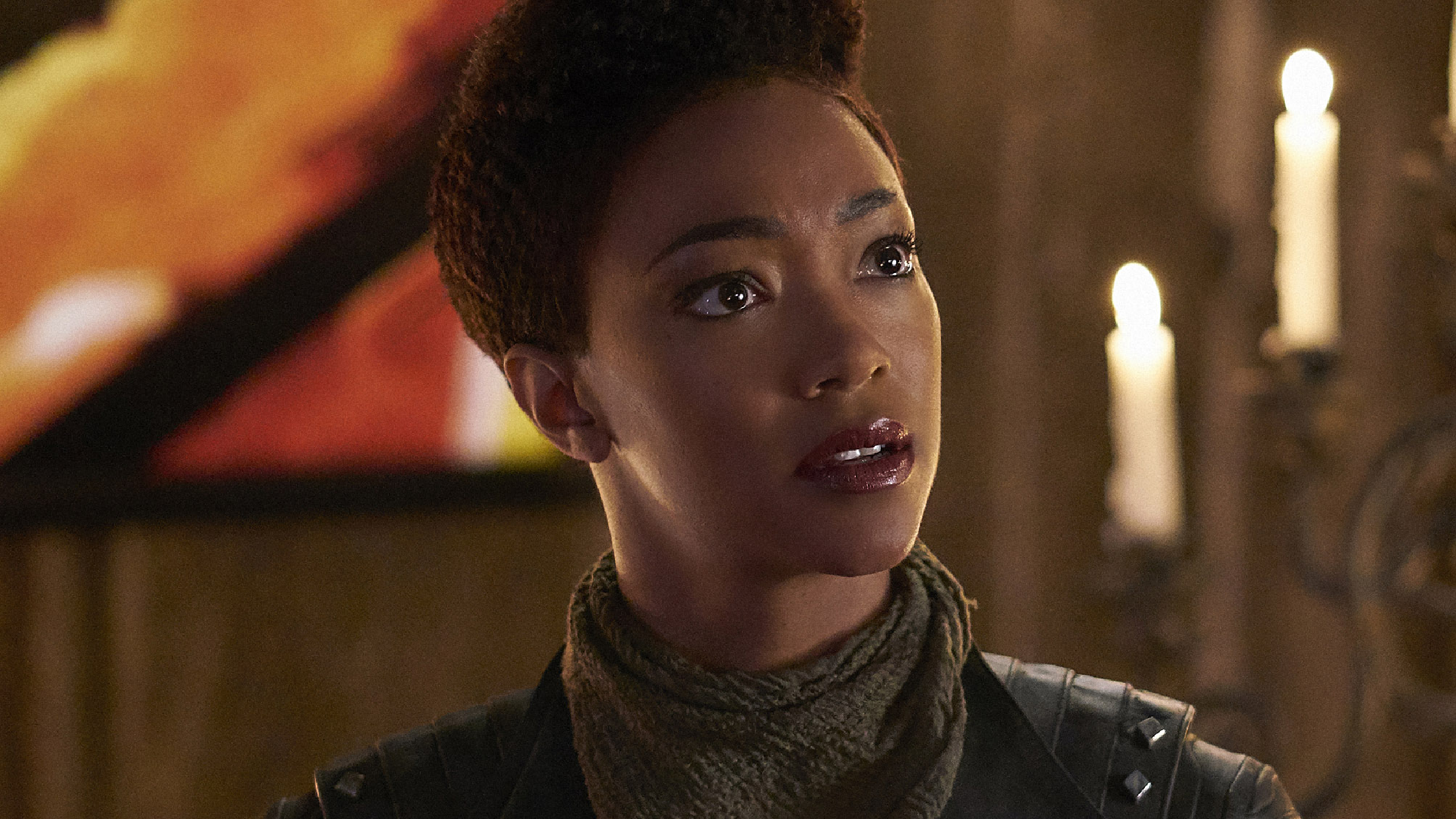
Nine years ago, Star Trek: Discovery debuted with a unique starship, the USS Discovery. Its innovative spore drive, developed by Commander Paul Stamets and Straal, allowed the ship to instantly travel vast distances by navigating a microscopic network of spores. The first season of Discovery even revealed this technology could enable travel across multiple universes. However, the spore drive’s capabilities later created inconsistencies with other Star Trek series.
The fact that the spore drive was never used again strongly hinted at its eventual failure, leaving viewers with that expectation. If the Federation had continued developing this technology, the USS Voyager could have instantly returned from the Delta Quadrant, avoiding its seven-year journey. Luckily, Star Trek found a workaround, but it turns out this solution has created new issues.
Discovery’s Time Travel Story Appeared to Solve the Problem
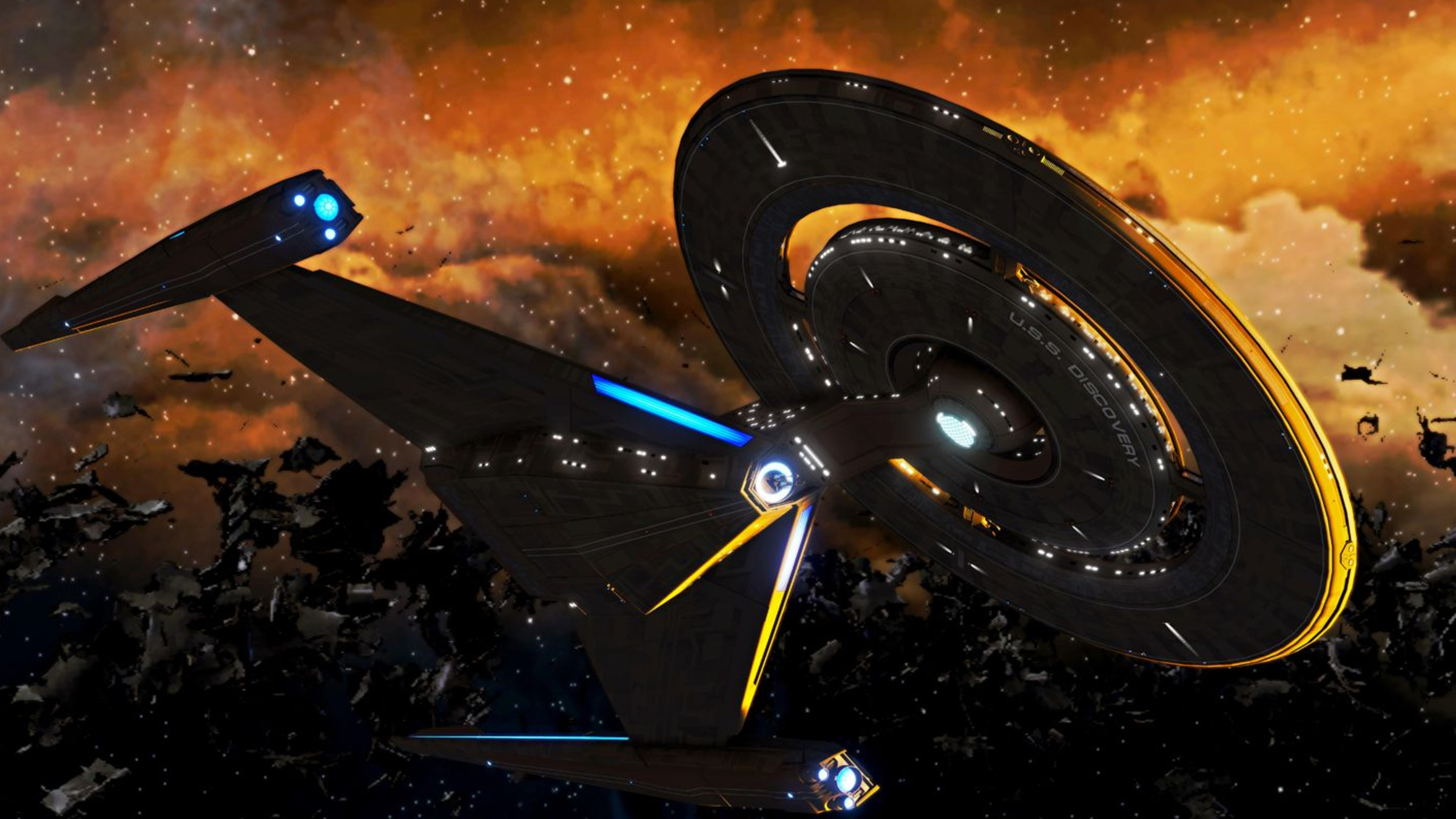
The second season of Star Trek: Discovery ended with an ingenious fix: the USS Discovery jumped far into the future, to the 32nd century, beyond anything seen in other Star Trek stories. The Federation believed the ship’s spore drive technology hadn’t worked out, and had abandoned it. However, it was actually the fastest way to travel in the galaxy – a path they simply hadn’t pursued.
Appearing far in the future meant the return of spore drive technology didn’t cause immediate issues. The crew of the Discovery quickly realized they had arrived at a time when the Federation was unusually vulnerable. A galactic event called “the Burn” had caused nearly all dilithium – essential for warp speed travel – to explode. The spore drive gave the Federation a potential solution, but scientists also began researching other options, including the “pathway drive.”
Starfleet Academy Just Revealed Another Problem With the Spore Drive
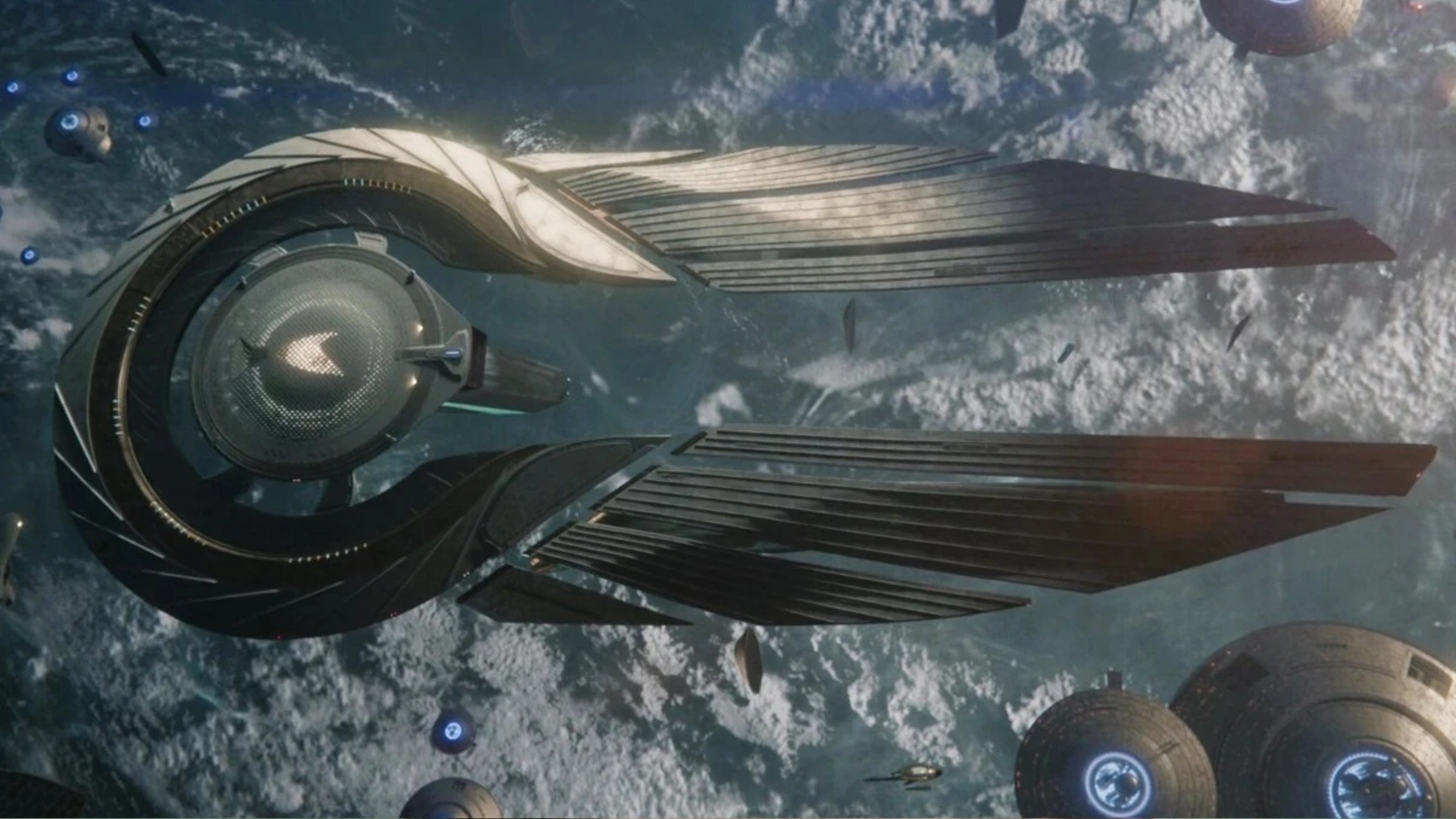
The newest Star Trek series, Starfleet Academy, also takes place in the late 33rd century. The first episode features the USS Athena, an Academy ship, encountering dangerous pirates. They call for help, but are informed that no starships are close enough, and the Discovery is currently in for repairs. This seemingly small detail reveals a larger issue with the show’s technology: if ships can travel instantly across the galaxy using the spore drive and its updated version, help should arrive almost immediately.
Star Trek: Discovery avoided this issue by centering the story on the sole ship with a working spore drive. Now, with a new series focused on a different vessel, the show constantly needs to explain why the Discovery isn’t simply there to assist. This is especially noticeable since the new ship is the Academy vessel, carrying the Federation’s future leaders. If the USS Athena faces danger, the Discovery really should be its top priority for support.
The situation becomes critical when other civilizations create similar faster-than-light travel technologies. This means any starship facing trouble can instantly summon reinforcements from anywhere in the galaxy. Essentially, facing one Federation ship means facing them all, and it removes almost any chance of a Federation vessel being in prolonged danger.
Creating genuine suspense is difficult when the heroes always have an easy way out. That’s why shows like Starfleet Academy need to address this issue—either by acknowledging the limitations of their technology, like the spore drive, or by finding believable reasons why help can’t always arrive immediately. Relying on constant rescues isn’t a long-term solution, and the writers need to find a more compelling way to create stakes.
What are your thoughts on Starfleet Academy? Share your opinions in the comments and join the discussion on the ComicBook Forum!
Read More
- Gold Rate Forecast
- Hazbin Hotel Secretly Suggests Vox Helped Create One of the Most Infamous Cults in History
- Every Creepy Clown in American Horror Story Ranked
- 22 actors who were almost James Bond – and why they missed out on playing 007
- Jack Osbourne Shares Heartbreaking Tribute to Late Dad Ozzy Osbourne
- Blue Protocol Star Resonance: Goblin Lair Dungeon Guide
- As Dougal and friends turn 60, Radio Times explores the magic behind The Magic Roundabout
- Arknights: Endfield – Everything You Need to Know Before You Jump In
- Everything We Know About Gen V Season 3 (& Why It’ll Be a Very Different Show)
- Best X-Men Movies (September 2025)
2026-01-20 20:41