Game updates are meant to improve the experience, adding new features, fixing problems, and giving players a reason to return. However, those who’ve played games for a while know that updates can also backfire, particularly if the developers don’t understand what their players really want.
This list highlights updates that actually harmed the games and their creators. These weren’t just small adjustments or temporary disagreements, but major turning points that damaged player trust and significantly changed how the community felt. In every instance, the negative response happened openly, as the updates changed the course of the games and created problems that were hard to fix.
5. Star Wars Galaxies – Combat Update & New Game Experience
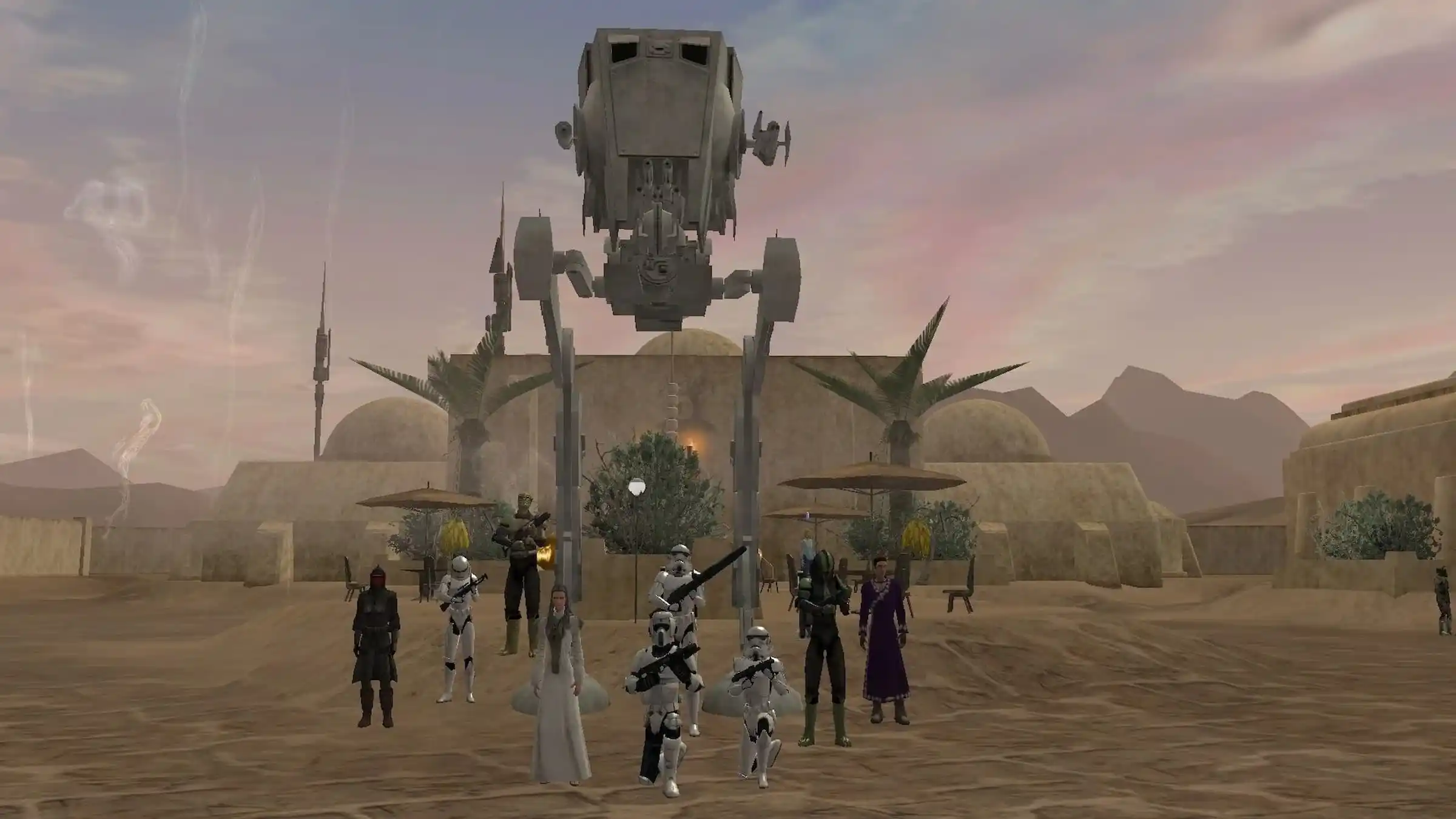
Released in 2003, Star Wars Galaxies was a remarkably ambitious online game. Unlike many others, it focused on letting players define their own experience rather than constantly battling enemies. It was a Star Wars world where what you did – your profession and social role – mattered just as much as what you fought. Players weren’t limited by traditional classes or forced along specific storylines; you could be anything from a simple farmer to a skilled craftsperson, a musician, or even a city leader building a community with others. While not a fast-paced game, Galaxies truly felt like a vibrant, living society within the Star Wars universe – something no other game had quite captured.
The release of World of Warcraft in 2004 was a turning point for online games, setting a new standard for what it meant to be successful. Compared to WoW’s straightforward classes, quick progression, and frequent rewards, Star Wars Galaxies felt complex and sluggish. Instead of focusing on its own strengths, Sony Online Entertainment and LucasArts tried to appeal to WoW’s player base.
The 2005 Combat Upgrade significantly changed the game by making characters more similar, lessening the distinctiveness of different professions, and overhauling how combat worked. Long-time players were shocked to find their characters effectively reset, their carefully crafted strategies no longer working, and their years of experience seemingly wasted. While the upgrade didn’t immediately destroy the game, it eroded player trust and marked a move away from the player-focused design that had made it special.
The final nail in the coffin for the game came with the New Game Experience (NGE) update later that year. Announced shortly before its release, the NGE drastically altered the game by replacing its open-ended skill system with strict character classes, making Jedi available from the beginning, removing entire professions, and overhauling combat to be faster-paced. There was no way to revert to the old version or play on separate, unchanged servers, forcing players to adjust or quit. Unsurprisingly, player numbers plummeted, and Galaxies never bounced back, eventually leading to its closure. Both the CU and NGE are now remembered as two of the most divisive updates ever seen in gaming, as they eliminated the core gameplay that kept players engaged for years and fundamentally changed a game that relied on ongoing subscriptions.
4. City of Heroes – Mission Architect XP Nerfs
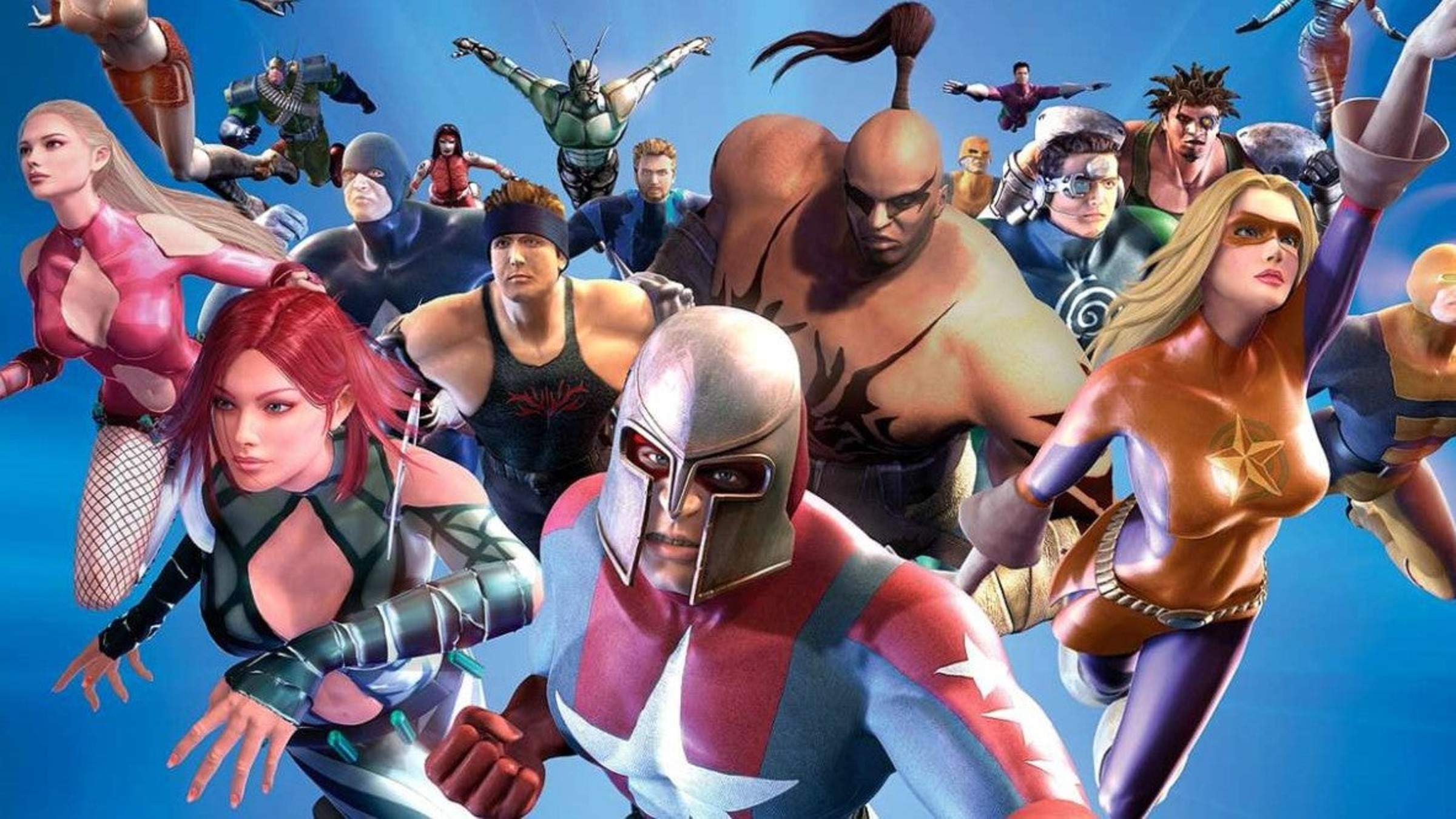
City of Heroes was known for letting players express themselves. It stood out from other online games with its powerful costume design tools and customizable character abilities, encouraging players to try new things. The game took this even further in 2009 with the Mission Architect, which let players build and share their own adventures, enemies, and storylines. For a lot of players, creating missions became a central part of the game, offering a completely new way to experience it.
Sadly, this enjoyable experience has come to an end, largely due to how players began using the game’s systems. The problem started when players focused on quickly gaining levels by creating missions with many weak enemies that were easy to defeat. This became a common strategy, drastically changing how the game was played and experienced by others.
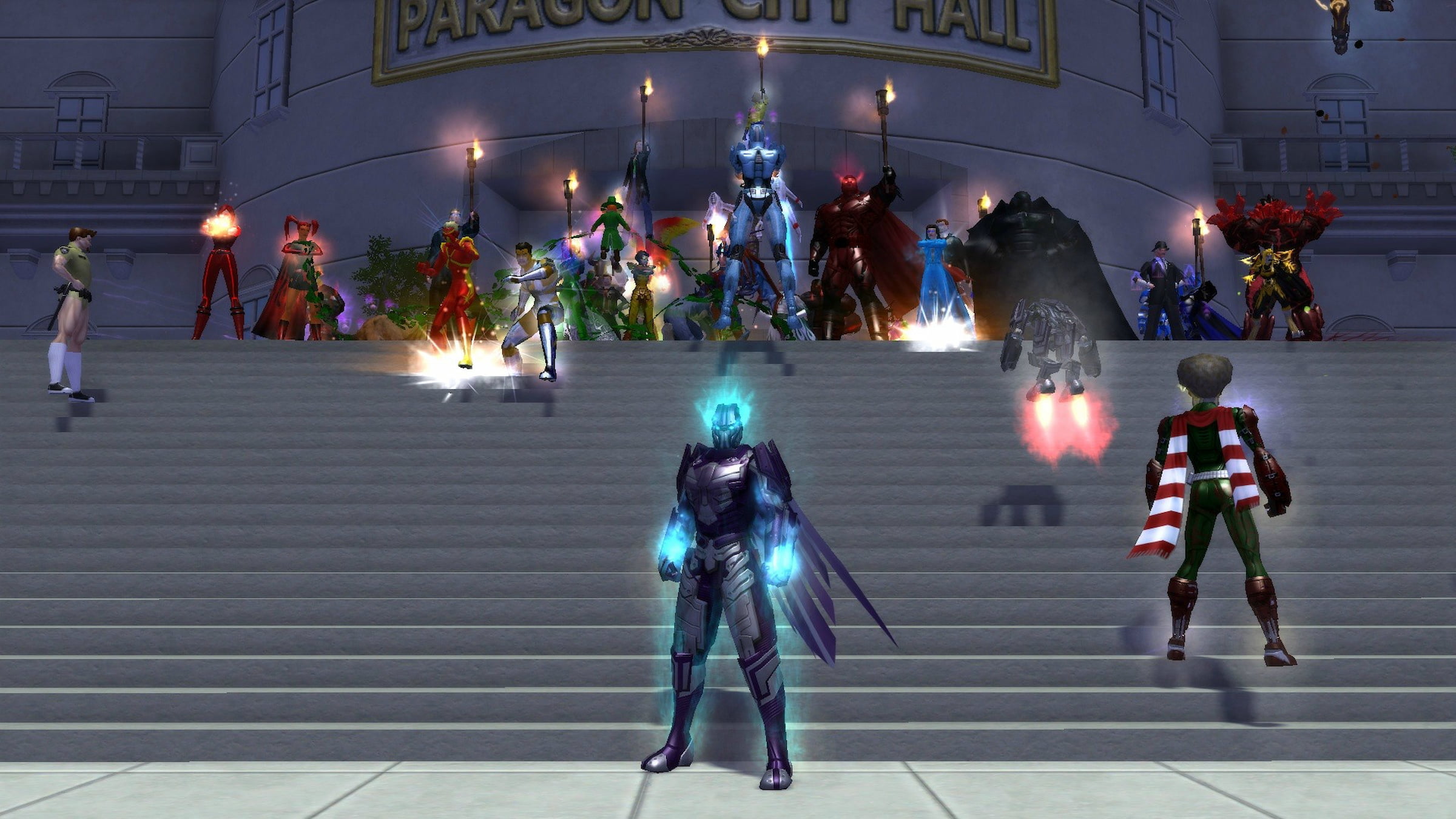
Instead of getting rid of the experience (XP) system, the developers chose to weaken it with updates. They significantly reduced the rewards earned from player-created missions and made it harder to gain XP from custom enemies unless players increased the difficulty. Even with these changes, the system needed constant tweaking to prevent exploits. While the adjustments aimed to fix balance issues, many players felt penalized, leading to repeated complaints and negative reactions.
Players who enjoyed creating content watched their favorite system become less and less useful, because others exploited its features. What was once a popular part of the game, Mission Architect, became a source of annoyance. Many felt it stifled creativity, and ultimately, it divided the community that had come to depend on it for enjoyment and advancement.
3. Warframe – Railjack Overhauls
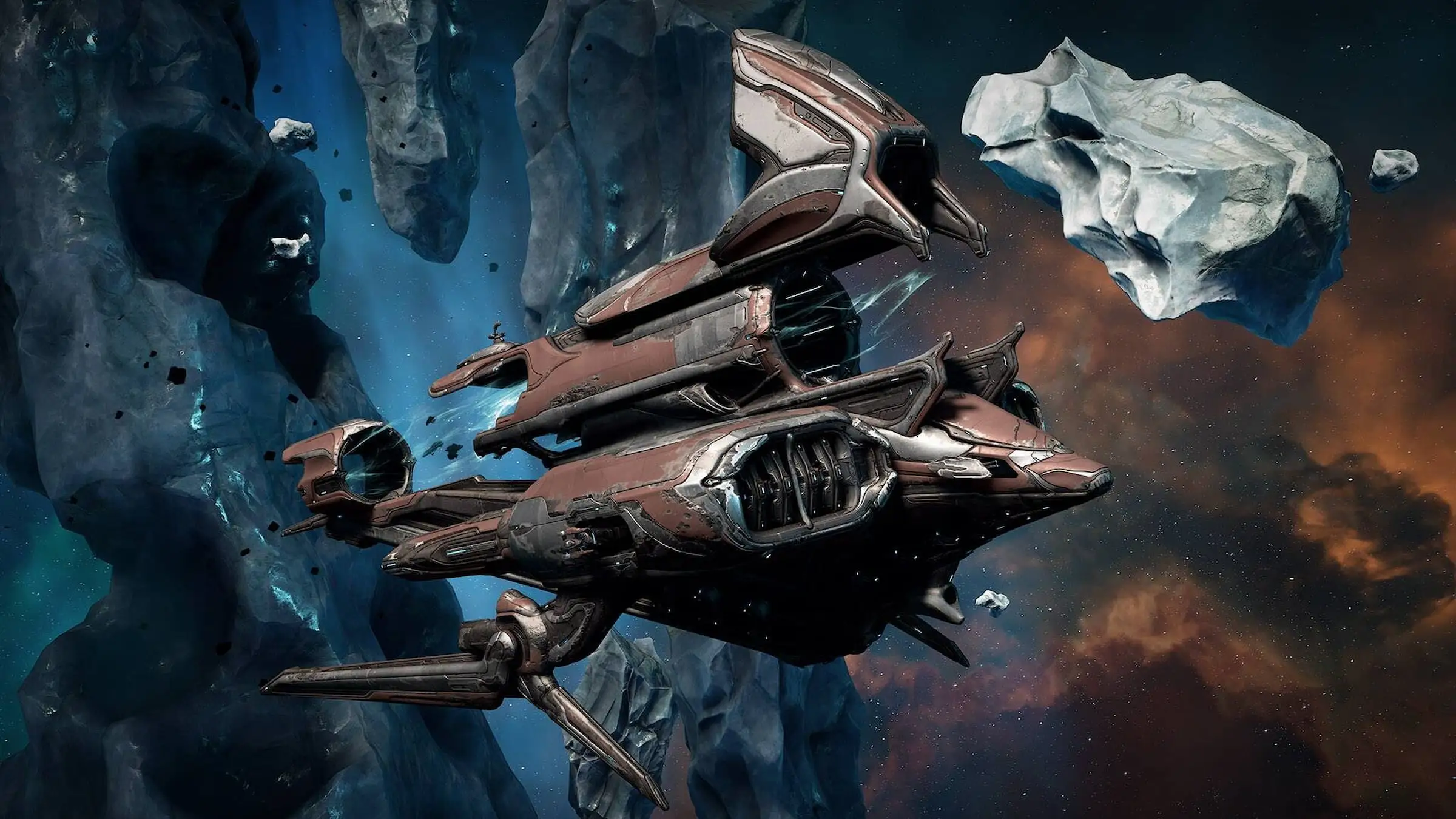
Railjack, released in 2020 with the Empyrean update, arrived with a lot of excitement. Digital Extremes showcased impressive demos at events like TennoCon, promising large-scale space battles and intricate teamwork. However, the actual launch fell short of expectations. Players quickly encountered numerous bugs, lost items, and issues like falling through the environment, alongside confusing damage calculations, making missions difficult to enjoy. Furthermore, Railjack felt disconnected from the rest of Warframe, as its gameplay didn’t quite fit with the existing experience.
Players were immediately unhappy with the update, describing it as broken and a letdown for what was meant to be a spectacular addition to the game. This led to several revisions of Railjack, including updates called Retrofit and Corpus Proxima, which, while intended to fix problems, created new complaints. The changes made Railjack easier by simplifying ship layouts, reducing obstacles and complexity, and making certain roles less important. Many players felt these updates fundamentally damaged the mode, removing the strategic teamwork and challenges that originally made Railjack unique.
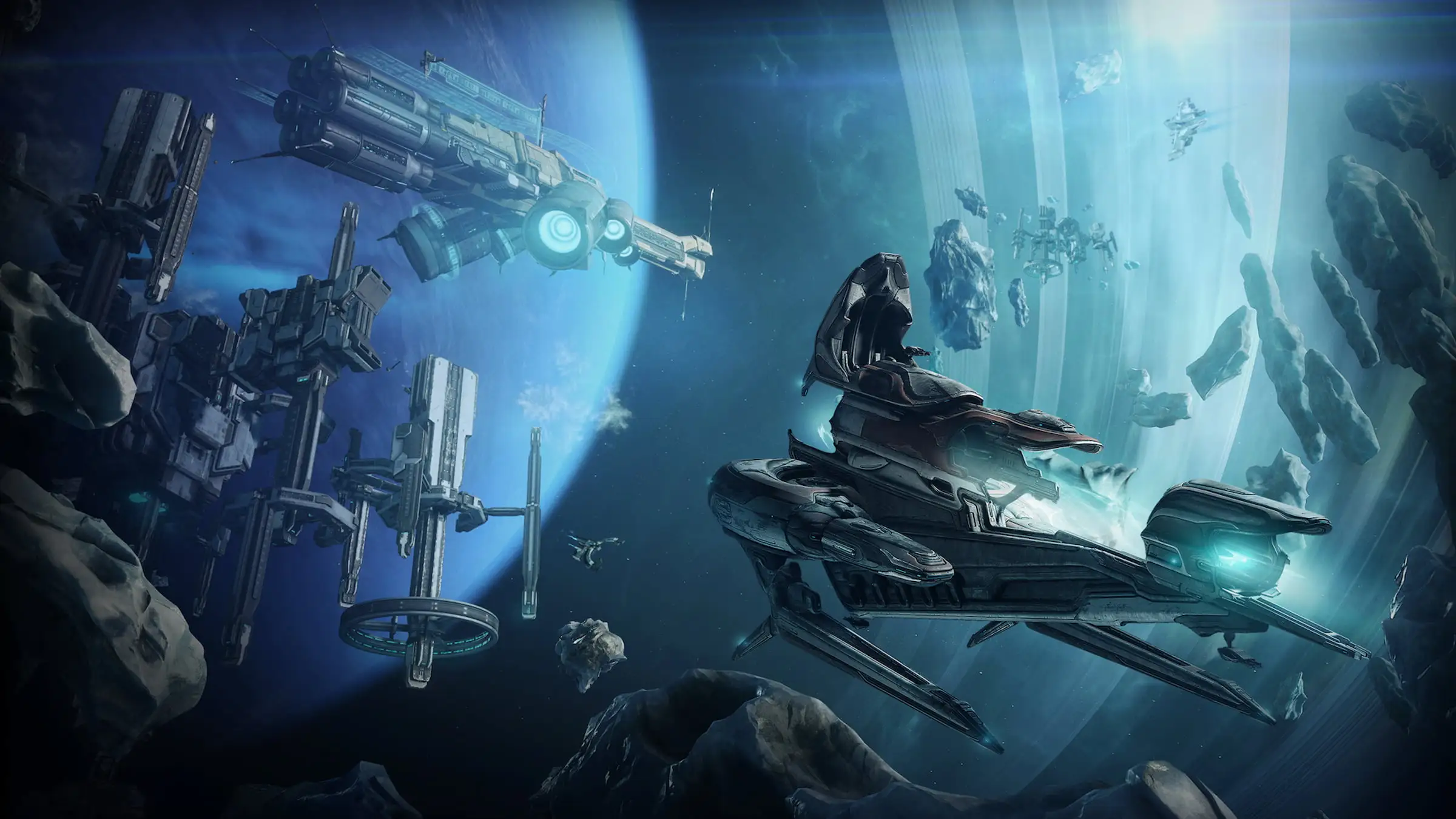
Reviewers often described the game as simply a “taxi simulator” because many tasks involved little more than quickly traveling from one point to another with a space-themed visual. Problems with rewards and how players advanced further upset people. Players frequently reported losing items earned after completing long missions, experienced unhelpful customer support, and felt their feedback wasn’t being heard. Even after updates, these issues continued to cause frustration, which explains the strong negative reaction to the game.
Railjack isn’t as popular as other parts of the game, and players are still discussing how to improve it online. Its difficult launch taught Digital Extremes valuable lessons about big updates – ambitious expansions can fail if they’re released with problems or lack sufficient complexity. While Railjack still has promise, the community’s response shows it’s risky to drastically change a popular feature without listening to what players want.
2. Genshin Impact – Neuvillette Nerf Controversy
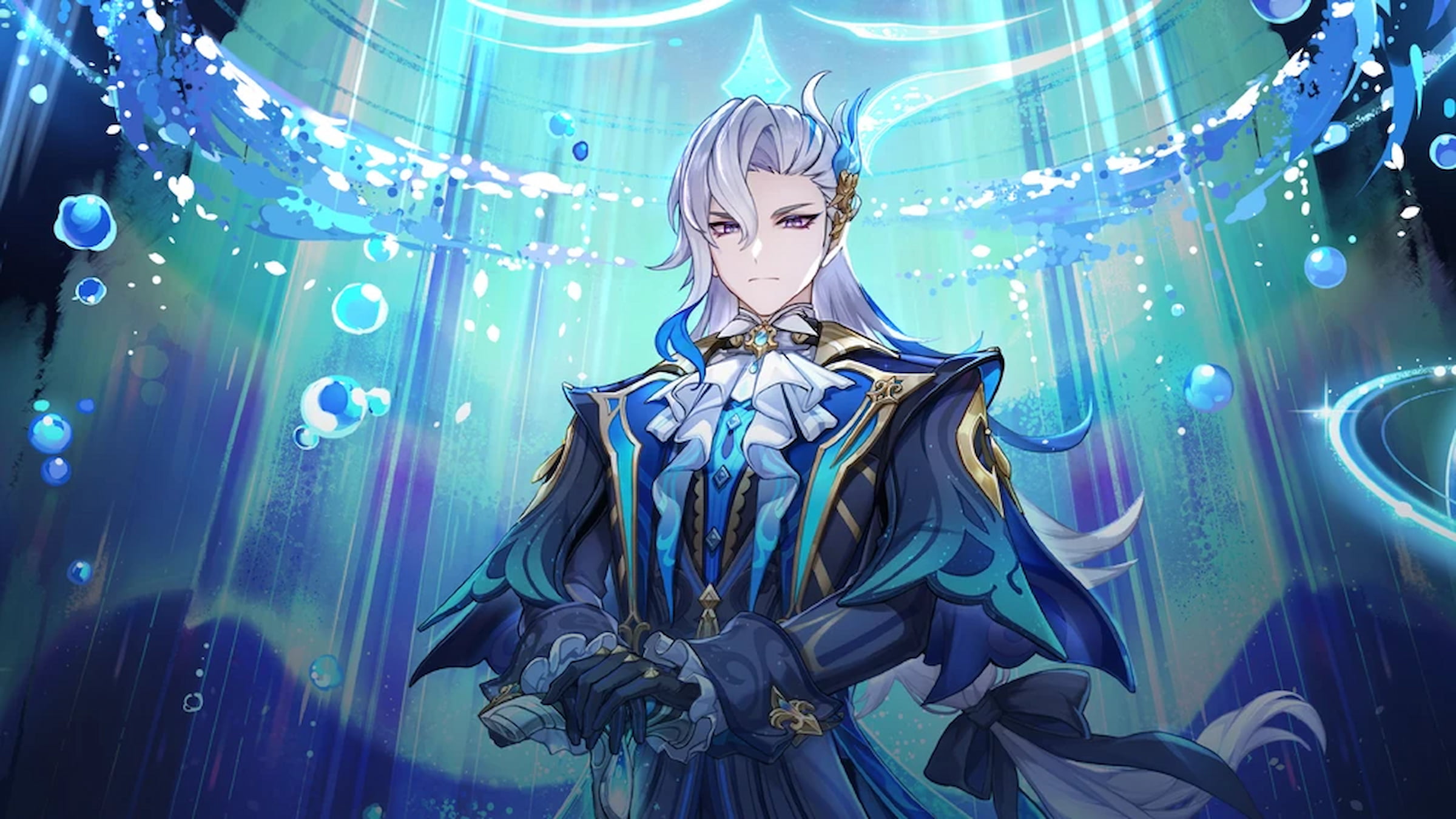
Neuvillette’s arrival in Genshin Impact was highly anticipated. He was promoted as a strong and enjoyable five-star character, and players invested money and resources hoping he’d live up to the hype. However, they soon found a surprising tactic – using a specific positioning technique called ‘Yaw’ – that turned his single-target attack into incredibly powerful area-of-effect damage. This made him even stronger than expected, likely beyond the developers’ original intentions, and led to a lot of players trying to find the best ways to maximize his potential.
Players reacted strongly when HoYoverse weakened Neuvillette after many had already put time and money into using him. The update made him less powerful and changed how he was played, which felt like a waste to those who’d spent resources to unlock him. Although the adjustment was needed to balance the game, players felt let down because it happened after they’d already invested in a character they’d paid for.
Online communities erupted in criticism, calling the game change deceptive and requesting refunds. While players had contributed to the problem by pushing the game’s features further than intended, the update sparked significant anger because it impacted a character players had paid for. The negative reaction was so strong that the game developer, HoYoverse, eventually restored the character, Neuvillette, to its original, more powerful state.
This situation demonstrated how difficult it is to keep characters balanced in games that are constantly updated and rely on in-game purchases, particularly when players find unintended ways to gain an advantage. Although players were upset by the initial changes, the developers at HoYoverse responded to the feedback and restored the experience players anticipated. It also underscored how quickly conflicts can arise when changes are made to paid content or powerful characters, even if player actions contributed to the issue.
1. Last Epoch – Paid Class and Monetization U-Turn
Last Epoch quickly gained a strong reputation for being open and honest with its players. The game’s developer, Eleventh Hour Games, consistently stated that all game content would be free to play after release, with only cosmetic items available for purchase. This promise attracted Kickstarter backers and early players who believed in the model, and it became a key reason the community supported the game.
However, in late 2025, EHG revealed that the new Orobyss expansion would feature “Paradox Classes” available as paid downloadable content – entirely new ways to play with unique abilities. This went against previous statements they’d made, and immediately worried players who felt the studio was going back on its word and damaging their trust. The reaction was very strong, with many players feeling let down and believing the developers were focusing on making money instead of addressing existing problems like bugs, balancing issues, and unfinished parts of the original game.

Player reviews for the game quickly turned negative after the announcement of paid classes. What had been largely positive feedback shifted to a ‘Mixed’ rating, with many players expressing disappointment and frustration. Some felt the developers had broken their trust, while others understood the need for revenue but disliked when the news was released. A frequent request from players was for the developers to show appreciation for their early support. Even those who still liked the game felt the announcement damaged the relationship between the developers and the community, and didn’t address existing concerns about the game’s progress.
EHG explained their decision by saying the game wasn’t making enough money with only cosmetic purchases in its first few seasons, and they needed to ensure its long-term survival. However, this explanation didn’t satisfy players, who felt the studio was breaking a core promise. The recent acquisition by Krafton raised suspicions of external pressure, though EHG maintained they made the decision independently. The resulting backlash ignited a wider discussion about how ARPGs are monetized and whether indie developers can maintain player trust when facing financial pressures – specifically, how much can developers change their plans before losing the community’s support?
What do you think? Leave a comment below and join the conversation now in the ComicBook Forum!
Read More
- GBP CNY PREDICTION
- Mark Zuckerberg & Wife Priscilla Chan Make Surprise Debut at Met Gala
- Elon Musk’s Mom Maye Musk Shares Her Parenting Philosophy
- Forza Horizon 6 Car List So Far: Confirmed Highlights, Cover Cars, DLC, and Rewards
- 10 Greatest Manga Endings of All Time
- Elon Musk’s Ex Ashley St. Clair Reveals When Romance Became “Weird”
- 38 Years Later, Murder, She Wrote’s Most Overlooked Episode Still Pulls Off TV’s Greatest Crossover
- Hollow Knight: Silksong Guide – All 30 Lost Flea Locations
- 20 K-Dramas That Nailed the Perfect Ending
- A Major PlayStation Delisting Exposes a Sony Problem
2026-01-21 18:44