Pirate stories were incredibly popular in English-speaking countries, with books like Treasure Island and Peter Pan quickly becoming beloved classics. While their popularity dipped with the rise of movies and TV, adaptations of these stories continued to do well. However, no other series has achieved the lasting success of Pirates of the Caribbean, which remained popular long after its initial release.
The first three Pirates of the Caribbean movies were outstanding, and the fact that they made two more shows just how popular the series became. The franchise earned over three times its production cost, representing a high point for fantasy adventures. Beyond One Piece, it’s one of the only pirate stories to achieve global success recently, as the genre seems to be losing popularity.
Pirates of the Caribbean Is a Disney-fied Take on the Golden Age of Piracy
From the late 1500s to the early 1700s, as European powers competed to dominate global trade, most of their business took place at sea. This increase in shipping across the Indian and North Atlantic Oceans created the conditions for a surge in piracy, now remembered as the Golden Age of Piracy. This period, broken down into three phases, involved numerous attacks on European colonies and the ships carrying goods, with the East India Trading Company frequently targeted.
Because valuable goods were at stake during colonization, disagreements often led to piracy. While stories often focus on British pirates, many famous pirates actually came from Portugal, Spain, France, and the Netherlands. Names like Rackham, Kidd, La Buse, and Bellamy became well-known and their legends grew over time.
Published in 1724, Captain Charles Johnson’s A General History of the Pirates helped create the popular image of pirates we have today. This book didn’t just influence classic stories like Treasure Island; historian David Cordingly argues it actually defined how we think about pirates. While containing both real details and fictional embellishments, it was this exaggerated and captivating depiction of pirate life that captured the public’s imagination and has continued to do so for centuries.
The Pirates of the Caribbean attraction originally opened at Disneyland in 1967 and later appeared in other Disney parks. This popular ride inspired the first Pirates of the Caribbean movie, The Curse of the Black Pearl. While the ride’s famous theme song, “Yo Ho (A Pirate’s Life for Me),” was included in the films, characters like Captain Barbossa and Jack Sparrow were created specifically for the movie franchise.
The first Pirates of the Caribbean movie, The Curse of the Black Pearl, arrived when interest in pirate stories was fading. Earlier films hadn’t been successful, but a mix of charming acting, relatable characters, and a fun, lighthearted plot made Pirates of the Caribbean a huge hit.
The First Three Pirates of the Caribbean Movies Made a Perfect Fantasy Trilogy
The best fantasy stories often combine legendary tales, compelling characters, and detailed world-building that feels both new and familiar. They truly shine when the story becomes more than just a collection of its elements. While each Pirates of the Caribbean movie has faced some criticism, the first three films stand out as a perfect fantasy trilogy due to their skillful blend of adventure, rich backstory, and genuine emotional depth.
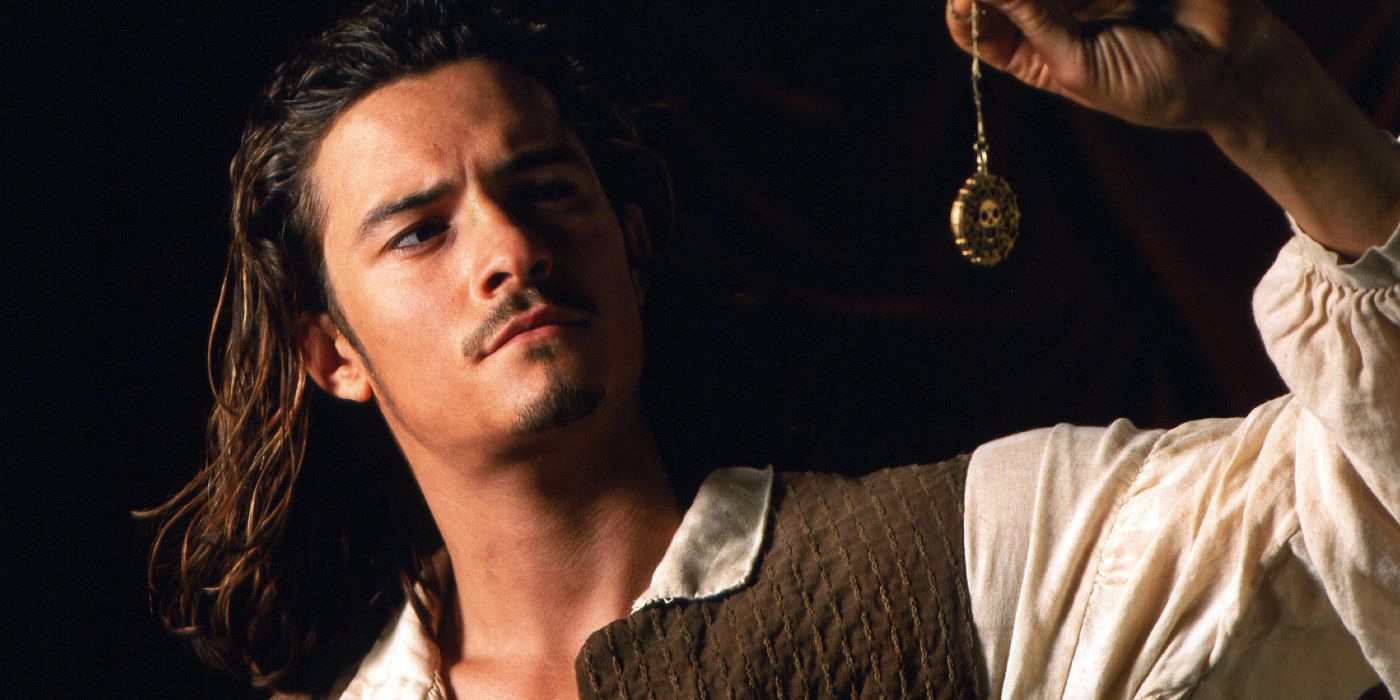
The Curse of the Black Pearl starts as a classic pirate adventure, filled with magic, ghosts, monsters, and the search for treasure. It features heroic sword fighting and a love story where Will Turner must choose between his obligations and his feelings for Elizabeth Swann. Though she would later become a powerful pirate leader, at the beginning of the film, Elizabeth is simply a woman Will is determined to protect.
The most striking moment arrives when he sails towards the shore on a boat that’s rapidly sinking, arriving at the pier with perfect timing just before it disappears underwater. This entrance is both strange and impressive, immediately revealing him as a complex character: a playful rebel with a unique taste for the unusual, and a brilliant mind hidden behind a seemingly silly exterior.
Great fantasy stories need unforgettable heroes, and Jack Sparrow is one of the best. It’s hard to forget his playful, mischievous personality, even when he’s being dishonest. While he doesn’t have the straightforward heroism of characters like Harry Potter, who carry huge responsibilities, Jack Sparrow offers something special: a wonderfully quirky and unpredictable spirit.
In the early 2000s, flawed and unconventional heroes became incredibly popular, ranging from the dark and troubled characters in films like Memento to the comedic hero Shrek. This made the appearance of Jack Sparrow feel natural. By showing a chaotic hero up against powerful, established villains, the Pirates of the Caribbean films proved that one person could take down entire systems. Jack Sparrow consistently outsmarted both the disorganized pirates of Hector Barbossa and the well-ordered forces of the British Empire.
While Dead Man’s Chest seemed like the biggest threat, it was a distraction. The true villain turned out to be Lord Beckett. Characters like Tia Dalma and Davy Jones were powerful, but ultimately just stepping stones – they could be reasoned with, unlike Beckett’s relentless ambition. The real danger wasn’t magical, but human: the East India Company represented a very real and selfish threat, proving that the greatest enemy in a fantasy world is often reality itself.
The film Pirates of the Caribbean cleverly mirrored real-world issues, both historical and modern, by portraying capitalism as the true villain. The powerful East India Trading Company was decisively defeated by the pirates that its leader, Beckett, had previously dismissed. Audiences cheered as Beckett, stripped of his power, helplessly repeated his justification – “It’s just good business” – while explosions destroyed both him and his flagship, the HMS Endeavor.
With At World’s End, the story reached a satisfying conclusion, building on the foundation laid in the previous two films. Although each movie had a slightly different feel and structure, the central theme of freedom versus control remained consistent throughout. The film also continued the character arcs of Jack, Will, Elizabeth, Barbossa, and Norrington, allowing them to develop and become more complex.
The film At World’s End wrapped things up nicely, providing a complete story that didn’t need further additions. However, some stories are simply too profitable, so emotional resolution isn’t always a priority.
The Pirates of the Caribbean Franchise Feels Bloated Now
I recently watched the fourth and fifth Pirates of the Caribbean movies, On Stranger Tides and Dead Men Tell No Tales. It was great to see Jack, Gibbs, and Barbossa back, and the new additions like Penélope Cruz and Ian McShane were fantastic – plus, a surprise appearance by Judi Dench! But even with such a strong cast, critics at Rotten Tomatoes weren’t impressed with On Stranger Tides. They said the story felt messy and that it relied too much on loud, over-the-top action.
Although the Pirates of the Caribbean series once felt magical, the later films haven’t lived up to the originals. Dead Men Tell No Tales only made things worse, accelerating the franchise’s decline. Critics were openly dismissive, calling the fifth installment a complete waste of time, and even dedicated fans tended to agree.
The last two Pirates of the Caribbean films earned over $1.7 billion together, which ironically justifies their creation considering the series’ themes of rejecting capitalist values. Despite this, fans still want to see the story continue, and a sixth film was already in the works. While many rumors surround the project, recent statements suggest the cast and crew are still interested in making it happen.
Fans are finding it difficult to get excited about revisiting roles that already feel finished – and even overplayed. Reviving existing characters with fresh stories might be a better approach than forcing them into new, but uninspired, adventures. Another option is to explore spin-offs, and there are several projects in early development that could go in that direction.
The Pirates of the Caribbean films were remarkably successful for three movies in a row, skillfully blending fantasy, comedy, and deeper themes. It was inevitable that the story would eventually run out of steam. The sequels confirmed that the original trilogy was a complete story, and anything that came after felt like an unnecessary addition to one of the greatest adventure series ever created.
Found an error? Send it so it can be corrected.
Read More
- GBP CNY PREDICTION
- Mark Zuckerberg & Wife Priscilla Chan Make Surprise Debut at Met Gala
- Elon Musk’s Mom Maye Musk Shares Her Parenting Philosophy
- Forza Horizon 6 Car List So Far: Confirmed Highlights, Cover Cars, DLC, and Rewards
- 10 Greatest Manga Endings of All Time
- Elon Musk’s Ex Ashley St. Clair Reveals When Romance Became “Weird”
- 38 Years Later, Murder, She Wrote’s Most Overlooked Episode Still Pulls Off TV’s Greatest Crossover
- Hollow Knight: Silksong Guide – All 30 Lost Flea Locations
- 20 K-Dramas That Nailed the Perfect Ending
- A Major PlayStation Delisting Exposes a Sony Problem
2026-01-23 01:10