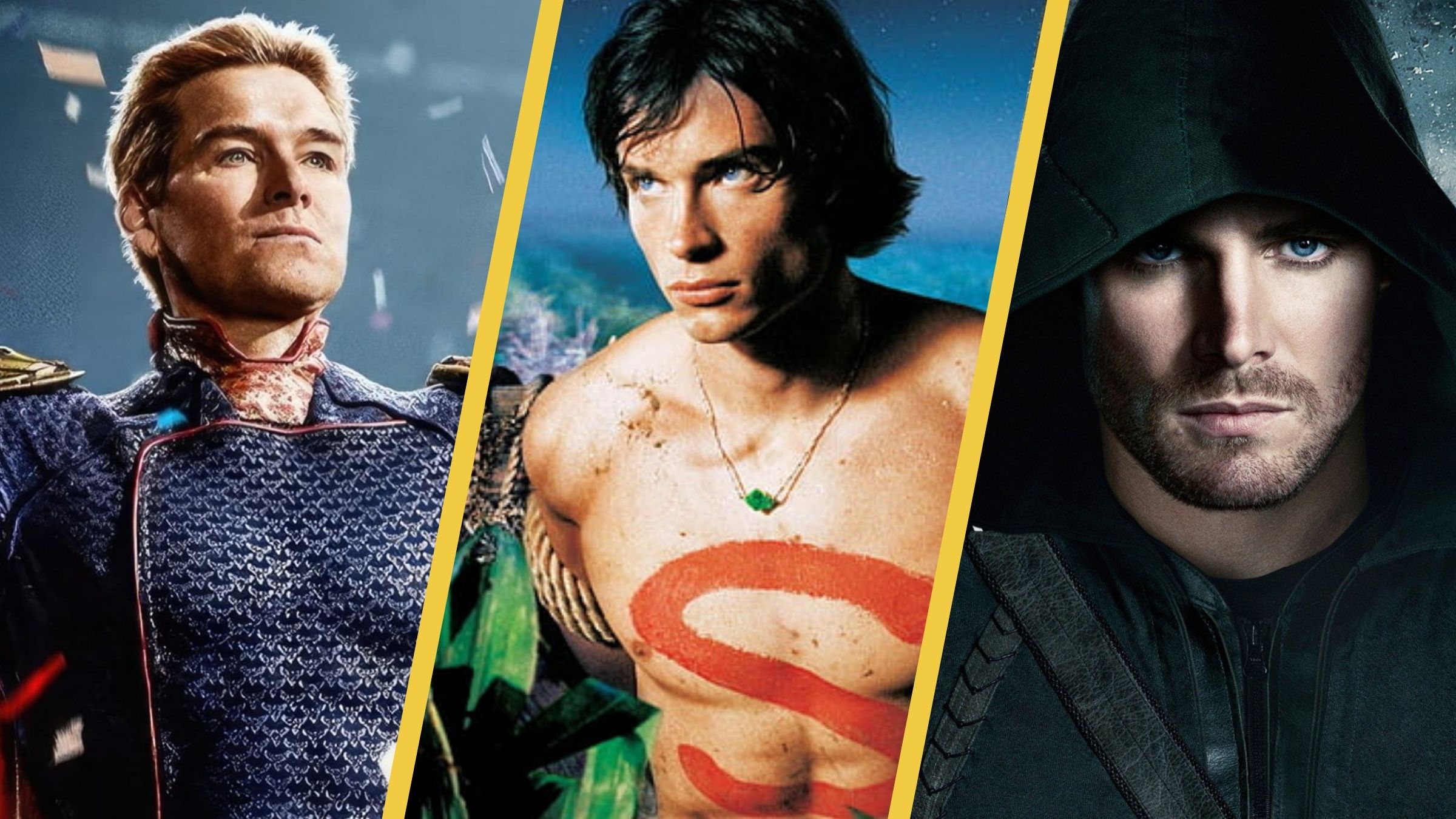
For a long time, superhero stories were primarily for movies. TV adaptations were often seen as cheap, formulaic, and focused on simply filling airtime rather than telling compelling stories. These shows typically featured one-dimensional characters and lacked creative ambition. However, things began to shift as a new generation of series emerged that took a different approach: treating these worlds with seriousness and investing in longer, more complex narratives with realistic characters and relatable themes. This change wasn’t immediate, but when it happened, it was significant – leading to several groundbreaking shows.
These shows aren’t always flawless, and don’t always maintain a high quality throughout their entire run. However, they undeniably shaped the superhero genre and are still remembered for their impact. You can still see their influence today. This list showcases 7 superhero TV shows that truly revolutionized the genre.
7) Daredevil
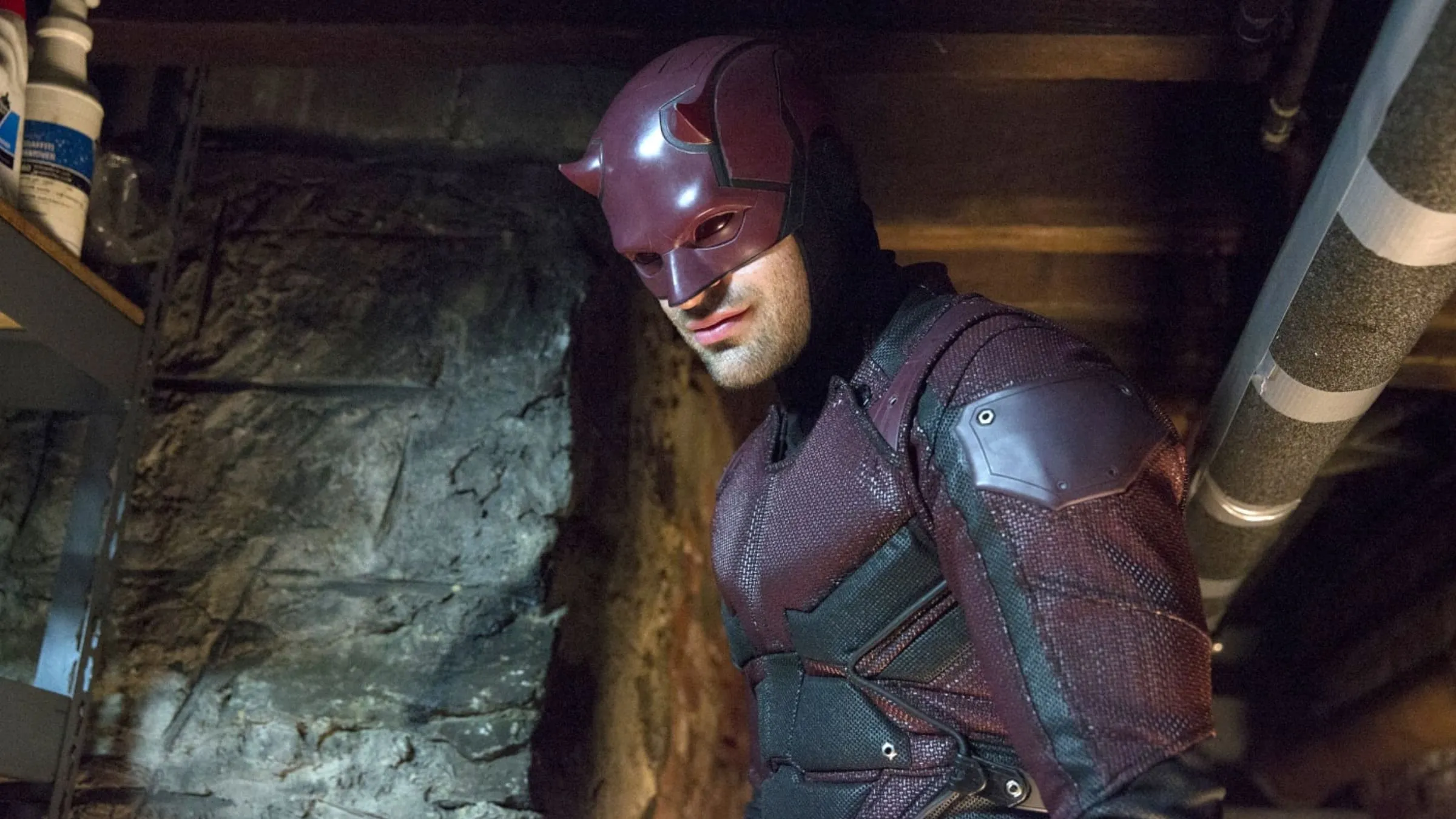
While many superhero shows have come and gone, Daredevil immediately stood out as something different when it first aired. Unlike other Marvel series like Agents of S.H.I.E.L.D. and Agent Carter, it wasn’t destined to be a secondary show. The series centers on Matt Murdock (Charlie Cox), a lawyer who is blind and fights crime as a vigilante in New York City’s Hell’s Kitchen. What sets Daredevil apart is its gritty realism. It avoids the typical glamour and large-scale action, instead focusing on the difficult and morally gray realities of being a hero in a harsh and damaged world, and the true cost of that fight.
Daredevil didn’t just entertain; it raised the bar for superhero shows. Before it, viewers were more willing to accept simplistic portrayals of violence, emotional struggles, and difficult decisions. While the idea of a flawed hero wasn’t new, Daredevil demonstrated how to do it effectively – with strong, consistent writing, complex villains, and a mature tone. After its success, superhero shows could no longer rely on being superficial. The character’s impact was so significant that even a brief appearance in Spider-Man: No Way Home created a huge fan reaction.
6) The Boys
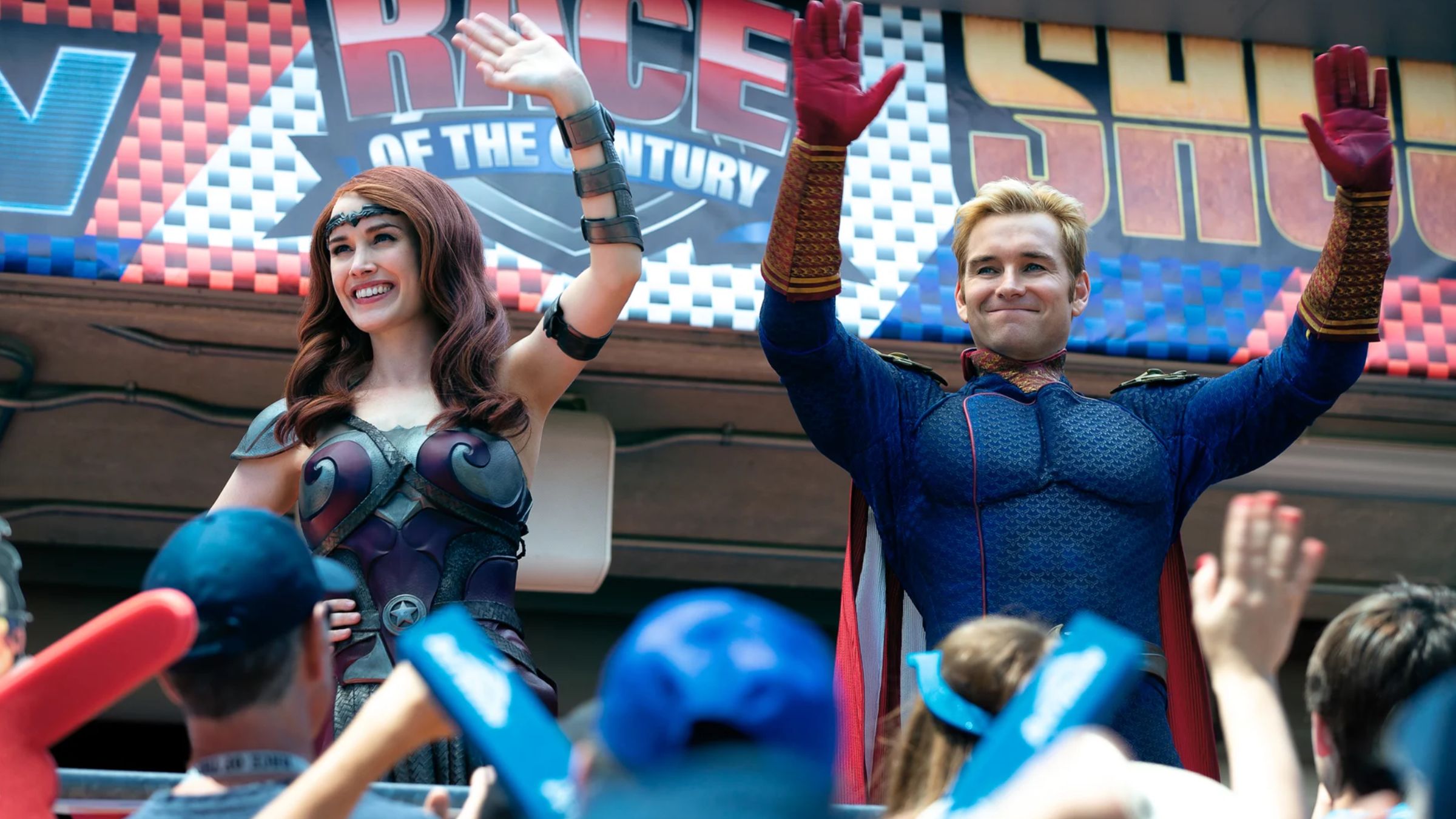
Even if you don’t watch it, you’ve probably heard of The Boys. It’s become incredibly popular and well-known, and its reputation speaks for itself. The show flips the superhero genre on its head: instead of being saviors, superheroes are flawed celebrities shielded by a powerful company. The story centers on ordinary people trying to reveal this corrupt system and dismantle the idea of heroism being just a way to make money. Ultimately, the series uses superpowers as a storytelling device, rather than a symbol of goodness.
The show The Boys changed how we think about superheroes. It appeared when audiences were tired of typical hero stories and boldly tackled subjects those stories usually ignored. After The Boys, the idea of taking superheroes apart and examining their flaws moved from being a fringe concept to a common part of the genre. It’s not surprising that recent superhero shows are more willing to use shocking and violent content – The Boys paved the way for that kind of approach, making it not just acceptable, but often anticipated.
5) Smallville

For many millennials, Smallville was a defining show, and they likely have fond memories of it. What made it stand out was its bold approach: telling the story of Superman before he became Superman. The series focused on Clark Kent (Tom Welling) as a teenager and young adult, navigating his developing powers, complex relationships, and the choices that would define his future. Essentially, it was less about superheroics and more about the universal experience of growing up—a surprisingly simple and relatable idea that went against typical superhero narratives, but ultimately resonated with viewers.
As a result, Smallville revolutionized how superhero stories were told on television. It demonstrated that a show could successfully run for many seasons by primarily focusing on character growth, using superpowers to represent themes like growing up, taking responsibility, and finding oneself. This was a daring and contemporary approach, unlike anything audiences had seen before. After Smallville, the “extended origin story” format became standard, and almost every subsequent superhero show or movie borrowed elements from its structure.
4) X-Men: The Animated Series
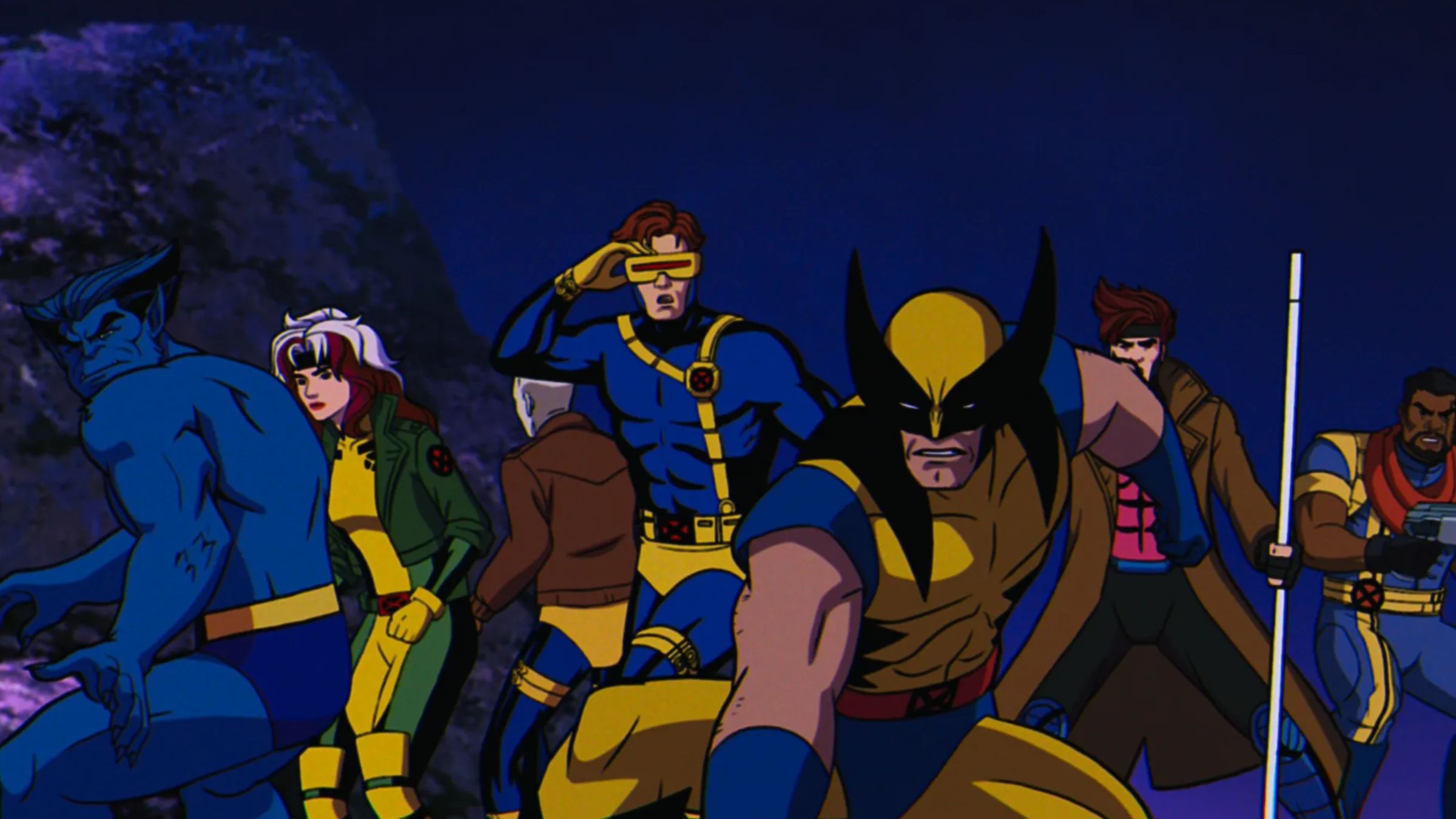
If you’re enjoying X-Men ’97, you likely have fond memories of X-Men: The Animated Series, the show that started it all. While it initially seemed like a typical action cartoon from the ’90s, it quickly became clear that it was much more ambitious. The series centered on the X-Men, a team of mutants struggling to find acceptance in a world that distrusts and fears them, and used themes of prejudice, division, and differing beliefs to drive its stories. But what made this show so groundbreaking?
X-Men: The Animated Series was groundbreaking because it respected its viewers. Unlike many cartoons of the time, it didn’t just offer simple, standalone episodes. Instead, it told a continuous story with meaningful social messages, encouraging a generation to appreciate the depth of superhero narratives. At a time when the genre was still developing, the show demonstrated that superhero stories could be innovative and avoid clichés. Most significantly, it showed that even animated shows could tackle real-world issues and connect with audiences on a deeper level.
3) Batman: The Animated Series
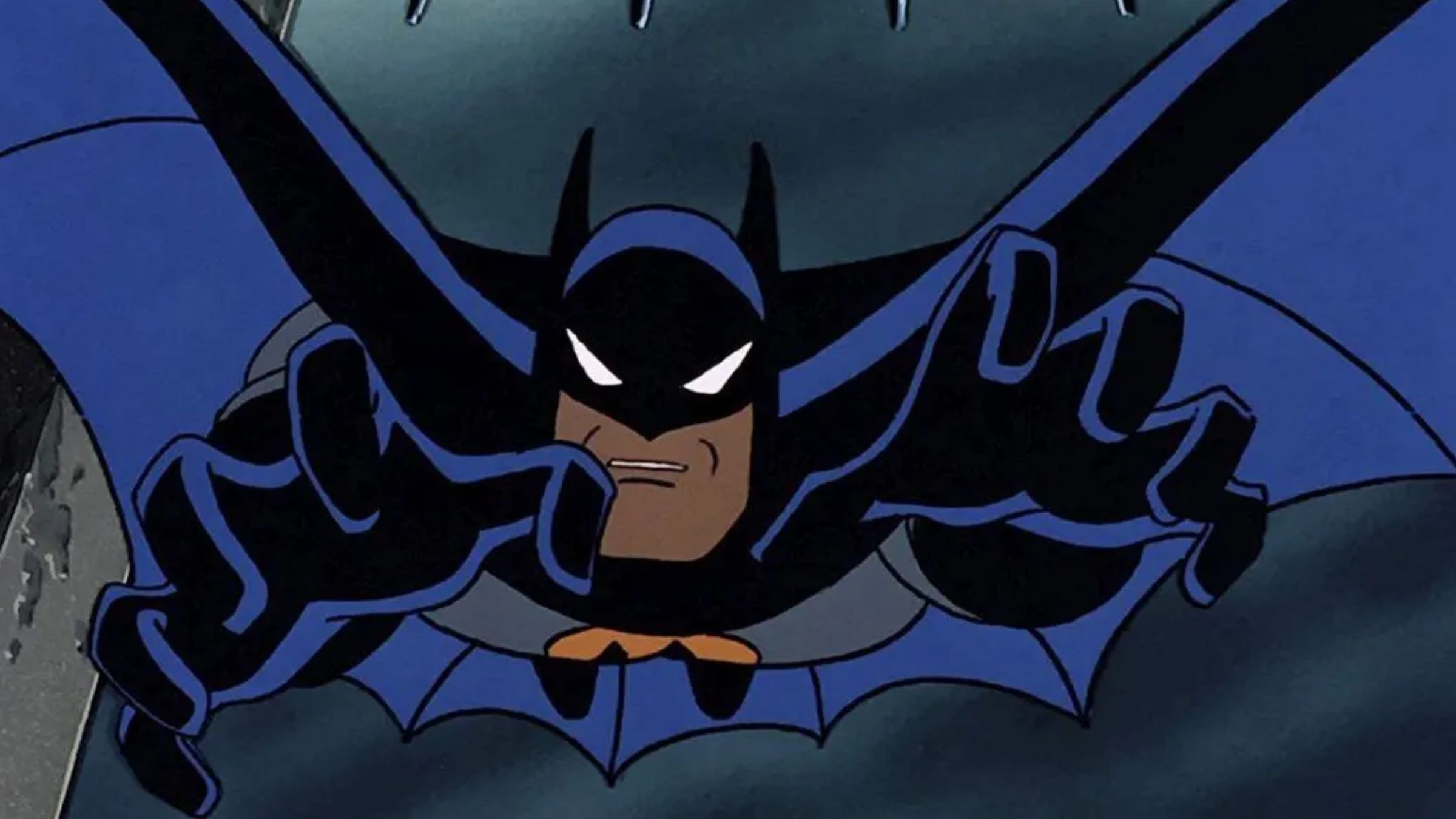
Growing up, while X-Men: The Animated Series was blowing my mind, DC was doing something equally special with Batman: The Animated Series. It was the classic Batman story – fighting crime in Gotham – but it felt completely different. They really leaned into a film noir style, focusing way more on the psychology of the characters and creating a really dark, moody atmosphere than just non-stop action. Visually, it was stunning – almost too good for a cartoon, honestly. Think really deep shadows, beautiful art deco buildings, and a full orchestral score. It sounded a bit odd on paper, but it just worked. It was honestly more sophisticated and well-made than a lot of the shows aimed at adults at the time.
The show had an instant and lasting effect. Batman: The Animated Series didn’t just improve the standard for superhero cartoons—it completely redefined it. It demonstrated that animation could deliver sophisticated, emotionally powerful, and visually striking stories. The villains weren’t simple stereotypes; they were complex characters with real motivations. And Batman wasn’t just portrayed as a cool crime fighter, but as a character shaped by past trauma and driven by intense focus. Many of the psychological complexities we see in modern Batman adaptations can be traced back to this series, which remains one of the best versions of the character ever created.
2) Heroes
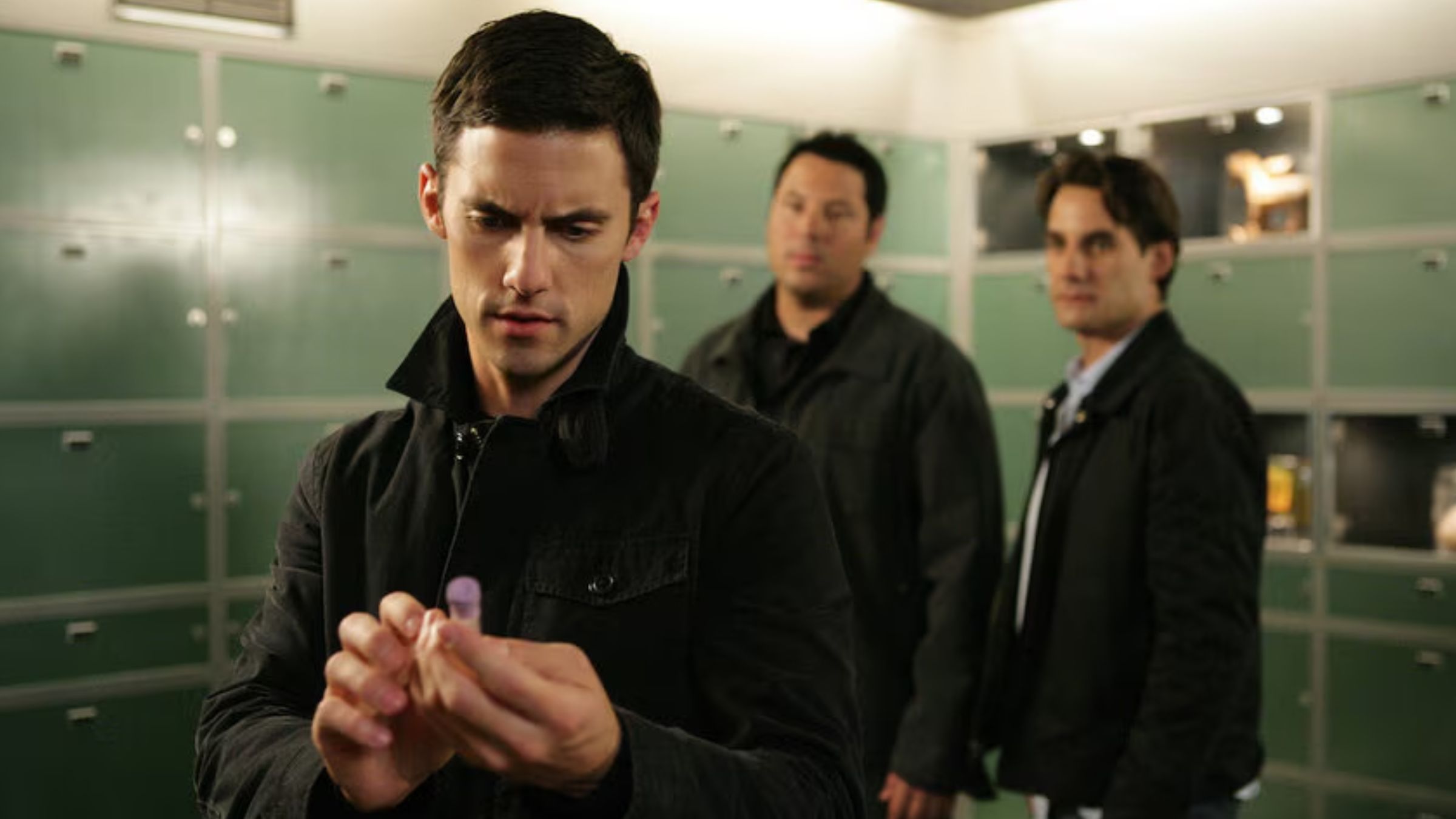
While Heroes didn’t remain a consistently strong show, it started out incredibly promising and captured the public’s imagination. The initial premise – everyday people suddenly gaining powers and grappling with the fallout – was instantly captivating. It featured a large cast of characters with interconnected stories, building suspense through mystery and cliffhangers. Though this type of storytelling feels common now, back in the mid-2000s, Heroes was unique in its portrayal of superpowers as something personal, complicated, and relatable, which is what made it so special.
The success of Heroes in reshaping the superhero genre was due to its perfect timing and bold vision. It demonstrated that a serialized drama with superpowers could attract a large audience even without being based on well-known comic book characters. Despite later issues, the first season clearly showed the television industry that viewers were eager for superhero stories that were complex, emotionally engaging, and unfolded over a longer period. This discovery remained true even after Heroes faced challenges, and ultimately paved the way for the direction of future superhero TV shows.
1) Arrow
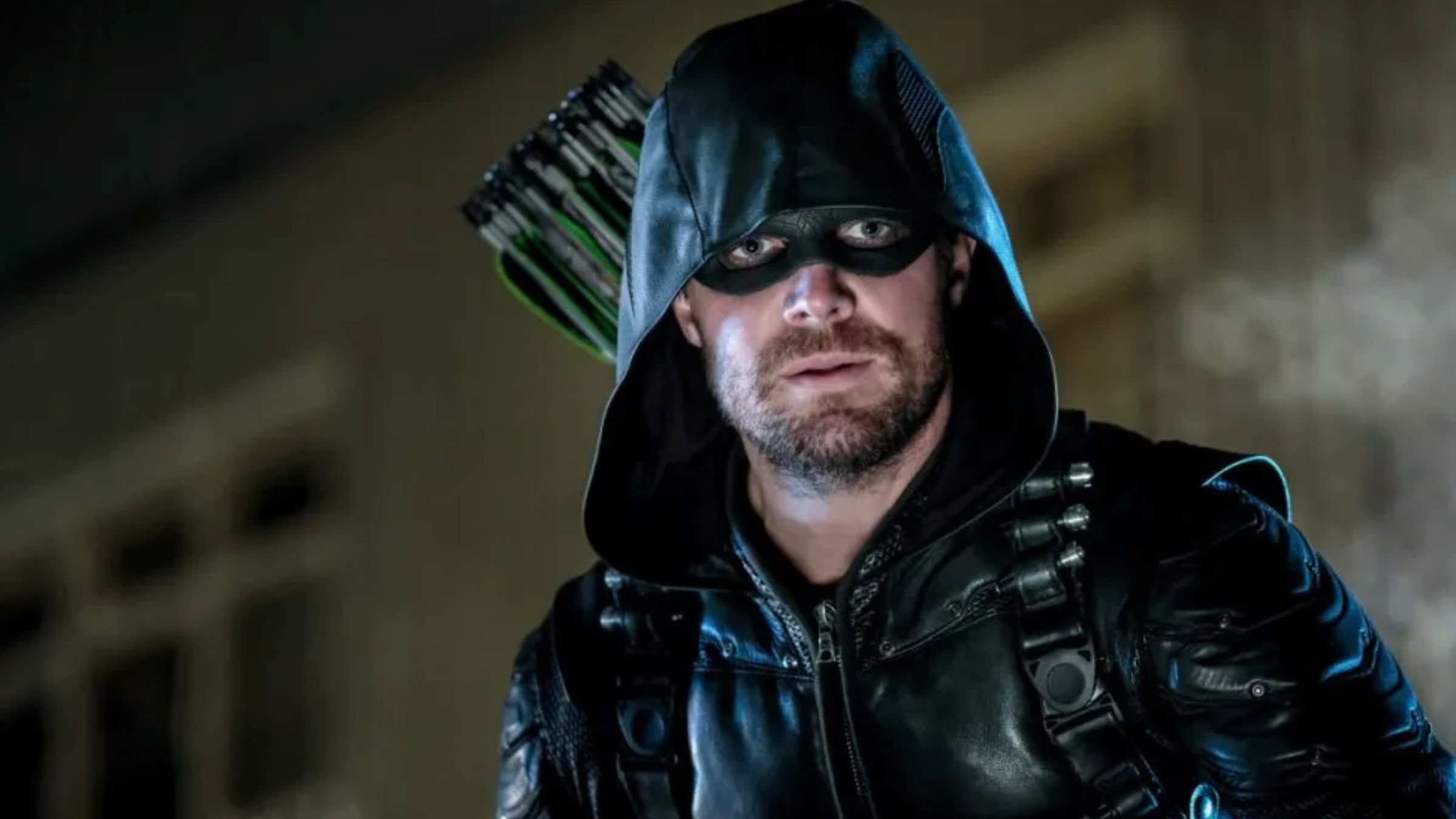
When Arrow first aired, it really changed the game for TV superhero shows. It followed Oliver Queen, a wealthy man who returns home after being lost at sea and becomes a masked crime fighter. Like the later show Daredevil, Arrow was one of the first superhero series to take a darker, more realistic approach – focusing on gritty city action, a hero wrestling with difficult choices, and a story driven by regret and responsibility. This unique tone immediately made it stand out from almost everything else on television at the time.
While Arrow was a successful show on its own, its biggest achievement was paving the way for shared superhero universes on television. It pioneered large-scale interconnected storytelling with crossovers and consistent continuity – something audiences now associate with the Marvel Cinematic Universe, but Arrow did first. More than any other series, it fundamentally changed how superhero stories are made and connected, both for TV and movies. Its influence is truly significant and lasting.
Do any of these shows interest you? Share your thoughts in the comments below and join the discussion on the ComicBook Forum!
Read More
- GBP CNY PREDICTION
- Mark Zuckerberg & Wife Priscilla Chan Make Surprise Debut at Met Gala
- Elon Musk’s Mom Maye Musk Shares Her Parenting Philosophy
- Forza Horizon 6 Car List So Far: Confirmed Highlights, Cover Cars, DLC, and Rewards
- 10 Greatest Manga Endings of All Time
- Elon Musk’s Ex Ashley St. Clair Reveals When Romance Became “Weird”
- 38 Years Later, Murder, She Wrote’s Most Overlooked Episode Still Pulls Off TV’s Greatest Crossover
- Hollow Knight: Silksong Guide – All 30 Lost Flea Locations
- 20 K-Dramas That Nailed the Perfect Ending
- A Major PlayStation Delisting Exposes a Sony Problem
2026-01-23 02:12