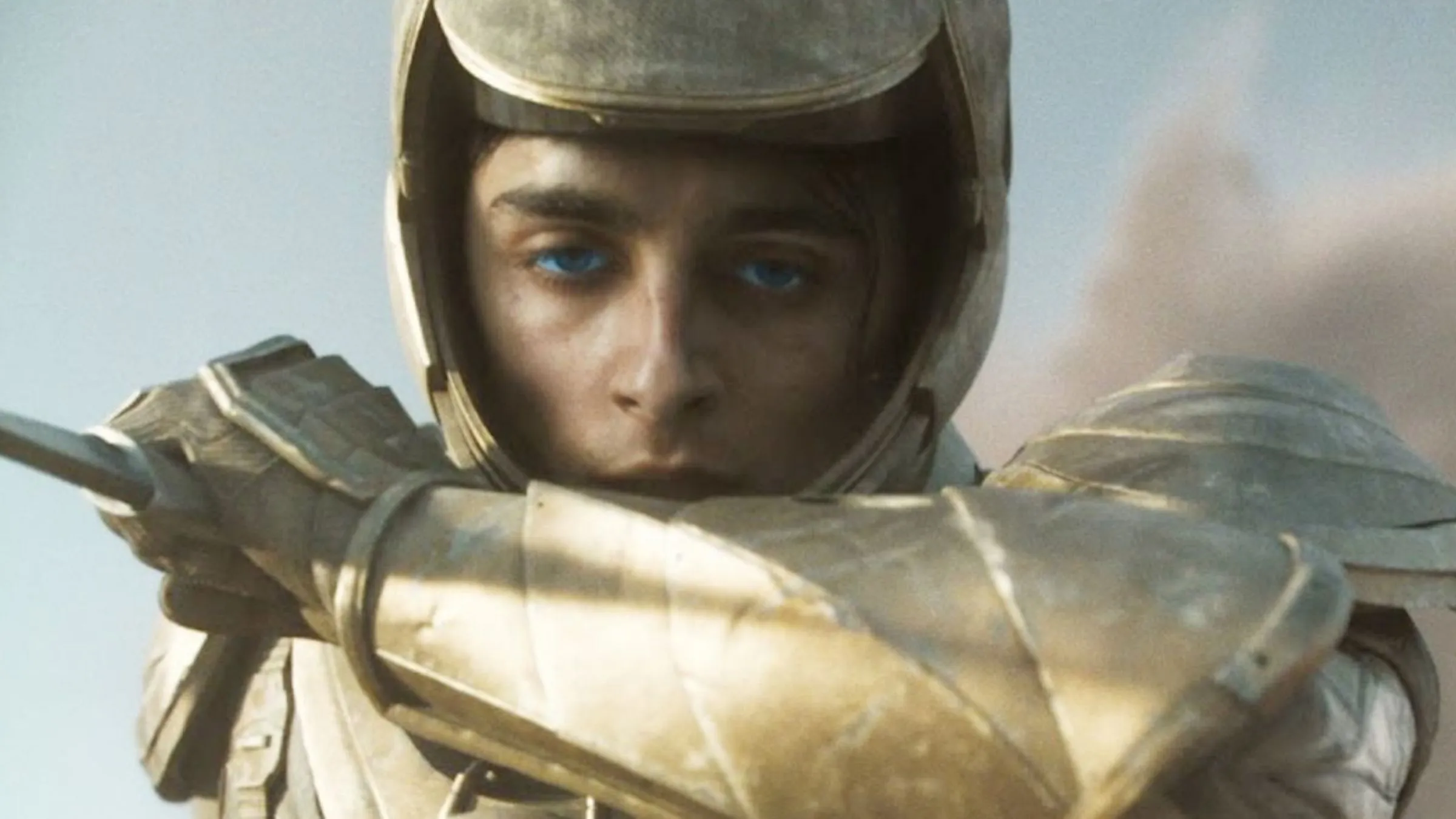
The first Dune film was a significant achievement, but it wasn’t until Dune: Part Two that director Denis Villeneuve’s larger vision became clear. The film focuses heavily on setting up future events, even if it doesn’t reveal them directly. Like the novels, Paul Atreides’ (Timothée Chalamet) ascent to power isn’t portrayed as a simple triumph; it’s a flawed political movement fueled by belief, intimidation, and self-interest. Every choice Paul makes, whether it’s using the Fremen’s faith as a tool or challenging Emperor Shaddam IV (Christopher Walken), feels like it will have long-term consequences that the movie intentionally delays showing, hinting that the full story is still unfolding.
The second chapter of the story ends with a lot left unanswered, sparking much debate among fans. Paul successfully takes control of Arrakis, defeats the Harkonnens, and overthrows the Emperor, but these victories come with significant consequences. The ending suggests that Paul’s rise to power isn’t a resolution, but rather the start of even greater turmoil. This is emphasized in a final scene between Lady Jessica and her unborn child, Alia, where she hints at the coming Holy War.
Dune: Part 3 Can Explore the Holy War the Books Only Mentioned
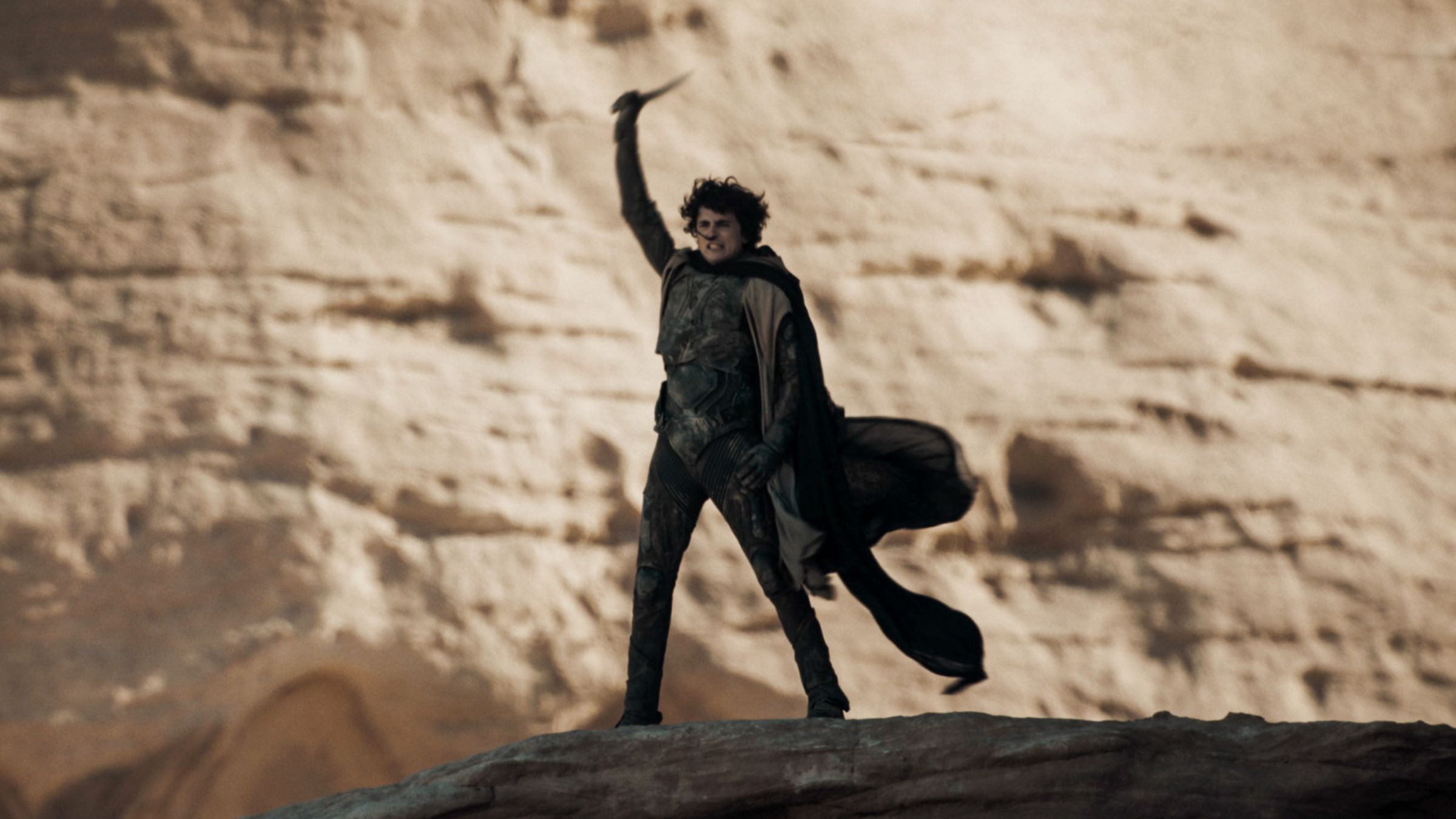
The next Dune movie will be based on Frank Herbert’s second book, Dune Messiah. It picks up twelve years after the first story and Dune: Part Two, with Paul now Emperor of the galaxy. Interestingly, the book doesn’t show the massive war that established his power – Herbert instead focuses on Paul dealing with the aftermath of billions of deaths caused in his name. The war is referenced throughout the story, but only as something that has already happened. This presents a unique chance for the third film: Dune is known for its grand scope and impressive battles. Imagine seeing the Fremen army conquering planets, huge conflicts in alien landscapes, and worlds falling under Paul’s control. The possibilities are huge, and this film could deliver something truly spectacular.
This offers a chance to explore the human and moral toll of Paul’s leadership, fitting the familiar “chosen one” story—but in a darker way. Showing the Holy War doesn’t have to be just action; it can add depth to Paul’s character, demonstrating that being a messiah involves not only honor and faith, but also difficult responsibilities, violence, and lasting consequences. Each battle could emphasize the burden Paul carries and the increasing complexity of the Dune universe. Villeneuve has already shown he can expertly blend suspense, political intrigue, and emotional drama, making the Holy War a powerful visual representation of the repercussions that Herbert primarily revealed through conversations and recollections.
The story’s vast scope is another challenge. Showing even short scenes of the past – through flashbacks, for example – would help viewers understand the sacrifices Paul made to become Emperor and why he makes the choices he does. This would also make the movie more engaging and fast-paced, moving beyond just exposition. Many readers find Herbert’s writing to be complex and lacking in action, and simply recreating that style on film could leave modern audiences feeling disconnected or like they’re being lectured, rather than entertained.
The story could also benefit from exploring its supporting characters, like Chani and Irulan, in more depth, showing how the growing conflict impacts their lives personally. This isn’t just Paul’s story or the story of the Fremen; it’s about the far-reaching consequences of every choice, something that cinema is uniquely suited to portray. Dune isn’t just a dramatic tale—it’s about the weight of those consequences. A third film offers the opportunity to truly immerse audiences in both the large-scale conflict and the emotional impact it has on individuals.
Denis Villeneuve Has Already Hinted the Holy War Will Be Central to the New Movie
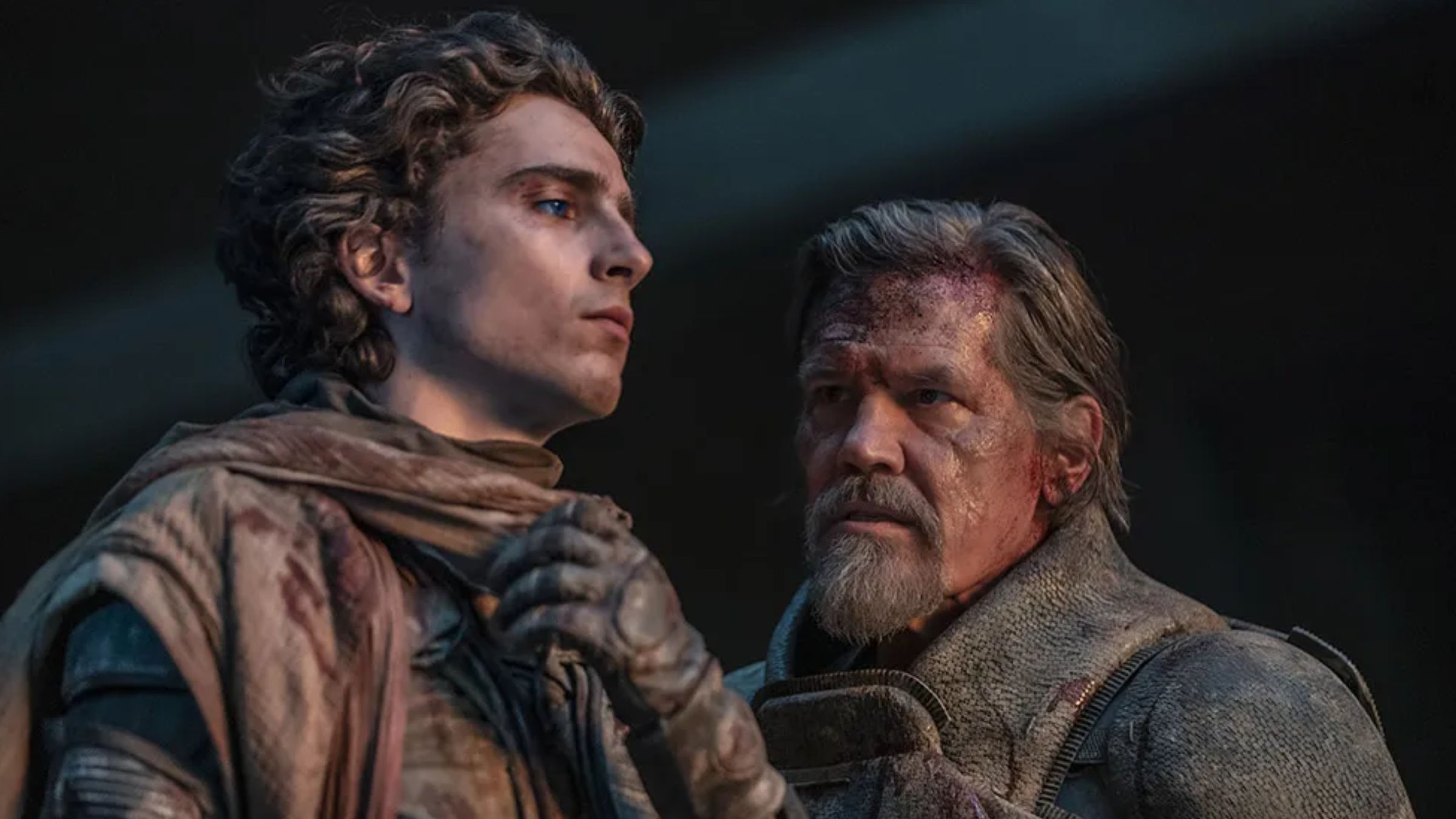
From the start, it was obvious that Denis Villeneuve made some deliberate changes to the Dune novel in Dune: Part Two. These weren’t huge departures from the story, but they seemed to fit into a larger plan for the entire saga. Given that Villeneuve has discussed his ideas for a third film, the idea that the ‘Holy War’ will be a major focus feels less like guesswork and more like a natural progression for the story.
I was listening to an interview with Denis Villeneuve on Vanity Fair’s Little Gold Men podcast from earlier this year, and he was talking about what he envisions for the third Dune movie, even though it was still in the early stages. He actually doesn’t really like calling it a trilogy at all! He said if he does go back to Arrakis, he wants to do something truly different, with its own unique feel. He basically feels like he’s completed the story of Dune as he originally saw it, and Dune: Messiah will be a fresh start, approached with a whole new cinematic mindset. It really sounds like he’s excited to go beyond what’s directly in the books and explore some new territory.
Considering his 2023 interview with Empire, the director’s vision for the film becomes even more apparent. Villeneuve explained that Dune Messiah was written because readers misinterpreted Paul Atreides as a hero – something Frank Herbert didn’t intend. He sees his adaptation as truer to Herbert’s original intent: a cautionary tale. The clearest way to convey this warning, he said, is to show the devastating results of unquestioning faith – specifically, by depicting the massive Holy War. Rather than simply telling the audience that Paul is responsible for galactic tragedy, the film will show it, making it clear that the idea of a messiah isn’t a victory, but a large-scale disaster.

Including the jihad in Dune: Part 3 isn’t just about creating a grand spectacle or pleasing fans. It’s an opportunity to tackle a long-ignored part of the story and finally reveal the dark side of Paul’s vision – that even a leader with good intentions can cause immense devastation. If Villeneuve can portray this war while maintaining the story’s complex politics and emotional core, the third film will be more than just an adaptation of Dune Messiah; it could fundamentally change how Dune is brought to life on screen. This is science fiction with real substance and purpose. After the careful world-building and tension established in the first two films, there’s no reason to avoid confronting the most important, yet previously untold, part of Herbert’s story.
The Dune series isn’t a simple story about winning battles and taking over worlds. It’s a cautionary tale about the dangers of power, the problems with blind faith, and leaders who seem appealing at first, but whose true costs eventually become devastatingly clear.
Dune: Part 3 hits theaters on December 18.
What do you think? Leave a comment below and join the conversation now in the ComicBook Forum!
https://comicbook.com/movies/news/dune-3-messiah-cast-paul-atreides-twin-children/embed/#
Read More
- Gold Rate Forecast
- 10 Most Powerful Versions of Superman, Ranked
- GBP CNY PREDICTION
- 10 Best Free Games on Steam in 2026, Ranked
- 007 First Light: Release Date, Story, Gameplay, Cast, Editions, and Platforms
- Superman’s 7 Best Power-Ups, Ranked
- Forza Horizon 6 Car List So Far: Confirmed Highlights, Cover Cars, DLC, and Rewards
- 10 Greatest Manga Endings of All Time
- DOGE PREDICTION. DOGE cryptocurrency
- Black State Trailer Showcases Ray-Traced Reflections and DLSS 4 Performance
2026-01-24 21:14