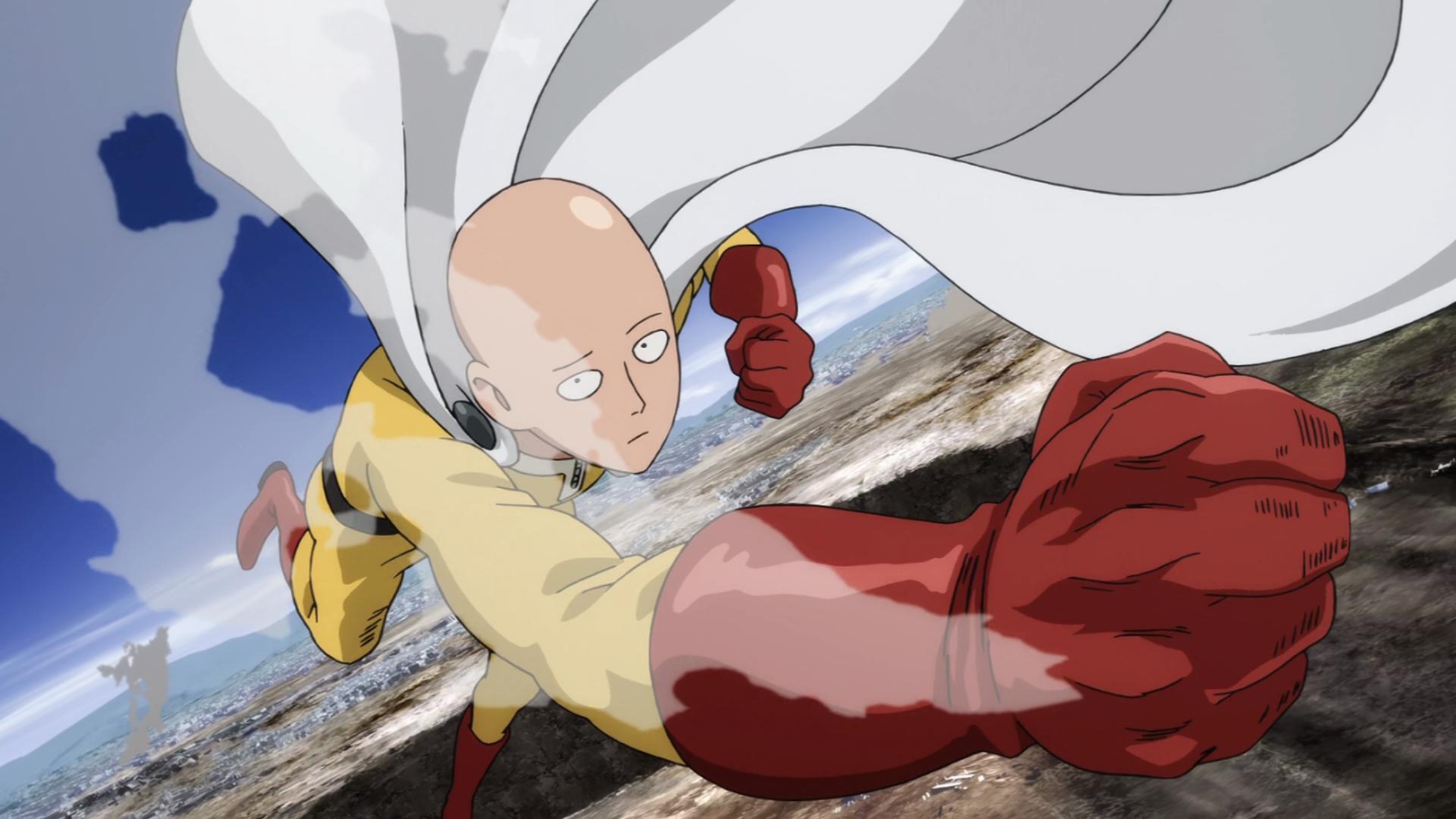
Some common anime clichés are used so often they feel like easy ways to create emotion, rather than truly exploring it. This gives viewers a small amount of enjoyment, but it also prevents anime from becoming truly original and surprising.
It really frustrates me how these tired story ideas just keep bouncing off each other – it’s like everything’s been done before! We see the same plots, the same types of characters, and the same attempts to pull at our heartstrings, over and over. I get that people like what they know, but when everything feels recycled, it just kills creativity and turns making movies and shows into a factory process. Honestly, it feels like the industry is scared to try anything new, happily re-hashing old stories and pretending they’re groundbreaking.
5. The Power of Friendship Fixes Everything

Anime frequently relies on the “power of friendship” to resolve conflicts, even when the situation seems hopeless. While heartwarming, this trope can actually reduce the excitement and suspense in a story. When characters become unexpectedly powerful simply because of their bonds, it feels like a shortcut that ignores all the effort put into developing their skills, planning strategies, or creating a believable world. Strong relationships between characters are valuable, but they shouldn’t overshadow genuine character development or the natural consequences of actions.
Shows like Fairy Tail and Naruto made this storyline very common – and therefore predictable. It often involves a main character getting badly defeated, but then winning through the power of friendship. Viewers want challenges that feel realistic and deserved. While determination and working together can be great themes, they shouldn’t feel like an easy fix to overcome obstacles.
4. The Overpowered Protagonist
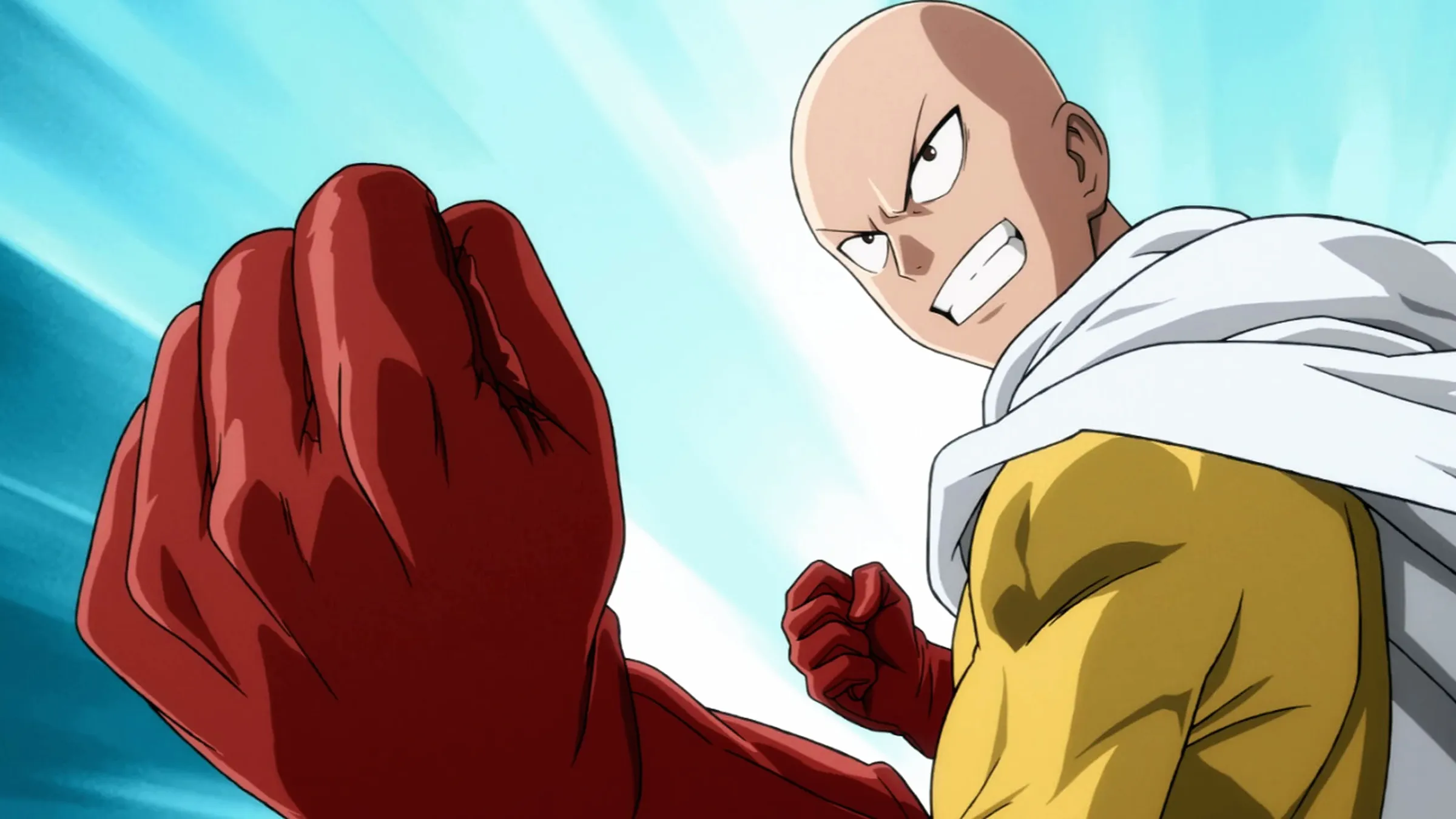
An initially impressive hero can quickly become dull if they never face real challenges. The character Saitama from One Punch Man gets away with being incredibly strong because the show uses it for comedic effect. However, when other shows, like many isekai or shonen anime, present an all-powerful character without any struggle, the story quickly becomes predictable and loses its excitement. If a character always wins, there’s no sense of anticipation or suspense.
A common problem with many recent anime, like That Time I Got Reincarnated as a Slime and Sword Art Online, is that the heroes are often too powerful. They win battles easily, which removes the excitement of seeing them grow and overcome challenges. Truly compelling characters are those who struggle, fail, and learn from their mistakes – not those who are simply dominant from the start.
3. The Helpless Female Lead

Many anime series continue to portray women as weak characters whose only purpose is to support the male lead or advance the plot, rather than as fully developed individuals. This “damsel in distress” or “emotional support” trope shows up even in shows that seem more progressive. For example, characters like Orihime from Bleach and Sakura in the early seasons of Naruto had promising beginnings, but were often reduced to repeating the same emotional reactions instead of driving the story themselves.
Honestly, as a fan, I’m so tired of seeing female characters who are just there to fill a quota. We don’t want a ‘strong female character’ who talks a good game but doesn’t actually do anything! Shows like Fullmetal Alchemist and Psycho-Pass really nail it – they prove you can write women who are genuinely competent and drive the story. It’s not about respecting tradition; it’s just plain lazy writing when a female lead exists only to push the male hero forward. It’s frustrating, and we deserve better!
2. The Endless Flashbacks
Flashbacks in anime can be powerful tools for adding emotional depth, but many shows overuse them simply to fill time or re-explain things. Instead of strengthening a story, these repetitive flashbacks often disrupt the flow and slow things down. Series like Naruto and Dragon Ball Z are notorious for showing scenes viewers have already seen countless times, which harms the pacing and lessens the impact of important moments.
Flashbacks work best when they add clarity, not slow things down. If every emotional moment leads to long, drawn-out memories, it feels forced instead of impactful. Today’s audiences expect stories to move quickly and don’t want unnecessary flashbacks that simply delay what’s already clear.
1. Fake Deaths and Plot Armor
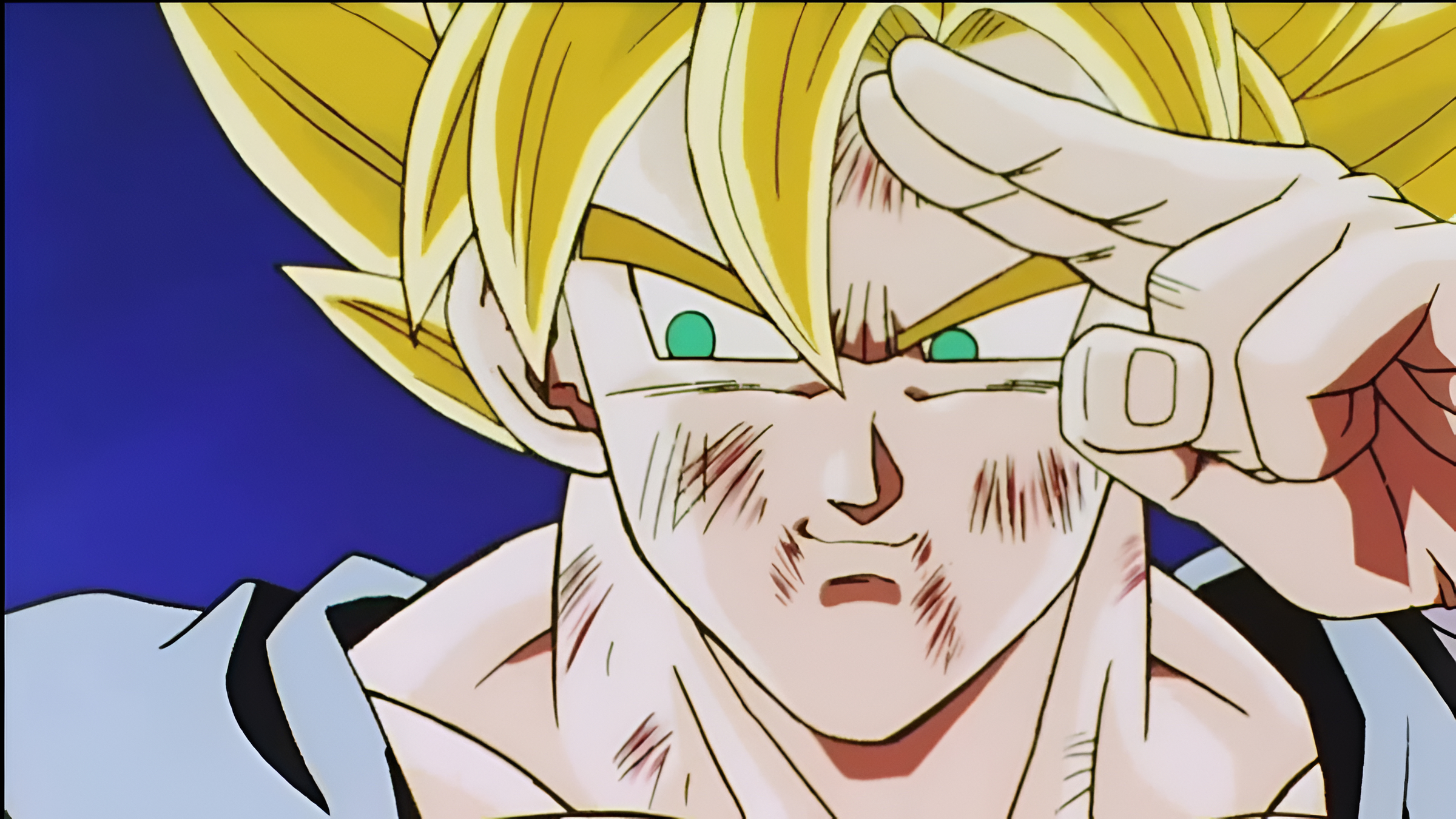
Nothing frustrates anime fans more than when a character’s death turns out to be temporary. It ruins the emotional impact when audiences realize no one remains dead for long. When popular characters like Goku or L repeatedly survive without lasting consequences, it makes all sacrifices feel meaningless.
This storytelling shortcut ruins the tension. When audiences assume characters will always be brought back to life through magic or determination, the story loses its impact. Effective anime recognize the importance of letting consequences stand – true loss makes the story meaningful. Constantly bringing characters back feels disrespectful to viewers who are looking for satisfying endings and real emotional weight.
What do you think? Leave a comment below and join the conversation now in the ComicBook Forum!
Read More
- Gold Rate Forecast
- 10 Most Powerful Versions of Superman, Ranked
- GBP CNY PREDICTION
- 007 First Light: Release Date, Story, Gameplay, Cast, Editions, and Platforms
- DOGE PREDICTION. DOGE cryptocurrency
- Superman’s 7 Best Power-Ups, Ranked
- 10 Greatest Wii U Games of All Time, Ranked
- Forza Horizon 6 Car List So Far: Confirmed Highlights, Cover Cars, DLC, and Rewards
- Kingdom Come Deliverance Update 1.002 Enables Trophies to Be Transferred
- EUR CNY PREDICTION
2026-01-25 20:22