Zombie movies began as scary stories rooted in Haitian voodoo traditions. These tales featured village priests using hypnotism to control people, burying them until they were essentially brain-dead and under the priest’s control. But in the 1960s, filmmaker George A. Romero reimagined the entire concept, leading to the modern zombie genre we know today.
Today’s zombies in movies and TV shows are largely based on the creatures George Romero introduced in his 1968 film, Night of the Living Dead. But over time, filmmakers have updated them. A key to keeping these movies exciting is when directors come up with creative and unique takes on the classic zombie, offering fans a fresh perspective on a familiar monster.
Night of the Living Dead (1968)
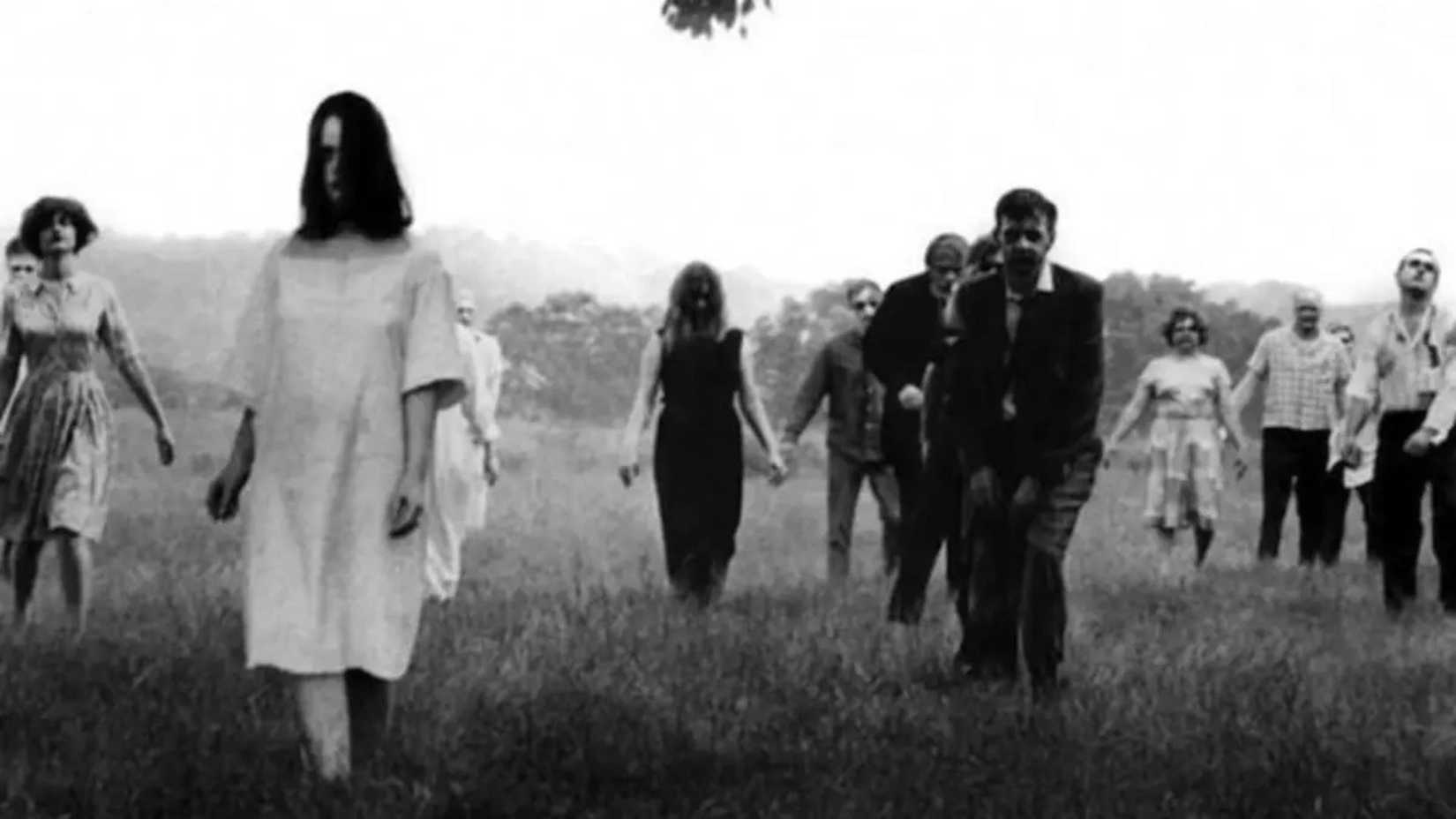
Early zombie films like I Walked with a Zombie and White Zombie featured zombies connected to voodoo traditions. But George A. Romero’s Night of the Living Dead completely changed the game, introducing a new kind of zombie and essentially creating the modern zombie monster we know today.
George A. Romero’s zombies were different – they were corpses rising from the grave, driven by a craving for human flesh. These zombies were slow and clumsy, but terrifyingly relentless once they caught someone, ripping and tearing at their bodies. This depiction was a significant departure from how zombies had been portrayed in earlier films.
The film was a massive hit and inspired other directors like Dario Argento, who created their own films based on Romero’s work. Romero continued making zombie movies himself, and Dawn of the Dead is widely considered the best zombie film ever made.
Return of the Living Dead (1985)

For more than ten years, horror movies followed the formula George A. Romero created, reusing his monsters in new plots. However, most lacked the strong social commentary that made his zombie films so impactful. Then, in 1985, a new trend emerged: zombie comedies.
I just watched Return of the Living Dead, directed by Dan O’Bannon, and it really nailed what makes a zombie comedy work. It didn’t shy away from the gore – it embraced it! But then, it layered on the absurdity. Think classic Romero-level blood and guts, but with a zombie casually using a police radio to order up some… well, you can guess. It’s a perfect blend of horror and humor.
Future zombie comedies, such as Shaun of the Dead, often played with the genre. While Shaun of the Dead was better overall, this particular film did something different: it broke from the typical zombie movie formula in a way Edgar Wright’s film didn’t. Wright focused the humor on the reactions of the living characters, but this movie let the zombies themselves be funny, adding a new comedic element.
28 Days Later (2002)

For twenty years, zombie movies felt stale and predictable. Horror and comedy films continued, but neither type offered anything new. Then, in 2002, Danny Boyle released a film that sparked debate – many wondered if it even qualified as a zombie movie.
Unlike traditional zombie movies where the dead come back to life to eat people, 28 Days Later featured living people who became infected and transformed into violently enraged attackers. What made it different was that these infected individuals were fast and actively pursued their victims, a departure from the slow, shuffling zombies audiences were used to.
Some people argued that 28 Days Later wasn’t a true zombie film because the infected weren’t actually dead. However, it follows all the typical patterns and themes of the genre, except for the creatures being alive and incredibly fast. It’s essentially a zombie movie, and by changing the established rules, it became something even more compelling.
Dawn of the Dead (2004)

Look, when Zack Snyder announced he was tackling a remake of George A. Romero’s Dawn of the Dead, a lot of us thought he was nuts. That original is the zombie movie, still considered a genre masterpiece. But Snyder clearly had a vision to bring it to a modern audience. While not everything landed perfectly, the changes he did make ultimately resulted in a genuinely terrific horror film, in my opinion.
Unlike George A. Romero’s films, which often tackled social issues, this movie focused purely on horror and shocking visuals. While it skipped the deeper themes, director Zack Snyder certainly delivered on the gore and memorable, shocking scenes – like the infamous zombie baby born in the mall.
As a huge fan of zombie flicks, I always thought Zack Snyder’s approach was interesting. He clearly took inspiration from 28 Days Later and gave his zombies incredible speed. While his Dawn of the Dead remake wasn’t exactly like Danny Boyle’s film – these were traditional zombies, risen from the dead – he still kept that breakneck pace, which was a pretty bold move considering how much George Romero emphasized slow, shuffling zombies.
Fido (2006)

Most zombie films focus on the initial outbreak and the struggle for survival against the undead. However, Fido offered a fresh take, not only altering the typical storyline but also reimagining the zombies themselves and their interactions with people. The movie is set after the zombie apocalypse has already been resolved, with humanity emerging victorious.
Humans didn’t just defeat the zombies – they found a way to control them. A company created special collars that allowed survivors to command zombies, essentially turning them into obedient helpers. This led to some surprising situations, with zombies performing everyday tasks like mowing lawns, babysitting, and even becoming companions to people.
This wasn’t like any zombie movie you’ve seen before – the zombies were surprisingly docile. For a while, it actually seemed like they’d been rendered harmless. However, that peace didn’t last. When a control collar failed, one zombie reverted to its old ways and started attacking again.
Warm Bodies (2013)

Back in 2013, a popular zombie movie defied expectations and changed how audiences saw these creatures. Traditionally, zombies instantly crave human flesh and attack anyone nearby, without a second thought. This film did something different.
The movie Warm Bodies isn’t like other zombie comedies. While films like Shaun of the Dead focus on surviving a zombie outbreak, Warm Bodies is a love story about a zombie who falls for a human. This zombie, named R, narrates the story himself, and remarkably, he still has his thinking abilities.
Unlike typical zombie films, the zombies in this movie don’t just mindlessly attack. They initially keep their ability to think, though that intelligence fades throughout the story. The character R is aware he’s losing his mental faculties and can’t speak, but the idea of a zombie consciously experiencing and describing what’s happening is a new approach to the genre.
Life After Beth (2014)

Following the success of Warm Bodies, the film Life After Beth offered another take on the romantic zombie comedy. Like its predecessor, it explored a relationship between a living person and a zombie, but with a darker, more unsettling edge. This zombie could still talk and was increasingly prone to violence.
Aubrey Plaza plays Beth, who tragically dies early in the film after a snake bite. But when her boyfriend, Zach (Dane DeHaan), learns she might still be alive, he rushes to her house. Though her parents try to turn him away, he sneaks inside and finds her—unfortunately, she’s dead and beginning to transform into a zombie.
The story is compelling because, similar to a character named R, Beth experiences a decline in her mental abilities throughout the film. For a large part of the movie, she’s unaware that she’s actually deceased, and the real horror begins when she discovers the truth. What makes this unique is that it allows the zombie to gradually understand her own situation.
The Girl with All the Gifts (2016)

The film The Girl with All the Gifts is a zombie story inspired by the novel of the same name, sharing similarities with Warm Bodies. Unlike Warm Bodies, though, it’s not a comedy. Both stories play with typical zombie tropes, letting us hear the thoughts of a zombie who is aware of their condition. However, The Girl with All the Gifts differs by focusing on a zombie who lacks control over her environment.
The story shifts to a darker, more suspenseful tone, focusing on a government facility where children with zombie-like traits are being held and experimented on. Melanie is one of these children, and she’s close to her teacher, who is desperately trying to shield the kids from the government’s plans to eliminate them.
This completely changes the typical zombie story. Instead of the zombies being the bad guys, they’re actually the ones suffering, and humans are the true threat. Most zombie films portray humans as the heroes, but this one turns that idea on its head, making the zombies the ones who need saving.
Army of the Dead (2021)

Zack Snyder revisited the zombie world with Army of the Dead, years after gaining recognition with his remake of Dawn of the Dead. Like before, he portrays zombies as quick and powerful, continuing to ignore the established rules created by zombie genre pioneer George A. Romero.
But Snyder also did something unexpected that made his zombie film different. Similar to movies like Warm Bodies and The Girl with All the Gifts, this film featured a zombie capable of thought, though his inner experience was never directly shown – we only saw him acting with purpose and control.
Most zombie stories feature the undead aimlessly wandering in search of food. However, Zack Snyder’s Army of the Dead broke from this tradition by introducing intelligent, leader zombies. Instead of a mindless horde, the film featured an Alpha zombie who commanded the others, and even an Alpha Queen who orchestrated attacks. When the Queen died, the Alpha took charge, leading a focused and strategic assault – a departure from typical zombie behavior.
28 Years Later: The Bone Temple (2025)

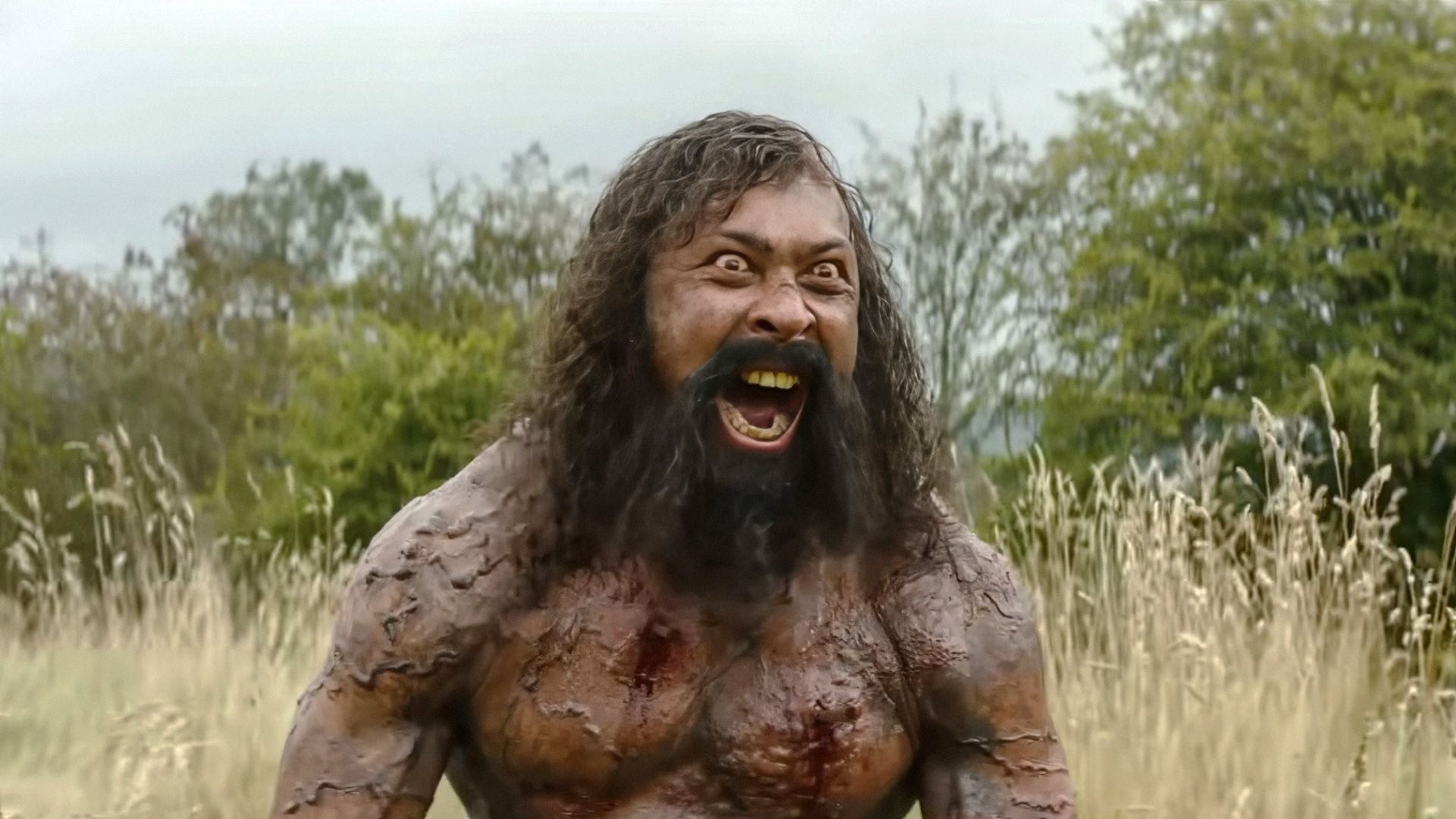
The sequel to 28 Years Later, titled 28 Years Later: The Bone Temple, featured a similar concept to the film Army of the Dead. Like Army of the Dead, it included a zombie capable of thinking and acting with purpose beyond simply attacking and eating. This special zombie, named Samson, dramatically altered the story.
Zombie movies always left viewers wondering if a zombie could ever become smart again, but it never happened – until now. In 28 Years Later: The Bone Temple, that rule is broken when a zombie named Samson starts to recover his human mind and personality.
Zombie movies usually have certain rules, and when a film deviates from those rules, there should be repercussions. That’s what happens in this case: when Samson remembers who he was and starts to become human again, other zombies turn on him, making him an outcast. The Bone Temple boldly broke those established rules and completely redefined what a zombie movie could be.
Read More
- Best Controller Settings for ARC Raiders
- The Boys Season 5 Officially Ends An Era For Jensen Ackles’ Soldier Boy
- Review: Final Fantasy Tactics: The Ivalice Chronicles (PS5) – Still the Benchmark for Turn-Based Tactics
- Nippon Sangoku Is The Best New Post-Apocalyptic Anime of Spring 2026
- Mark Zuckerberg & Wife Priscilla Chan Make Surprise Debut at Met Gala
- Elon Musk’s Mom Maye Musk Shares Her Parenting Philosophy
- 10 Greatest Manga Endings of All Time
- The Witcher 3 Officially Reveals Stunning New Ciri Figure Coming 2026
- The WONDERfools ending explained: What happened to the Child of Eternity?
- 7 Great Marvel Villains Who Are Currently Dead
2026-01-26 01:33