
Modern video games often spark debate, and these arguments are now bigger than those from the past. A major point of contention is how players truly own games, especially those designed as ongoing “live services.” Many games now follow a seasonal model that requires a constant internet connection, but when these services end, developers are increasingly shutting the games down completely, leaving players with nothing.
It’s really frustrating when games I love just disappear. It feels like a slap in the face, not just to me, but to all of us who invest our time and money. Thankfully, a lot of people are starting to fight for our rights as gamers. I’ve been following this initiative called ‘Stop Killing Games,’ and they’re trying to get the EU to make publishers handle game shutdowns way better – like, actually letting us still play what we bought. And the big news is, they just cleared a major step towards making that happen! It could totally change how the industry works, and honestly, it’s about time.
The Stop Killing Games Petition Has Reached Over A Million Supporters
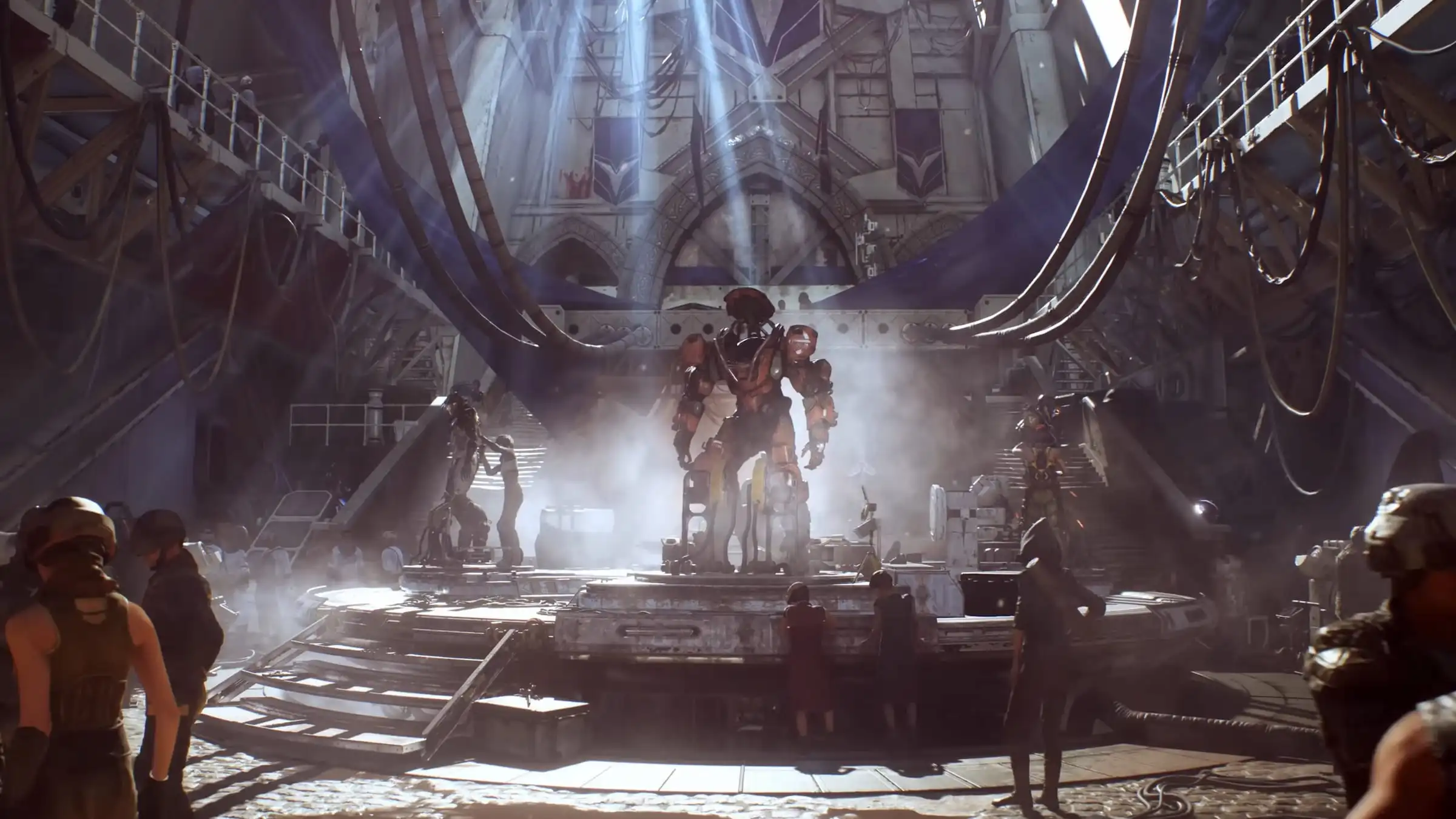
Launched in 2024, Stop Killing Games is a campaign pushing for new EU laws to protect players and the future of gaming. It argues that when game publishers shut down online or live-service games – like what happened with Anthem – it harms customers and devalues games as an art form. The campaign wants the EU to require that any game sold in Europe remains playable even after the publisher stops supporting it.
The petition also aims to make game publishers plan for the long term, ensuring players can still enjoy games even after updates and online services are discontinued. To proceed, the petition needed 1 million verified signatures from EU citizens. Currently, 1,294,188 signatures – about 90% – have been confirmed, indicating the “Stop Killing Games” campaign is likely to move forward.
Although publishers have expressed concerns, most gamers around the world appear to support this proposal. Even though the laws would initially only apply to games sold in Europe, the size and influence of the European market, combined with the global nature of the gaming industry, could easily lead to these rules being adopted worldwide. Despite ongoing challenges and potential legal fights, the petition’s progress is a significant milestone that could dramatically change the future of gaming.
Why The Stop Killing Games Initiative Matters
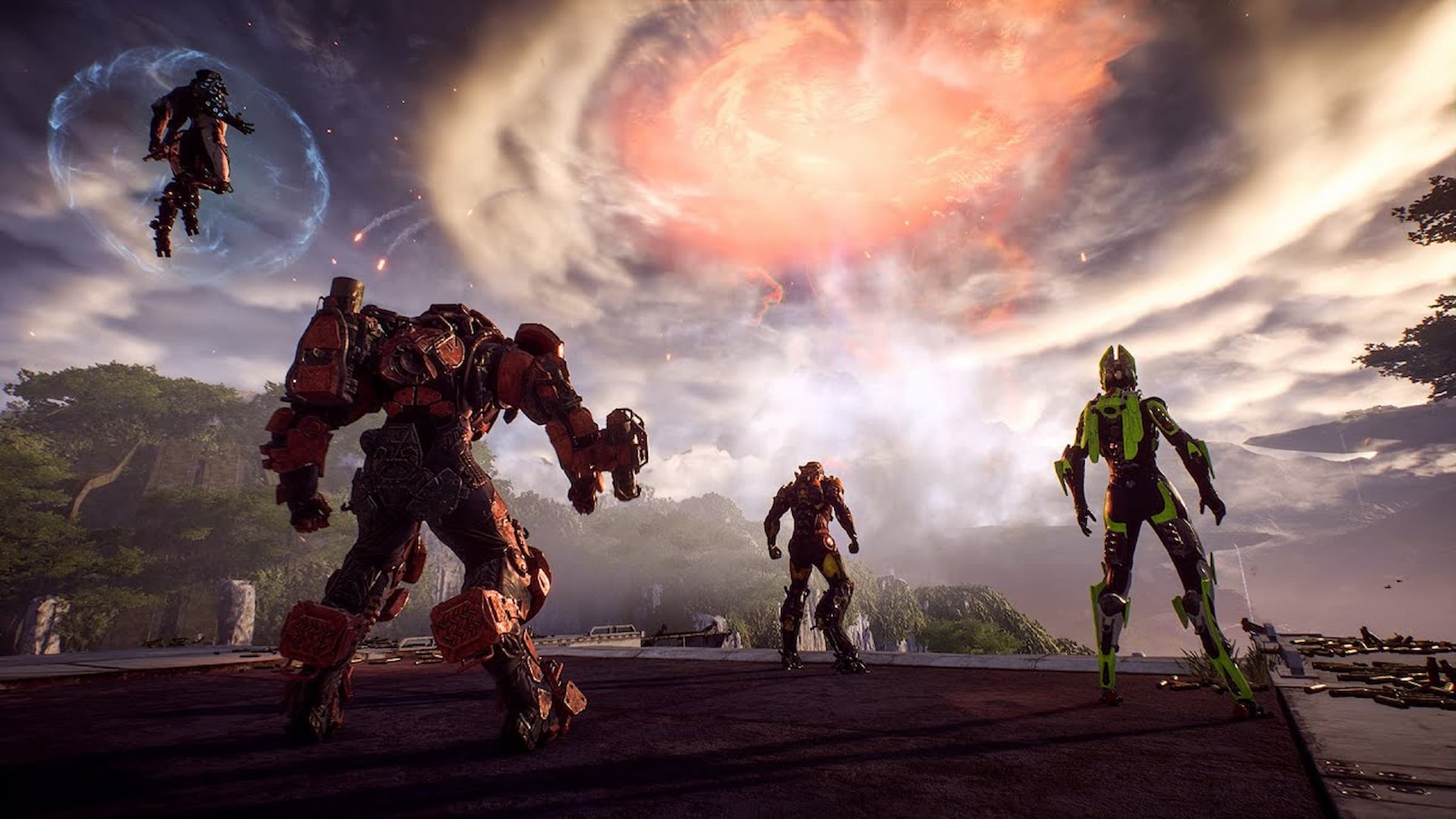
These days, many games are designed as ongoing ‘live services,’ which means they’re constantly updated. However, this also means players face the unsettling possibility of losing access to games they’ve bought. Because more and more games are sold digitally without physical copies, publishers can shut down servers or stop supporting a game, effectively making it unplayable for those who legally own it. This is especially disappointing when a game, like Anthem, has a dedicated community and appeared to have the potential for long-term viability, even with options for local server hosting.
Even though players wanted to keep the game going, EA decided to shut it down this month. This is frustrating for customers who paid for the game but can no longer play it. As gamers, we also feel it devalues games as a lasting form of entertainment and art. When developers spend years creating a game’s unique style and world, it feels wrong for a company to just take it away. It’s important to note that the petition isn’t asking all online games to be removed, only that this particular game should remain available.
Games could still offer subscriptions, as long as they’re designed well and aren’t predatory like loot boxes, which are facing more scrutiny in Europe. However, a new law would require developers and publishers to guarantee their games remain playable for a reasonable time. This will likely mean extra costs, effort, and time during development, which some publishers may resist. On the positive side, it could allow older games to stay available, attracting new players who weren’t interested in games that constantly require ongoing purchases.
This approach could even revive games entirely, particularly if their dedicated player base continues to thrive. It also helps build trust between players and publishers, preventing the frustration that comes when players feel exploited – forced to pay for everything but having no real ownership of their in-game progress. Though it might require more effort, the ‘Stop Killing Games’ movement is ultimately positive for games themselves, beneficial for players, and a sensible strategy for developers.
Read More
- Gold Rate Forecast
- 10 Most Powerful Versions of Superman, Ranked
- GBP CNY PREDICTION
- 007 First Light: Release Date, Story, Gameplay, Cast, Editions, and Platforms
- Superman’s 7 Best Power-Ups, Ranked
- DOGE PREDICTION. DOGE cryptocurrency
- 10 Best Free Games on Steam in 2026, Ranked
- 10 Greatest Wii U Games of All Time, Ranked
- Forza Horizon 6 Car List So Far: Confirmed Highlights, Cover Cars, DLC, and Rewards
- What happened to Soldier Boy in The Boys?
2026-01-27 21:40