Television has a long history of excellent anthology series, starting with shows like The Twilight Zone and continuing with more recent examples such as Room 104. But very few have achieved the same level of quality as Netflix’s series.
While not every episode is a hit, Love, Death & Robots, created by Tim Miller and executive produced by David Fincher, is a fantastic showcase of what animated shorts can be. It delivers stories across many genres, with incredibly imaginative ideas and consistently stunning animation. Some might even say it changed the game for animation itself.
Love, Death & Robots Is Like an Animated Black Mirror
When it comes to thought-provoking TV for today’s world, Black Mirror stands out. It’s captivated viewers with its insightful and often unsettling look at society and the potential dangers of technology. However, it’s not the only critically acclaimed, Emmy-winning show on Netflix that tells stories like these.
I’ve noticed this show keeps popping up in discussions about tech-gone-wrong, and honestly, it makes total sense. Just the title hints at stories where technology leads to some really unsettling situations. Take Season 2’s “Automated Customer Service,” for example. It’s a chilling episode about an older woman battling both a robotic vacuum cleaner and the frustrating AI customer service line when she’s already in a tough spot. It really gets under your skin.
While still often dark and thought-provoking, recent episodes of Black Mirror tend to offer a more hopeful outlook on the future, or at least present even disastrous situations with a touch of optimism, as seen in the classic episode “Three Robots.” This approach has been present throughout the show’s run, but it really became noticeable with “San Junipero” in Season 3, marking a shift away from the show’s traditionally cynical tone.
Both Black Mirror and Love, Death & Robots share a knack for storytelling that doesn’t always rely on technology as a central theme. Some episodes actually avoid robots, death, or even romance altogether, and that’s when the creators truly shine with their imagination.
The Love, Death & Robots Shorts Are Stunningly Unique
What’s truly impressive about this series is how different each episode feels. This is particularly noticeable in the first volume of 18 shorts from 2019, which showcases a remarkable variety of animation techniques – everything from incredibly realistic motion capture to combinations of 2D and 3D animation, and even one segment that incorporates live-action film.
What makes Love, Death & Robots so visually diverse is that it doesn’t rely on a single animation studio. While Blur Studio, co-founded by Tim Miller, is involved in production, most of the episodes are made by different, highly respected animation companies. The show essentially commissions these independent studios to create each short.
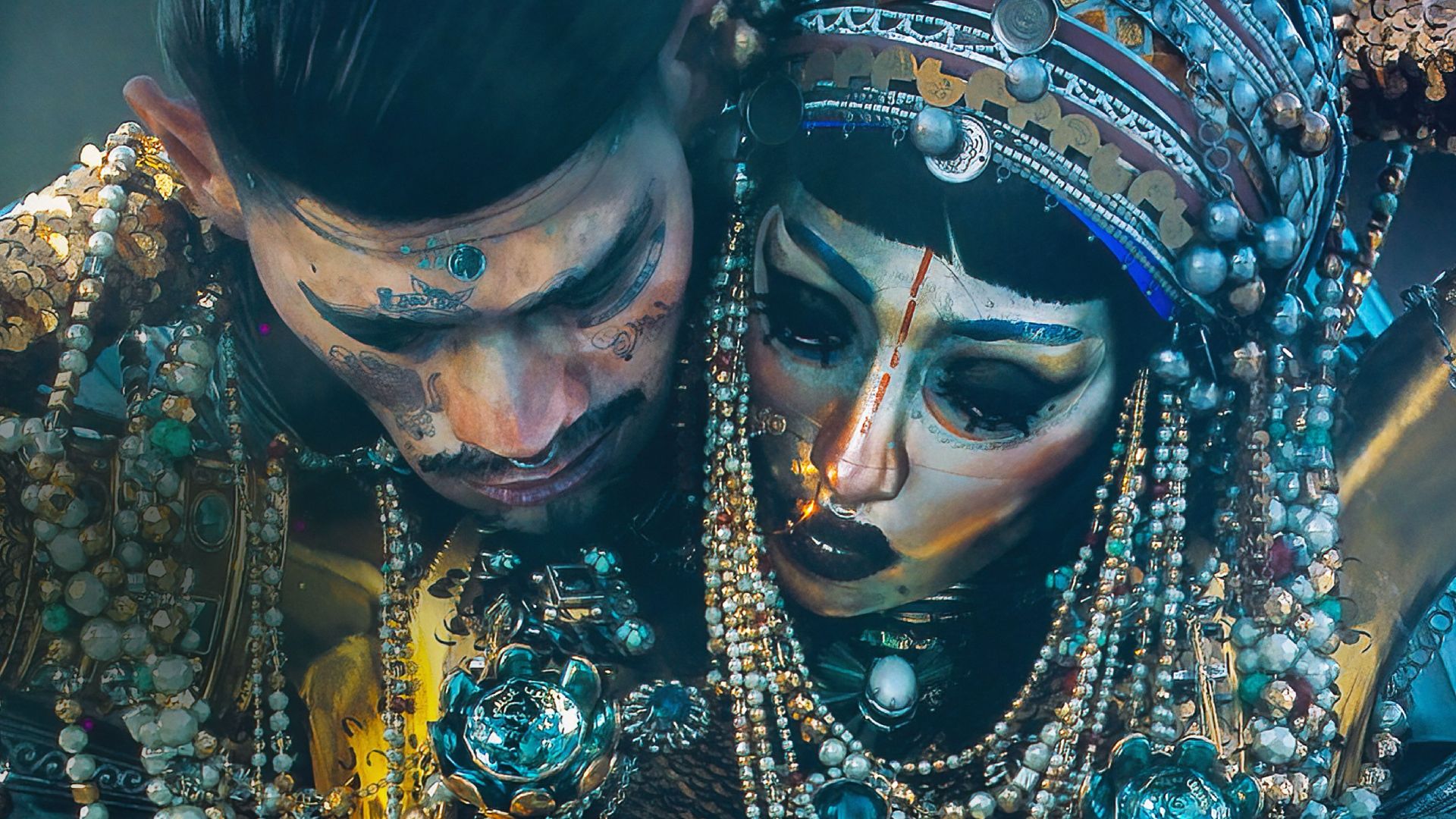
Animation studios are pushing creative boundaries. Buck, a studio in Los Angeles, creates CGI stories that look like charming, miniature worlds come to life, as seen in their projects “Night of the Mini Dead” and “Close Encounters of the Mini Kind.” Meanwhile, Spain’s Pinkman.TV has earned multiple Emmy Awards for the visually stunning animated shorts “The Witness” and “Jibaro,” directed by Alberto Mielgo. These shorts are known for their unique style, which evokes the look of old photographs taken through a shimmering, iridescent bubble.
Episodes like “The Witness,” a bizarre 12-minute chase, and “Jibaro,” where a deaf warrior falls under the spell of a jeweled siren, really showcase how ambitious and creative Love, Death & Robots can be. The series is the kind of science fiction that would have thrilled legends like Isaac Asimov and Philip K. Dick. Its scary stories push the limits of horror, and even the funny ones are better than people give them credit for.
Love, Death & Robots Is No Disney Cartoon
Most episodes of Love, Death & Robots contain mature themes and aren’t appropriate for children. While some shorts are less intense than others, it’s generally best for parents to avoid letting kids watch the show.
The show’s closest attempt at a PG-rated story is still quite dark, focusing on a group of small-town mech-suit pilots fighting off an alien invasion. Other contenders include “All Through the House,” which starts as a cheerful holiday story before becoming scary, and the David Fincher-directed Red Hot Chili Peppers music video “Can’t Stop.” However, that video is too graphic with its realistic nude or partially nude CGI puppets to qualify as PG.
Despite featuring more adult themes, the series has become incredibly popular. It actually deserves recognition for proving that animated shows can appeal to older audiences, and this goes beyond just the critical acclaim stories like Fincher’s ‘Bad Travelling’ have earned.
Love, Death & Robots has impressed viewers with its stunning animation and proven how valuable the medium is for telling stories that wouldn’t translate as well to live-action films. It’s shown audiences the unique power and potential of animation.
For years, animation has been unfairly seen as just for children, despite the many movies and TV shows Hollywood has produced. While classics from studios like Studio Ghibli and the work of artists like Ralph Bakshi are well-respected, the recent series Love, Death & Robots has been instrumental in shifting that perception and proving animation can be for everyone.
Found an error? Send it so it can be corrected.
Read More
- 10 Most Powerful Versions of Superman, Ranked
- Gold Rate Forecast
- GBP CNY PREDICTION
- DOGE PREDICTION. DOGE cryptocurrency
- 007 First Light: Release Date, Story, Gameplay, Cast, Editions, and Platforms
- EUR CNY PREDICTION
- Forza Horizon 6 Car List So Far: Confirmed Highlights, Cover Cars, DLC, and Rewards
- Superman’s 7 Best Power-Ups, Ranked
- 10 Greatest Wii U Games of All Time, Ranked
- Forza Horizon 6 PC Issues: Fix Crashes, Stuttering, Steam Errors, and Game Pass Problems
2026-01-28 03:37