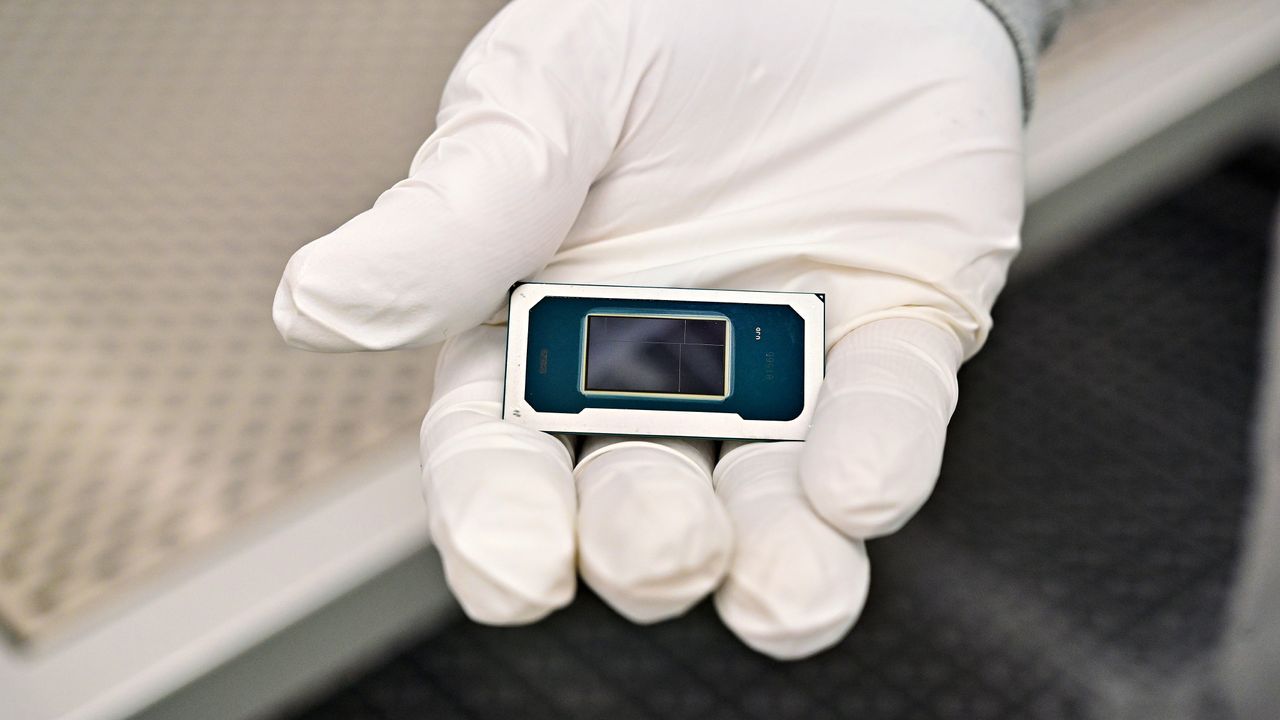
Intel’s new Core Ultra Series 3 processors, nicknamed “Panther Lake,” were first shown at CES 2026, and laptops powered by these chips are now available. To support the launch, Intel has released an updated graphics driver (version 32.0.101.8425/32.0.101.8362) for their Arc A-series and B-series graphics cards, and also for the integrated graphics in the new Core Ultra processors.
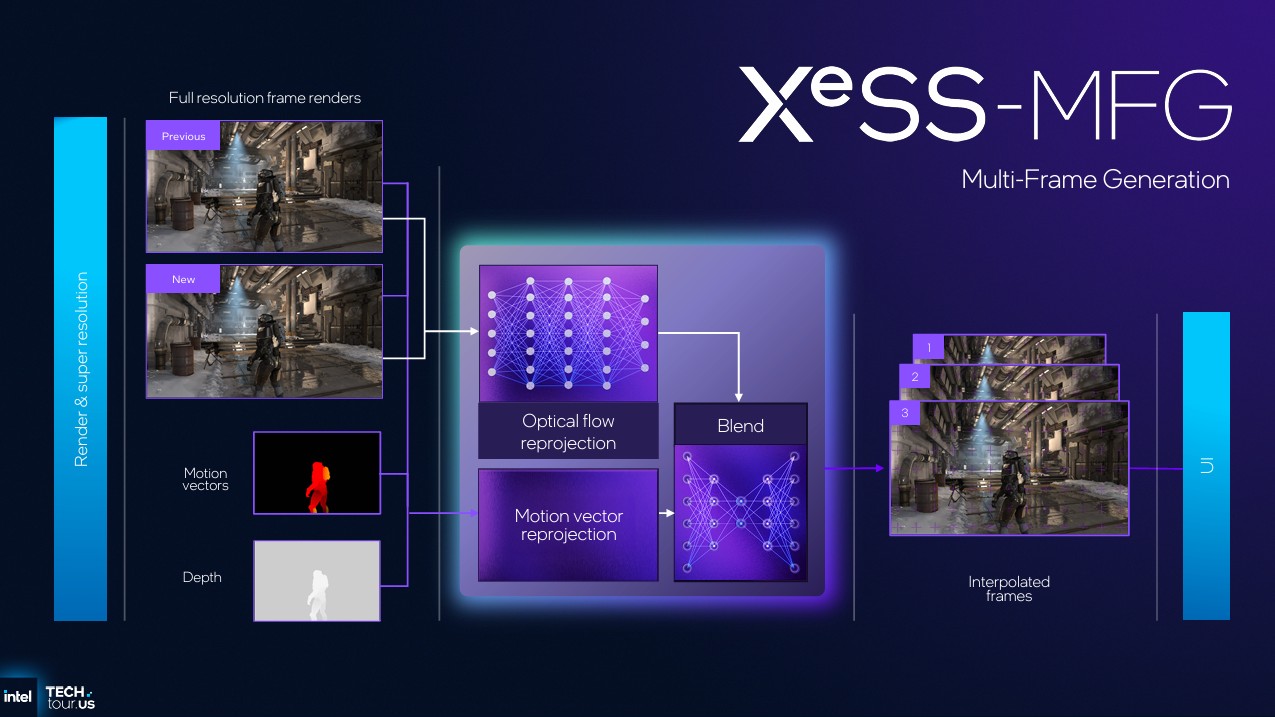
The major highlight of this driver update is support for Intel XeSS 3 Multi Frame Generation (MFG). XeSS Frame Generation has been available for some time, but XeSS 3’s MFG goes further by using AI to create up to three additional frames between each actual frame rendered by your graphics card. This is similar to NVIDIA’s DLSS 4 technology; AMD’s FSR 4 currently doesn’t offer this feature.
The new XeSS 3 MFG technology isn’t limited to the newest Panther Lake processors. It also works with the graphics built into Meteor Lake, Lunar Lake, and both mobile versions of Arrow Lake chips, providing a noticeable performance improvement for gaming on these older systems.
“Panther Lake” seems like the exact boost that Intel needed
Now that reviews are out for Intel’s new Core Ultra “Panther Lake” mobile processors, the response is overwhelmingly positive. These chips offer great efficiency, strong performance whether plugged in or not, and a noticeable improvement in graphics capabilities, suggesting Intel has created a real winner.
One of the most significant improvements coming with Panther Lake is the new Intel Arc B-series Xe3 integrated graphics, featuring the Arc B370 and B390 models. By designing the graphics processing unit as a separate component, Intel can now improve graphics performance without needing to redesign the entire chip.
Last year, Windows Central’s former laptop expert Zachary Boddy toured the Intel factory in Chandler, Arizona, and reported that the new Panther Lake integrated GPU features significant improvements. These include better ray tracing, faster processing speeds, increased memory bandwidth, reduced bottlenecks, and smarter resource allocation, all thanks to its new third-generation Xe cores.
During the Intel Tech Tour, Boddy tested XeSS 3’s new Motion Fluidity Enhancement (MFG) and found it to be better than NVIDIA’s similar feature, primarily because it felt more responsive. According to Boddy, games that already work with XeSS 2 will automatically support MFG through the XeSS 3 update, and users can enable it using the Intel Graphics Software app. After installing the new driver, around 45 games should be ready to experience MFG.
There’s talk that AMD might continue using its RDNA 3.5 graphics technology until 2029, saving the more advanced RDNA 5 for high-end products. Could this give Intel a chance to become the leading provider of graphics for laptops and other mobile devices?
Read More
- 10 Most Powerful Versions of Superman, Ranked
- Gold Rate Forecast
- GBP CNY PREDICTION
- 007 First Light: Release Date, Story, Gameplay, Cast, Editions, and Platforms
- Forza Horizon 6 Car List So Far: Confirmed Highlights, Cover Cars, DLC, and Rewards
- DOGE PREDICTION. DOGE cryptocurrency
- Superman’s 7 Best Power-Ups, Ranked
- Forza Horizon 6 PC Issues: Fix Crashes, Stuttering, Steam Errors, and Game Pass Problems
- EUR CNY PREDICTION
- Fishbowl Is a Charming and Heartfelt Indie You Won’t Want to Miss (Review)
2026-01-28 22:39