
Following the conclusion of Avengers: Endgame, Marvel Studios has struggled to recapture the magic of its earlier successes. They’ve heavily focused on the multiverse, connecting movies and TV shows in a way that often prioritizes setting up future events over creating satisfying, standalone stories. This has led to a series of inconsistent releases with characters who don’t feel fully developed and plots that feel rushed or incomplete. While demanding fans also play a role, the overall approach became overwhelming, and critics began to notice a clear pattern. The Marvel Cinematic Universe entered a difficult period, but it took Marvel some time to realize the issue wasn’t a lack of money or skilled people – it was a matter of misplaced focus.
The Marvel Cinematic Universe is now in Phase 6, but since Phase 4, the movies haven’t been as strong. They’ve relied too much on bringing back familiar faces, referencing past events, and trying to be as big and flashy as possible. Films like Thor: Love and Thunder, Ant-Man and the Wasp: Quantumania, The Marvels, and Doctor Strange in the Multiverse of Madness prioritized spectacle over solid storytelling. Good stories need character development, meaningful conflicts, and weight, but these movies often felt like filler episodes. It felt like everything was just delaying the arrival of a bigger story – and when that story finally came, it surprisingly didn’t even use the multiverse concept that had been built up.
Why Thunderbolts* Is the Best Idea the MCU Has Had in Six Years

For a long time, fans had heard rumors about Thunderbolts, but the movie felt almost like a surprise hit – its success wasn’t really planned. The story centers around a mismatched team: Yelena Belova (Florence Pugh), Bucky Barnes (Sebastian Stan), John Walker (Wyatt Russell), Red Guardian (David Harbour), Ghost (Hannah John-Kamen), and Taskmaster (Olga Kurylenko). They’re brought together by the mysterious Valentina Allegra de Fontaine (Julia Louis-Dreyfus). These characters are all flawed individuals – former soldiers, assassins trying to change, and heroes who have failed – and they’re tasked with taking on missions nobody else wants. They’re not traditional heroes; they’re anti-heroes. The film focuses on personal struggles with guilt and trauma, and their search for meaning, rather than any large-scale, multiversal threats.
The core concept itself is quite strong – Marvel’s success in comics always stemmed from relatable, human characters. In fact, the film’s greatest asset is its well-crafted script. For once, a Marvel movie truly knows its purpose. Thunderbolts doesn’t just include characters to check boxes; it builds on existing storylines and introduces new relationships organically. Yelena Belova especially shines as the heart of the film, mixing wit with genuine emotion. Her story isn’t about honoring Black Widow, but about finding herself and a sense of belonging – a theme that resonates with the entire team.
What really stands out is that the movie doesn’t gloss over the characters’ emotional struggles. Everyone carries pain from their past, and the story directly addresses these wounds, often through difficult conversations and unresolved conflicts—not just quick, easy fixes. Characters like Bucky and John Walker are given depth beyond simple roles, and even previously minor characters are allowed to develop. While not everyone gets the same amount of attention, the clear effort to build out these characters elevates the film significantly compared to many recent Marvel movies.
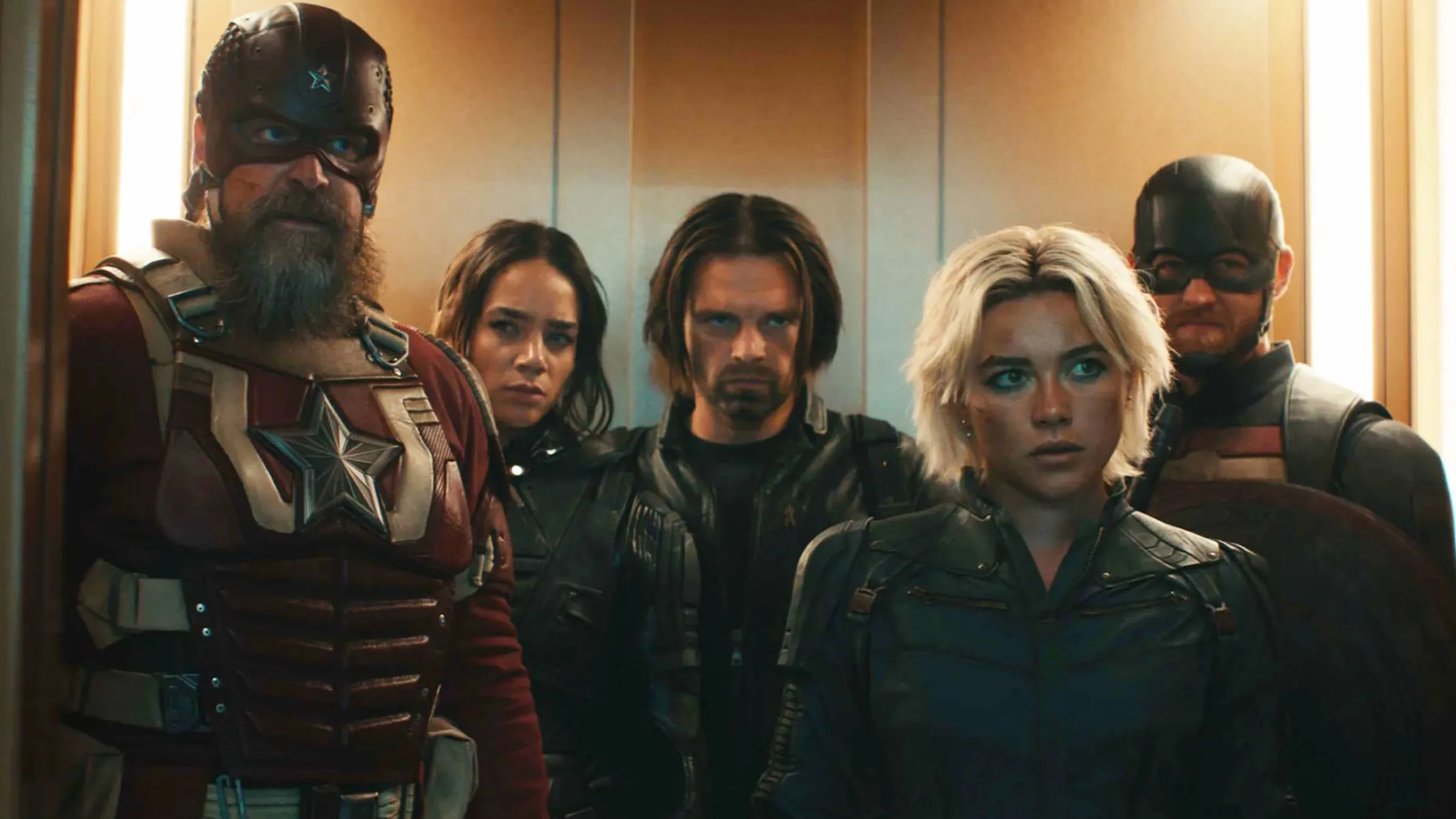
One key difference is the overall feel of the movie. Unlike many recent Marvel films that rely on huge CGI battles and predictable villains, Thunderbolts is more subtle. It still has action, but the story always comes first. Instead of a typical, over-the-top CGI finale, the film focuses on the characters’ choices and feelings, offering a surprising and refreshing approach.
The film deeply explores themes of depression and anxiety, which resonates with viewers, especially now, and forms the core of the characters’ development. It successfully blends serious emotional depth with classic Marvel entertainment, prioritizing character connections over excessive special effects. This approach feels fresh and innovative, harking back to a time when Marvel’s visual effects enhanced the story, rather than overshadowing it.
Thunderbolts* Works Mainly Because It Has Nothing to Do With the Multiverse

Unlike many recent superhero films, Thunderbolts stands out by avoiding common tropes. It doesn’t rely on nostalgia, fan-favorite moments, or complicated multiverse storylines to create excitement. The movie is self-contained and doesn’t require prior knowledge of the Marvel Cinematic Universe to be enjoyed. While Sentry is a powerful character, the film doesn’t need universe-ending stakes to feel important. This approach is refreshing in a franchise that often expects audiences to have followed every previous installment to understand what’s happening, sometimes at the cost of a good story.
The decision to move away from the multiverse isn’t just about how the story looks; it’s a core change in direction. While the previous saga often relied on huge, complicated conflicts, Thunderbolts grounds things in reality. The film recognizes that relatable emotional struggles are more powerful than threats to the entire universe. It’s not about saving countless worlds—it’s about characters dealing with the consequences of their actions and supporting one another. This focus is what sets it apart, moving beyond simple setups for future crossovers and instead offering real depth, meaning, and a compelling experience – the same qualities that initially drew audiences to the MCU.
One of the film’s strengths is how it introduces characters and concepts naturally, without overwhelming the audience with explanations or shoehorning in connections to other stories. Everything feels organic to the plot, not just setup for future projects. It trusts viewers to connect with genuine feelings instead of relying on inside jokes or references. Unlike some recent Marvel films that feel like parts of a larger series, Thunderbolts feels like a complete, standalone movie with a proper beginning, middle, and end. For a while, Marvel seemed more interested in building its universe than in telling satisfying stories.

The movie isn’t perfect, but its flaws don’t ruin the overall experience – unlike some recent Marvel releases. These imperfections are minor issues within a well-built story, not evidence of a confused or directionless plot. The film knows what it is and stays within those boundaries, a skill the MCU had lost, particularly when tackling big ideas without a clear plan. Lately, Marvel has focused too much on spectacle and excitement, and not enough on meaningful content, which ultimately alienates viewers.
Ultimately, Thunderbolts shows that Marvel can still deliver compelling stories when it focuses on character-driven narratives instead of large-scale events. While it might not be the studio’s best work ever, it’s a significant improvement over recent films, similar to the positive reception of The Fantastic Four: First Steps. Both films prioritize characters and relationships over complex multiverse storylines and massive spectacle.
The movie Thunderbolts strongly suggests that the Marvel Cinematic Universe needs to focus on strong character connections to regain its footing. Ultimately, audiences care more about the characters themselves than complex storylines involving multiple universes.
What are your thoughts on Thunderbolts? Share your opinion in the comments below and discuss it with other fans in the ComicBook Forum!
Read More
- Gold Rate Forecast
- 10 Most Powerful Versions of Superman, Ranked
- GBP CNY PREDICTION
- 007 First Light: Release Date, Story, Gameplay, Cast, Editions, and Platforms
- Forza Horizon 6 Car List So Far: Confirmed Highlights, Cover Cars, DLC, and Rewards
- DOGE PREDICTION. DOGE cryptocurrency
- Superman’s 7 Best Power-Ups, Ranked
- Forza Horizon 6 PC Issues: Fix Crashes, Stuttering, Steam Errors, and Game Pass Problems
- EUR CNY PREDICTION
- Fishbowl Is a Charming and Heartfelt Indie You Won’t Want to Miss (Review)
2026-01-29 03:11