Shonen anime has been incredibly influential, with many older shows laying the groundwork for popular series today. But audience expectations have evolved. Modern viewers are used to higher-quality animation and prefer shorter seasons. Streaming services also highlight slow pacing because episodes are available all at once, unlike the weekly releases of the past. While pacing can be a problem in older shows, that’s not even the biggest issue many of them face.
Some anime series are hard to enjoy now due to outdated or problematic content, like jokes that haven’t aged well, harsh treatment of characters, or depictions of assault. Real-life scandals involving the creators or voice actors also make it tough to revisit certain shows. While these anime were still important and influential, their problematic elements make a full rewatch challenging.
Fist of the North Star Drowns Its Story in Endless Brutality
While Fist of the North Star is a classic, it can be a challenging watch for today’s viewers. The plot often falls into a pattern: a villain emerges, people suffer, and Kenshiro defeats them with intense violence. This repetitive cycle can become predictable. The show is also incredibly violent and graphic, relying heavily on gore that, while stylistic, can feel exhausting after a while.
While historically significant, Fist of the North Star can be a challenging watch. It frequently uses static images and repeated animation, and supporting characters often suffer just to move the plot forward, which feels unnecessarily harsh. The show’s depiction of women sometimes lacks depth, and its emotional scenes can feel heavy-handed. Despite its importance to anime, the constant bleakness and repetitive nature can make it difficult to get through.
Captain Tsubasa Turns One Soccer Match Into an Endless Marathon
Captain Tsubasa is a beloved series, but its older animation style might feel a bit slow to today’s audiences. Games are often drawn out over several episodes, and even a single play can take a whole episode to unfold. While dramatic pauses and repeated camera angles were common in 1980s TV, they can disrupt the pace now. The animation during important moments is fairly basic, and the crowd scenes aren’t very detailed.
Many sports anime follow a familiar pattern – repeating ideas with slight variations and revisiting past events. While Captain Tsubasa genuinely captures the passion for soccer, it sometimes takes a while to get to the most exciting matches. The show often uses slow-motion replays of falls and injuries, which can make episodes feel drawn out. Though it was highly influential in shaping the sports anime genre, its tendency to pad out the content can be frustrating for viewers.
Katekyo Hitman Reborn!’s Painfully Slow Start Makes Its Best Arcs Hard to Reach
The series starts slowly, relying heavily on school-based humor and recurring jokes before developing into its main storyline. This initial focus can be frustrating for viewers eager to see action and character development, feeling like a significant hurdle to overcome. Even once the story picks up, the speed at which events unfold remains inconsistent.
The beginning of Katekyo Hitman Reborn! focuses a lot on everyday school life, with characters facing and resolving similar issues repeatedly. While the action sequences later on are often thrilling, the show occasionally interrupts intense moments with comedic relief. Plus, the anime doesn’t cover the entire manga story, which can make the ending feel incomplete.
Shaman King Feels Like a Rushed, Uneven Adaptation
The 2001 Shaman King anime is enjoyable thanks to its appealing characters and interesting concept. However, the pacing is uneven. Some plot points rush by, while others drag on, making character development and the importance of events feel inconsistent. Key moments sometimes happen too quickly, and other episodes focus too much on minor battles. The animation quality also varies noticeably from episode to episode.
The fight scenes in Shaman King sometimes lack impact due to limited animation, and the plain backgrounds can make even important battles feel less grand than they should. The show’s mood frequently shifts between serious and comedic, and unfortunately, many storylines and rivalries don’t feel fully resolved by the end, leaving a sense of unfulfilled potential.
Inuyasha Repeats the Same Jewel Shard Chase Until It Loses Its Magic
Inuyasha blends exciting action, sweet romance, and Japanese folklore, but it does fall into repetitive patterns. Many episodes follow a similar structure: the characters search for a piece of a powerful jewel, encounter a new villain, have a battle, and then continue their journey. This can make the story feel like it’s moving slowly, particularly if you watch multiple episodes back-to-back.
I really love the world, music, and overall vibe of Inuyasha, but honestly, sometimes it gets a little frustrating! The characters tend to bicker a lot, and the same jokes can get old pretty quickly. Plus, a lot of their problems seem to stem from just not talking to each other, which leads to these repeating cycles of conflict – they’ll fight, maybe get jealous, get scared, and then it all starts over again. And while I get it’s an adventure series, all that traveling can feel a bit repetitive to me as a modern viewer. It’s great, but those things definitely stand out!
Saint Seiya’s Battles Drag On for Far Too Long
While the show has many strengths, its slow pace might not hold the attention of today’s viewers. Battles often involve repeating the same attacks and recoveries, making them feel drawn out. The animation for special moves is frequently reused, even within a single episode, which can make fights feel repetitive and lack innovation. The consistently serious and dramatic tone also doesn’t offer much in the way of levity.
The storylines in Saint Seiya sometimes fall into predictable patterns of individual battles. The character development occasionally relies on outdated gender stereotypes and simplistic notions of honor, and the show frequently uses flashbacks, which slows down the overall plot.
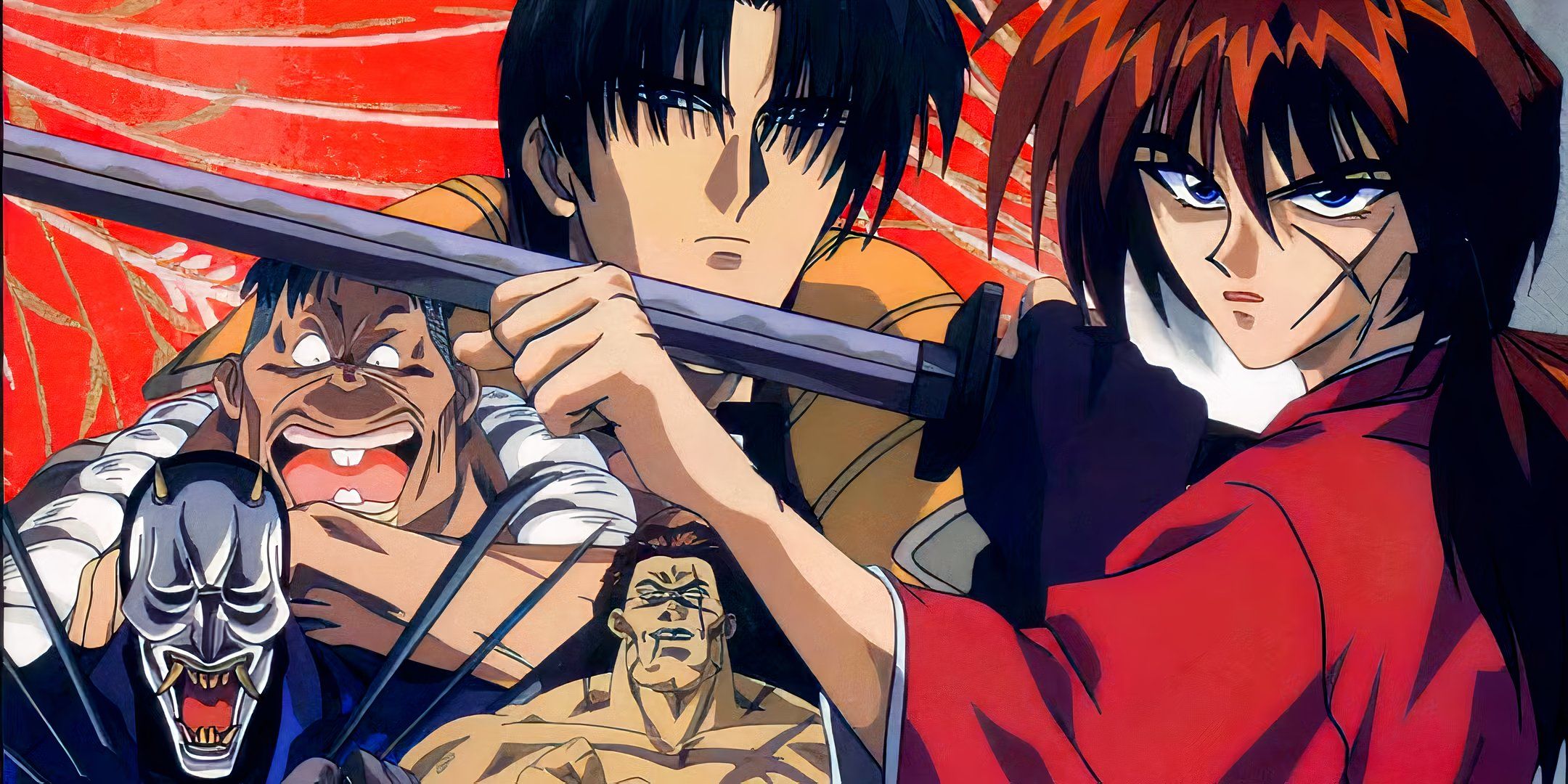
Rurouni Kenshin’s Real-World Baggage Makes Rewatching Feel Impossible
While Rurouni Kenshin is a beloved and influential series, the creator, Nobuhiro Watsuki, was arrested for possessing a large amount of child pornography, leading many fans to struggle with enjoying the franchise. The severity of the charges – initially suspected to involve distribution – has been deeply upsetting, even for dedicated followers.
The story of Ruroni Kenshin focuses on overcoming a violent past and seeking redemption, but it’s hard to fully appreciate that message knowing about the creator’s harmful actions. Even compelling storylines like the Kyoto Arc and impressive fight scenes can feel different when viewed with that knowledge. Ultimately, the quality of the series itself feels less important in light of these issues.
Toriko Can’t Escape the Controversy Behind Its Creation
Toriko is an action-packed anime, but it’s also associated with a difficult history surrounding its creator. Mitsutoshi Shimabukuro was arrested and convicted of a crime involving a minor, and this makes it hard for some viewers to simply enjoy the show, even when it’s intended to be lighthearted fun.
People often talk about the anime Toriko by focusing on its creator’s previous work rather than the show’s strongest story arcs. While Toriko benefited from crossovers with popular series like Dragon Ball Z and One Piece, and received a lot of promotional support, it’s now more common to overlook the show entirely than to delve into its history.
JoJo’s Bizarre Adventure: Stardust Crusaders OVA Is Better Known for Backlash
The series is unfortunately often better known for a controversy it caused than for its good qualities. A short scene showing the villain, Dio Brando, reading from the Quran led to strong criticism, and that incident ended up overshadowing the show’s unique artistic style and excellent voice acting.
This adaptation feels a bit raw and rushed, especially on a first viewing. It jumps right in, assuming you already know the story, and doesn’t spend much time developing the characters – something later versions do much better. Some of the action looks dated compared to today’s animation, and the serious tone can diminish the quirky, enjoyable vibe that fans love in JoJo. Considering all this, and the inconsistent storytelling, the OVA often feels like an interesting but ultimately minor part of the franchise.
Tokyo Revengers Unintentionally Started a Culture War
The anime Tokyo Revengers has gained a lot of popularity, but its reception varies depending on cultural context. The series features a symbol rooted in Buddhist tradition, but viewers outside of Japan sometimes mistake it for a Nazi swastika. This led to changes in some versions of the show, and those changes sparked further discussion and debate.
As a huge fan of Tokyo Revengers, I’ve noticed a lot of the recent focus has been on a debate about some of the show’s symbolism, and honestly, it’s been a bit of a distraction. I’ve seen some people even skipping episodes to avoid the confusion, and others are upset about the changes made to the original story. It’s frustrating because even when the show is at its best – exploring themes of loyalty, regret, and trying to change what’s meant to be – this whole controversy just seems to overshadow everything.
Read More
- GBP CNY PREDICTION
- 10 Most Powerful Versions of Superman, Ranked
- Gold Rate Forecast
- DOGE PREDICTION. DOGE cryptocurrency
- 10 Greatest Wii U Games of All Time, Ranked
- Forza Horizon 6 Car List So Far: Confirmed Highlights, Cover Cars, DLC, and Rewards
- Superman’s 7 Best Power-Ups, Ranked
- 007 First Light: Release Date, Story, Gameplay, Cast, Editions, and Platforms
- EUR CNY PREDICTION
- USD HKD PREDICTION
2026-01-29 05:44