
DC Comics has always stood out for its serious and often gloomy storytelling style. It goes beyond simple heroes and villains, exploring complex issues of right and wrong, the inner struggles of characters, and the harsh realities of being a hero. While this allows for powerful stories, it sometimes feels like DC relies too much on darkness. The company seems to think that being dark automatically makes its stories more sophisticated, but that isn’t always true.
While consistently dark stories can turn audiences away, DC’s dedication to this style also sets it apart. By focusing on the struggles and imperfections of its characters – both heroes and villains – DC creates stories that feel realistic and relatable.
Identity Crisis (2004)
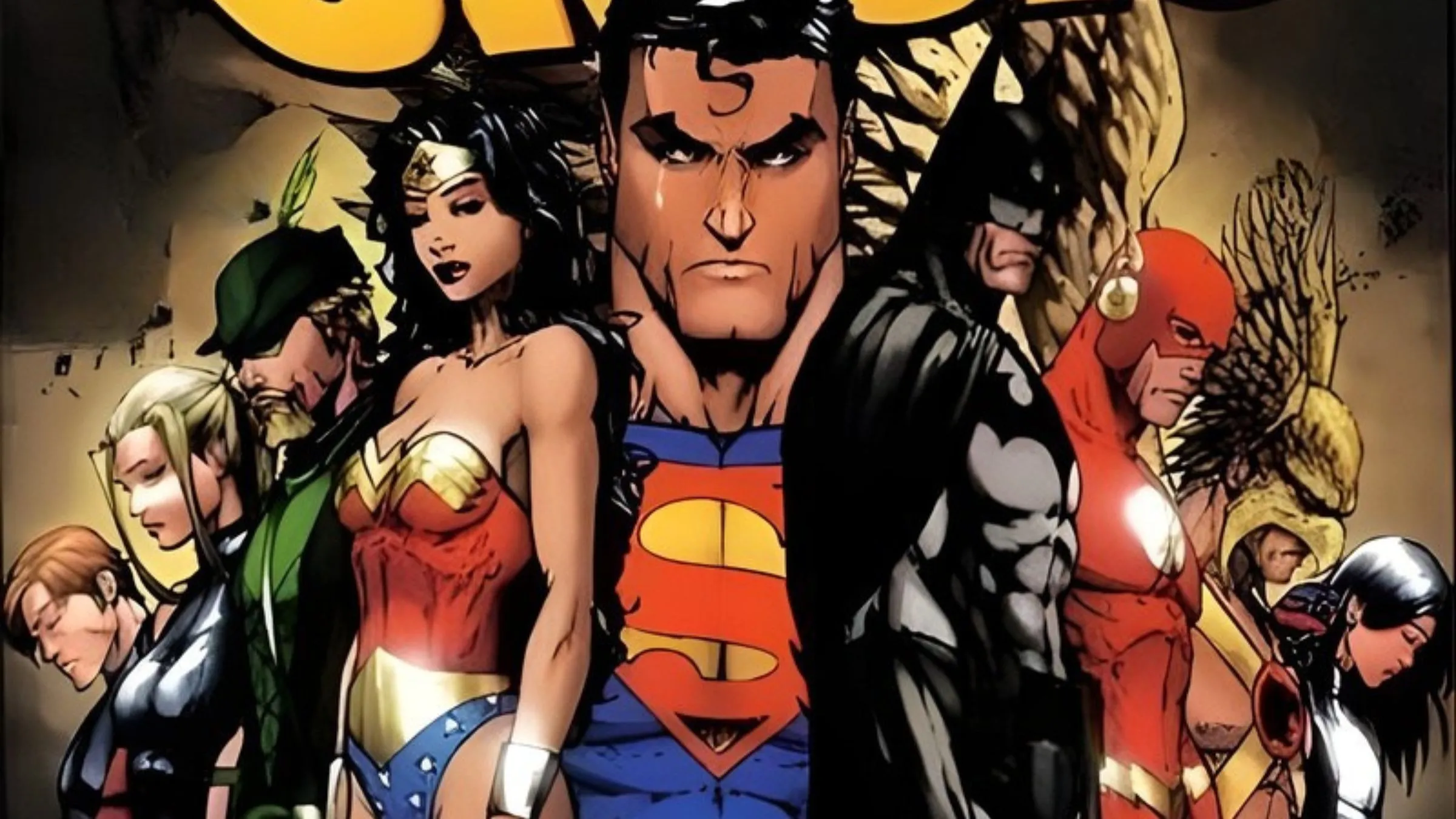
Brad Meltzer’s Identity Crisis is a particularly shocking story in DC Comics history. It starts with the violent murder of Sue Dibny, wife of the Elongated Man, and quickly becomes a disturbing look at the Justice League’s hidden flaws. The story reveals that some heroes were secretly changing villains’ minds—and even manipulating each other—which leaves readers feeling uneasy and questioning the morality of these iconic superheroes. The emotional impact on the characters and their relationships is significant and stays with you long after you finish reading. Its dark and challenging themes make Identity Crisis a truly unsettling experience.
Arkham Asylum: A Serious House on Serious Earth (1989)

Grant Morrison and Dave McKean’s Arkham Asylum is a disturbing and dreamlike exploration of Gotham’s most notorious mental hospital. The story centers on Batman’s attempt to control the Joker and the other patients, but the true horror comes from the asylum’s unsettling psychological atmosphere and symbolism. Its unusual style and haunting visuals create a lasting impression on anyone who reads it.
The Killing Joke (1988)
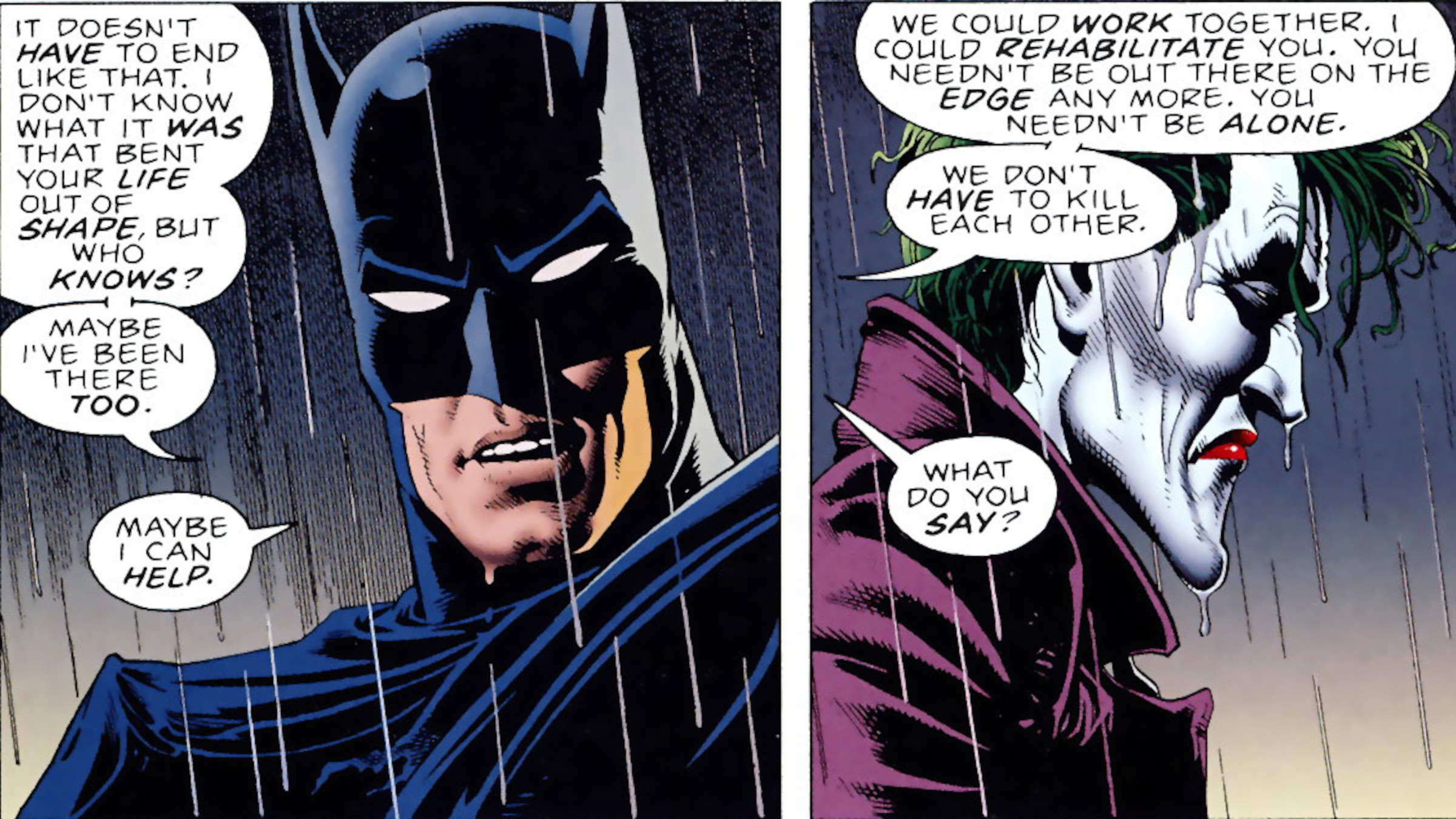
Alan Moore’s The Killing Joke is a famously controversial Batman story. It dives deep into the Joker’s past, exploring his idea that anyone can be pushed to madness with just one terrible day. The story is centered around the Joker’s brutal attack on Barbara Gordon and his cruel psychological torture of her father, Commissioner Gordon. Even today, the violence is shocking, and the story’s ending is open to interpretation, leaving readers wondering if Batman finally crosses the line and kills. Through the Joker’s pessimistic outlook and his warped view of human weakness, the story challenges us to think about difficult questions surrounding morality and mental illness.
The Dark Knight Returns (1986)

Frank Miller’s The Dark Knight Returns presents a dark and unsettling vision of Gotham City, where an older, retired Batman is forced to return to action amidst widespread chaos. The story focuses on a hardened and cynical Bruce Wayne, who fights not to inspire hope, but simply because he must. It’s a very violent story, and the broken state of the city reflects the inner turmoil of the main character.
The film asks if Batman’s extreme war on crime actually caused more damage than it prevented. The final fight with Superman isn’t just action-packed; it’s a powerful showdown between different ideas about control and justice, and it stays with you long after the credits roll. Ultimately, this isn’t just a grim Batman tale—it’s a thought-provoking look at what it means to be a hero and the price of those actions.
Crisis on Infinite Earths

Marv Wolfman and George Pérez’s Crisis on Infinite Earths was a huge, game-changing story that completely reshaped the DC Universe. Though famous for its incredible scope, it’s also a surprisingly dark tale. The deaths of popular heroes like Supergirl and The Flash are deeply upsetting and highlight the sacrifices made by those who fight for good. The Anti-Monitor remains one of DC’s most frightening villains, and his attempt to wipe out existence leads to the destruction of entire worlds.
As a huge movie fan, I was really struck by how, even when the good guys do win, it doesn’t feel like a happy ending. The story is just so relentlessly bleak – entire worlds get wiped out, and the losses are enormous. It’s the kind of film that stays with you long after the credits roll because of that overwhelming sense of doom and the feeling that even victory comes at a terrible cost.
Batman: The Cult (1988)
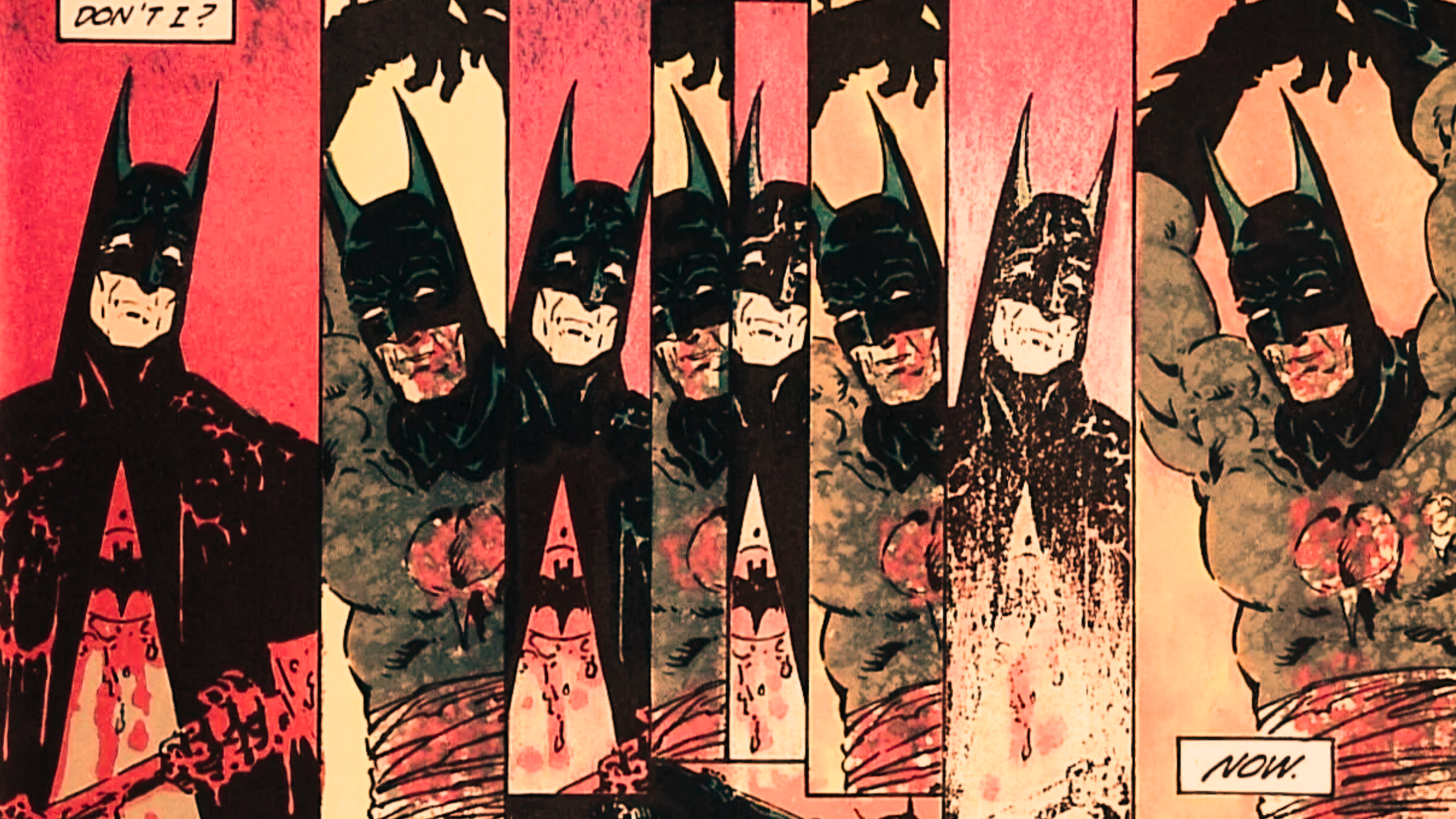
Jim Starlin’s Batman: The Cult is a truly challenging story for the Dark Knight. It introduces Deacon Blackfire, a compelling cult leader who controls Gotham’s homeless population, transforming them into a dangerous force. The story goes even further, as Batman himself becomes a victim of Blackfire’s mind control, resulting in some of his most disturbing experiences. Seeing the typically strong and confident Batman become vulnerable and question himself is deeply unsettling for readers.
The story’s look at extreme religious beliefs and how people are controlled feels disturbingly relevant to current events. Gotham City feels particularly suffocating, and a strong sense of fear runs throughout the narrative.
Watchmen (1986–1987)
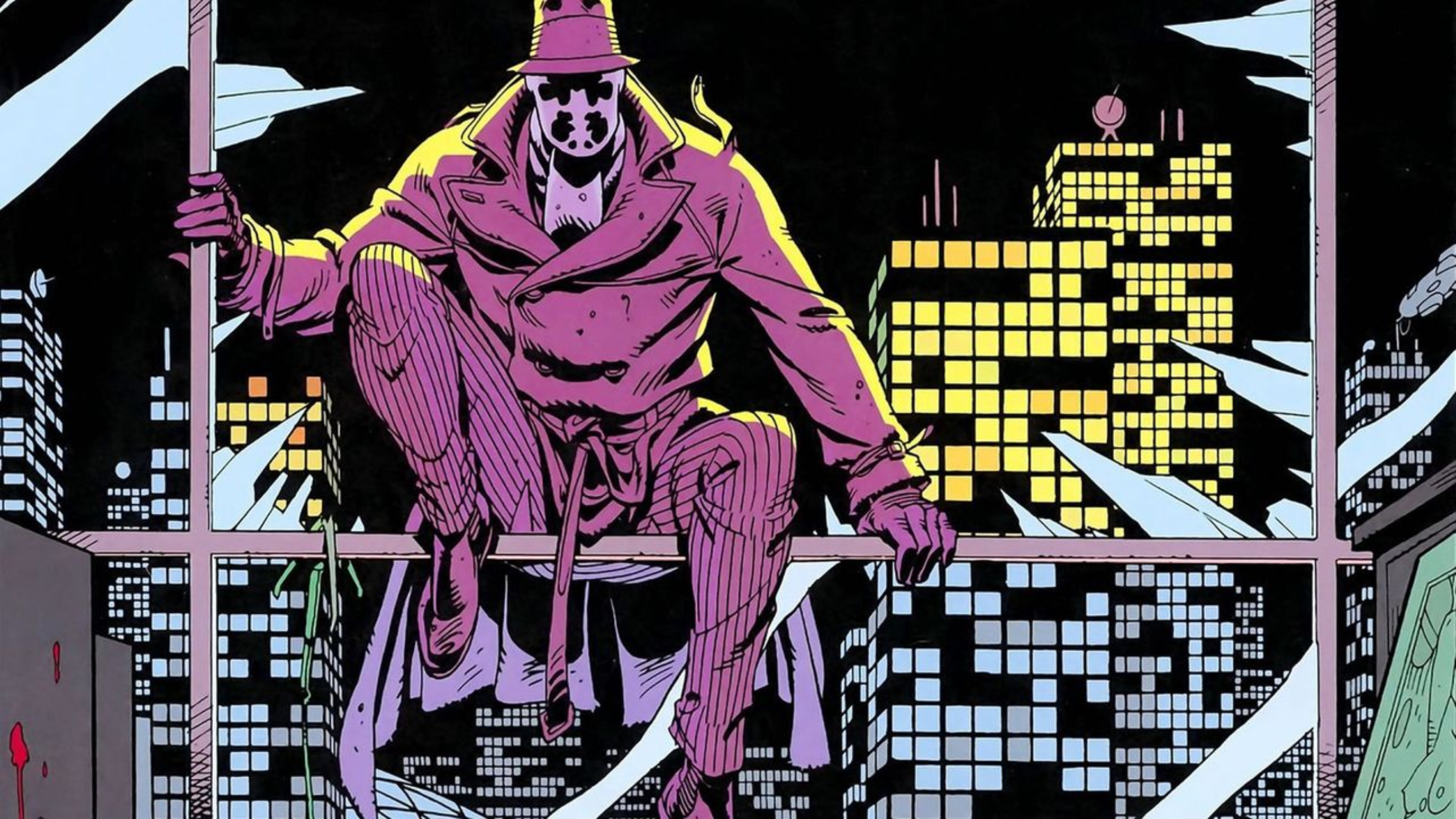
Alan Moore and Dave Gibbons’ Watchmen is widely considered the most important dark comic book ever made. It takes place in a world where superheroes aren’t noble figures, but are instead flawed, self-interested, and sometimes even dangerous. The story breaks down the traditional idea of what it means to be a hero, showing characters who are both deeply human and disturbingly unsettling due to their moral failings and personal struggles. Characters like Rorschach, with his rigid sense of justice, Dr. Manhattan’s emotional distance, and Ozymandias’ cold calculation, are more frightening than the villains they fight.
The ending of Watchmen is what really makes it such a dark story. Ozymandias’s plan—killing millions of people to prevent a larger catastrophe—is terrifying because it actually makes sense. The story doesn’t offer simple solutions or clear-cut morality, leaving readers with difficult questions and a lasting sense of unease. This relentless cynicism is what makes Watchmen a truly haunting and unforgettable work.
What do you think? Leave a comment below and join the conversation now in the ComicBook Forum!
https://comicbook.com/comics/list/7-marvel-villains-more-powerful-than-they-seem/embed/#
Read More
- GBP CNY PREDICTION
- 10 Most Powerful Versions of Superman, Ranked
- Gold Rate Forecast
- 10 Greatest Wii U Games of All Time, Ranked
- DOGE PREDICTION. DOGE cryptocurrency
- EUR CNY PREDICTION
- 007 First Light: Release Date, Story, Gameplay, Cast, Editions, and Platforms
- Superman’s 7 Best Power-Ups, Ranked
- Forza Horizon 6 Car List So Far: Confirmed Highlights, Cover Cars, DLC, and Rewards
- 10 Best Free Games on Steam in 2026, Ranked
2026-01-29 20:15