The huge popularity of the first three Star Wars movies quickly led to a flood of related books, comics, and other media. Throughout the 1990s, this expanded universe of stories became almost sacred to fans. After Star Wars: Episode I – The Phantom Menace came out, George Lucas started adding even more detail to the story and approved many new side projects. This creative period peaked with Star Wars: The Clone Wars, an animated series where Lucas was heavily involved in shaping the universe. However, this involvement caused problems with the established storyline, as the series changed official Star Wars canon in its second season.
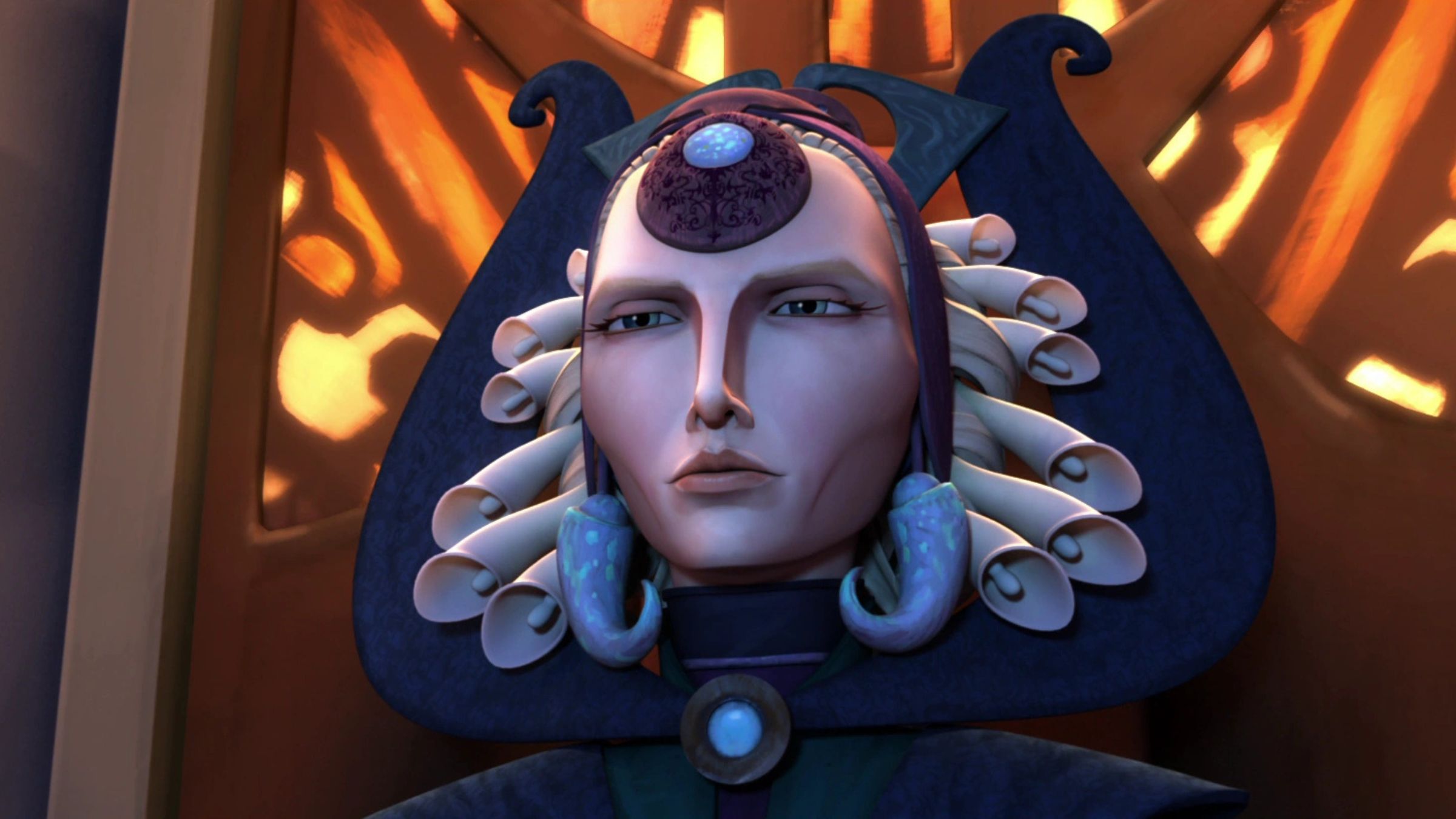
The way Star Wars stories depicted the planet Mandalore changed with the twelfth episode of the second season of The Clone Wars, titled “The Mandalore Plot,” which first aired on January 29, 2010. The episode centers on Obi-Wan Kenobi (voiced by James Arnold Taylor) investigating possible Separatist activity on Mandalore. He finds that the planet’s traditionally fierce warrior culture has been replaced by a peaceful government led by Duchess Satine Kryze (voiced by Anna Graves). Unlike the armored mercenaries seen in earlier stories, these “New Mandalorians” lived in clean, modern cities and had abandoned violence. The episode also introduced a conflict between this peaceful ruling class and a violent terrorist group called Death Watch, led by Pre Vizsla (voiced by Jon Favreau). However, by portraying Mandalore as a pacifist society, The Clone Wars went against previously established Star Wars lore, effectively making years of existing stories and books no longer consistent with the new depiction.
How Star Wars: The Clone Wars Retconned Mandalorian Canon?
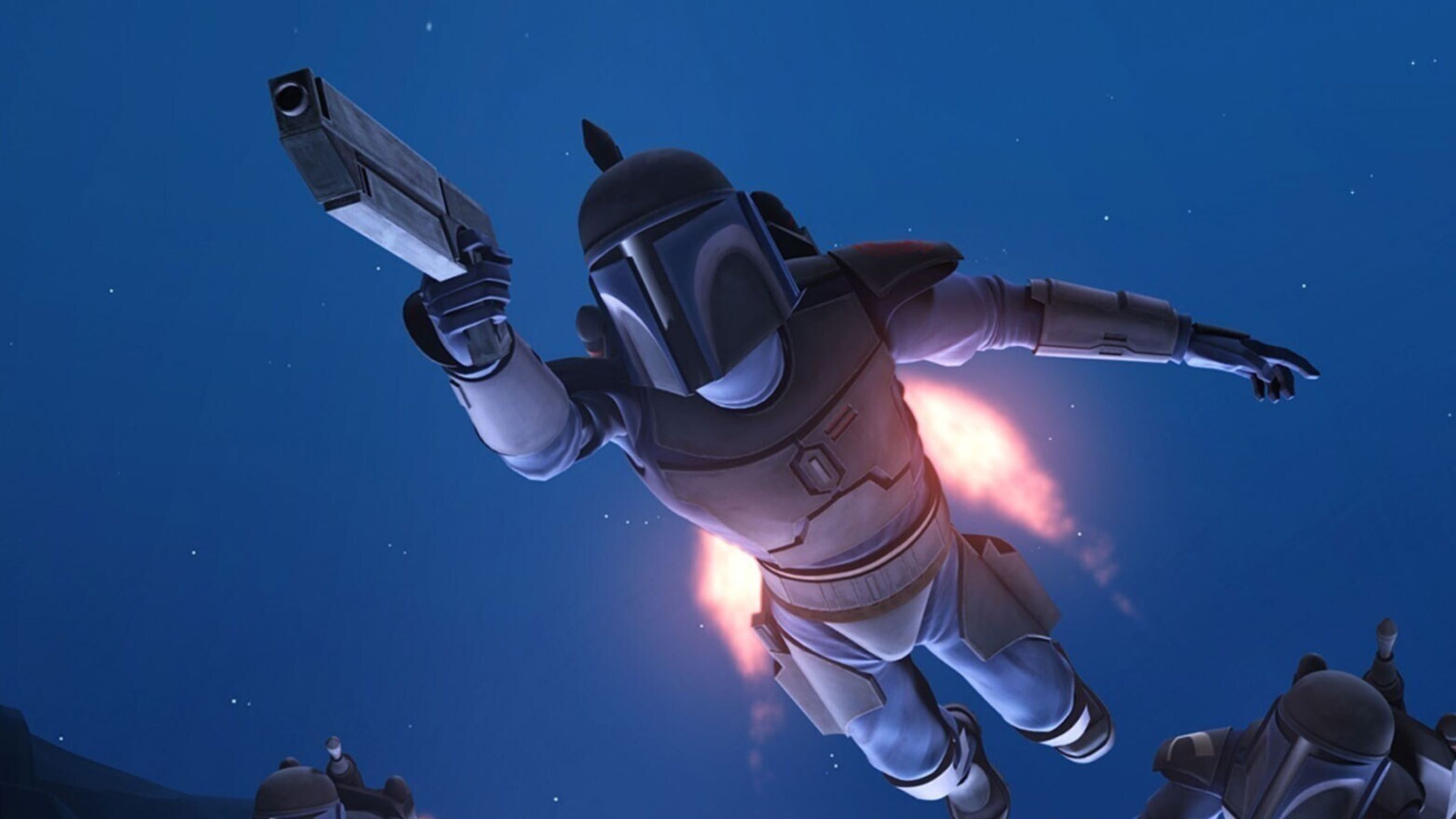
One of the biggest inconsistencies in Star Wars history arose from the different ways Mandalorians were portrayed. Originally, in stories dating back to the 1980s novelization of The Empire Strikes Back, they were presented as a powerful, villainous army that fought the Jedi during the Clone Wars. Later, writers like Tom Veitch and Kevin J. Anderson reimagined them as more like religious crusaders. Eventually, author Karen Traviss developed a detailed Mandalorian culture, complete with their own language (Mando’a) and a strict code of honor that emphasized family and fighting skills.
When the New Mandalorians were introduced in The Clone Wars, it suggested that the traditional warrior culture had been lost for centuries, replaced by a focus on peace. This felt like a major shift for fans, because books published just a few years earlier had depicted a strong, armored Mandalorian society. Those who had followed the Mandalorian “Way of the Warrior” in books like Republic Commando saw it not as a natural progression, but as a complete rejection of the detailed culture they’d come to know. It also signaled that the stories outside of the new show weren’t as important.
The decision to alter the established backstory of Star Wars had significant negative consequences for the franchise’s publishing program. Author Karen Traviss stopped writing Star Wars stories in late 2009 because the new direction made it impossible for her to create believable narratives. She felt the enforced pacifism undermined her Republic Commando and Imperial Commando series, as the very foundation of her characters’ cultures had been removed from the timeline. This led to unfinished storylines and the cancellation of projects like Imperial Commando 2 and a planned Boba Fett novel. The resulting uncertainty also eroded the relationship between Lucasfilm and its writers, ultimately making a complete reset of the timeline almost unavoidable due to the growing inconsistencies in the official story.
Disney Embraced Mandalorian Mythology
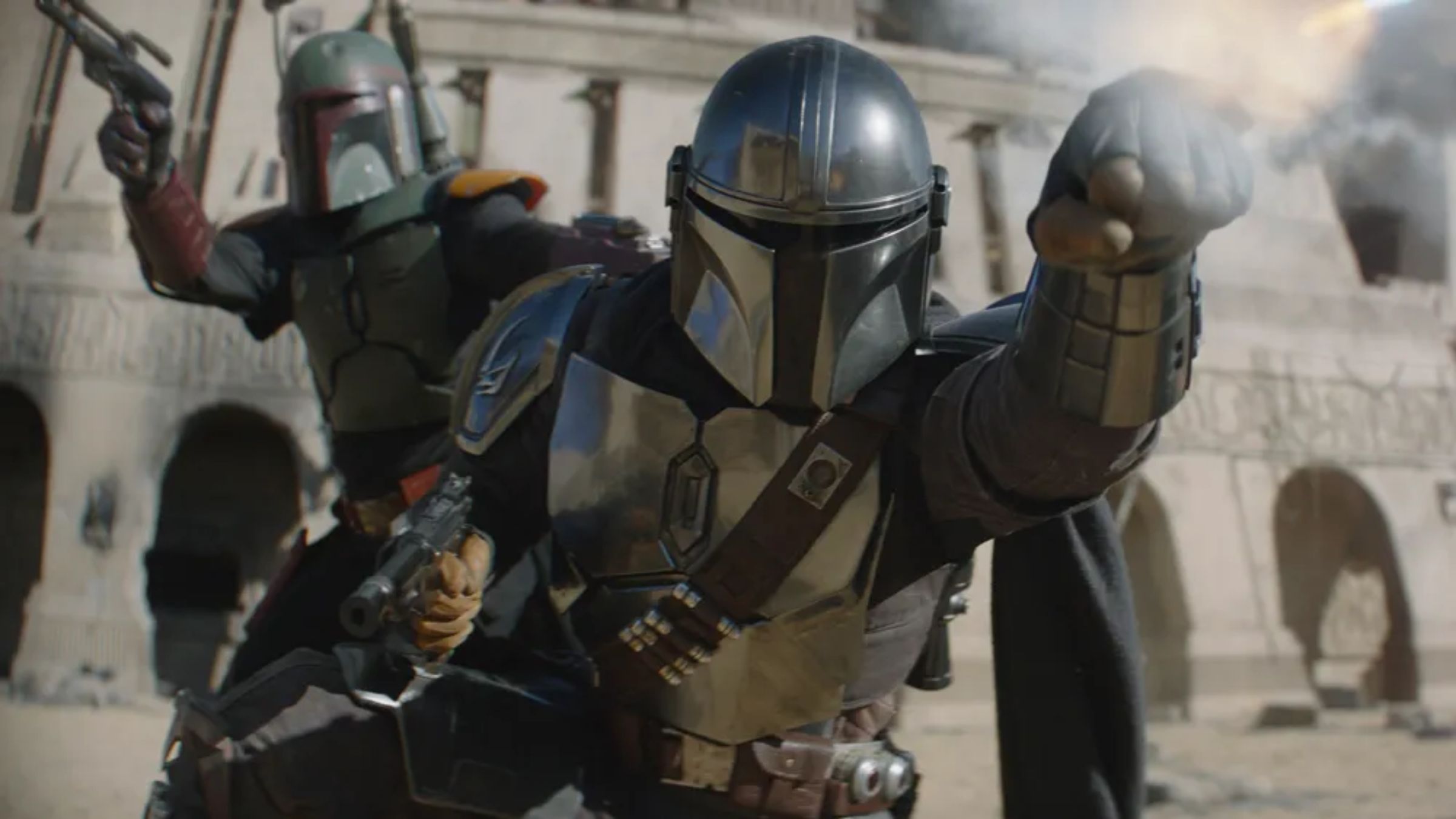
After Disney bought Lucasfilm, they decided to start fresh with the Star Wars universe. They rebranded the existing stories from novels and comics as “Legends,” meaning they weren’t considered official storylines anymore. This was a debated move, but it gave the creators freedom to build on the Mandalorian history George Lucas and Dave Filoni had already started. The biggest addition to the official story came with the live-action series The Mandalorian, starring Pedro Pascal. The show cleverly balanced the peaceful themes of the animated series with the more violent elements of the novels. It focused on Din Djarin (Pedro Pascal), a Mandalorian who followed a strict, traditional way of life, and reintroduced the idea of Mandalorians deeply respecting armor and combat, all while still acknowledging the political history established in previous stories. This approach was incredibly popular and led to several spin-off shows that connected the animated and live-action worlds even further.
Characters like Bo-Katan Kryze (played by Katee Sackhoff) directly connect the events of Star Wars: The Clone Wars and Star Wars Rebels to the current stories. By linking these shows together, Disney has successfully created a consistent storyline out of what once felt like disconnected parts of the Star Wars universe, focusing on a people struggling to rediscover who they are. This approach, particularly by exploring the conflict between tradition and progress in Mandalore, has led to a particularly engaging character arc. This connection has also allowed the franchise to overcome early continuity issues, building a galaxy where both warriors and peacemakers have vital roles to play in the ongoing saga.
The entire Star Wars saga is currently available to stream on Disney+.
Was George Lucas justified in disregarding the existing books and comics when he created the New Mandalorians? Share your thoughts in the comments and join the discussion on the ComicBook Forum!
Read More
- What Song Is In The New Supergirl Trailer (& What It Means For The DC Movie)
- One of Hulu’s Best New Shows Lands on Disney+ Ahead of Season 2
- Eurogamer Gives ARC Raiders 2/5 Over AI Voices, Dropping Metacritic Score from 94 to 84
- Gold Rate Forecast
- Netflix’s Run Away is the latest show to fail the Gen Z social media test
- Meet the Real-Life Inspiration For Sex and The City’s Mr. Big
- Jujutsu Kaisen Is Returning With a Special Release After Sequel’s Finale
- The Quantum Observer: How Reality Takes Shape
- I Had High(ish) Hopes For Five Nights At Freddy’s 2, But My Two Most Glaring Issues Make Me Wary About A Third Movie
- Ariana Grande and More Celebs React to Golden Globes 2026 Nominations
2026-01-30 00:43