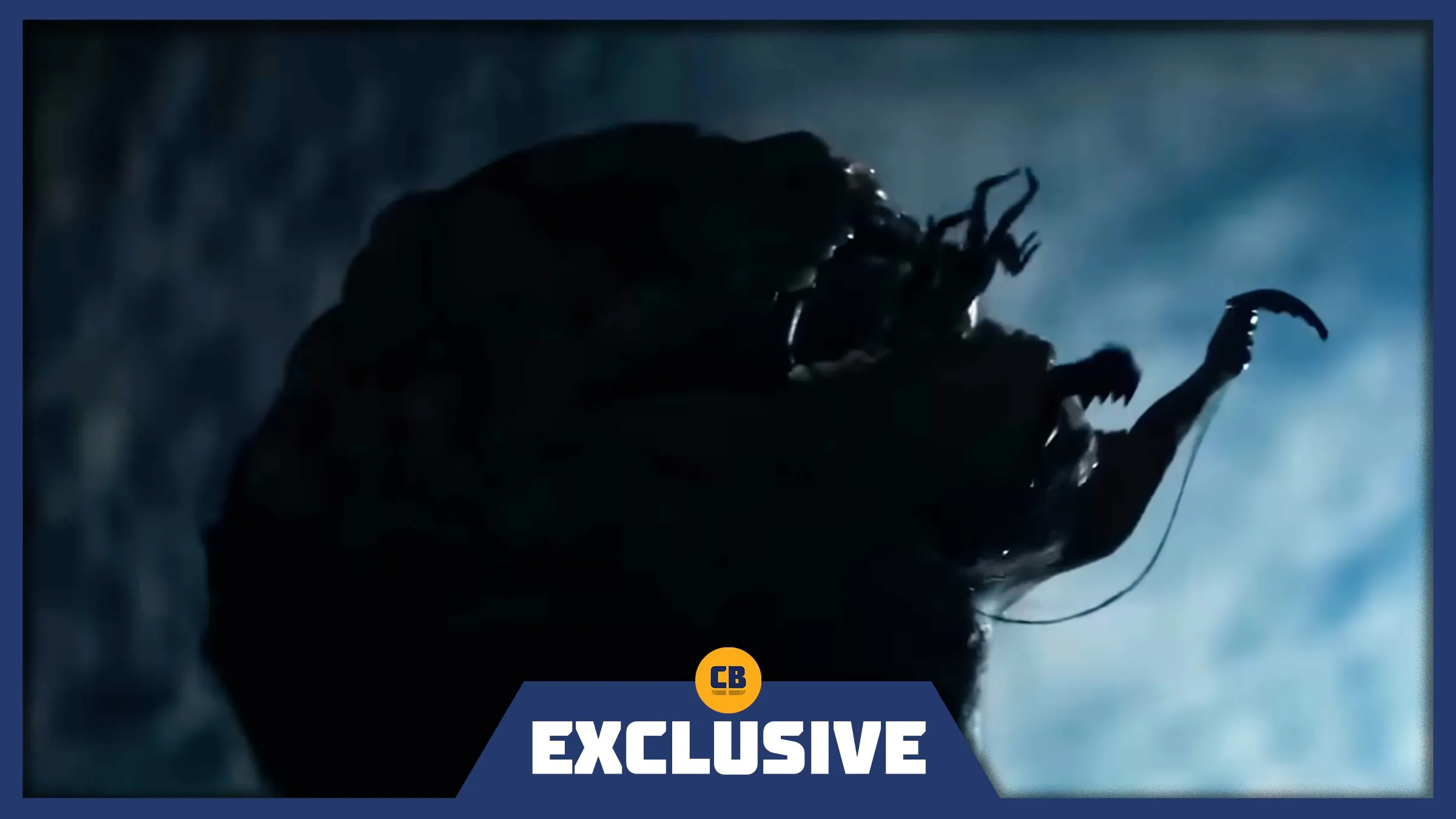
In the post-apocalyptic world of Worldbreaker, the Earth has been devastated, and monstrous creatures called Breakers have risen from underground. These creatures are incredibly dangerous, turning infected people into terrifying hybrids, and can only be stopped by beheading them. The story centers on Willa and her father as they try to escape the chaos and find safety on a distant island. However, their peace is shattered when a mysterious girl appears on their shore.
Director Brad Anderson, known for the film Session 9, recently discussed with ComicBook how he crafted the film’s creature, developed the action sequences with swords, explored the relationship between a father and daughter, and charted the character Willa’s path to becoming a hero.
Worldbreaker is a unique blend of action, family relationships, and monster thrills, all set after the world has ended. What specifically drew you to the story when you first read the script?
I really liked how the story was described. I think that’s what drew me in – I enjoy a strong, well-crafted story. At its heart, this story has all the elements we talked about: thrills, scares, suspense, and a touch of weird science fiction. But what really stood out to me was the relationship between the father and daughter. That connection is what makes you care. There’s a lot at stake – a parent trying to protect their child in a dangerous world, while also preparing them to face challenges on their own and become independent. It’s about training her to become an adult and letting her go out into the world.
The story felt like a journey of self-discovery, which I really enjoyed, especially within the horror genre. I hadn’t done a creature feature before, and that appealed to me. When I read the script by Joshua Rollins, it reminded me of other films I’ve done that blend different themes. It was a really moving story, and while the creepiness definitely grabbed my attention, it was the emotional depth that I felt was essential to make the movie truly work and resonate with audiences.
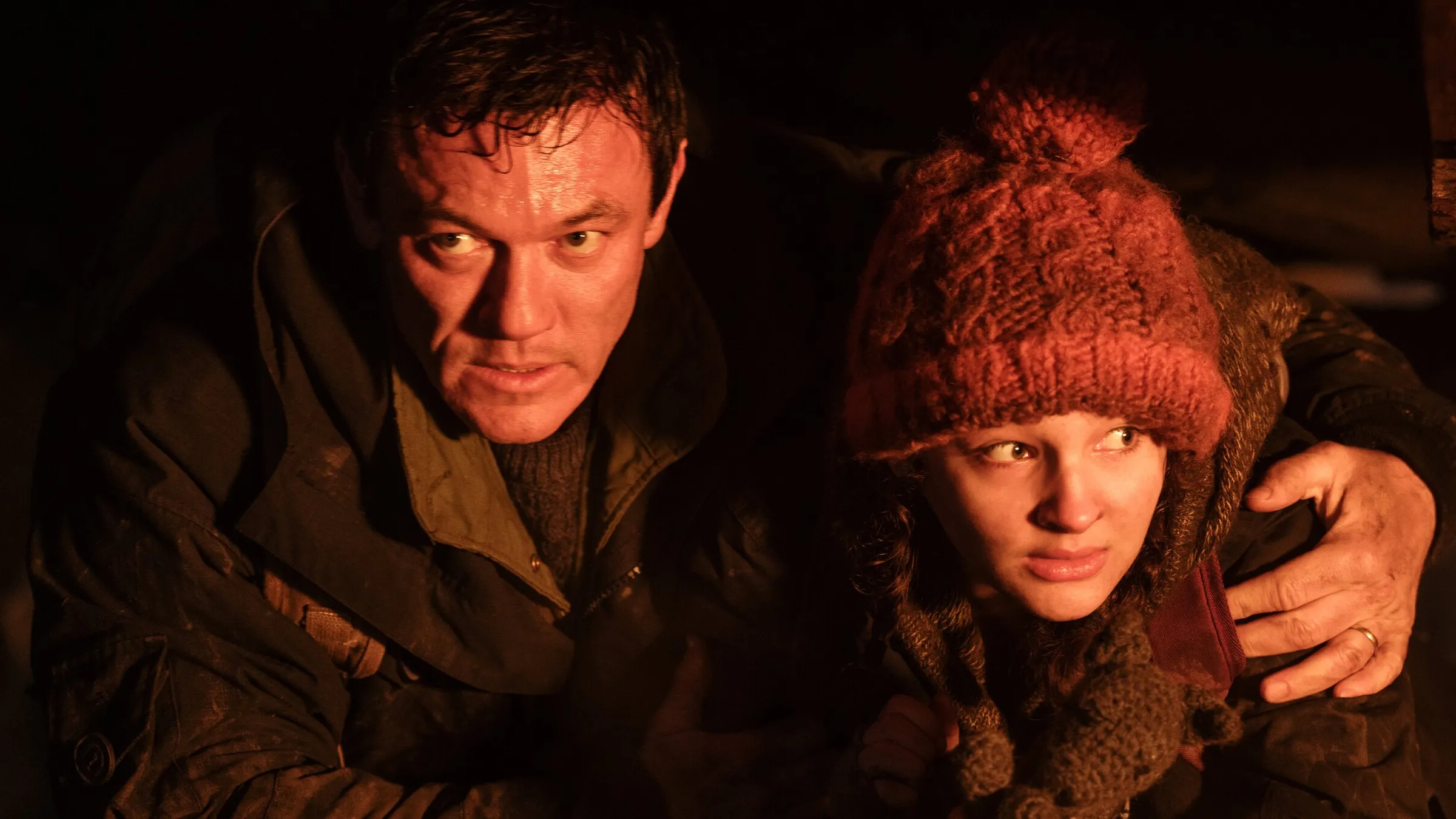
You’re right to point out the strong relationship between the father and daughter. I’m curious, how did you envision Willa changing and developing while dealing with all this turmoil?
The story is really about watching Willa experience life and grow. She starts out a little innocent, because her parents have always been very overprotective, trying to shield her from anything bad. While that can help for a while, you can’t protect someone forever – eventually, life happens. The story focuses on Willa’s journey to becoming strong and capable, and how her parents try to prepare her for whatever comes next, and ultimately, how she faces those challenges.
Throughout the story, the character really develops, making mistakes and facing setbacks, but also learning and persevering. The climax is about her shedding her innocence and stepping into a heroic role, potentially mirroring her mother’s strength. I particularly enjoyed how this character arc was written. Working with Billie Boullet, who plays Willa, we focused on building a performance that showed her growing stronger and more capable as the story unfolded.
Luke Evans and Milla Jovovich, experienced with visual effects and action sequences, played Billie’s parents. Since Billie was newer to those types of scenes, how did you guide her through them?
I was mainly just describing what she was seeing on set. Sometimes I’d speak into her earpiece, telling her things like, “This is what you’re looking at – the monster is attacking, and it’s opening its mouth.” I tried to paint a picture with my words, almost acting the scene out for her. Luke and Milla were fantastic at guiding her, as they’ve done a lot of similar work before and offered helpful advice. We filmed in Northern Ireland, and the outdoor scenes were really cold and damp, which actually helped her get into the mood of the story. She easily understood the bleak, post-apocalyptic world. Like any talented actor, Billie has a strong imagination. I showed her pictures of the creatures, and we even had a model of one of the Breakers so she could get a good look. It genuinely scared her, and that really helped her connect with the role.
These days, it’s really hard to design a creature that feels truly original. What was your overall idea for the Breakers, and how did you bring it to life on screen?
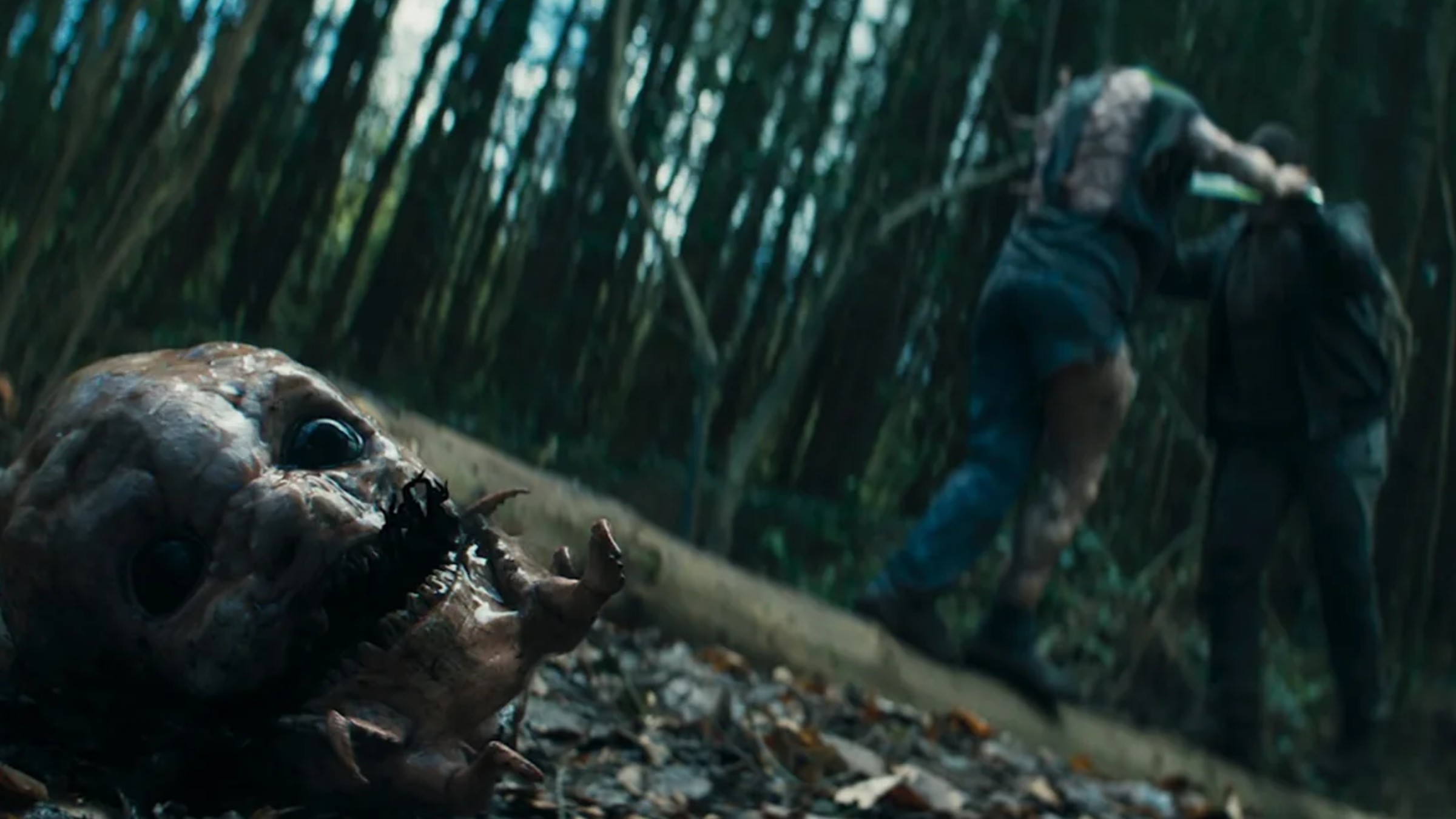
The original descriptions of these massive creatures were pretty minimal, which gave us a lot of creative freedom. Josh had only sketched them out vaguely, so we essentially started designing them from the ground up. Our main idea was to create animals that could realistically evolve deep underground. We wanted them to feel biologically plausible – what creatures might become over thousands of years if they lived beneath the surface. They ended up being insect-like, but with unsettlingly human features. Adding that human element to a monster always makes it scarier, because it gives the audience something to connect with. We aimed for that balance – something monstrous, but with a hint of humanity. These creatures are incredibly dangerous and powerful; humans wouldn’t stand much of a chance against them. However, they aren’t invincible and do have vulnerabilities.
We explored many different designs for the Breakers. As you pointed out, movies – especially horror and superhero films – are full of creatures, and we drew inspiration from those. However, we wanted to put a fresh spin on things. We also deliberately chose to show them sparingly, similar to the approach in Jaws – less is more. We focused on capturing glimpses of them in the background and at the edges of the frame, so you get the sense of their presence without a full, clear view. That was our goal.
I was really fascinated by the hybrids in the movie – they were created by mixing human and Breaker DNA. The filmmakers were clearly exploring what would happen if those two things combined, and what kind of creature would result. That’s what drove the evolution of the monster, and honestly, that’s what I loved about it! I hadn’t done much creature design before, so getting to work on this was a really cool and enjoyable experience.
The game has a distinctly medieval, Arthurian feel in certain areas. What led you to focus on sword fighting instead of primarily using guns?
This film explores the importance of stories and how they can inspire hope and resilience, especially during difficult times. It begins with a father sharing a tale with his daughter about the world’s origins and its constant struggles, ultimately emphasizing the need to persevere and fight for a better future.
I’ve always felt like Kodiak is more legend than man. He reminds me of King Arthur or Paul Bunyan – a figure people look up to and almost worship. It’s honestly hard to say if he actually existed, and that’s kind of the point! Like with Arthur, it’s tough to separate fact from fiction. The filmmakers really leaned into that storytelling tradition, wanting this to feel like a classic tale. They deliberately avoided a lot of the typical futuristic, high-tech stuff you see in other post-apocalyptic films. They wanted something that felt older, like a return to simpler times.
What I really loved about the story was how it blended the old and the new. These characters had access to some technology, guns and things like that, but they really had to rely on older methods to fight these classic monsters. It felt really unique and gave the whole thing a mythological vibe, like a story you’d tell around a campfire. It wasn’t originally planned for the script, though – we actually came up with that idea ourselves to add that feeling of legend and storytelling.
One of the most enjoyable aspects of these films is the detailed creation of their worlds. Have you ever considered what might happen in a sequel or prequel, and if so, where would you like to see the story go next?
As I was leaving the theater, I definitely wondered if there was room for a follow-up – the ending felt open-ended like it was setting something up. Honestly, it would be fun to explore that further, and it could work, but I’m not always a fan of sequels or prequels. They often feel like they’re just chasing the money from the first film. I personally prefer letting the audience fill in the blanks and imagine what happens next. It’s unusual for a sequel to actually surpass the original, you know? We did briefly discuss the possibility, of course, but ultimately, our main goal was just to create a really solid, satisfying film on its own.
The new movie, Worldbreaker, is out now! We’d love to hear your thoughts – share your review in the comments and join the discussion on the ComicBook Forum!
https://comicbook.com/movies/list/7-best-sci-fi-movies-of-2025-ranked/embed/#
Read More
- GBP CNY PREDICTION
- 10 Most Powerful Versions of Superman, Ranked
- Gold Rate Forecast
- DOGE PREDICTION. DOGE cryptocurrency
- 10 Greatest Wii U Games of All Time, Ranked
- Forza Horizon 6 Car List So Far: Confirmed Highlights, Cover Cars, DLC, and Rewards
- EUR CNY PREDICTION
- 007 First Light: Release Date, Story, Gameplay, Cast, Editions, and Platforms
- Superman’s 7 Best Power-Ups, Ranked
- USD HKD PREDICTION
2026-01-30 23:11