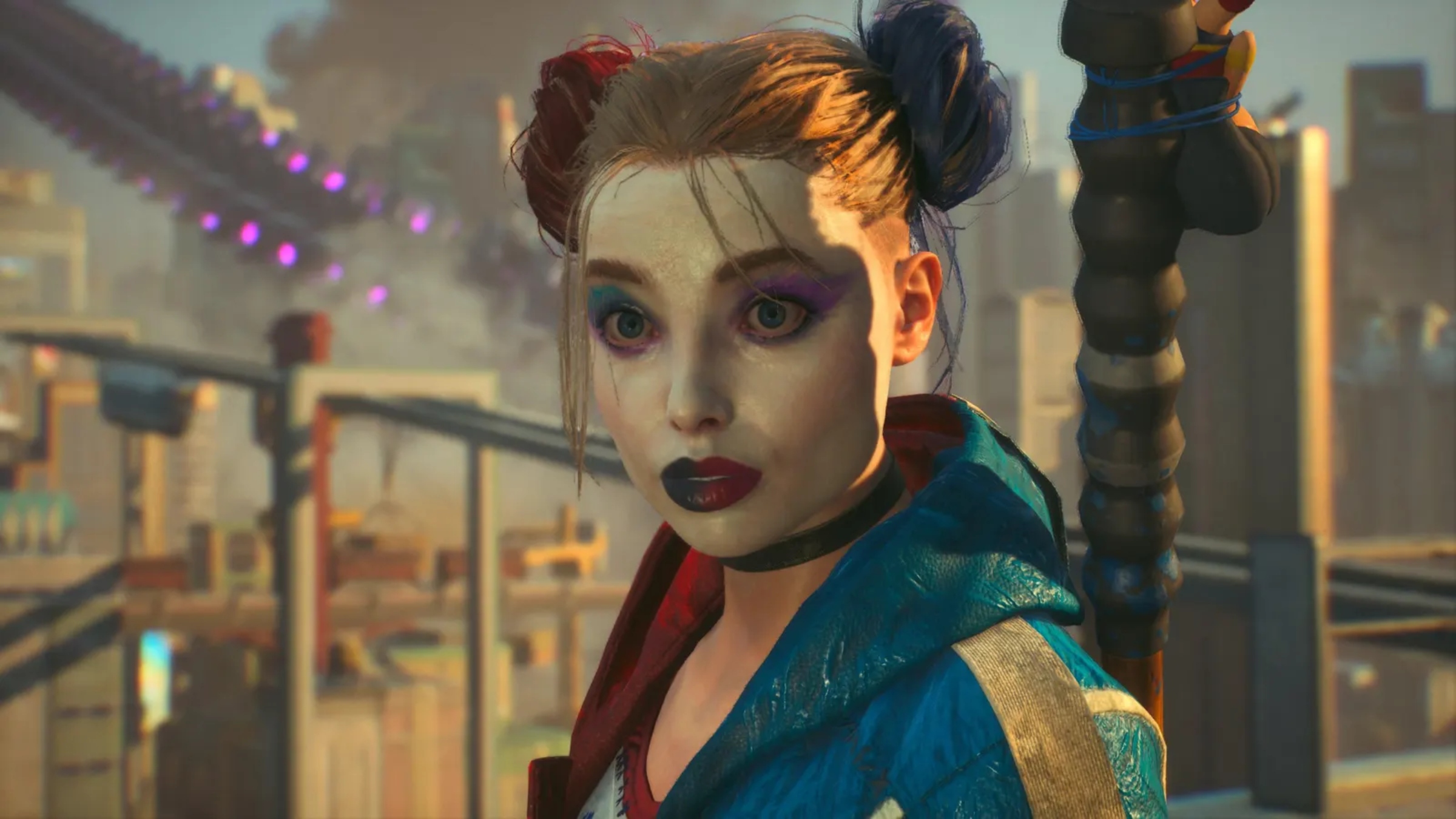
As a huge DC fan, I always think about how amazing some of their characters and stories would be as video games. We’ve seen how well it can work with the Batman: Arkham games, but it’s definitely not a guarantee. Because DC stories are so epic, a bad superhero game really stands out, and when one fails, it’s a huge disappointment. It’s a tough challenge to get it right!
The game Suicide Squad: Kill the Justice League is a prime example of a major misstep in modern gaming. Though the idea of a live-service looter shooter set in the Arkham universe initially sounded promising, its repetitive gameplay and inconsistent story caused a significant fan backlash. This negative reaction was so strong that it forced Warner Bros. to publicly report a substantial decrease in their earnings. In retrospect, Suicide Squad: Kill the Justice League is now widely considered one of the biggest failures in recent gaming history.
Suicide Squad: Kill The Justice League Had A Good Concept That Flopped Hard
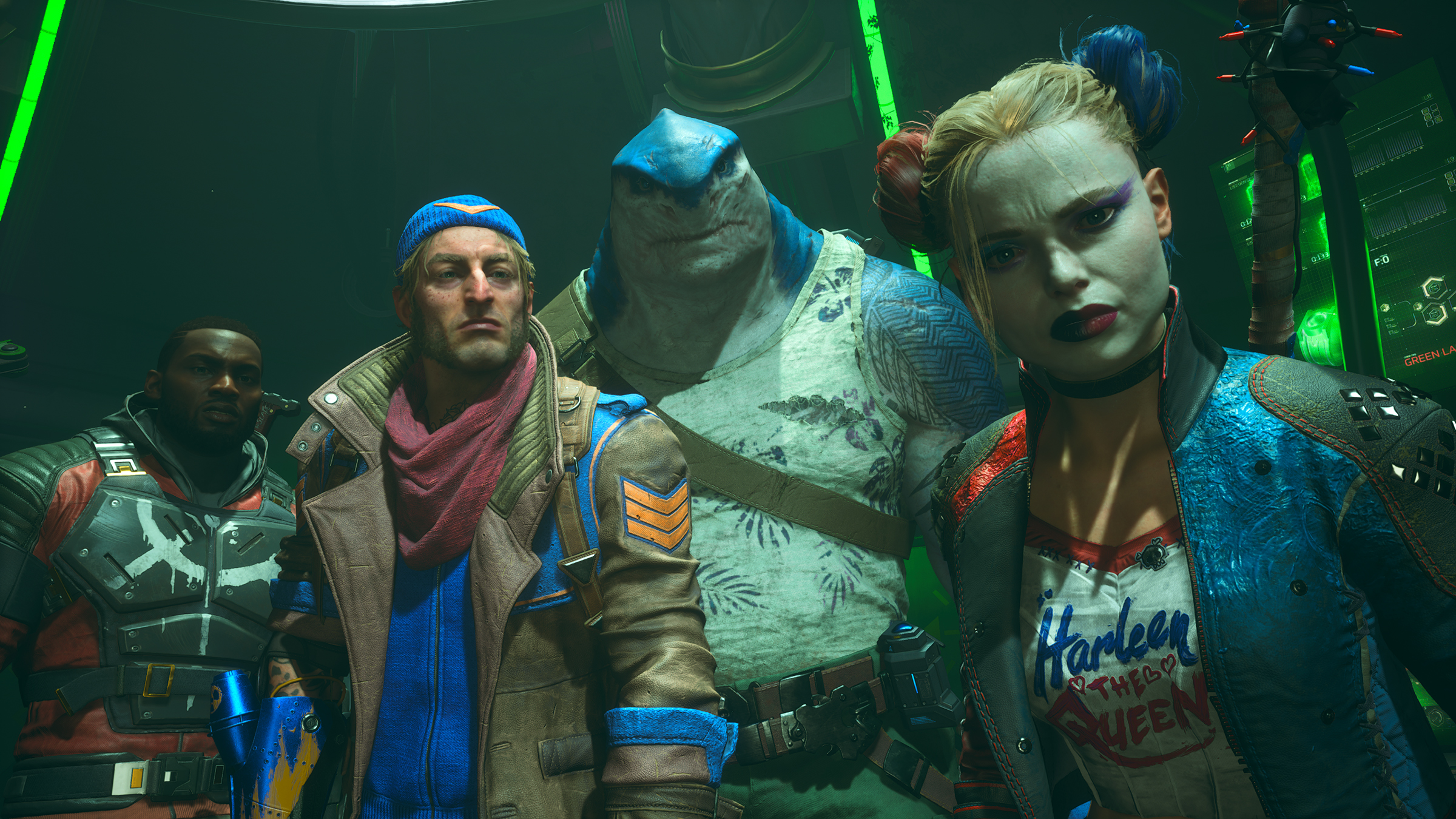
Launched on January 30, 2024, Suicide Squad: Kill the Justice League received a largely negative response from both critics and fans, and is now considered one of the biggest gaming disappointments in recent years. The game aimed to build upon the world of the Batman: Arkham series, but shift the focus away from Batman himself. Developed by Rocksteady Studios, it featured the return of Harley Quinn alongside new teammates Deadshot, Captain Boomerang, and King Shark, tasking them with fighting an army created by the villainous Braniac.
A key element of the game’s story was the shocking twist that many of DC’s most famous heroes, like Superman and Batman, had been turned evil by the villain. Players had to lead a team to fight these corrupted heroes, and even defeat them if needed. This concept was interesting and allowed the developers to explore the Arkham universe in a fresh way, particularly with the potential for multiplayer gameplay thanks to the characters’ unique abilities. However, as more details emerged, it became clear the game suffered from many of the same problems as other live-service shooters. Despite initial impressions, all four characters ended up playing very similarly, with the main differences being how they moved around.
While the shooting in Suicide Squad might appeal to players who enjoy games like Borderlands, Borderlands is better at rewarding exploration and offering varied enemies. Suicide Squad’s fights became repetitive quickly, turning the game into a grind, and the story felt strangely inconsistent, mixing dark themes with over-the-top comic book silliness. Ultimately, the game didn’t quite live up to expectations, even though the core shooting and graphics were decent enough for fans of games with lots of loot. Most reviewers agreed – the fun gameplay and story weren’t enough to overcome the repetitive nature of the missions.
After its release, the game’s added content didn’t really expand on the story in a compelling way, and while the new characters were okay, they weren’t particularly memorable. The game struggled to find an audience upon its official launch, resulting in a $200 million loss for Warner Bros. Discovery and a significant impact on the company’s profits. This ultimately led to job cuts at Rocksteady and the end of ongoing support for the game after only one year.
Suicide Squad Could Have Been Special, But It Really Hurt DC Games Instead
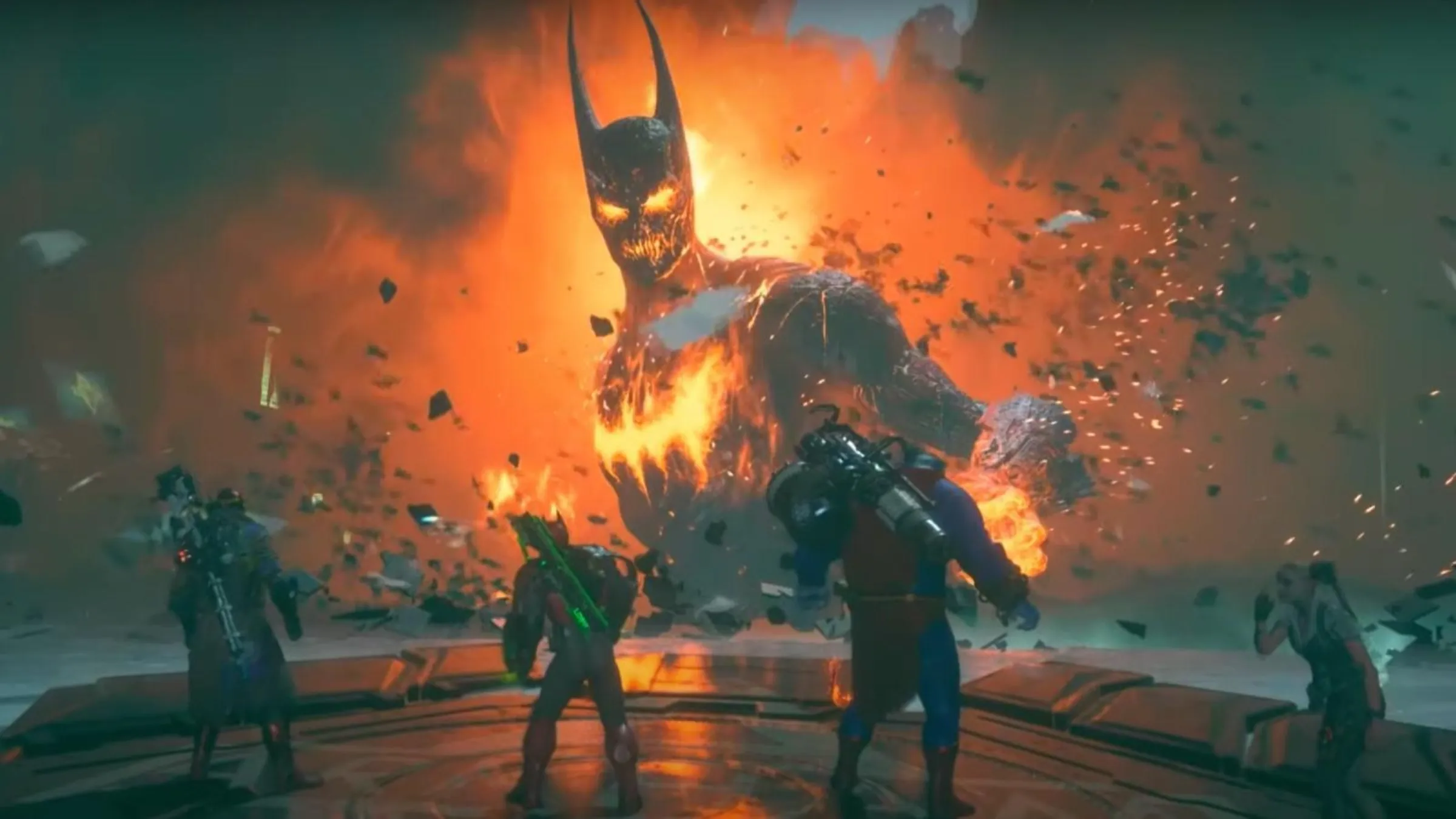
The core idea behind Suicide Squad: Kill the Justice League – letting players control the villains and fight the heroes – is intriguing. The game hints at a compelling moral story about whether redemption is possible and if doing bad things can be justified for a greater purpose, particularly through the Squad’s struggle against Amanda Waller. However, the game doesn’t fully commit to this idea. The heroes are portrayed as overly silly villains, while the Suicide Squad members themselves lack depth. This makes most of the characters unlikable and the story feel unnecessarily grim and depressing, ultimately ruining the attempts at humor.
The game played like a typical shooter, but its movement system was unique. Sadly, the poor reception of Suicide Squad damaged Rocksteady’s reputation and affected other DC Comics games. Warner Bros. cancelled several projects, including a Wonder Woman game, as part of a broader reorganization of its gaming division. Ultimately, Suicide Squad disappointed fans and players, particularly due to its casual treatment of character deaths, which felt insensitive given the recent passing of Kevin Conroy, who voiced Batman in the game as one of his final roles.
The game’s ending was particularly disappointing, as it reversed much of the story’s impact and even brought back several Justice League members who had previously been defeated, making earlier sacrifices feel meaningless. It’s frustrating because, on paper, a multiplayer Suicide Squad game from the creators of Arkham City should have been fantastic. Perhaps forcing the franchise into the looter shooter genre didn’t work, or maybe Rocksteady should have applied these game mechanics to a different universe that better suited the gameplay and narrative style. Suicide Squad: Kill the Justice League serves as a stark reminder of how quickly a well-respected developer can falter, and how significant the consequences can be.
Read More
- Gold Rate Forecast
- 10 Most Powerful Versions of Superman, Ranked
- GBP CNY PREDICTION
- 007 First Light: Release Date, Story, Gameplay, Cast, Editions, and Platforms
- Forza Horizon 6 Car List So Far: Confirmed Highlights, Cover Cars, DLC, and Rewards
- DOGE PREDICTION. DOGE cryptocurrency
- EUR CNY PREDICTION
- PI PREDICTION. PI cryptocurrency
- Superman’s 7 Best Power-Ups, Ranked
- Fishbowl Is a Charming and Heartfelt Indie You Won’t Want to Miss (Review)
2026-01-31 01:10