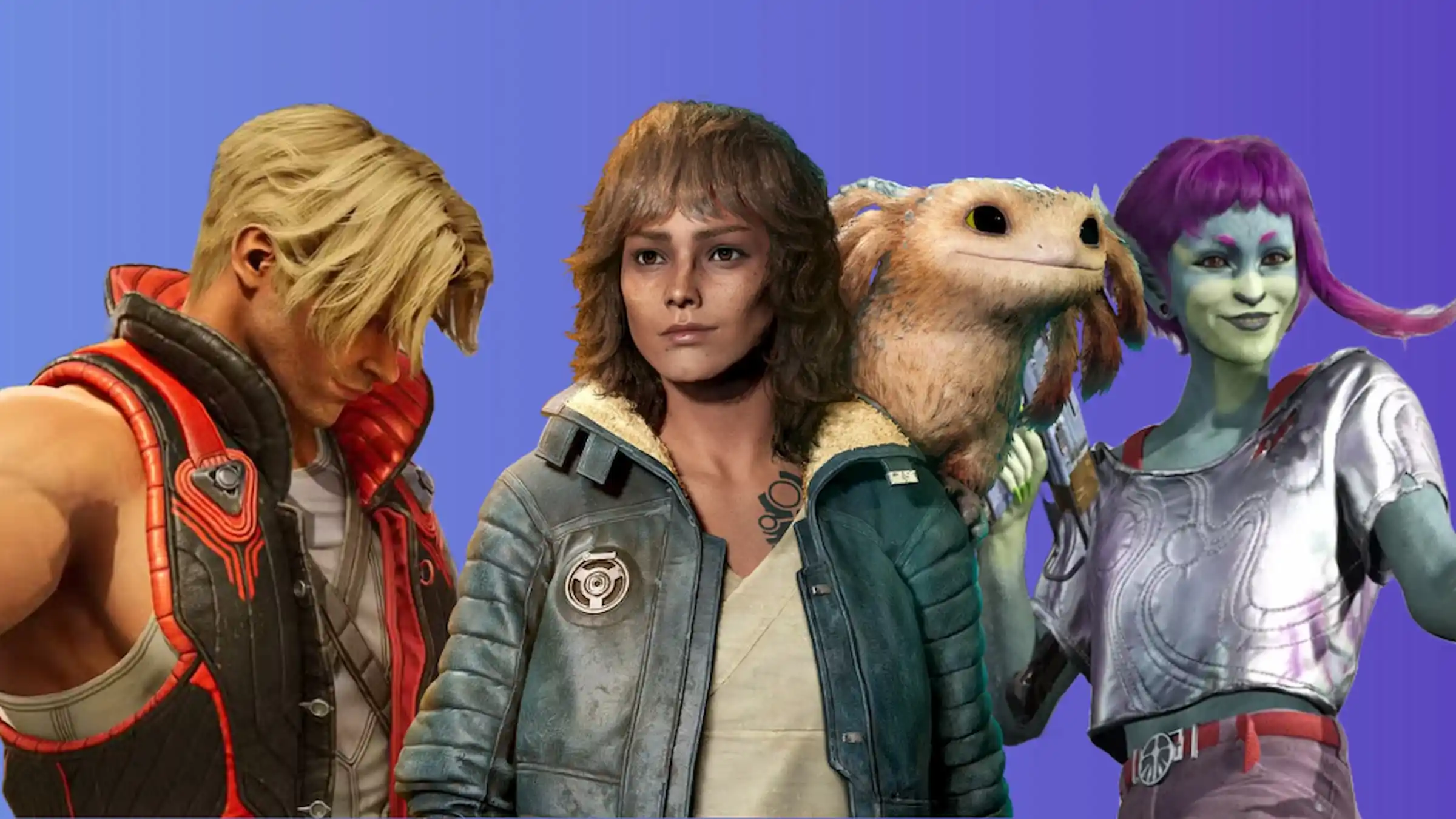
It’s become increasingly clear that there’s a concerning trend in gaming today. Whenever I watch events like PlayStation showcases or Nintendo Directs, I notice more and more negative interactions between gamers and the developers who create their favorite games. The gaming industry has grown massively, and with that comes higher expectations. Plus, because the internet is so accessible, new and upcoming games are under intense scrutiny, which unfortunately leads to more negativity directed at developers.
The gaming community has become much more negative lately. I’m accustomed to players being skeptical or cautiously hopeful, but now it feels like they’re quick to dismiss games, even after just a short trailer. People are predicting a game will fail before it’s even released, which can hurt sales and sometimes lead to its complete failure. While not every game suffers from negative feedback, it’s become common for players to write games off without giving them a chance, which is disappointing for those who claim to love video games.
Gamers Are More Excited for a Game to Fail Than Succeed
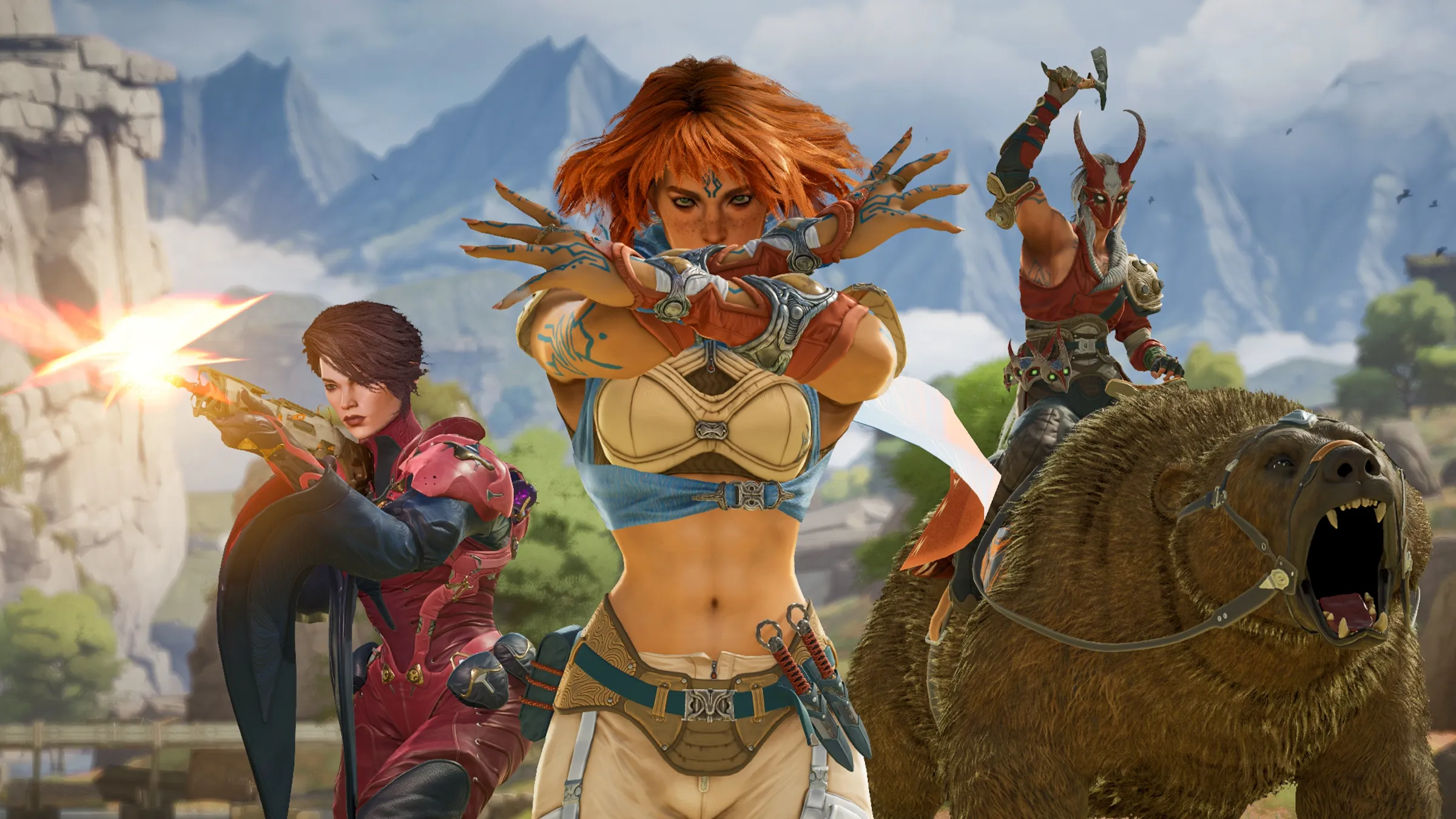
Somewhere along the way, people started getting enjoyment out of predicting and celebrating a game’s failure. It doesn’t matter if it’s fueled by influencers, quick online reactions, or algorithms that favor negative content – the result is always the same: the most vocal people online seem to delight in seeing things go wrong. This is clear whenever a major game is livestreamed, like during the PlayStation State of Play when Concord was announced, or at the Ubisoft Forward with the Star Wars Outlaws gameplay reveal. Most recently, Highguard experienced this same negative trend when it was unveiled as a key game for 2025’s The Game Awards.
Live streams are often flooded with quick, negative comments like “Dead game,” “No one asked for this,” or simply insults about the graphics. These reactions happen almost instantly, before anyone has even had a chance to see the game properly or try playing it. It’s as if some gamers can decide if a game is good or bad within seconds. This habit of immediately criticizing games is overshadowing the joy and fun that gaming should be about.
This kind of negativity doesn’t just harm game developers; it impacts gaming communities too. It fosters an atmosphere where people care more about being correct in their predictions than about actually having fun with new games. I’ve often seen online forums turn into arguments about whether a game is genuinely bad or if people are simply joining the chorus of negativity. Even when players demonstrate they’re enjoying a game and point out its good qualities, those opinions are often ignored, and the negativity continues.
Sometimes Good Games Get Set Up for Failure
It’s especially frustrating when promising games fail, often even before anyone gets to play them. A game can be well-designed, enjoyable, and made by a dedicated team, but still suffer from harsh online criticism. This kind of negative perception can quickly label a game as a failure, making it incredibly difficult to succeed. Unfortunately, many deserving games have been negatively impacted in this way.
Despite the criticism, I really liked Concord. Most complaints centered around the character designs and the $40 price. Some called it “woke” and “uninspired” due to those designs, the dialogue, and the overall concept. However, if you looked past that, it was a genuinely fun shooter, even in the beta. I do wish the story had been more developed and that it wasn’t a hero shooter, but the negative reaction was excessive and definitely contributed to the game’s failure. If people had just given it a chance, they might have seen the potential for updates to make it even better.
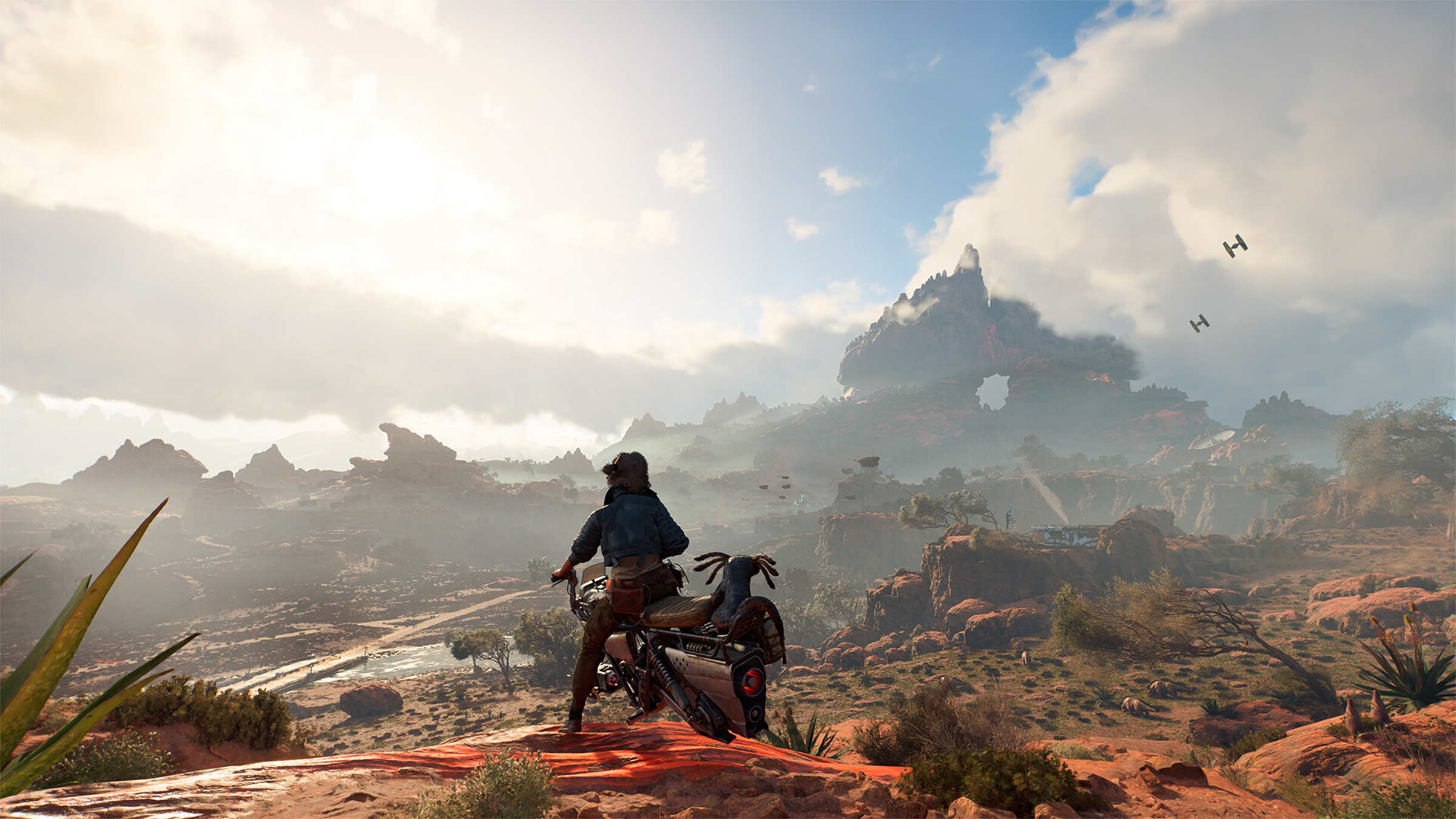
Star Wars Outlaws faced a lot of unfair criticism from the start. Many people focused on the main character’s looks and were quick to blame Ubisoft, even though the game seemed promising. This led to weak sales at launch, and Ubisoft had to scale back their plans. However, with several updates and downloadable content, the game has improved significantly, and players are now discovering how enjoyable it is. If the initial negative reaction had been more tempered, Star Wars Outlaws could have been much more successful.
Similar negativity is now surrounding Highguard, with many online discussions predicting it will fail, even before its release. Despite positive feedback from some players, the criticism has only increased since the game launched. While Highguard does have flaws and perhaps should have been released as an early access title, a lot of the judgment feels unfair. People are quickly dismissing it as terrible without truly grasping how the game is meant to be played. Giving feedback is fine, but it should be helpful and constructive, not just negative.
Why Do Some Gamers Hate Video Games So Much?
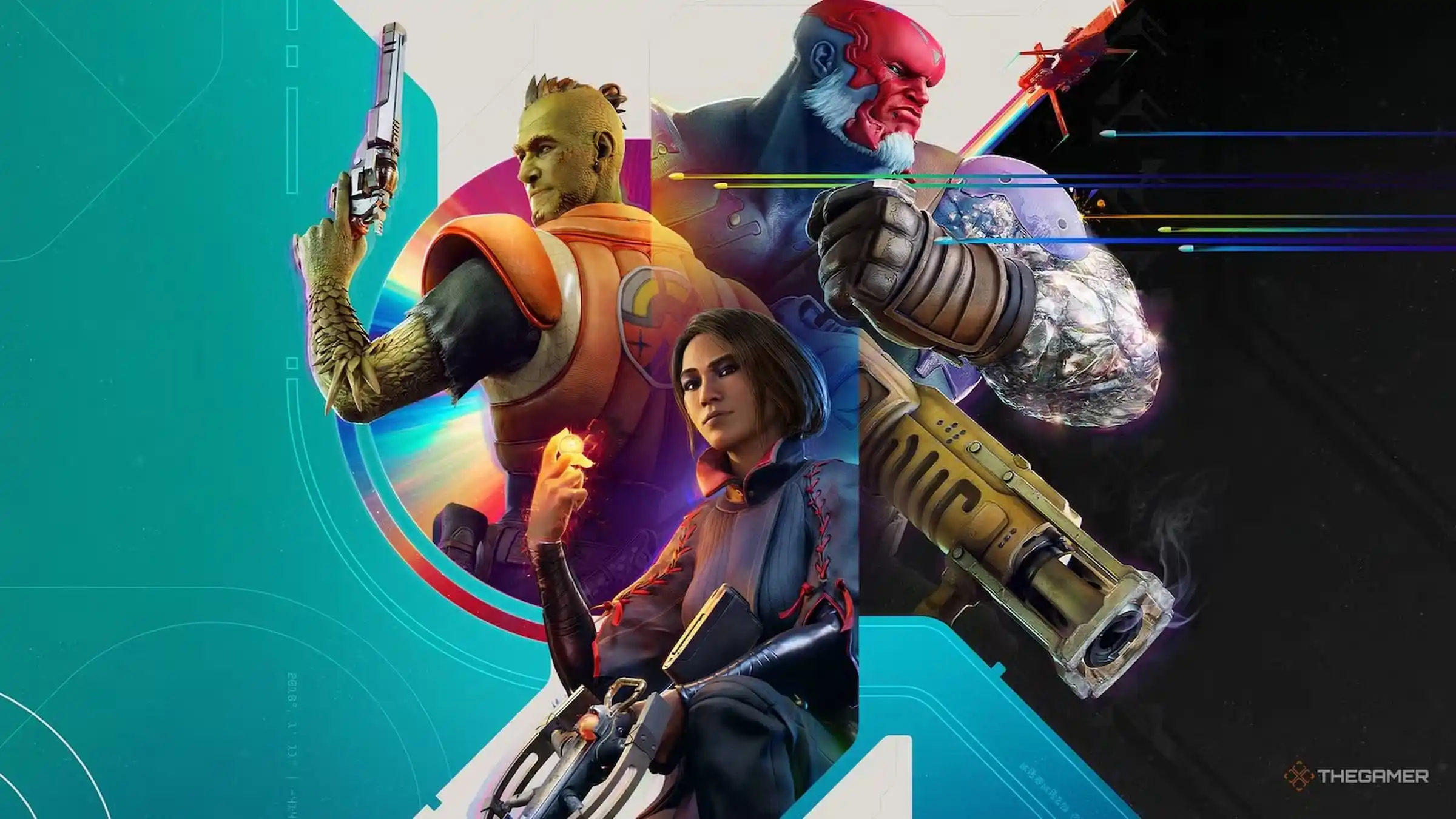
I keep wondering why so many gamers seem to actively dislike and want video games to fail. It’s common to see players rush to online platforms to criticize games, often without even trying them. While constructive criticism is normal, there’s a lot of negativity that goes further than that. It feels like some people only find satisfaction in a game’s failure, even if they have no interest in playing it themselves.
A lot of the current negativity stems from past disappointments. High-profile game launches like Cyberpunk 2077 that didn’t live up to expectations, unreliable ongoing service models, and increasing prices have made gamers wary and frustrated – and understandably so. However, this doesn’t justify immediately dismissing a new game before anyone has a chance to play it. Unfortunately, that’s become common behavior, and the internet often amplifies it. Negative opinions tend to get more attention than positive ones. Some influencers have built their entire online presence around being critical, and videos claiming a game is failing often get more views. These negative voices, even if they represent only a small portion of players, often dominate the conversation.
It’s rare for developers to intentionally make a bad game – they genuinely want players to have fun in the worlds they create. However, the current environment around game releases often makes success difficult. If a game is judged negatively before it even comes out, and online discussions are filled with negativity and ridicule, it stifles the natural growth of a community. This isn’t to say criticism is bad; feedback is actually vital for improving games. The problem arises when criticism turns into pure cynicism.
If gamers don’t acknowledge how their actions contribute to this toxic environment, the negativity will just keep going. This could lead to developers playing it safe and less innovation in games. Gamers aren’t expected to love everything, but it’s important to give a game a fair chance before criticizing it. It’s easy to try a game, decide it’s not for you, and simply move on without adding to the negativity. If this pattern continues, the gaming industry could face a serious, potentially insurmountable problem, and ultimately, everyone will suffer – those involved in harmful discussions, and those who aren’t.
What do you think? Leave a comment below and join the conversation now in the ComicBook Forum!
Read More
- GBP CNY PREDICTION
- 10 Most Powerful Versions of Superman, Ranked
- Gold Rate Forecast
- DOGE PREDICTION. DOGE cryptocurrency
- 007 First Light: Release Date, Story, Gameplay, Cast, Editions, and Platforms
- Forza Horizon 6 Car List So Far: Confirmed Highlights, Cover Cars, DLC, and Rewards
- EUR CNY PREDICTION
- Superman’s 7 Best Power-Ups, Ranked
- 10 Greatest Wii U Games of All Time, Ranked
- CNY RUB PREDICTION
2026-01-31 02:12