Occasionally, a game arrives that truly changes everything, and one of those was released on January 31st, 1997. Almost 30 years later, it remains a favorite among gamers. Its enduring popularity isn’t just about fond memories; the original game is still playable, and it’s been updated for newer consoles. Plus, fans can enjoy spin-offs and other related content.
That game was, of course, Final Fantasy VII. It became a massive hit, unlike anything the video game world had ever witnessed, and Square Enix has continued to build on its success for nearly thirty years. It was daring, deeply moving, and pushed the boundaries of what was possible technically. Widely considered one of the best games ever made, it brought Japanese role-playing games to a worldwide audience. Its impact is still felt in games today, and it remains enjoyable, particularly with the recent updated version released by Square Enix.
Final Fantasy VII Changed RPGs and Gaming Forever
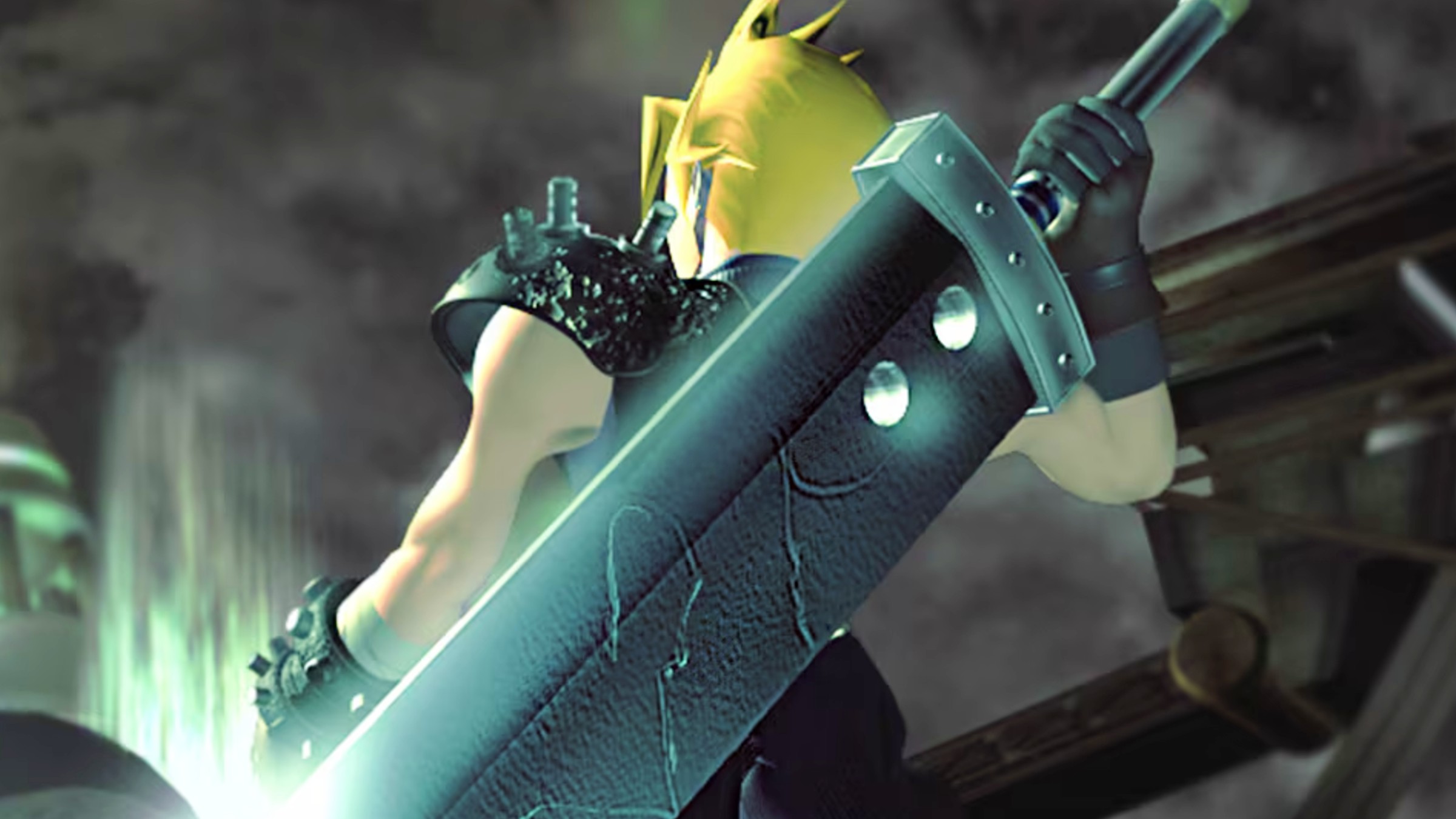
It’s hard to overstate how groundbreaking Final Fantasy VII was when it came out in 1997. No other description really fits. Before that, games hadn’t successfully combined movie-like storytelling, grand orchestral music, and detailed world creation in the same way. While most games were still figuring things out, Final Fantasy VII arrived fully formed and felt years ahead of its time, instantly grabbing everyone’s attention.
When I first entered Midgar, I immediately understood why veteran players talked about being shocked. It felt like a truly real place, with a gritty atmosphere. You could see the smoke rising from power plants over crowded, impoverished neighborhoods, and bright lights reflecting off the wet metal streets. The game showed me a world burdened by the problems of powerful companies and a failing environment, and it did so before those themes became common in stories.
The characters were just as well-developed as the story. Cloud wasn’t your average hero – he was complex, with inner struggles and a sense of falling apart. Aerith was warm and enigmatic, while Tifa offered a mix of steadfast loyalty and hidden conflict. Barret had some of the most powerfully emotional scenes I’ve ever experienced in a role-playing game. These characters felt like true companions, and I’ve remembered them fondly for years. And of course, the debate over whether Aerith or Tifa was better remains a classic discussion among fans even now.
Perhaps most significantly, Final Fantasy VII brought Japanese Role-Playing Games (JRPGs) into the mainstream. It demonstrated that a gameplay style with turn-based battles, a focus on story, and emotionally resonant narratives could appeal to a wide audience. The genre would likely look very different today without it. You can see its impact in games like Persona, Kingdom Hearts, Xenoblade Chronicles, and many independent RPGs that strive for a similar combination of artistic flair and heartfelt storytelling. Final Fantasy VII didn’t just reshape the Final Fantasy series; it profoundly influenced the entire video game industry.
Final Fantasy VII Is More Than Legacy
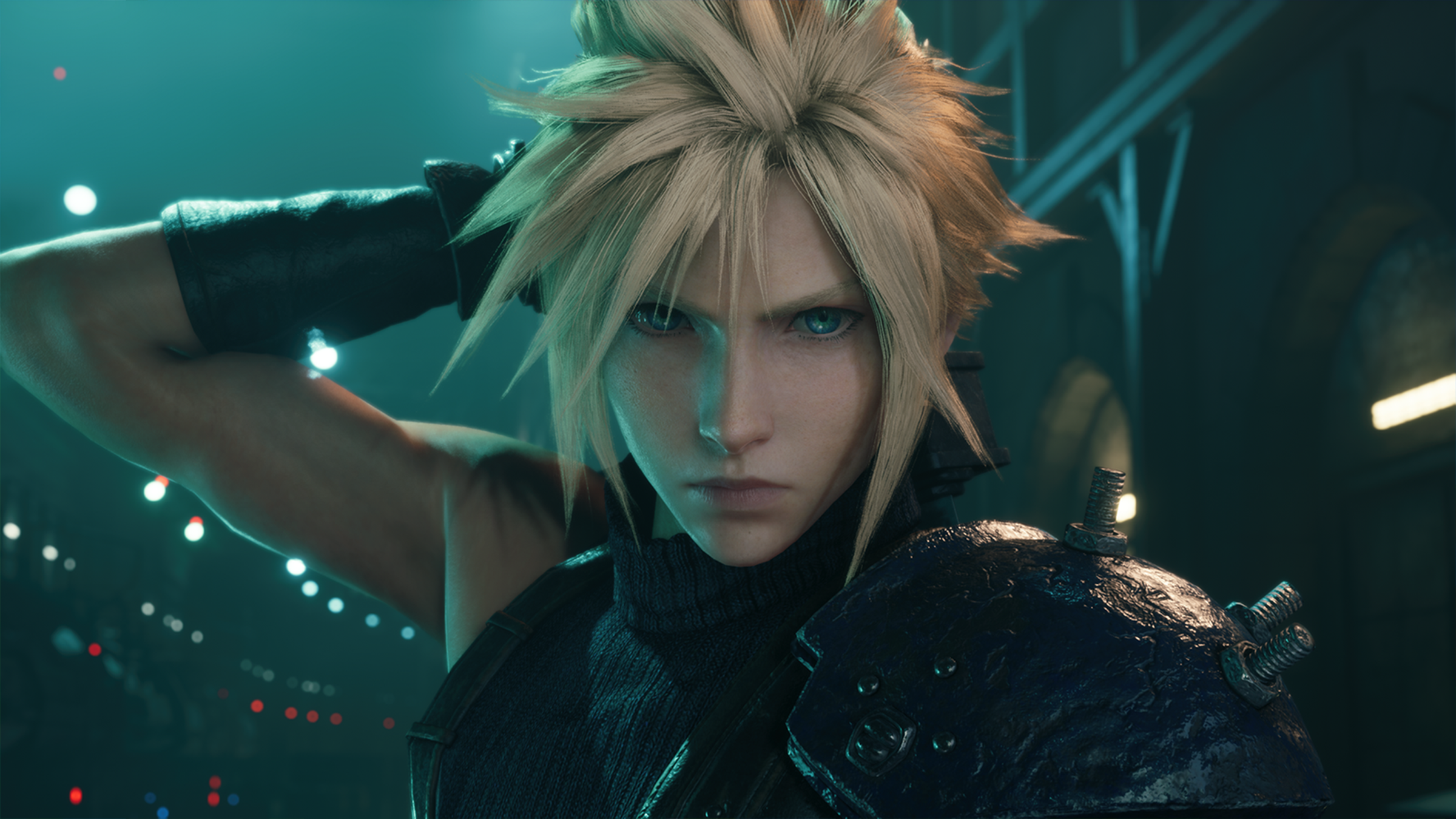
What keeps Final Fantasy VII popular isn’t just its quality when it was first released in 1997, but how well it still holds up today and how powerfully it still connects with players. People are still discovering it, often through curiosity or after playing Final Fantasy VII Remake. Playing it again now, I’m impressed by how sophisticated its themes are. The story deeply explores ideas like identity, loss, trauma, protecting the environment, and finding meaning in life. These themes feel even more impactful now that I’m older. Cloud’s struggles with who he is are more affecting, Aerith’s hopeful spirit feels even more important, and Barret’s determination to safeguard his daughter carries a lot more emotional weight.
The game’s classic backgrounds still look great. The turn-based battles are still incredibly fun and are considered some of the best in RPGs. The Materia system, which lets you customize your characters’ abilities, is a particularly brilliant design. It’s easy to learn but offers a lot of depth, allowing for endless customization. Many newer RPGs still try to copy this system because of how well it works.
The game’s brilliance wasn’t just in its story and how it played. Even now, hearing the opening themes like “Bombing Mission,” “Aerith’s Theme,” and especially “One-Winged Angel” gives me goosebumps. Few game soundtracks have that lasting emotional impact. Its influence is clear, but the original game doesn’t feel outdated—it’s been revitalized through Remake and Rebirth. It still captivates and resonates with players almost three decades later. And as the series moves forward, the original game continues to serve as a guiding force for everything that follows.
The Future of Final Fantasy After Remake Part 3

The recent releases of Final Fantasy VII Remake and Final Fantasy VII Rebirth have introduced Cloud’s story to a new wave of fans. These aren’t simple updates; they’re fresh takes on the original game, changing the story, developing the characters further, and adding entirely new areas to explore. When Final Fantasy VII Remake Part 3 is released, it will conclude a hugely ambitious project for Square Enix, and fans are already wondering what the company will do next.
With the success of remakes like Crisis Core: Final Fantasy VII Reunion, fans are hoping Square Enix will revisit other Final Fantasy VII titles. Dirge of Cerberus is a particularly popular request for a remake. Beyond that, we might see new games expanding the Final Fantasy VII universe, possibly even delving into Sephiroth’s history. Ultimately, it seems likely that more games in the series will receive the remake treatment.
Many fans are hoping for a remake of Final Fantasy IX, but other titles in the series are also popular. Final Fantasy XII and X are both highly requested, and I personally would like to see Final Fantasy XIII revisited. The positive reception to the recent remakes shows that players enjoy both revisiting classic games and experiencing them in a new way. With so many great Final Fantasy games to choose from, it’s hard to predict what Square Enix will remake next. But no matter which game they choose, I’m confident fans will be happy with the result, even if it’s not their personal favorite.
Even after nearly three decades, people are still deeply passionate about Final Fantasy VII. Fans continue to debate their favorite characters, fondly remember playing it as kids, and still feel emotional about its most iconic moments. Final Fantasy VII wasn’t just a game-changer for the industry; it profoundly impacted players and demonstrated the power of video games. It remains a landmark achievement in gaming history.
What do you think? Leave a comment below and join the conversation now in the ComicBook Forum!
Read More
- What Song Is In The New Supergirl Trailer (& What It Means For The DC Movie)
- Gold Rate Forecast
- Eurogamer Gives ARC Raiders 2/5 Over AI Voices, Dropping Metacritic Score from 94 to 84
- Grab These Resident Evil PSN Avatars for Free This Month
- OpenAI says GPT‑5 cuts political bias — but is 30% enough?
- Gold’s March Madness: Plumbing, Panic, and Polish Central Banks
- Whales, Channels, and the Inevitable Dance of Folly
- Netflix’s Run Away is the latest show to fail the Gen Z social media test
- The War Film Harrison Ford Completely Disowned Finally Returns to Streaming – “A Terrible Experience”
- Steam Giving Away Two PC Games for Free for Next 72 Hours
2026-01-31 17:43