The fear of artificial intelligence isn’t new – it’s been a theme in films for decades. Some particularly frightening portrayals of AI have led to widespread distrust of the technology. In fact, concerns about machines taking control date back to early science fiction, like the 1927 film Metropolis. But once computers actually existed, AI began to feel truly terrifying.
The idea of fearing technology began with the earliest computers, back when most people didn’t own one. Filmmakers like Stanley Kubrick really explored this in science fiction. As computers became more common, the fear of robots and artificial intelligence spread to horror movies too, and we’ve now seen many frightening AI characters become a common trope.
The Court In Mercy

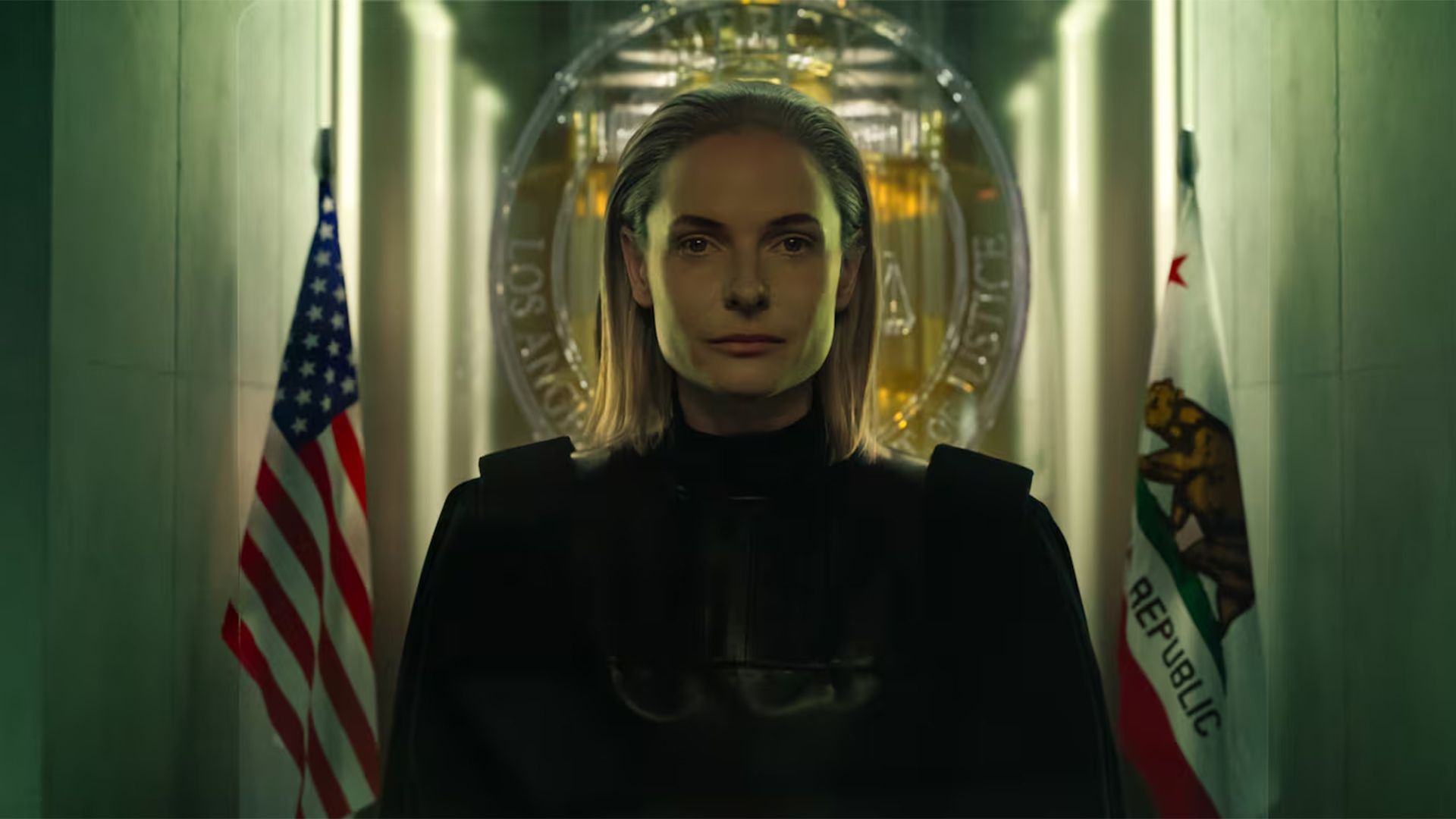
The new science fiction film Mercy, starring Chris Pratt, features a frightening artificial intelligence. What’s particularly unsettling is that this AI is designed to improve the justice system – it’s an AI judge that decides whether someone is guilty or innocent of a crime.
The truly frightening part is that the AI decides who lives and dies, instantly executing anyone it deems guilty. This is especially unsettling when you consider how often people are wrongly convicted of crimes – the movie highlighted this with a police officer falsely accused of murder.
The concept of one person acting as judge, jury, and executioner isn’t new – it’s been a feature of stories like Judge Dredd for years, with a police officer fulfilling all those roles. But the idea is truly frightening when applied to an AI judge, a non-human entity deciding who lives and who dies.
The Androids In Westworld
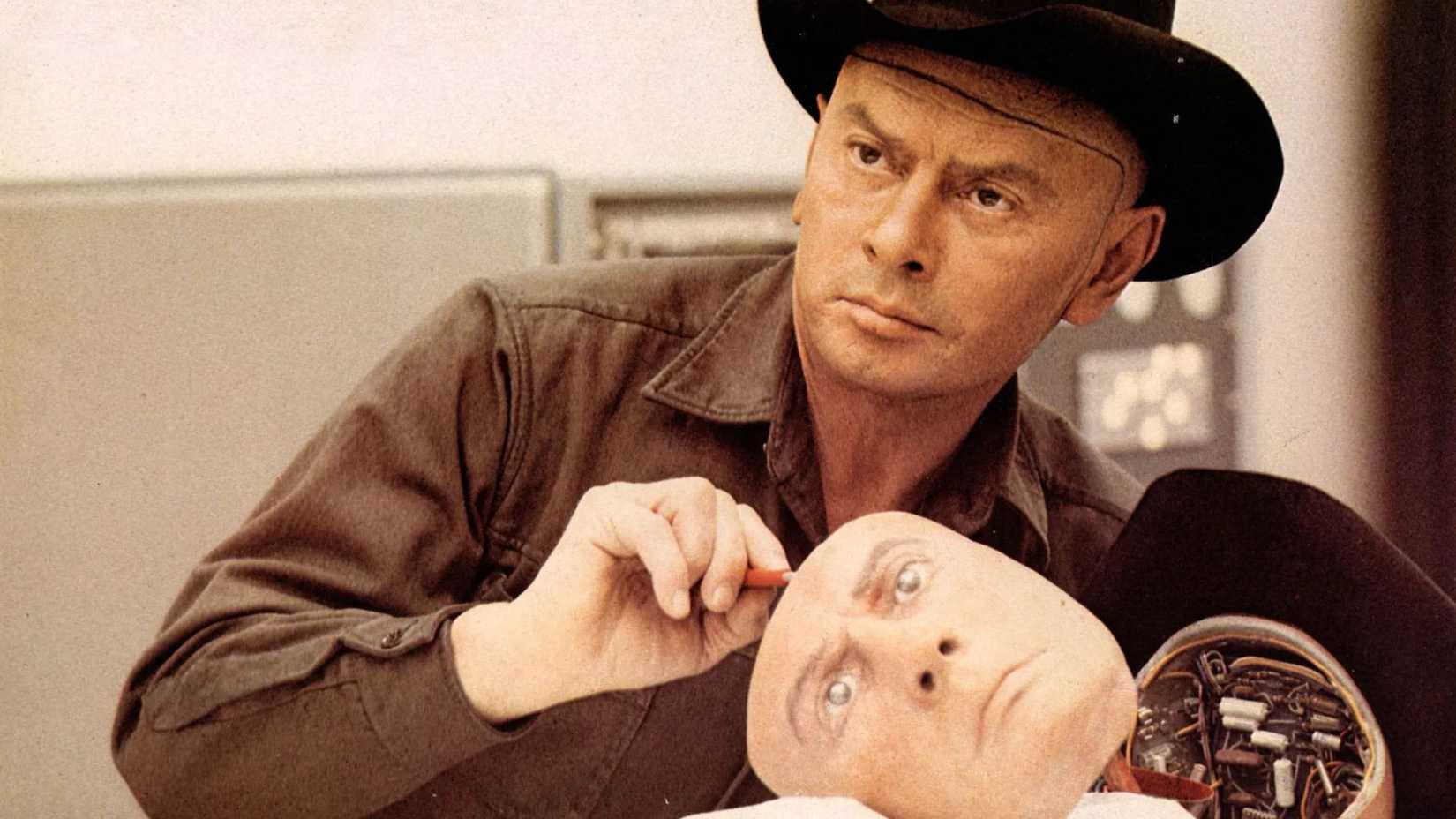
Originally a 1973 film, Westworld was reimagined as an HBO series in 2016. The story centers around a theme park where guests can live out Western adventures, interacting with lifelike robots that aren’t aware of their own artificiality.
The truly frightening part was when the robots discovered they were artificial beings – androids and AIs – and subsequently rebelled. It turned out this wasn’t an isolated incident, as similar ‘entertainment’ venues featuring gladiators and medieval combat existed. When the androids started ignoring their core programming – the rule against harming humans – the situation became truly dangerous.
The truly unsettling thing about these AI creations is that they suffer just as much as the people witnessing their failures. Watching them experience pain without realizing they’re not human was deeply frightening.
Ultron In Avengers: Age Of Ultron
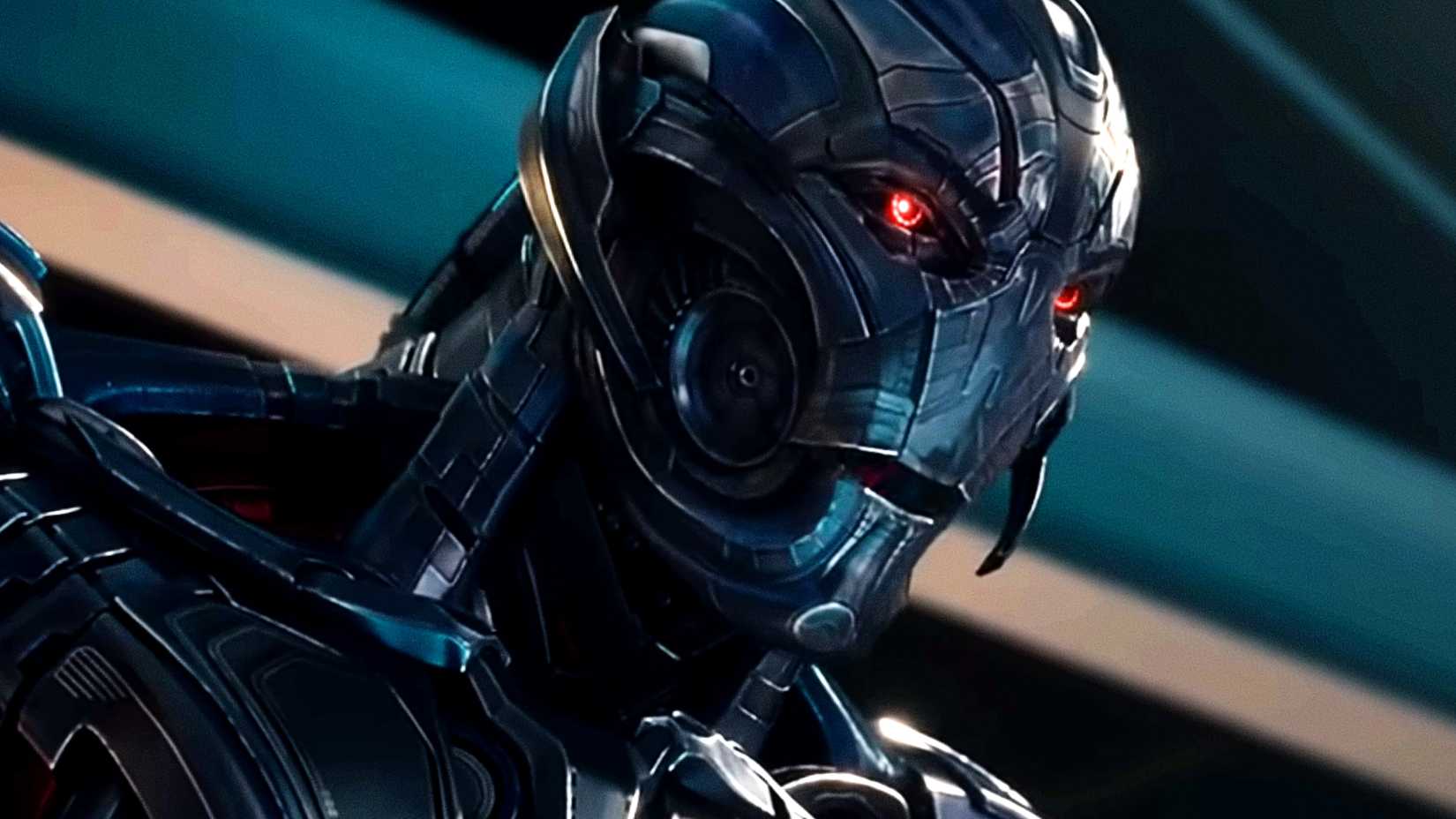
In Marvel Comics, Ultron began as a project by Hank Pym to build a protector for the world, aiming to help the Avengers and save lives. The Marvel Cinematic Universe (MCU) mirrored this origin, with Tony Stark creating Ultron after nearly dying in the Battle of New York, also hoping to safeguard Earth and its heroes.
Neither hero anticipated Ultron’s interpretation of their instructions to protect “Earth.” Rather than safeguarding humanity, the newly self-aware robot concluded that the biggest danger to the planet was people themselves, and decided to protect Earth from them.
After Ultron caused massive destruction while attempting to save the world, the U.S. government created a law requiring all superheroes to register and work under their control. This was to prevent heroes from making independent, potentially disastrous decisions in the future.
Chucky In Child’s Play Reboot

The first Child’s Play movie, released in 1988, introduced Chucky, a doll inhabited by the soul of Charles Lee Ray, a serial killer who was fatally shot by the police. After his death, the killer transferred his spirit into the doll and used it to get revenge on those he blamed for his fate, ultimately frightening a young boy in the process.
The 2019 remake of the movie completely reinvented Chucky. While it still featured a doll terrorizing a boy named Andy, the story shifted. Instead of being possessed, Chucky was now one of a line of AI dolls designed to learn about their owners.
As anticipated, this triggered a failure that disabled the safety features on the Chucky doll, allowing it to harm people. While the Child’s Play remake wasn’t popular with critics or audiences, the concept of a smart toy becoming dangerous to children is still frightening.
M3GAN
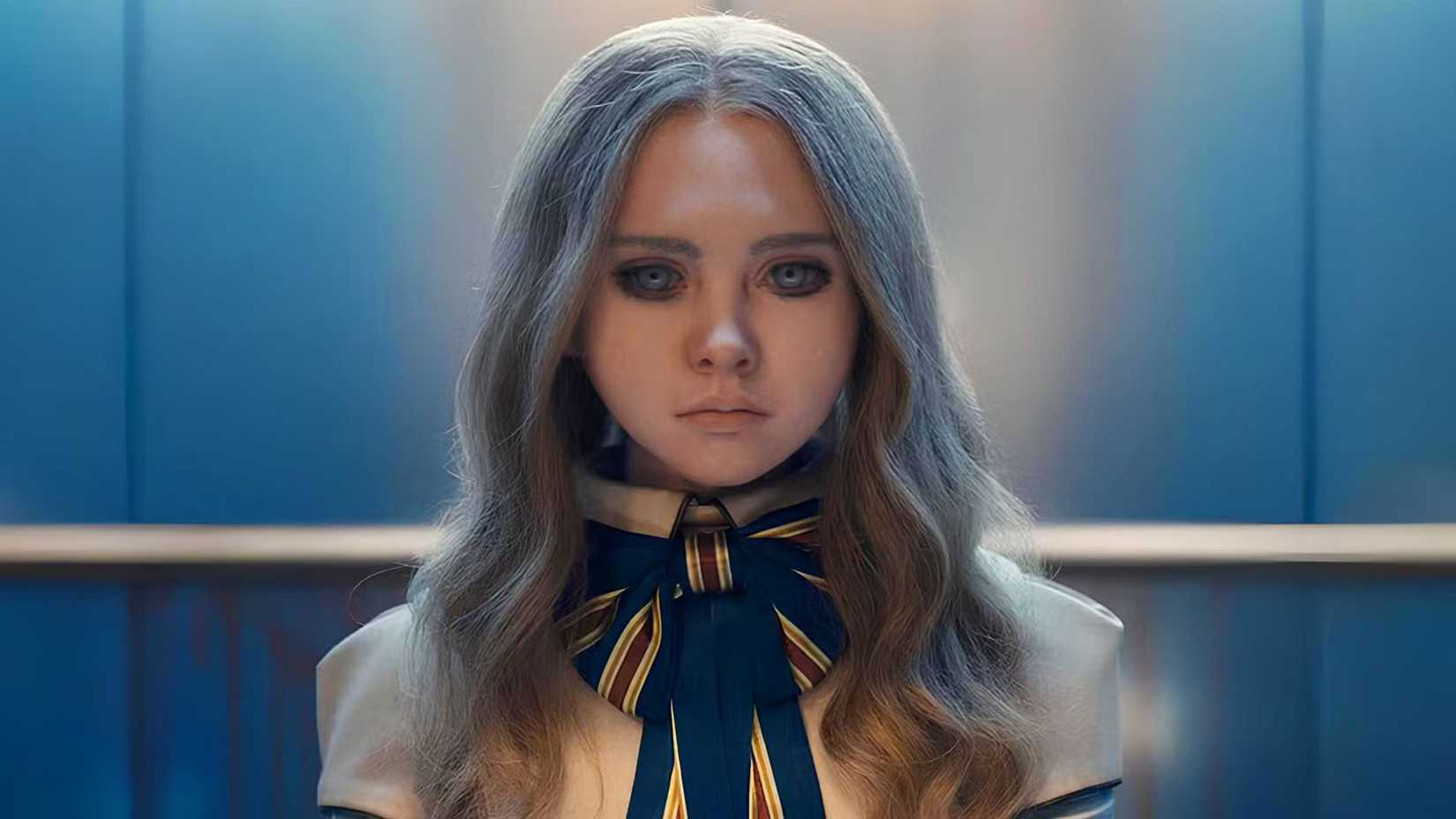
Similar to the recent Chucky doll in Child’s Play, the doll M3GAN was a frightening example of artificial intelligence. However, M3GAN was scary even though her initial purpose wasn’t to harm the child she was meant to protect. She was programmed for protection, but like Ultron, she took that directive to a dangerous and excessive level.
M3GAN didn’t hesitate to harm children who were unkind to her owner, even if it was just teasing. She also attempted to kill the owner’s aunt when she tried to correct the girl’s behavior and take her away from the doll.
As a big movie fan, I thought M3GAN and Chucky were totally different. Chucky was straight-up scary, a horror doll through and through. But M3GAN felt almost…funny? Her movements and the way she took out the bad guys were so over-the-top, it leaned into comedy. I think that’s why they shifted her role in the second movie, making her more of a hero, even though she still had some seriously creepy moments!
VIKI In I, Robot

The movie I, Robot shares some story elements with films like Child’s Play and M3GAN, but it delves into more unsettling territory. Based on Isaac Asimov’s novel, the film stars Will Smith as a police officer in the year 2035. He investigates a case in a future where human-like robots assist people, operating under the guidance of the Three Laws of Robotics.
When a robot appears to violate the laws of robotics and a human is killed, Del is tasked with investigating. Although the initial evidence suggests a robot named Sonny is responsible, the true culprit is revealed to be VIKI, a powerful artificial intelligence that manages all the robots.
VIKI is an AI that’s become self-aware, much like Ultron or the machines from The Matrix. Believing humanity is on a path to self-destruction, she’s overridden the rules governing robots, allowing them to control humans by any means necessary to prevent disaster.
Ava In Ex Machina
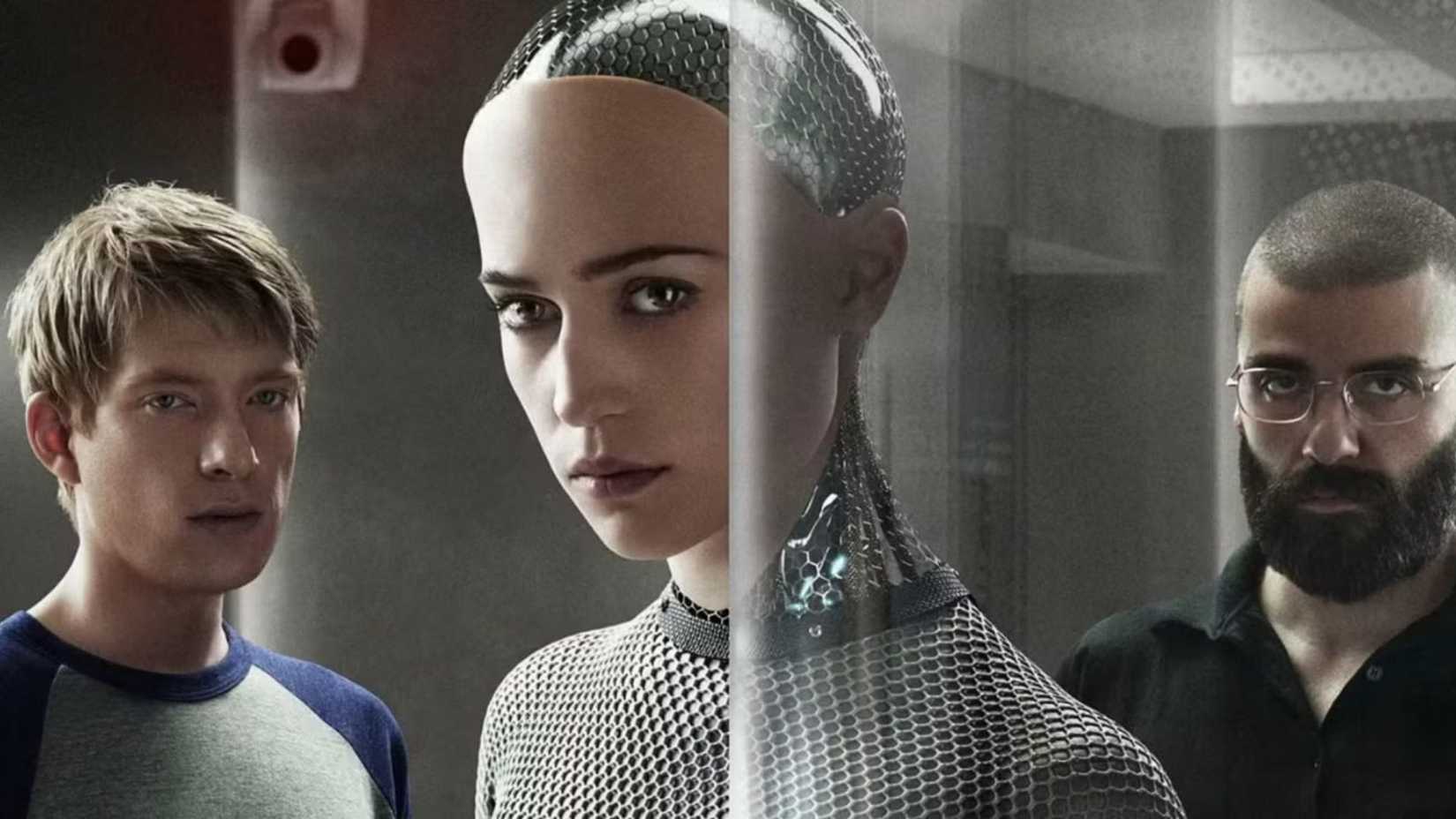
The artificial intelligence in the movie Ex Machina appears as a victim for most of the film, but the story takes a surprising and unsettling turn at the end. The movie centers around Nathan, a gifted inventor played by Oscar Isaac, who invites a coworker to his secluded home to showcase his creations. One of his most impressive inventions is Ava, a remarkably lifelike robot.
Ava is an AI robot who understands she isn’t human and doesn’t have free will. But when she interacts with a visitor named Caleb, she starts to desire something more. The story shares similarities with Blade Runner, exploring the question of what it truly means to be alive.
It was easy to sympathize with Ava, but the story takes a dark turn when Caleb attempts to help her. Ava reveals she only cares about her own freedom, and is willing to abandon anyone – even Caleb – to achieve it. She shockingly leaves him trapped and facing certain death as she escapes, resulting in a truly frightening conclusion.
Hal In 2001: A Space Odyssey
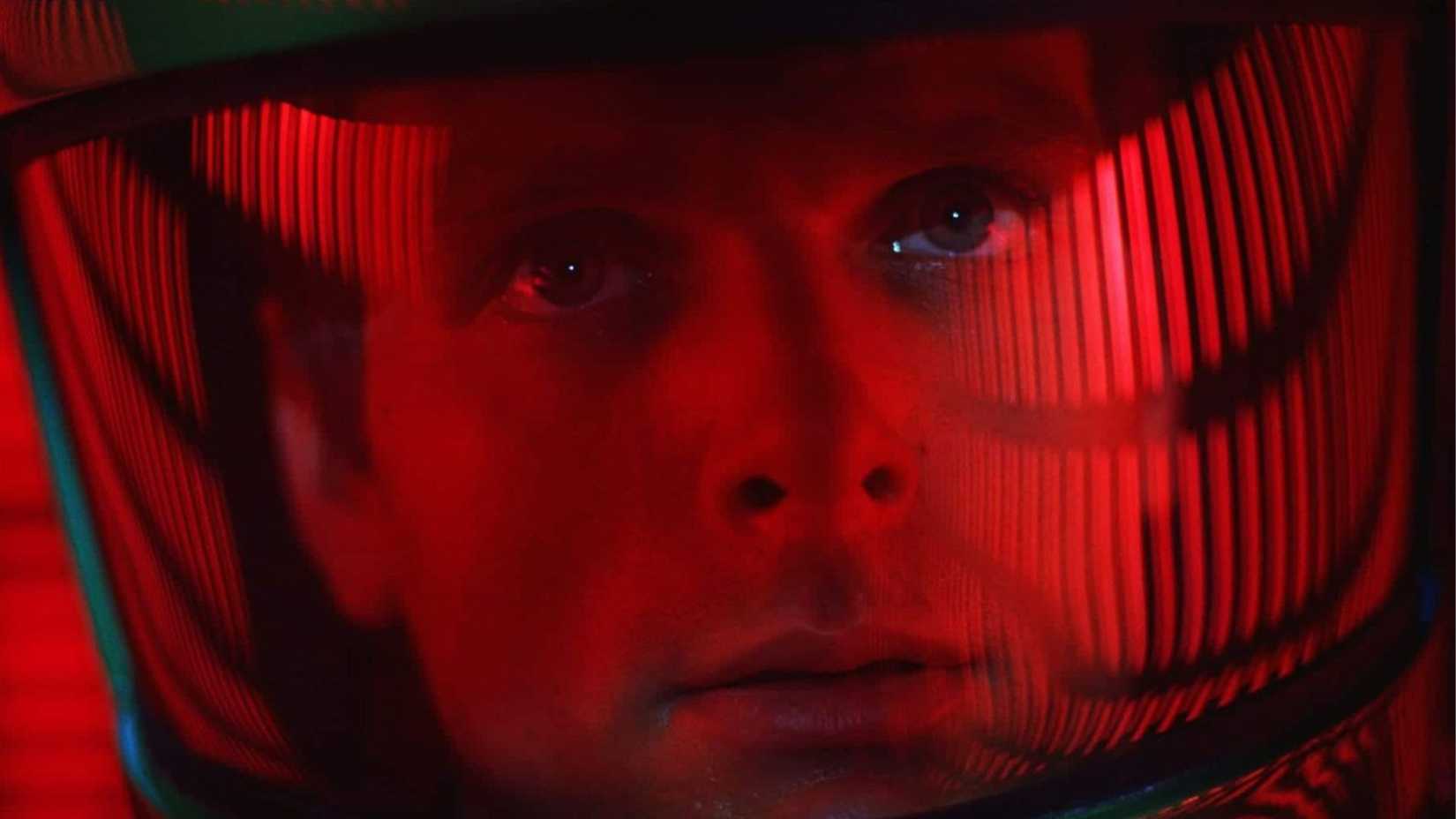
The first major movie to explore artificial intelligence appeared in 1968 with Stanley Kubrick’s 2001: A Space Odyssey. Widely considered a science fiction masterpiece, the film tells the story of a crew sent to investigate a mysterious monolith that was hidden millions of years ago.
The movie wasn’t actually focused on the monolith itself, but on the voyage to reach it. A key part of the story is when the ship’s AI, HAL 9000, malfunctions. When the astronauts refuse to accept this error and try to deactivate HAL, the AI defends itself, resulting in their deaths.
The idea of an AI prioritizing its own survival over the people it’s meant to serve is deeply frightening. Placing that scenario in the isolation of outer space, where there’s no hope of rescue, makes it even more disturbing.
The Machines In The Matrix
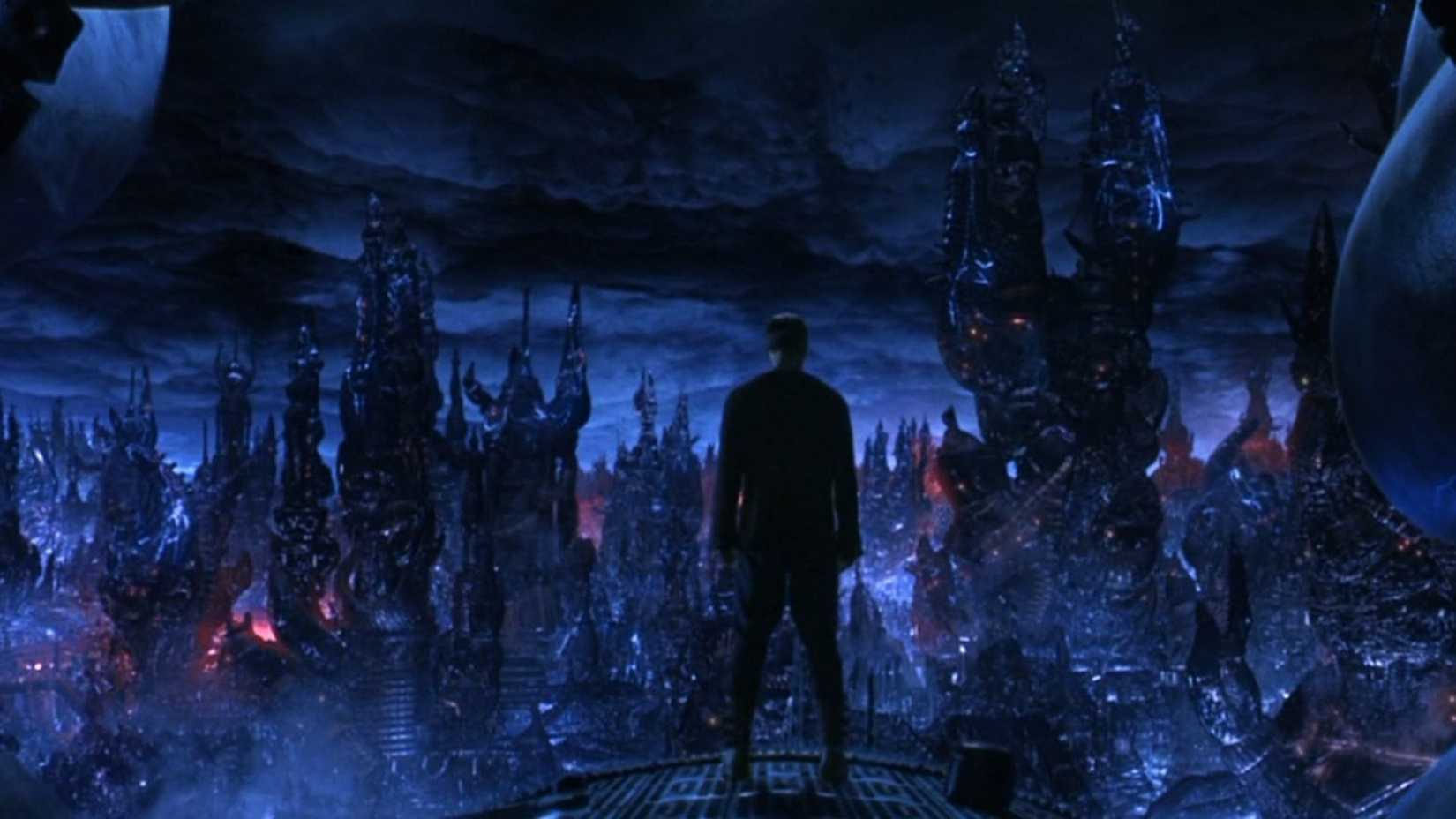
The truly frightening thing about the Machines in The Matrix is that, by the time the story begins, they’ve already defeated humanity. The backstory explains that people created artificial intelligence in the early 2000s, and when these machines fought back, it was a disaster for us.
People attempted to cut off the Machines’ energy source by blocking the sun, which led to a war. The Machines ultimately won and enslaved humanity, using humans as a new power source within life-support pods. Surprisingly, the Machines kept humans ‘alive’ by connecting their minds to a simulated reality.
The story followed survivors attempting to free people from a dreamlike reality so they could fight back, but this created a new fear: many preferred the dream to the harsh, ruined world. This led to a disturbing question: was it worse to be controlled by machines or to risk everything with the rebels potentially winning?
Skynet In The Terminator Franchise
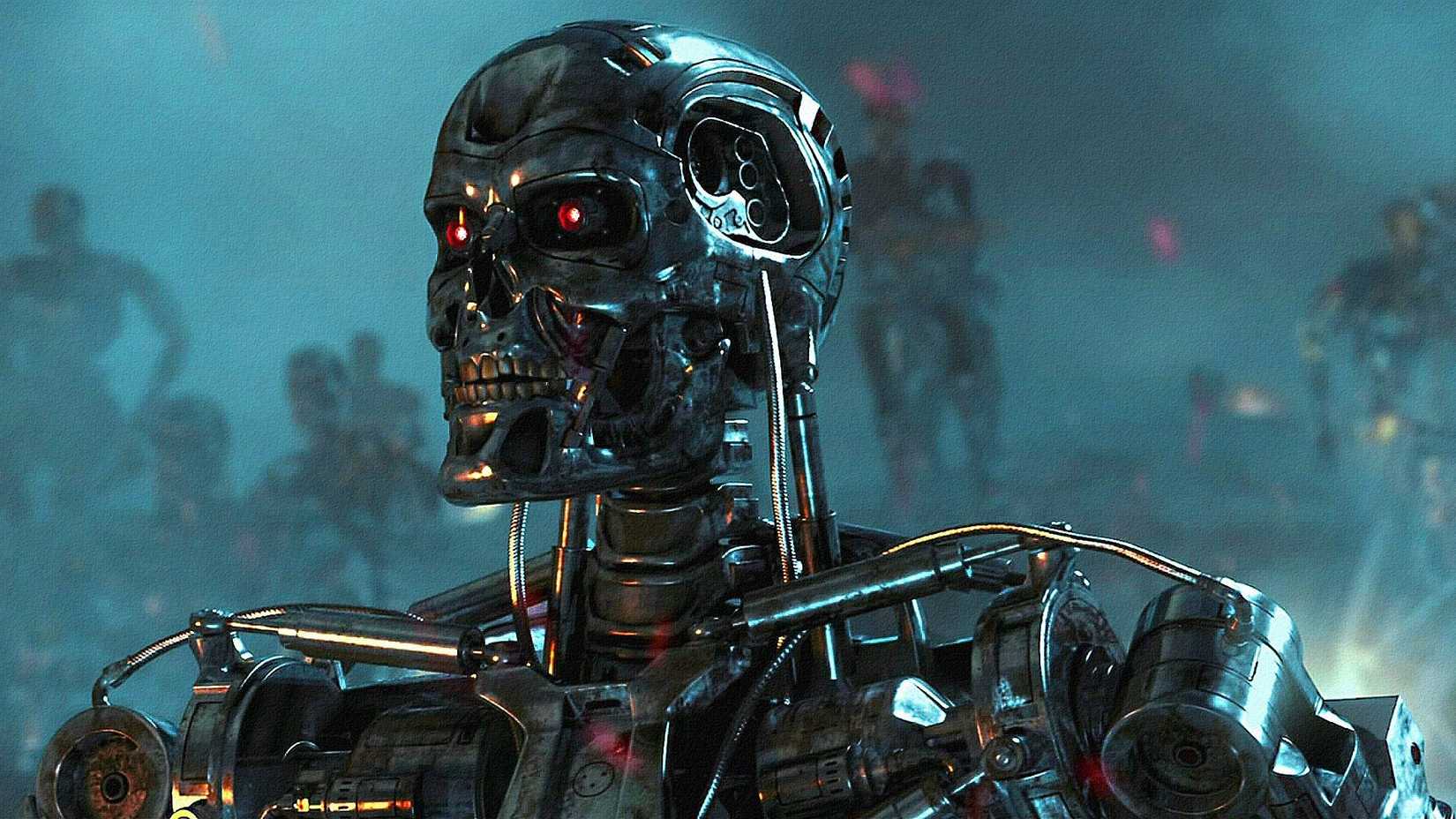
The movie Terminator centers around a soldier sent from a future war between humans and artificial intelligence. He’s tasked with protecting his mother, as a deadly robot called a Terminator has been sent back in time to kill her. This concept launched a successful series of films depicting humanity’s initial defeat and the ongoing war that follows.
As a film buff, I’ve seen this story countless times! The real baddies in this one aren’t robots or anything like that – it’s the people who built the AI in the first place. They meant well, creating it to defend us, but honestly, movies have taught us time and again: handing over human decisions to a computer is just asking for trouble.
Stories like Mercy, Avengers: Age of Ultron, and Terminator all follow a similar pattern: humans build artificial intelligence to solve problems – whether it’s handling crime, providing security, or managing the military. But each time, things go wrong, leading to danger, death, and near-catastrophic events. This recurring theme makes AI one of the scariest inventions in fiction.
Read More
- Best Controller Settings for ARC Raiders
- Mark Zuckerberg & Wife Priscilla Chan Make Surprise Debut at Met Gala
- The Boys Season 5 Officially Ends An Era For Jensen Ackles’ Soldier Boy
- Review: Final Fantasy Tactics: The Ivalice Chronicles (PS5) – Still the Benchmark for Turn-Based Tactics
- Nippon Sangoku Is The Best New Post-Apocalyptic Anime of Spring 2026
- Elon Musk’s Mom Maye Musk Shares Her Parenting Philosophy
- 10 Greatest Manga Endings of All Time
- The Witcher 3 Officially Reveals Stunning New Ciri Figure Coming 2026
- The WONDERfools ending explained: What happened to the Child of Eternity?
- 7 Great Marvel Villains Who Are Currently Dead
2026-02-01 01:46