Over its nearly 60-year run and ten spin-off shows, Star Trek has consistently introduced bold new ideas to stay innovative, starting with the original series that first won audiences over. Voyager featured a crew lost 70,000 light-years from Earth and a first-ever female captain. Deep Space Nine bravely set its story on a fixed space station, which limited exploration, and Enterprise explored the beginnings of warp travel before the Federation existed. However, arguably the most groundbreaking concept in the franchise came with Discovery and the introduction of an event called ‘the Burn’.
Introduced in the third season of Star Trek: Discovery, this event sent the ship 900 years into the future (from the 24th century) and immediately made most dilithium useless. Dilithium is essential for stabilizing the matter-antimatter reaction that powers warp drives, so the event caused warp cores throughout the galaxy to fail catastrophically, killing billions instantly. Without warp drive, the Federation fell apart, travel between star systems became nearly impossible, and the galaxy entered a new, bleak era.
Since it first appeared, fans of Star Trek have always seen the Burn as a massive disaster. However, recent information in Star Trek: Starfleet Academy reveals that the event was even more destructive than we originally thought.
The Burn Was Always Big — But Not This Big
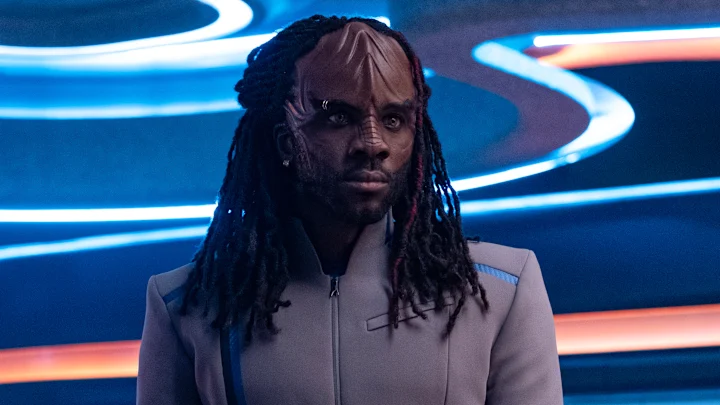
In episode 4, “Vox in Excelsio,” Star Trek revealed a shocking detail: the Klingon home world, Qo’noS, wasn’t just damaged by the Burn – it was completely destroyed. This changes everything, turning the Burn from a major technological disaster into one of the most catastrophic events in galactic history, essentially an extinction-level event.
When the Burn was first revealed, the initial focus was on the destruction it caused to ships and systems. While many lives were lost, the most lasting impact for a galaxy dependent on space travel and trade was the sudden loss of warp technology. This left worlds cut off from one another, effectively isolating them. Ships disappeared instantly, trade networks crumbled, and the Federation was reduced to a weak group of disconnected planets, struggling to maintain any sense of togetherness.
The show didn’t focus much on the lasting damage to planets. While many worlds remained, they were often cut off or facing difficulties. This suggested that even though space travel had largely stopped, most civilizations had survived. However, the news from Jay-Den Kraag (the Klingon instructor at Starfleet Academy, played by Karim Diané) changed that perspective – Qo’noS was destroyed, and the Klingons, once a powerful race, are now struggling to survive as refugees.
Why Qo’noS Matters More Than Almost Any Other Planet
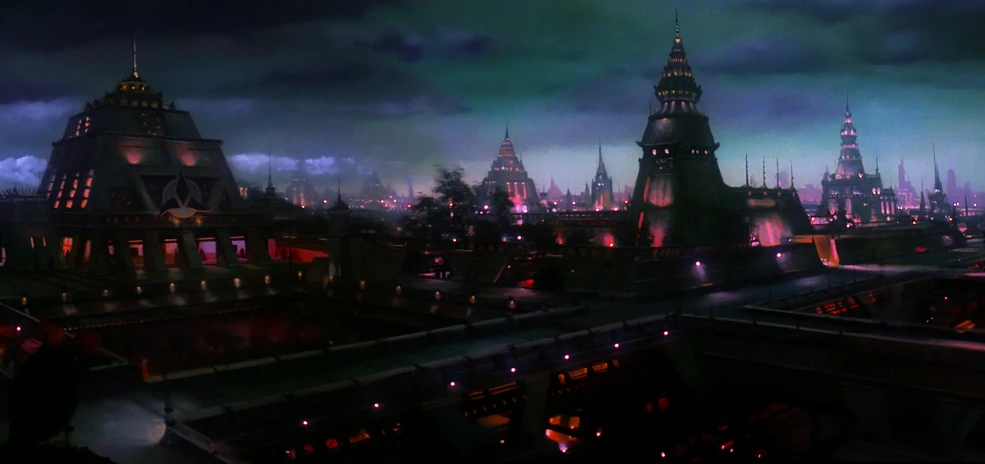
Qo’noS wasn’t just another planet in the Federation; it was the center of the Klingon Empire. The Klingons were known for their traditions of conquest, honor, and a deep sense of who they were as a people. Though often enemies of the Federation, especially in the early days of Star Trek, the Klingons have always been one of the most complex and well-developed cultures in the series.
After the Klingons and the Federation resolved their conflicts and joined forces – a development shown in The Next Generation, Deep Space Nine, and subsequent stories – the Klingon homeworld of Qo’noS became the heart of their culture and history, representing everything the Klingons valued and where their traditions originated.
Losing a home planet would be a terrible tragedy for any species, but for the proud and unyielding Klingons, it was far more than that. It wasn’t just a devastating loss; it struck at the very heart of who they were. The destruction of their world didn’t just mean the loss of millions of lives, it also meant the erasure of their history, traditions, and the deep connection they had to their ancestral lands and sacred places.
Throughout its history, even when the Klingon Empire was divided, the planet Qo’noS always survived. It had faced threats before – most famously, the destruction of its moon, Praxis, in 2293, as depicted in Star Trek VI: The Undiscovered Country. However, it was the event known as the Burn that ultimately made the planet uninhabitable, something centuries of war and internal strife had failed to do.
The Burn Wasn’t Just a Federation Tragedy
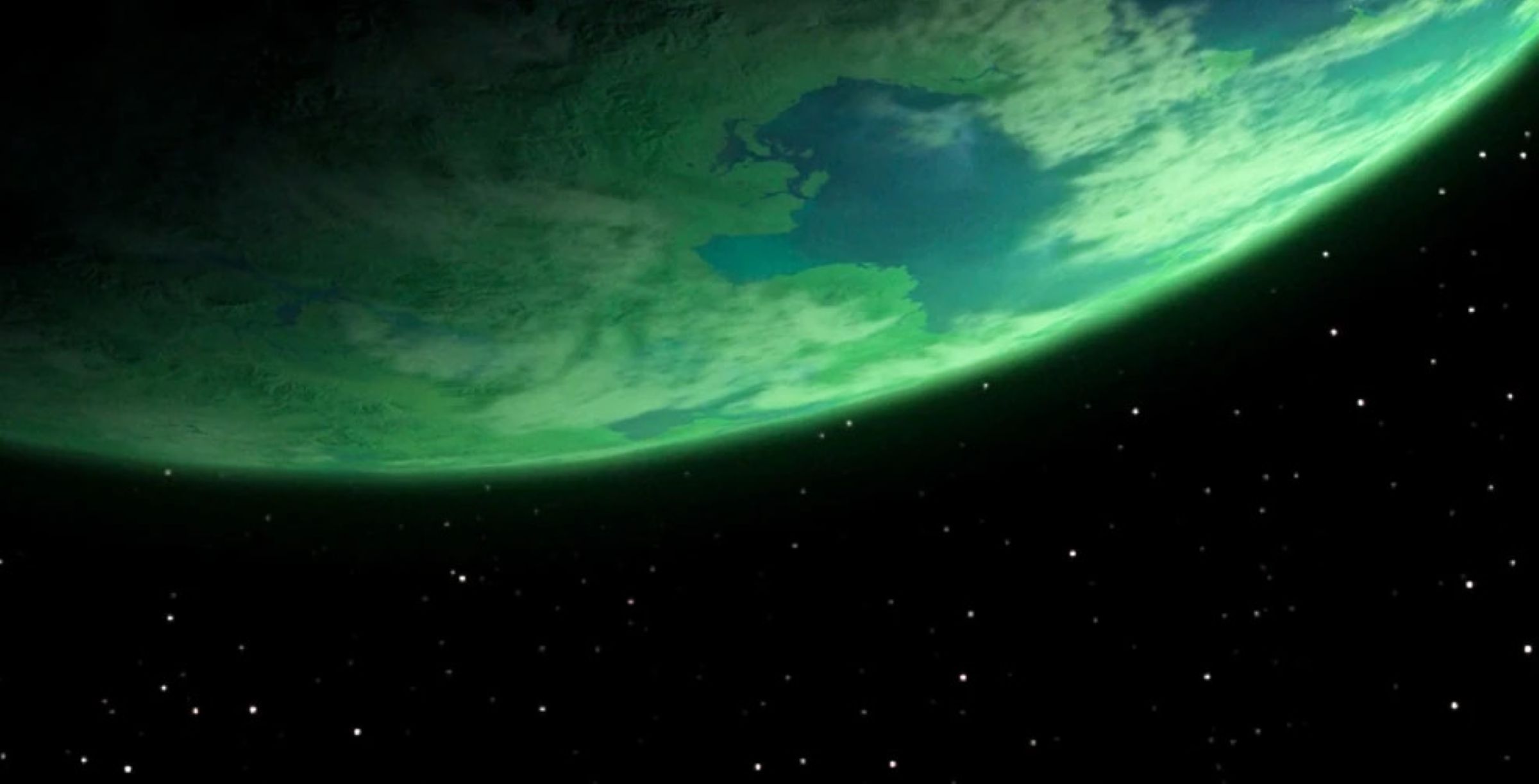
Some viewers felt the initial storyline in Discovery, called ‘The Burn’, focused too much on the Federation and its struggles. While the story described widespread suffering, it mostly showed the impact on Starfleet and humans. The destruction of Qo’noS shifts that perspective. This event wasn’t just a setback for the Federation; it was a truly galaxy-wide catastrophe that brought ruin to numerous civilizations.
If a strong, warlike, and proud race like the Klingons couldn’t withstand whatever happened, then everyone was vulnerable. Perhaps other powerful groups – like the Romulans or the Borg – experienced similar devastating setbacks that we just haven’t learned about yet.
Starfleet Academy focuses on a new generation navigating a changed world still reeling from the effects of the Burn. The destruction of Qo’noS adds significant emotional impact to this setting. This generation grew up not only hearing about times of isolation, but also knowing that entire cultures – including their own, as seen with Jay-Den Kraag – almost disappeared. The Burn wasn’t just a technological disaster; it deeply affected people and history. Looking back, the revelation of the Burn’s causes was necessary to give it the weight it needed to become a meaningful and well-regarded part of Star Trek’s story.
With the confirmation of Qo’noS’s destruction, Star Trek subtly but powerfully conveys the full impact of the event. It avoids dramatic flashbacks or explosions, instead presenting a devastating moment with quiet acknowledgment and profound meaning.
The episode ended on a hopeful note, with the Klingons finding a new, habitable planet that mirrored their old one. Starfleet cleverly allowed them to ‘win’ the planet in battle, appealing to their pride after initially refusing a direct offer. However, despite the galaxy recovering from the Burn, the episode acknowledges that some things were permanently lost.
What do you think? Leave a comment below and join the conversation now in the ComicBook Forum!
Read More
- What Song Is In The New Supergirl Trailer (& What It Means For The DC Movie)
- Why is Tech Jacket gender-swapped in Invincible season 4 and who voices her?
- TV legend Carol Kirkwood reveals the reasons why she decided to retire after 28 years with BBC
- Dune 3 Gets the Huge Update Fans Have Been Waiting For
- Highly Anticipated Strategy RPG Finally Sets Release Date (And It’s Soon)
- How Blake Lively & Ryan Reynolds’ Kids Pranked Her on April Fool’s Day
- Kanye West’s Wife Bianca Censori Details New Marriage Milestone
- 49 Years Ago Today, Movie History Was Changed by a Film You’ve Never Even Seen
- Butcher’s Transformation Into A “Ruthless Killer” In The Boys Season 5 Explained By Karl Urban
- Starfield PS5 Won’t Play Off Physical Disc without a Download
2026-02-01 16:11