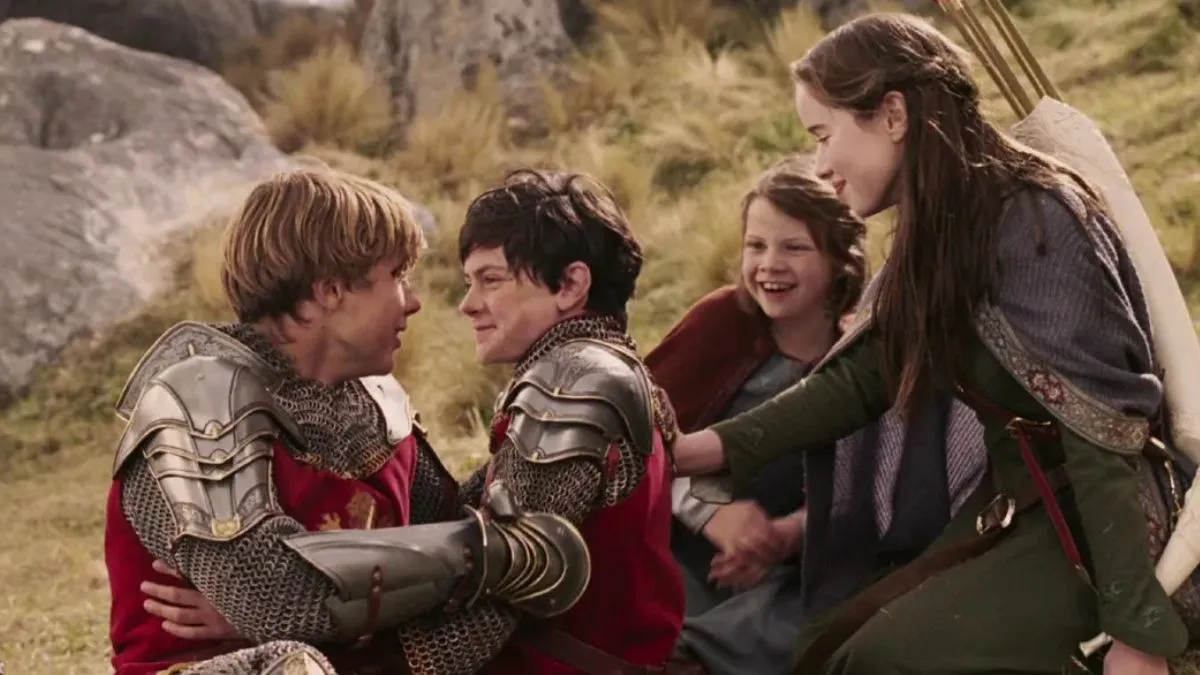
Narnia is a truly magical world, full of excitement and imagination. It’s a place where anything feels possible, and where classic stories of heroes and villains come to life. The thought of discovering such a beautiful and fantastical land through a simple wardrobe is wonderfully appealing, and it’s no surprise that people have loved Narnia for so many years.
While Narnia is beautifully imagined, its story doesn’t always flow smoothly. The world-building feels a bit disjointed, with important details and rules appearing only when needed for the plot, instead of feeling like a naturally developed world. This leaves some questions unanswered about why things happen the way they do, and why certain ideas are explored while others are dropped.
7. The Time Dilation Between Narnia and Earth
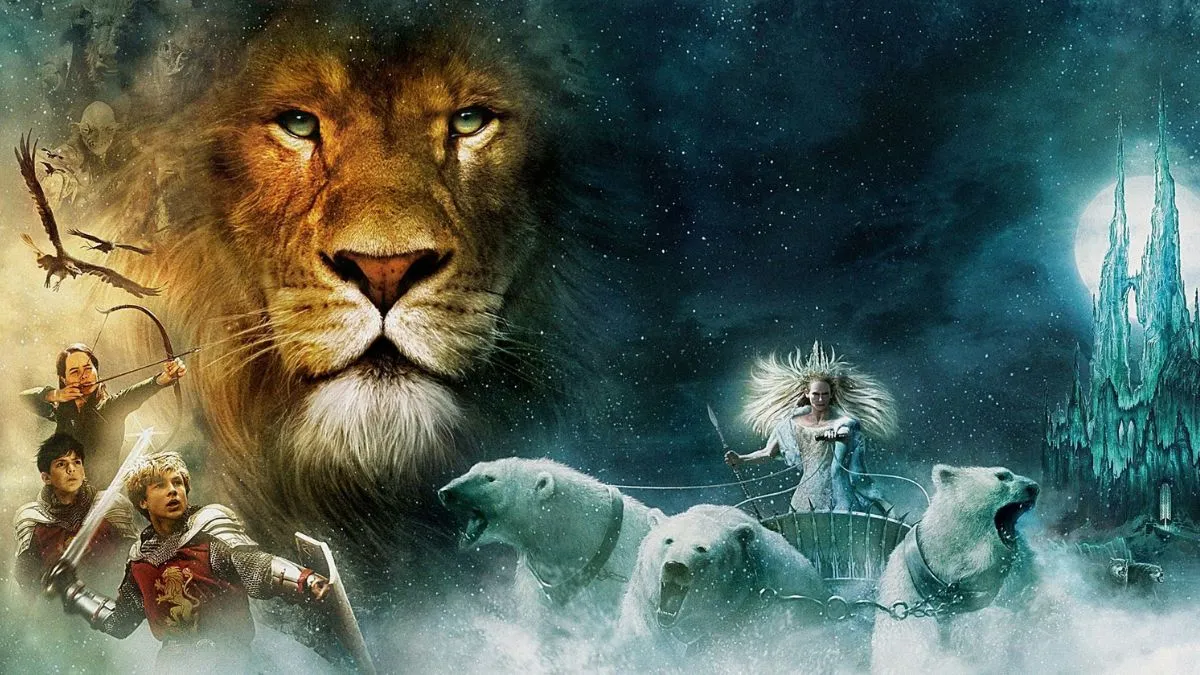
One of the most confusing things about the world of Narnia is how differently time passes there compared to Earth. In The Lion, the Witch, and the Wardrobe, the Pevensie children live what feels like many years in Narnia, becoming adults, but when they return home, no time has passed at all. However, in Prince Caspian, only a year has passed for the Pevensies, while hundreds of years have gone by in Narnia. There’s no consistent rule for how time works, and C.S. Lewis never offers an explanation. It’s unclear if it’s random, controlled by Aslan, or just a characteristic of Narnia itself. Because we never get an answer, it feels like time is used simply to move the story forward, rather than being a well-thought-out part of the world.
When a fantasy story’s rules aren’t consistent, it can be confusing for readers who expect the world to make sense, even with magic. In The Chronicles of Narnia, the way time works is inconsistent – sometimes it speeds up, and sometimes it slows down. This raises questions about whether Aslan deliberately altered time to bring the Pevensie children back at the right moment. Because there’s no explanation for these shifts in time, it feels less like a carefully crafted mystery and more like a plot device. Even now, over 70 years later, fans are still puzzled by it.
6. The Problem of Narnian Morality

The moral lessons in C.S. Lewis’s Narnia books are based on Christian ideas, but they don’t always make sense when you look closely. A good example is what happens to Susan Pevensie in The Last Battle. She’s shut out of Narnia because she enjoys typical teenage things like makeup and socializing. The story suggests she’s stopped believing in Narnia, but it feels more like she’s being punished for growing up. This raises a question: is there no place in Narnia for people who grow and change in ways that aren’t considered strictly ‘good’ enough?
Many of Aslan’s choices about right and wrong seem random. For example, Edmund is easily forgiven for betraying others, while Susan is excluded from Narnia, which feels unfair. The people of Calormen are often depicted as evil simply because they don’t worship Aslan. Despite being a much-loved series, Narnia’s moral lessons leave readers wondering about what’s truly fair, how forgiveness works, and whether everyone deserves a second chance.
5. The Questionable Role of Aslan
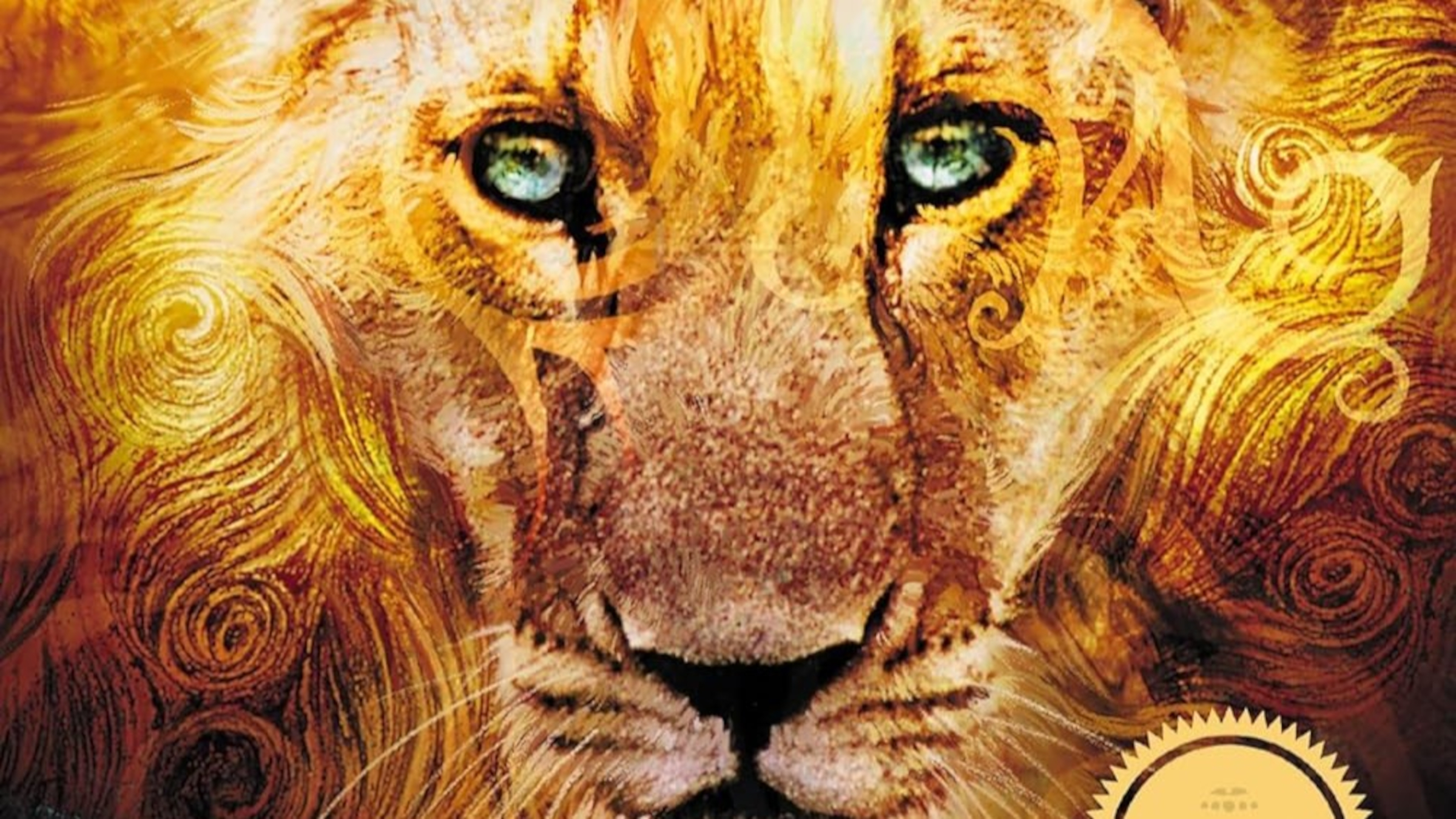
Aslan is often seen as a kind, Christ-like character, but his behavior isn’t always consistent with that image. While his sacrifice to save Edmund in The Lion, the Witch, and the Wardrobe is moving, it feels less impactful knowing he’s destined to come back to life. It raises the question of whether a sacrifice is truly selfless if the outcome is certain. Additionally, Aslan often seems absent when the people of Narnia need him most, forcing them to struggle on their own for extended periods. His tendency to only intervene when absolutely necessary can come across as uncaring.
Aslan’s methods of leadership are also problematic. Though meant to embody fairness and divine justice, he frequently comes across as demanding and uncompromising. He expects obedience without offering explanations, and anyone who disagrees with him is typically portrayed as wicked. While Aslan is a captivating character, his absolute power in Narnia makes you wonder if his followers truly have free will or if they’re simply compelled to obey.
4. The Treatment of Non-Human Creatures
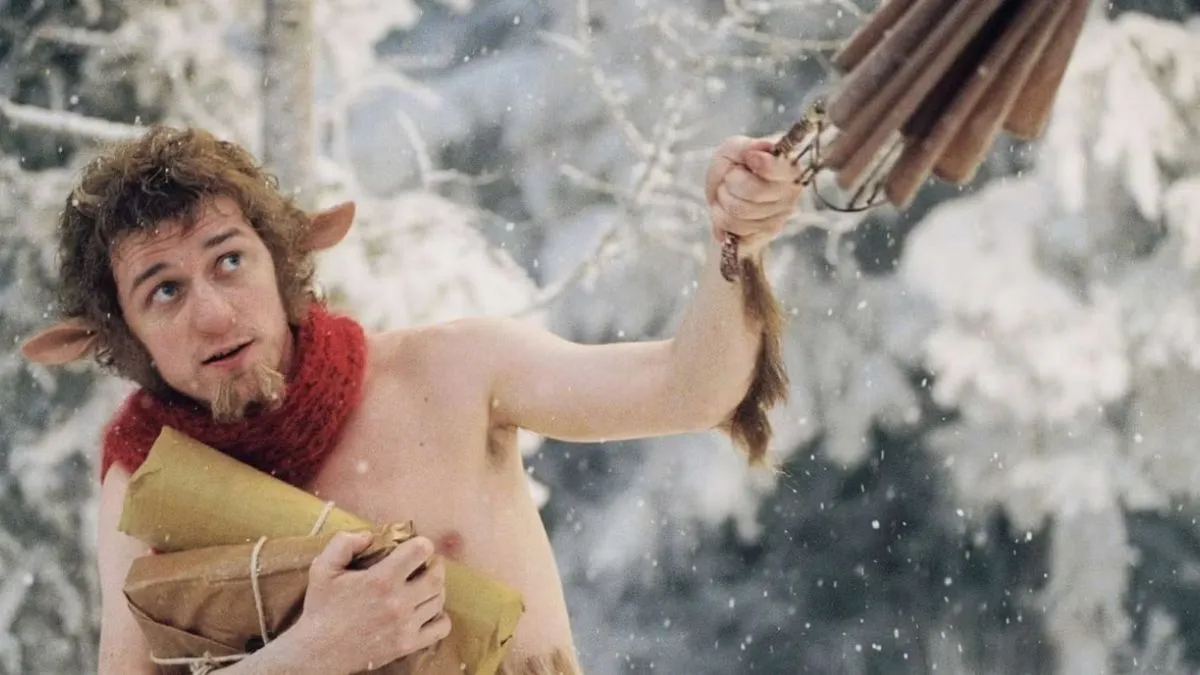
The world of Narnia is full of talking animals and magical creatures, but their status isn’t always clear. Some, like the brave mouse Reepicheep, are seen as heroes, while others are just part of the scenery—or even end up as meals. The books don’t explain why some animals can talk and others can’t, or why creatures like wolves are always portrayed as villains. This inconsistency feels random and doesn’t seem fair.
The way dwarfs are depicted is particularly concerning. In “The Last Battle,” they’re shown as stubborn and unwilling to believe in Aslan, even when presented with proof of his power. While this is intended to show the dangers of being overly critical, it also creates a simplistic division between “good” and “bad” races within the world of Narnia. Considering how creatively Narnia is imagined, it’s disappointing that the non-human characters aren’t portrayed with more depth and complexity.
3. The Lack of Agency for Female Characters
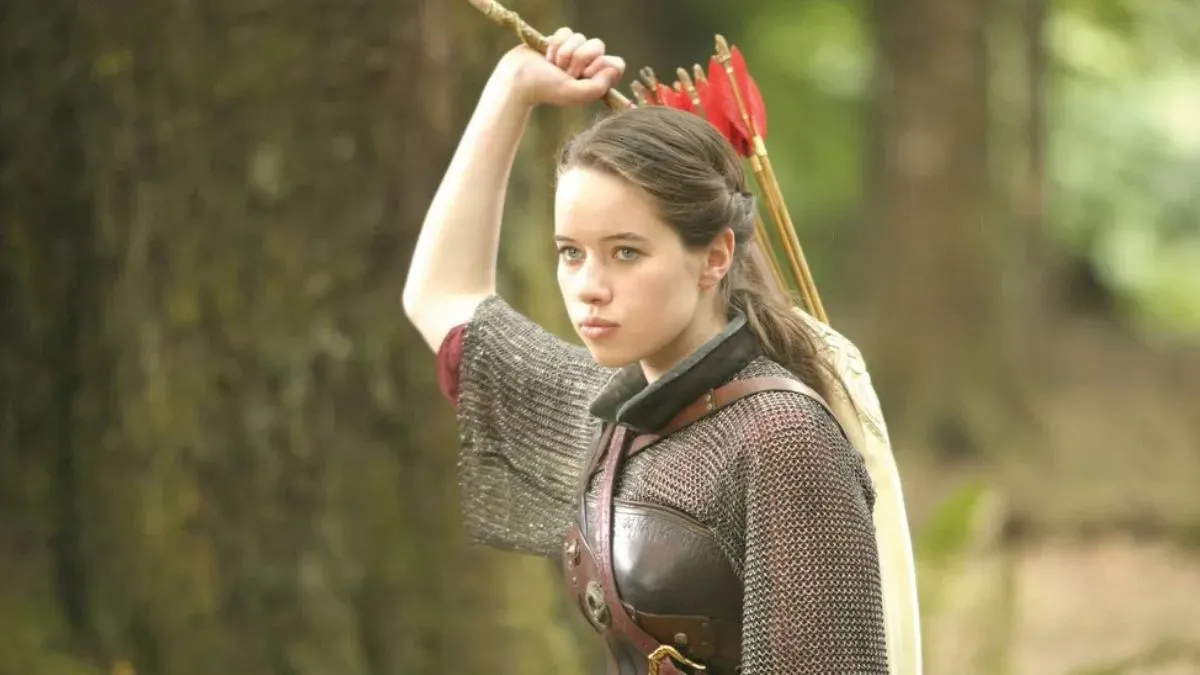
Although Lucy and Susan show courage at times, the women in the Narnia books generally have less power and control over events than the male characters. Lucy is consistently presented as the most kind and believing of the Pevensie siblings, but she doesn’t often get to make important choices that move the story forward. Susan becomes less important as the series goes on, and eventually isn’t included in the adventures at all. Even characters like Jill Pole in The Silver Chair mostly respond to what happens instead of actively shaping the story themselves.
The difference in how male and female characters are written is striking. The male characters—like Peter, Edmund, and even Eustace—are consistently shown as leaders who make their own choices and grow throughout the story. The female characters, however, are frequently defined by their connections to others instead of having their own independent journeys. This feels particularly disappointing for a series that has meant so much to so many readers, as the portrayal of women seems old-fashioned.
2. The Arbitrary Rules of Magic
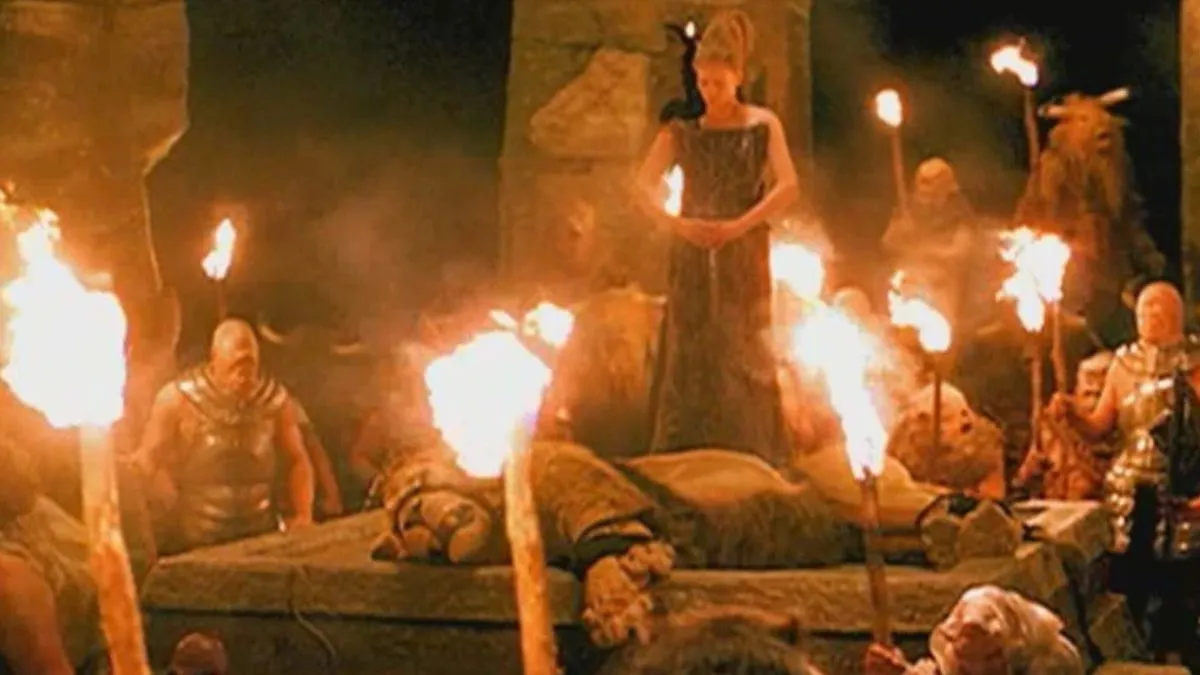
Narnia is a magical place, but its magic doesn’t always feel consistent or well-defined. Take the ideas of Deep Magic and Deeper Magic from The Lion, the Witch, and the Wardrobe – they’re important to the story, but never fully explained. We don’t really understand why the Deep Magic requires Edmund to pay for his mistake with his life, or how the Deeper Magic allows Aslan to be resurrected. These key concepts feel underdeveloped, despite their importance to the plot.
The series also suffers from a lack of clear explanations when it comes to magic. For example, the rings in “The Magician’s Nephew” let characters travel to different worlds, but we don’t learn much about how they work or where they came from. The wardrobe, which acts as a gateway to Narnia, also isn’t fully connected to the larger magical system. Some readers appreciate this ambiguity, but others find it annoying, particularly when magic is used to solve important problems without clear rules.
1. The Problematic Depiction of Race and Culture
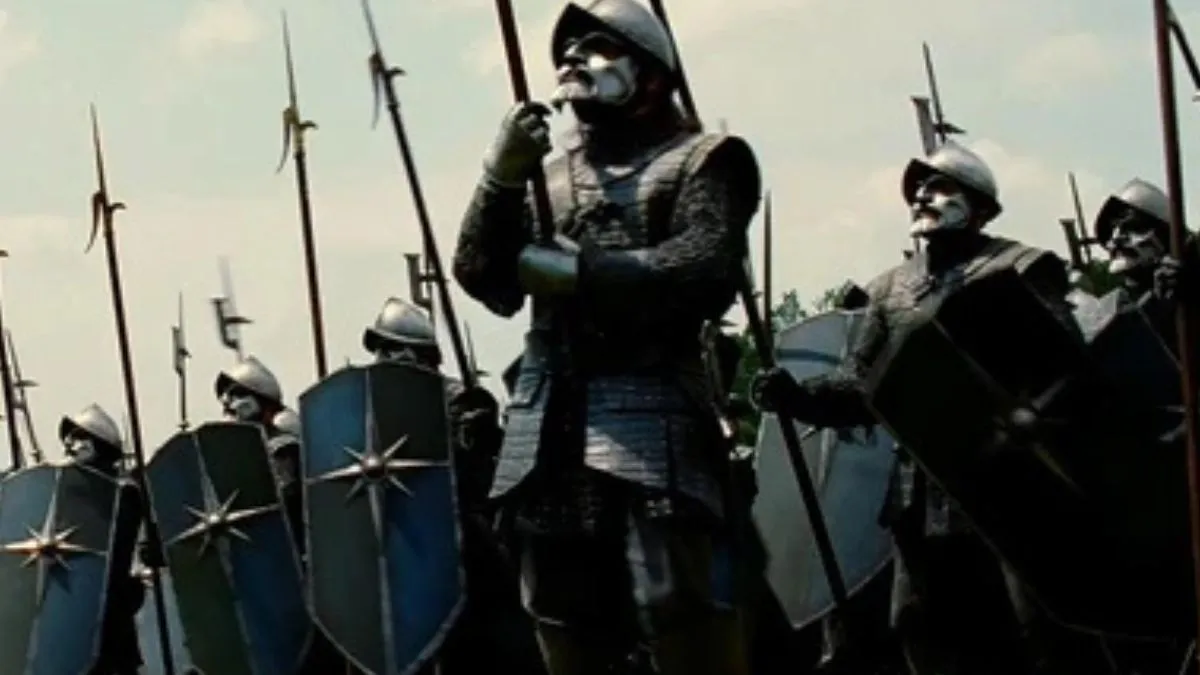
As a longtime Narnia fan, I have to admit some parts are really troubling when you look back at them. The way C.S. Lewis wrote about the Calormenes, people from a desert land, feels really problematic. They’re consistently shown as greedy and untrustworthy, basically the ‘bad guys’ because of where they come from and how they live. It’s like he took a bunch of harmful stereotypes about different cultures and just put them all into one group. Even their religion is painted as evil, which feels unfair and reinforces a really negative view. It’s something that definitely makes me think differently about the books now.
The way this story portrays certain characters has rightfully received criticism for promoting damaging stereotypes. Although some defend these characters as just fictional villains, the connections to real-world prejudices are hard to overlook. C.S. Lewis’s writing reflects the perspectives of his era, but today, it feels insensitive and outdated. For many readers, this is a problematic part of the Narnia books that hasn’t stood the test of time, and it continues to fuel discussions about the series’ impact.
What do you think? Leave a comment below and join the conversation now in the ComicBook Forum!
https://comicbook.com/movies/news/10-best-michael-madsen-movies-quentin-tarantino/embed/#
Read More
- What Song Is In The New Supergirl Trailer (& What It Means For The DC Movie)
- Dune 3 Gets the Huge Update Fans Have Been Waiting For
- Highly Anticipated Strategy RPG Finally Sets Release Date (And It’s Soon)
- Why is Tech Jacket gender-swapped in Invincible season 4 and who voices her?
- TV legend Carol Kirkwood reveals the reasons why she decided to retire after 28 years with BBC
- Eurogamer Gives ARC Raiders 2/5 Over AI Voices, Dropping Metacritic Score from 94 to 84
- After 13 Years, Someone Earned One of the Hardest Achievement Trophies in Gaming
- Dragon Ball: Sparking! Zero Is Still Stupidly Popular, Reels in 1 Million Monthly Players
- Designing Magnetism with Molecular Architecture
- Robert Pattinson’s The Batman 2 Suit ‘Evolution’ Gets an Answer From Designers
2026-02-02 22:16