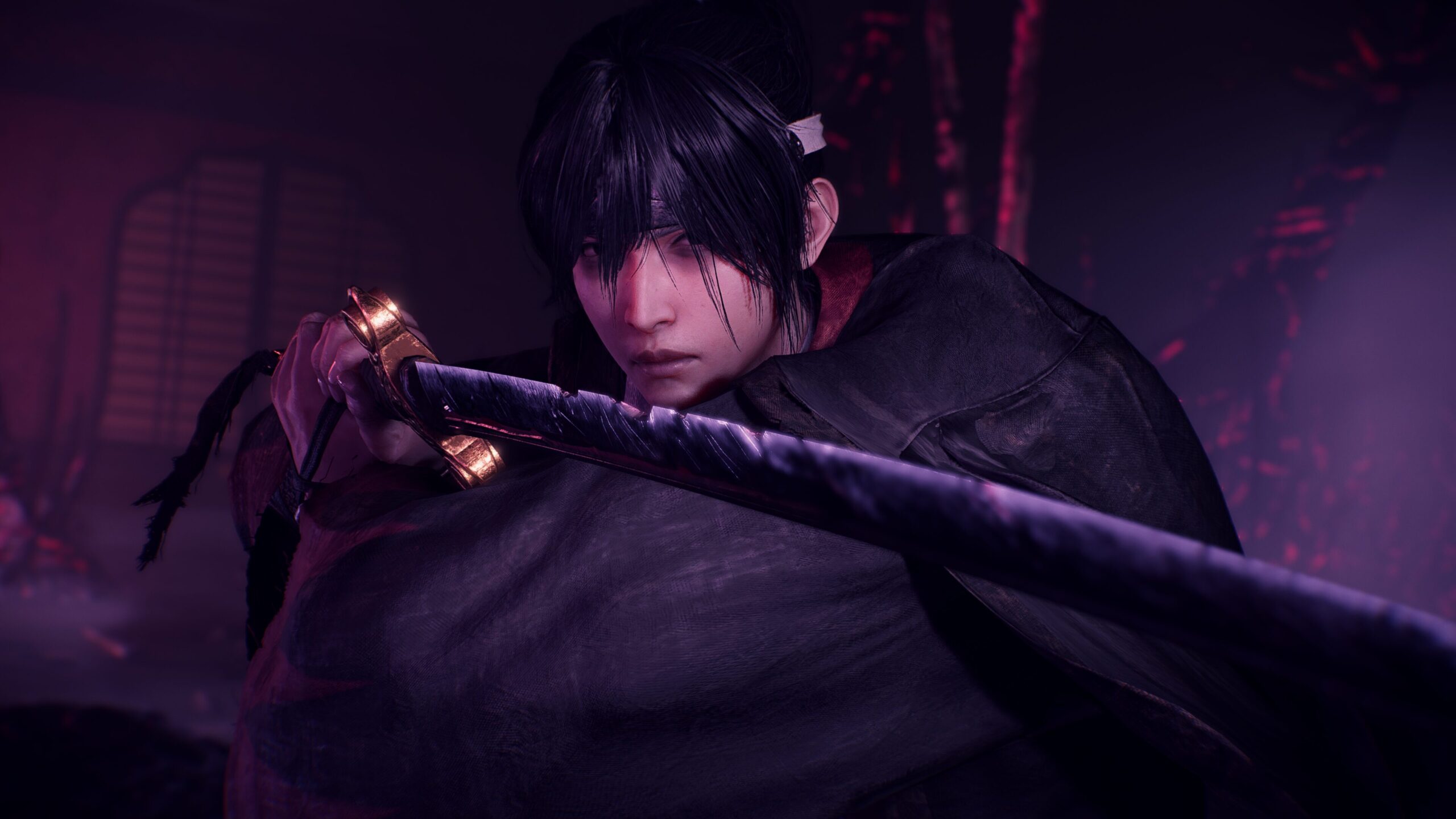
I started playing Nioh 3 with some reservations. After the first two games were so good, I worried that a third installment would just offer more of the same without trying anything new. But Nioh 3 actually feels surprisingly fresh, while still keeping the gameplay that fans already enjoy. I’ve been having a blast, and I was immediately impressed by its innovative level design and combat.
My experience hasn’t been perfect, of course. There are some drawbacks, but they’re understandable given how ambitious the game is – it features clever level design and a really engaging combat system. I often found myself saying I’d stop after ‘just one more try,’ but then losing another hour to tough enemies that repeatedly defeated me. Simply put, Nioh 3 is incredibly addictive.
Team Ninja prioritized fun and engaging gameplay, and it shows. The story isn’t as strong, likely because they focused more on perfecting how the game plays.
Let’s be honest, the story is one of the game’s weaker points. It’s simply present without being particularly engaging. While I won’t reveal any spoilers, most players probably aren’t coming to Nioh 3 for a compelling narrative. Characters appear and disappear quickly, and the plot feels disjointed, making it difficult to become invested. The game hints at a potentially strong central idea that could connect all the battles, but it never quite comes together.
I’ve noticed this in previous games too, but I was really hoping the story would be something special this time around. Unfortunately, it didn’t quite reach that level. It wasn’t a huge problem though, honestly. It feels like Team Ninja really prioritized making the gameplay amazing, and that’s what matters most. The story seems to have taken a backseat to let the action shine, and I can live with that.
Another possible downside is the constant stream of loot. You find so much gear that it can feel overwhelming, and with the addition of two character classes – Samurai and Ninja – to keep equipped, managing everything quickly becomes chaotic.
I did run into a few bugs while playing. Sometimes enemies would get stuck in the scenery, bosses wouldn’t chase me properly and would leave themselves vulnerable, or enemies just wouldn’t see me at all. Surprisingly, these glitches were often funny, considering the game’s generally serious tone. While they were a bit annoying, they seem like things that could be fixed with future updates.
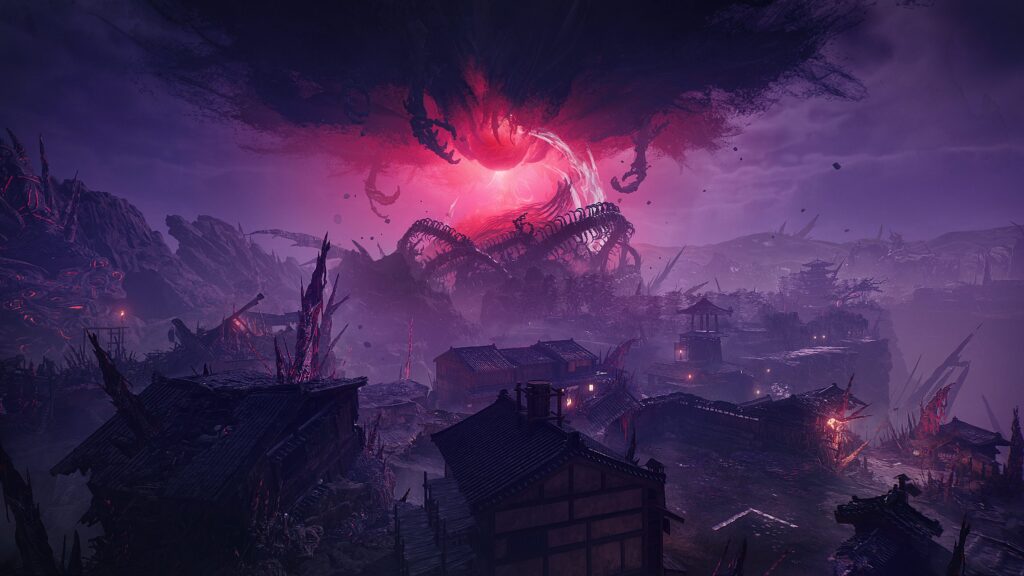
“The sheer abundance of drops can be overwhelming, and you pick up gear at an alarming pace”
I’ve pretty much covered everything I didn’t like, and that’s great news. The rest of Nioh 3 is so good that I immediately wanted to jump back in and keep playing after finishing this review.
The combat system will feel instantly familiar to anyone who’s played Nioh. The game starts with a tutorial where you choose from four weapons you likely already know, and then quickly explains key mechanics like Ki Pulse and Guard. These are presented as core parts of the samurai fighting style, making for a smooth introduction.
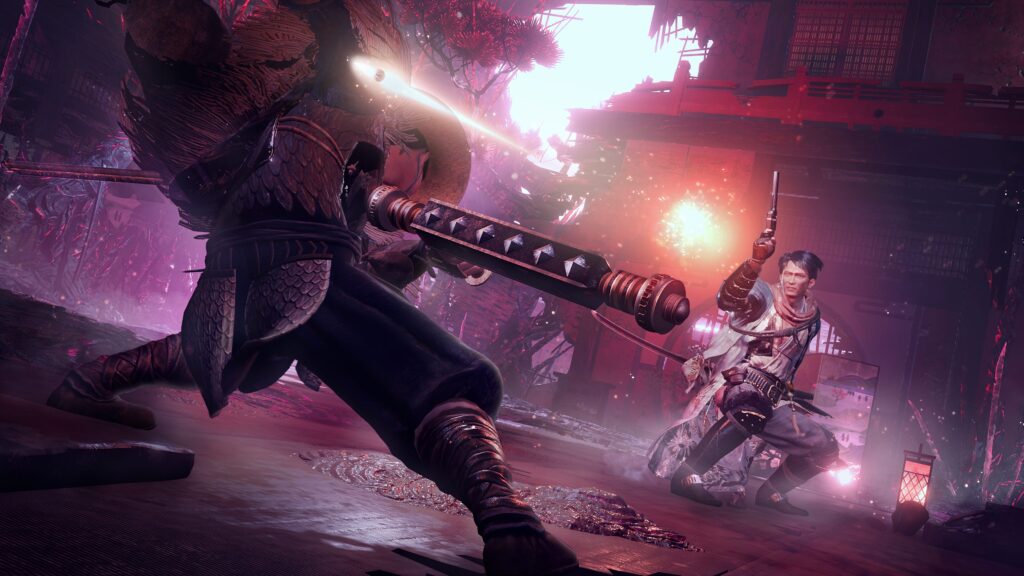
After a fairly long introductory sequence, you’ll discover one of the most exciting new features: the Ninja class. Unlike the Samurai, which focuses on close-quarters combat, the Ninja lets you fight from a distance, using clever techniques and various attacks to defeat enemies.
You can use shurikens, throw bombs to damage groups of enemies (reducing both health and Ki), and cast spells that automatically target opponents. You also have moves to quickly dodge and get behind enemies, letting you deal extra damage. And that’s not all! Investing in the Ninja skill tree unlocks even more ranged attacks, making combat in Nioh 2 much more flexible and giving you more options in battle.
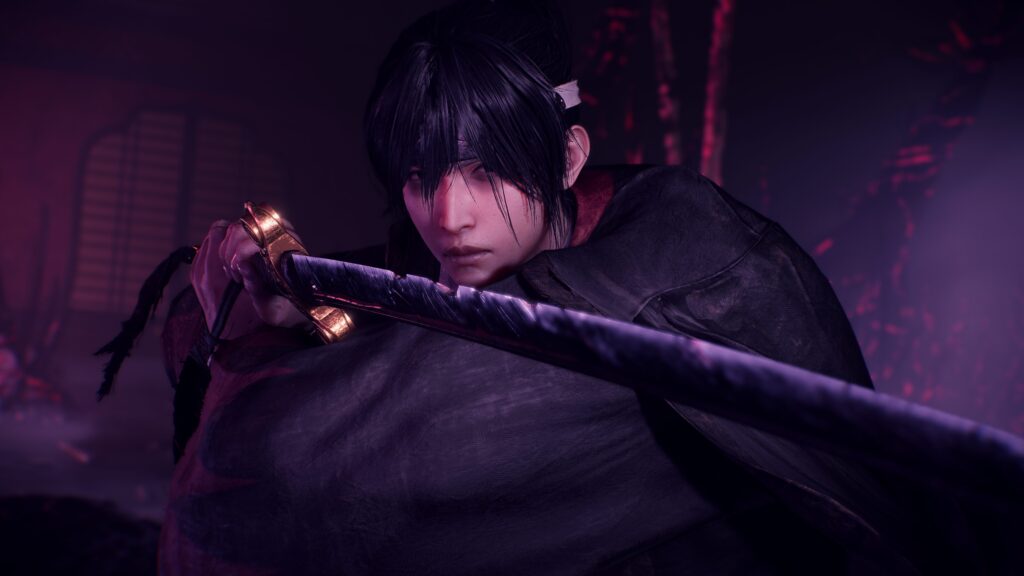
“The parry from Wo Long is an easy unlock, and it immediately changed how I approached fights”
The Samurai tree isn’t limited in its abilities. The parry skill, borrowed from Wo Long, is quickly unlocked and drastically changed how I play combat. You can deflect most attacks except for Burst Attacks. These are large, unblockable moves that require precise timing to counter with a Burst Counter – which is very satisfying once you master it, but takes practice and careful observation of enemy behavior.
Learning to time your parries will be challenging, as the window for success is pretty small and requires a lot of practice. But it’s definitely worth putting in the effort – once you master it, you’ll be able to easily defeat any enemy who dares to attack!
The Samurai style includes the familiar ability to change fighting stances, letting you adapt to different enemies. However, the combat really shines when you start smoothly switching between the Samurai and Ninja styles.
The transition between fighting styles feels incredibly smooth. Being able to equip different weapons for each style let me use fast, dual uchigatanas with my Samurai and a powerful kusarigama for crowd control with my Ninja. Plus, it’s easy to tell which style you’re in thanks to the clear differences in your character’s gear and the helpful changes to the user interface, even during intense fights.
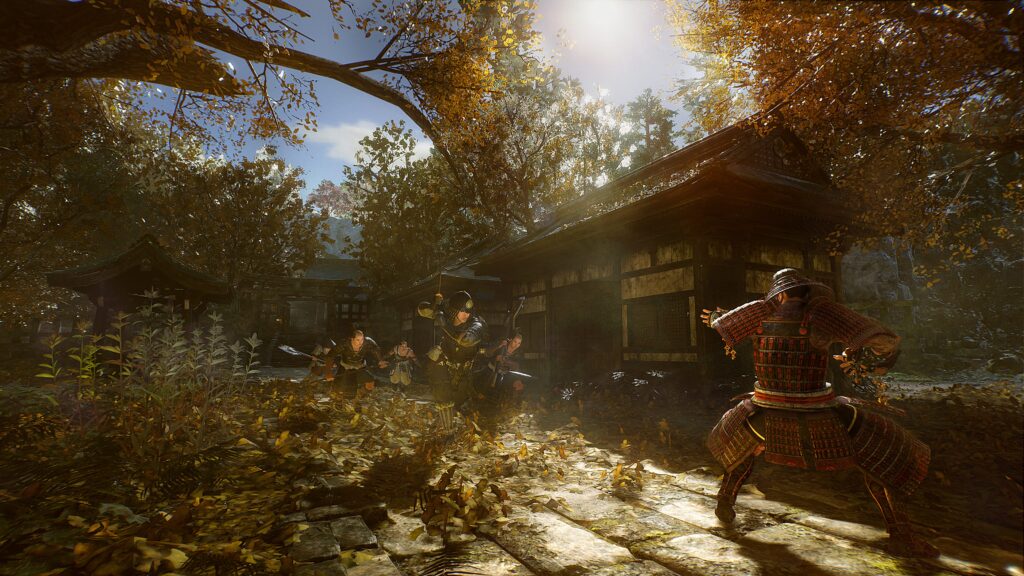
Nioh 3 is a relentlessly challenging game, and you can expect to die and respawn frequently.
Switching between the Samurai’s strong stances and the Ninja’s quick dodging feels natural and fast, thanks to how the game is designed. Enemies frequently use powerful attacks, and learning to counter them by switching styles helps you master both fighting methods and gain an edge in challenging battles.
Don’t underestimate any enemy in Nioh 3 – even seemingly weak ones can be surprisingly challenging. Like other games in the series, it’s a tough game, and you’ll die frequently. Fortunately, the game encourages you to try out different weapons and character builds, and you can freely reassign your stats without penalty. Experimentation and having control over your character are key features that really stand out in Nioh 3.
If you’re like me, you might prefer to choose one weapon and stick with it, and that’s perfectly okay. No matter how you play, Nioh 3‘s challenging, Souls-like gameplay is incredibly fun and addictive – you might even want to clear your calendar before you start! Which leads me to what I enjoyed most about the game.
I’m referring to the new open field design in Nioh 3, a first for the series. Unlike previous games with their straight paths and blocked areas, Nioh 3 features large, connected zones that open up as you play. Exploring these areas is important, as discovering new locations and completing objectives directly benefits your character with various rewards.
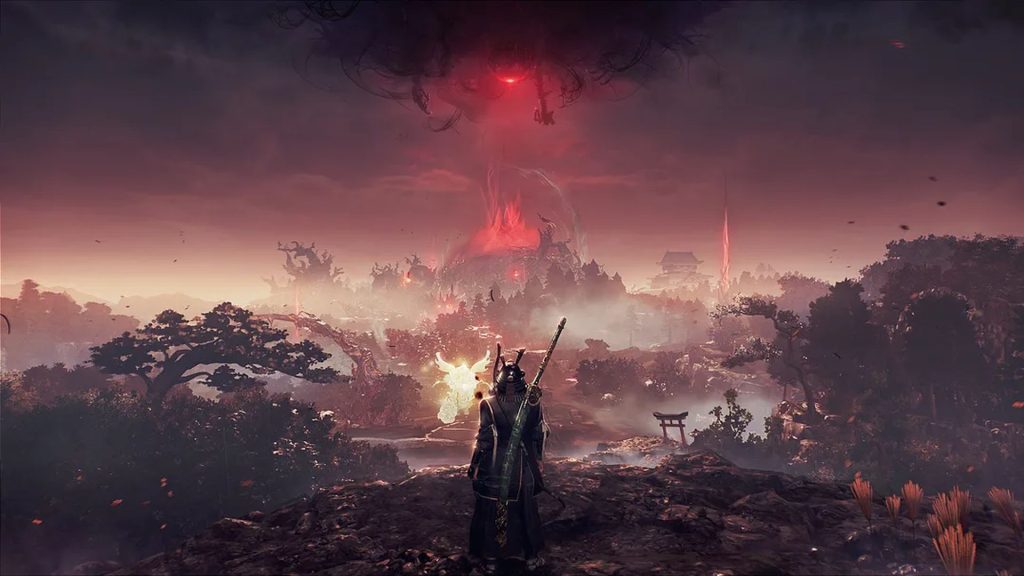
Compared to previous games, Nioh 3 features smaller, more packed levels. This ensures you’re quickly engaged in combat with new enemies or discovering fresh challenges that require immediate action.
The game uses common open-world elements, like clearing out enemy camps to find valuable treasure. It also features smaller challenges similar to the side missions in Nioh 2, where you battle diverse and tougher enemies in tight, often hazardous areas. The collectible Kodama are back, and thankfully, they’re easier to find now because the game shows their locations on the map as you explore.
Unlike some creatures who happily accept affection, the Scampusses make you work for their attention, leading you on a playful chase. Other helpful spirits float in the sky until you shoot them down, rewarding you with valuable items. When you encounter a tough boss, you might need to retreat, explore a bit more, and level up before trying again. This is what makes the open world of Nioh 3 so engaging – there’s always a worthwhile activity nearby, so you never forget your main goal while exploring.
Similar to Elden Ring, this game keeps you constantly engaged. Nioh 3’s map, though smaller, is packed with things to do, so you quickly find yourself facing new enemies or starting new challenges. There’s hardly any quiet time – it’s almost non-stop action, and I really enjoyed that fast pace.
Honestly, getting around in this game is a breeze. They’ve made respawn points also work as fast travel spots, which is awesome. Plus, I unlocked this ‘Gale Sprint’ ability pretty early on, and it’s so fast I haven’t even bothered with a mount yet! I’m just zooming all over the map, it’s a blast.
The map helpfully shows suggested levels for each area, which is a nice feature that makes players more willing to explore zones designed for lower-level characters instead of skipping them.
Okay, so the missions usually go like this: you move through an area, get to the end, and then more of the map opens up. It’s pretty standard for a game, honestly, but what’s cool is the levels aren’t super linear. I could play how I wanted – sneak around enemies, or just rush in and fight. The stealth stuff was easy to use, and I even managed to beat a couple of bosses by just being sneaky!
The game features a number of side missions, which generally involve tasks like collecting items or defeating bosses. These offer a nice break from the main storyline. The character progression is typical for a Nioh game – you’ll level up in various skills and unlock new areas as your character gets stronger.
The map helpfully shows suggested levels for each area, which is a fantastic feature that makes you want to explore everywhere, even challenging zones. Plus, you can unlock lots of helpful bonuses, like making it harder for enemies to spot you while sneaking or increasing your damage in close combat. These features work perfectly with the well-designed levels, encouraging you to explore and creating a satisfying cycle of rewards and improvement.
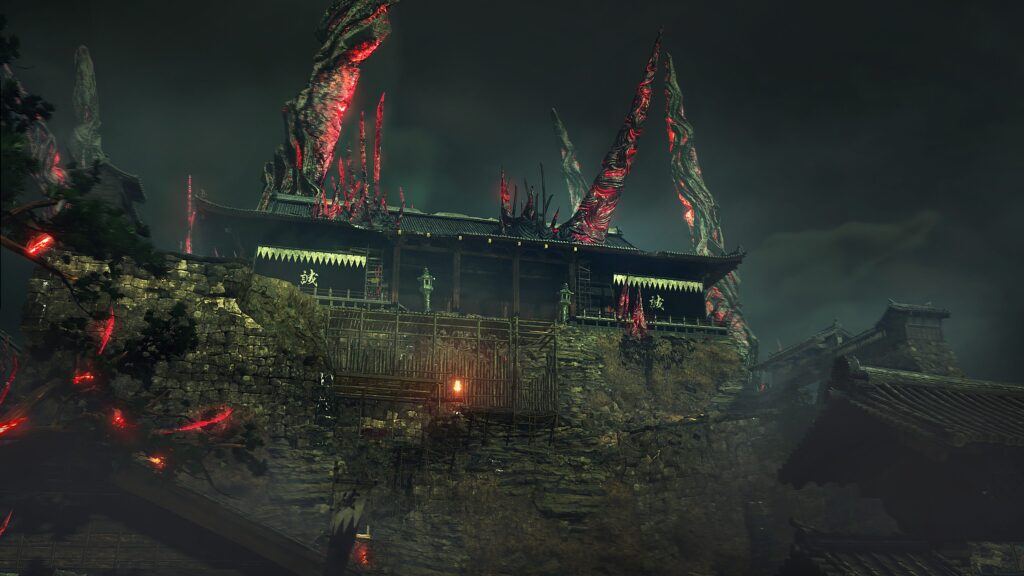
After playing for 30 hours, I’ve been really impressed with the boss battles. Each one is cleverly designed and makes you utilize every ability and item the game offers.
The way Onmyo magic works has been updated! Now, Yokai Cores are the only things needed to cast spells, making the system easier to understand. You’ll place your Cores into your Onmyo Box and choose between Yin or Yang to activate either a spell or a summon. This gives players more flexibility in how they approach battles and challenges, whether it’s exploring the world or facing tough bosses.
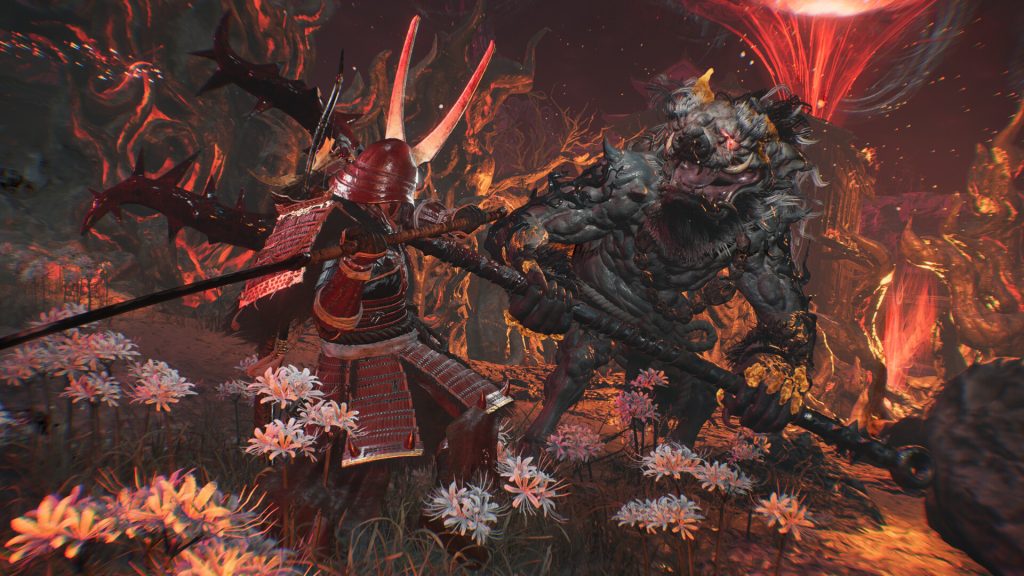
I’ve been playing for about 30 hours now, and honestly, the boss fights are incredible! Each one really makes you think and use everything the game gives you to stay on top. The animations are super smooth and clear, which is great because things move fast. It’s a real test of your reflexes – you’ll need to react quickly over and over until you start to memorize the patterns and feel like you actually have a chance!
The enemy designs in the game strike a perfect balance between those players will recognize from previous titles and completely new creatures that will take some time to master. This thoughtful design and smooth integration make the game feel like the culmination of everything the series has been working towards.
The sound design is particularly well done, effectively signaling different things happening in the game. For example, when I used a special ability with my bow, a clear heartbeat sound let me know it was working. These audio cues made exploring much more immersive. I frequently slowed down from running just to listen for nearby hidden collectibles – they’re a really helpful feature in such a vast world.
The game looks and runs great, building on the already beautiful art style of Nioh 2 with a refined polish. On a standard PS5, it runs incredibly smoothly in Performance mode. While I did notice some minor stuttering during busy cutscenes and in crowded areas, it didn’t impact the actual gameplay. After trying Performance mode, I wouldn’t switch to Quality mode – I found it difficult to adjust to, and even on the more powerful PS5 Pro, I still saw some stuttering.
The sound design is particularly noteworthy, effectively using audio cues to signal different happenings.
Okay, so would I recommend Nioh 3? One hundred percent, yes! If you’re into action RPGs that really make you earn your victories – games that don’t spoon-feed you everything – this is it. But be warned, it’s a tough one! It’s the kind of game you might want to play in smaller doses, maybe a couple of missions at a time. At first, the map and everything can feel super overwhelming, but once you get the hang of it and find your own style, it’s incredibly rewarding. You really have to chip away at it, but it’s so worth it!
This game was reviewed on PlayStation 5.
Read More
- GBP CNY PREDICTION
- Elon Musk’s Mom Maye Musk Shares Her Parenting Philosophy
- Forza Horizon 6 Car List So Far: Confirmed Highlights, Cover Cars, DLC, and Rewards
- 10 Greatest Manga Endings of All Time
- Elon Musk’s Ex Ashley St. Clair Reveals When Romance Became “Weird”
- 38 Years Later, Murder, She Wrote’s Most Overlooked Episode Still Pulls Off TV’s Greatest Crossover
- Mark Zuckerberg & Wife Priscilla Chan Make Surprise Debut at Met Gala
- Hollow Knight: Silksong Guide – All 30 Lost Flea Locations
- 20 K-Dramas That Nailed the Perfect Ending
- 10 Best Free Games on Steam in 2026, Ranked
2026-02-04 17:29