Gryffindor is known throughout the wizarding world for being honorable, brave, and morally strong. However, this focus on boldness often overlooks the potential consequences of acting without thinking. What Gryffindor calls ‘bravery’ frequently means jumping into dangerous situations without considering the risks or taking responsibility for the outcome.
The atmosphere in Gryffindor house strongly emphasizes bravery and bold action, overshadowing quieter strengths and self-reflection. This focus doesn’t quite fit with a school like Hogwarts, which should appreciate all kinds of personalities.
5. The Sorting Hat’s On-Screen Favoritism
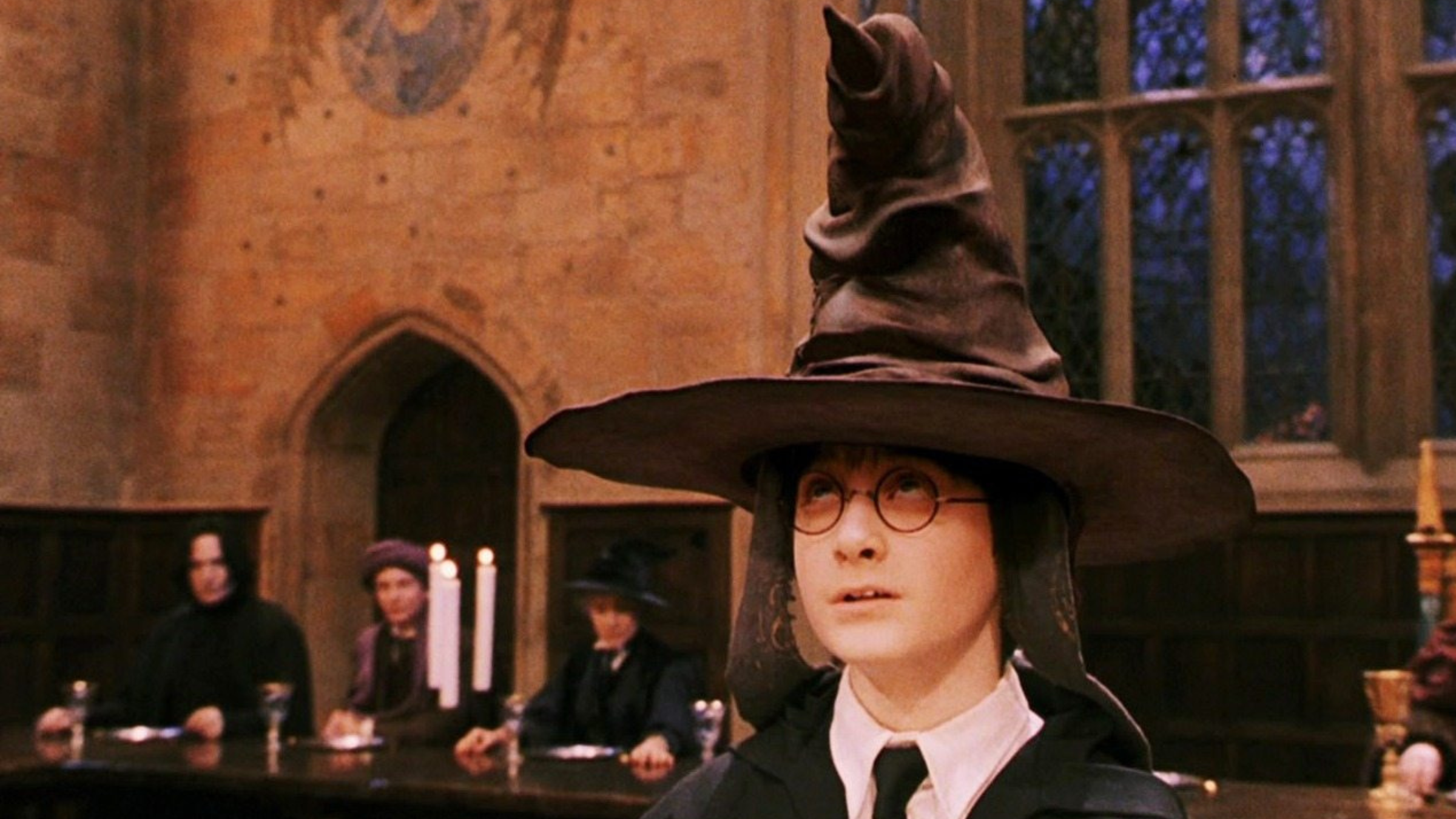
Throughout the Harry Potter movies, the Sorting Hat often seems to put students in houses that best fit the plot, rather than reflecting their true personalities. For example, even though Harry shows qualities of Slytherin, the Hat quickly decides Gryffindor is a better fit, prioritizing the story’s needs over his individual traits. We see something similar with Hermione, who is clearly brilliant and would fit well in Ravenclaw, but is placed in Gryffindor mostly because of her connection with Harry and Ron. The films don’t really explain these choices beyond ensuring the main characters end up where the story needs them to be.
4. The Perpetual Gryffindor-Slytherin Feud
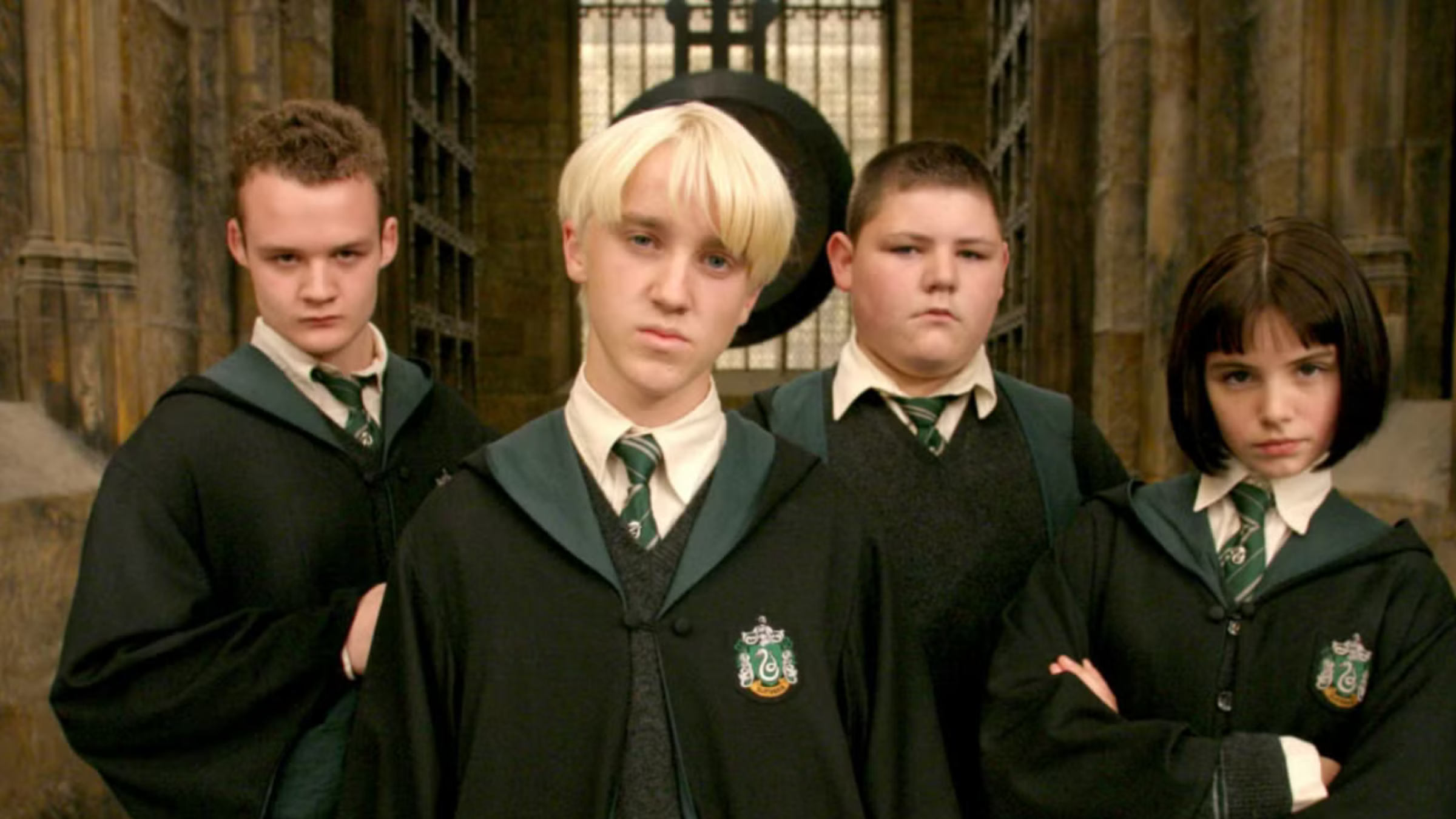
The conflict between Gryffindor and Slytherin in the films never really develops beyond a simple good-versus-evil dynamic, even as the story gets more serious. From Quidditch to dueling, it’s always portrayed as Gryffindor being the ‘good’ house and Slytherin being the ‘bad’ house. The films don’t show how this rivalry harms the school environment, and even in the final movie, they miss a chance to show students from both houses working together. Slytherin students are largely ignored or sidelined, while Gryffindors are presented as the heroes. This constant portrayal of Gryffindor as purely good and Slytherin as completely evil doesn’t allow for any moral gray areas or deeper thinking for the audience.
3. The Cinematic Hero Worship
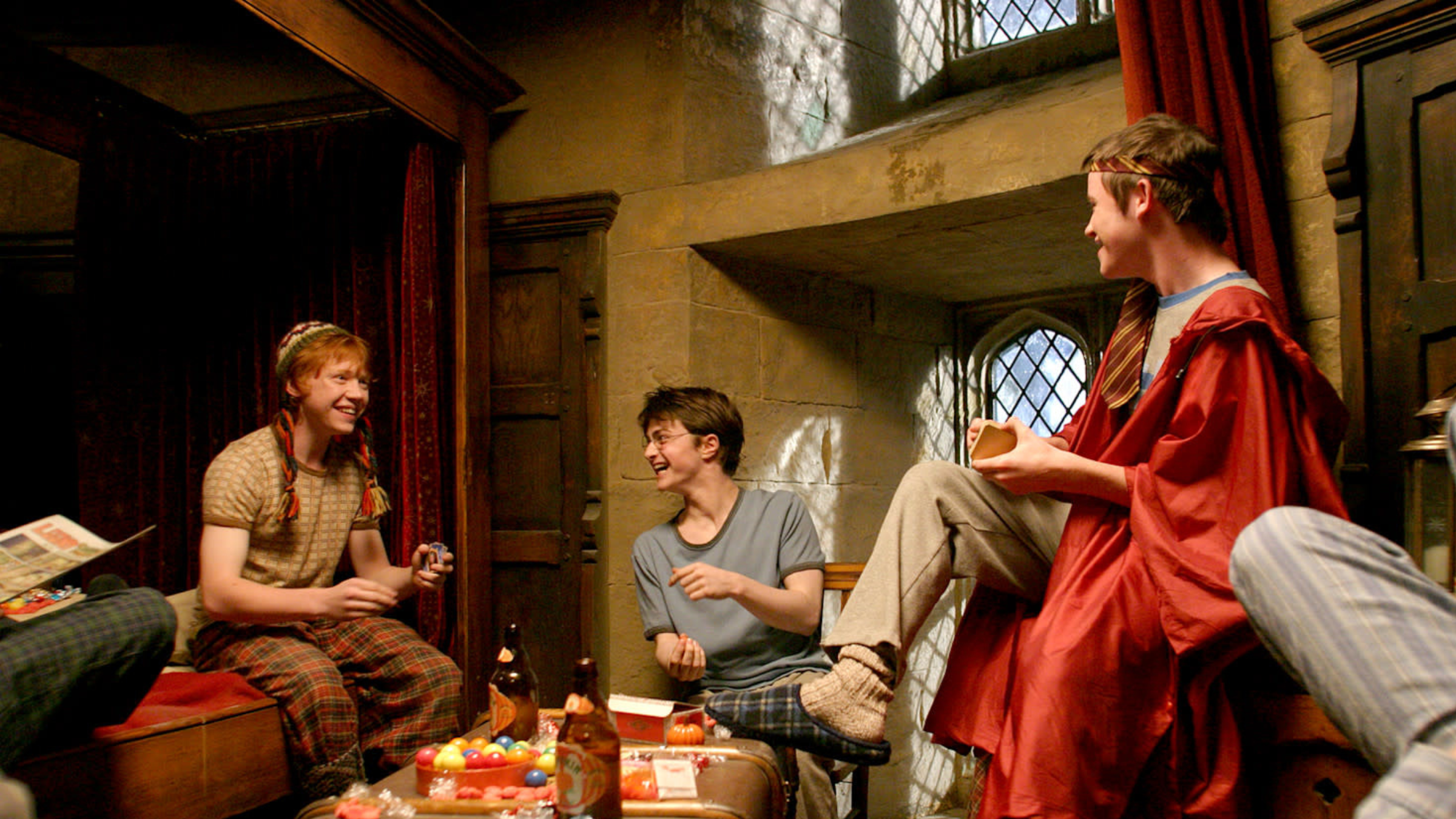
Filmmakers clearly favor Gryffindor, consistently highlighting their successes throughout the Harry Potter series. Whether it’s winning the House Cup or receiving praise from Dumbledore, the films consistently portray Gryffindor in a positive light – almost literally bathed in gold. The scene where Gryffindor wins the House Cup in the first film feels like a grand celebration, complete with dramatic music and visuals. This feels less like a genuine victory and more like the filmmakers intentionally showcasing their preference for the house.
The later books don’t really fix these issues. Characters from Slytherin, Ravenclaw, and Hufflepuff aren’t usually developed fully unless their stories connect to Harry and his friends. People like Luna, Cedric, and Cho mostly serve to highlight what’s happening with the Gryffindor characters. Even when students from other houses help save Hogwarts, the story always focuses on Harry and his Gryffindor teammates.
2. The Double Standard in Discipline
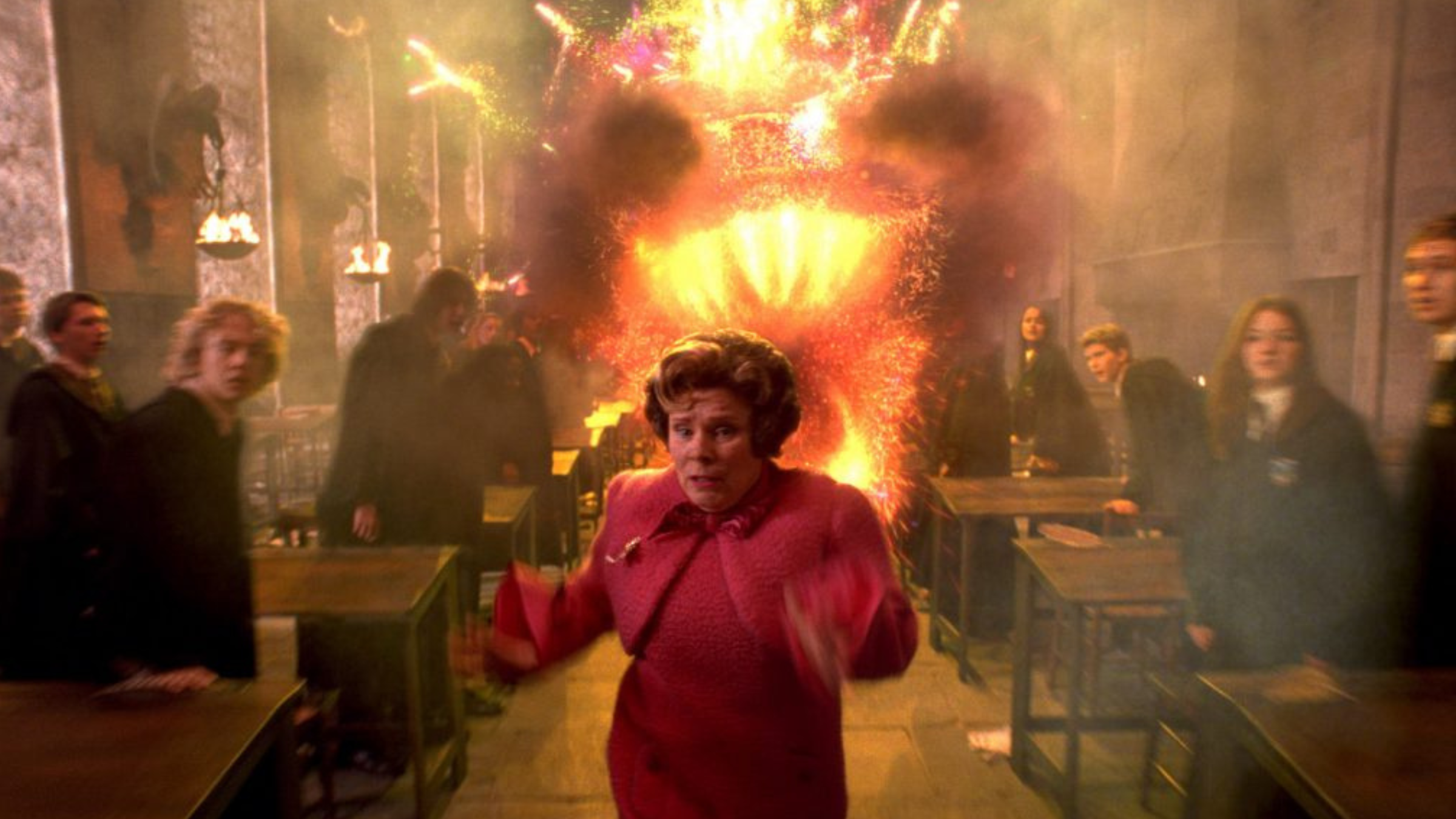
In the Harry Potter books, Gryffindor students frequently break the rules without facing serious consequences. Harry and his friends are often sneaking around, sometimes even attacking teachers like Professor Snape, and their actions often put the school at risk – yet they’re usually rewarded with points or compliments. This is especially noticeable when compared to Slytherin students, who seem to get punished simply for appearing arrogant, which feels unfair and illogical.
This double standard makes Hogwarts seem flawed and unfair, not just quirky. While the school claims to value fairness, the Headmaster repeatedly overlooks rule-breaking by Gryffindor students, justifying it with good intentions. This creates a major inconsistency in the story: Hogwarts often rewards results it approves of, even when those results are achieved through unacceptable means. Essentially, being brave is used as a reason to excuse poor behavior.
1. The Shallow Definition of Bravery
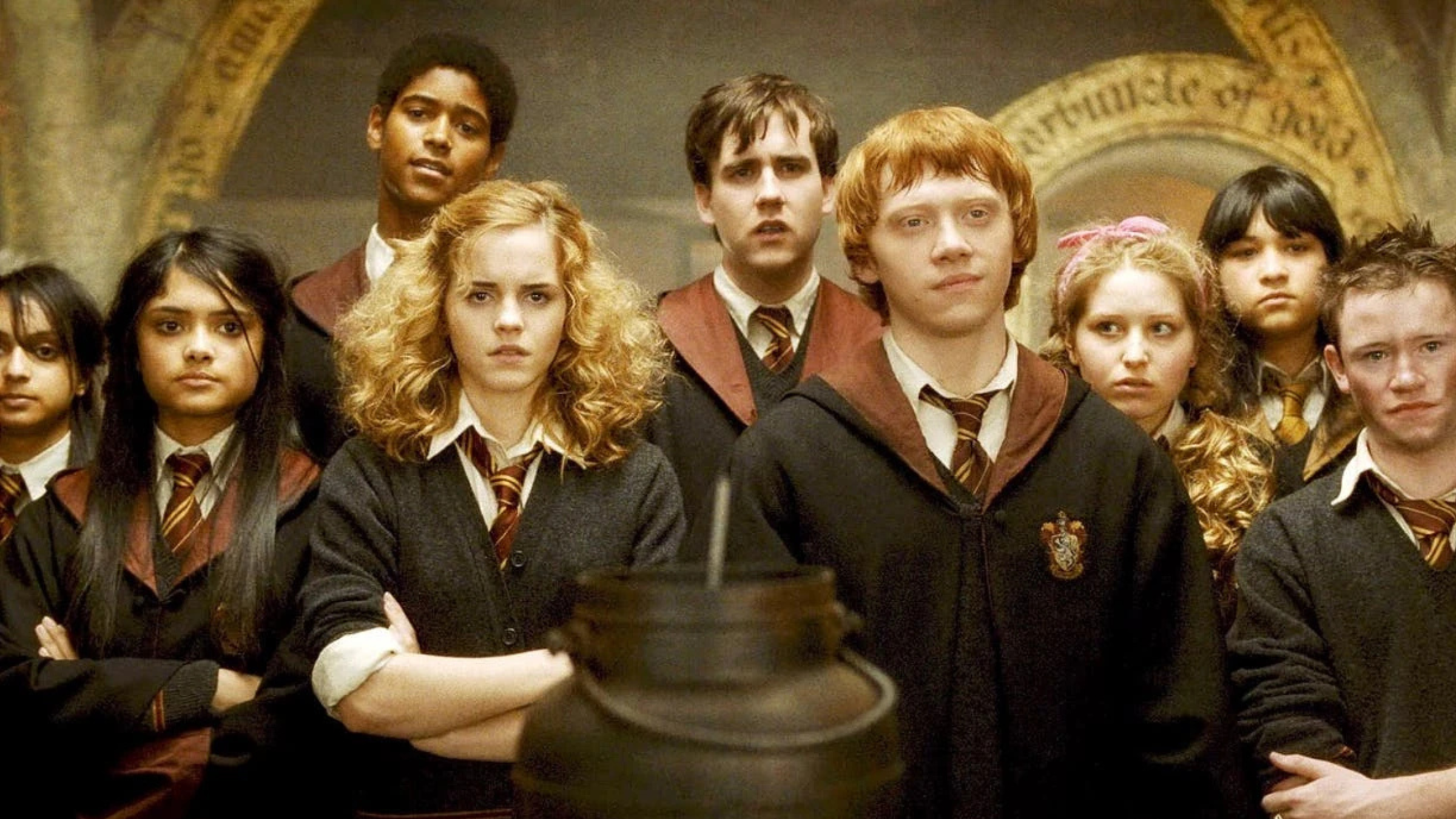
Gryffindor is supposed to value courage, but the movies mostly show it as being loud and dramatic – like fighting Death Eaters or rushing into dangerous situations. The films don’t really focus on quieter forms of bravery, such as showing self-control or kindness. This narrow focus makes Gryffindor’s core value seem shallow. If being brave simply means facing danger and living through it, then the house loses its complexity and becomes quite simple in its portrayal.
Honestly, by the time we get to the last movie, Neville’s triumphant moment really felt earned – he was truly brave, putting others before himself. But it’s a little frustrating because for seven films, the series seemed to tell us that being brave meant being reckless, and it took a long time to get to this kind of selfless heroism.
What do you think? Leave a comment below and join the conversation now in the ComicBook Forum!
https://comicbook.com/movies/list/7-actors-you-forgot-were-in-harry-potter-movies/embed/#
Read More
- Best Controller Settings for ARC Raiders
- FRONT MISSION 3: Remake coming to PS5, Xbox Series, PS4, Xbox One, and PC on January 30, 2026
- Mark Zuckerberg & Wife Priscilla Chan Make Surprise Debut at Met Gala
- Meet the cast of Good Omens season 3: All the actors and characters
- Review: Final Fantasy Tactics: The Ivalice Chronicles (PS5) – Still the Benchmark for Turn-Based Tactics
- Nippon Sangoku Is The Best New Post-Apocalyptic Anime of Spring 2026
- 7 Great Marvel Villains Who Are Currently Dead
- Welcome to Demon School! Iruma-kun season 4 release schedule: When are new episodes on Crunchyroll?
- Wistoria: Wand and Sword Season 2 release schedule: When are new episodes out?
- The Boys Season 5 Officially Ends An Era For Jensen Ackles’ Soldier Boy
2026-02-04 17:32