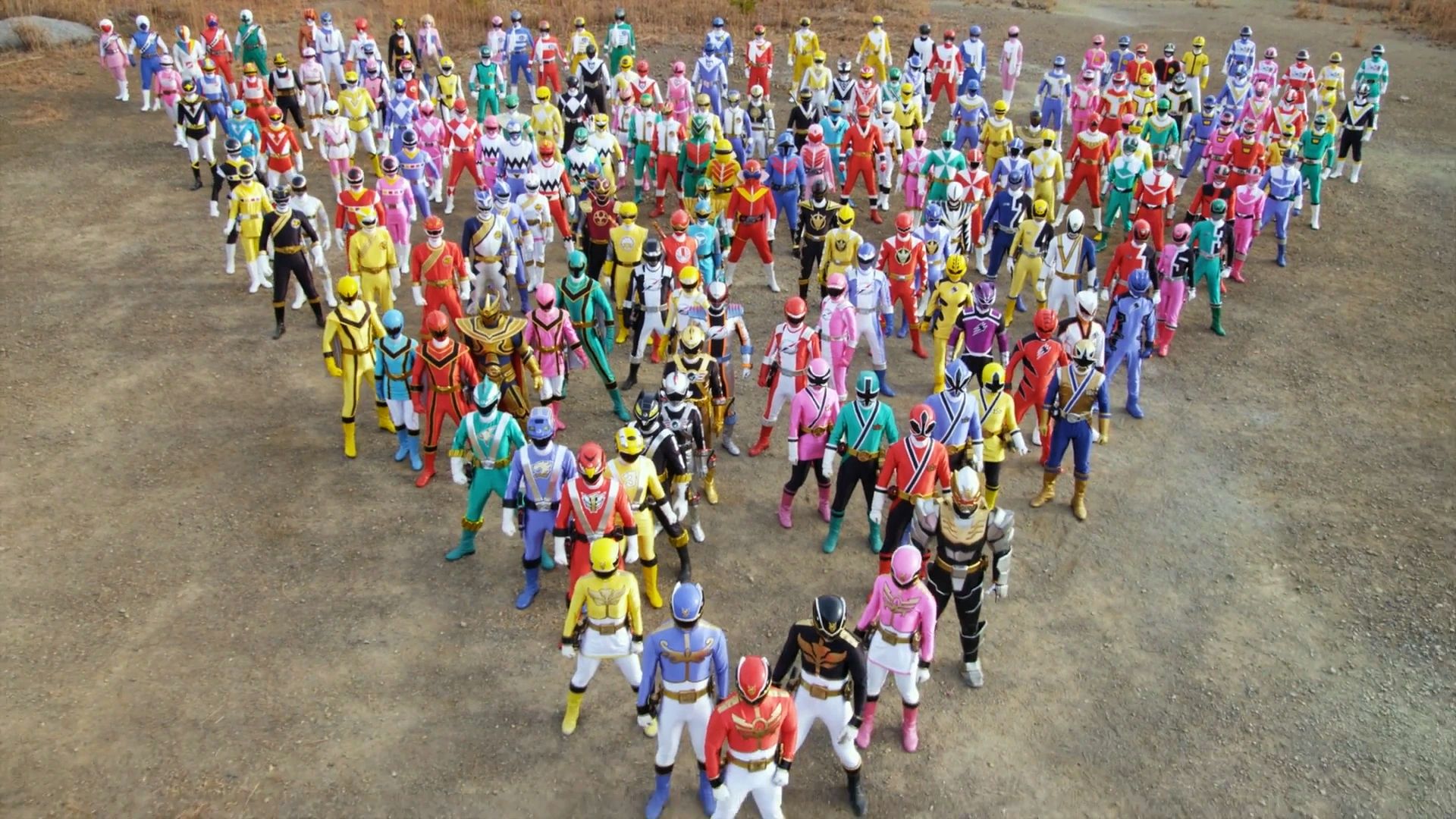
For over thirty years, Power Rangers has consistently evolved, changing its style, actors, and storylines with each new season. The quality has varied greatly – some seasons were quickly forgotten, while others became fan favorites. Power Rangers Time Force remains one of the most successful and memorable revivals, and still stands out as a high point for the series.
Following the space adventures of Lost Galaxy and the more realistic action of Lightspeed Rescue, Time Force arrived as the Power Rangers franchise fully committed to science fiction. The show traded simple, standalone monster battles for complex themes like time travel, troubled future worlds, and characters facing difficult choices. This made Time Force feel grander, more modern, and more daring, venturing into surprisingly emotional storylines.
Even after over 20 years, Power Rangers Time Force is still a fan favorite. It stood out for being more serious and tackling complex themes like prejudice, destiny, and sacrifice, while still respecting its young viewers – something few other Power Rangers seasons did. This bold approach is why Time Force feels as fresh today as it did when it first aired, and many consider it to have improved with time.
Power Rangers Time Force Premiered 20 Years Ago
The Season Arrived As A Bold And More Mature Turning Point For The Franchise
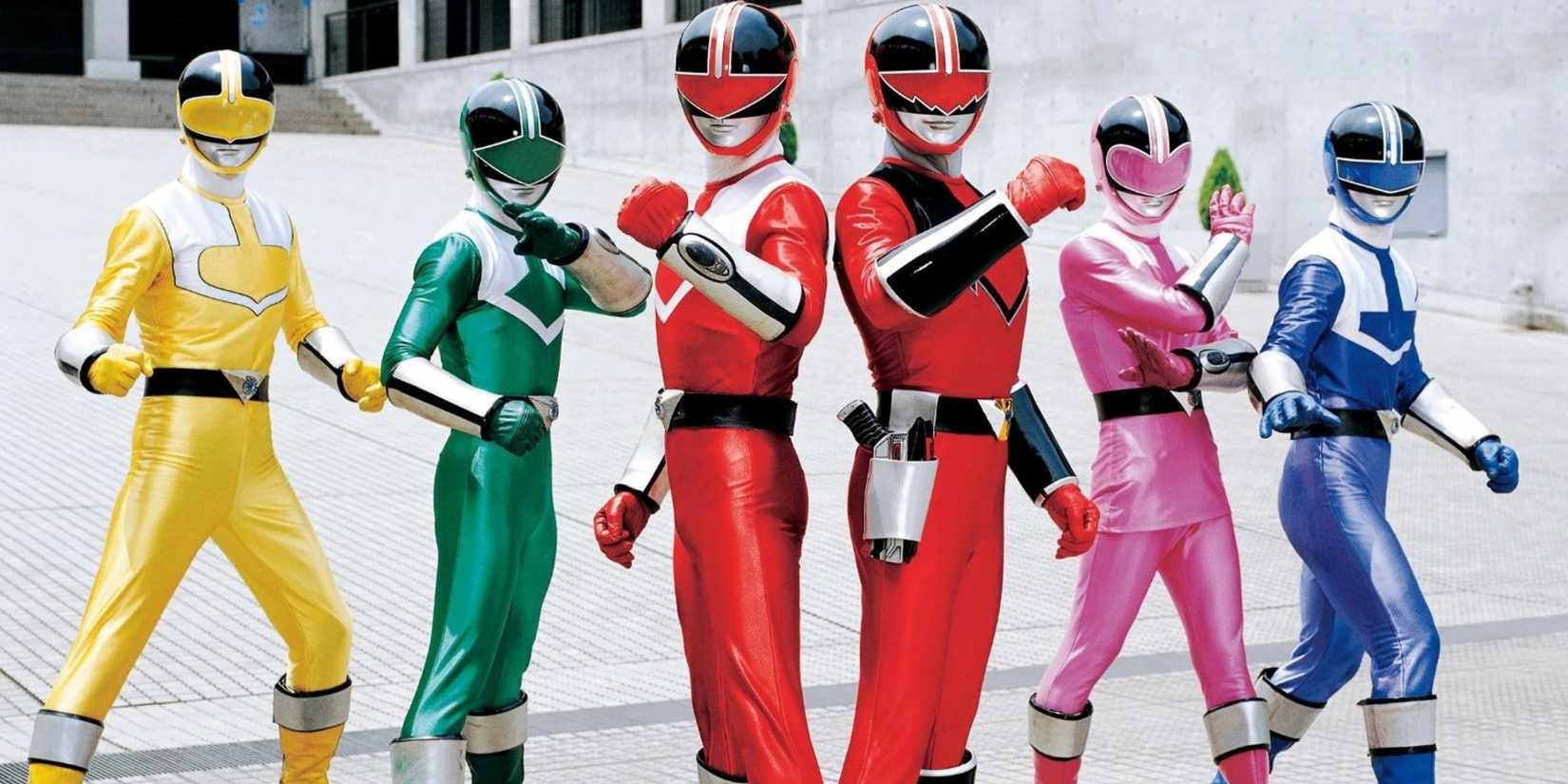
When Power Rangers Time Force first aired in 2001, it stood out from previous seasons. The very first episode, “Force From the Future,” began in the year 3000 with the capture of the villain Ransik (played by Vernon Wells), but quickly took a dramatic turn when the Red Ranger, Alex (Jason Faunt), appeared to be killed. This immediately showed viewers that the show wasn’t afraid to take risks and had genuine consequences.
The more serious feel of Time Force was intentional. While Power Rangers had been moving towards longer, connected storylines, Time Force really embraced that approach. The plot explored tough themes like death, corruption within the system, and moral complexities. It wasn’t just about the Rangers winning; it delved into questions of what true justice looks like when the system itself is flawed.
The way the team interacted with each other highlighted the change in the show. Jen Scotts (Erin Cahill) became the heart of the group, going beyond simply being the Pink Ranger. Lucas Kendall (Michael Copon), Katie Walker (Deborah Estelle Phillips), and Trip Regis (Kevin Kleinberg) all felt more mature and responsible compared to previous teen heroes.
Bringing Power Rangers from the future to the year 2001, and teaming them up with Wes Collins (played by Jason Faunt), set up a fun and tense situation as they adjusted to a new time. Unlike previous teams, the Rangers from Time Force weren’t ordinary students or people living secret lives – they were highly trained officers with a specific mission.
Compared to other seasons, Time Force immediately felt different. It was clearly designed to show that Power Rangers could be more complex and mature while still staying true to what fans loved.
How Time Force Took Power Rangers To The Next Level
Strong Characters And Real Stakes Elevated The Show Beyond Typical Ranger Adventures
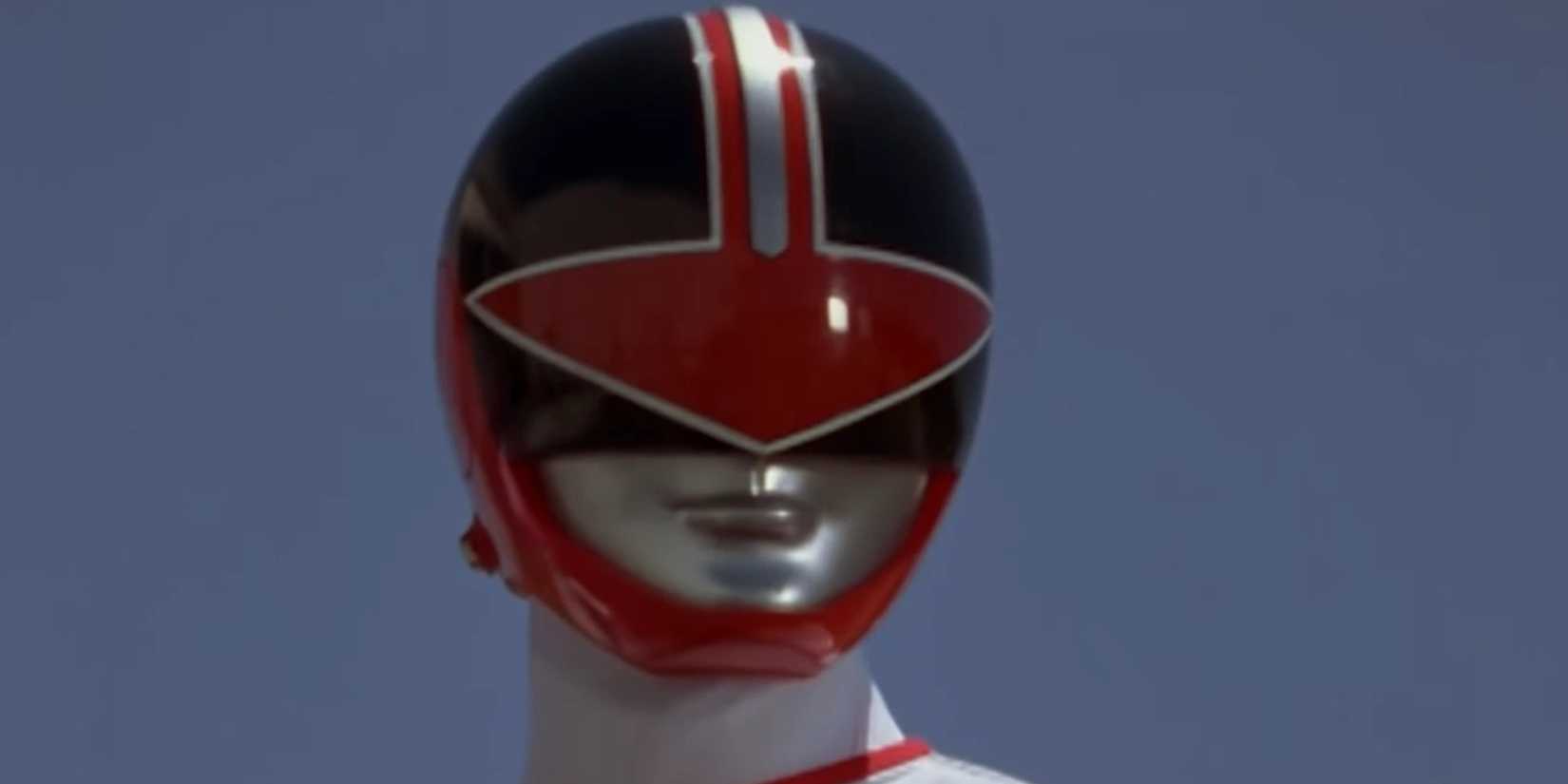
What makes Time Force stand out from most Power Rangers seasons is how well-developed its characters are. The Rangers aren’t just known for one personality trait or a quick line—they feel like real people dealing with hardship and duty. Jen, especially, is a particularly strong leader, and her struggles with sadness, leadership, and empathy feel genuine and impactful.
The conflict in Time Force was significantly driven by the complex rivalry with Ransik. Unlike typical villains, Ransik wasn’t simply evil; he was a layered character whose hatred of humans came from past discrimination and trauma. This made him relatable, even while acting as a monster – a level of depth rarely seen in children’s TV, and especially unusual for early Power Rangers antagonists.
What I always loved about Power Rangers Time Force was how they didn’t skimp on character development, even with the supporting Rangers. Take Eric, the Quantum Ranger – he wasn’t just the ‘cool sixth Ranger’ thrown in for extra action. He was a really complex guy – ambitious, a little resentful, and not always making the right choices. The tension and drama that came from his complicated relationship with Wes were some of the best parts of the whole series, honestly.
Beyond the compelling story, Time Force also excelled in its action sequences and visual design. The show’s futuristic style—from the streamlined Megazord designs to the sleek costumes and police theme—still looks fresh today. Importantly, the battles weren’t just exciting to watch; they felt meaningful and impactful because of the emotional connections between the characters.
Time Force showed that Power Rangers could evolve with its viewers by tackling more complex storylines while still maintaining the series’ signature fun. It wasn’t about changing what fans loved, but rather enriching it with greater nuance.
Time Force Learned Well From Its Predecessors
The Series Continued The Franchise’s Move Away From The Angel Grove Formula
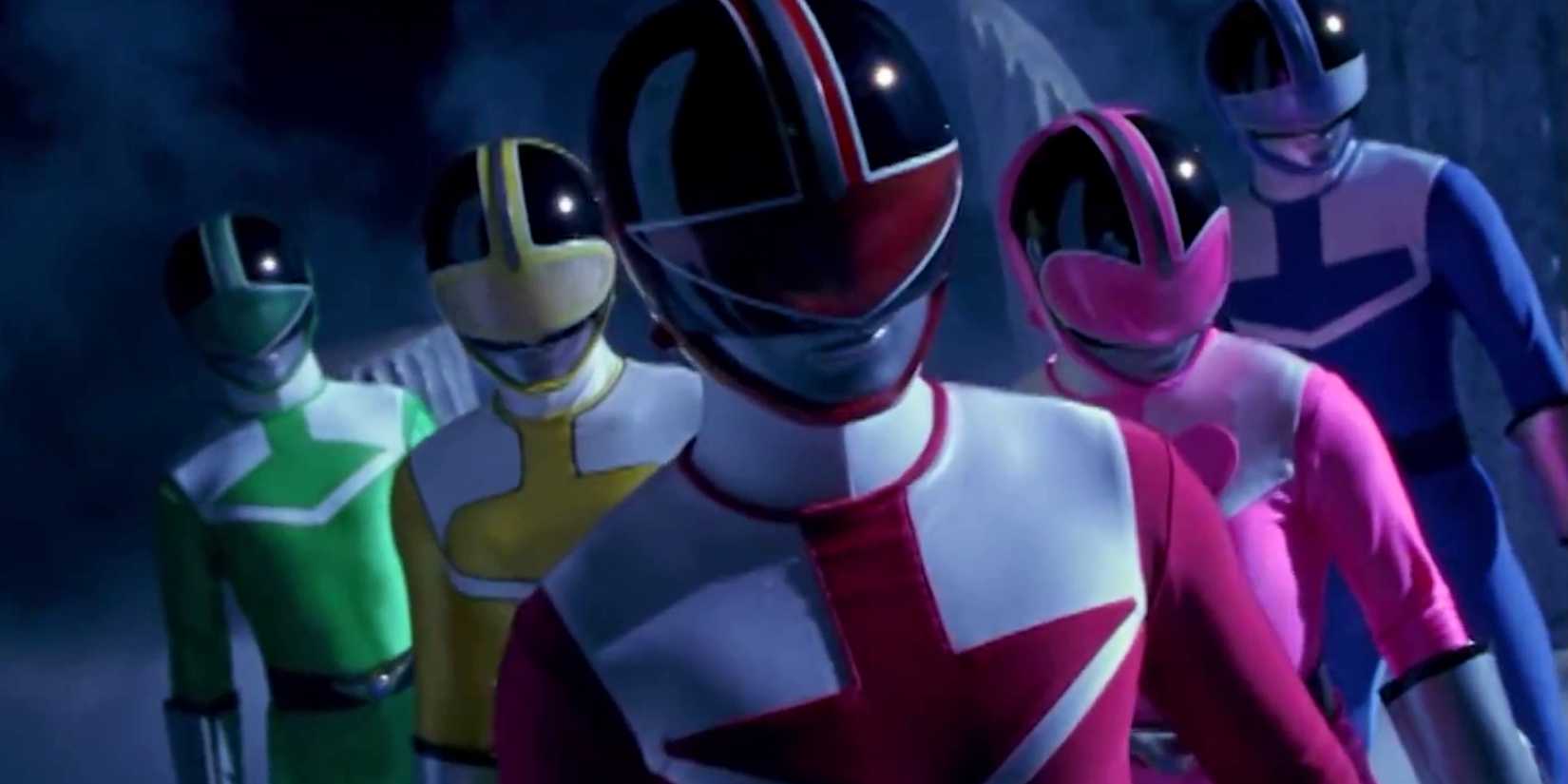
Even before the Time Force season, Power Rangers shows like In Space, Lost Galaxy, and Lightspeed Rescue were moving away from the original format of Angel Grove. The focus shifted from high school students balancing schoolwork and superhero duties to adult characters like astronauts, colonists, and rescue workers. These Rangers became dedicated professionals with specific goals, rather than just teenagers fighting crime in their spare time.
Power Rangers Time Force really leaned into the idea of Rangers as trained protectors. Unlike some other seasons, the Time Force Rangers weren’t just ordinary people who accidentally gained powers. They were cadets specifically trained to safeguard the timeline, and their base, gear, and leadership made them feel like a professional team, not a random group of heroes.
This method automatically raised the tension. When the Power Rangers failed, villains weren’t just free to cause trouble – they vanished into the past. Losing a fight against the weekly monster wasn’t just a local problem for Angel Grove; it put the entire future at risk. The story managed to feel epic in scale while still keeping the focus on the characters and their struggles.
As a big Power Rangers fan, one thing I really appreciated about Time Force was how it continued the trend of longer, connected storylines we’d seen in the previous seasons. It wasn’t just a new adventure every week; the characters developed, problems didn’t magically disappear, and things that happened early on actually mattered later. It felt like the story was genuinely building towards something, which was a huge step up and kept me totally hooked!
Despite a slightly different approach, Time Force kept the hopeful spirit that defined Power Rangers. The series still emphasized the importance of friendship, working together, and selflessness in achieving success. It just presented these themes through Rangers who were a bit older and more experienced. By building on the lessons of past seasons and improving upon them, Time Force felt like a fitting conclusion to a particularly dramatic period in the show’s history.
Whatever Happened To The Time Force Rangers?
The Team Returned To The Future While Wes And Eric Carried On The Fight In The Present
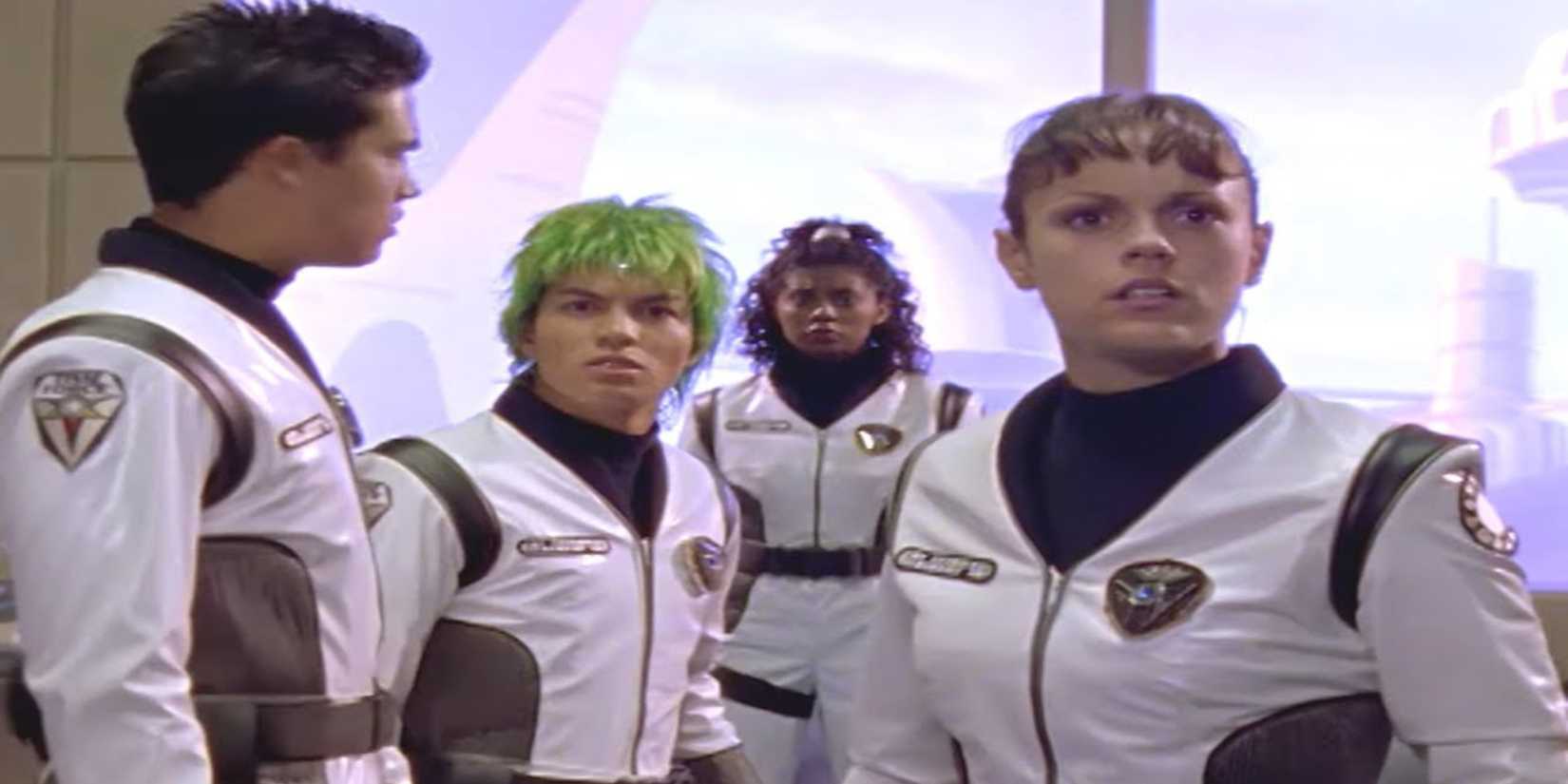
The final episode of Power Rangers Time Force, titled “The End of Time,” is remembered as one of the most heartfelt endings in the series. After the Rangers defeated Ransik and helped him deal with his history, the timeline was restored. Having finished their mission, they received orders to return to the year 3000.
Jen, Lucas, Katie, and Trip said farewell to Wes, the Red Ranger, and traveled back to their own time, leaving him in the year 2001. The ending was sad but fitting, highlighting the season’s main idea: doing what’s right isn’t always easy, and sometimes you have to sacrifice your own happiness.
Wes decided to focus on the present and teamed up with Eric. Together, they transformed the Silver Guardians into a real, working defense force. Instead of policing time, they dedicated themselves to protecting their own time period.
I always admired Jen and Wes’s relationship on Power Rangers. It wasn’t some instant connection, but something truly special that lasted despite the incredible distance and all the challenges they faced. They really worked at it, making sacrifices and going through periods of being apart, and that’s what made it so believable and touching to me.
The team came back together for special episodes in later seasons, like “Forever Red” during Wild Force. Wes also appeared in anniversary episodes such as Super Megaforce‘s “Legendary Battle” and Super Ninja Steel‘s “Dimensions in Danger,” showing how important he continued to be to the Power Rangers story.
Even though their season finished, the Time Force Rangers remained a presence in the Power Rangers universe. They continued to reappear, demonstrating the lasting impact of their story.
Read More
- What Song Is In The New Supergirl Trailer (& What It Means For The DC Movie)
- Welcome to Demon School! Iruma-kun season 4 release schedule: When are new episodes on Crunchyroll?
- Why is Tech Jacket gender-swapped in Invincible season 4 and who voices her?
- Sydney Sweeney’s The Housemaid 2 Sets Streaming Release Date
- TV legend Carol Kirkwood reveals the reasons why she decided to retire after 28 years with BBC
- The Super Mario Galaxy Movie: 50 Easter Eggs, References & Major Cameos Explained
- Dune 3 Gets the Huge Update Fans Have Been Waiting For
- Highly Anticipated Strategy RPG Finally Sets Release Date (And It’s Soon)
- Crimson Desert – 15 Things I Wish I Knew Before Diving In
- New Pokemon Go Event Gives Players A Shot At 11 Rare Shiny Pokemon (With Boosted Odds)
2026-02-04 22:11