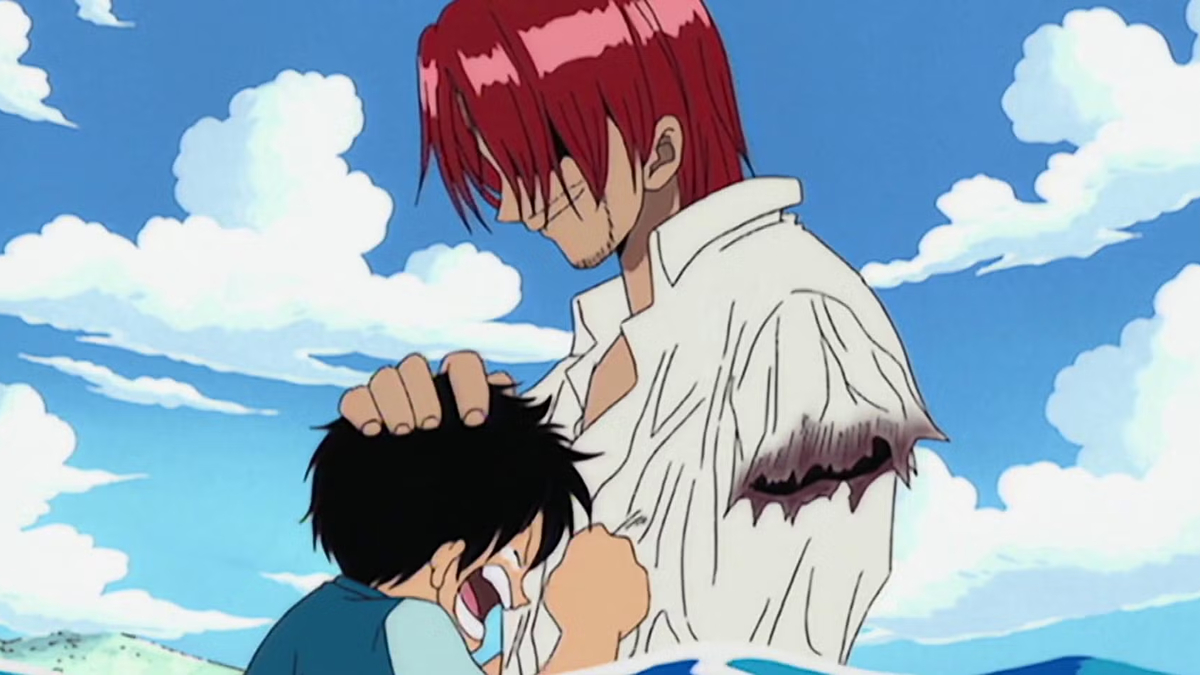
Generally, the One Piece manga is a more direct and impactful experience of the story. This is mainly because the author, Eiichiro Oda, has complete control over how the story unfolds and when jokes land. While the anime can be amazing at its best, it’s limited by the demands of weekly production. To avoid rushing ahead of the manga, the anime sometimes drags out scenes, repeats character responses, and adds unnecessary delays, turning fast-paced chapters into slower, less effective episodes.
This manga excels at timing – jokes land quickly, horror moments are truly shocking, and even sadness is portrayed with subtlety. This precise control is why many readers who first experienced the story in manga form feel it’s more intelligent and impactful in print. It’s not that the anime adaptation is bad, but rather that the manga presents the story with a clearer vision and fewer changes to the original intent.
7. Marineford’s Emotional Pacing
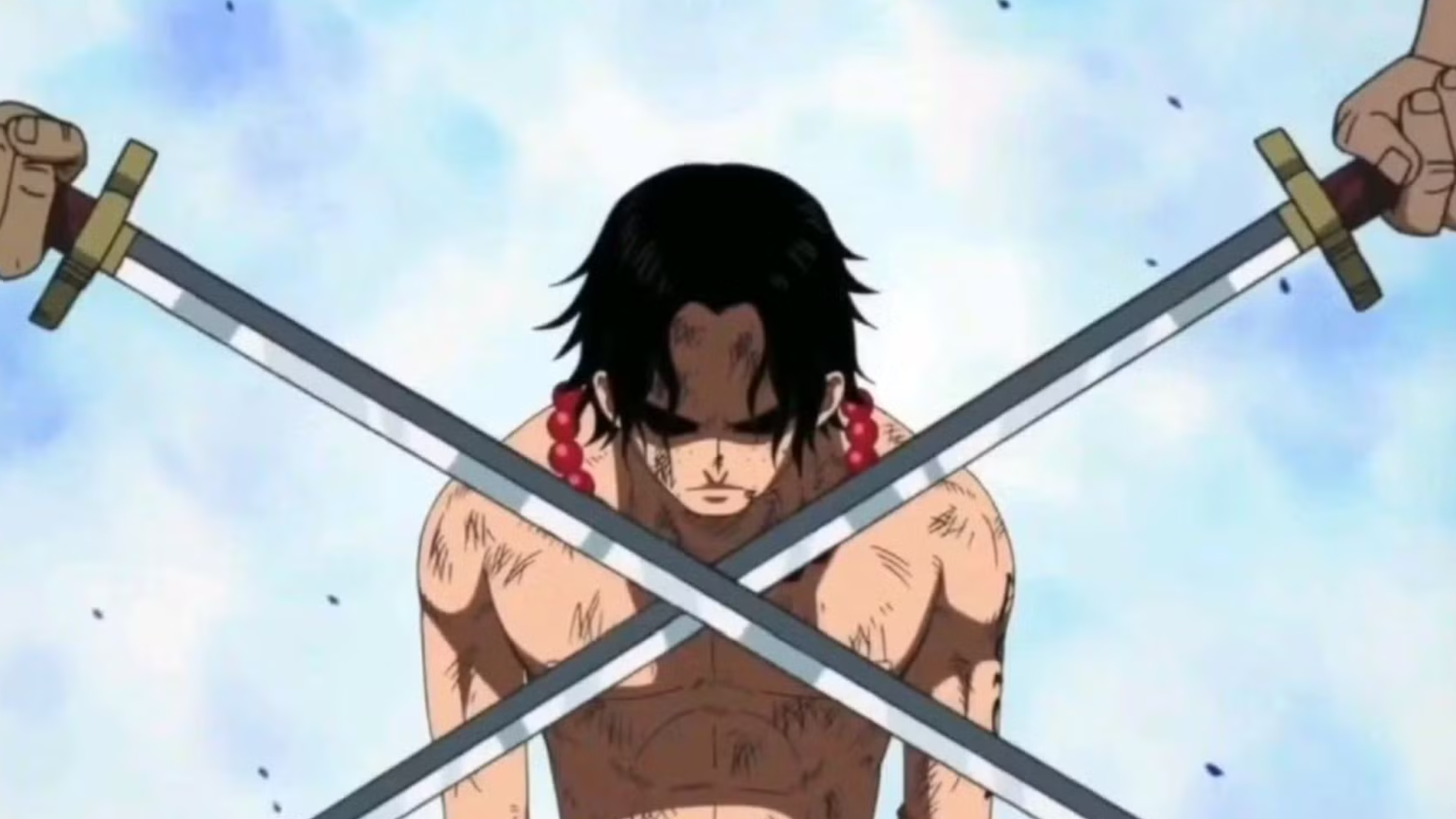
The Marineford War is incredibly fast-paced in the manga, and Oda uses dynamic panel layouts to show the intense, chaotic fighting. The anime, though visually impressive, tends to slow things down with long reaction shots and extra dialogue from the crowd. This slows the momentum and lessens the tension. Because the manga’s timing is tighter, the emotional impact of key moments is much stronger and more immediate, creating a more powerful and controlled emotional experience.
6. The Enies Lobby Declaration
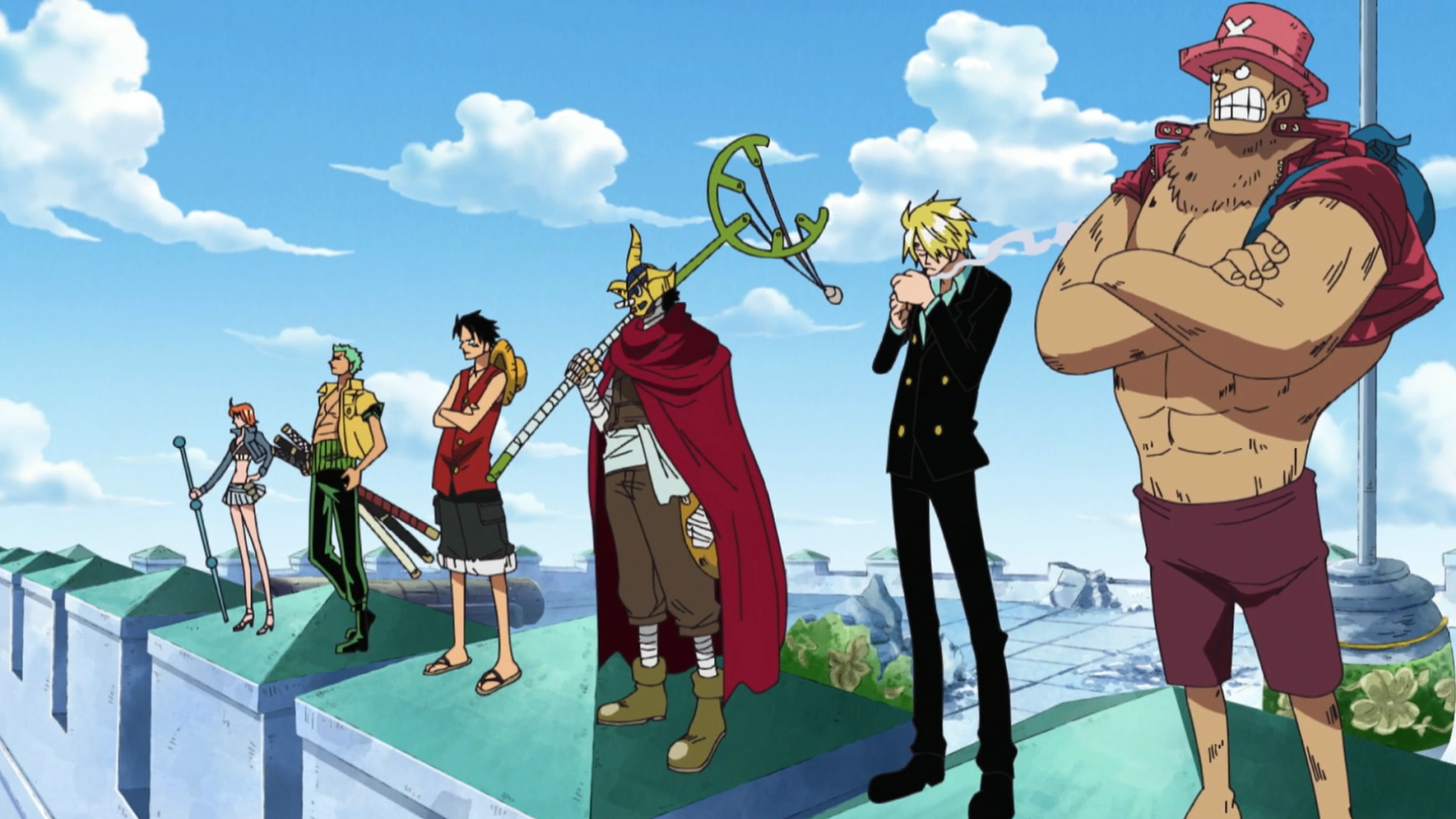
In the manga, Luffy’s order to destroy the World Government flag at Enies Lobby is incredibly powerful. The artist, Oda, uses simple, effective panels to make the scene feel both epic and deeply meaningful. While the anime version has impressive music and a large scale, it doesn’t have the same impact due to its rushed pacing and frequent cuts. The anime interrupts the tension too often. In the manga, the quiet moments between panels actually make Luffy’s command feel even more forceful than any music could.
5. The Death of Going Merry
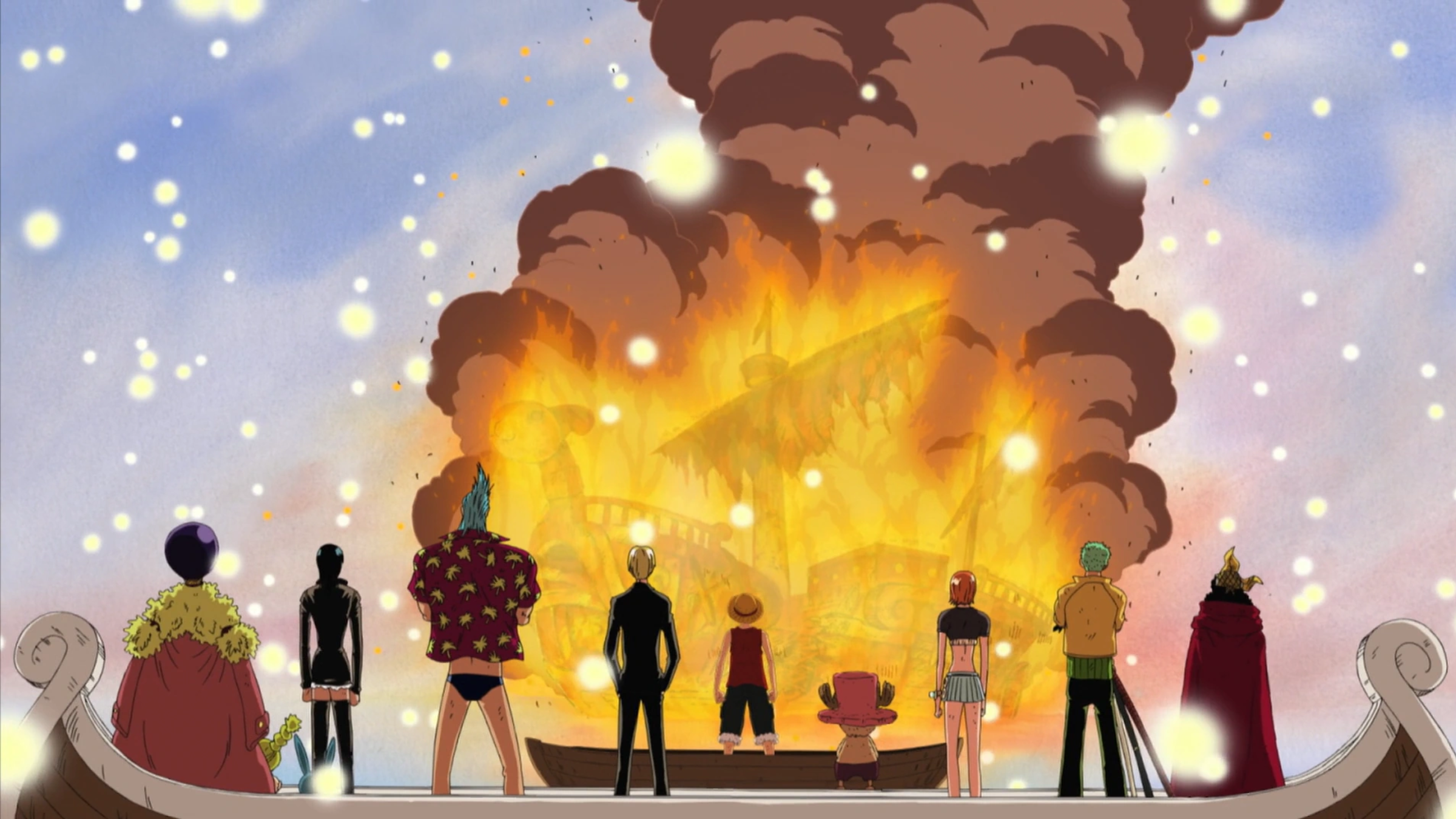
The moment the Going Merry is laid to rest is one of the most emotionally impactful in all shonen manga. In the original manga, Oda masterfully uses simple artwork and few words to create a scene of quiet respect. The anime adaptation expands on this moment, adding music and voice acting that amplify the emotion, but also diminish the raw, personal feel of the manga. The static panels of the manga let readers pause and truly feel the sadness, while the anime’s movement makes the grief feel more like a spectacle.
4. The Dressrosa Climax
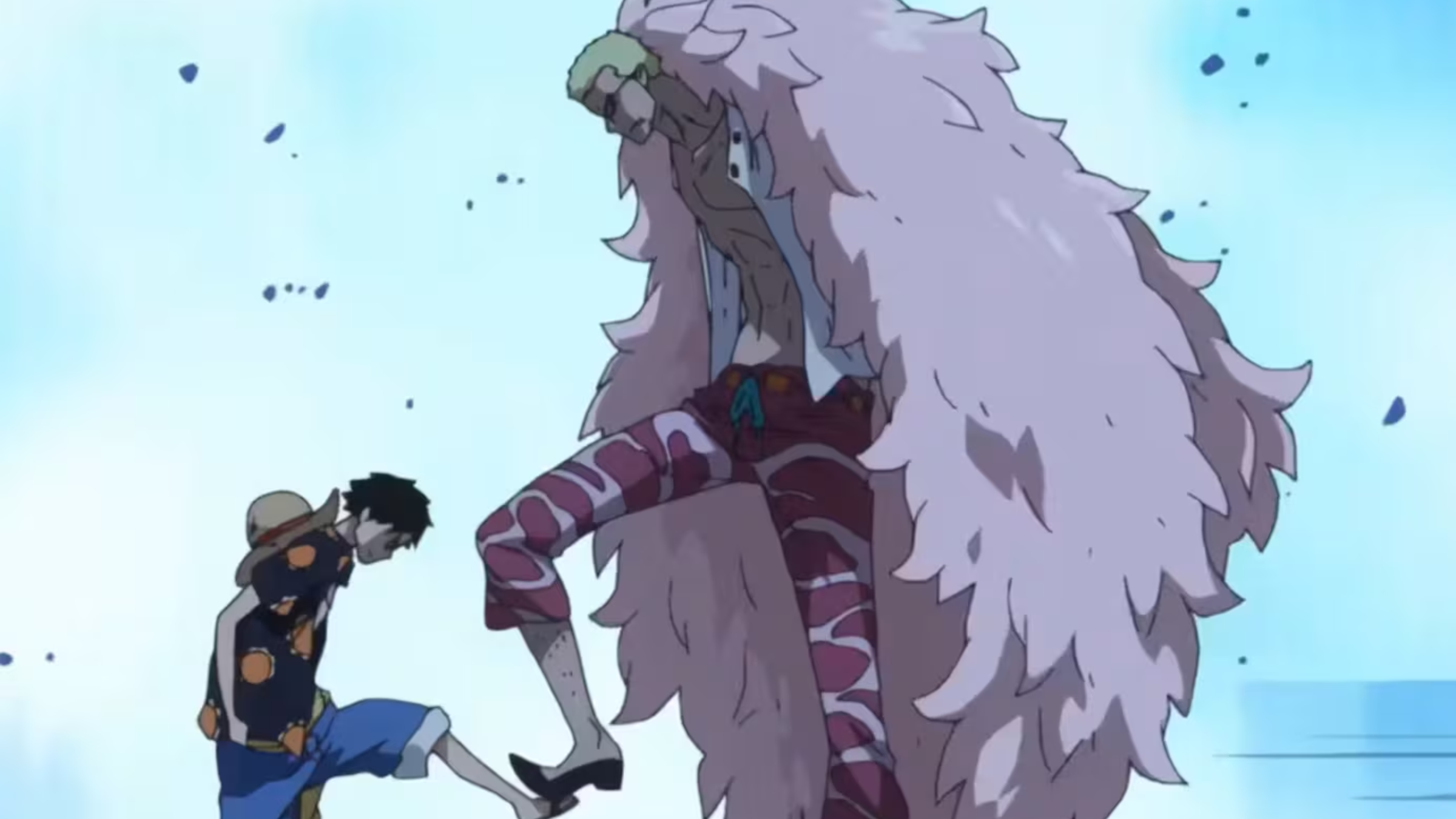
The Dressrosa arc of the manga concludes with expertly crafted tension and satisfying character moments. Luffy’s battle with Doflamingo flows naturally, and the contributions of every other character fit together perfectly. The manga makes the destruction of Doflamingo’s Birdcage feel genuinely frightening. Unfortunately, the anime version loses some of this impact by slowing down the action and adding unnecessary pauses. Doflamingo’s defeat feels less powerful in the anime due to awkward timing and drawn-out scenes. Although the voice acting is still good, the manga’s concise storytelling highlights how effective simplicity can be in exciting, climactic battles.
3. The Reverie Chapter Sequence
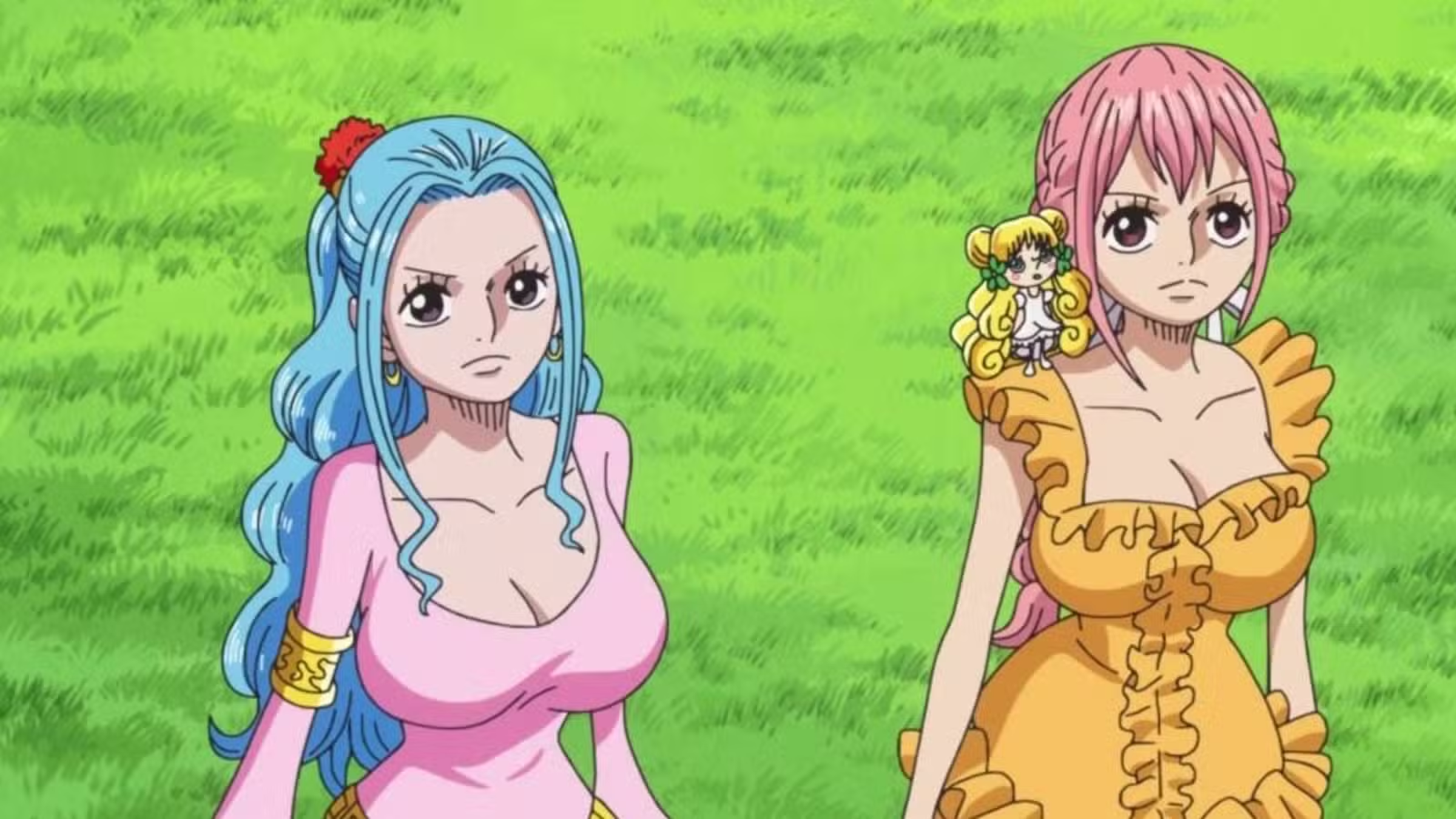
The Reverie arc in the manga feels like a gripping political thriller. Oda skillfully switches between world leaders and revolutionaries in quick cuts, creating a fast-paced sense of global importance. The anime adaptation attempts the same, but loses the nuance with a slower speed and too many flashbacks. Instead of building mystery, the anime relies heavily on explaining everything. The manga’s more subtle approach is much better at creating suspense, making even short scenes feel significant and hinting at future events.
2. The Wano Flashbacks
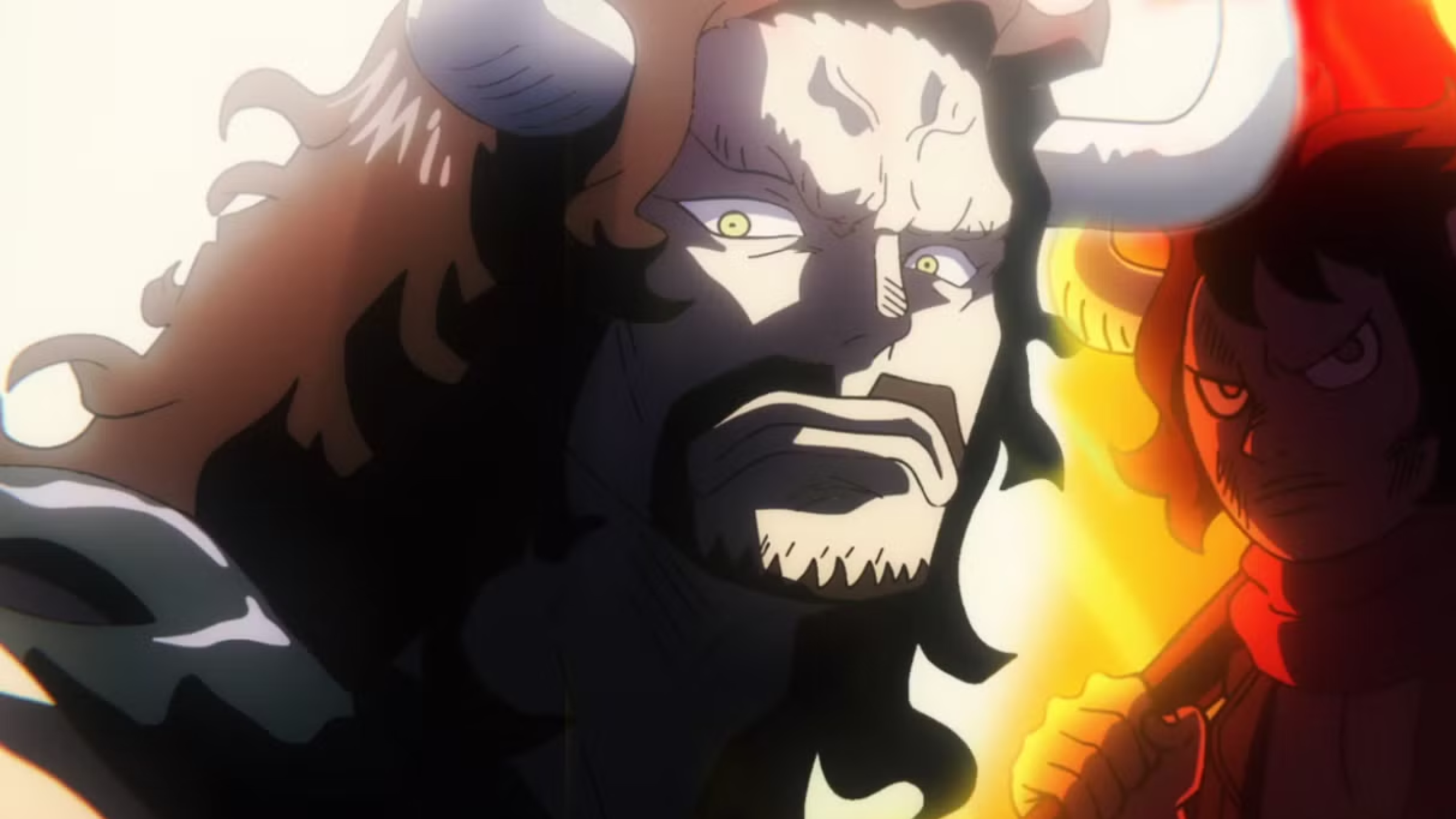
Oden’s backstory in the manga feels like a classic tragedy. Oda’s artwork skillfully combines impressive visuals with heartfelt emotion. The way the story is presented visually—with careful attention to each image and detail—makes moments like Toki’s prophecy and Wano’s downfall even more impactful.
The anime is beautiful to look at, but it uses too much color and flashy effects. This overwhelms the story’s genuine emotional impact. The original manga is more powerful because it uses quiet moments and stillness, something the anime doesn’t often allow. Because of this, Oden’s story feels more legendary when experienced through the manga’s artwork than in the animated version.
1. The Gear 5 Reveal
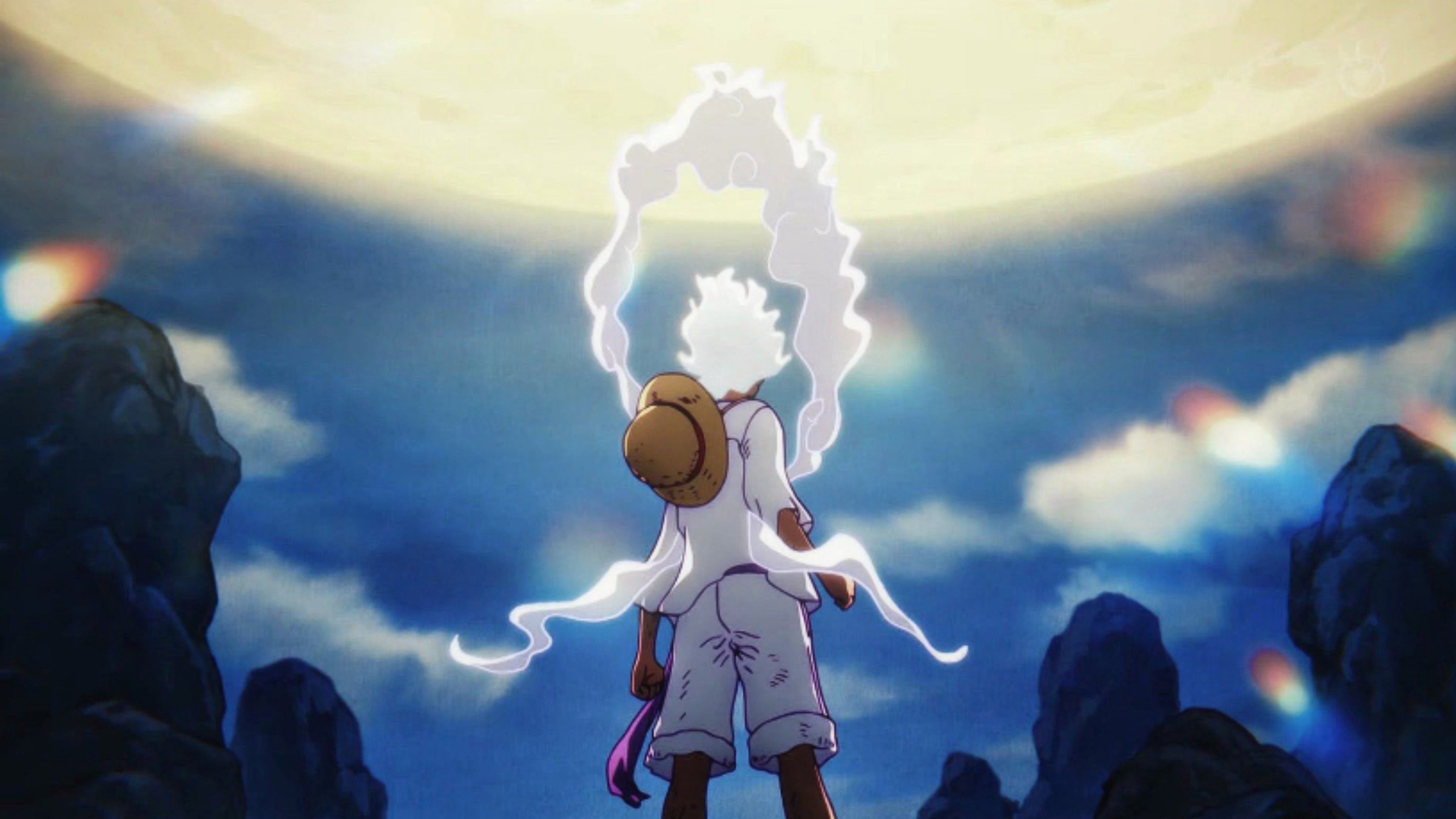
The introduction of Gear 5 in the manga felt incredibly freeing. Oda’s artwork became wonderfully unrestrained, full of playful exaggeration and bold new ideas. This flexibility in the art actually enhanced the story. While the anime had a chance to build on this, it focused too much on flashy visuals. The anime’s colors and effects transformed the playful spirit into something overly dramatic. The manga, however, achieved a greater sense of freedom through its careful and imaginative approach, making Gear 5 feel like a truly liberating storytelling moment.
What do you think? Leave a comment below and join the conversation now in the ComicBook Forum!
https://comicbook.com/anime/news/best-one-piece-volume-covers/embed/#
Read More
- The Super Mario Galaxy Movie: 50 Easter Eggs, References & Major Cameos Explained
- Surprise Isekai Anime Confirms Season 2 With New Crunchyroll Streaming Release
- 10 Best Free Games on Steam in 2026, Ranked
- Sydney Sweeney’s The Housemaid 2 Sets Streaming Release Date
- Why is Tech Jacket gender-swapped in Invincible season 4 and who voices her?
- Welcome to Demon School! Iruma-kun season 4 release schedule: When are new episodes on Crunchyroll?
- Preview: Sword Art Online Returns to PS5 as a Darker Open World Action RPG This Summer
- Skate 4 – Manny Go Round Goals Guide | All of the Above Sequence
- 10 Best Supporting Actress Oscar Wins That Are Indisputable
- All 13 Smash Bros. Characters in the Super Mario Galaxy Movie
2026-02-06 22:11