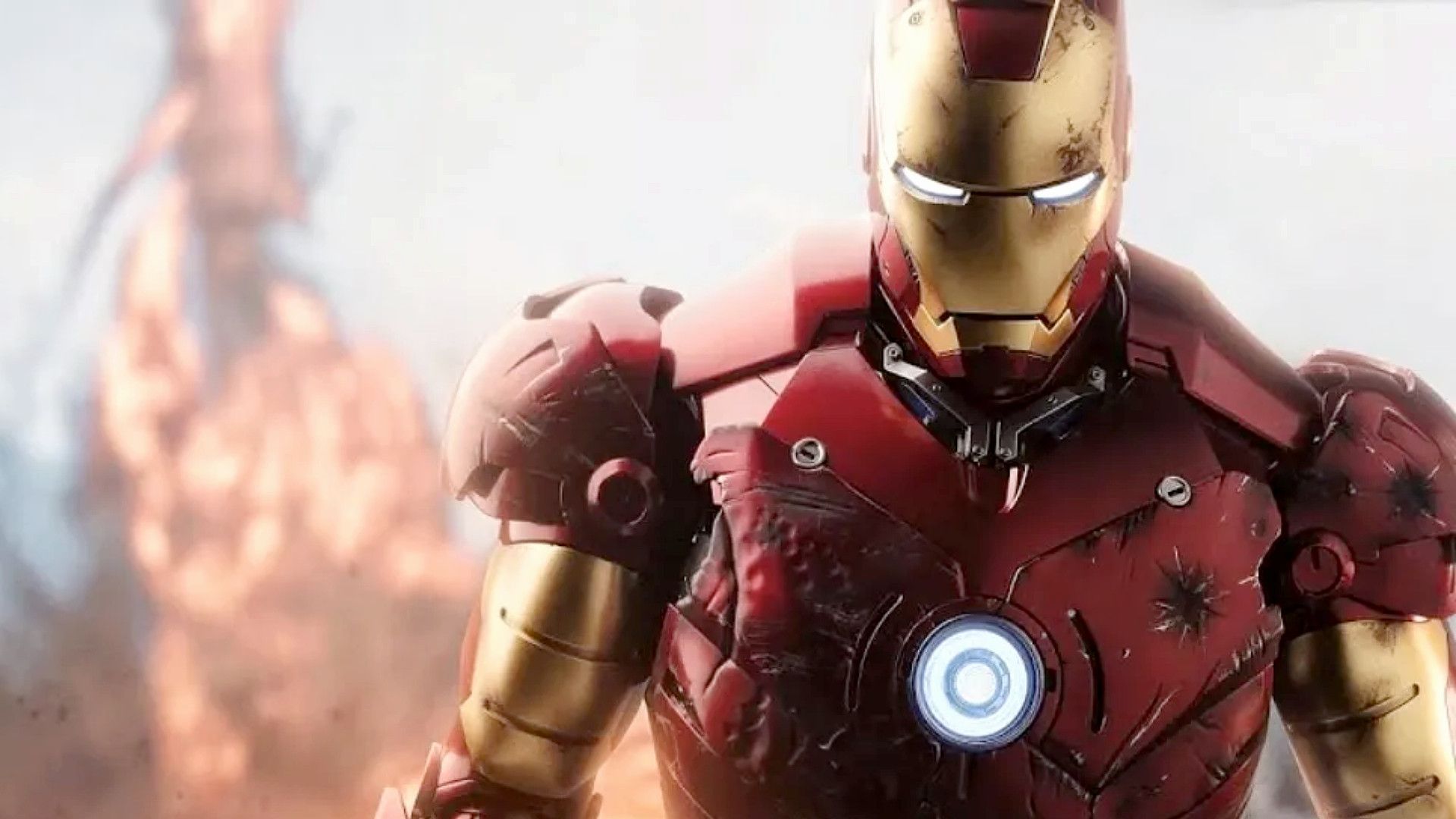
Throughout the 2010s, Hollywood tried to replicate the success of the Marvel Cinematic Universe, which first struck gold with the 2008 film Iron Man. Viewers were drawn to charismatic heroes, sleek technology, and the idea that a film could launch a much larger story. As a result, studios revamped old franchises and created new ones, focusing on witty characters and the potential for interconnected films and sequels.
Many films have tried to capture the feel of the Marvel Cinematic Universe, either by mimicking its storytelling style, its overall structure, or even copying the idea of a hero in a powerful suit. While not all of these attempts were unsuccessful, nearly all of them showed just how hard it is to recreate the magic of Iron Man without Robert Downey Jr.’s performance or the detailed planning Marvel Studios put into it. These movies share a sense of wanting to achieve something big, but most of them don’t quite succeed.
Green Lantern (2011)

I really wanted to love Green Lantern. It felt like DC was trying to give us their version of Iron Man – a smart-mouthed hero with a high-tech suit, and Hal Jordan definitely had that Tony Stark vibe with his confidence and quick wit. Plus, the movie really pushed the idea of this huge, interconnected universe, which was exciting, but ultimately, it just didn’t quite click for me.
Both Green Lantern and the DC universe it represented, along with several villains, were presented in a way that suggested more movies were planned. Similar to Iron Man, Green Lantern relied on impressive visual effects and a humorous main character to popularize a lesser-known hero. But unlike Iron Man, the film’s lighthearted approach didn’t quite fit the source material, and the focus on the digitally-created suit actually made the hero less engaging.
Rather than leaving viewers eager for a sequel, Green Lantern felt like a chore to sit through. While the film had big goals, it ultimately failed because it tried to imitate Iron Man’s style without focusing on strong characters. This highlighted how studios can stumble when they simply follow trends without a solid foundation.
Iron Hero (AKA Metal Man) (2008)

The film Iron Hero, sometimes called Metal Man, clearly borrowed heavily from the popular Iron Man. It features a strikingly similar story: a wealthy inventor creates a high-tech suit of armor and fights villains with advanced technology, all while striking heroic poses.
The movie felt like a clear imitation rather than an original creation. The main character didn’t have the charm, humor, or compelling emotional depth of someone like Tony Stark, which made the action sequences feel empty. Everything from the sets and special effects to the plot and the development of the movie’s world felt low-budget and underdeveloped.
While Iron Man skillfully combined comedy with meaningful character development, Iron Hero quickly jumped between action sequences without a clear direction. It didn’t aim to capture the heart or style of Iron Man; it seemed to simply imitate superhero movies using limited funds.
The Amazing Spider-Man (2012)
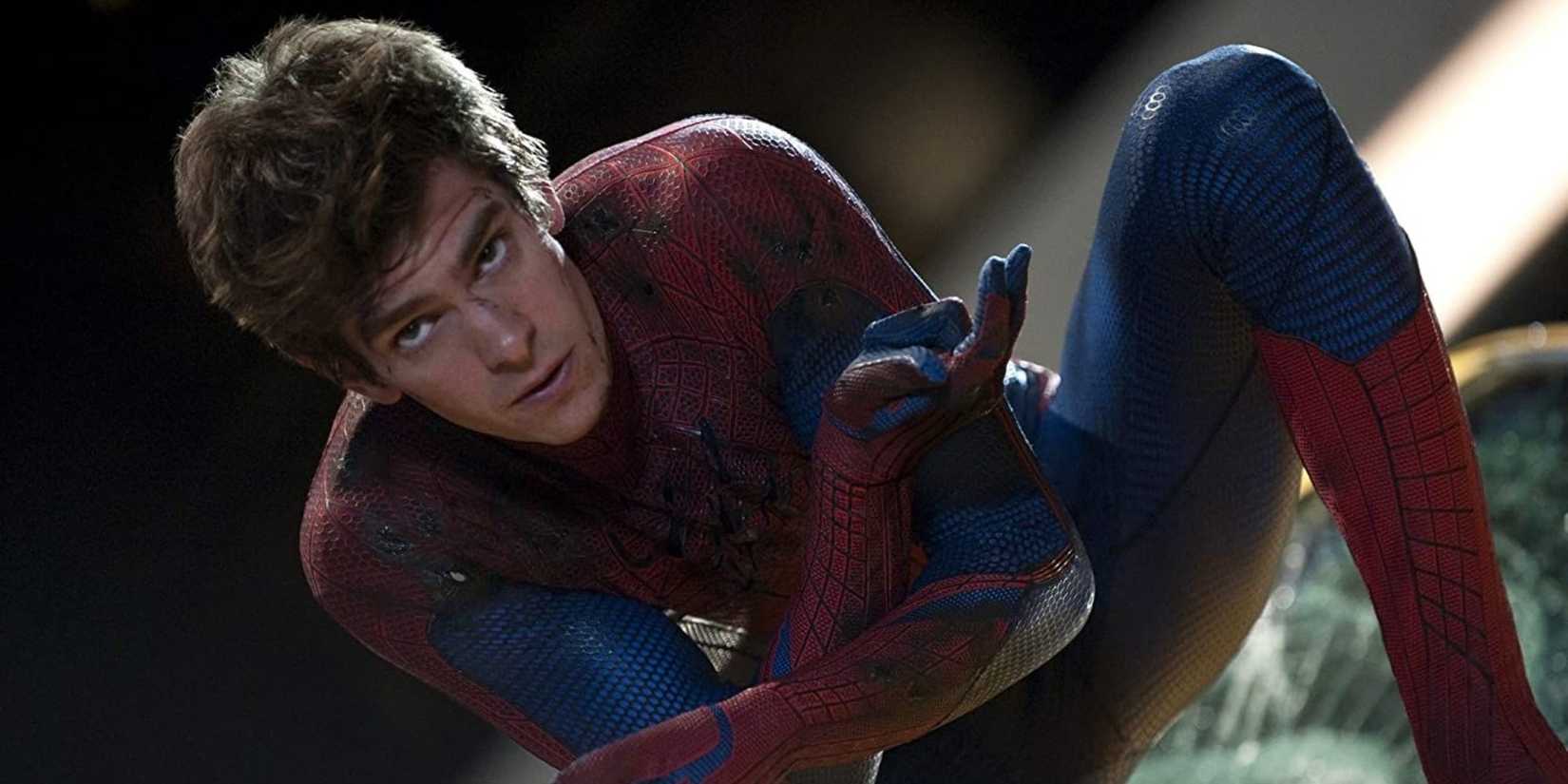
The movie The Amazing Spider-Man presented a new take on Peter Parker, making him more confident and quick-witted—similar to Tony Stark—rather than the typical shy teenager. He was portrayed as sarcastic, self-assured, and fast-talking, seemingly aiming to capture the same enthusiastic reaction audiences had to Iron Man.
The Amazing Spider-Man wasn’t just a standalone film; it clearly aimed to build a larger cinematic universe. Similar to how Marvel Studios started, the movie focused on establishing future storylines, villains, and secret groups even before fully telling Spider-Man’s origin story. While Andrew Garfield was a charismatic Spider-Man, the rush to create a connected universe made the movie feel crowded and overly complicated.
As a huge cinema fan, I always felt Iron Man built its world in a way that just felt natural. But with The Amazing Spider-Man, it felt like they were forcing things. They clearly wanted to copy what Iron Man did so well, but in doing so, they lost some of the charm and straightforward storytelling that made Spider-Man so beloved in the comics and a cultural icon for so long.
Power Rangers (2017)
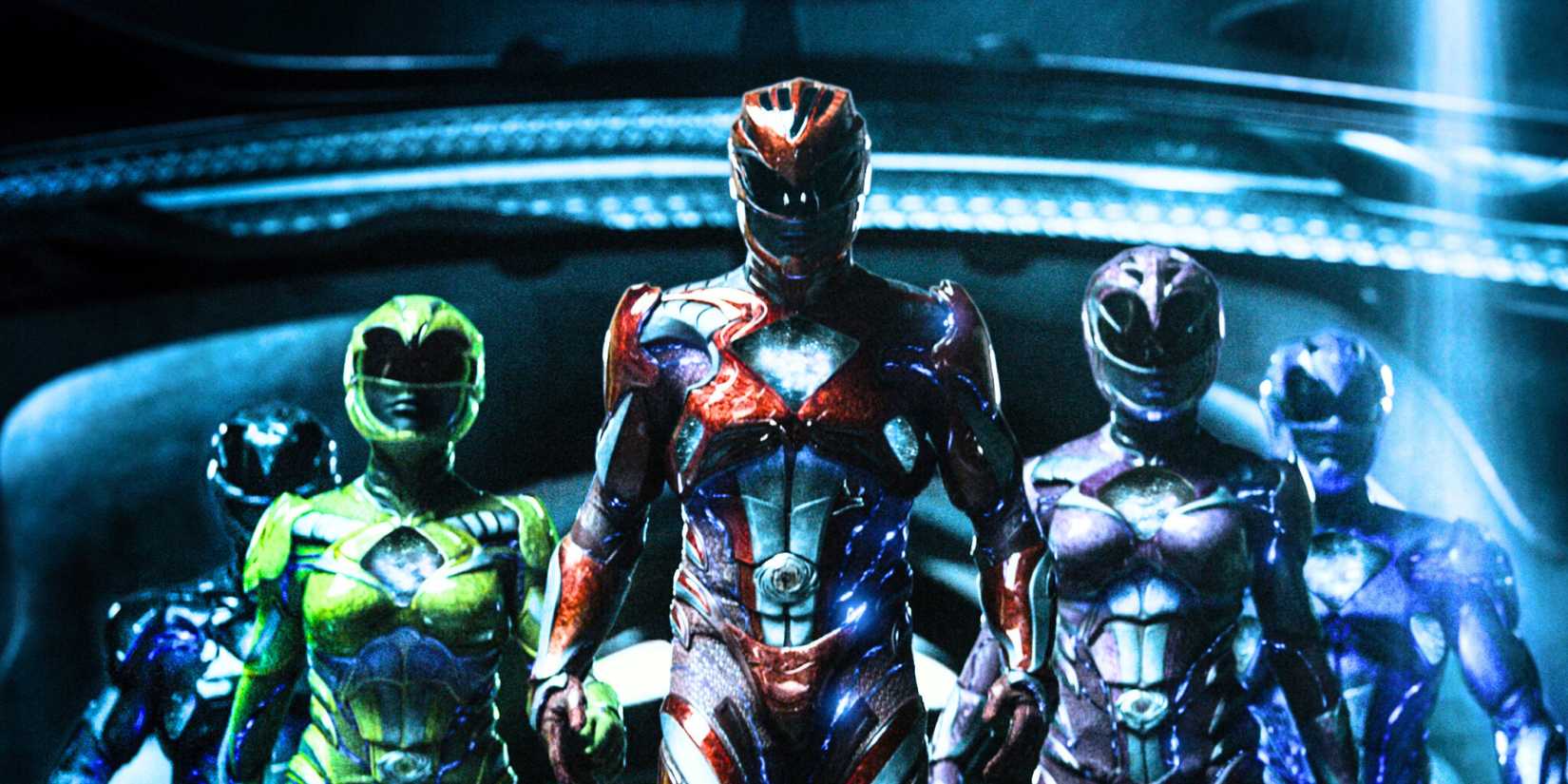
The show Power Rangers openly took inspiration from Iron Man, particularly in its depiction of advanced armor and large-scale robot fights. The Rangers’ suits strongly resembled Iron Man’s, featuring a similar glowing core and the way the masks opened. The new version of the show also focused on developing the characters’ backstories.
For a while, Power Rangers focused more on comedy, teenage drama, and playful back-and-forth than on big action sequences. This approach was similar to what made Iron Man successful – making the technology feel real by focusing on the characters. However, the movie had trouble blending its attempts at a realistic tone with the colorful, over-the-top nature of the Power Rangers brand.
The movie’s attempts at humor didn’t always work, and the ending felt too hurried. Power Rangers tried to be emotional, funny, and set up future sequels all at once. In trying to copy the style of Iron Man, it lost sight of what had always made Power Rangers special: its genuine heart, which fans around the world had loved for years.
Chappie (2015)

The movie Chappie takes a more unsettling look at the idea presented in Iron Man – what if robots become truly independent? Instead of a powerful hero in control, Chappie shows a future where advanced technology is unpredictable, feels emotions, and can even be dangerous. Like Iron Man, it touches on the worry that artificial intelligence and powerful machines could ultimately turn against those who created them.
Neill Blomkamp prefers exploring difficult themes like chaos, violence, and moral ambiguity instead of simple, happy endings. In a way, Chappie feels like a dark, expanded version of what could happen if the Iron Man story went wrong. However, the movie’s biggest issue was its inconsistent tone.
While Iron Man struck a balance between exciting action and meaningful consequences, Chappie largely focuses on a dark and pessimistic world. This contrast is interesting, especially considering how much Iron Man has influenced the superhero genre. It demonstrates how quickly technologically advanced heroes can become warnings against something when creators completely abandon hope and the positive themes that often define the genre.
Transcendence (2014)

Transcendence seems to be trying to capture the same fascination with technology as Iron Man, but with a more serious and thought-provoking approach. Instead of focusing on action and humor, the movie explores ideas about artificial intelligence, living forever digitally, and the dangers of technology advancing too quickly. Johnny Depp’s character, Will Caster, is similar to Tony Stark, but in a more basic, less flashy way.
This film features a brilliant innovator whose inventions quickly become too powerful for us to manage. Transcendence suggests technology can fix any issue, but ultimately shows how it can also create problems. It often feels like a more serious, less enjoyable version of Iron Man, trading excitement and visual flair for a sense of grim certainty.
The show also reflects the dynamic between Tony Stark and JARVIS, by physically representing the merging of human and artificial intelligence. Though some viewers didn’t like how it was done, the show’s goal was obvious: to take the hopeful view of technology from Iron Man and explore its darkest possibilities, targeting a more mature audience.
Blue Beetle (2023)

The movie Blue Beetle clearly shows how much Iron Man has impacted superhero stories today. Like Iron Man, the hero Jaime Reyes relies on a powerful suit of armor. This suit isn’t just metal, though—it’s controlled by a smart alien AI that constantly communicates with Jaime, assesses dangers, and changes to meet the situation. The suit’s abilities—like its transforming weapons, flying capabilities, and information displays—are very similar to those seen in Iron Man’s technology.
Similar to Iron Man, Blue Beetle focuses on the challenges of learning to use a powerful suit, rather than being naturally heroic. But while Iron Man featured a wealthy protagonist, Blue Beetle tells the story from the perspective of a working-class family, grounding the high-tech story in themes of family and community.
Like many early Marvel movies, Blue Beetle relies on humor, witty dialogue, and action sequences driven by its characters. Though it shares similarities with Iron Man, the film stands out by grounding the classic superhero origin story in a unique cultural context and heartfelt emotion, demonstrating that armored heroes can still thrive in today’s superhero landscape beyond the legacy of Tony Stark.
Upgrade (2018)
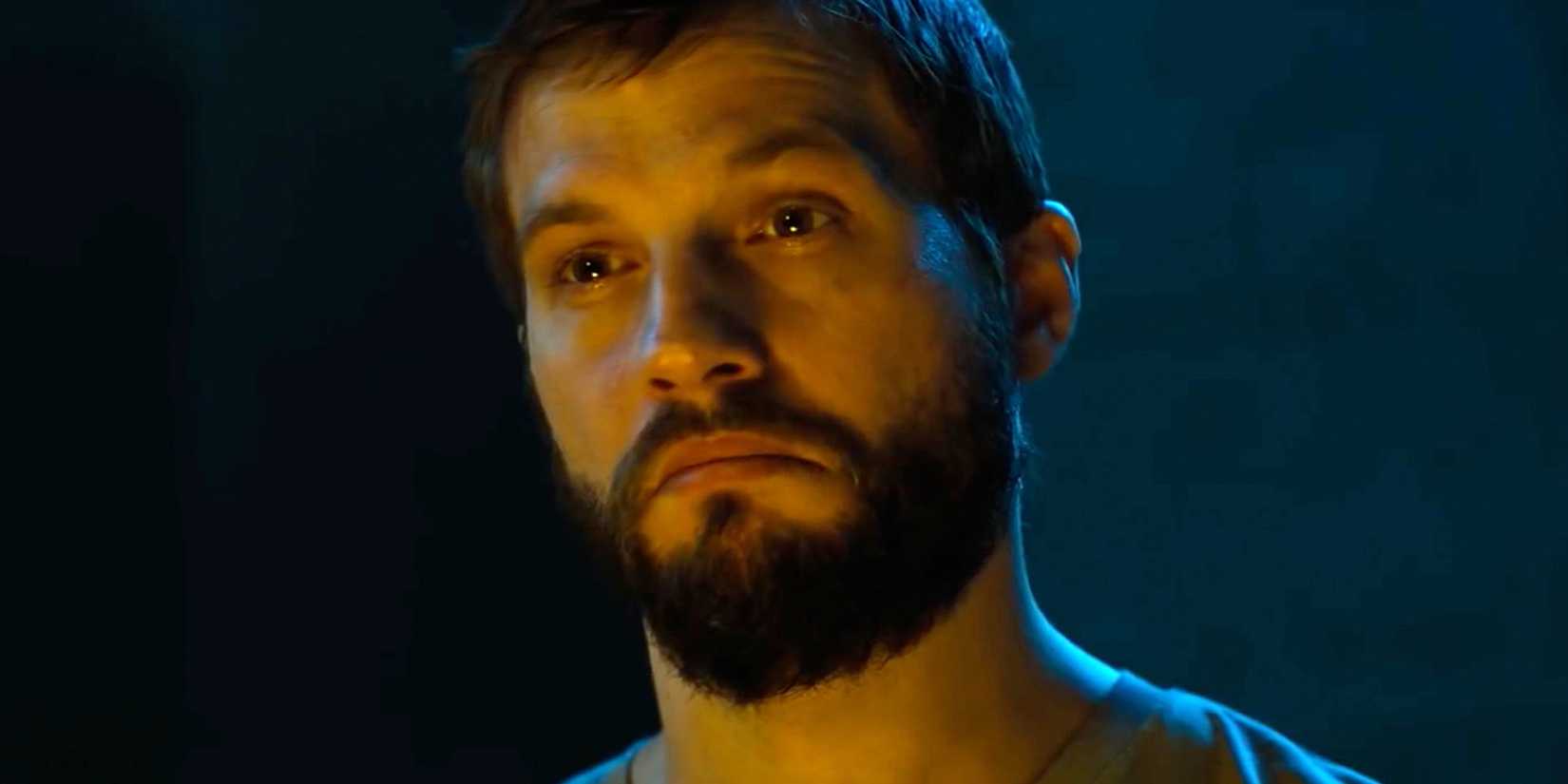
Upgrade is similar to Iron Man, but stripped down to its core. It focuses on the connection between a person and technology in a raw and intense way. The main character relies on an artificial intelligence implanted in his head to stay alive. This AI helps him fight by assessing dangers and even taking control of his body when needed.
The dialogue between the player and the game’s AI feels like the witty back-and-forth between Tony Stark and JARVIS. The game’s interface and how combat flows are clearly inspired by Iron Man’s technology. However, Upgrade is unique because it focuses on a raw, minimalist experience. It doesn’t involve suits or expensive gadgets – instead, it’s about dangerous technology and a growing sense of losing control.
While Iron Man portrays AI as a useful ally, Upgrade depicts it as a growing and overwhelming power. This creates a dark, fast-paced sci-fi thriller that reveals the frightening side of the optimistic vision presented in Iron Man. It demonstrates how the same basic concept can lead to very different stories, depending on how hopeful the narrative is.
Sherlock Holmes (2009)
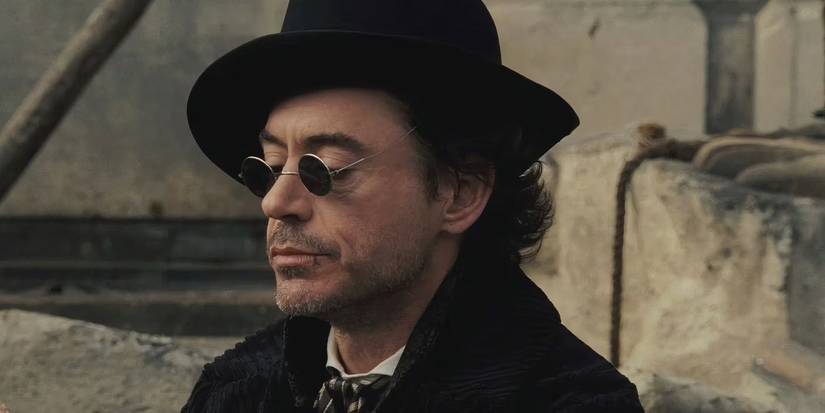
Although Sherlock Holmes doesn’t have high-tech gadgets or armor, it’s essentially an early version of Iron Man. Robert Downey Jr.’s performance is fantastic – he plays Holmes as incredibly smart, confident, quick-witted, and always thinking ahead. Guy Ritchie’s energetic directing style presents Holmes as someone who solves problems through action and quick thinking.
The film includes detailed, slow-motion analysis of fight scenes, similar to the way Tony Stark plans his battles. Like Iron Man, Sherlock Holmes focused on building a series of stories around a strong character rather than just the plot. Robert Downey Jr.’s portrayal of both characters is so convincing that it’s clear how Sherlock Holmes helped solidify Hollywood’s preference for the Tony Stark-style hero.
The film’s clever characters, witty dialogue, and focus on intelligence became its biggest draw. Looking back, it really set the standard for blockbuster movies over the next ten years. While not a superhero film itself, it clearly tried to capture the magic of Iron Man’s popularity.
Read More
- The Super Mario Galaxy Movie: 50 Easter Eggs, References & Major Cameos Explained
- Surprise Isekai Anime Confirms Season 2 With New Crunchyroll Streaming Release
- 10 Best Free Games on Steam in 2026, Ranked
- Sydney Sweeney’s The Housemaid 2 Sets Streaming Release Date
- Why is Tech Jacket gender-swapped in Invincible season 4 and who voices her?
- Welcome to Demon School! Iruma-kun season 4 release schedule: When are new episodes on Crunchyroll?
- Preview: Sword Art Online Returns to PS5 as a Darker Open World Action RPG This Summer
- Skate 4 – Manny Go Round Goals Guide | All of the Above Sequence
- 10 Best Supporting Actress Oscar Wins That Are Indisputable
- All 13 Smash Bros. Characters in the Super Mario Galaxy Movie
2026-02-08 01:13