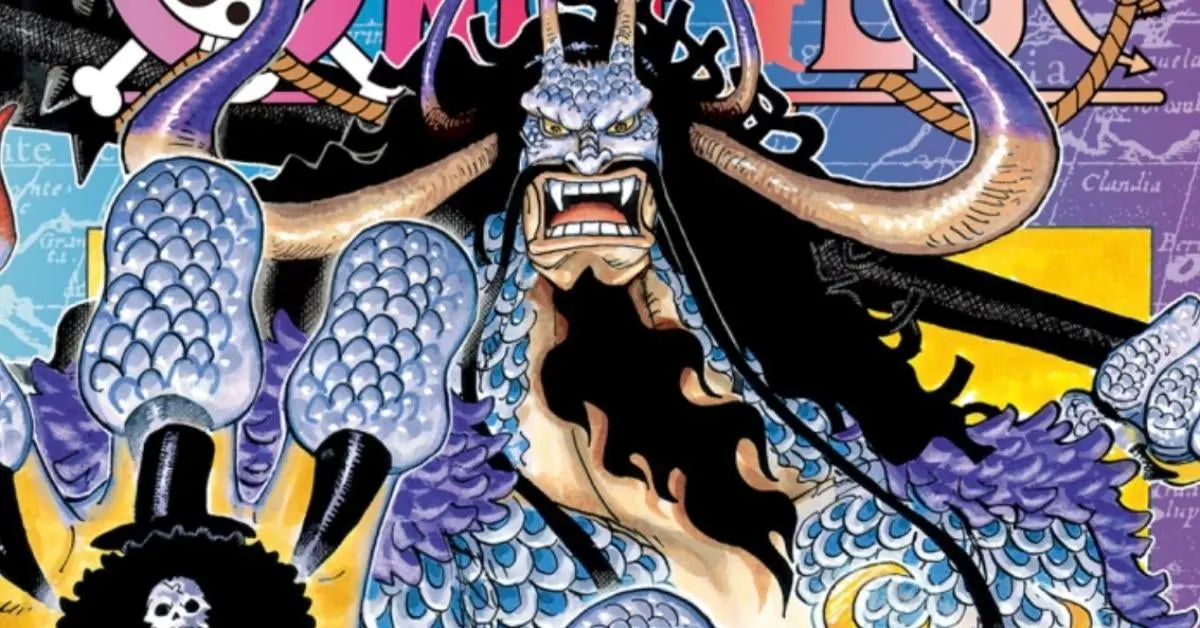
Watching One Piece, I’ve noticed even minor characters often have surprisingly deep backstories. So when a new villain arrives with a striking look and a clear purpose, it naturally makes me curious about what made them who they are. I don’t necessarily want a reason to sympathize with them, but understanding their history – what shaped their beliefs and why they act the way they do – feels important. It’s the villains who are just roadblocks, or stand-ins for an idea, who tend to disappear before we get a chance to see them as people. They’re written off before the story takes the time to really humanize them.
Villains sometimes suffer from underdeveloped backstories because the plot is already full of other details like reveals, flashbacks, and world-building. Other times, the story focuses on the consequences of a larger problem instead of the villain themselves, which makes sense thematically, but can make the villain feel less developed than other characters.
10. Hody Jones
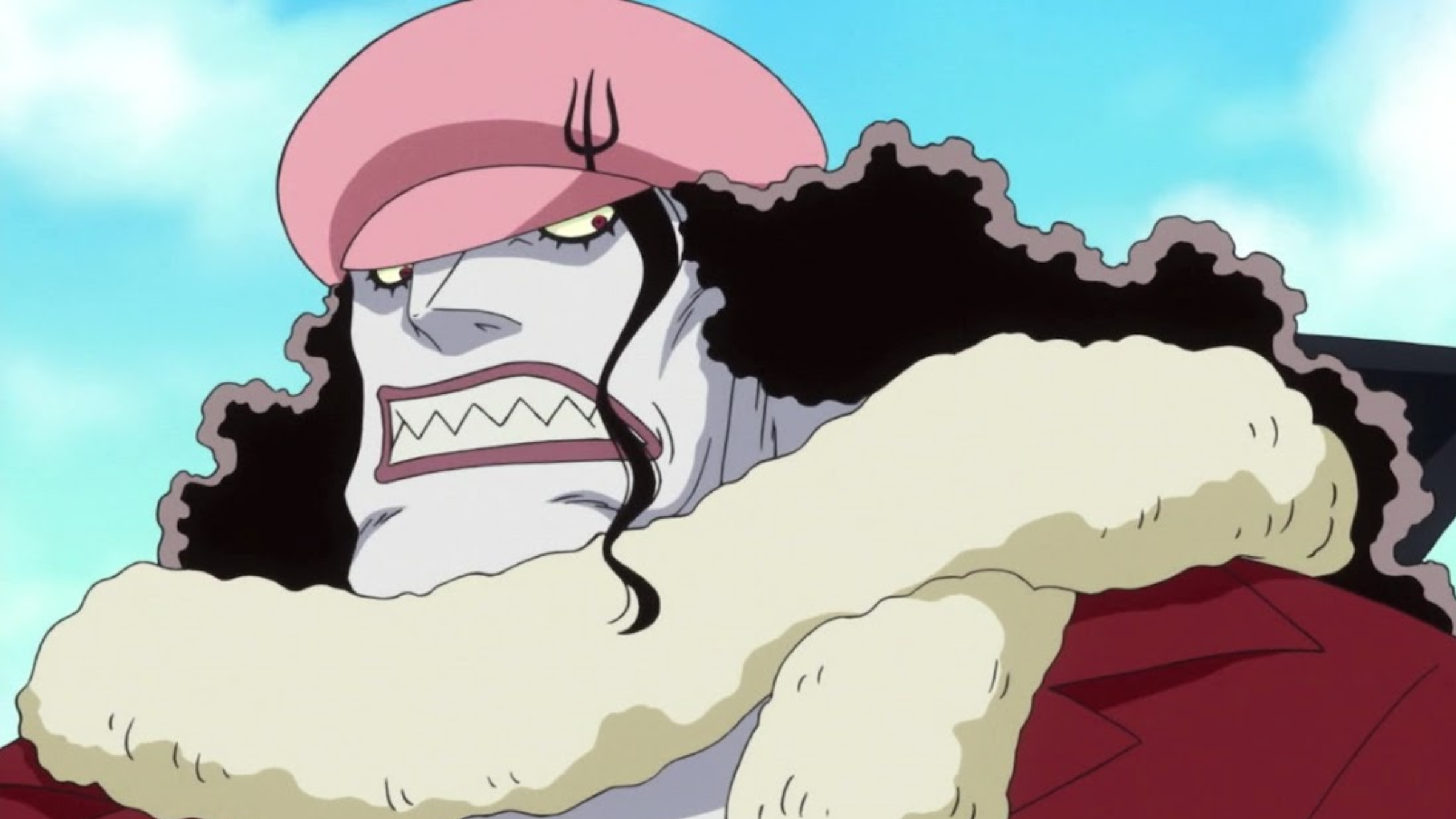
Hody Jones was a compelling villain – a fish-man raised after Fisher Tiger’s time, influenced by the prejudice of others rather than personal hardship. While the story establishes he grew up in a biased environment and adopted those beliefs, it doesn’t show us how he became radicalized. This is a problem because his beliefs directly challenge the ideals of Fisher Tiger and Queen Otohime. Showing scenes of his upbringing, like him being influenced by older fish-men or learning about Tiger’s death, would have made his extremism feel more genuine and less like a standard villainous motivation. It would have given his actions more emotional impact on Fish-Man Island’s story.
9. Trebol
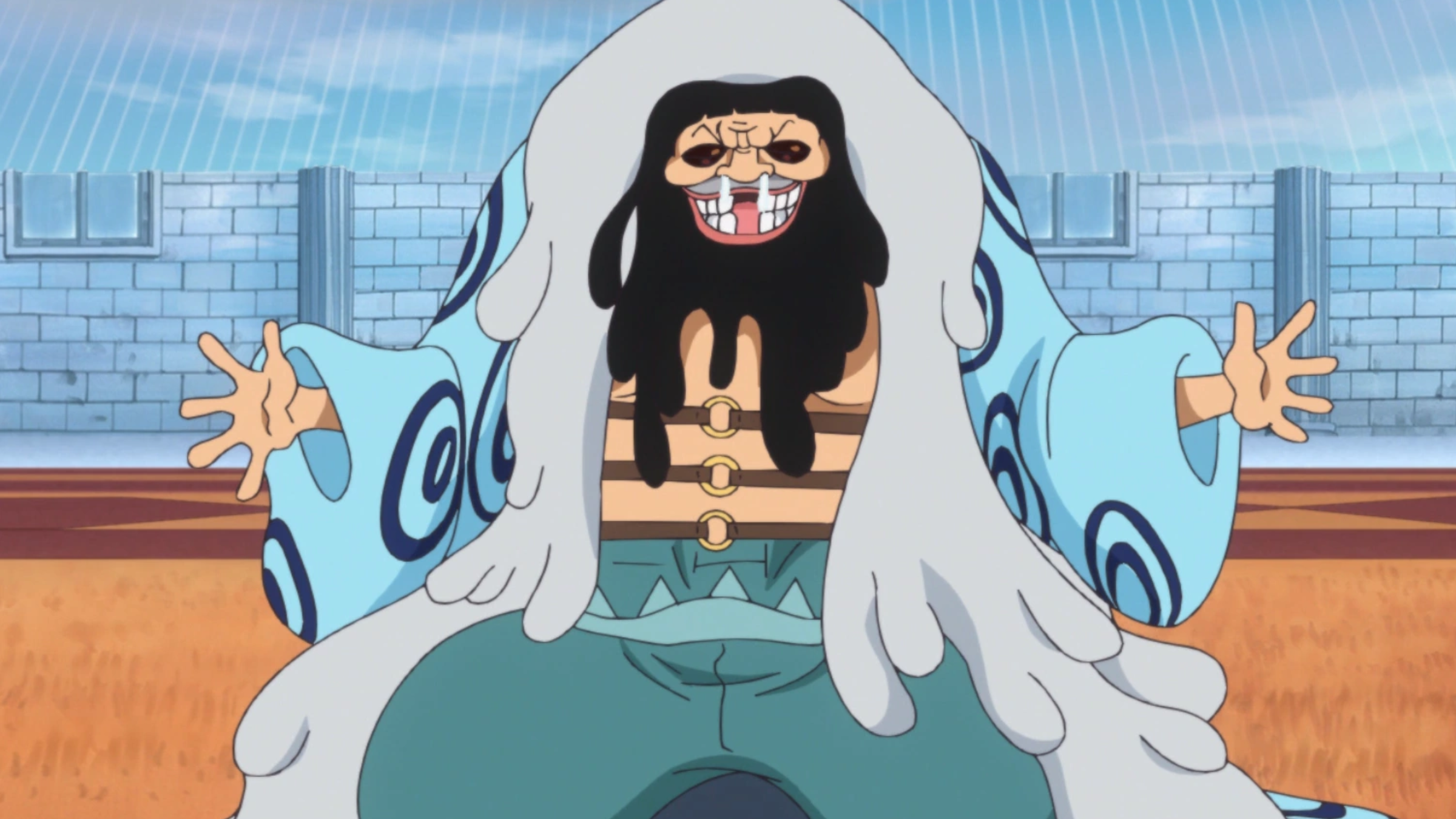
I’m absolutely fascinated by Trebol! He’s presented as this really creepy, slimy guy working for Doflamingo, but I get the sense there’s a lot more to his story. We know he was one of the key people who helped Doflamingo become the powerful, arrogant guy he is, and it makes me desperate for a flashback! I want to know why Trebol believed in Doflamingo so strongly, what he saw in him as a kid. Was he trying to mold Doflamingo into something, or did he actually revere him? Sadly, most of the time we just see Trebol being a cruel, disturbing character, and it feels like a missed opportunity to explore that really intriguing dynamic.
I always felt like Trebol’s story was missing something. We saw him as fiercely loyal to Doflamingo, almost crazed, but I never fully understood why. It would have been compelling to learn about his past – what life was like for him in the underworld, and if he’d been affected by the Celestial Dragons. Maybe he lost loved ones to them? Or perhaps he was drawn to that kind of power and saw Doflamingo as a way to get close to it again? Knowing those details could have made him a truly terrifying character, instead of just someone who felt… unsettling. Without that backstory, his devotion felt a little empty, lacking the deep-rooted motivation that would have made him really chilling.
8. Caesar Clown
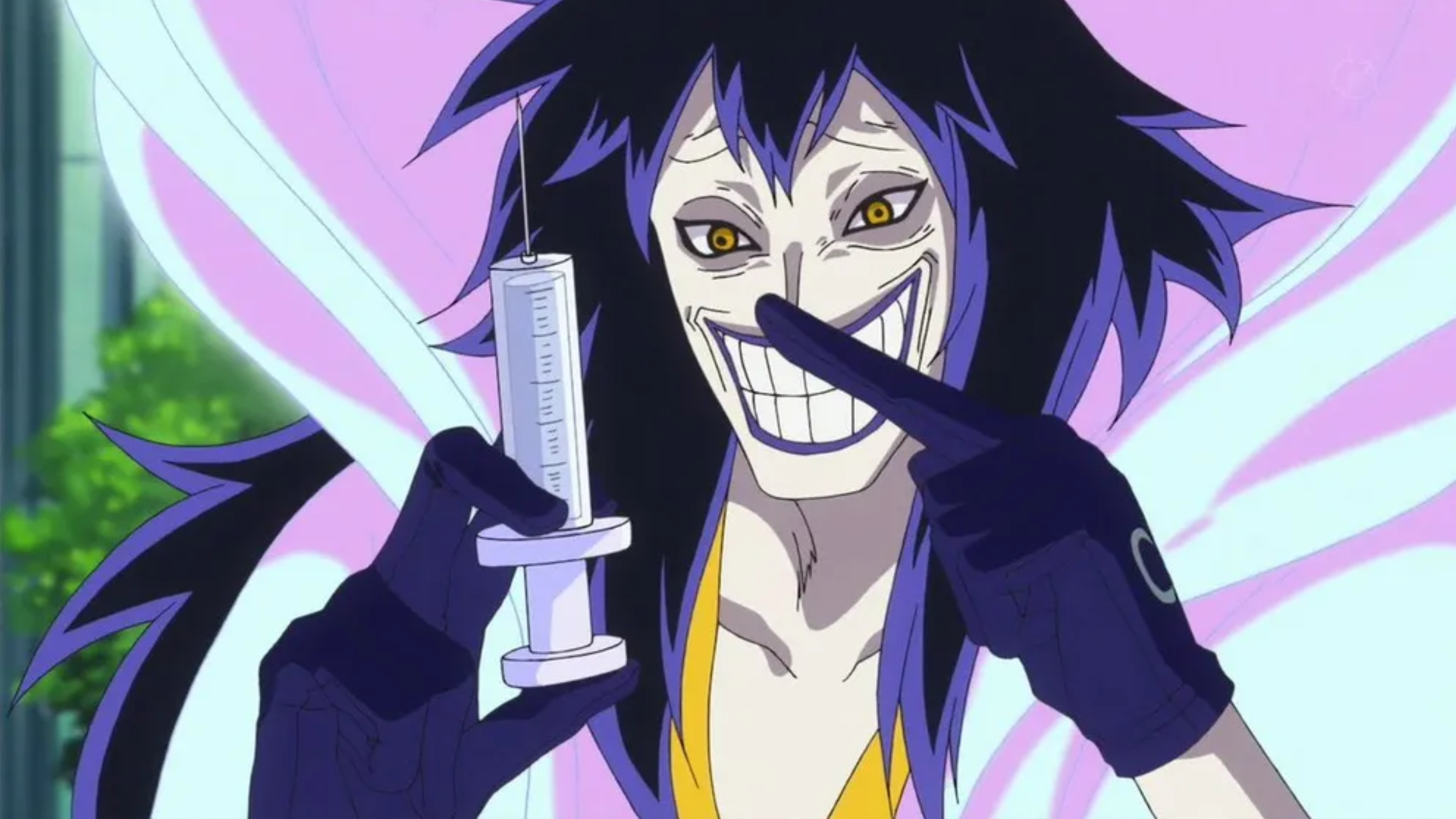
Caesar Clown is presented as a wildly eccentric and dramatic villain, but his past doesn’t quite match the extent of his involvement in major, tragic events. While we know he used to work with Vegapunk and that a disagreement led him down a dangerous path of experimentation, the story doesn’t fully explore their history. Considering he committed horrific acts like gassing an entire island and experimenting on children, the narrative often portrays him as more of a comedic character than a truly terrifying threat.
Exploring his past with Vegapunk and Judge more thoroughly would have made Caesar a much more compelling character. If we’d seen him gradually become twisted and rationalize his actions, he could have been a truly unsettling villain instead of just a silly, often-repeated annoyance.
7. Saint Charlos
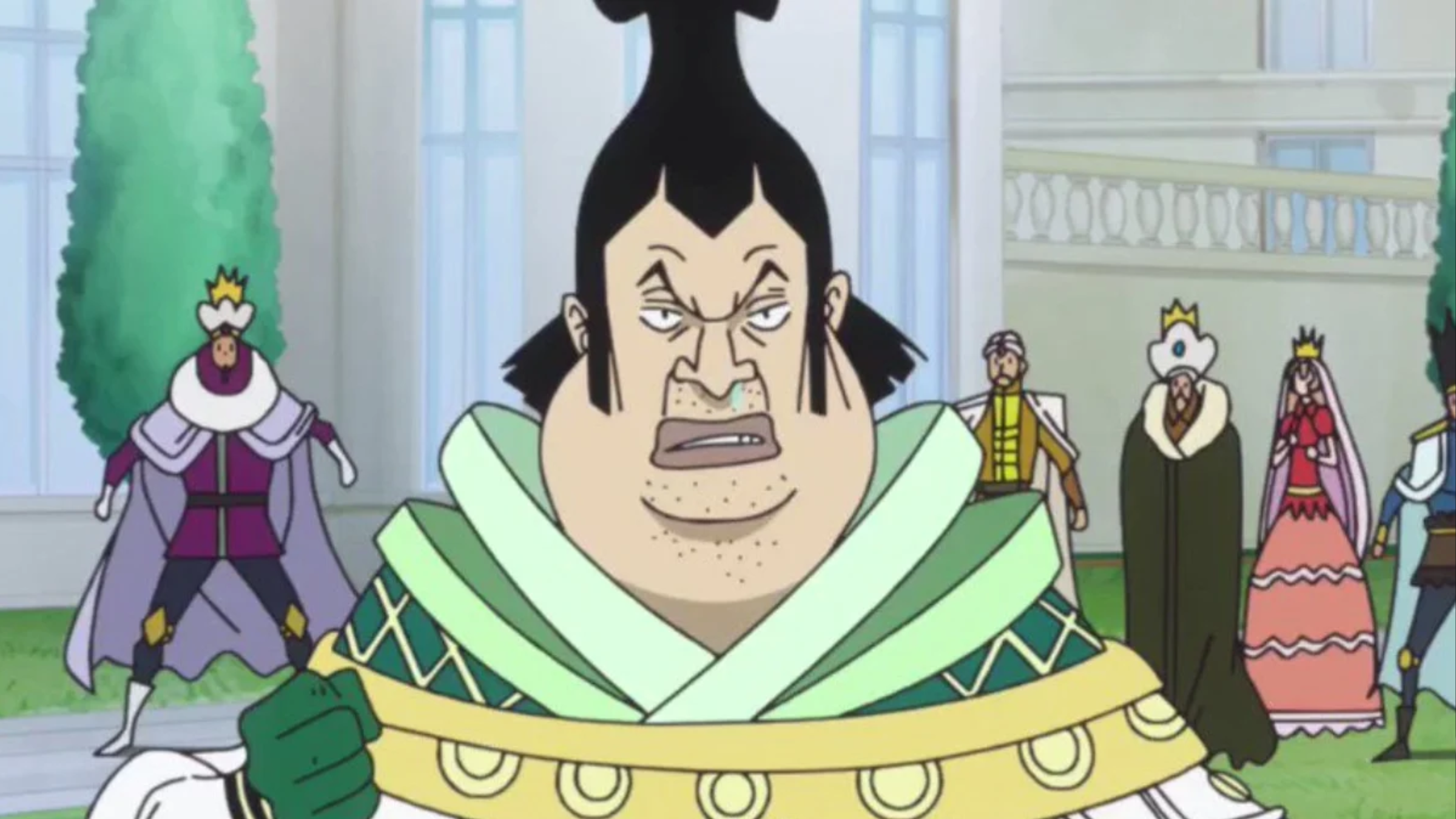
I have to admit, Saint Charlos is a really detestable character in One Piece. What’s strange to me is that we know almost nothing about his past. Considering he’s a Celestial Dragon, his awful behavior clearly stems from the way he was raised to see everyone else as inferior, but we never actually see how that happened. We don’t know anything about his childhood, what he was taught, or the culture of the Holy Land that created someone so incredibly arrogant. It feels like a missed opportunity, especially since the story usually does a great job of showing how a person’s environment shapes who they become. Charlos feels like a bit of a blind spot in that regard.
A brief look back at his childhood in Mary Geoise could have been really impactful. It wouldn’t have needed to excuse his actions, but instead could have revealed the system that created his arrogance. Showing things like teachers telling children that slaves aren’t people, or adults praising cruelty as a sign of being ‘noble,’ would have powerfully demonstrated just how corrupt the World Government truly is at its core.
6. Warden Magellan
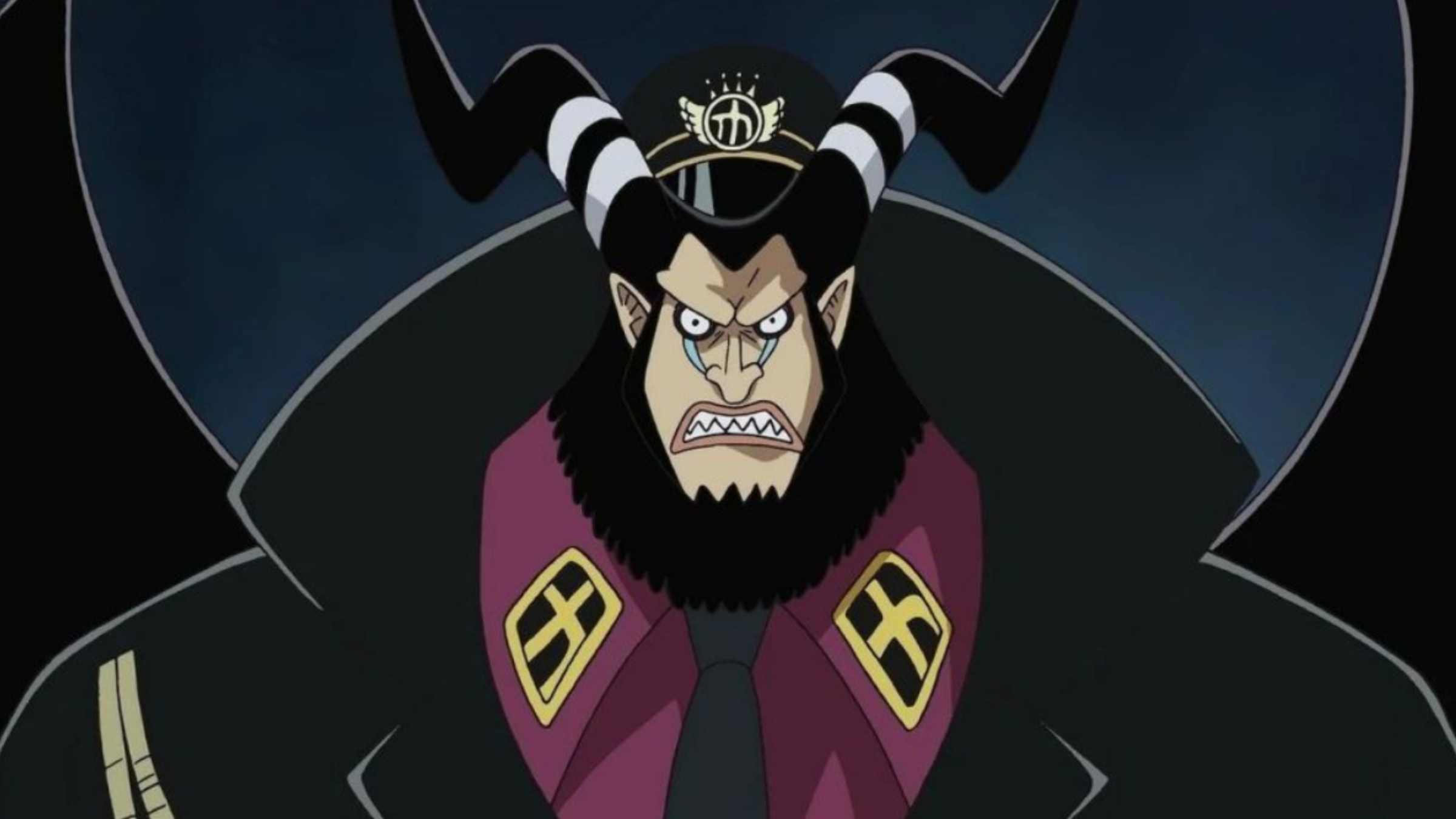
Magellan is a compelling villain because, while he carries out terrible acts, he doesn’t see himself as evil. He firmly believes in maintaining order and diligently enforces the rules of the brutal Impel Down prison. The story suggests he truly thinks his actions are necessary, but his motivations remain largely unexplored. Given the intense moral complexities of Impel Down, its warden deserved a more detailed backstory to match the weight of the setting.
If we’d known Magellan’s past – perhaps as someone who suffered at the hands of pirates, losing loved ones or his home – his ruthless methods would be easier to understand. His constant illness from his Devil Fruit also makes you wonder about his motivations. Did he willingly endure the pain for power, or did he regret his choice and feel forced to continue down that path? Unfortunately, the story doesn’t explore these questions, leaving Magellan as an interesting character who ultimately feels underdeveloped amidst the excitement of the prison escape.
5. Gecko Moria
Gecko Moria has the potential to be a truly compelling villain. We learn he suffered a devastating defeat against Kaido, losing his crew and everything he cared about, which left him empty and driven to create a zombie army he doesn’t value. However, his backstory is mostly explained through telling, rather than being shown in a meaningful flashback. Because the Thriller Bark arc focuses so much on lighthearted horror and comedy, Moria’s internal struggles and the reasons behind his actions aren’t fully developed.
Showing a complete story of how Kaido utterly defeated the Moria Pirates, similar to the flashback of the Rumba Pirates, would have been incredibly impactful. Witnessing the personalities and dreams of his crew, and then seeing Kaido destroy them all, would have powerfully explained Kaido’s apathy and lack of motivation.
4. Rob Lucci
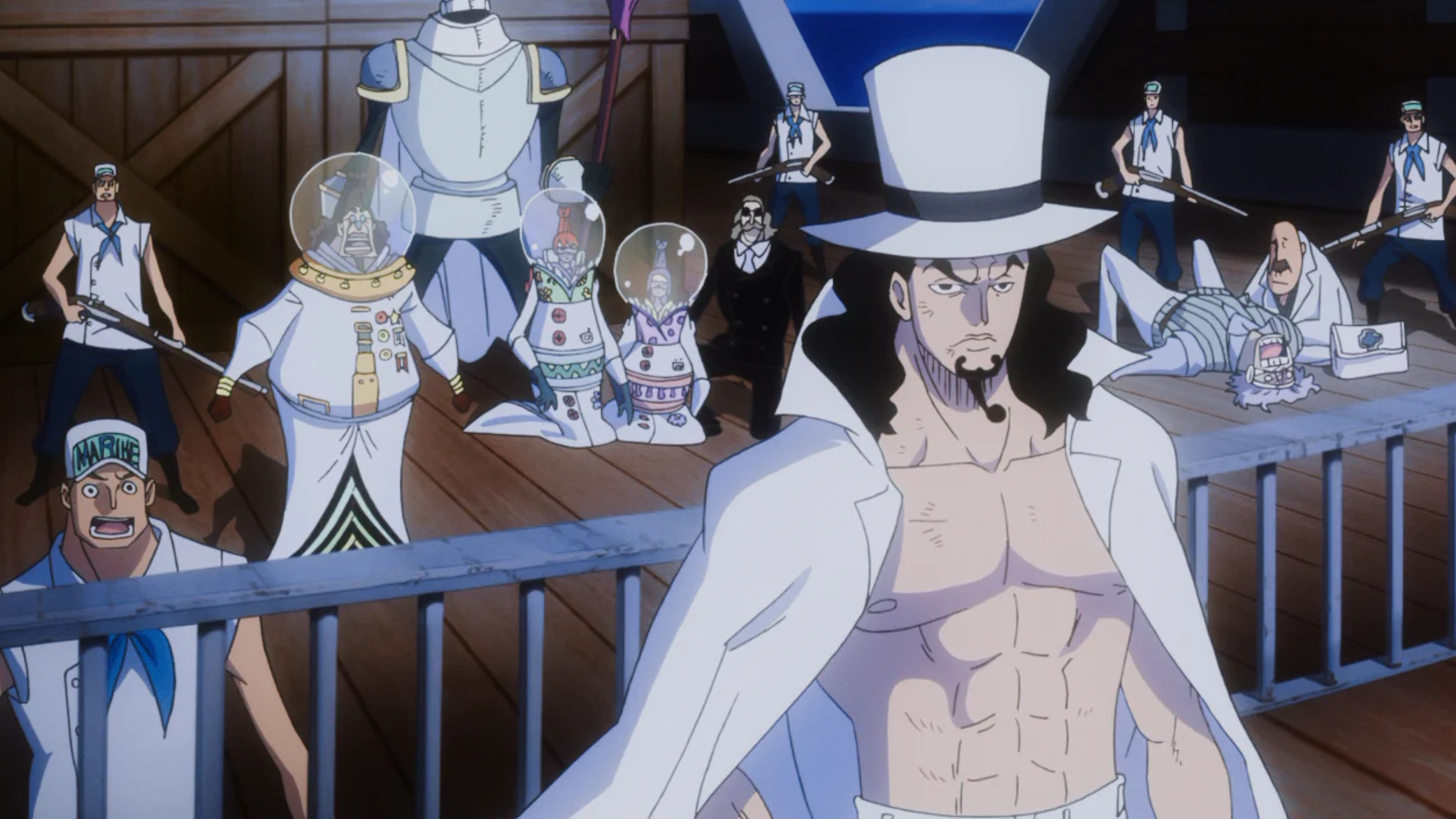
I remember being struck by Rob Lucci’s introduction – he was presented as a natural-born killer, someone the World Government identified and trained from a young age. The flashback to his childhood during the Enies Lobby arc really showed how twisted his idea of justice was. Seeing that young boy killing both hostages and pirates was incredibly impactful, but it felt like we only saw the beginning of his story. Considering he embodies the most ruthless side of ‘Absolute Justice,’ I always felt like we deserved a more in-depth look at his upbringing and how he ended up joining CP9.
The story doesn’t reveal anything about his background – we don’t know his family, or if he has any memories beyond his service. Was he taken in and trained by the government as a child, or did he originate from a privileged or war-stricken place? The fact that Lucci continues to work for the same organization even after seeing its flaws adds another level of complexity to his character.
3. Enel
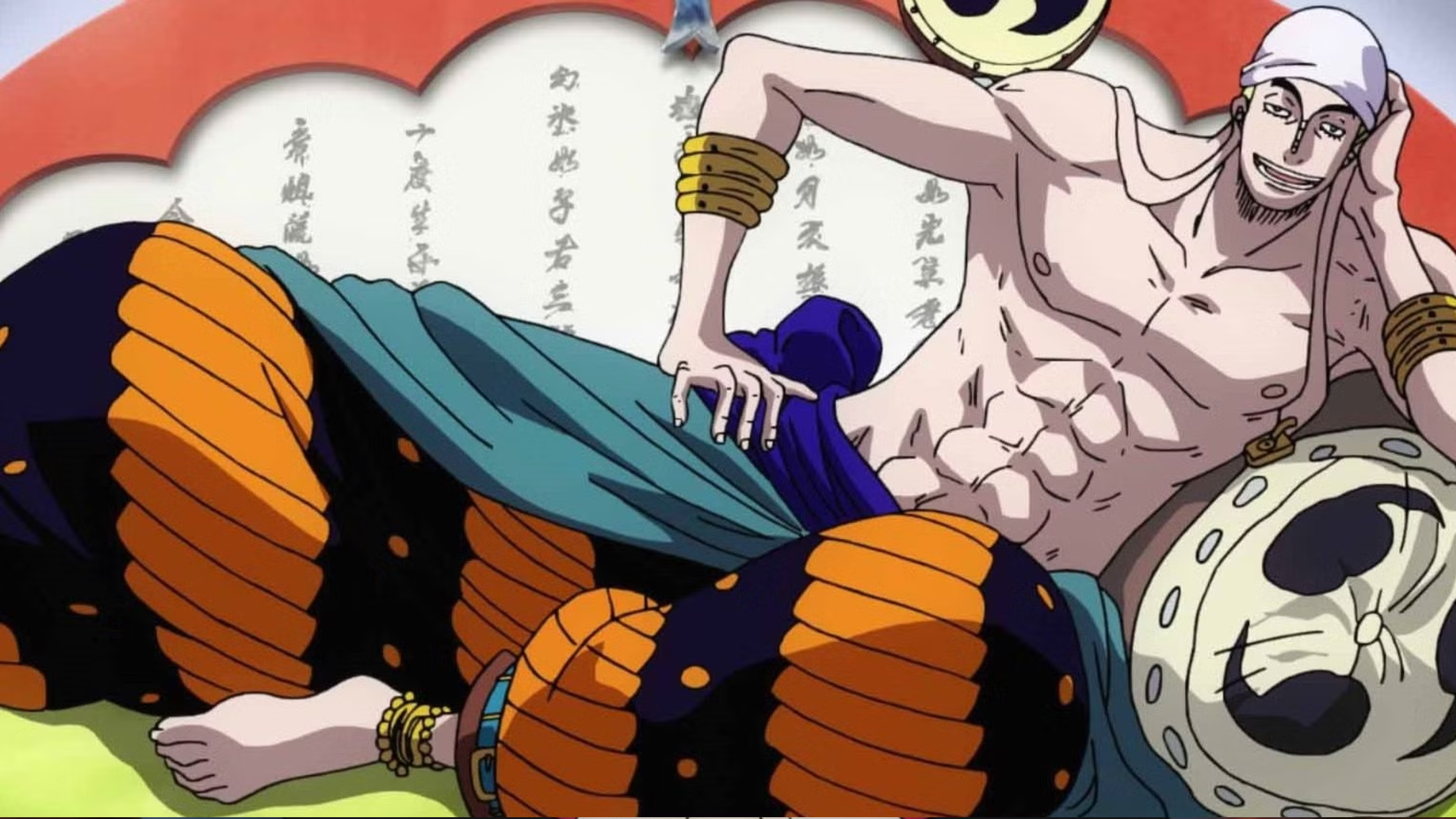
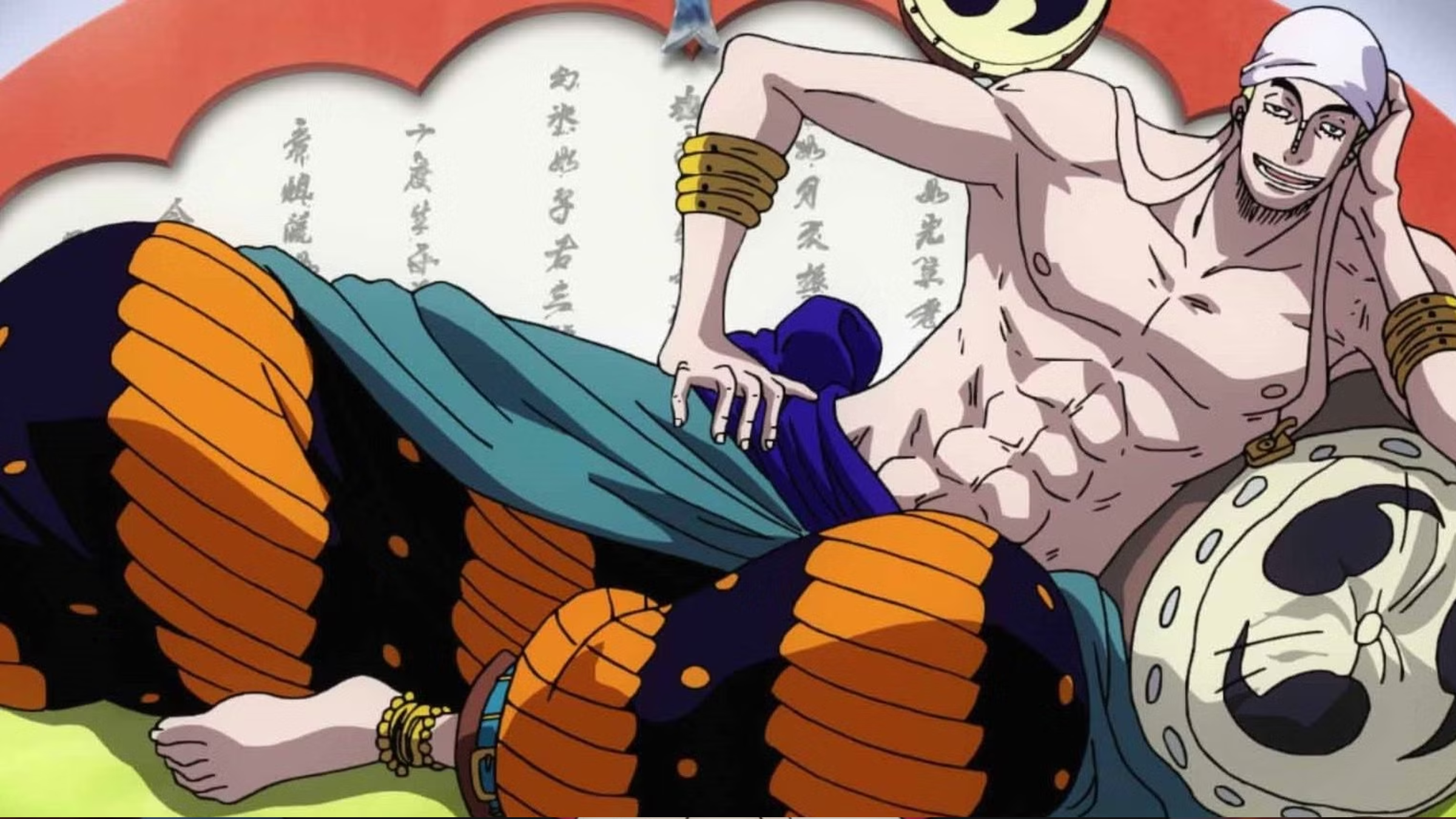
Enel is a memorable early villain in One Piece, but surprisingly little is known about what led to his belief that he was a god. We learn he destroyed his home, Birka, and took over Skypiea – acts of massive violence that are only briefly mentioned in the story. A person who would wipe out their own people and declare themselves “God” must have a compelling backstory, but the series doesn’t explore it in detail.
Witnessing the beginning of Enel’s god complex, the formation of his initial following, and the devastation of Birka would have made the Skypiea arc more than just a fight against a self-absorbed villain. It would have turned Enel into a compelling example of how absolute power corrupts and how dangerous religious fanaticism can be.
2. Black Maria
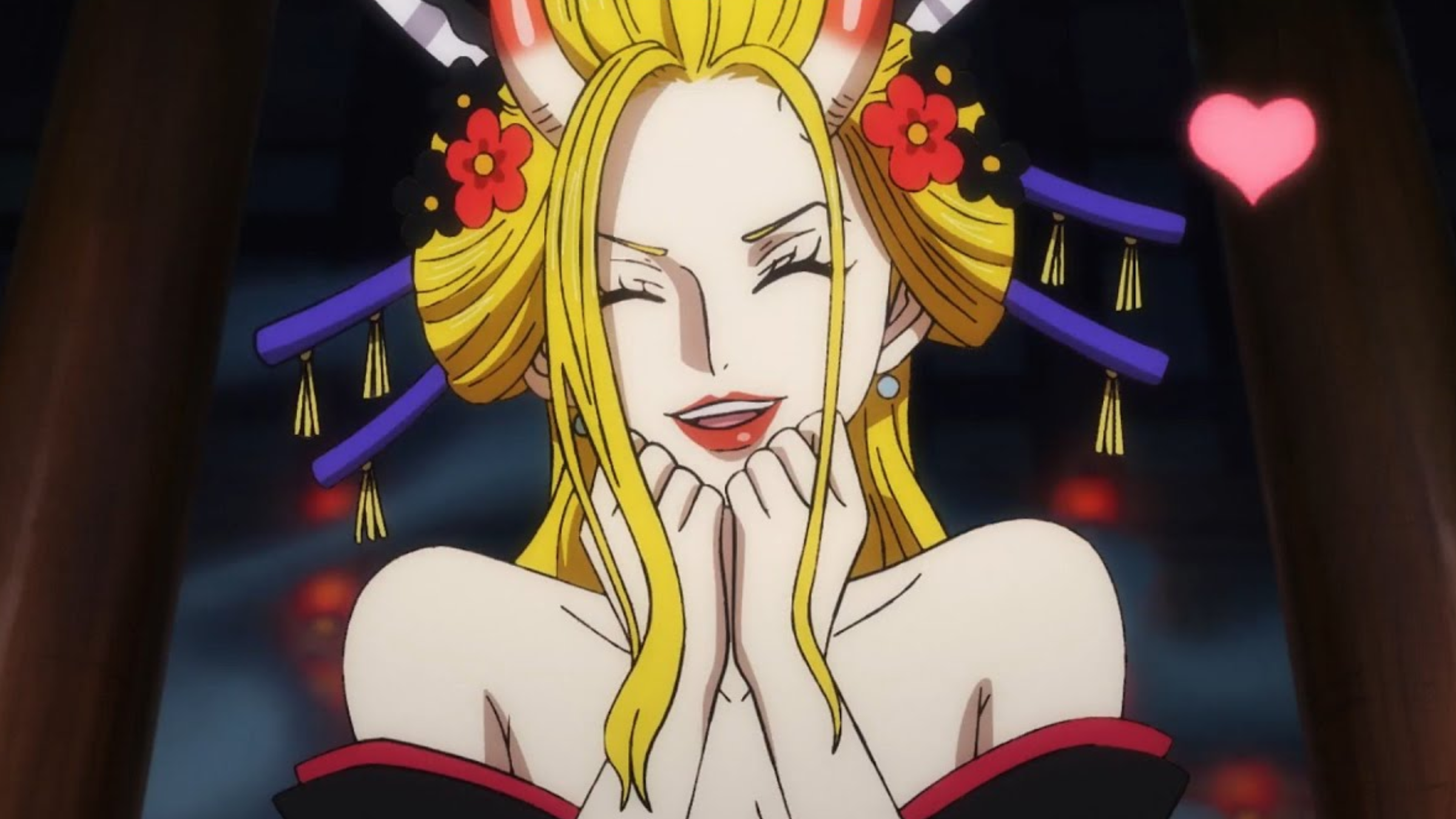
Black Maria is a memorable character with a strong presence and a surprisingly emotional battle with Robin. However, very little is known about her past. As a giantess involved in Wano’s criminal world, she sparks a lot of curiosity: how did she arrive in Wano, what made her join Kaido’s crew, and why does she remain loyal to that life? Her harsh treatment of Robin and Sanji suggests she’s insecure and enjoys controlling others, but we don’t have any background information to explain her behavior.
In the world of One Piece, Giants frequently encounter discrimination or are treated as oddities. Black Maria’s surroundings suggest a past filled with relationships based on exchange and a tendency to keep people at a distance. It’s possible she overcame being exploited by taking control and becoming the one doing the exploiting. She may have also found a strange sense of acceptance within the Beast Pirates, where power and fear are highly valued.
1. Kaido
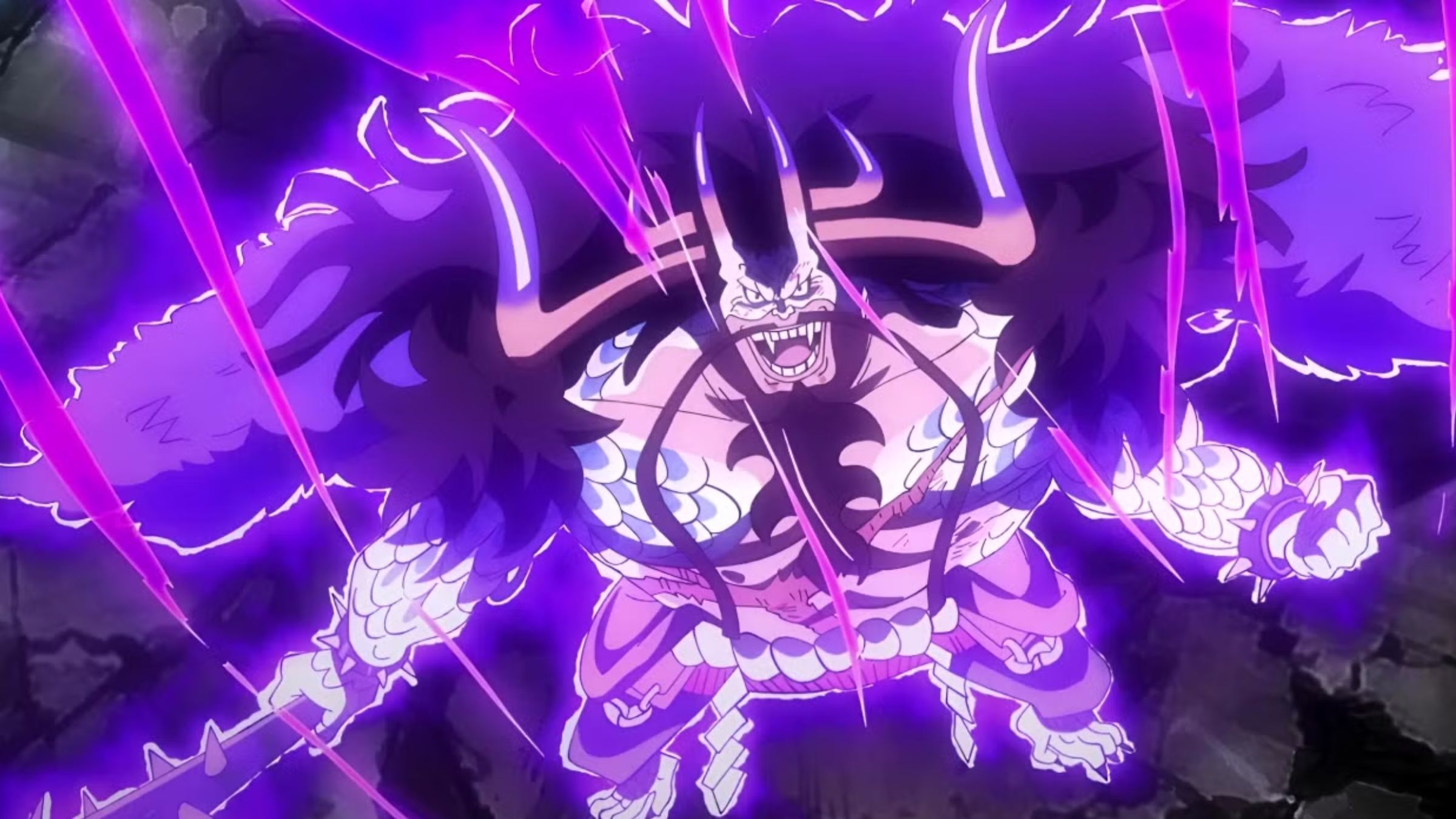
Kaido is clearly a huge player in the overall story – he’s one of the most powerful pirates and constantly talks about wanting a massive, world-ending war. However, I felt his backstory was a bit of a letdown. We get a glimpse into his past, seeing how he was forced to fight as a child and then used as a weapon by the World Government, but it feels incomplete. Just when you expect to really understand why he’s so obsessed with a spectacular death and total chaos, the story pulls back. His motivations never get the deep, emotional exploration they really needed.
Seeing him grow up – forced into constant wars, let down by rulers, and ultimately used by the Marines – could have easily explained why he came to glorify war itself. While his fixation on Joy Boy and self-destructive behavior suggest deep sadness, the story only hints at this pain instead of exploring it fully. Although Wano Country presents Kaido as the ultimate villain of an age, his personal motivations and feelings remain underdeveloped.
What do you think? Leave a comment below and join the conversation now in the ComicBook Forum!
https://comicbook.com/anime/list/5-weakest-one-piece-villains/embed/#
Read More
- The Super Mario Galaxy Movie: 50 Easter Eggs, References & Major Cameos Explained
- Surprise Isekai Anime Confirms Season 2 With New Crunchyroll Streaming Release
- 10 Best Free Games on Steam in 2026, Ranked
- Sydney Sweeney’s The Housemaid 2 Sets Streaming Release Date
- Welcome to Demon School! Iruma-kun season 4 release schedule: When are new episodes on Crunchyroll?
- Why is Tech Jacket gender-swapped in Invincible season 4 and who voices her?
- Preview: Sword Art Online Returns to PS5 as a Darker Open World Action RPG This Summer
- Skate 4 – Manny Go Round Goals Guide | All of the Above Sequence
- Joel Kinnaman Claims ‘Peacemaker’ Was His Last Time as Rick Flag Jr. in the DCU
- Forza Horizon 6 ‘Prologue’ gameplay
2026-02-08 02:18