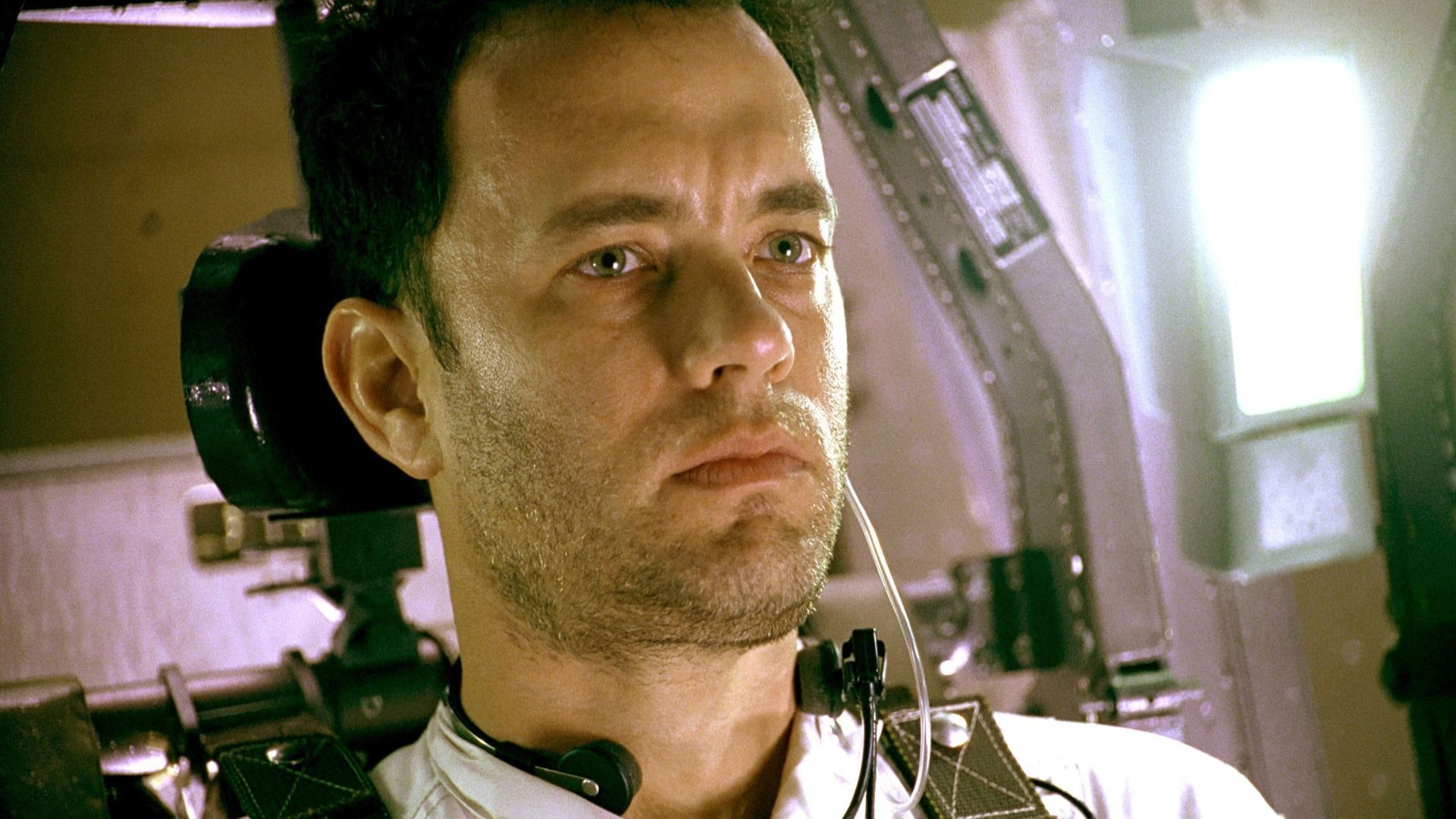
Over the past century, many fantastic science fiction movies about space have been made, and the most memorable ones often feel grounded in the realities of space travel. As NASA revives its space program and plans new lunar missions, it’s a perfect time to revisit these films.
NASA is getting ready for the Artemis II mission, a journey back to the moon that will help prepare for future human missions to Mars. This mission has sparked interest in realistic space-themed movies – even astronauts have noted how accurately some films portray space travel and the bonds between crew members.
Gravity (2013)
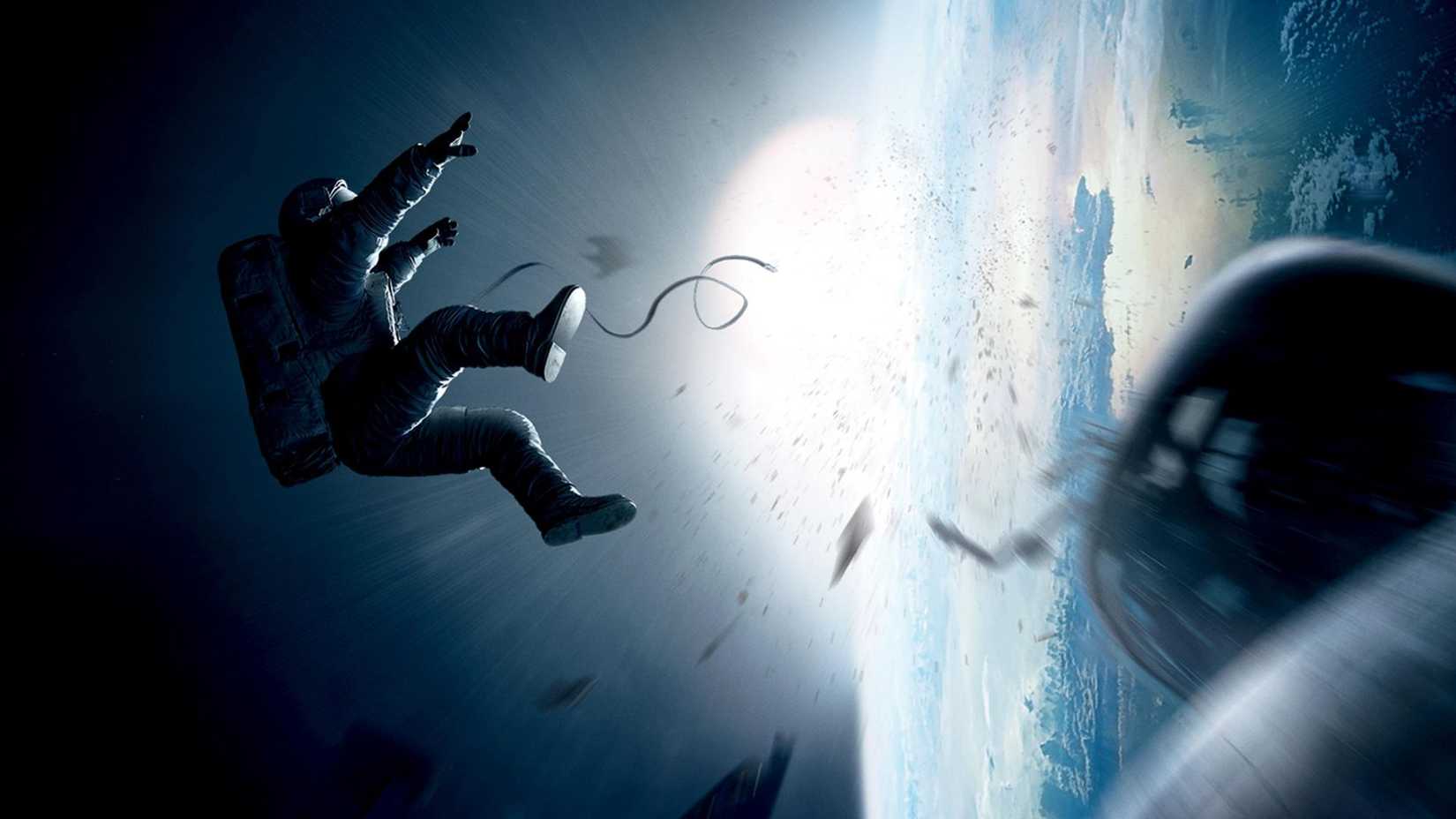
The movie Gravity was a huge hit when it came out. It told the story of two astronauts whose Space Shuttle was destroyed. Both desperately wanted to return home, but only one of them survived.
Sandra Bullock’s performance in the film was widely acclaimed, and Alfonso Cuarón took home an Oscar for directing. The movie was a huge success, earning 10 Oscar nominations and grossing $723 million worldwide. Critics particularly praised its incredibly realistic portrayal of space, calling it a perfect 10/10 science fiction film from beginning to end.
The movie took some creative liberties with science for the sake of entertainment, but it largely got the physics right. In fact, astronaut Buzz Aldrin called it “remarkable,” and another astronaut said everything felt authentic and nothing was left out.
Contact (1997)

As a huge movie fan, I’ve always admired Robert Zemeckis’ dedication to getting things right, even when he’s bending reality – think about how he handled history in Forrest Gump. But in 1997, he tackled something completely different: space travel. The result was a film that’s become famous for being incredibly accurate, and honestly, it’s often praised as one of the most realistic depictions of space travel ever put on screen.
Jodie Foster plays Dr. Ellie Arroway, a scientist who searches for signs of intelligent life beyond Earth by listening for radio signals from space. Just as her funding is about to be cut, she finds a mysterious message that could be proof that we’re not alone.
Robert Zemeckis’s film, Contact, was remarkably informed by real scientific research. It drew on Kip Thorne’s work on wormholes and was developed with input from the SETI Institute; Jodie Foster even met with the leader of SETI’s Project Phoenix to prepare for her role. In fact, SETI stated that Contact offered the most accurate portrayal of the organization ever seen in a film.
Europa Report (2013)

Europa Report is a 2013 science fiction film about a space mission that doesn’t get the attention it deserves. While it’s a well-made movie, its ‘found footage’ style – a technique where the film is presented as discovered recordings – wasn’t very popular with audiences at the time. Made for $10 million, it only earned a little over $125,000 at the box office.
The movie offers a compelling vision of space travel, uniquely presented as ‘found footage’ within a science fiction story, rather than a horror one. It tells the story of a mission to Jupiter’s moon, Europa, which unfortunately goes terribly wrong, and the film shows the events as they were recorded.
Even though the movie is presented as found footage, it strives for accuracy. The filmmakers incorporated genuine footage from the International Space Station and spacewalks, and based their depiction of Europa on real data and maps from NASA and the Jet Propulsion Laboratory, making it as realistic as possible.
2001: A Space Odyssey (1968)
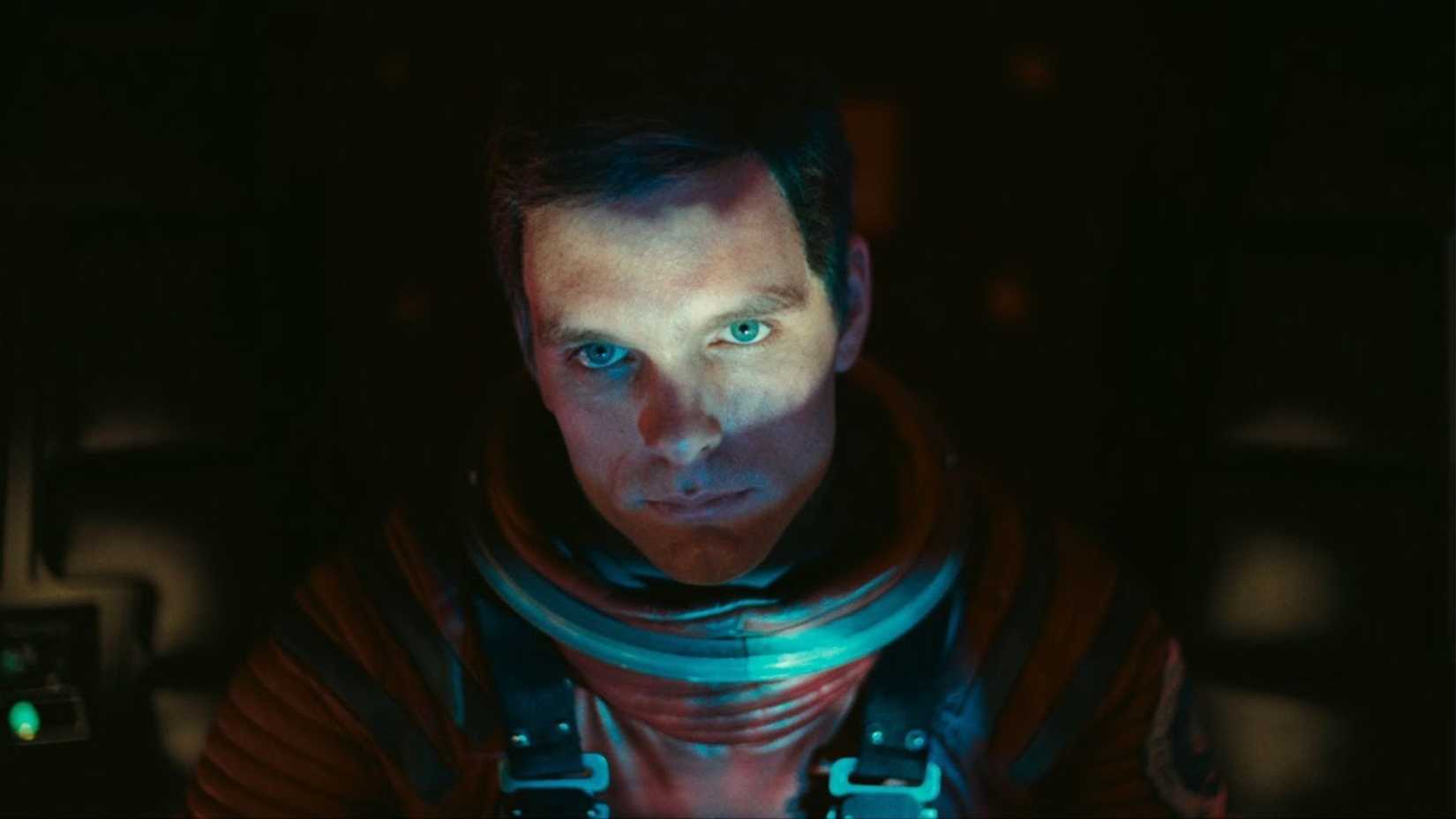
Although it seems odd to call 2001: A Space Odyssey a realistic space movie, many astronauts actually consider it to be one of the most accurate. Despite its fantastical elements like journeys to the beginning of time and mind-bending visuals, the film’s depiction of space travel itself is surprisingly true to life.
Astronaut Leroy Chiao, who led the six-month Expedition 10 mission in space, considers the film 2001: A Space Odyssey to be one of the most innovative and influential movies ever made about space travel.
According to astronaut Michael Chiao, Kubrick successfully created realistic space scenes in his film, getting far more accurate details right than wrong. He also highly recommends Arthur C. Clarke’s novel to anyone fascinated by NASA and space travel.
Apollo 13 (1995)

It’s no surprise that Apollo 13 is often called one of the most realistic space movies ever made. The film is based on the actual Apollo 13 mission and the incredible challenges the astronauts faced trying to return to Earth. More than just a retelling of events, it’s a moving tribute to the courage and resilience of the original crew.
The movie featured an incredible cast, including Tom Hanks, Bill Paxton, Ed Harris, and Kevin Bacon. But what truly made Ron Howard’s film special was its realistic depiction of NASA, the astronauts themselves, and the intense drive to bring them safely home.
Astronauts have widely praised the film, which was adapted from the book co-authored by astronaut Jim Lovell—played by Tom Hanks—and Jeffrey Kluger. The movie also honored the dedicated team at Mission Control, offering a remarkably realistic portrayal of the people who worked behind the scenes.
The Martian (2015)

While no one has ever traveled to Mars in person, the movie The Martian still strives for scientific accuracy. The film follows astronaut Mark Watney, played by Matt Damon, who is accidentally left behind on Mars and must find a way to survive until help arrives.
Astronauts have praised the movie for its realism, particularly how accurately it portrays the NASA team’s commitment and willingness to make sacrifices to achieve their goals. One astronaut noted that the film realistically emphasized the priority of crew safety, which is always the most important thing.
The novel feels incredibly authentic, but what really sets The Martian apart is the filmmakers’ close collaboration with NASA. They focused on ensuring the science—particularly the biology and chemistry involved in space travel—was as accurate as possible.
The Right Stuff (1983)

The 1983 film The Right Stuff sparked widespread interest in space exploration and inspired many to consider careers at NASA and becoming astronauts. Based on Tom Wolfe’s popular book, the movie tells the story of the original Mercury 7 astronauts and their pioneering journeys.
Interestingly, The Right Stuff shares a connection with the film Apollo 13. Ed Harris, who played a Mission Control member in Apollo 13, appears in The Right Stuff as one of the astronauts, alongside Scott Glenn and Sam Shepard.
The movie deeply inspired Michael Massimino and sparked his dream of becoming an astronaut. He later achieved this goal, participating in multiple space shuttle missions and even working on the Hubble Space Telescope during spacewalks.
Hidden Figures (2016)

Historically, stories are usually written by those in power, and can sometimes be biased to favor certain people. This happened with the NASA Space Race of the 1950s and 60s, where three talented women didn’t receive the recognition they deserved.
Fortunately, the movie Hidden Figures brought the incredible contributions of these women to light. During the Space Race, three brilliant African American mathematicians – Katherine Goble Johnson, Dorothy Vaughan, and Mary Jackson – played a vital, yet often unseen, role at NASA, and their story is finally being told.
The movie was widely applauded for its realistic portrayal of NASA, though some viewers felt it exaggerated the extent of segregation that existed there. Regardless, these remarkable women didn’t receive the recognition they were due for many years.
Interstellar (2014)
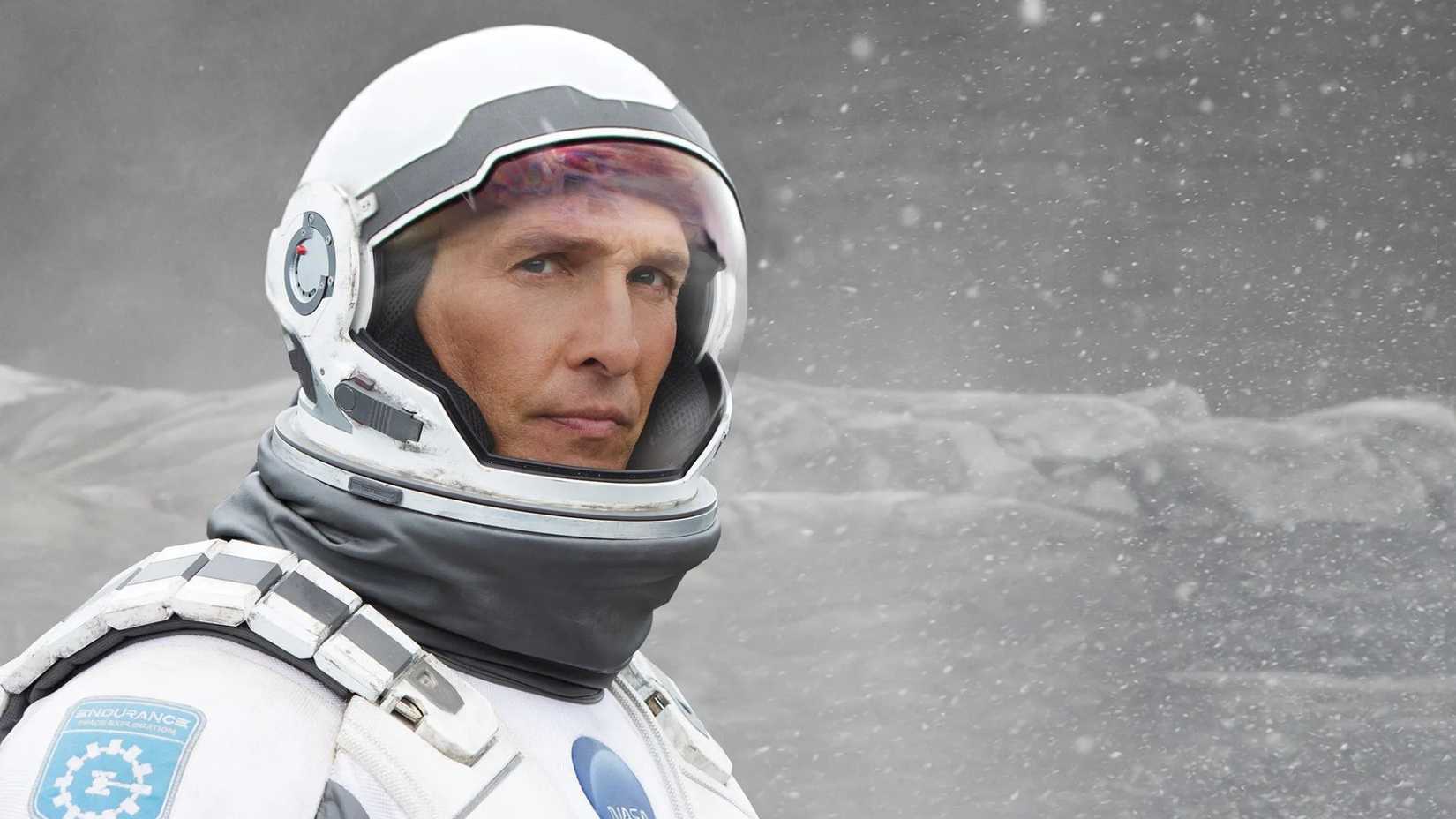
Like the classic film 2001: A Space Odyssey, Interstellar strives for realism in its portrayal of space travel. However, it also layers in thought-provoking science fiction concepts and emotional experiences to create a captivating story. The film is set on a future Earth facing an environmental disaster, and follows humanity’s desperate search for a new planet to call home.
The movie primarily centers around Matthew McConaughey and Jessica Chastain as they travel through space searching for a new home. Astronaut Josh Cassada, who journeyed to the International Space Station in 2022, praised the film for its scientific accuracy.
Former NASA scientist Dr. Sylvain Costes praised the movie Interstellar for accurately portraying time as a crucial resource, even more so than fuel, in space travel. He noted that the film’s depiction of the challenges faced by the mission was surprisingly realistic, despite its science fiction elements.
Apollo 11 (2019)

There are many films about space exploration, and not all of them are works of fiction. For fans of science fiction, the 2019 CNN documentary Apollo 11 is a great choice, as it details the historic first mission to land people on the moon.
The mission carried Buzz Aldrin, Neil Armstrong, and Michael Collins to the moon, sparking widespread public fascination with space exploration. The iconic footage of the first steps taken on the lunar surface is still considered NASA’s most significant achievement.
This documentary is captivating because it relies entirely on original footage and recordings from the time period – there are no modern-day interviews or voiceovers. It feels incredibly authentic, and it’s a must-see for fans of science fiction, space films, or NASA history.
Source: CNN Entertainment
Read More
- The Super Mario Galaxy Movie: 50 Easter Eggs, References & Major Cameos Explained
- 10 Best Free Games on Steam in 2026, Ranked
- Surprise Isekai Anime Confirms Season 2 With New Crunchyroll Streaming Release
- Sydney Sweeney’s The Housemaid 2 Sets Streaming Release Date
- Welcome to Demon School! Iruma-kun season 4 release schedule: When are new episodes on Crunchyroll?
- Preview: Sword Art Online Returns to PS5 as a Darker Open World Action RPG This Summer
- Skate 4 – Manny Go Round Goals Guide | All of the Above Sequence
- Why is Tech Jacket gender-swapped in Invincible season 4 and who voices her?
- Forza Horizon 6 ‘Prologue’ gameplay
- Joel Kinnaman Claims ‘Peacemaker’ Was His Last Time as Rick Flag Jr. in the DCU
2026-02-08 04:14