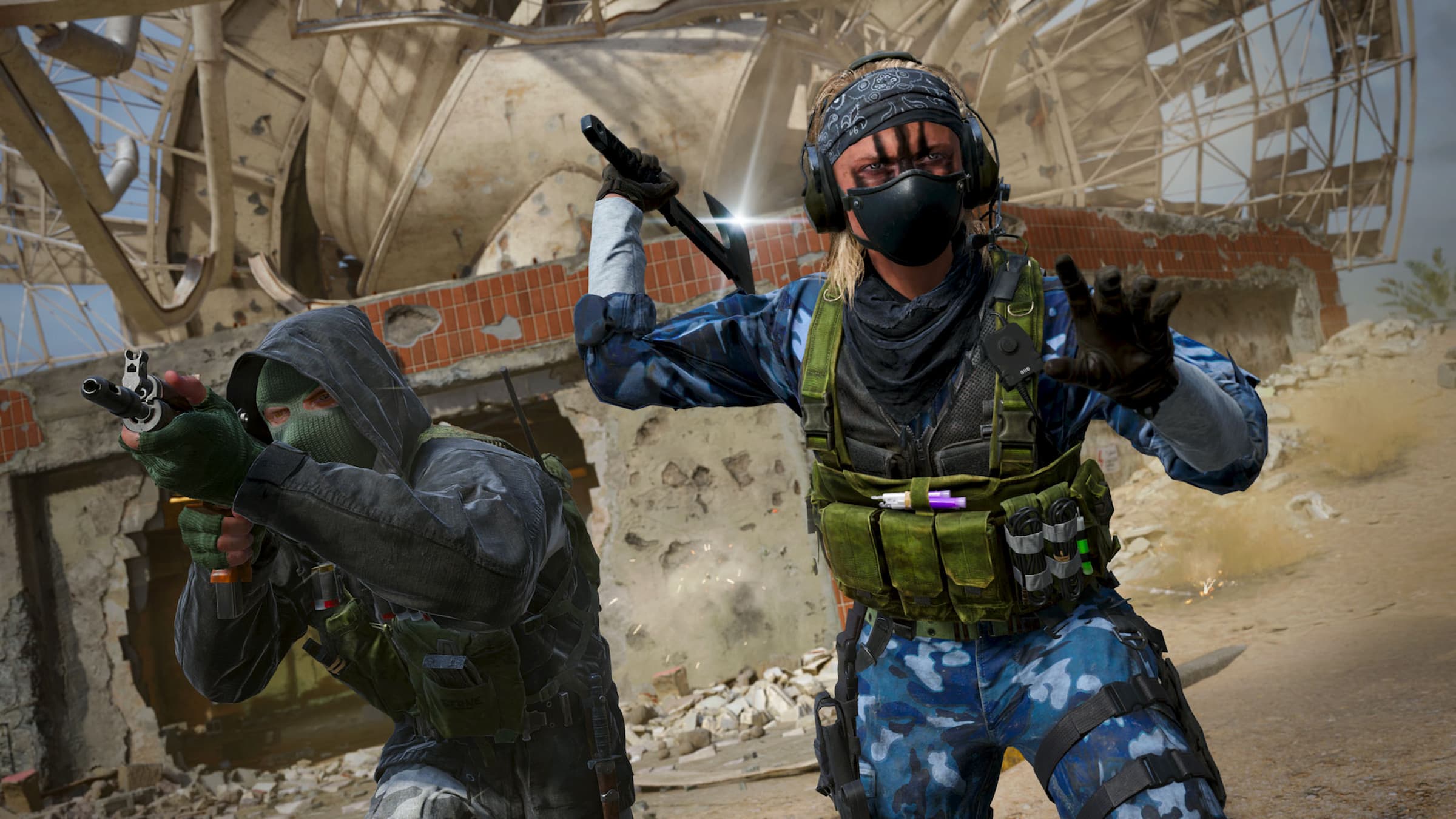
For a long time, online shooting games were simple: choose a weapon and try to beat the other team. There were no complex objectives like pushing payloads, using special character abilities, worrying about shrinking play areas, or trying to escape before time ran out. It was all about quick reactions and knowing the map, and that straightforward approach was what many players loved. This combination of easy-to-learn gameplay with a high skill ceiling is often a recipe for lasting success.
Modern shooters have evolved, and the classic Team Deathmatch mode feels increasingly outdated. It was once a staple in almost every shooting game, but now it’s often left out, hidden in menus, or takes a backseat to other popular modes like objective-based games, hero shooters, and battle royales. While the shooter genre has become more innovative, it’s moved away from a simple, yet highly replayable, multiplayer format.
Team Death May Officially Be Dead
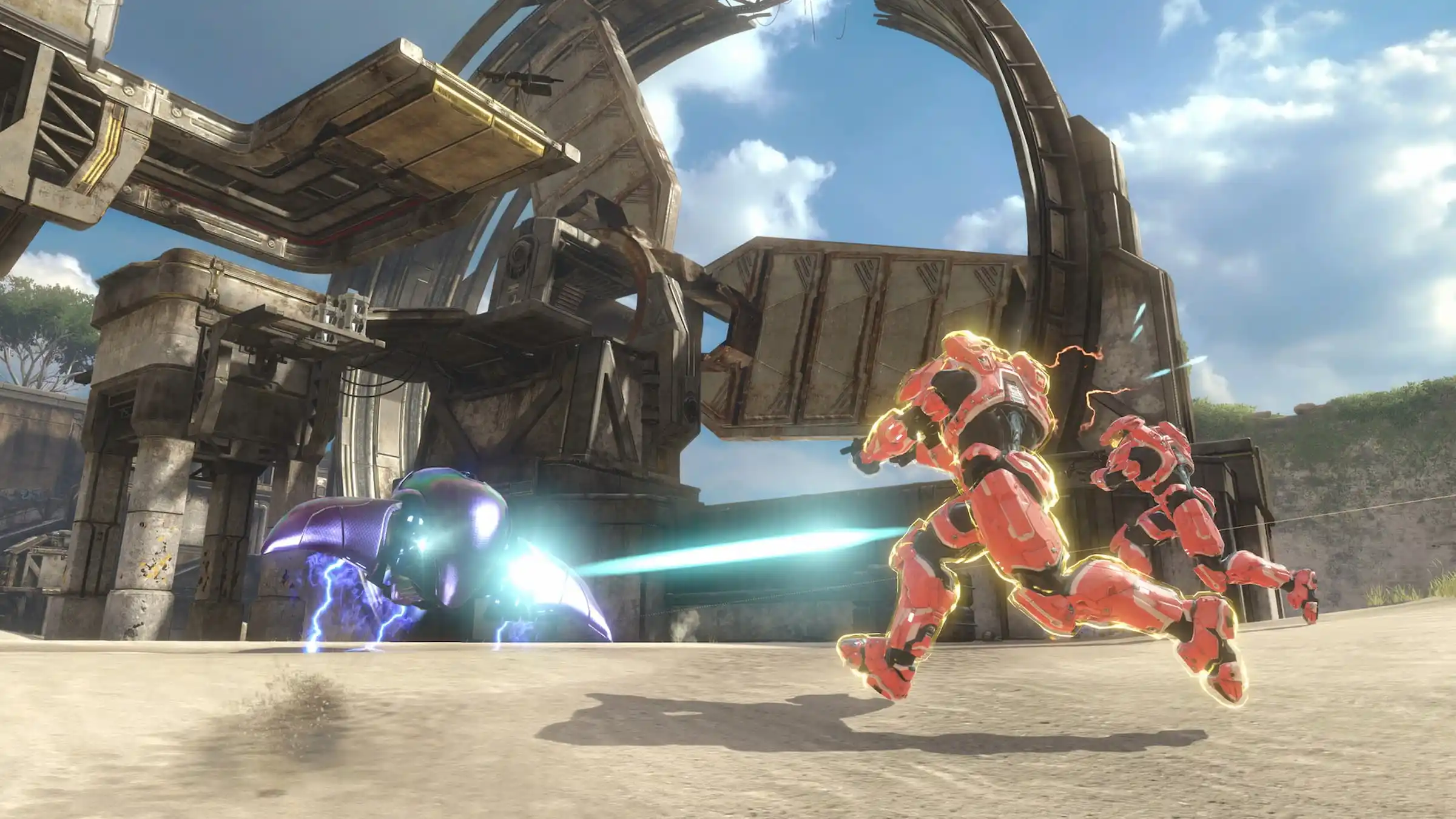
Team Deathmatch was, for a long time, the most popular way to play multiplayer shooter games. Titles like Call of Duty, Halo, Battlefield, and Gears of War all heavily featured it. While other modes existed, Team Deathmatch was the main draw and usually had the most players. Its simple rules made it easy for newcomers to pick up, while still offering plenty of room for experienced players to improve and master the game.
These days, many new shooting games don’t include traditional deathmatch or give it less importance. Instead, they usually start with game types centered around completing specific goals. We’re seeing more missions where you escort someone, capture and hold areas, plant or defuse bombs, tackle challenging raids, or try to escape with loot. Popular shooters like Overwatch, Marvel Rivals, Fortnite, and Arc Raiders have led this trend in recent years. And even when classic elimination modes are available, they’re often changed to be round-based or require more strategy than simply respawning and fighting.
Call of Duty remains the most popular series to consistently feature classic Team Deathmatch. Meanwhile, some game franchises are moving away from multiplayer altogether. Halo, for example, is now prioritizing single-player experiences and moving away from its traditional multiplayer format, which means it’s leaving out Team Deathmatch. With a major supporter of this game mode stepping back, the future of Team Deathmatch is uncertain.
Shooters Are Focusing on Objectives and Heroes
Shooter games today are becoming more complex, focusing on keeping players engaged for longer periods. Instead of just eliminating opponents, many games now feature objectives that encourage teamwork and let designers control how quickly the action unfolds. Some add unique character abilities and specific roles (hero shooters), while others emphasize surviving in a large environment (battle royale) or risking valuable items for rewards (extraction shooters). All these additions create more strategic possibilities than simple deathmatches.
I’ve been playing shooters for years, and games like Overwatch, Valorant, and Apex Legends really changed things up. They made hero-based shooters, where you pick characters with unique abilities, super popular. It’s not just about who has the best aim anymore – teamwork and having a good mix of heroes on your team are just as important, if not more so. That’s awesome because it opens things up to more players, and it makes esports way more interesting. Instead of just focusing on who gets the most kills, teams have to coordinate and play specific roles. Plus, every match feels different because of all the different hero combinations and strategies you can use.
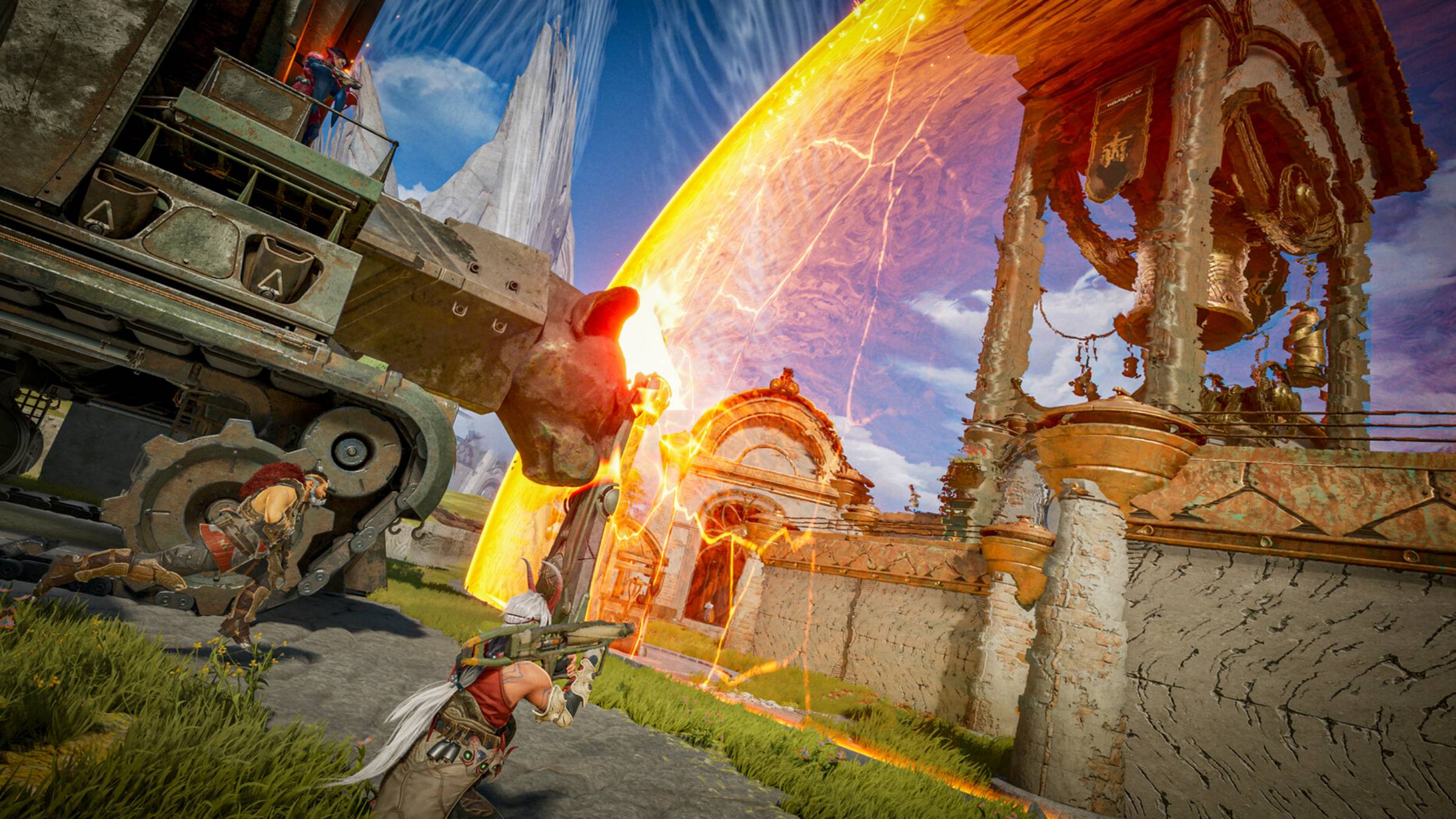
Games focused on completing objectives, like those with raids or control points – such as Highguard – give players a clear sense of purpose. This style of gameplay promotes teamwork and strategic thinking, though it often means fewer traditional free-for-all matches. These modes are also easier to keep fresh with new content, characters, and adjustments. It’s simpler to add new abilities or change how maps work in an objective-based game than to completely overhaul a simple elimination format. This makes them ideal for games that are constantly updated and offer ongoing purchases.
Is There a Place Any More for Old Fashioned Eliminations?
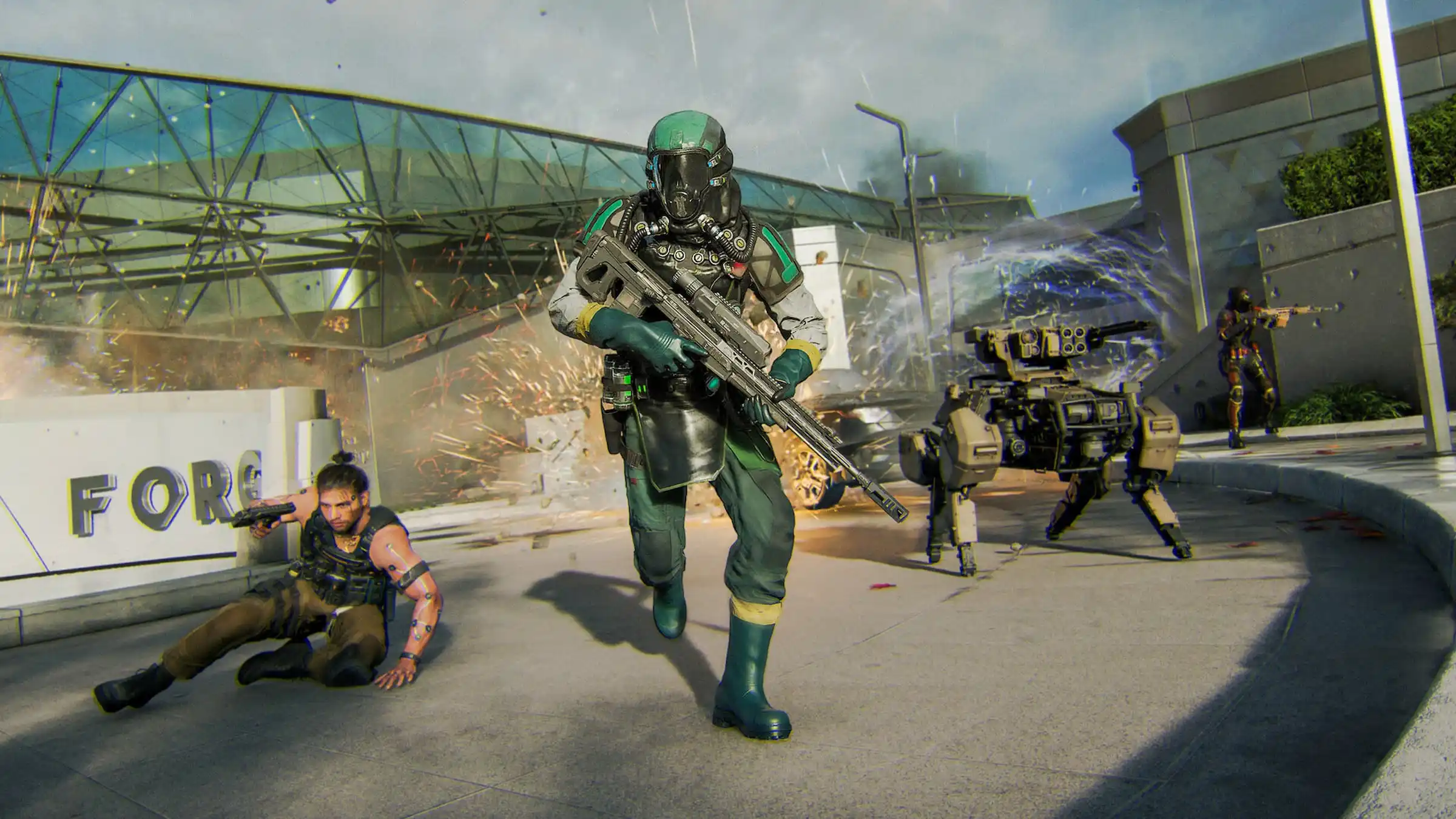
Even though things are changing, modes focused on simply eliminating opponents still have a lot to offer. They let you really focus on core skills – things like aiming, movement, and quick reactions – without having to worry about complicated hero powers or constantly changing strategies. Some of my most exciting multiplayer experiences have come from these straightforward matches where winning or losing came down to pure skill and how well you played in the moment.
Many shooting games still feature classic elimination modes. Popular titles like Call of Duty continue to offer Team Deathmatch, and Halo Infinite includes similar Slayer modes. Arena and independent shooters frequently maintain these deathmatch formats, both in team-based and free-for-all styles. Even more strategic shooters sometimes include quick-play or side modes that operate like elimination matches.
Gaming has changed a lot, and honestly, some of those changes have been amazing. Battle royales, hero shooters, and extraction games all became popular because they did something new and players loved them. But I sometimes wonder if we rushed away from the classic team deathmatch and objective-based modes that were the heart of shooters for so long. I think there’s room for both – the super complex stuff and simple, straightforward matches. Just because something is classic doesn’t mean it’s old news, and I’d love to see a bit of a return to those core experiences.
What do you think? Leave a comment below and join the conversation now in the ComicBook Forum!
Read More
- The Super Mario Galaxy Movie: 50 Easter Eggs, References & Major Cameos Explained
- Surprise Isekai Anime Confirms Season 2 With New Crunchyroll Streaming Release
- 10 Best Free Games on Steam in 2026, Ranked
- ‘Project Hail Mary’: The Biggest Differences From the Book, Explained
- Preview: Sword Art Online Returns to PS5 as a Darker Open World Action RPG This Summer
- Starfield (PS5) Review – A Successful Cross-Console Voyage
- Sydney Sweeney’s The Housemaid 2 Sets Streaming Release Date
- Why is Tech Jacket gender-swapped in Invincible season 4 and who voices her?
- Skate 4 – Manny Go Round Goals Guide | All of the Above Sequence
- Overwatch 2 G.I. Joe Crossover Launches July 1: Join the Battle Between Heroes and Villains
2026-02-09 02:10