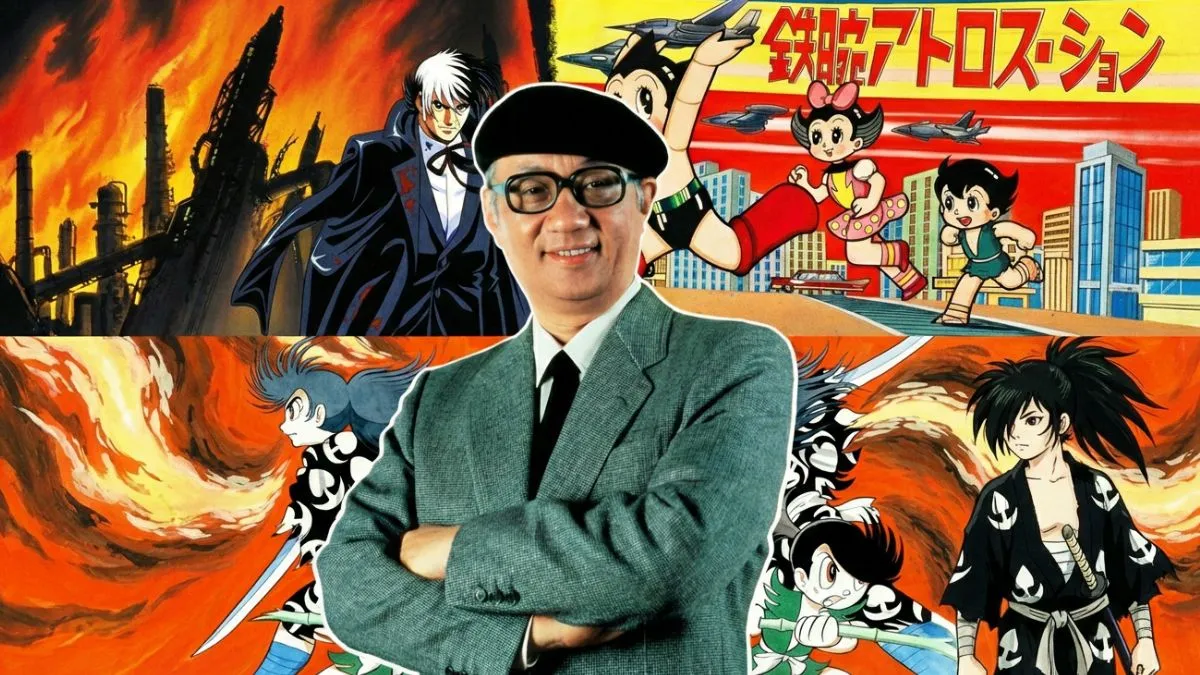
Today marks the 37th anniversary of the death of Osamu Tezuka, a hugely influential figure in the anime world whose work continues to impact what we watch today. Tezuka passed away on February 9, 1989, at the age of 60. His contributions are so vast that he’s become almost legendary, often referred to as the ‘God of Manga,’ a title that doesn’t quite capture the full scope of his achievements.
Osamu Tezuka revolutionized manga with his storytelling and visual style, and his work laid the groundwork for the modern anime industry. Today’s anime isn’t just influenced by Tezuka—it’s fundamentally based on the techniques and decisions he pioneered, both the successful and the debated ones, which have become industry norms.
The Man Behind The Legend
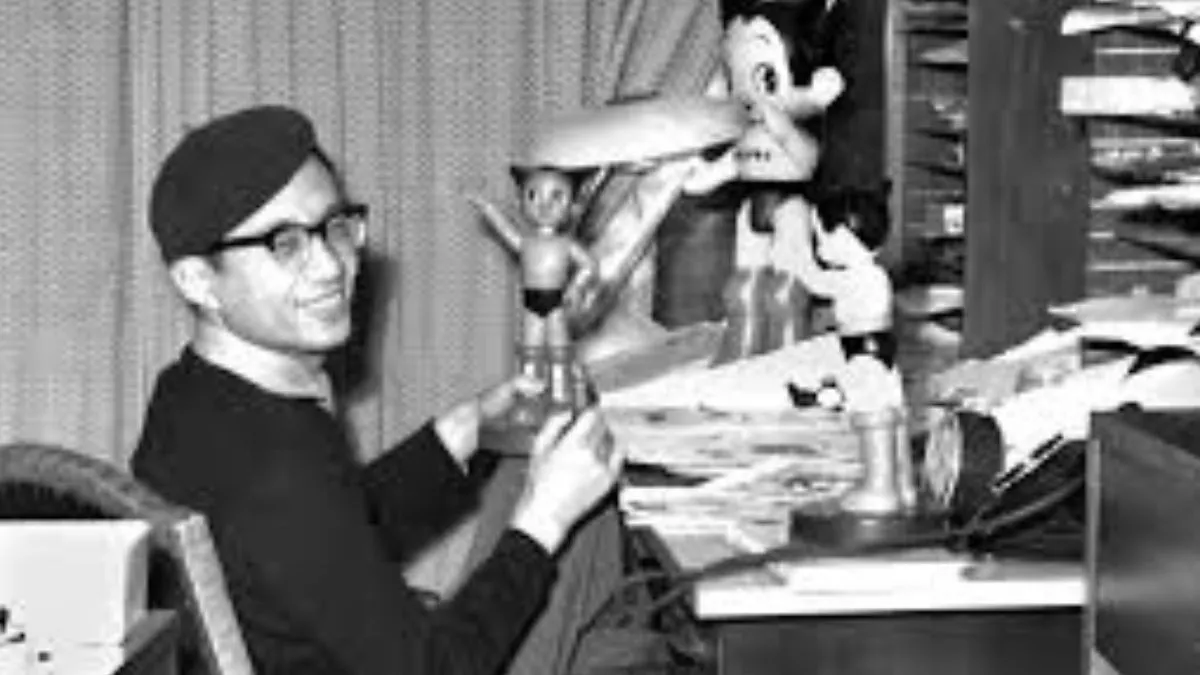
Osamu Tezuka, born in 1928, grew up during and after Japan’s wartime period, which deeply influenced the themes in his stories. Originally trained as a doctor, he earned a medical degree and uniquely combined scientific and emotional thinking. This blend is evident in his work, where fantastical elements meet explorations of anatomy, morality, and what it means to be alive. Even in his most lighthearted stories, Tezuka often focused on the importance of life and the dangers of unchecked power.
What really set Osamu Tezuka apart wasn’t just how much manga he created, but how he approached it. I always saw his work as comics trying to be film – he really adopted techniques from cinema, like suggesting camera movement and using montage. He was telling longer, more emotionally complex stories when most manga was still focused on quick jokes or simple adventures. He showed everyone that manga could be serious, literary work enjoyed by a huge audience, and I think he really proved it was possible.
How Tezuka rewired manga storytelling
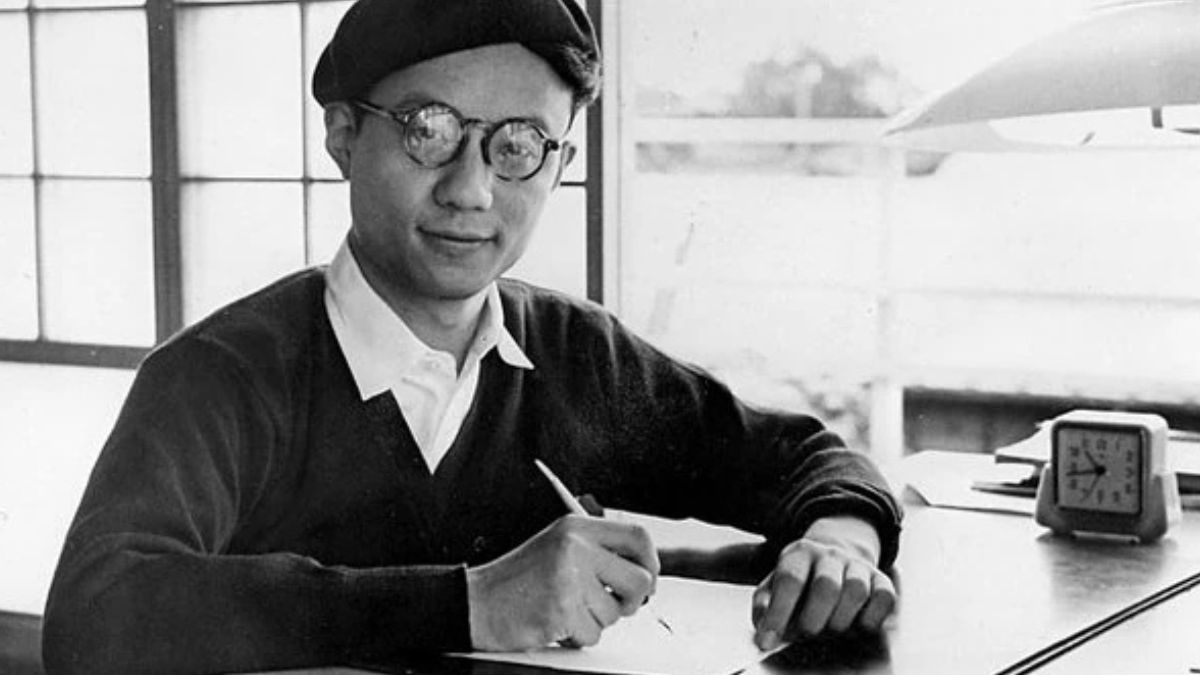
Osamu Tezuka is famous for pioneering a style of manga panels that felt like watching a movie – using dramatic angles, quick scene changes, and moments that paused to emphasize feelings. These techniques, now common in both manga and anime, were revolutionary at the time, proving that comics could be just as visually powerful and emotionally engaging as film.
Series like Jungle Taitei (known in English as Kimba the White Lion) and Ribon no Kishi (known as Princess Knight) were important in creating the foundations for many stories that followed. Princess Knight is often mentioned as a key influence on shoujo manga and stories that explore themes of gender and identity. While Osamu Tezuka didn’t originate every idea he used, he was exceptional at combining different influences into a style that was easily adapted by other creators.
Mushi Production and the birth of TV anime economics

Osamu Tezuka started Mushi Production in 1961, which quickly became a leading anime studio. While we greatly admire Tezuka’s vision, it’s important to acknowledge that the production methods he pioneered have presented ongoing challenges for the anime industry.
In 1963, Mushi Productions created Tetsuwan Atomu, known as Astro Boy, which is considered the first truly popular Japanese anime TV series. While not the very first Japanese animation for television, it was the one that proved weekly anime could attract a large audience and support a market for related products. Osamu Tezuka, the creator, reportedly sold the episodes at a low price to ensure the show was broadcast, prioritizing visibility and cultural impact over immediate profits. This risk paid off for Astro Boy, but it also established a pattern of low budgets and demanding work conditions within the anime industry.
The technique that emerged was called limited animation, and it involved using fewer hand-drawn frames. Instead, it relied on carefully planned scenes, static poses, and repeating animation sequences. Interestingly, the distinctive visual style often associated with anime actually developed from these limitations. Osamu Tezuka transformed these constraints into a unique aesthetic, and the industry embraced it out of practicality.
Themes that still define anime
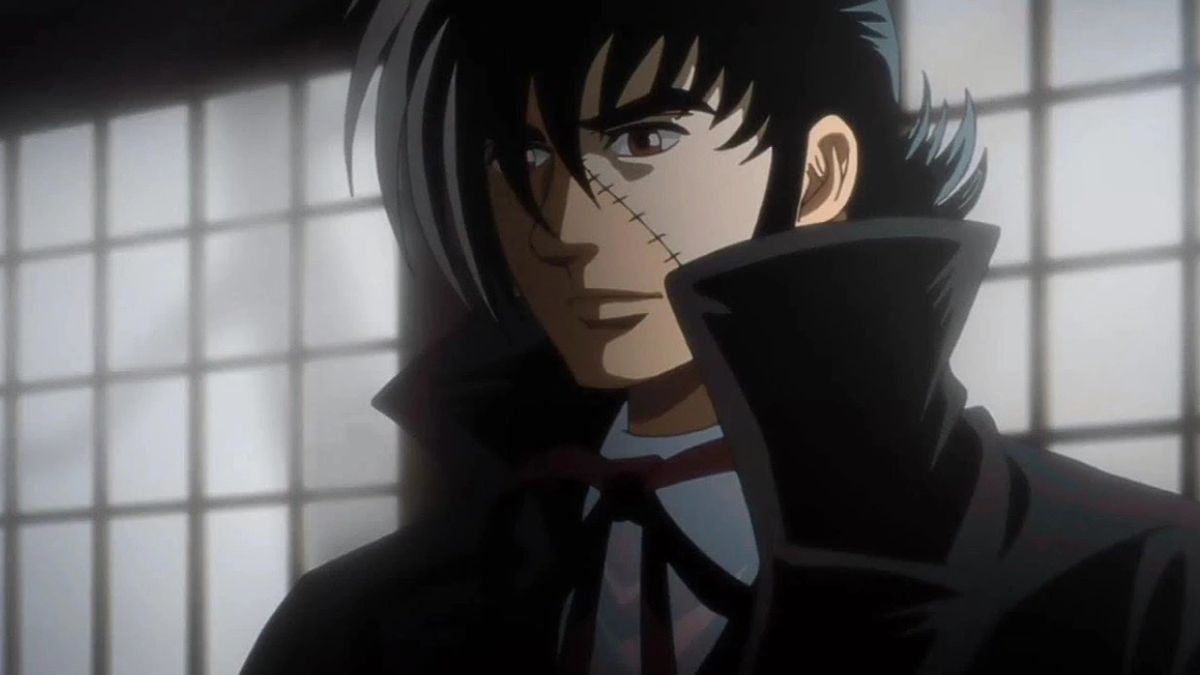
Osamu Tezuka consistently focused on the value of human life in his work. He often explored why societies allow violence and how people fight against it. Later in his career, works like Black Jack delved into the complex ethics of medicine, combining medical cases with challenging moral questions. His most ambitious project, Phoenix, was a sweeping story about death, reincarnation, and the downsides of living forever. These works weren’t just entertainment; they redefined what audiences expected from manga and anime, pushing the boundaries of popular storytelling.
Tezuka was a master of blending different moods. He could seamlessly shift from lighthearted comedy to deeply sad moments, all while remaining genuine. This ability to mix tones is common in anime today, where you often see humor right alongside serious, even frightening, themes. While not everyone pulls it off successfully, Tezuka proved it could be done with real feeling and understanding.
Looking back at Osamu Tezuka, it’s clear he wasn’t just a pioneer, but really laid the groundwork for the anime industry as we know it. However, that foundation wasn’t perfect. The methods he used to make weekly TV anime possible also, unfortunately, led to years of low wages and incredibly demanding work conditions. He made the choices he did because of the times and his drive to bring animation to people’s homes. But the consequences of those decisions are still being felt today, as studios and artists continue to grapple with these issues.
What do you think? Leave a comment below and join the conversation now in the ComicBook Forum!
https://comicbook.com/anime/list/7-iconic-anime-series-that-changed-history/embed/#
Read More
- Surprise Isekai Anime Confirms Season 2 With New Crunchyroll Streaming Release
- Solo Leveling’s New Character Gets a New Story Amid Season 3 Delay
- Pragmata Shows Off Even More Gorgeous RTX Path Tracing Ahead of Launch
- HBO Max Just Added the Final Episodes of a Modern Adult Swim Classic
- Crimson Desert’s Momentum Continues With 10 Incredible New Changes
- All 7 New Supes In The Boys Season 5 & Their Powers Explained
- Frieren: Beyond Journey’s End Gets a New Release After Season 2 Finale
- PRAGMATA ‘Eight’ trailer
- Dragon Quest Smash/Grow launches April 21
- Preview: Sword Art Online Returns to PS5 as a Darker Open World Action RPG This Summer
2026-02-09 22:12