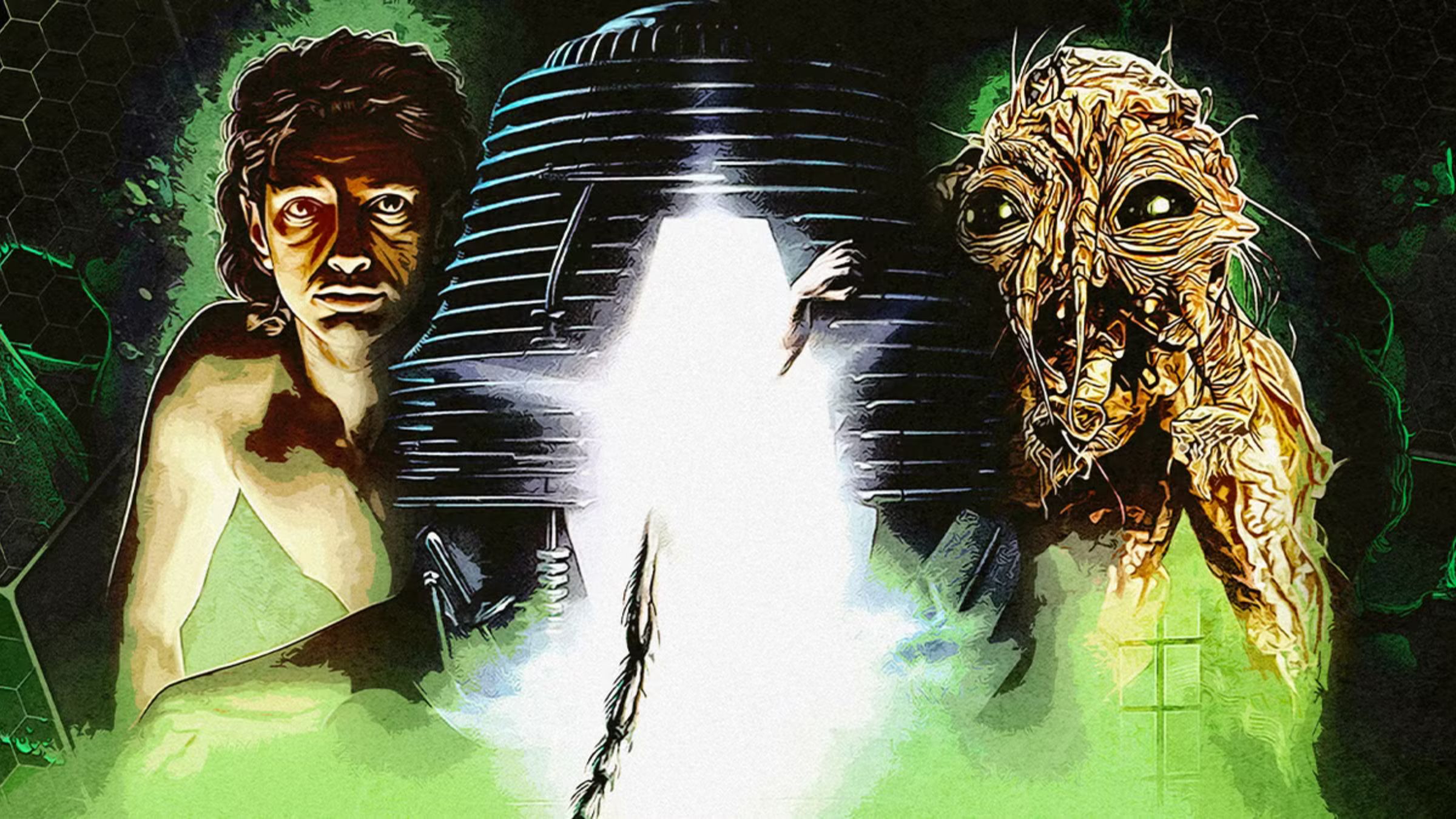
I’ve always loved how science fiction lets us explore really big, challenging ideas in a safe space. By messing with things like technology and even the rules of nature, sci-fi movies and stories create these worlds where we can ask tough questions about who we are, if we’re really free, and what our place is in this vast, uncaring universe. Honestly, these stories aren’t usually comforting. They often push you to think about unsettling possibilities – like what happens if we lose our individuality, if our senses can be tricked, or if progress isn’t always a good thing. The best sci-fi doesn’t give you easy answers; it makes you wrestle with difficult truths about ourselves and the world around us, using these imaginative settings to reveal uncomfortable realities.
As a huge cinema fan, I’ve always felt that horror and science fiction just go together. Sci-fi often presents these really unsettling ideas, but horror is what makes them truly frightening – it makes you feel that dread in your gut. It takes those abstract, thought-provoking concepts and turns them into real, physical reactions – fear, disgust, anxiety. When these genres combine, it’s like a perfect storm. Technology feels like an invasion, science becomes something you can’t trust, and even discovery can be deeply traumatizing. It’s a kind of filmmaking that really uses your imagination against you, turning things like labs, spaceships, and even the human body into sources of pure, existential terror.
7) Invasion of the Body Snatchers

Philip Kaufman’s 1978 version of Invasion of the Body Snatchers presents an alien invasion not as a direct attack, but as a gradual breakdown of society. The story unfolds in San Francisco, centering on health inspector Matthew Bennell (Donald Sutherland) who begins to notice strange changes in people’s behavior. Others claim that friends and family are being replaced by emotionless copies, but these reports are first seen as widespread panic. However, it soon becomes clear that alien pods are secretly creating duplicates of people while they sleep, stripping away their personalities but leaving their bodies unchanged.
What makes Invasion of the Body Snatchers so effective is its slow-burn build-up of tension. Rather than using big special effects, the film focuses on creating a sense of paranoia, letting fear grow as society seems to fall apart and people lose faith in each other. The sci-fi premise also reinforces the horror, tapping into fears from the 1970s about losing individuality and becoming part of a uniform culture. By the end, any attempt to fight back feels pointless, which is why Invasion of the Body Snatchers remains a landmark science fiction film.
6) The Fly
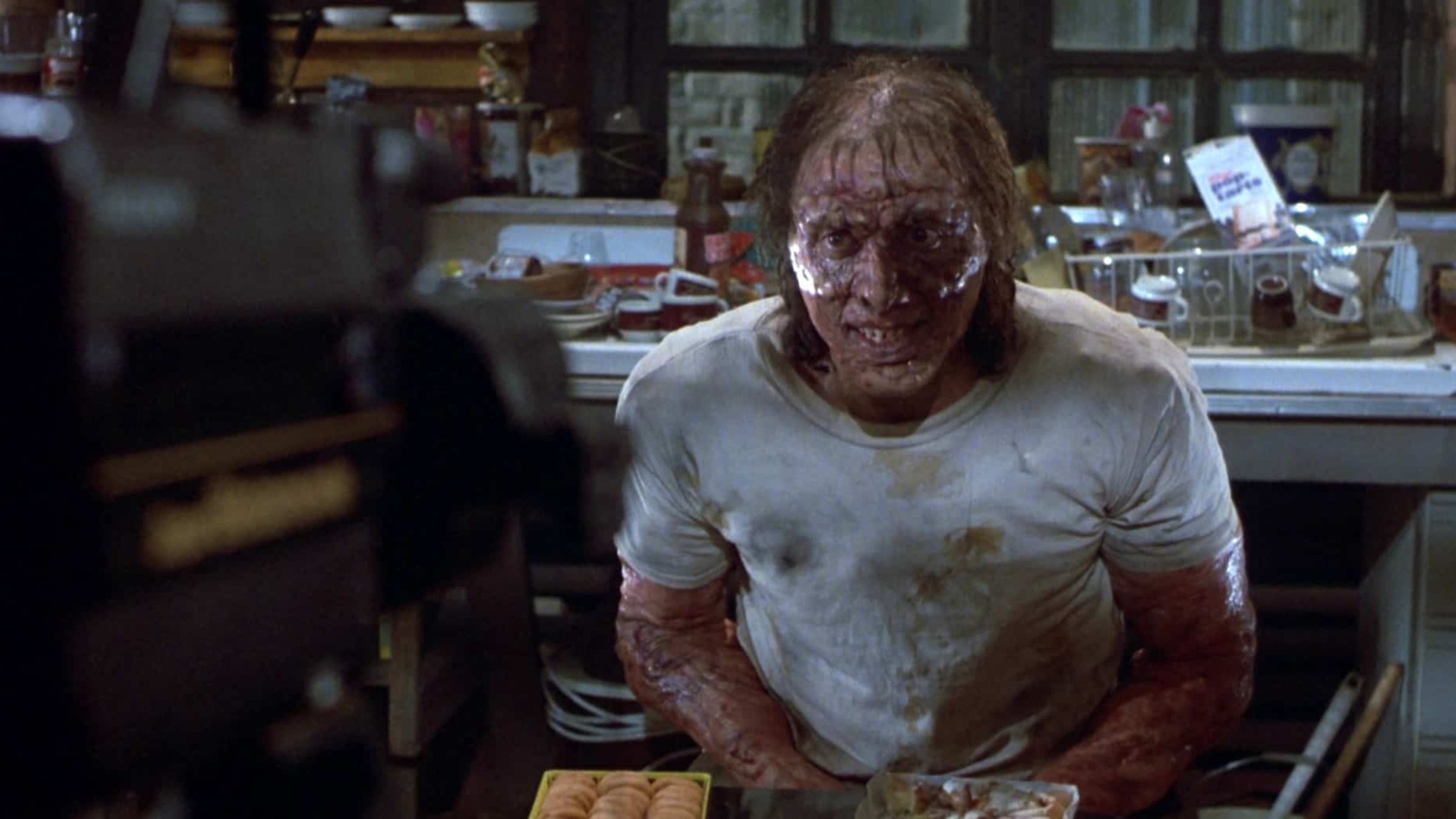
David Cronenberg’s The Fly takes a familiar science fiction idea – teleportation – and turns it into a deeply unsettling and tragic story about the body. The film centers on scientist Seth Brundle (Jeff Goldblum) who creates a device that can disassemble and rebuild living things, seemingly pushing the boundaries of what’s possible. But when he tests it on himself, a fly gets inside the machine with him, causing their DNA to combine. This leads to a horrifying and slow physical transformation as Seth begins to change into a monstrous being.
In The Fly, Cronenberg builds tension around the idea of things falling apart, using the passage of time to create horror. As scientist Seth Brundle initially gains strength and confidence, he gradually begins to physically deteriorate as his body rebels against his human form. The film’s scientific basis emphasizes that this transformation is the result of experimentation, making each step feel unavoidable. By connecting scientific ambition with irreversible consequences, the film suggests that progress can destroy the person pursuing it, even before they fully grasp what they’ve unleashed.
5) Event Horizon
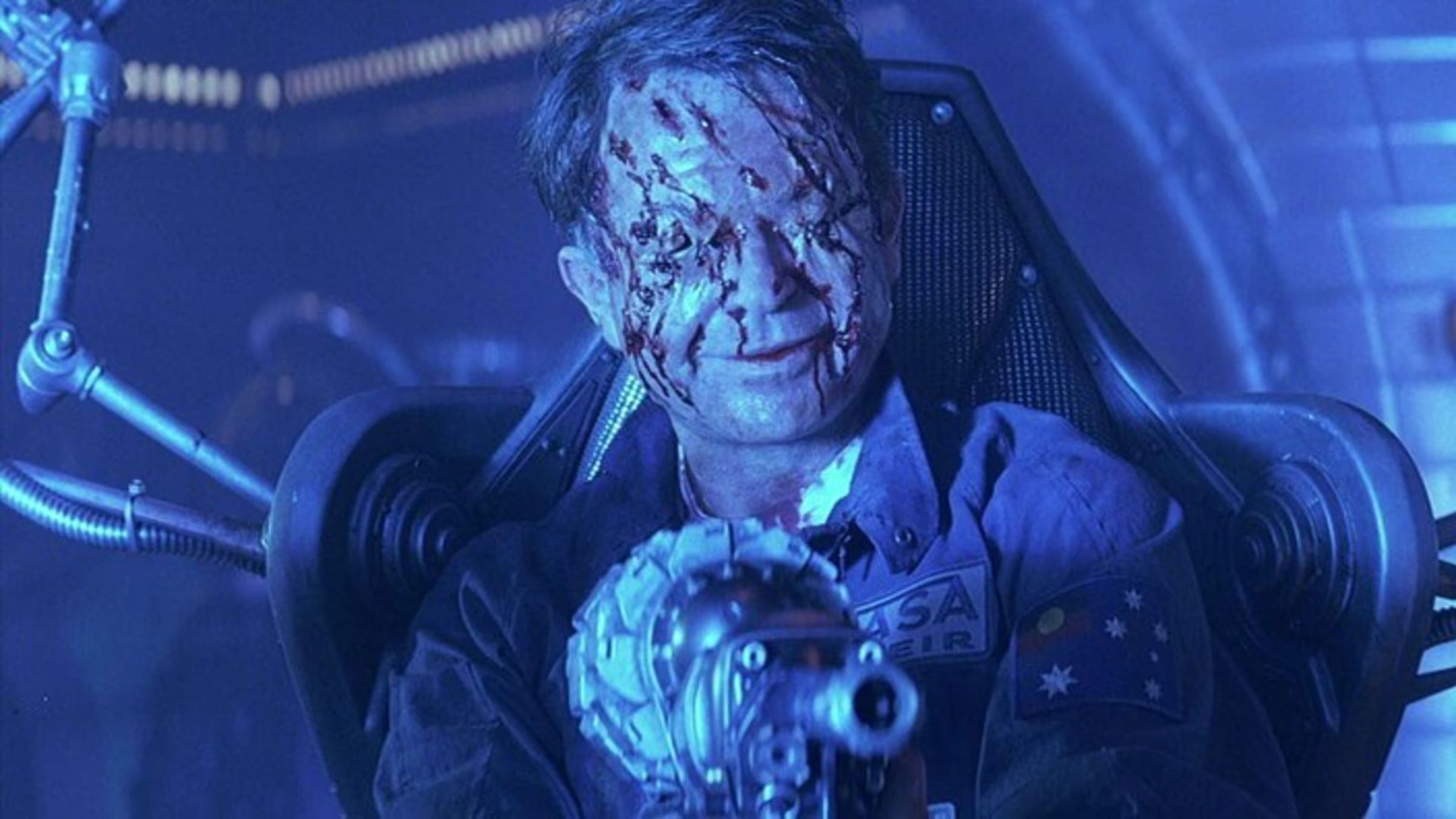
Paul W.S. Anderson’s Event Horizon takes place in 2047 and centers on the crew of the Lewis and Clark. They’re sent to investigate the sudden return of the Event Horizon, a spacecraft that disappeared seven years prior while testing a new type of gravity drive. While the ship’s reappearance proves the technology worked, the crew quickly discovers it brought something sinister back with it. This evil manifests through disturbing recordings, failing systems, and haunting visions drawn from the crew’s deepest, most painful memories. As they spend more time on board, the Event Horizon stops being just a ship to investigate and becomes a living entity that thrives on the crew’s guilt, sorrow, and hidden traumas.
Trying to figure out what’s wrong with the gravity drive only makes things worse, as the ship twists those attempts into new and terrifying experiences. The crew loses control as they begin to understand, and it becomes impossible to tell what’s real and what isn’t. The ship is acting as a gateway to something deeply disturbing and beyond human understanding. By the time the crew realizes the ship has been transformed into a weapon from another dimension, it’s already too late – the mission has failed. Ultimately, Event Horizon plays on our fear of the unknown and shows the potentially disastrous consequences of venturing into space.
4) Annihilation

As a huge cinema fan, I was completely captivated by Alex Garland’s Annihilation. It throws you into a world that science just can’t explain. The story centers around Lena, played by Natalie Portman, a biologist who volunteers for a mission into this strange, quarantined zone called “The Shimmer.” It’s a place where the rules of nature seem to have been completely broken. Other teams who went in either disappeared or came back deeply traumatized, and Lena’s husband is the only one who made it out – but he’s not really himself anymore, almost like something vital has been taken from him or replaced.
What truly sets Annihilation apart is that it focuses on transformation, not just destruction. The Shimmer, a mysterious zone, mixes the DNA of different creatures and plants, resulting in bizarre and impossible life forms. Director Alex Garland portrays these changes as both beautiful and terrifying, visually demonstrating how evolution can become distorted when sped up. Ultimately, the film challenges us to consider whether we can truly understand something completely foreign, especially when simply observing it changes what it is.
3) The Substance

The film The Substance explores the dark side of the entertainment industry’s obsession with youth. It centers on Elisabeth Sparkle (Demi Moore), a celebrity fitness guru whose career is declining. She undergoes a risky, experimental procedure to create a younger, improved version of herself. This process results in Sue (Margaret Qualley), a separate, physical being who shares Elisabeth’s mind. The catch? They must switch bodies every week – one week as Sue, one week as Elisabeth – while the resting body recovers and regenerates.
Coralie Fargeat’s film, The Substance, centers on what happens when a carefully maintained balance is disrupted. As Sue finds success, she’s tempted to push the limits of the program, and each time she does, Elisabeth’s health rapidly deteriorates, turning the natural process of aging into a horrifying and unstoppable collapse. The film uses striking practical effects to show the body as something fragile and valuable – a resource that can be used up until nothing is left. Ultimately, The Substance reveals how systems based on taking advantage of others always demand more than they give back, and how the pursuit of self-improvement, particularly in Hollywood, can ironically lead to ruin.
2) Alien
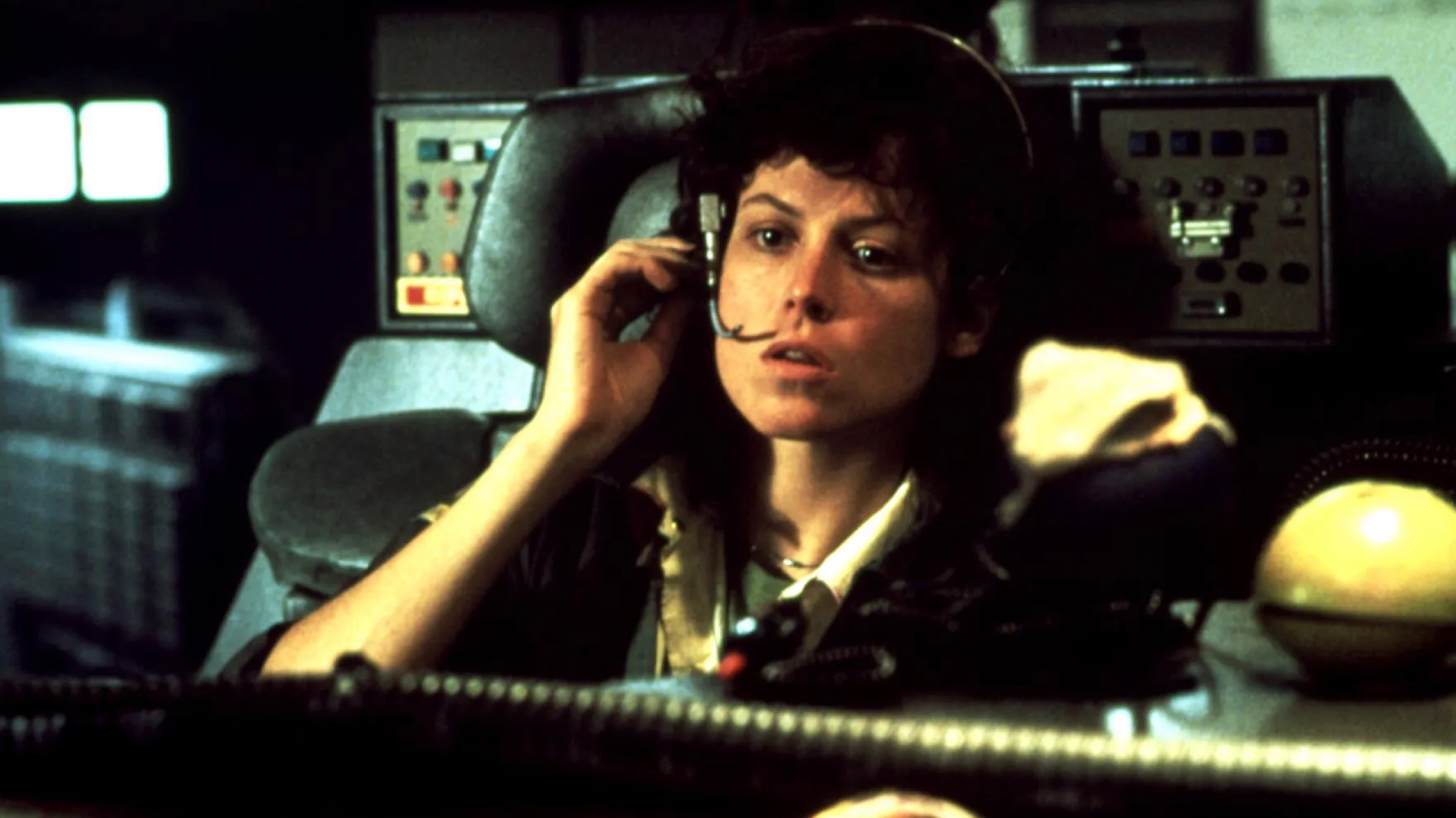
Ridley Scott’s Alien presents a stark and terrifying vision of space exploration, focusing on the dangers of isolation and a relentless, deadly creature. The film centers on the crew of the Nostromo, a commercial spaceship responding to a distress call from an unknown moon. What seems like a simple task dictated by their company quickly turns into a nightmare when a dangerous parasite infiltrates the ship, using the crew as hosts. As the creature grows, the Nostromo becomes a terrifying maze, where every hallway and access point is a potential trap.
In Alien, director Ridley Scott expertly builds tension by limiting the crew’s choices and turning the spaceship into a confining prison instead of a vast, open space. The alien creature, designed by H.R. Giger, embodies a relentless drive to reproduce and survive, acting purely on instinct rather than with any intention to be cruel. This lack of discernible motive is what makes the xenomorph so frightening – it’s an unstoppable force that won’t respond to pleas for reason or compassion. The film’s science fiction setting also highlights how vulnerable the human body is, portraying the alien as a creature that has been perfectly honed by evolution.
1) The Thing
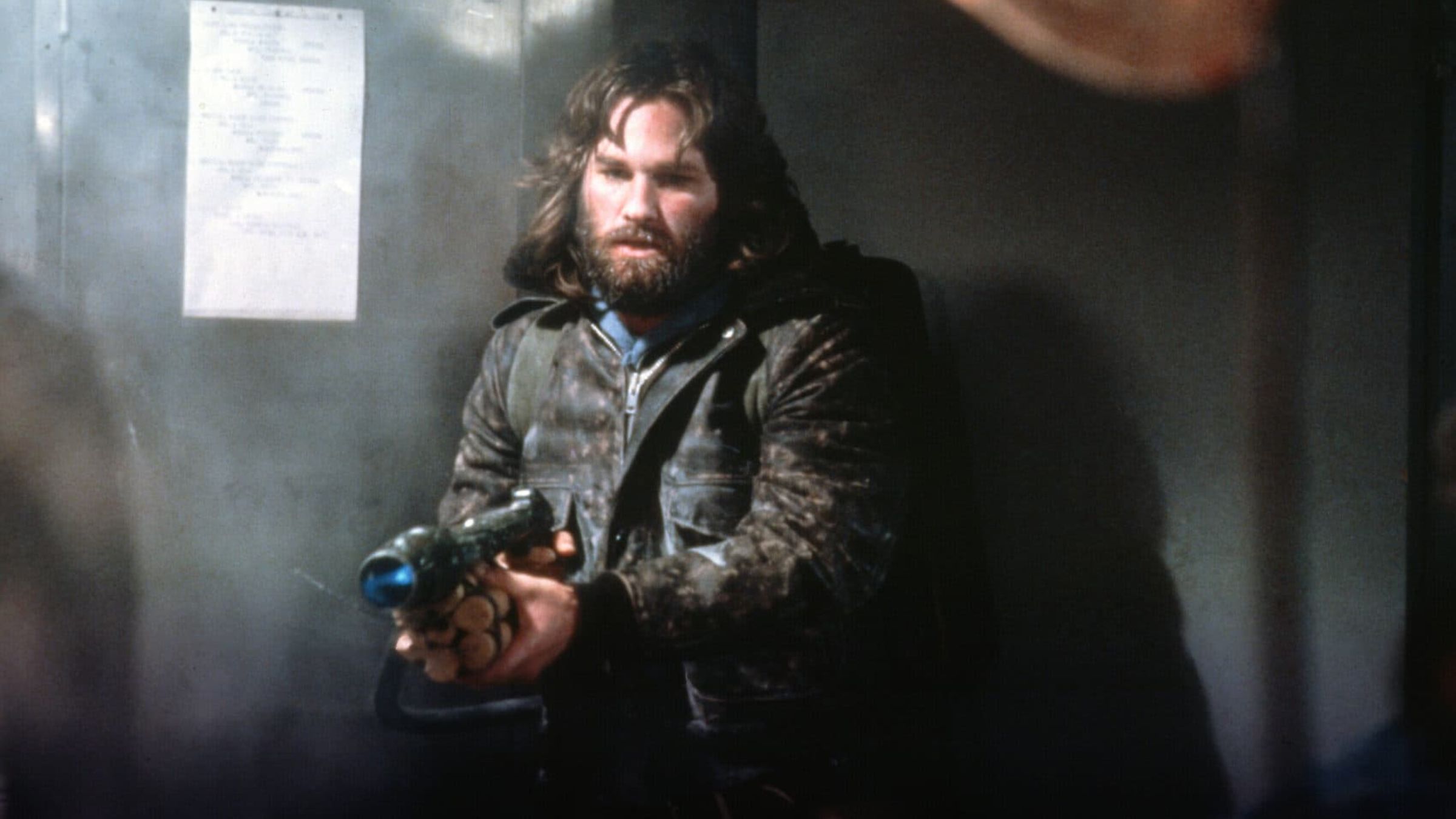
John Carpenter’s film, The Thing, takes place at a remote Antarctic research station. The lives of the American scientists stationed there are turned upside down when a nearby Norwegian outpost is demolished. This event introduces a terrifying, shapeshifting creature that can perfectly copy any living thing. Once the crew realizes the creature can absorb and replicate people down to the cellular level, they’re left with a chilling question: who among them is actually human?
At the heart of The Thing is a creeping uncertainty that destroys trust among those trapped at the station. Every effort to regain control – through testing, force, or taking charge – actually makes things worse, because these methods also create new ways for the creature to hide. Carpenter builds tension not through dramatic events, but through subtle cues like looks, silences, and the breakdown of cooperation. The film’s realistic special effects emphasize how fragile and vulnerable the human body is, showing it can change unexpectedly. By the end, the line between survival and death becomes blurred, leaving the audience feeling the same unsettling paranoia as the characters.
What science fiction horror movie do you think should be on this list? Share your thoughts in the comments and join the discussion in the ComicBook Forum!
https://comicbook.com/movies/list/7-best-sci-fi-movies-about-artificial-intelligence-ranked/embed/#
Read More
- 10 Most Powerful Versions of Superman, Ranked
- Gold Rate Forecast
- GBP CNY PREDICTION
- 10 Best Free Games on Steam in 2026, Ranked
- 007 First Light: Release Date, Story, Gameplay, Cast, Editions, and Platforms
- Superman’s 7 Best Power-Ups, Ranked
- Forza Horizon 6 Car List So Far: Confirmed Highlights, Cover Cars, DLC, and Rewards
- 10 Greatest Manga Endings of All Time
- DOGE PREDICTION. DOGE cryptocurrency
- 10 Greatest Wii U Games of All Time, Ranked
2026-02-10 00:16