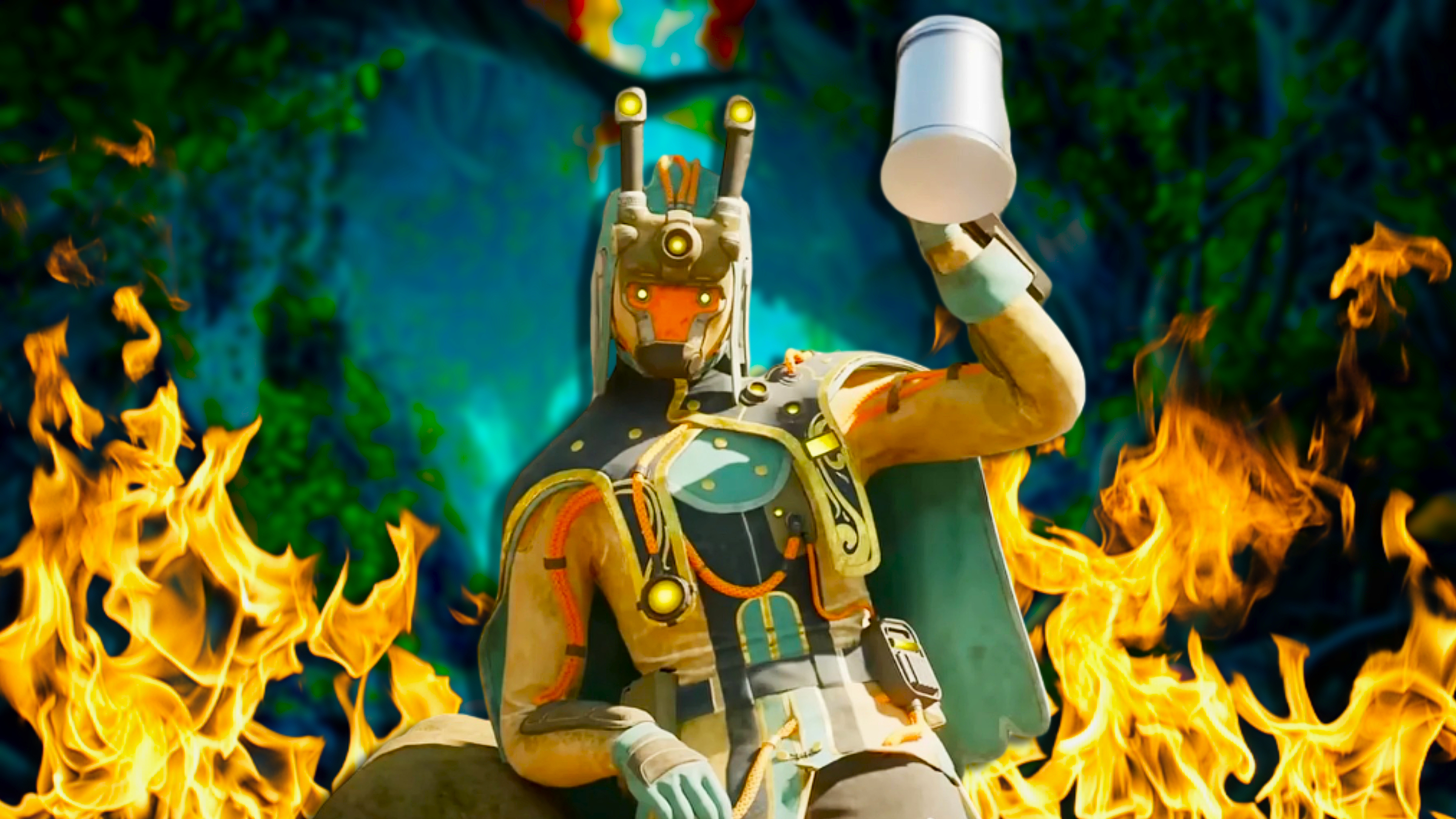
2025 was initially predicted to be a fantastic year for Obsidian Entertainment, with plans to release three role-playing games in quick succession. Fans hoped Avowed would be the spiritual successor to Skyrim, The Outer Worlds 2 would improve on its predecessor (which was seen as an okay follow-up to Fallout), and Grounded 2 would capture the magic of A Bug’s Life. However, things didn’t go as planned, and aside from Grounded 2, the other games faced setbacks, potentially making 2025 a disappointing year for the studio.
Despite a lot of pre-release buzz, Avowed turned out to be a fairly average game and isn’t one many would recommend. The Outer Worlds 2 received generally positive reviews upon release, but it didn’t quite capture the attention of longtime fans or new players. Its performance was so disappointing, in fact, that Obsidian Entertainment has put the series on hold, effectively ending it before it could reach its full potential. While it’s sad to see another promising series end, the fate of The Outer Worlds might actually be a good thing for the RPG genre, showing that games need to be truly exceptional to succeed.
It Looks Like The End For The Outer Worlds
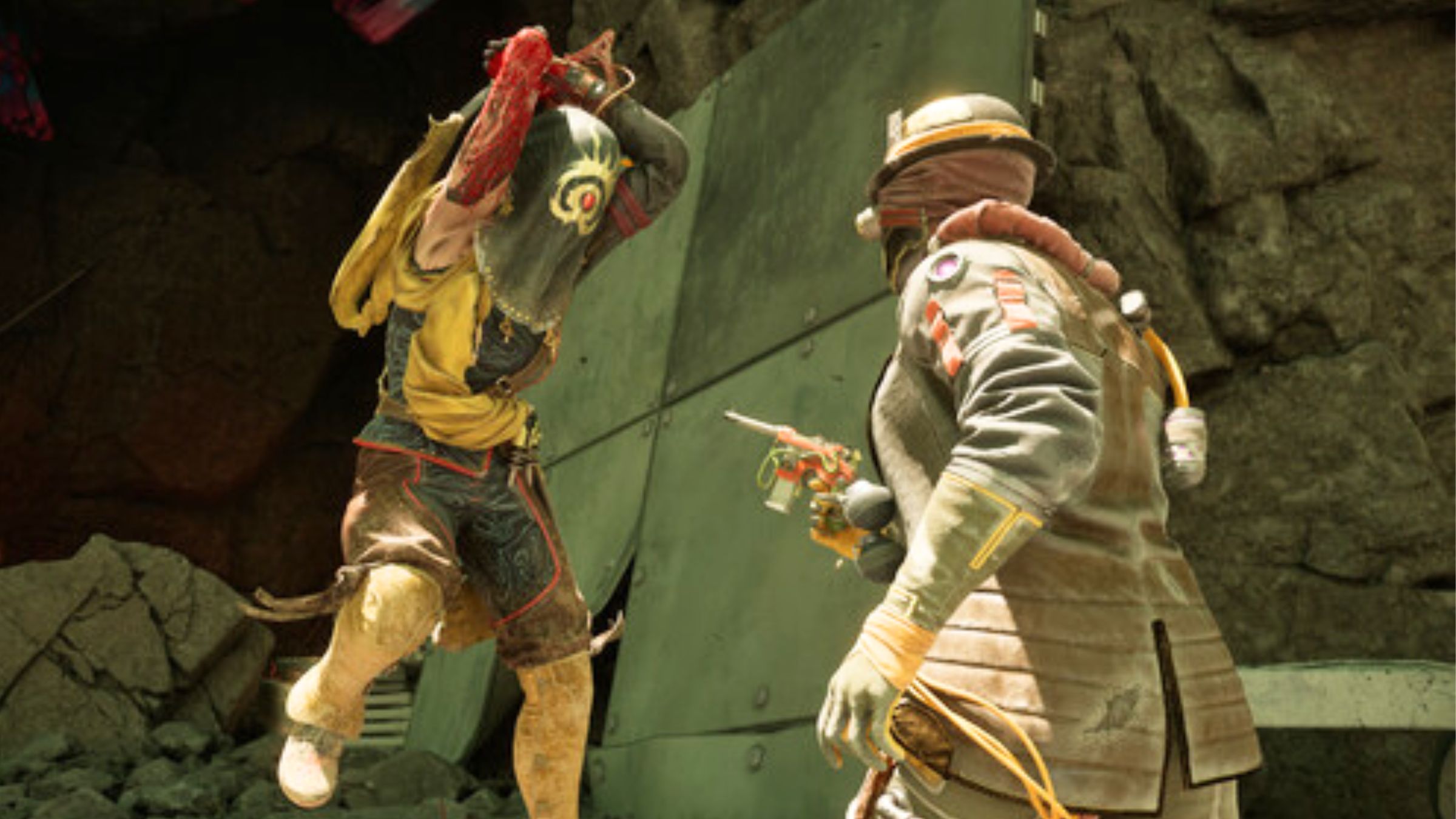
So, I just saw an interview with Feargus Urquhart from Obsidian, and it sounds like they’ve put The Outer Worlds on hold, at least for now. Basically, they’re changing how they work – they want to make more games, and quicker, but also keep costs down. He stressed it’s not about making worse games, just smaller ones. Apparently, two out of the three games they released in 2025 didn’t sell very well, and he admitted that made them rethink risking big projects like Avowed and continuing The Outer Worlds. They’re playing it safer, it seems.
It’s disappointing to see the cancellation of The Outer Worlds. The team at Obsidian Entertainment poured their hearts into creating that game and its world, and they clearly cared a lot about it. While the first game showed a glimpse of Obsidian’s potential, a sequel could have truly delivered on that promise. The new game is much larger in scope, but it doesn’t feel like it took many risks, and that might be why it didn’t fully succeed.
Okay, so I’ve been playing The Outer Worlds 2, and honestly? It’s… fine. It’s a decent game, definitely not bad, but it feels like it’s just leaning on what made the first one good without really trying anything new. It’s a pretty big game, and it doesn’t feel like that budget went towards taking any risks or doing anything truly special. Honestly, I was surprised it was almost $80, and I get why Microsoft reconsidered that price. There’s stuff to enjoy, for sure, but it’s also easy to see why it didn’t really take off, especially when you look at games like Baldur’s Gate 3 and Clair Obscur, which are just doing so much more right now.
Obsidian Cancelling The Outer Worlds Is Great

The mixed reaction to The Outer Worlds 2 highlights a bigger problem in the gaming industry. It’s not unusual for highly anticipated games to launch without making a huge impact, or for new installments in popular franchises to feel underwhelming. Some PlayStation games have been criticized for feeling like simple expansions, and Ubisoft has been releasing similar content for a while now with less success. The role-playing game genre, in general, hasn’t seen a lot of truly innovative titles in years.
The development of The Outer Worlds 2 highlights a growing issue in the gaming industry: rising costs and increasingly long development cycles. It’s becoming impossible to release a game that’s just ‘good enough’ – players now expect something truly exceptional. With games becoming so expensive and time-consuming to create, anything less than groundbreaking is often seen as a failure, especially when smaller studios like those behind Baldur’s Gate 3 and Clair Obscur: Expedition 33 are releasing successful, innovative titles. This ultimately leads to commercial disappointment and a lack of lasting impact.
The cancellation of The Outer Worlds highlights a growing concern within the gaming industry: the current way games are made isn’t working long-term. This mirrors a similar change happening in the film industry, where we’ve seen more independent studios and films gaining popularity. Just like film, gaming may start to see fewer big-budget blockbusters and more diverse, innovative, and experimental games. Hopefully, this cancellation signals a move towards higher-quality, more varied, and bolder experiences for players.
We Need Better Quality RPGs
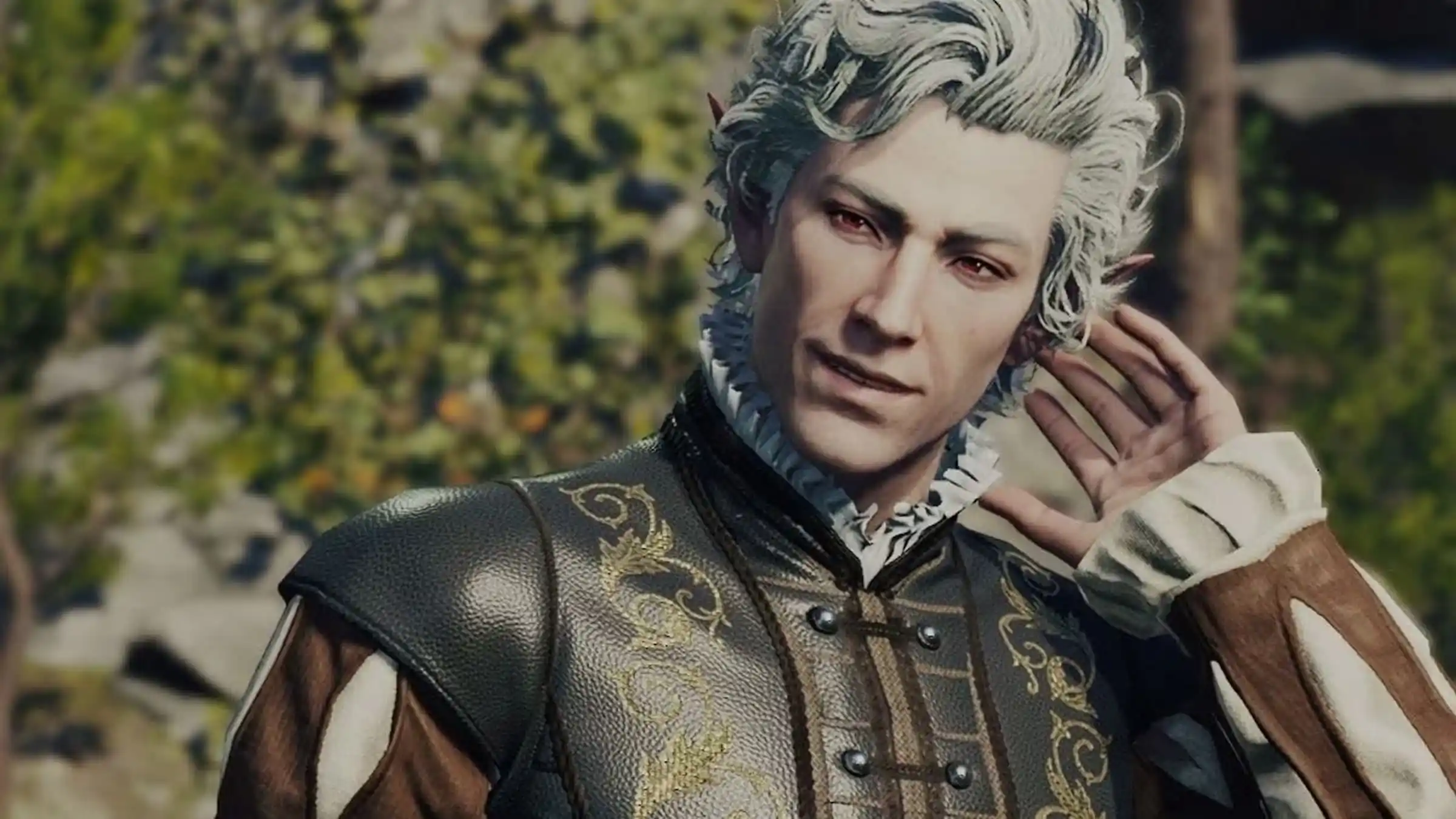
As a gamer, I feel like RPGs just aren’t hitting the mark consistently. There are so many RPGs out there, but I’m not seeing enough truly great ones. If I’m in the mood for a story-driven adventure, PlayStation has me covered with games like Uncharted, God of War, and Ghost of Tsushima. And honestly, genres like roguelikes, Metroidvanias, puzzle games, horror, and even shooters have tons of amazing titles, even if they have a few misses. But when it comes to RPGs, I’m just not finding that same level of quality as often.
We sometimes get truly excellent RPGs like Kingdom Come: Deliverance 2 and Baldur’s Gate 3, but too often the genre is filled with disappointing games that try to capitalize on trends with empty promises and unfinished ideas. I don’t expect every RPG to be a masterpiece, but it’s noticeable that when people recommend good ones, they usually name games from over ten years ago. Titles like The Witcher 3, early Dragon Age and Mass Effect, Skyrim, and the classic Divinity series can’t possibly define an entire genre that should still be evolving and improving.
As a gamer, I’m really seeing a change in RPGs. It feels like developers are finally realizing that actually playing the role, making choices, and feeling immersed is way more important than just endless stats and numbers. Honestly, I’m glad to see those simpler, ‘RPG-lite’ games from Ubisoft seem to be fading away. With games like Avowed and The Outer Worlds not really sticking the landing, it feels like there’s more space for truly great RPGs to stand out and get the attention they deserve.
It’s actually quite ironic: if RPGs keep getting better and more ambitious, there will be more space for enjoyable, but not groundbreaking, games like Avowed. This is similar to how Ubisoft’s familiar open-world games offered comfort during a period of big changes in the genre. More importantly, I hope the impact of The Outer Worlds isn’t lost. I hope it inspires both RPGs in general and Obsidian Entertainment to create the truly memorable games they’re capable of.
https://comicbook.com/gaming/news/best-rpg-games-for-dungeons-dragons-fans/embed/#
Read More
- Trails in the Sky 2nd Chapter launches September 17
- HBO Max Just Added the Final Episodes of a Modern Adult Swim Classic
- Paradox codes (April 2026): Full list of codes and how to redeem them
- PRAGMATA ‘Eight’ trailer
- Crimson Desert’s Momentum Continues With 10 Incredible New Changes
- Pragmata Shows Off Even More Gorgeous RTX Path Tracing Ahead of Launch
- Solo Leveling’s New Character Gets a New Story Amid Season 3 Delay
- Hulu Just Added One of the Most Quotable Movies Ever Made (But It’s Sequel Is Impossible To Stream)
- Dragon Quest Smash/Grow launches April 21
- How Could We Forget About SOL Shogunate, the PS5 Action RPG About Samurai on the Moon?
2026-02-10 18:13