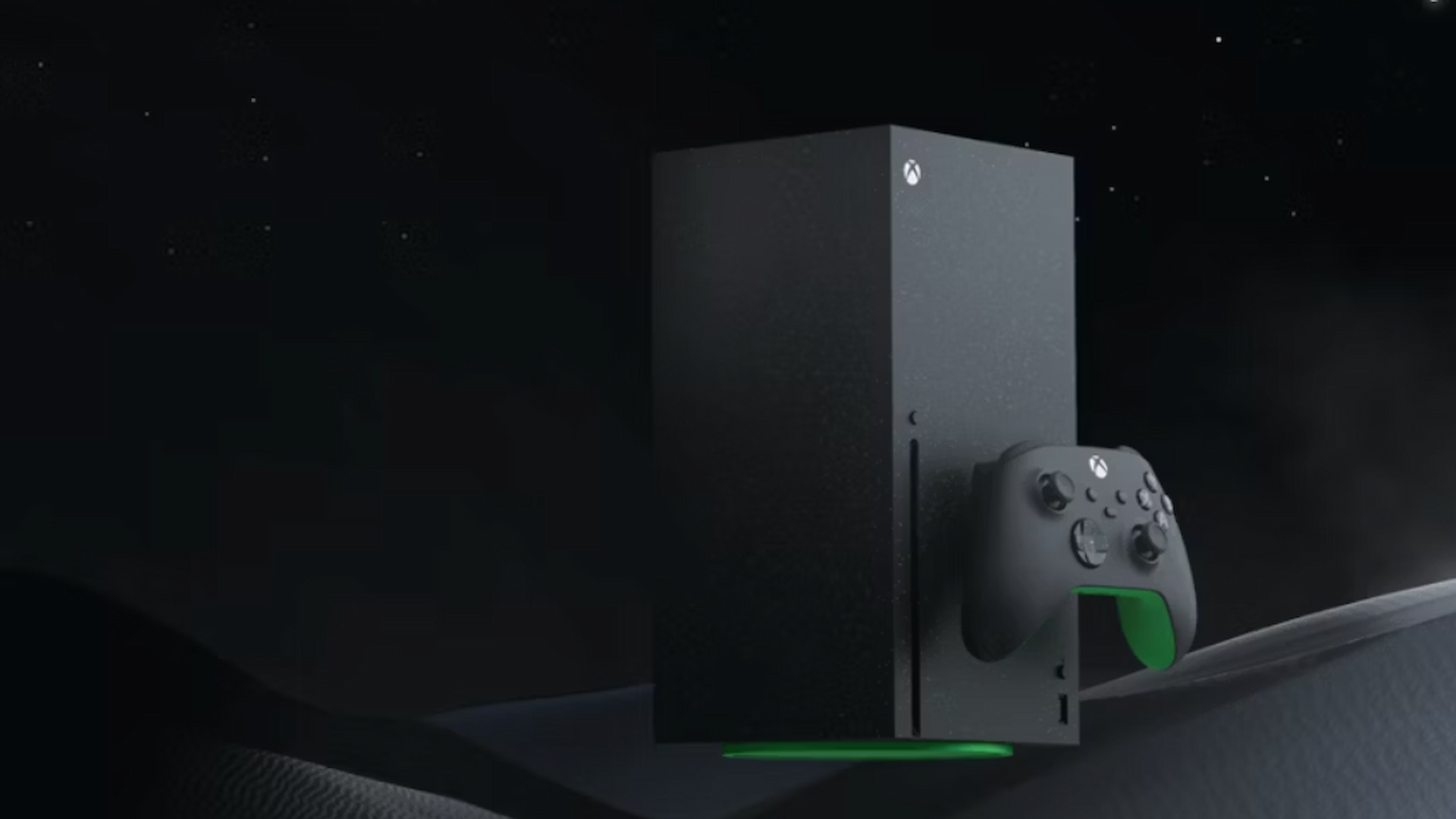
Is any company in the gaming industry as unpredictable as Microsoft? While there are only three major console makers – Microsoft, Sony, and Nintendo – Microsoft consistently generates more divided opinions than its competitors.
This year, Xbox Game Studios is planning a remarkably diverse and exciting collection of games – potentially the biggest and best they’ve ever released. Currently announced titles include Gears of War: E-Day, Fable, Forza Horizon 6, Towerborne, and Halo: Campaign Evolved, but there may be more on the way.
The more we learn about Clockwork Revolution, the more promising it seems, especially with the team’s history on Arcanum and their focus on creating a truly dynamic game world. While Grounded 2 is already successful in early access, other RPGs like Avowed and The Outer Worlds 2 haven’t quite lived up to expectations. Hopefully, Toys for Bob is developing a new Crash Bandicoot or Spyro game, and there’s even a chance Blizzard might finally release the long-awaited StarCraft shooter fans have been dreaming of.
Honestly, Xbox has some seriously amazing games coming out this year – it really feels like they could beat out PlayStation and Nintendo. But then there’s the other side of things, and it’s kinda worrying. They’re making less money from console sales every few months, and Game Pass is getting more expensive – I even heard they might get rid of the PC-only version! Plus, they’ve closed down a bunch of studios. Microsoft keeps talking about AI, which is cool and all, but it feels like they’re shifting focus. It’s tough because for every awesome game that is coming out, I can’t help but remember all the ones that were cancelled, like Everwild, Perfect Dark, and Contraband. It’s a real mixed bag, you know?
I’m not as excited about the next generation of consoles as some people are, and that might be why. Even though there were worries about a delay, AMD’s CEO, Lisa Su, confirmed that the development of the new Xbox – which uses a custom AMD processor – is going well and is still planned for a 2027 release. However, Windows Central reported that while the processor is codenamed ‘Magnus’ (meaning ‘Great’ in Latin, a typical Microsoft naming choice), Microsoft hasn’t officially committed to launching the console that year.
Last year, rumors suggested Microsoft is deeply integrating Windows 11 into the next Xbox. It appears the console will support third-party stores like the Epic Games Store, which plans to be available at launch, especially for those wanting to grab free games. Successfully combining Windows and Xbox is crucial, and the team currently aims for a 2027 release as the most optimistic timeline. The console’s price will likely depend on worldwide RAM availability, supply chain factors, and other global economic conditions.
While the next Xbox isn’t guaranteed to be extremely expensive, comments from Xbox president Sarah Bond suggest it will be a high-end, premium device. This could make current gaming hardware seem like a great deal by comparison, which leads us to a particularly interesting – and unusual – detail in the report.
Rumors suggest Microsoft is working with other hardware makers, like ASUS (who collaborated on the Xbox Ally and Ally X), to create different versions of the Xbox at various price levels. This means we might see Xbox consoles that are more affordable or more powerful than the standard model Microsoft currently offers.
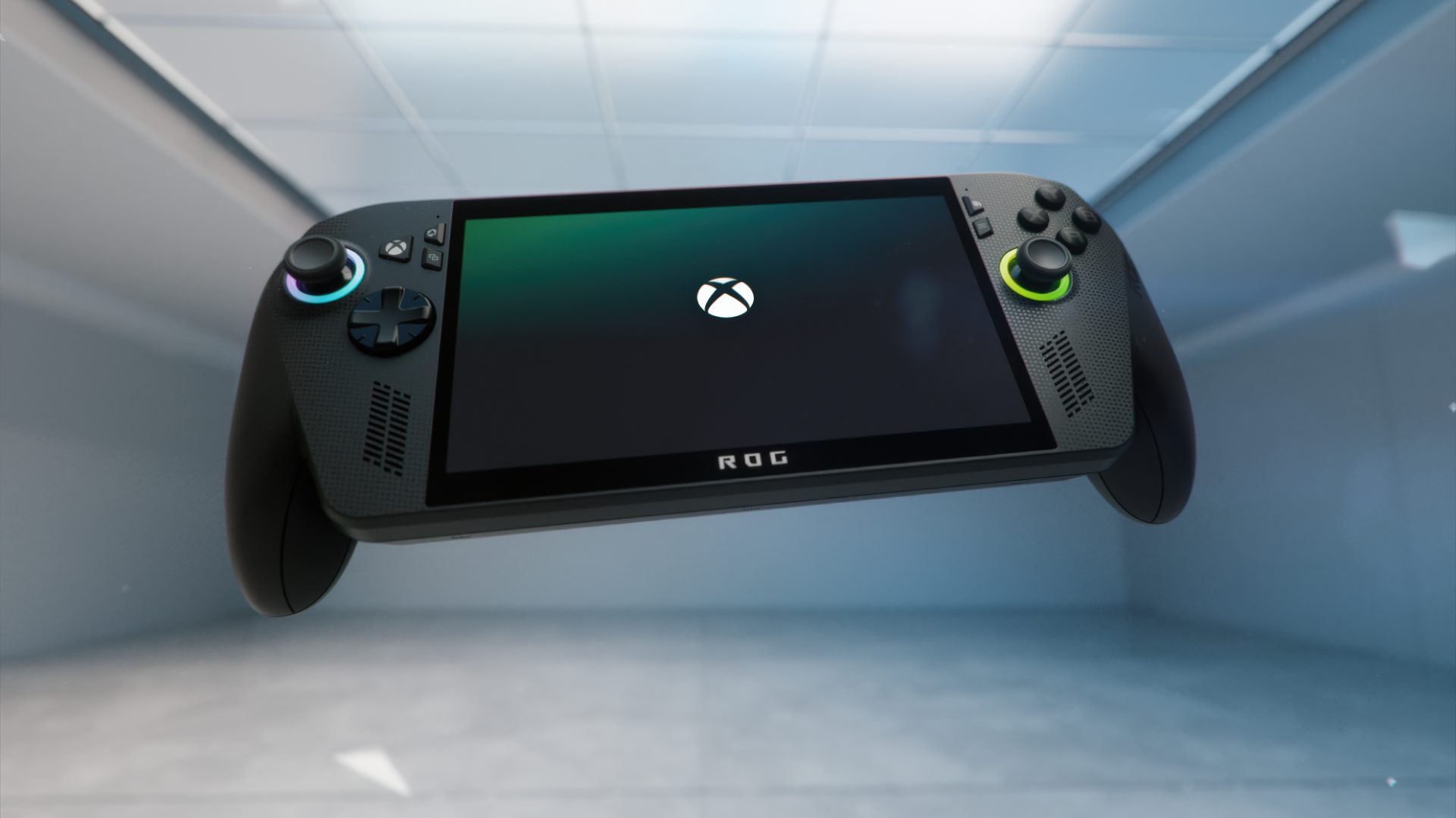
This move aligns with the company’s plan to release its games on more platforms. Over the next few months, Bethesda will bring its most popular titles to the Switch 2, and rumors suggest Starfield will be available on PlayStation 5 this April. Beyond that, Forza Horizon 6, Fable, and Kiln are also coming to the platform, and Xbox Cloud Gaming continues to expand to more devices. Through initiatives like Xbox Play Anywhere and by allowing third-party stores – including Steam – on Xbox consoles, the company seems to be aiming for a large, connected gaming experience.
Okay, so Microsoft’s plan is seriously huge, and honestly, I’m trying to figure out where it’s all heading. They’re letting anyone build Xbox stuff, even helping them, while kinda downplaying their own consoles more and more. It just makes me wonder… why bother making the actual hardware if nobody’s gonna buy it eventually? Like, what’s the long-term goal here? I’m a gamer, and I need to understand what’s going on!
If Microsoft ultimately wants to stop making Xbox consoles and instead focus on publishing games for all platforms – essentially licensing Windows to other companies – then their current strategy starts to make sense. Expanding Game Pass to more people would bring in even more subscribers. By keeping Game Pass exclusive to Xbox, they could encourage players on other consoles to buy games outright, offsetting any lost sales from Game Pass subscriptions.
But this relies on the Xbox ecosystem being appealing enough to attract new players, especially those currently using other consoles. Recent trends suggest Xbox consoles haven’t been very popular, and it’s unclear if involving other manufacturers will change that. Microsoft’s own affordable option, the Xbox Series S, didn’t significantly boost sales, so it’s doubtful similar devices will either. There are also concerns about ensuring games work equally well on all Xbox consoles, which caused problems for developers like Game Science when trying to release their games.
We don’t yet know exactly how many different versions of the next Xbox there will be, or how much they’ll vary. But game developers already struggle to optimize their games for the huge range of PC configurations. Even if the next Xbox has fewer variations than current models, this extra optimization work might not seem worthwhile to them.
While I’m optimistic about the upcoming games, a single good year isn’t enough to define a console. Success requires a consistent flow of new releases, strong relationships with game developers, and exclusive, popular titles you can’t find on other platforms. Rewarding loyal fans is also crucial. Microsoft has struggled with all of these areas, as evidenced by issues with franchises like Halo and Forza Motorsport.
PlayStation and Nintendo have certainly had their issues, but as the most popular consoles, those problems haven’t really hurt their sales. Microsoft isn’t necessarily behind; it just needs to show it can successfully implement its vision without major setbacks that impact overall results.
Initially, I was hopeful about Microsoft’s plans to connect Xbox and Windows, especially as it aimed for the growing handheld PC market where few others were competing. Now, I’m starting to question if Microsoft is overreaching. I worry the Xbox brand might just become a meaningless label on any device. If everything gets labeled an Xbox, the brand loses its meaning. Microsoft might be better off skipping the Xbox branding altogether and focusing on the hardware itself.
Just so you know, the opinions in this article are the author’s own and don’t reflect the official stance of GamingBolt.
Read More
- Trails in the Sky 2nd Chapter launches September 17
- HBO Max Just Added the Final Episodes of a Modern Adult Swim Classic
- PRAGMATA ‘Eight’ trailer
- Solo Leveling’s New Character Gets a New Story Amid Season 3 Delay
- Pragmata Shows Off Even More Gorgeous RTX Path Tracing Ahead of Launch
- Crimson Desert’s Momentum Continues With 10 Incredible New Changes
- Hulu Just Added One of the Most Quotable Movies Ever Made (But It’s Sequel Is Impossible To Stream)
- Dragon Quest Smash/Grow launches April 21
- All 7 New Supes In The Boys Season 5 & Their Powers Explained
- How Could We Forget About SOL Shogunate, the PS5 Action RPG About Samurai on the Moon?
2026-02-10 20:46