For decades, Nintendo has been a major force in the video game industry, creating popular home consoles that helped shape it into what it is today. We’ve ranked all 14 of Nintendo’s primary home and handheld consoles, taking into account the quality of their games, their influence on the industry, and how popular they were when they first came out. We left out a few systems – like Game & Watch and some Japan-only models – to focus on their main releases. It was tough to be completely unbiased, especially considering personal favorites like the NES, but we did our best to create an objective ranking of every Nintendo console.
14) Virtual Boy
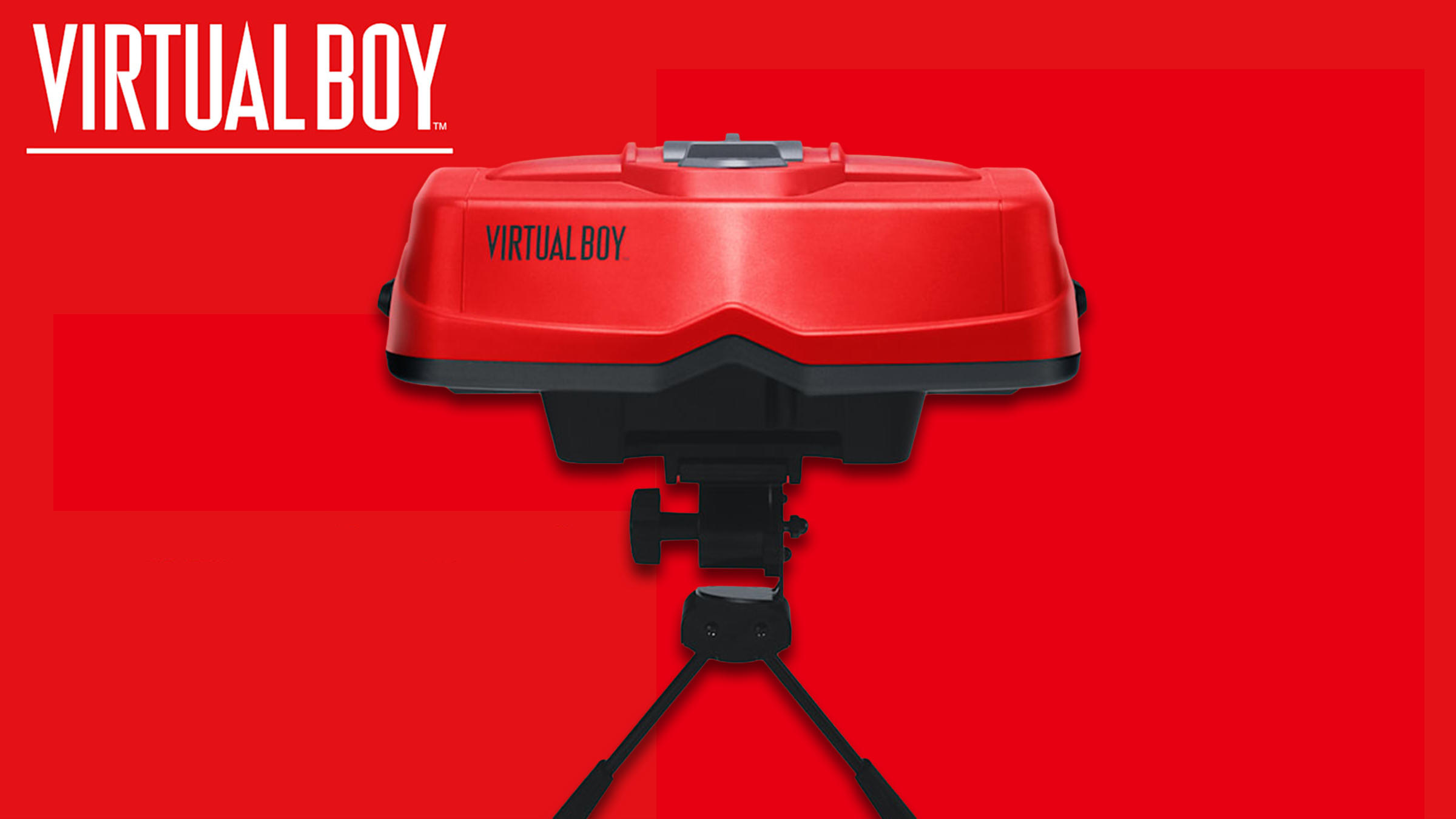
Okay, so as a Nintendo fan, I have to say the Virtual Boy is… rough. Most of us agree it’s easily the worst console Nintendo ever made, and even they probably admit it! It feels like development got rushed because they were already working on the Nintendo 64. They only released 22 games for it before giving up. The idea – 3D graphics – sounded amazing, but playing it was a totally different story. It actually gave people headaches, eye strain, and made them feel dizzy! No one wants that from a gaming system. It was a huge flop, only lasted a year, and sold just 770,000 units. It’s not just the worst, it’s also the lowest-selling Nintendo console ever. Thankfully, Nintendo did recently re-release its games online, and even came out with a new accessory to play them with!
13) Wii U
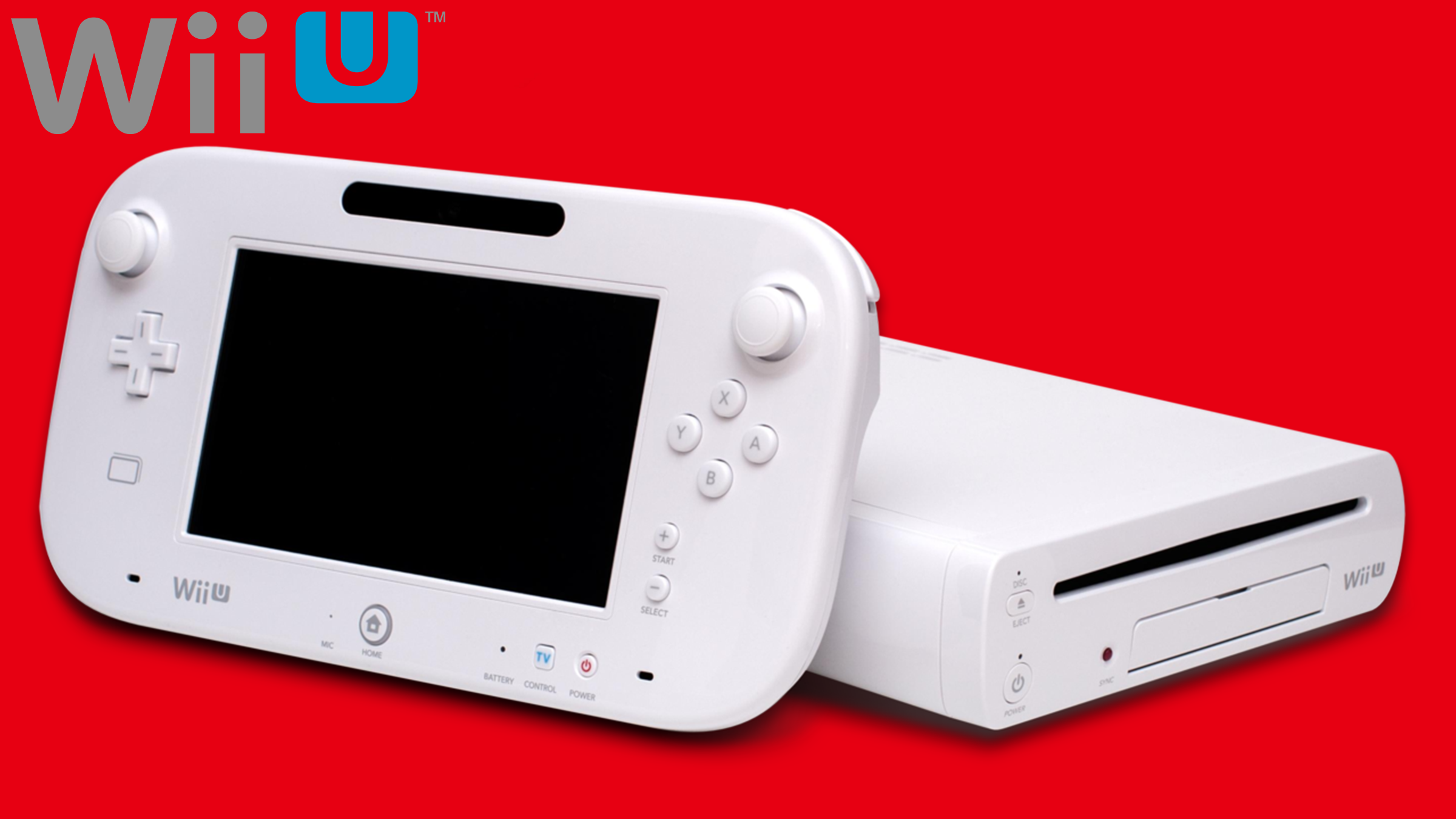
The Wii U, Nintendo’s follow-up to the Wii, introduced a unique controller – a tablet with a touchscreen. Though a forward-thinking idea that foreshadowed the success of the Nintendo Switch, it didn’t resonate with gamers. Despite being able to play older Wii games and featuring new technology, the Wii U suffered from a clunky interface, weak performance, and a short battery life on its GamePad controller, making it less appealing than the original Wii. Ultimately, it was a commercial disappointment, selling just 13.5 million units. While it had some good games, there weren’t enough available at launch, few developers created games for it, and most people didn’t buy it.
12) Game Boy Color
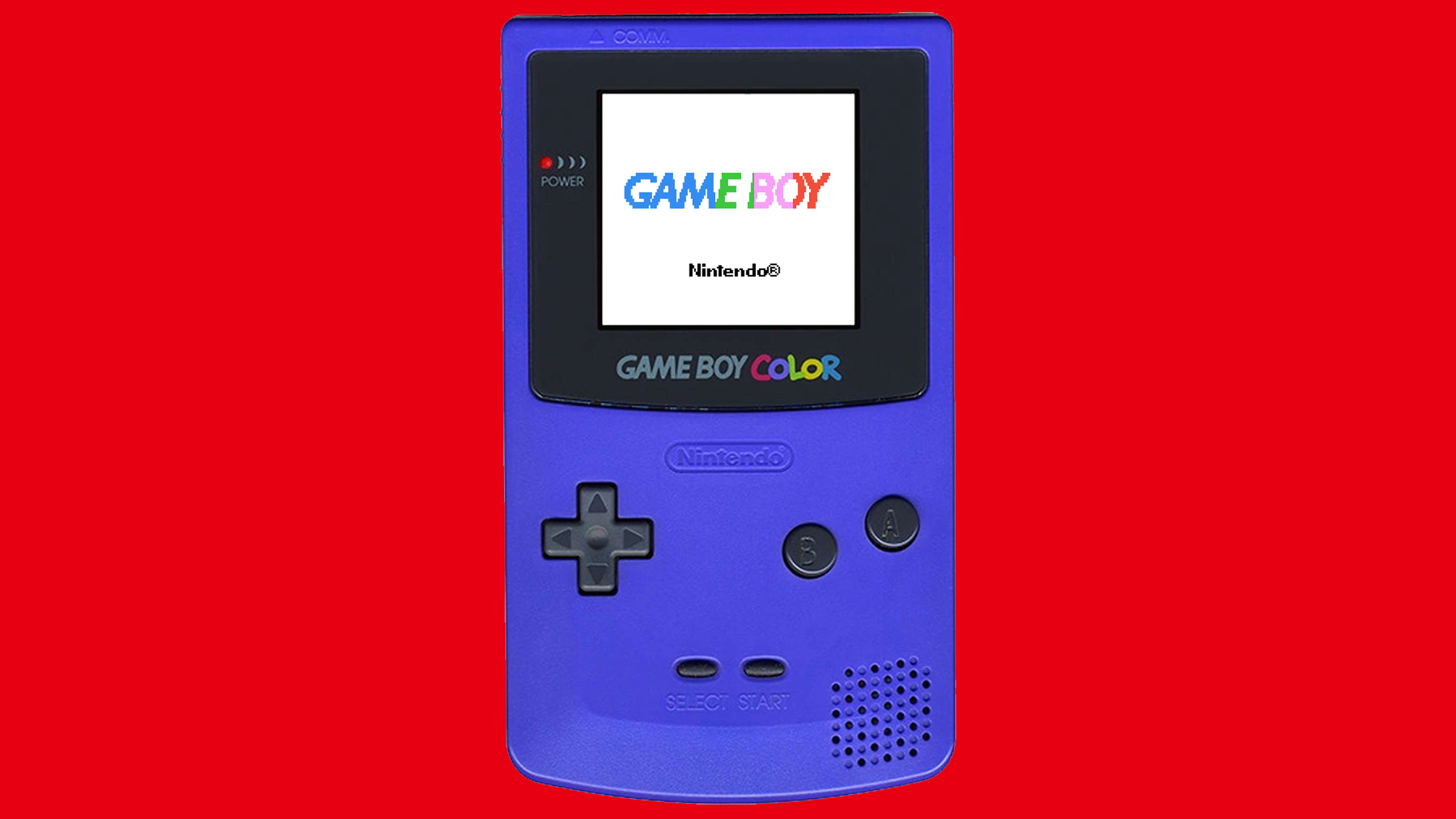
The original Game Boy was a huge success, dominating the handheld market even with its simple, black-and-white screen. In 1998, Nintendo improved on this with the Game Boy Color. The new version added a color screen, a faster processor, and more memory, while still being able to play older Game Boy games. Although the battery didn’t last as long as the original, the Game Boy Color was incredibly popular, largely because of its vibrant screen. While many remember it as the system that launched Pokémon Gold and Silver, it had a fantastic library of games beyond that. Nintendo combines the sales figures for both the original Game Boy and the Game Boy Color, so the exact number sold isn’t known. Still, it remains a fantastic handheld console and an important step forward in gaming technology.
11) Nintendo Switch 2
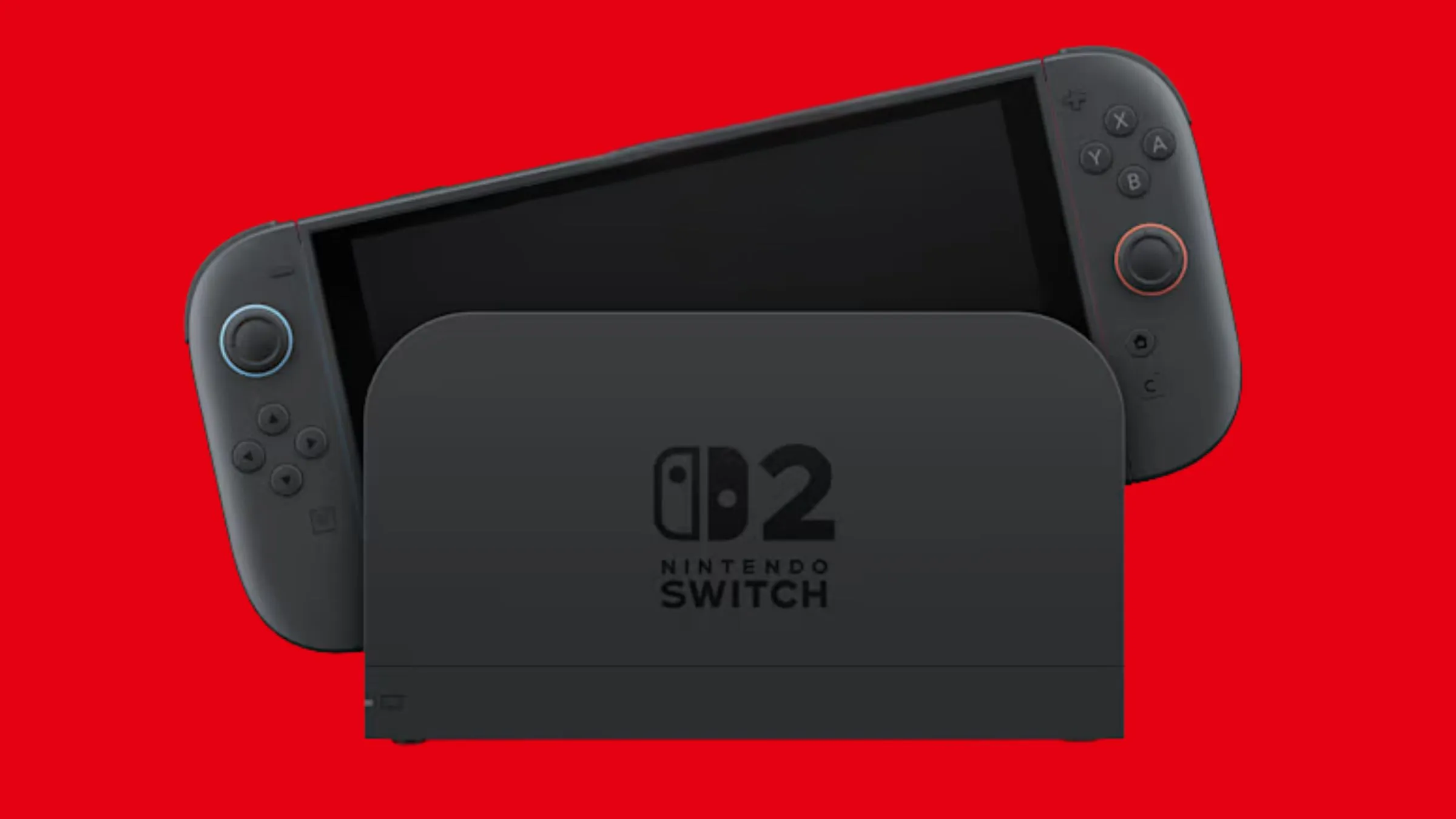
Before you mention how well the Nintendo Switch 2 is selling, let’s talk about its games. While the system has broken sales records in its first eight months, it doesn’t have many brand new, original games yet. Currently, most of the available titles are either games originally released on the older Nintendo Switch or upgraded versions of those games. This limited selection of launch titles is the main reason it’s ranked here, but if we were to revisit this in a year, it would probably be much higher. The Switch 2 is more powerful than any previous Nintendo console and will eventually prove its worth, but it needs time to build up a strong library of original games – and Nintendo is working on that.
10) Game Boy Advance
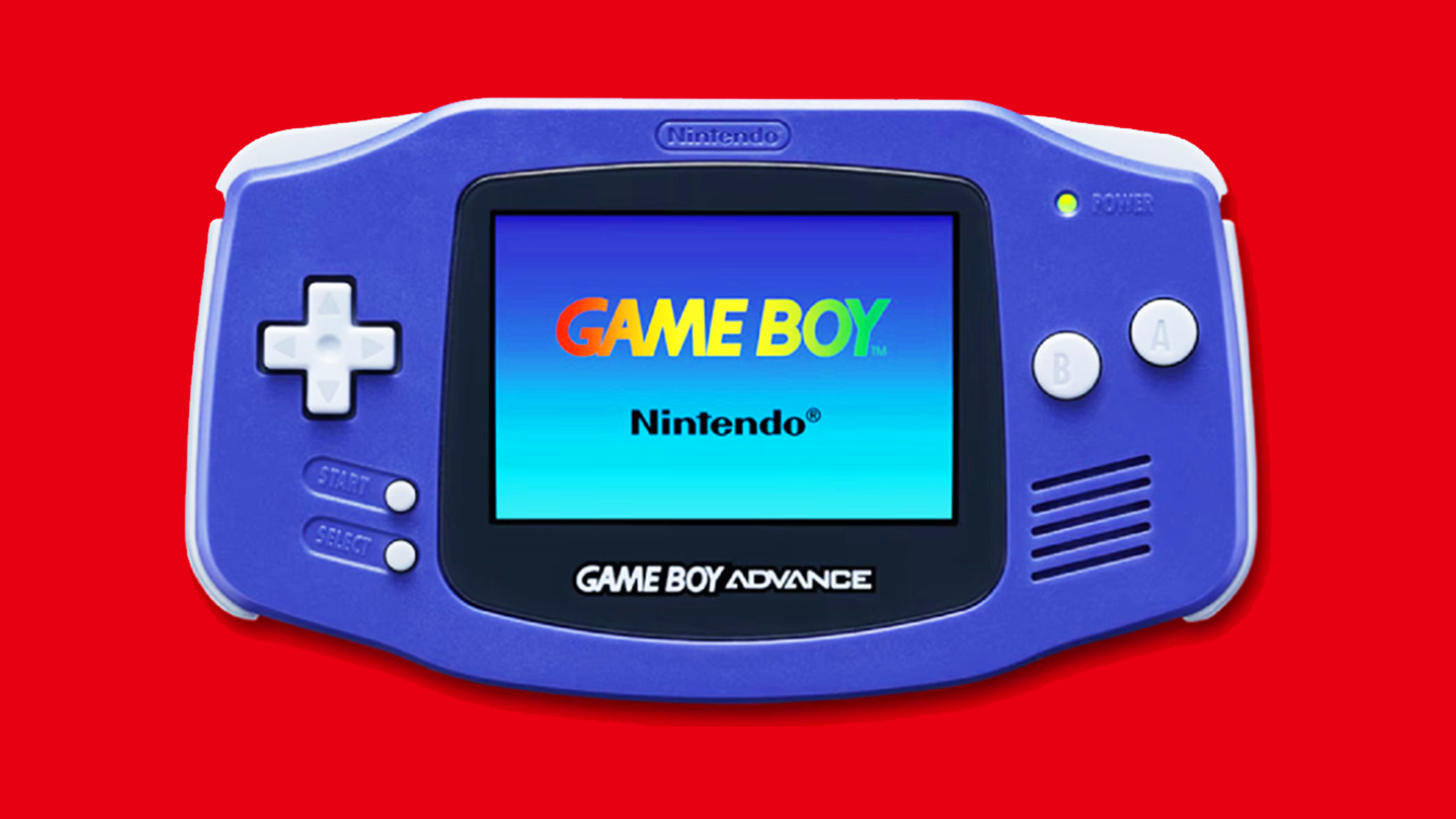
Nintendo consistently improved its handheld consoles, making them more powerful with each new release. The Game Boy Advance was a significant upgrade from the original Game Boy and Game Boy Color. While those earlier systems used 8-bit technology, the GBA boasted a 32-bit processor, allowing for much richer graphics and colors. It quickly became the market leader, as other handhelds at the time didn’t offer much competition. Nintendo also supported the GBA with a fantastic lineup of games, including popular titles like Pokémon Ruby and Sapphire, Mario Kart: Super Circuit, and The Legend of Zelda: A Link to the Past. Over its lifetime, Nintendo sold over 81.5 million GBA units in various models, and it’s still considered a great console more than 25 years later.
9) Nintendo 3DS
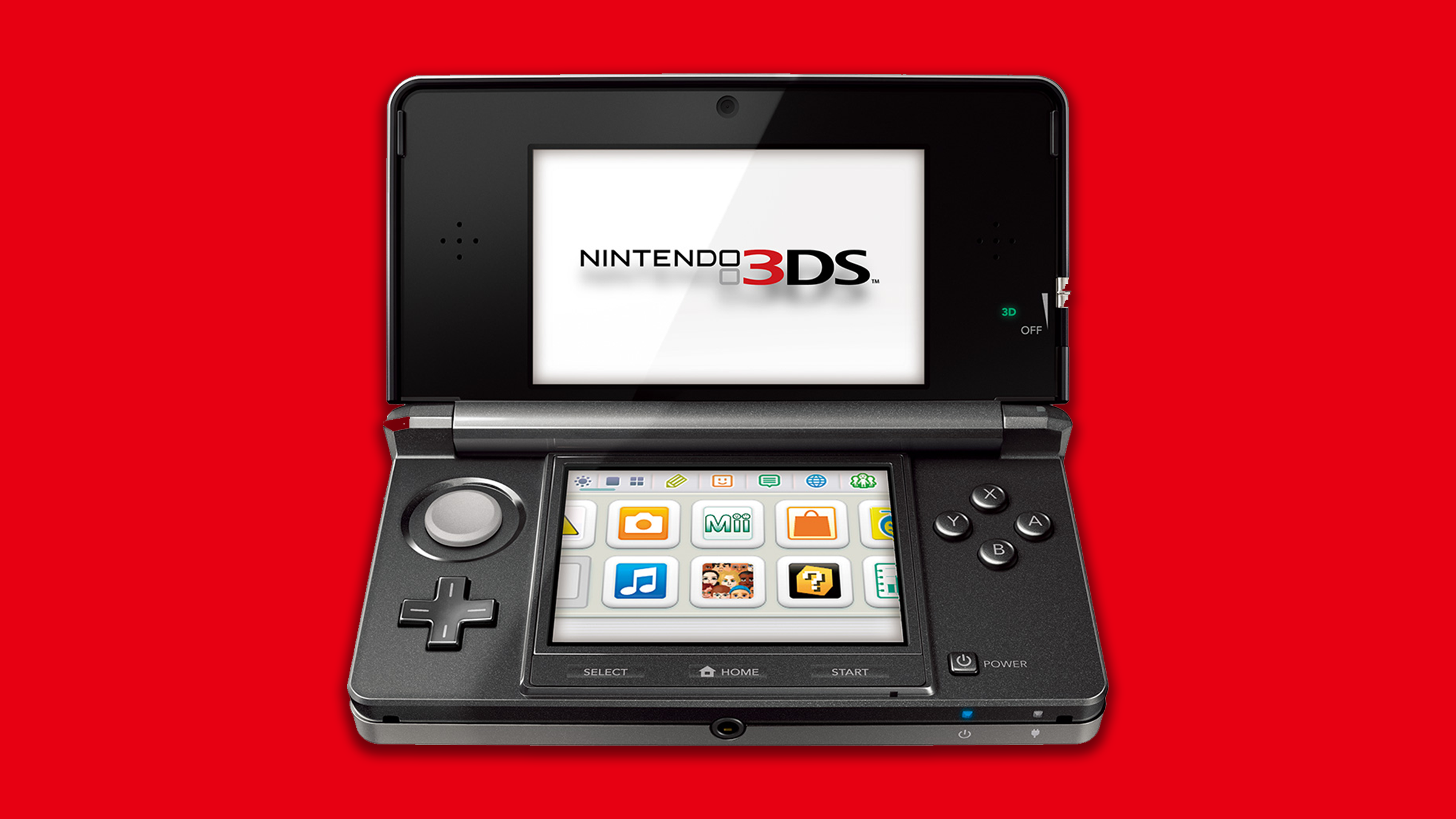
The Nintendo 3DS, released in 2011, was groundbreaking for its ability to show 3D games without requiring special glasses. It achieved this using a technology called autostereoscopy, which projects different images to each eye. While some players experienced headaches or eye strain, a slider allowed them to adjust or disable the 3D effect. Over the years, several different versions of the 3DS were released, and combined, they sold over 75 million units. The system boasted strong online features and a fantastic selection of games, including popular titles like Animal Crossing: New Leaf, Fire Emblem: Awakening, The Legend of Zelda: Ocarina of Time 3D, Metroid: Samus Returns, and Pokémon X and Y, among many others.
8) Wii
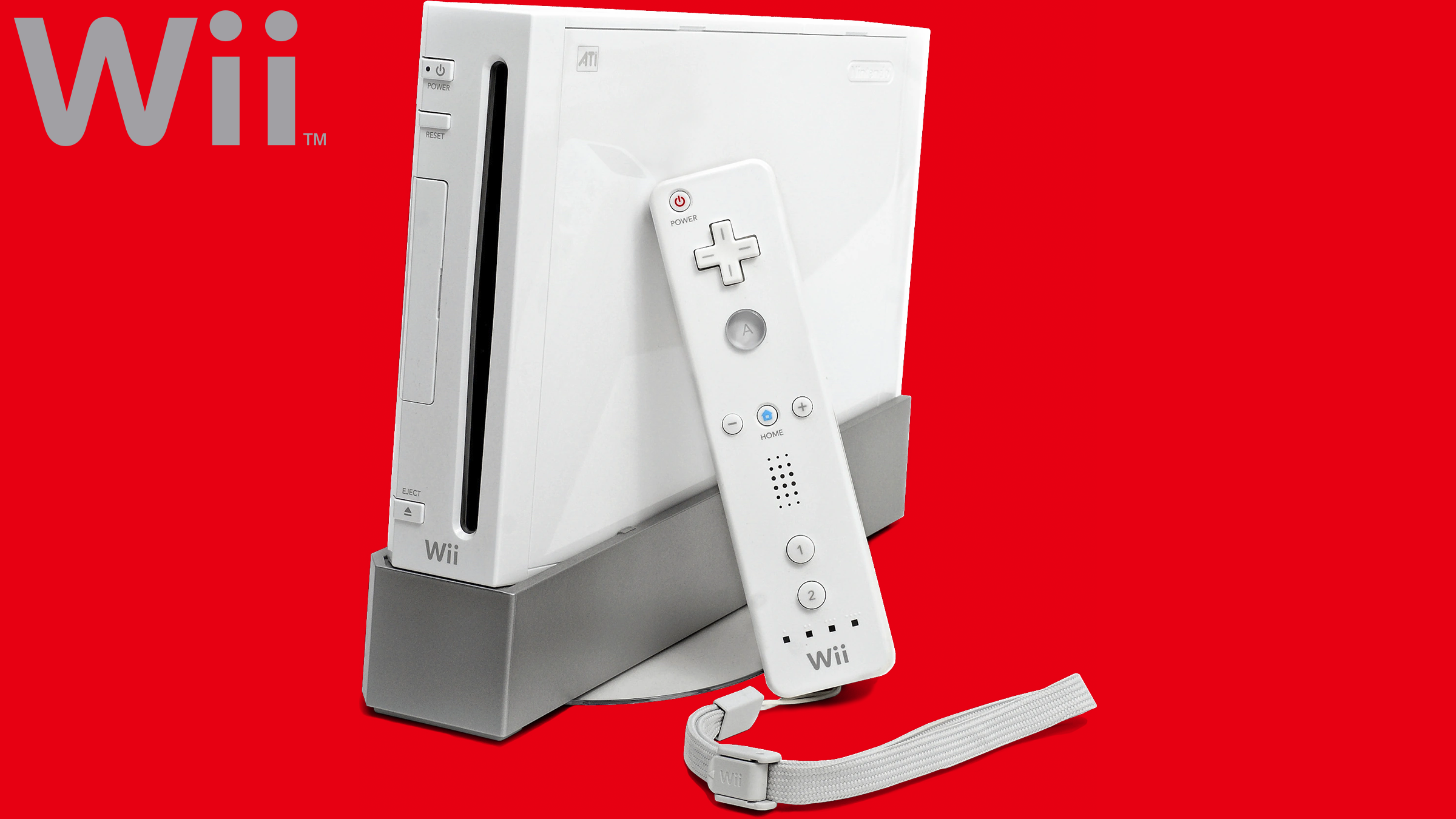
The Wii is widely considered Nintendo’s most successful console for attracting new gamers. A clever marketing strategy presented it as a fun option for the entire family. While motion controls had been tried before, the Wii perfected them, truly innovating the idea. This pushed competitors like Microsoft and Sony to create their own motion control devices – the Kinect and PlayStation Move – but neither could compete with the Wii’s performance. The console was a huge hit, selling over 101 million units globally, and featured popular, critically acclaimed games like Super Mario Galaxy, The Legend of Zelda: Twilight Princess, Super Smash Bros. Brawl, and, of course, Wii Sports.
7) Nintendo DS
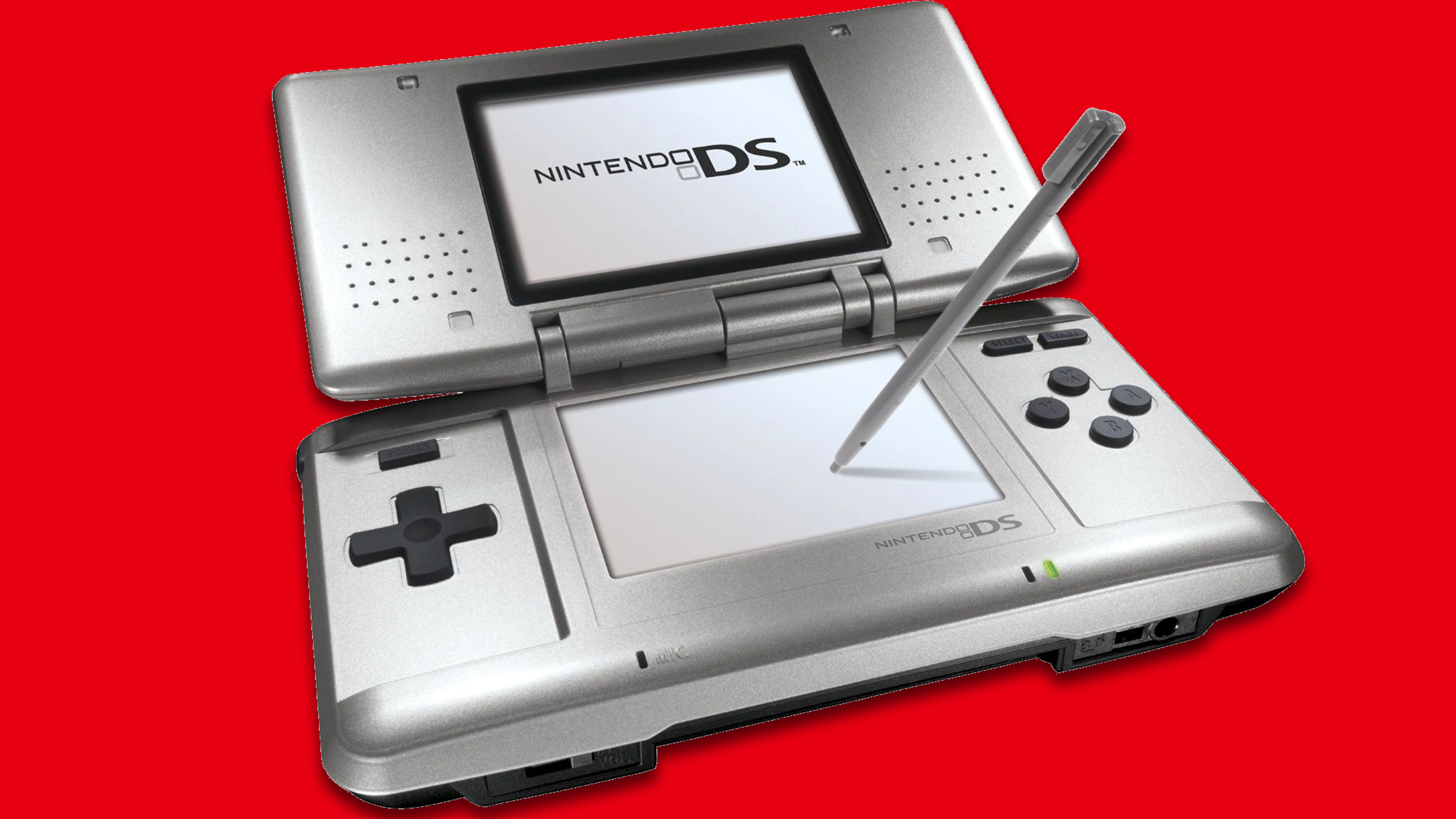
Before the 3DS, Nintendo’s DS was a huge success and set the standard for its design. Like an updated Game Boy Advance SP and drawing on classic Nintendo ideas, the DS had a folding “clamshell” shape with two screens – the bottom one you could touch. It was also ahead of its time with built-in Wi-Fi for online gaming, which wasn’t common in 2004. Over 154 million DS consoles of different versions were sold, and it boasted a fantastic library of games, including titles like Grand Theft Auto: Chinatown Wars, Chrono Trigger, Mario Kart DS, Mario & Luigi: Bowser’s Inside Story, and New Super Mario Bros., among many others.
6) GameCube
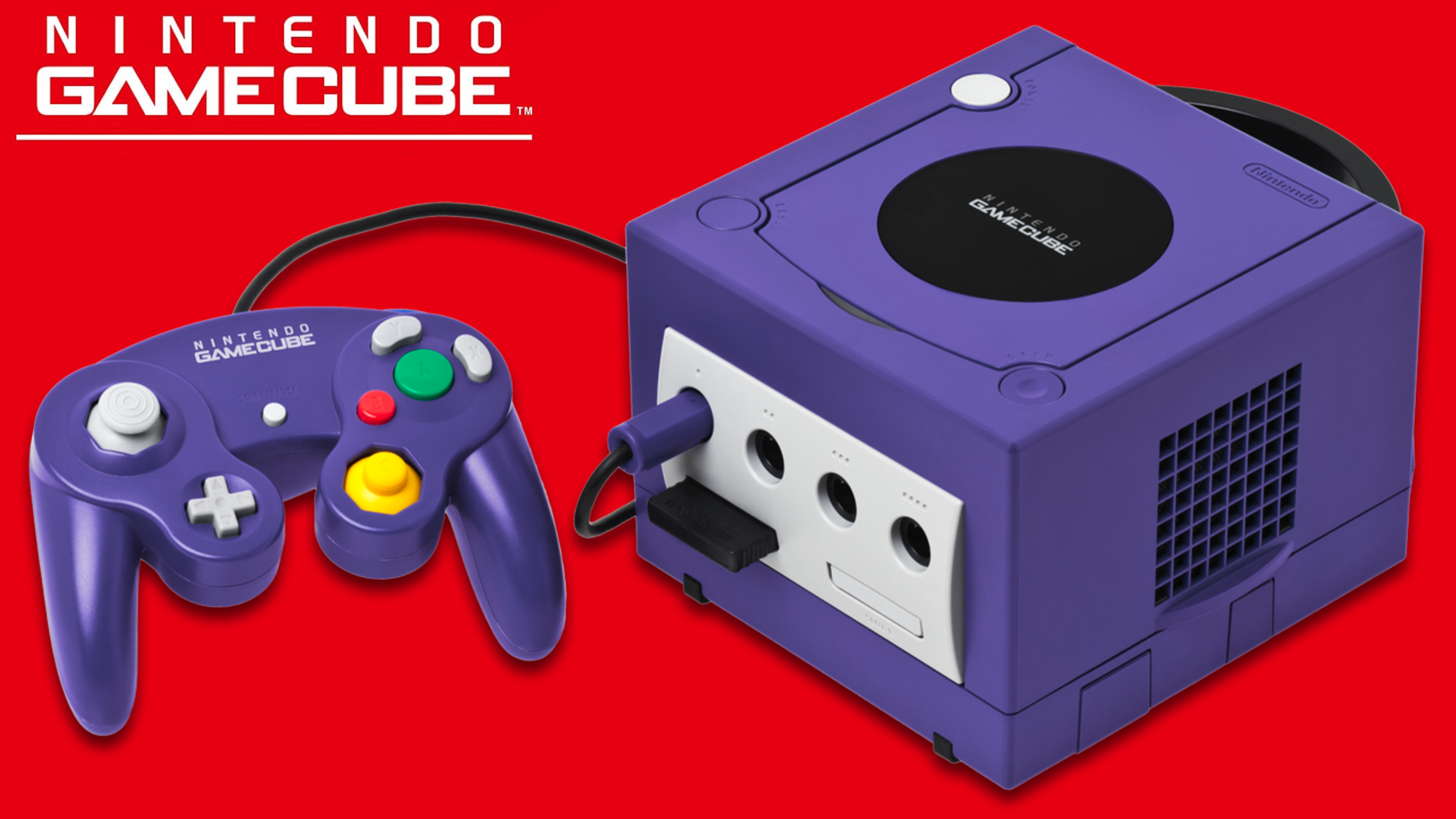
Following the Nintendo 64, the GameCube was Nintendo’s next home console and marked a shift by using discs instead of cartridges for the first time. It could connect to the Game Boy Advance and other accessories, and a few games even offered online play. Though it didn’t sell as well as some other Nintendo consoles – around 21.5 million units – the GameCube earns a spot as one of the best thanks to its incredible selection of exclusive games. Titles like The Legend of Zelda: The Wind Waker, Metroid Prime, Resident Evil 4, Super Smash Bros. Melee, and Paper Mario: The Thousand-Year Door all debuted on this system.
5) Nintendo 64
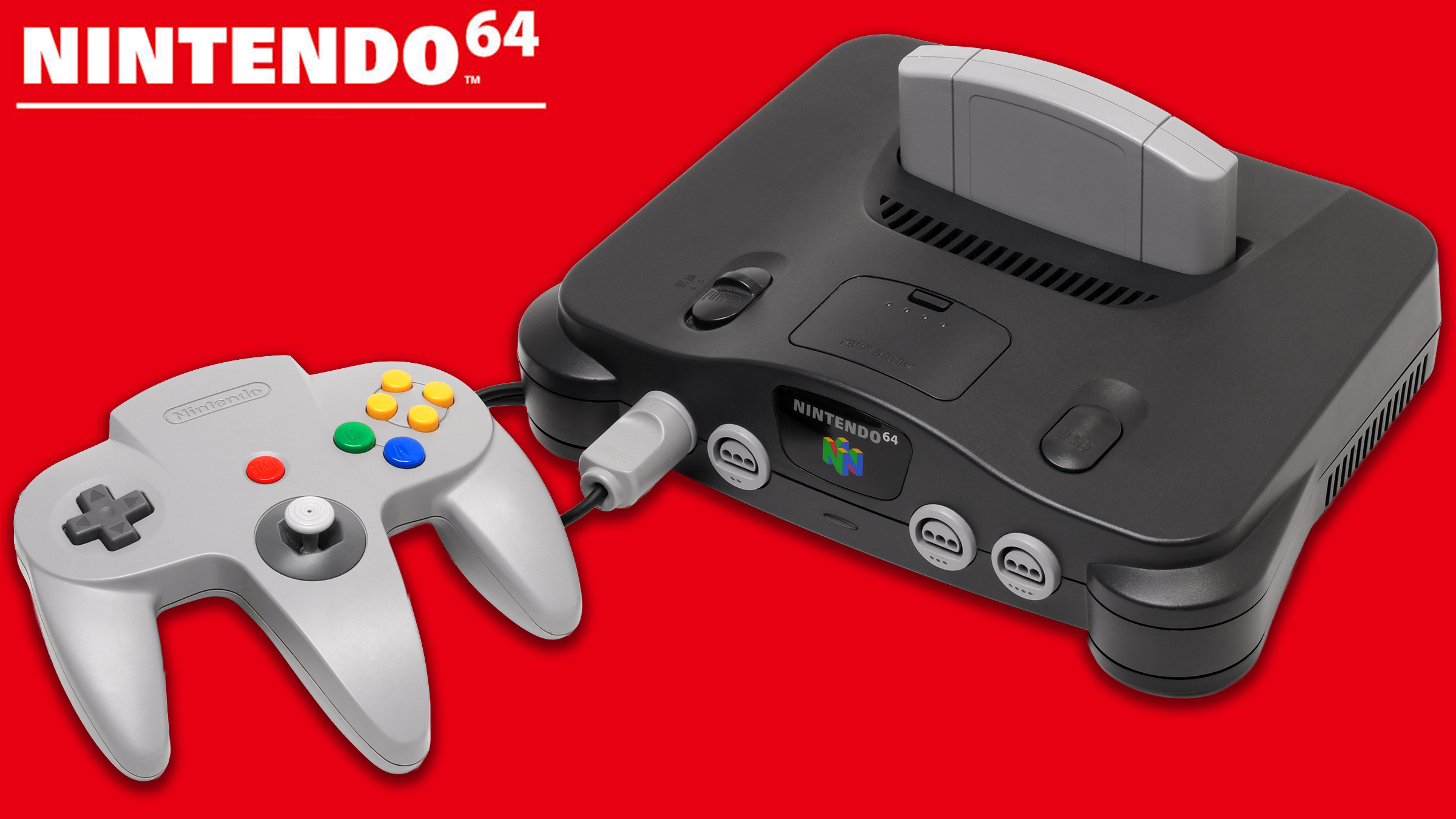
The Nintendo 64 was created after a partnership with Sony fell apart, eventually leading to the creation of the PlayStation. Released in 1996 as the follow-up to the Super Nintendo, the N64 was the last Nintendo console to use game cartridges. Its name comes from its powerful 64-bit processor, which allowed for much better 3D graphics than earlier consoles. It was a successful system, selling over 32 million units, and it ranks at number five because of its amazing games and their influence on the gaming industry. The N64’s library includes classics like The Legend of Zelda: Ocarina of Time, GoldenEye 007, Super Mario 64, Paper Mario, Star Fox 64, and Super Smash Bros., and many other unforgettable titles.
4) Game Boy
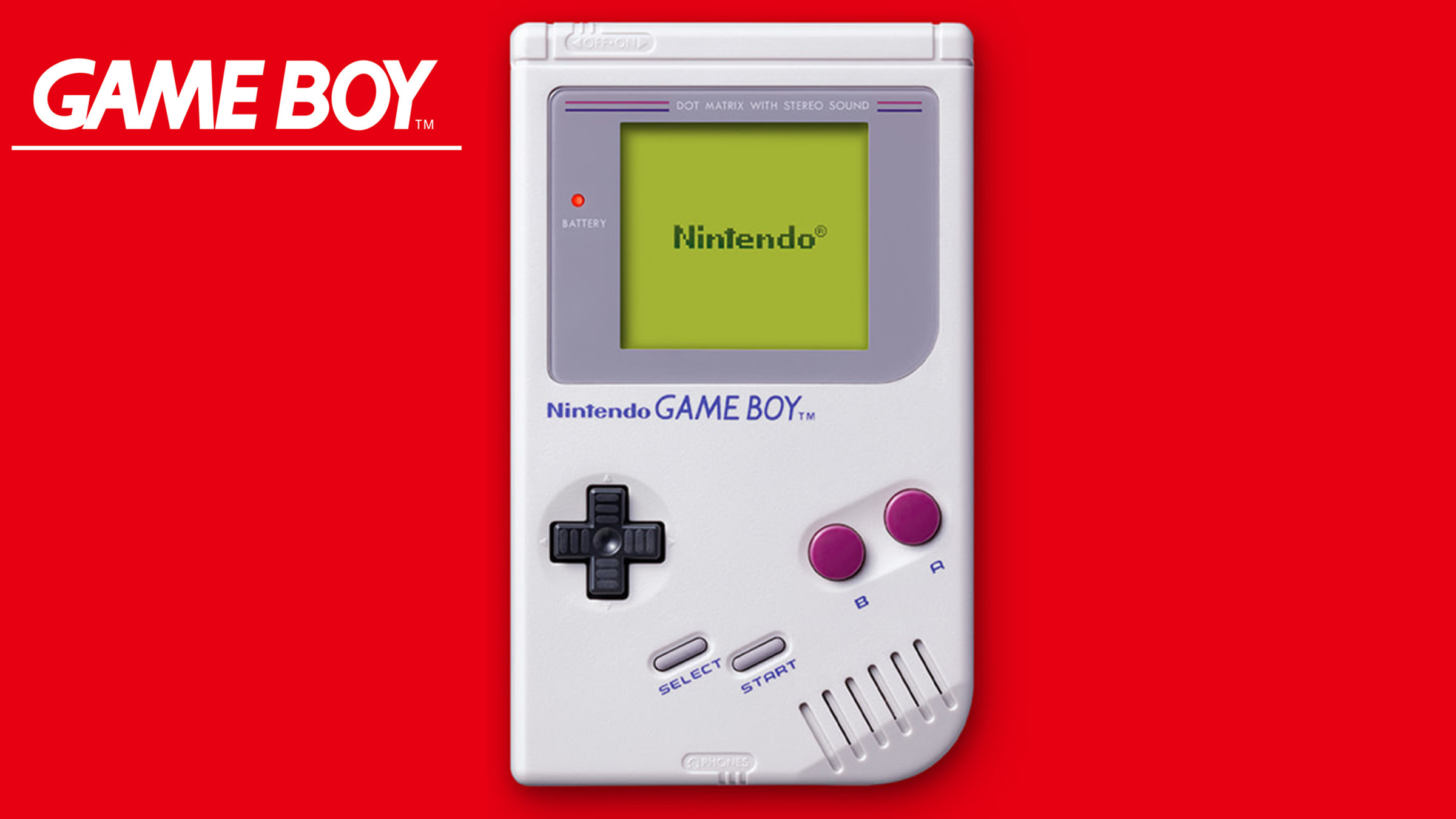
While not the most powerful handheld console of its time, the Game Boy was a huge hit when it launched in 1989. Compared to rivals like the Atari Lynx and Sega Game Gear, it was less technologically advanced – most notably, it didn’t have a color screen. However, this was intentional; color screens drained batteries very quickly. The Game Boy was the first truly portable console that let you swap games with interchangeable cartridges, and it had a fantastic selection of titles. Popular games included The Legend of Zelda: Link’s Awakening, Pokémon Red/Blue/Yellow, Super Mario Land 2: Six Golden Coins, Final Fantasy Adventure, and many other classics.
3) Nintendo Entertainment System
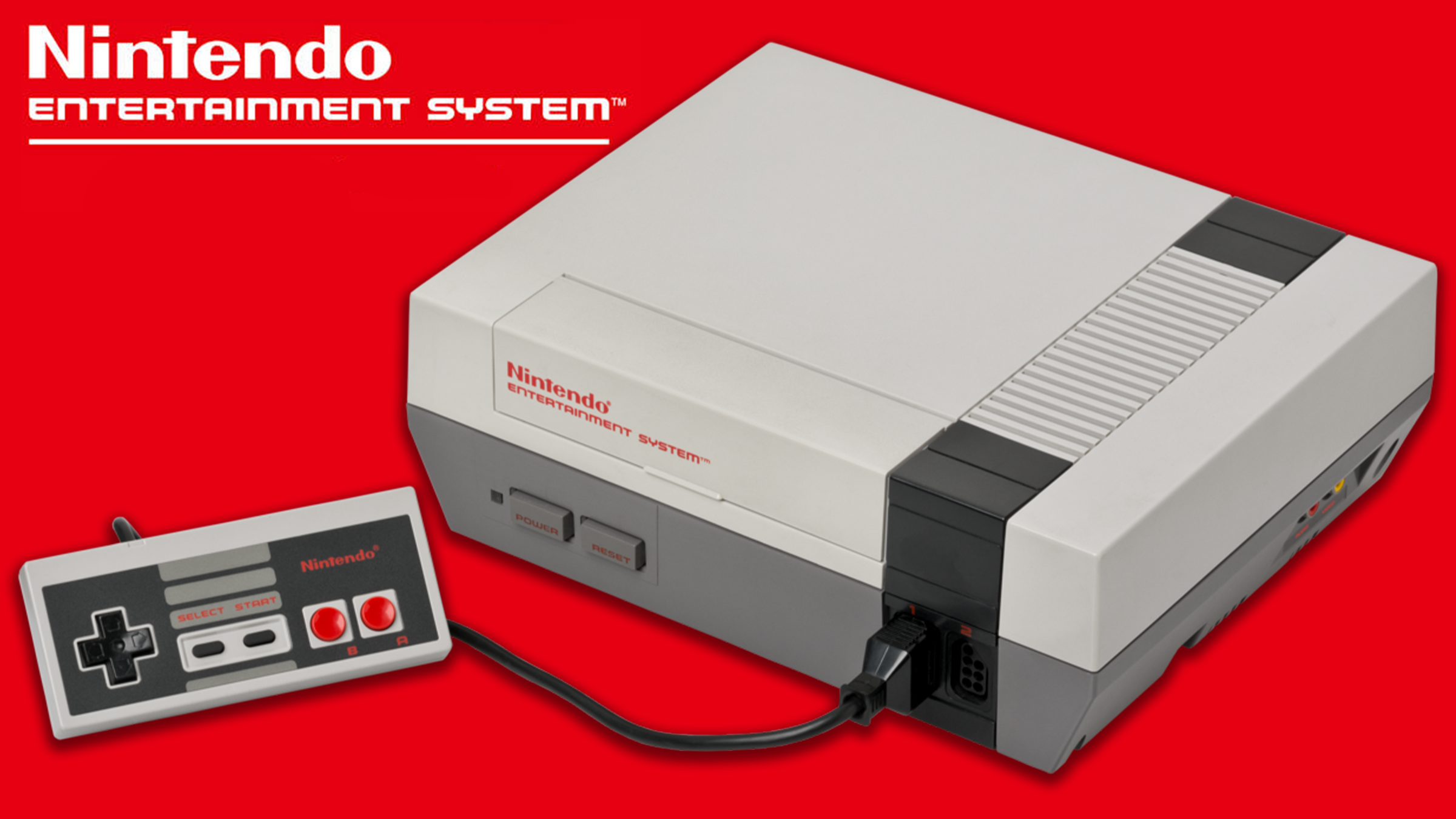
The Nintendo Entertainment System (NES) is widely credited with rescuing the video game industry. After a major crash in 1983, the NES launched in 1985 and quickly became a huge success, making Nintendo the leading company in the gaming world. While other consoles existed at the time, the NES dominated the market. Its collection of games includes timeless classics and popular franchises like The Legend of Zelda, Super Mario Bros., Contra, Metroid, Ninja Gaiden, Castlevania, and Mega Man, many of which are still enjoyed today.
2) Nintendo Switch

The Nintendo Switch, released in 2017, represents years of Nintendo’s creative development in one device. It uniquely combines features of a portable handheld system with a home console, building on the success of consoles like the Wii and Nintendo DS. The Switch wasn’t just new and different – it quickly became a leader in the gaming market. Since its launch, Nintendo has released several versions of the Switch and has sold over 155 million units worldwide. The console boasts a fantastic library of games, including popular titles like The Legend of Zelda: Breath of the Wild, Super Mario Odyssey, The Legend of Zelda: Tears of the Kingdom, Metroid Prime Remastered, and Portal: Companion Collection, among many others.
1) Super Nintendo Entertainment System
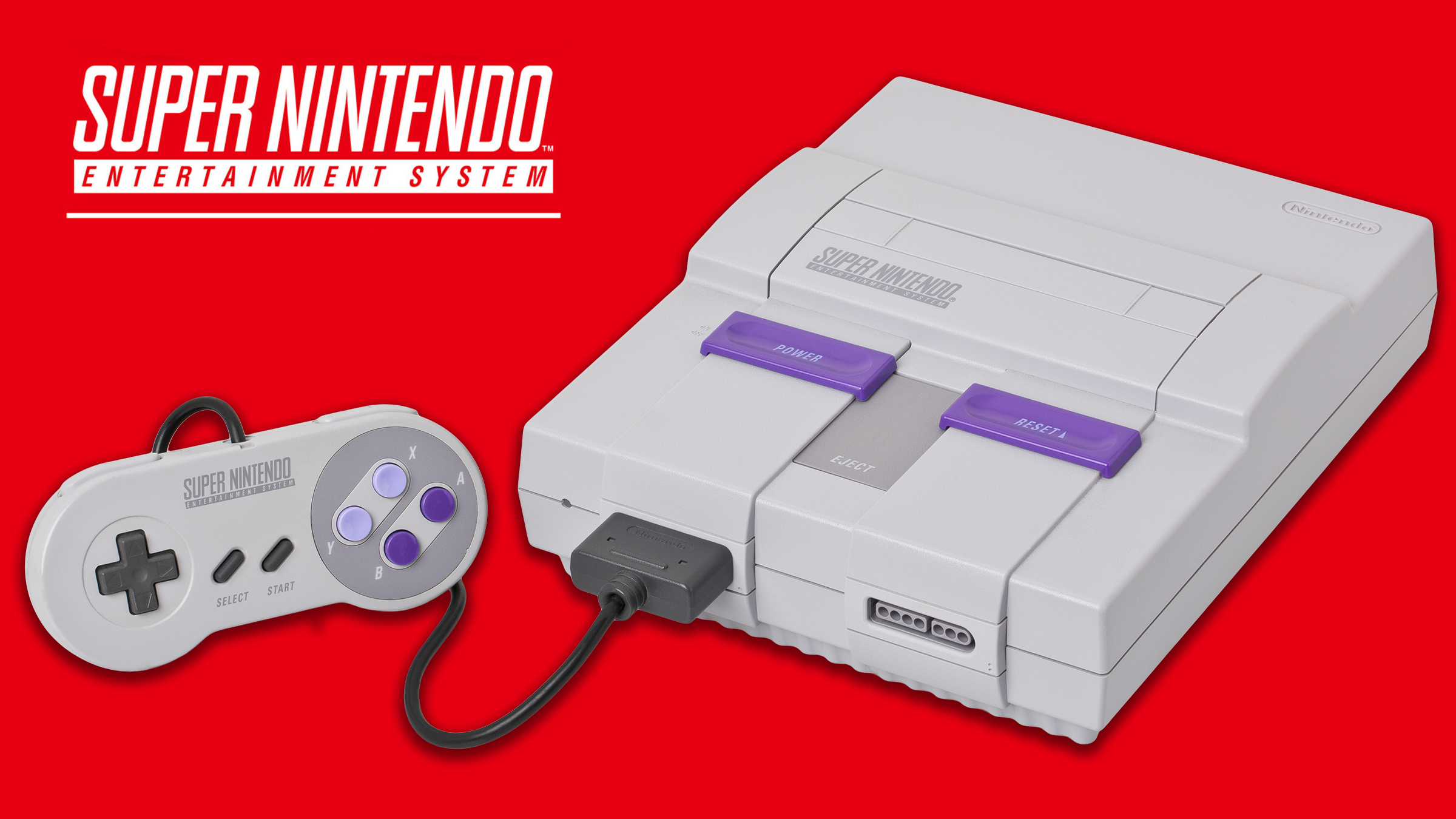
Choosing the best Nintendo console was tough, but the Super Nintendo Entertainment System (SNES) ultimately came out on top. It built on the success of the NES, making significant improvements across the board. As Nintendo’s first 16-bit system, the SNES went head-to-head with the Sega Genesis and remained a dominant force even as 32-bit consoles emerged. Nintendo sold nearly 50 million SNES units, and the system was a hotbed of innovation, especially in how games were played. Classics like Super Mario World, Donkey Kong Country, The Legend of Zelda: A Link to the Past, Star Fox, Final Fantasy VI, Dragon Quest VI, Chrono Trigger, Super Mario RPG, and Super Metroid – just to name a few – showcased its incredible capabilities.
What’s your favorite Nintendo console of all time? Share your thoughts in the comments and join the discussion on the ComicBook Forum!
Read More
- Trails in the Sky 2nd Chapter launches September 17
- After AI Controversy, Major Crunchyroll Anime Unveils Exciting Update
- Adam Levine Looks So Different After Shaving His Beard Off
- PRAGMATA ‘Eight’ trailer
- Hulu Just Added One of the Most Quotable Movies Ever Made (But It’s Sequel Is Impossible To Stream)
- Why is Tech Jacket gender-swapped in Invincible season 4 and who voices her?
- Dragon Quest Smash/Grow launches April 21
- How Could We Forget About SOL Shogunate, the PS5 Action RPG About Samurai on the Moon?
- Xbox Game Pass Users “Blown Away” by New Exclusive Game
- Dialoop coming to Switch on June 17
2026-02-11 17:19