
The way Mike Davis carefully gathers his shed hair and dead skin into a tarp before work shows he’s no typical criminal.
The movie Crime 101 starts with Mike pulling off a bold, yet meticulously planned robbery. He’s not a violent criminal, but rather someone who is efficient and thinks things through. Even when things go wrong, he remains calm and finds a way to adapt. He’s a clever thief, going so far as to wear a ski mask and colored contacts to hide his face. When the police, led by Detective Lou Lubesnick, arrive to investigate, Lubesnick seems almost impressed with Mike’s methods. He excitedly tells his partner, “He has principles, and he follows them!”
It’s easy to understand why Lou was so excited. People love movie criminals who operate by their own code. While stealing millions in diamonds is clearly wrong, characters like Mike Davis are entertaining to watch. They appeal to regular viewers who always follow the rules, but secretly enjoy imagining themselves as someone capable and clever enough to pull off a daring heist – someone smart, strong, skilled, and not needlessly cruel, just like Mike.
Mike imagines himself as a modern-day Robin Hood, justifying taking from the wealthy to benefit himself. While this is a fantasy, it makes for a compelling foundation for a thrilling story. And Crime 101 is consistently enjoyable. It’s not a gritty procedural filled with violence; instead, it focuses on the fun of a high-speed chase and the reward of a clever plan carried out with minimal harm.
I have to admit, sometimes the movie tries a little too hard to be meaningful beneath the surface. The characters often switch from sounding like tough professionals to suddenly delivering these big, important statements about life. There’s a scene with a cop, Lou Lubesnick, questioning a woman connected to the case, and within a minute and a half, he’s accusing her of wanting a share of success, and she replies with this almost fortune-cookie-like wisdom about how every conversation leaves a mark. It honestly felt like they were both just reciting lines they’d seen on motivational calendars – it was a bit much!
You know, watching Crime 101 felt awfully familiar. It really leans into that classic trope we’ve seen before – the complicated connection between the cops and the criminals they’re chasing. I kept getting strong Heat and The Wire vibes, that same kind of dance. There’s even a scene where characters debate Steve McQueen movies – Bullitt versus The Thomas Crown Affair – and honestly, in a film so focused on whether things happen by chance, it felt deliberate, like the filmmakers were tipping their hat to those earlier greats. It wasn’t just a random reference; it felt like a conscious nod to the films that came before.
Parts of Crime 101 strongly resemble earlier films and shows, but that wouldn’t bother the thief at the center of the story, Mike Davis (Chris Hemsworth). He specifically targets wealthy individuals and institutions – the kind with good insurance who can absorb a loss. With the help of an experienced fence (Nick Nolte), Mike identifies valuable jewels in Los Angeles, finds vulnerabilities in their security, and swiftly exploits them.
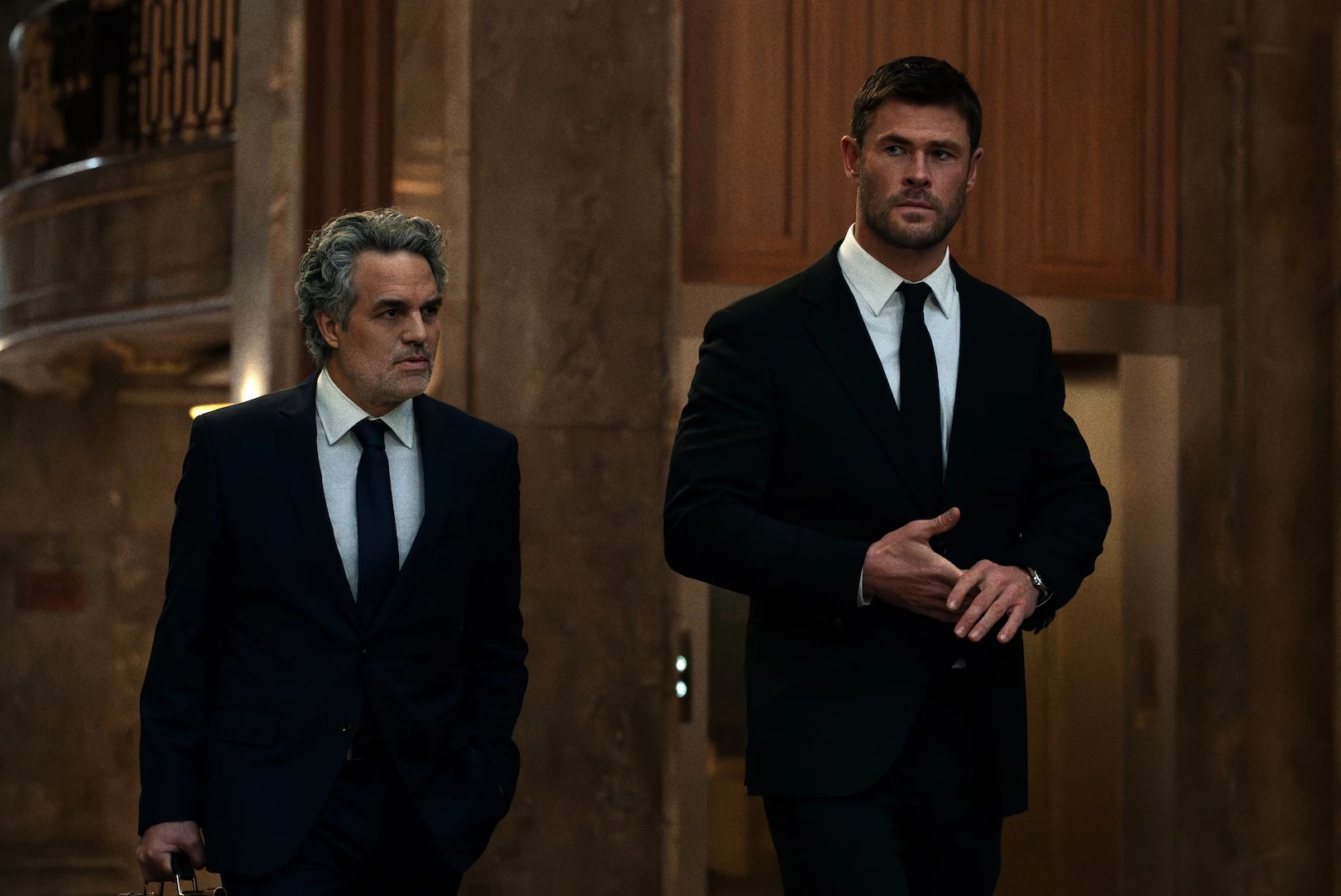
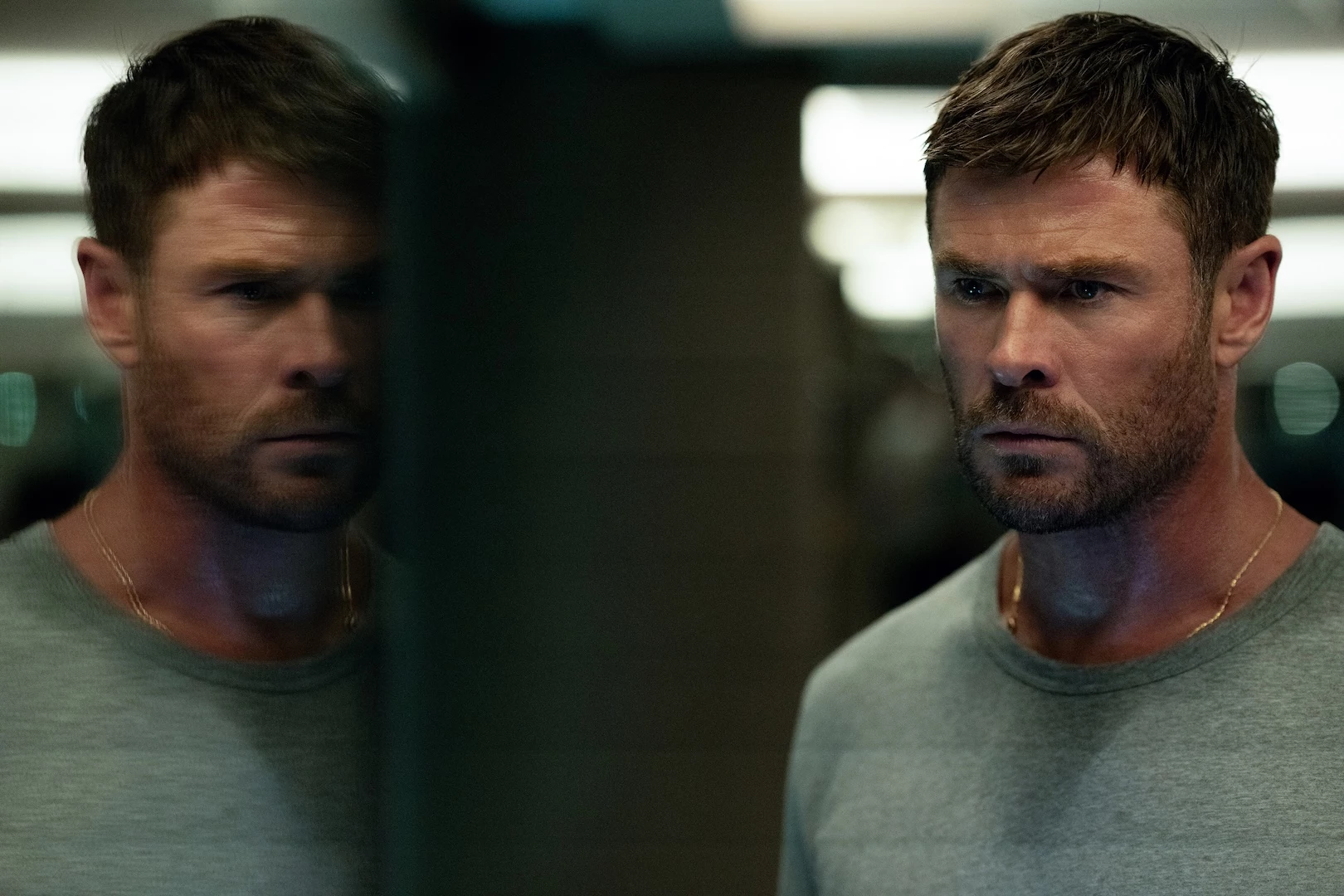
Although Crime 101 is an action film, the role is a bit different for Chris Hemsworth, who usually plays incredibly confident, almost invincible heroes. While his character, Mike, still has Hemsworth’s strong physique, he’s constantly anxious and on edge – always looking around as if expecting trouble. It’s unexpected to see Hemsworth play such a nervous character, but he delivers a surprisingly convincing performance.
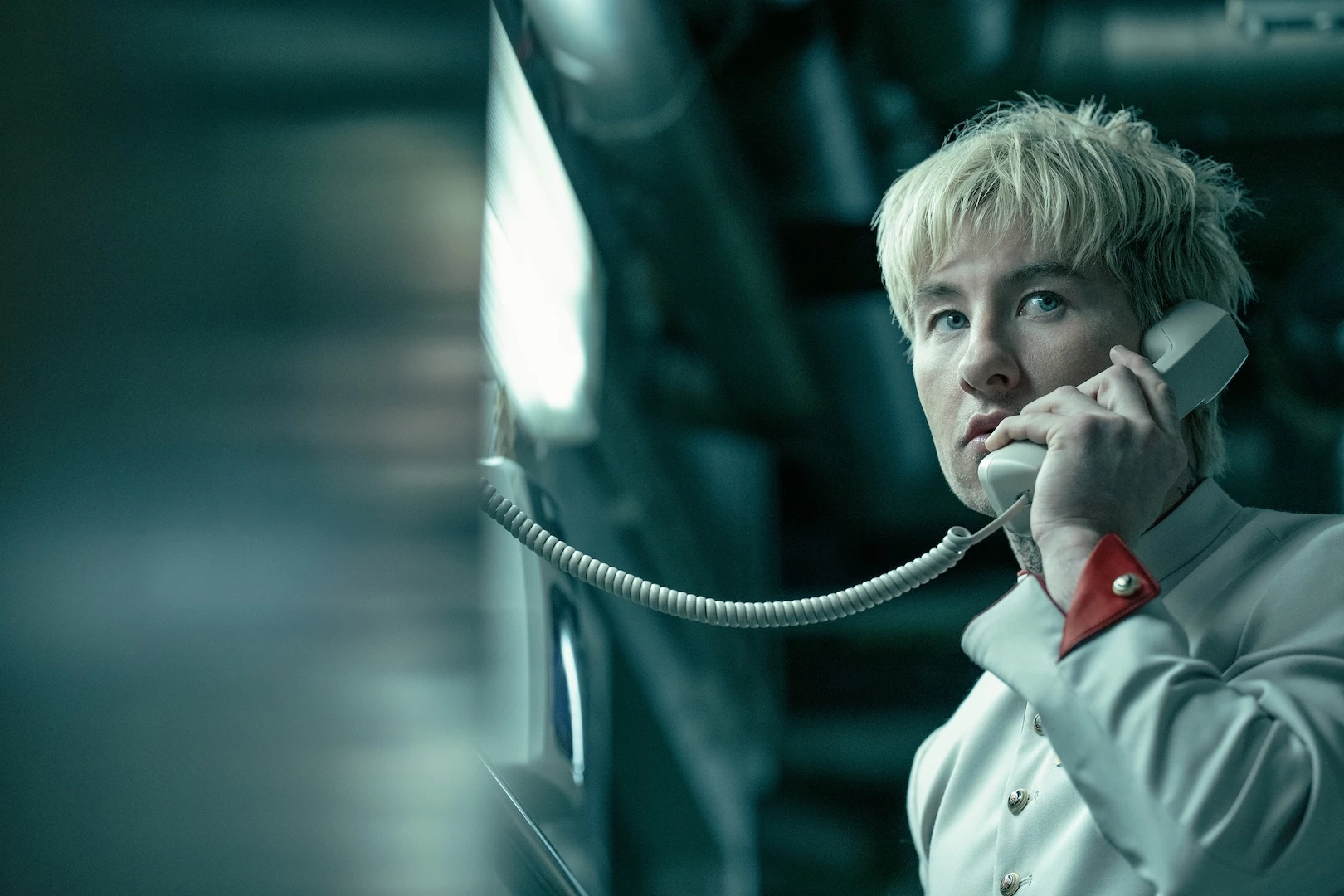
Mike lives a transient life, moving from one furnished rental to another and constantly switching vehicles, carefully covering his tracks after each crime. He seems impossible to catch, but his luck might run out when he refuses a job that feels too dangerous. The man who takes his place, a wildly unpredictable criminal played by Barry Keoghan, is the opposite of Mike – messy and impulsive – and his actions risk bringing the whole operation crashing down.
Detective Lubesnick, played by Mark Ruffalo, is getting closer to proving his belief that one person – Mike – is responsible for a series of robberies along a Los Angeles freeway. However, Lubesnick isn’t like the other detectives; he doesn’t care as much about quickly closing cases as he does about actually solving them, which puts him at odds with his colleagues in the LAPD’s Robbery division.
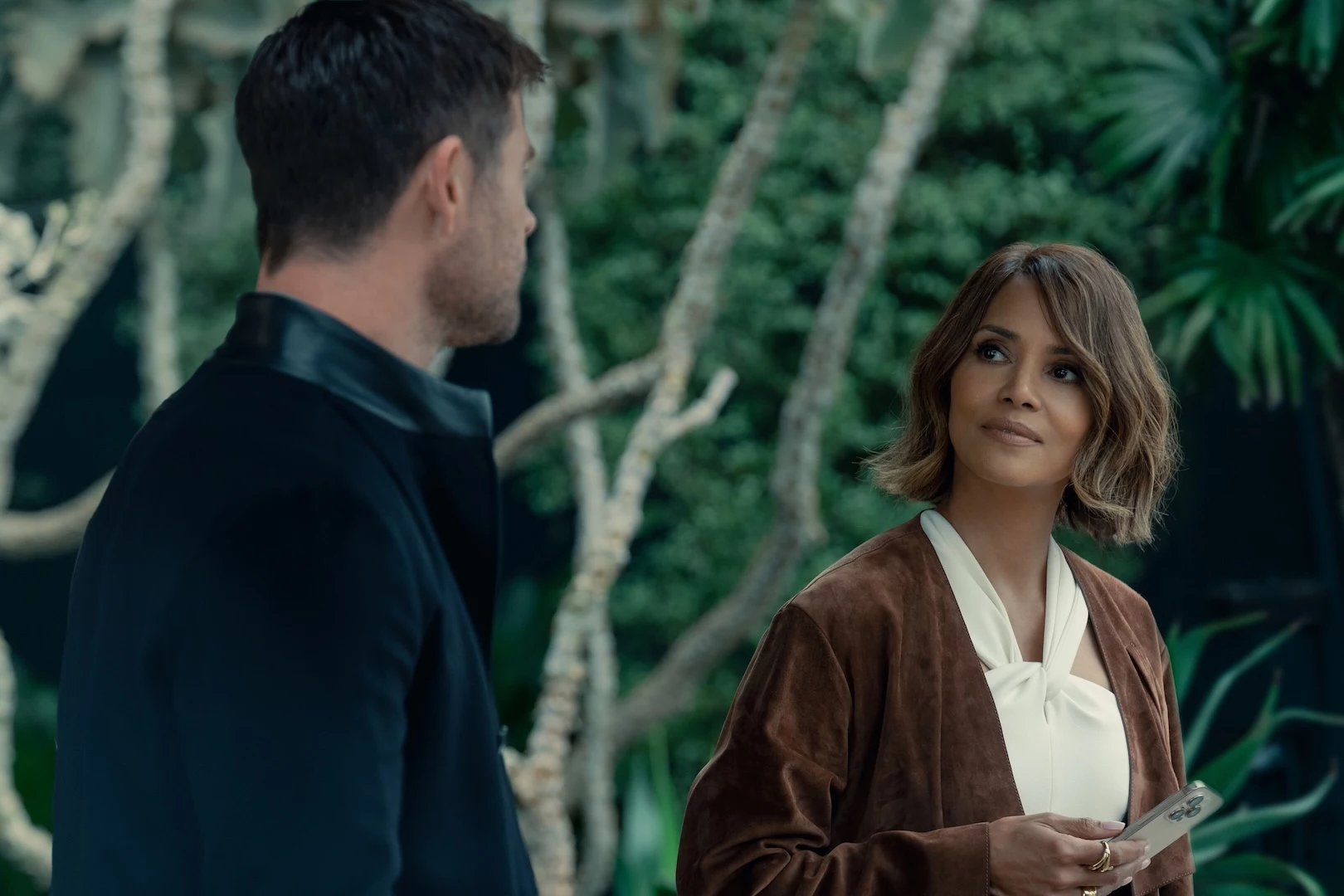
Lou’s investigation leads him to Sharon, an insurance salesperson played by Halle Berry, who is central to the story. Sharon insured some of Mike’s stolen jewels, but her company is refusing to pay out the claim. They’re also denying her a well-deserved promotion to partner. This creates a compelling role for Berry as a woman facing sexism in the corporate world. As Sharon is repeatedly overlooked and dismissed, she becomes increasingly vulnerable, and Mike takes advantage of her situation to further his criminal activities.
Okay, so the film initially follows Mike, Lou, and Sharon on seemingly separate paths. It reminded me a bit of Paul Haggis’ Crash – lots of near misses, characters just almost connecting, and a surprising amount of talk about classic cars. It’s all based on a Don Winslow story, by the way. Then, a minor car accident throws a wrench into things. Mike gets rear-ended by a publicist, and suddenly, his carefully constructed, solitary life starts to feel… less appealing. It makes him question everything he’s been doing to stay hidden and safe.
The plot relies on a lot of coincidences as characters repeatedly cross paths and become increasingly connected, culminating in a dramatic ending. However, director Bart Layton expertly weaves together the three storylines using clever editing, creating a smooth and polished feel. He also stages several incredibly tense robbery scenes, with the final one being a standout example of how to build nail-biting suspense.
While the car chases in Crime 101 aren’t as iconic as those in Bullitt, they’re still well-done. The film avoids being completely overshadowed by the comparison, and overall, it’s as reliable and effective as its main character: a cool, calculated thief. Aside from a few awkward lines, the movie itself is methodical and gets the job done.
Additional Thoughts:
It wasn’t until a major scene between the characters that I understood the movie’s core dynamic: Hulk is primarily pursuing Thor, and Storm and Druig are right behind him.
Okay, I’ll be honest: I had to Google what role Barry Keoghan had in Eternals. I completely forgot his character, Druig! Can anyone actually remember Druig?
There’s an interesting connection worth noting: the characters in the show Crime 101 express their admiration for the film Bullitt, starring Steve McQueen. McQueen’s character in Bullitt was partially inspired by real San Francisco police officer Dave Toschi. Toschi is also known for his involvement in the Zodiac Killer case, which was dramatized in David Fincher’s 2007 film Zodiac – a film in which Mark Ruffalo, who stars in Crime 101, played Toschi.
RATING: 7/10
The 10 Worst Blockbusters of the Last 10 Years (2016-2025)

10. Space Jam: A New Legacy (2021)
With a budget of $150 million, Space Jam: A New Legacy surprisingly portrayed Warner Bros. as a heartless company obsessed with its properties, a remarkably self-critical move. The film itself was a disappointment, falling far short of the original Space Jam and lacking in humor. While LeBron James’s acting wasn’t significantly worse than Michael Jordan’s in the first movie, almost everything else about A New Legacy was embarrassing. It missed the mark on what makes the Looney Tunes – especially Bugs Bunny – so beloved, turning him into an unappealing character. Instead of watching the film, I recommend revisiting classic Looney Tunes Cartoons on Max. Any short offers far more laughs than this two-hour movie, and the animation is arguably better, even though it didn’t cost nearly as much.

9. Independence Day: Resurgence (2016)
With a budget of $165 million, Independence Day: Resurgence fails to capture what made the original film enjoyable. While the first Independence Day wasn’t perfect, it featured strong performances and groundbreaking special effects for its time, and it didn’t shy away from showing the human cost of the alien invasion. Resurgence, however, focuses on large-scale destruction that happens mostly off-screen, leaving little room for emotional connection. The massive loss of life feels impersonal and lacks impact. The absence of Will Smith from the cast, combined with less charismatic replacements, further detracts from the experience. To make matters worse, the film’s ending clearly sets it up as an introduction to another sequel, which is hopefully something that won’t happen.

8. Alice Through the Looking Glass
With a budget of $170 million, Disney’s sequel to the live-action Alice in Wonderland falls far short of even the original. Through the Looking Glass needlessly explains the Mad Hatter’s (Johnny Depp) backstory, attempting to answer a question no one asked. While already annoying, the Hatter becomes even more irritating once his sad childhood is revealed. Ironically, the film’s message about valuing time feels wasted on such a lengthy and disappointing movie. And, unfortunately, by the time you realize this film isn’t worth your time, it’s already too late.

7. Suicide Squad
With a budget of $175 million, this Suicide Squad movie presents a strange paradox: the problems the team is tasked with solving are directly caused by one of their own members going bad. The mystery they’re trying to rescue throughout the second half of the film ultimately turns out to be the person who created and leads the Suicide Squad. In essence, the team is both the source of and the solution to the entire conflict. While director David Ayer may have originally had a clear vision for the film, the final product felt heavily cut and disjointed. Unfortunately, the extended cut doesn’t improve things – the movie didn’t need to be longer. Many consider this film to be a low point for the DC Extended Universe. Thankfully, James Gunn’s later The Suicide Squad was a step in the right direction, though it didn’t come with a smaller price tag.

6. Dolittle (2020)
With a budget of $175 million, Dolittle feels like a disastrously assembled film. Imagine the scene in Tim Burton’s Batman where the doctor’s attempt to fix Jack Napier’s face results in the Joker’s iconic scars. That’s Dolittle – a messy, disjointed experience that seems cobbled together from discarded footage and reshoots. What likely began as a more grounded film was transformed into a chaotic mix of juvenile humor – think poop jokes and talking animals – poor CGI, and an over-the-top performance from Robert Downey Jr. that dwarfs even Johnny Depp’s flamboyant Captain Jack Sparrow.

5. Jurassic World Dominion
With a budget of $185 million, the latest Jurassic World film aimed to satisfy fans by bringing back the original Jurassic Park cast and exploring a world facing a dinosaur attack. Director Colin Trevorrow succeeded with the cast reunion, but the story fell flat. (And all those big stars come with a high price tag.)
Instead of continuing the story from the previous film, Jurassic World: Fallen Kingdom, the movie awkwardly combined the casts of both Jurassic series into a nonsensical plot involving genetically engineered locusts threatening the world’s food. By the time the characters gather at a new dinosaur sanctuary for a predictable climax, you might wish the movie would just end – or that you were extinct!

4. Transformers: The Last Knight
With a budget of $217 million, Michael Bay’s last Transformers film, 2017’s The Last Knight, dramatically changed the series’ storyline – and not in a good way, according to most viewers. The movie introduced a bizarre twist: Sir Anthony Hopkins’ character revealed that humans from previous films, including Shia LaBeouf’s Sam Witwicky, belonged to a secret society that had been helping the Transformers for centuries. Apparently, these robots had been on Earth for hundreds of years, even participating in the legend of King Arthur’s Knights of the Round Table. While the film briefly touched on this new backstory, it wasn’t explored further. Bay left the series, and later films were prequels that largely ignored this revelation, leaving fans to speculate about the Transformers’ involvement in historical events like the War of 1812.

3. Justice League
With a budget of $300 million, Justice League was intended to be the epic finale of a connected series of films. However, it ended up feeling rushed and disjointed, effectively ending any hopes for a successful DC cinematic universe. Director Zack Snyder had to leave the project mid-production, and the final film, completed by Joss Whedon, didn’t reflect either of their visions. The editing was poor, the movie’s tone was inconsistent, and the villain was a bland, uninspired CGI character with no real purpose beyond the typical desire for world domination. Although Zack Snyder’s preferred version is now available on Max, the original Justice League remains one of the weakest entries in the DC film series.

2. The Electric State
Netflix reportedly spent $320 million on this science fiction film directed by the Russo brothers, and many believe that was far too much. Even if it had cost half that amount, it still wouldn’t have been a good investment. The Electric State is visually unappealing, with bland character designs and dull effects. The story follows a young woman (Millie Bobby Brown) traveling through a world filled with robots, searching for her brother, and aided by Chris Pratt, who seems to be relying on familiar action movie tropes. The film’s complex backstory doesn’t make much sense, but even that could be overlooked if the movie was at least visually engaging. Unfortunately, it isn’t.

1. Fast X
With a reported budget of $375 million, Fast X feels like a franchise that now prioritizes spectacle over substance. Previously, paying attention to details and character development was rewarding, but now it’s frustrating. The film introduces jarring inconsistencies in character behavior – some seem to have completely different personalities compared to previous movies. Trying to follow the convoluted revenge plot and its slow pace will likely leave you more confused than satisfied. Perhaps the title Fast X is fitting, as it accurately reflects the film’s overall quality. The massive budget may also explain why a sequel is taking so long – figuring out the next installment’s cost must be a daunting task.
Read More
- 10 Most Powerful Versions of Superman, Ranked
- Gold Rate Forecast
- GBP CNY PREDICTION
- 007 First Light: Release Date, Story, Gameplay, Cast, Editions, and Platforms
- 10 Greatest Wii U Games of All Time, Ranked
- Superman’s 7 Best Power-Ups, Ranked
- DOGE PREDICTION. DOGE cryptocurrency
- Kingdom Come Deliverance Update 1.002 Enables Trophies to Be Transferred
- The 10 Greatest Spy Thriller Movies Of All Time, Ranked
- Forza Horizon 6 Car List So Far: Confirmed Highlights, Cover Cars, DLC, and Rewards
2026-02-11 18:59