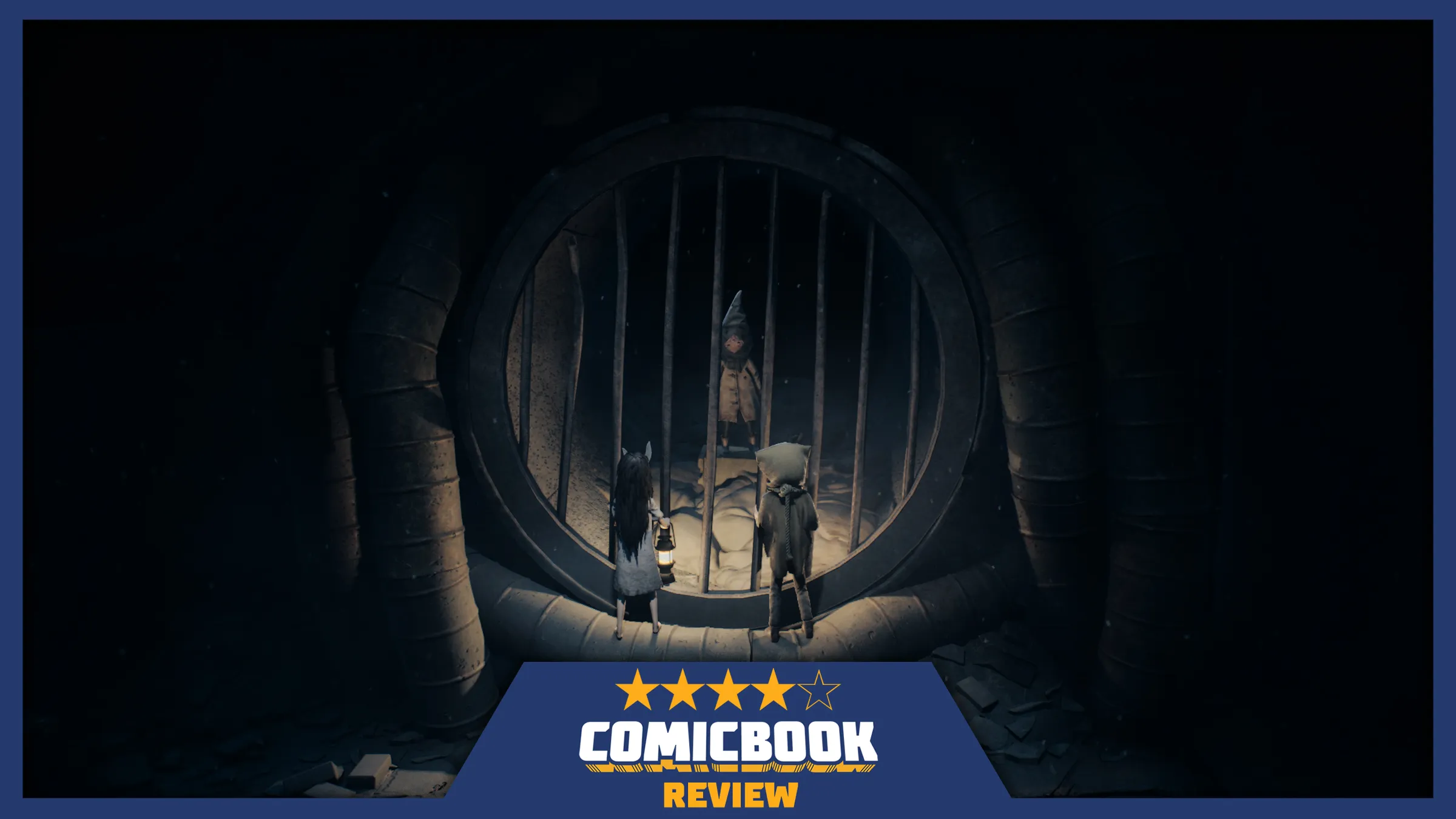
Red light throbs from the walls of a well as a trapped lamb cries out in pain, slowly transforming into something other than a sheep. It’s unclear if this disturbing scene is a warning of things to come or a memory, but it keeps repeating throughout Reanimal, the new cinematic platformer from Tarsier Studios. This unsettling dream is more than just a nightmare about twisted animals; it’s a central mystery of the game itself.
At first glance, Reanimal’s story of children facing danger in unusual worlds feels similar to popular games like those from Playdead and Tarsier Studios. However, this familiar setup actually works in the game’s favor, providing a solid and recognizable foundation.
Rating: 4/5
| Pros | Cons |
|---|---|
| Exceptional lighting, dense environments, and haunting character designs make for a visually stunning game. | The fixed camera and trial-and-error gameplay can lead to occasional hiccups. |
| Frequent mechanical and setting changes and tight campaign length ensure it doesn’t lose its luster. | Some parts of the story are a bit too obtuse. |
Exploring the game’s dark and richly detailed world is captivating because everything feels connected and works together seamlessly. The lighting is particularly impressive, cleverly guiding players without relying on obvious markers like yellow paint or unnatural white streaks. For example, the red glow of a broken theater sign and the distant crimson light of a buoy subtly draw your attention to important locations through the atmospheric fog.
What’s truly unsettling about Reanimal is how it plays with darkness and what we think we see. Is that draped figure in the dim bathroom a person, or just a strange shape? The shadowy, distorted creature moving through the halls is deliberately ambiguous. The film’s tension comes from this uncertainty – from not being able to clearly see what’s lurking in the shadows.
Reanimal Is More Polished Than Its Spiritual Predecessors
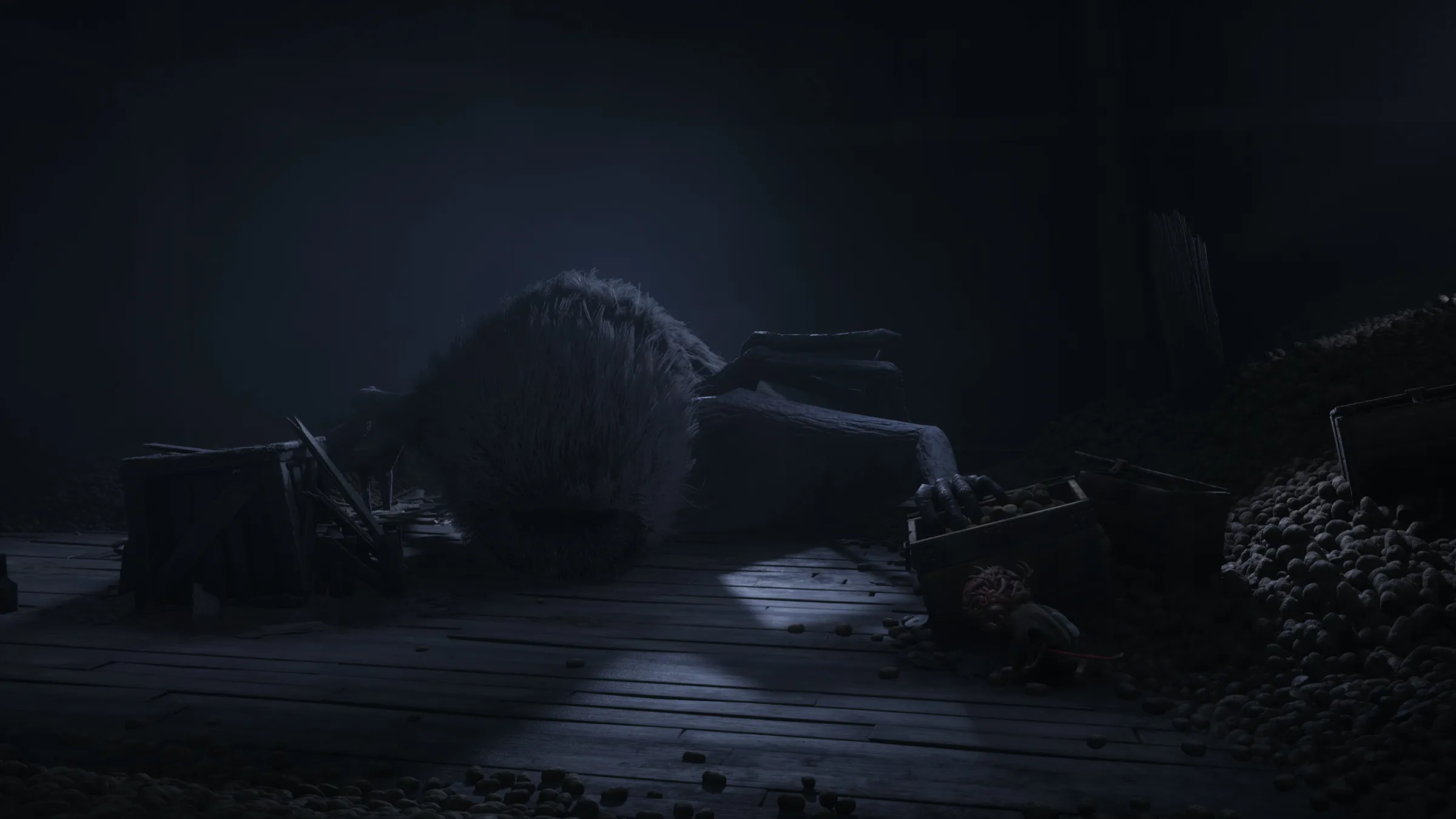
The game’s guiding lights are especially important in this dense world. Because you don’t always control the camera, the developers can carefully control what you see, filling each scene with incredible detail. These elaborate environments encourage you to wonder about the game’s hidden story and create your own theories. For example, you might find a theater full of corpses watching a repeating, disturbing film, or skin suits scattered around that seem to move on their own. These are just a few of the many intriguing mysteries in Reanimal that make the game so captivating.
While elements of this game build on the developer’s previous work, Reanimal presents them with greater polish and dramatic effect. The beautifully crafted ruins that appear throughout the game are striking both in quiet moments and during the frequent action sequences. Seeing the grotesque creatures rampage through the world is truly impressive, with wood, stone, and concrete shattering and flying everywhere. This constant destruction doesn’t overshadow the smooth, visceral animations that bring the creatures to life as they pursue their instincts. Just like the environments, the deliberate yet fluid animation is noticeable during peaceful exploration, but it truly shines when things erupt into chaos, such as when a gigantic, many-legged sheep monster attacks a ruined city.
Reanimal Has a Surprising Amount of Variety
Beyond its unique overall design, Reanimal also excels in its moment-to-moment gameplay. It blends familiar elements – like simple puzzles and hiding from a dangerous creature – with a smart approach. These classic mechanics are used just enough to stay engaging, showcasing the game’s impressive variety. You’ll experience light combat, underwater exploration, exciting chases, driving sections, and more, making Reanimal stand out from typical games of this type. It’s refreshing that the game isn’t just about escaping monsters. This mix of gameplay styles not only gives Reanimal a distinct personality but also creates a consistently smooth and captivating experience that keeps you hooked.
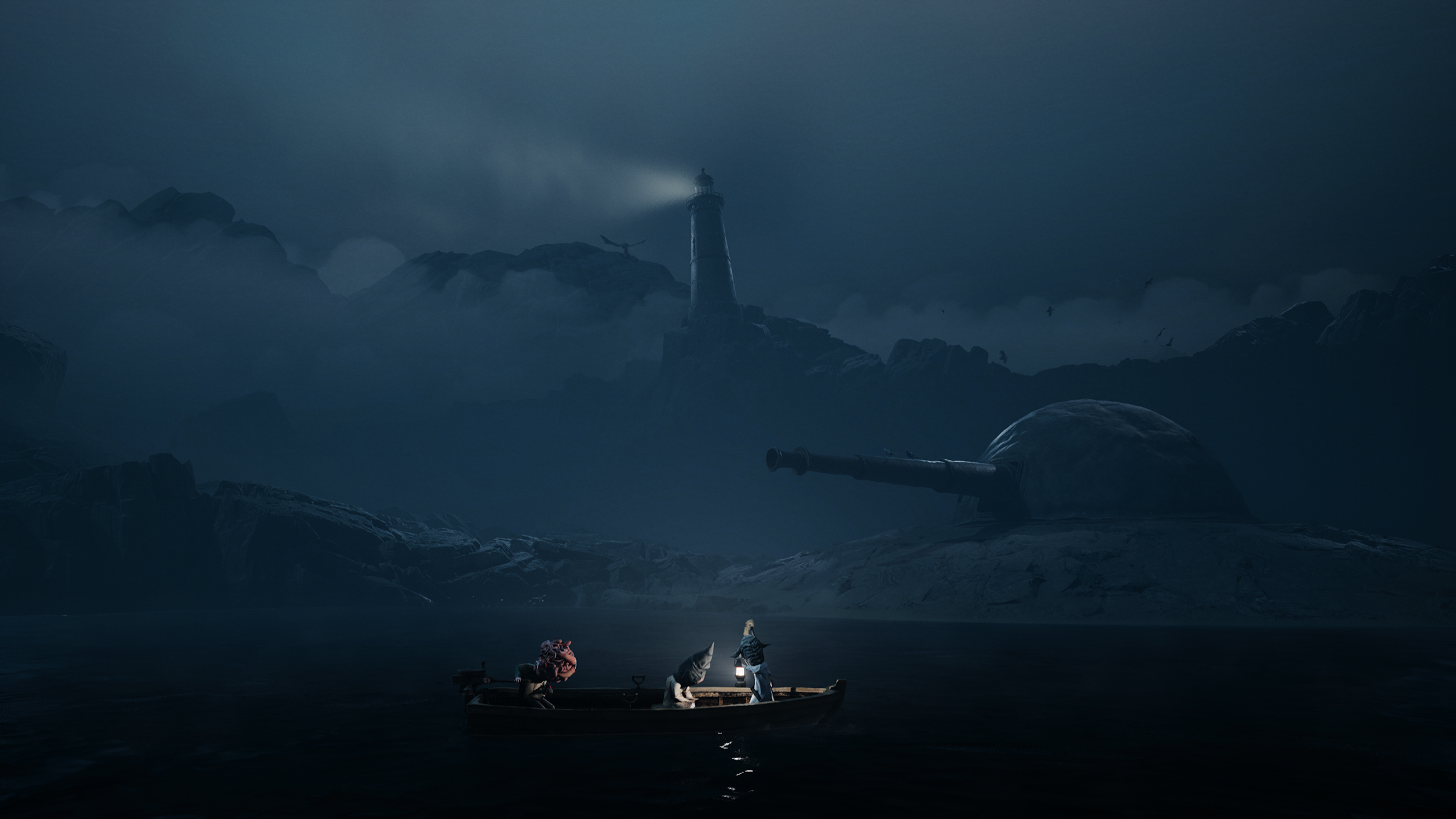
The boat sections are a highlight of Reanimal, offering players a surprising amount of freedom – something rarely seen in this type of game. Tarsier Studios even lets you control the camera while on the water, making these sections feel especially liberating. While you’re navigating the dismal, waterlogged areas, you’ll still face creepy threats that need to be dealt with – keeping the game’s tense atmosphere intact. It’s the same core experience, but with a greater sense of openness and exploration.
Despite improvements, Reanimal still has some of the same issues as earlier games in the series. The process of figuring out how to progress can be frustrating at times, often because it takes just a little too long to determine the correct path. The static camera angles can also make things difficult, as it’s sometimes hard to identify which character is on screen – even a moment’s confusion can lead to failure. While Reanimal significantly reduces unfair deaths and awkward camera work, these problems haven’t been completely eliminated.
Reanimal‘s Narrative Is a Tad Too Obtuse for Its Own Good
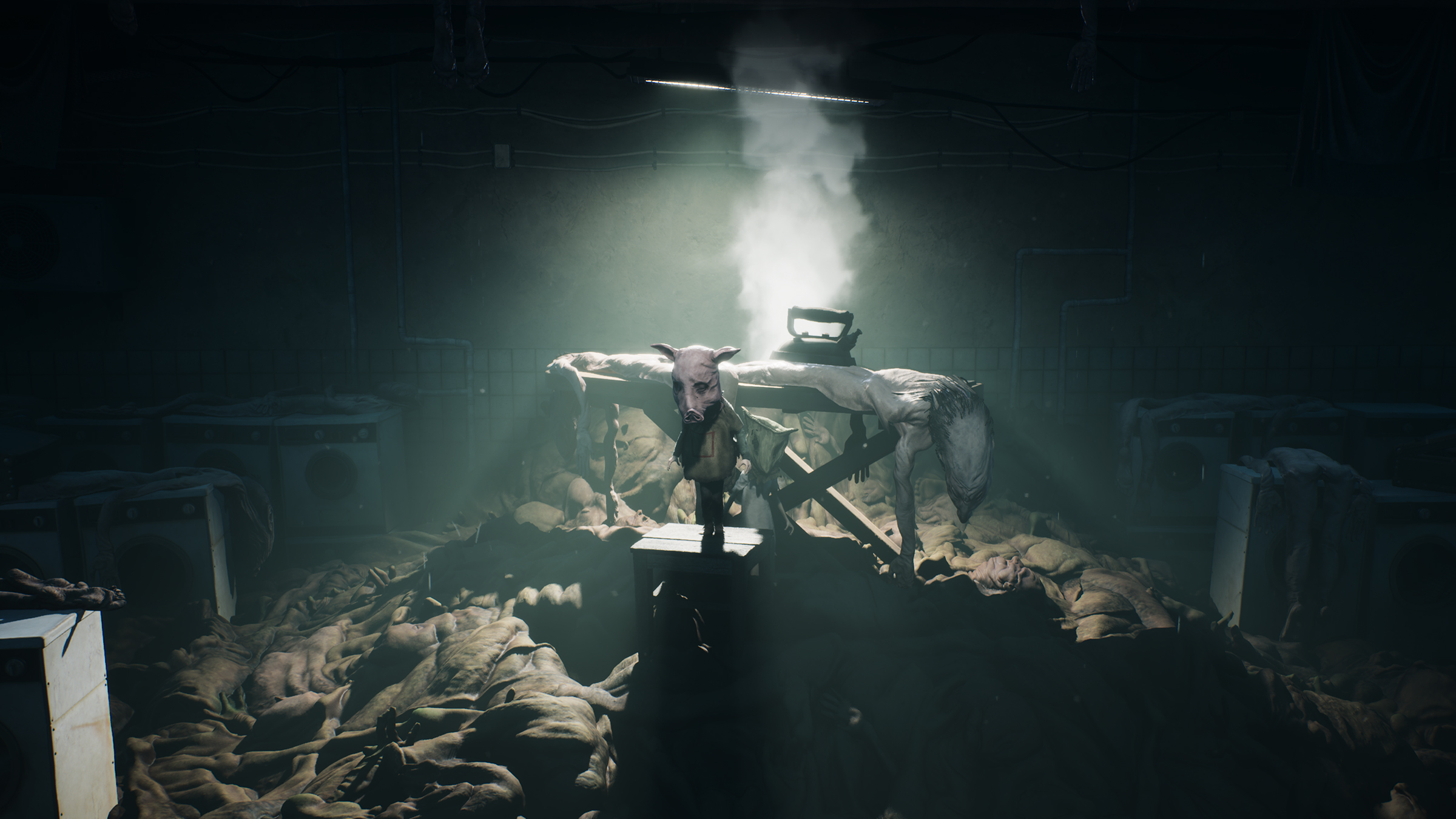
The story works the same way. Like many games of this kind, it doesn’t tell you much directly – instead, it relies on environmental details and world-building to let you form your own understanding. While there’s actually a bit of dialogue, the game mostly communicates through detailed environments that reward close observation.
While the core story of two kids searching for their friends is simple enough, the overall plot becomes confusing as it goes on. The ending, in particular, feels convoluted and highlights a problem with the story’s tendency to avoid clear explanations. Leaving some things open to interpretation can be effective, but this story doesn’t provide enough solid information to make those ambiguities satisfying – instead, they’re just frustrating.
The game’s world feels like a collection of unsettling, disconnected images. Things like a building made of sand children and strange farm animals don’t seem to fit together, and the game doesn’t offer explanations through notes or recordings. While the art and animation are beautiful and the initial mysteries are interesting, there isn’t enough connection between these intriguing elements to create a truly satisfying or understandable narrative. It’s visually captivating, but ultimately feels fragmented.
While most of Reanimal works wonderfully, the game occasionally feels disjointed. Despite taking inspiration from other games, Reanimal stands out as a visually stunning cinematic platformer, offering great variety and impressive graphics. The story can be a bit confusing at times, but it’s easy to forgive when you see something like a giant, misshapen bird demolish a barn, sending wood flying everywhere. Like the strange pigs found throughout the game, Reanimal appears beautiful and bizarre, initially unassuming but ultimately a truly special experience.
A PS5 copy of Reanimal was provided by the publisher for the purpose of this review.
What do you think? Leave a comment below and join the conversation now in the ComicBook Forum!
https://comicbook.com/gaming/news/horror-games-best-remaster-2025/embed/#
Read More
- Surprise Isekai Anime Confirms Season 2 With New Crunchyroll Streaming Release
- PRAGMATA ‘Eight’ trailer
- All 7 New Supes In The Boys Season 5 & Their Powers Explained
- Solo Leveling’s New Character Gets a New Story Amid Season 3 Delay
- Pragmata Shows Off Even More Gorgeous RTX Path Tracing Ahead of Launch
- HBO Max Just Added the Final Episodes of a Modern Adult Swim Classic
- Crimson Desert’s Momentum Continues With 10 Incredible New Changes
- Frieren: Beyond Journey’s End Gets a New Release After Season 2 Finale
- Cameron Diaz and Benji Madden Are So in Sync During Rare Public Outing
- ‘Project Hail Mary’: The Biggest Differences From the Book, Explained
2026-02-11 19:13