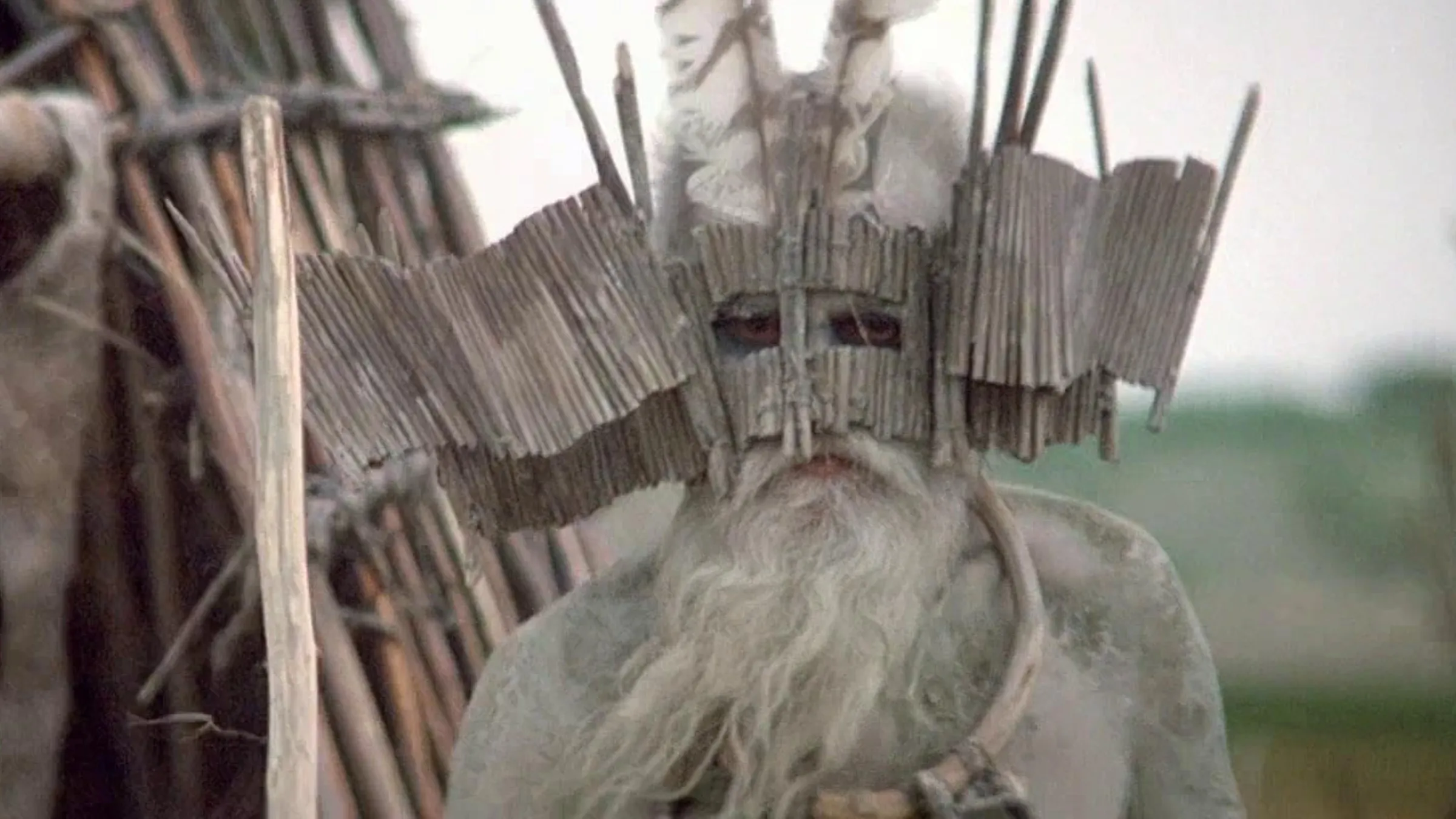
Many of the most impactful and successful films, those that truly redefined genres, share a similar structure. Think of movies like Star Wars, The Terminator, The Matrix, and Blade Runner – they all adhere to certain narrative expectations and unspoken rules. When introducing audiences to entirely new worlds or ideas, it’s crucial to provide some explanation. Even when building complex universes with new technology or language, filmmakers need to guide the audience and make things relatively easy to understand.
Today marks the 44th anniversary of the release of the French film Quest for Fire (February 12, 1982). While not a widely known title, this fantasy-adventure movie was groundbreaking for its time, challenging almost every filmmaking convention. Directed by Jean-Jacques Annaud and adapted from a 1911 novel by J.-H. Rosny, Quest for Fire is remarkable for having no spoken dialogue and is considered a uniquely innovative film that’s unlikely to be replicated.
Quest for Fire Defied Every Expectation for Movies
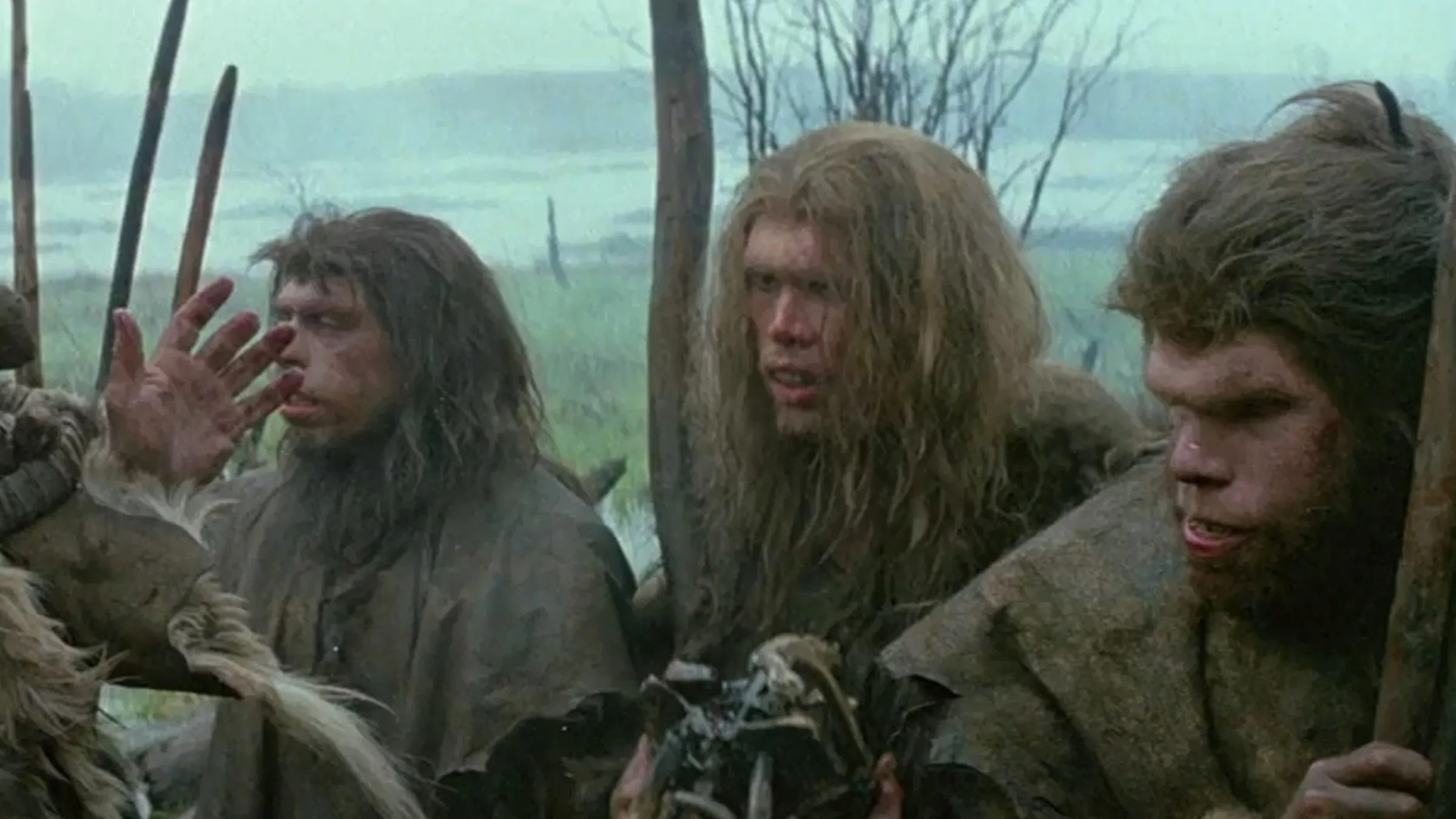
The title Quest for Fire perfectly describes the movie’s plot: it’s about early humans searching for fire to bring back to their tribe. The story takes place 80,000 years ago during the Paleolithic era, and the group faces dangers from both wild animals and other hominids. While the premise seems straightforward – something you might even see in a modern film – Quest for Fire quickly sets itself apart by defying typical movie conventions.
The film Quest for Fire is remarkable for its commitment to realism, notably featuring no traditional dialogue. Instead, the Neanderthals – portrayed by actors like Everett McGill and a young Ron Perlman – communicate in a constructed language created by author Anthony Burgess (of A Clockwork Orange fame). While attentive viewers can generally understand the meaning, the film provides no subtitles or direct translations. Unlike other films about cavemen, such as Hammer’s One Million Years B.C., Quest for Fire also forgoes the use of a narrator to explain the setting or events.
A key reason Quest for Fire works so well, despite having no spoken dialogue, is its focus on universal human emotions. The actors convey fear, joy, sadness, and other feelings through their expressions and actions, making the story understandable to anyone, anywhere in the world, even without subtitles or a familiar language. The film proves that powerful storytelling doesn’t rely on words; it relies on connecting with basic human feelings.
Despite the fact that the characters in Quest for Fire communicate in a made-up language, it’s a surprisingly fun and engaging movie. It broadly follows the classic hero’s journey, which helps make it relatable to a wide audience. The film offers thrilling, frightening, and action-filled scenes, and even manages to be humorous at times. While it might not appeal to everyone, viewers who are open to its unique style will find it consistently captivating and never boring.
Quest for Fire Is Timeless, And Cannot Be Repeated
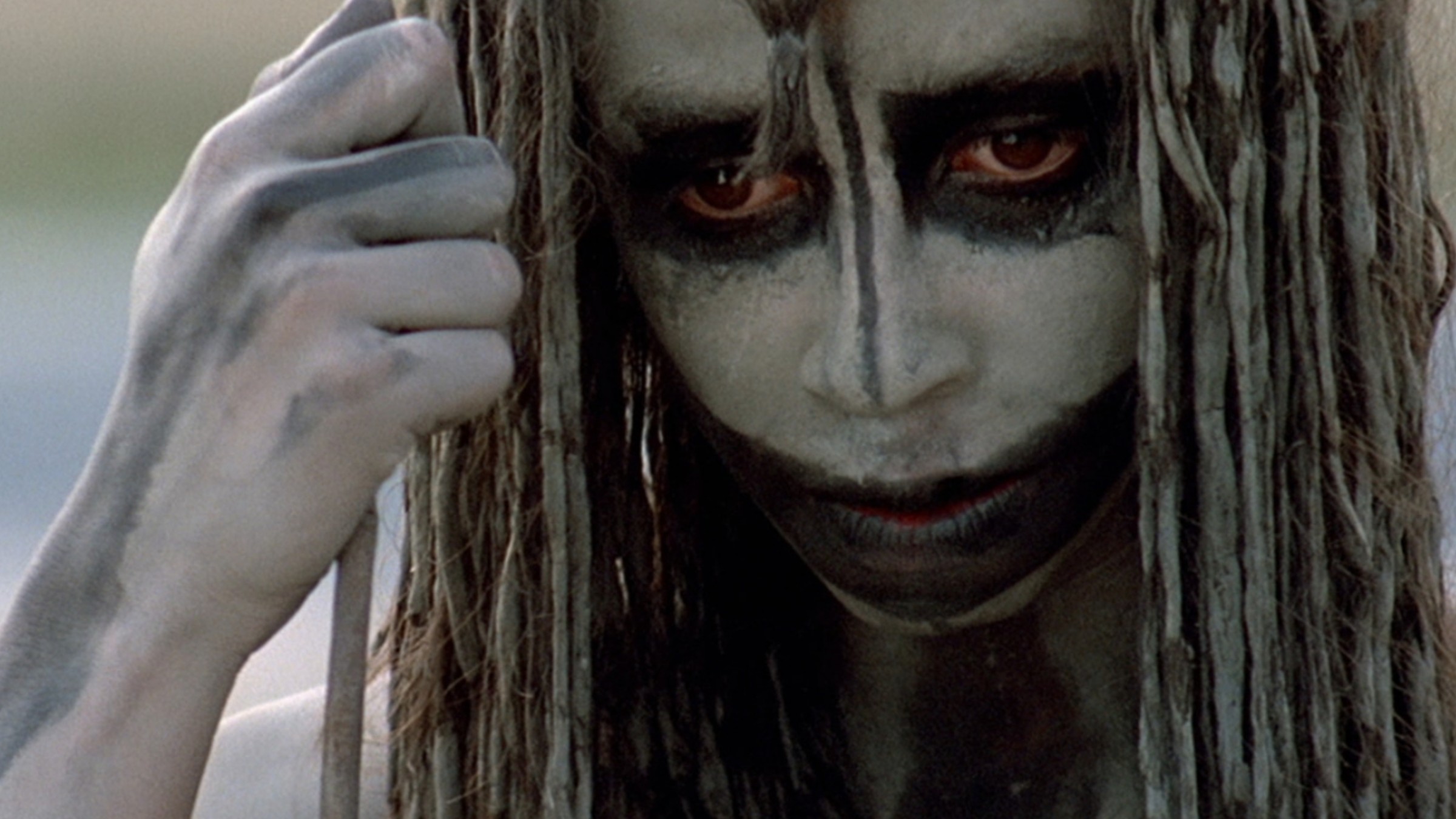
The choice to create a unique language for Quest for Fire was a major departure for its time, but it wasn’t the only unusual thing about the film. Many aspects of Quest for Fire stood out when it was released forty years ago, and would be incredibly difficult to find in modern movies. For example, the film doesn’t feature any well-known actors. While Everett McGill and Ron Perlman have become recognizable faces since then, they weren’t big stars in 1982 and wouldn’t have drawn audiences to the theater.
One of the most striking aspects of Quest for Fire – something that would be very difficult to achieve in a modern film – is its depiction of nudity. Actress Rae Dawn Chong, who plays Ika, appears nude for almost the entire movie, and she isn’t the only performer shown without clothing.
Despite the common Hollywood practice of avoiding live animals in films, Quest for Fire prominently features them. The movie includes scenes with a real bear and cub, African lions disguised as sabertooth tigers, and even circus elephants made to resemble woolly mammoths. Remarkably, the film achieved all of this without relying on post-production visual effects, capturing everything directly with the camera during on-location filming in remote areas of Canada, Iceland, and Kenya.
Though remarkably different from most films, Quest for Fire was a big hit when it came out. It earned over $55 million worldwide and received positive reviews, including a 3.5-star rating from Roger Ebert. The film even won an Academy Award for Best Makeup and the Best Film prize at the French César Awards. Quest for Fire demonstrated that taking creative risks can pay off, and audiences are willing to embrace unconventional storytelling. Ultimately, a compelling story transcends language and time period, and Quest for Fire is a great example – a film that, despite its unique approach, still resonates today, even if it would be a daring project to undertake now.
https://comicbook.com/movies/list/7-fantasy-movies-that-aged-incredibly-well/embed/#
Read More
- Frieren: Beyond Journey’s End Gets a New Release After Season 2 Finale
- Surprise Isekai Anime Confirms Season 2 With New Crunchyroll Streaming Release
- PRAGMATA ‘Eight’ trailer
- Solo Leveling’s New Character Gets a New Story Amid Season 3 Delay
- All 7 New Supes In The Boys Season 5 & Their Powers Explained
- Pragmata Shows Off Even More Gorgeous RTX Path Tracing Ahead of Launch
- HBO Max Just Added the Final Episodes of a Modern Adult Swim Classic
- Crimson Desert’s Momentum Continues With 10 Incredible New Changes
- How Could We Forget About SOL Shogunate, the PS5 Action RPG About Samurai on the Moon?
- Hulu Just Added One of the Most Quotable Movies Ever Made (But It’s Sequel Is Impossible To Stream)
2026-02-12 23:43