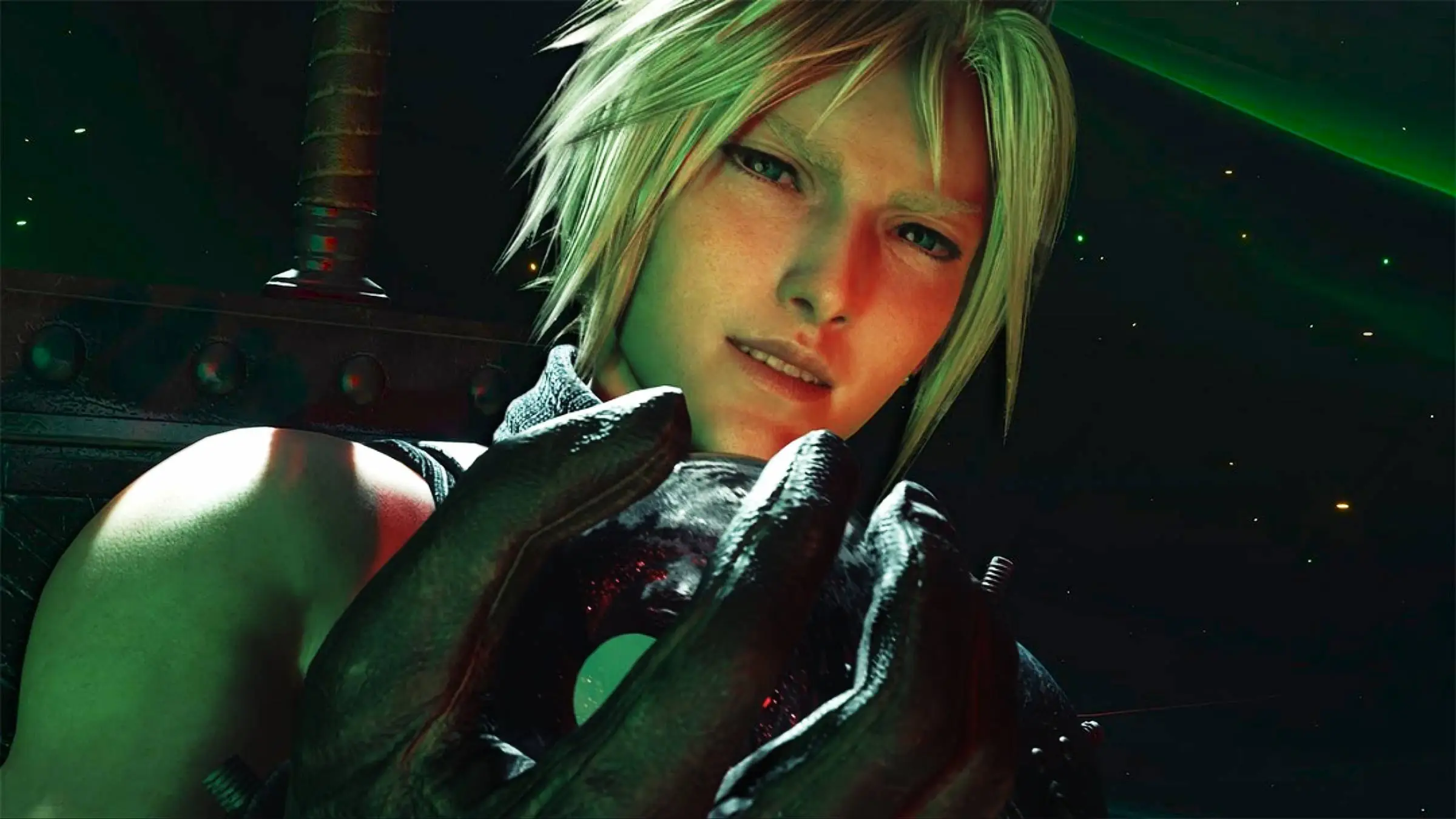
Man, playing Final Fantasy now is a totally different experience than it used to be. It’s not just that the graphics have gotten better – thankfully, those weird cutscene/gameplay differences are gone. The whole way the games play and the stories they tell feel completely new. Games like Dirge of Cerberus really started things off, letting the developers experiment, though not everything stuck. XIII was super linear and people hated it, which then led to XV being this huge, open-world game that divided fans. Now we’ve got the Remake trilogy, which has this really cool, strategic active-time battle system. It’s been a wild ride, honestly!
Every installment of the Final Fantasy series has introduced something different, though not all changes have been successful. Right now, the series is entering a new phase with the Final Fantasy 7 Remake games becoming available on Xbox and Nintendo Switch 2, after previously being exclusive to PlayStation. While Square Enix likely sees this as a step forward, I’m not sure it’s the best approach for the long-term success of Final Fantasy.
Final Fantasy’s Loss Of Exclusivity Won’t Solve The Problem
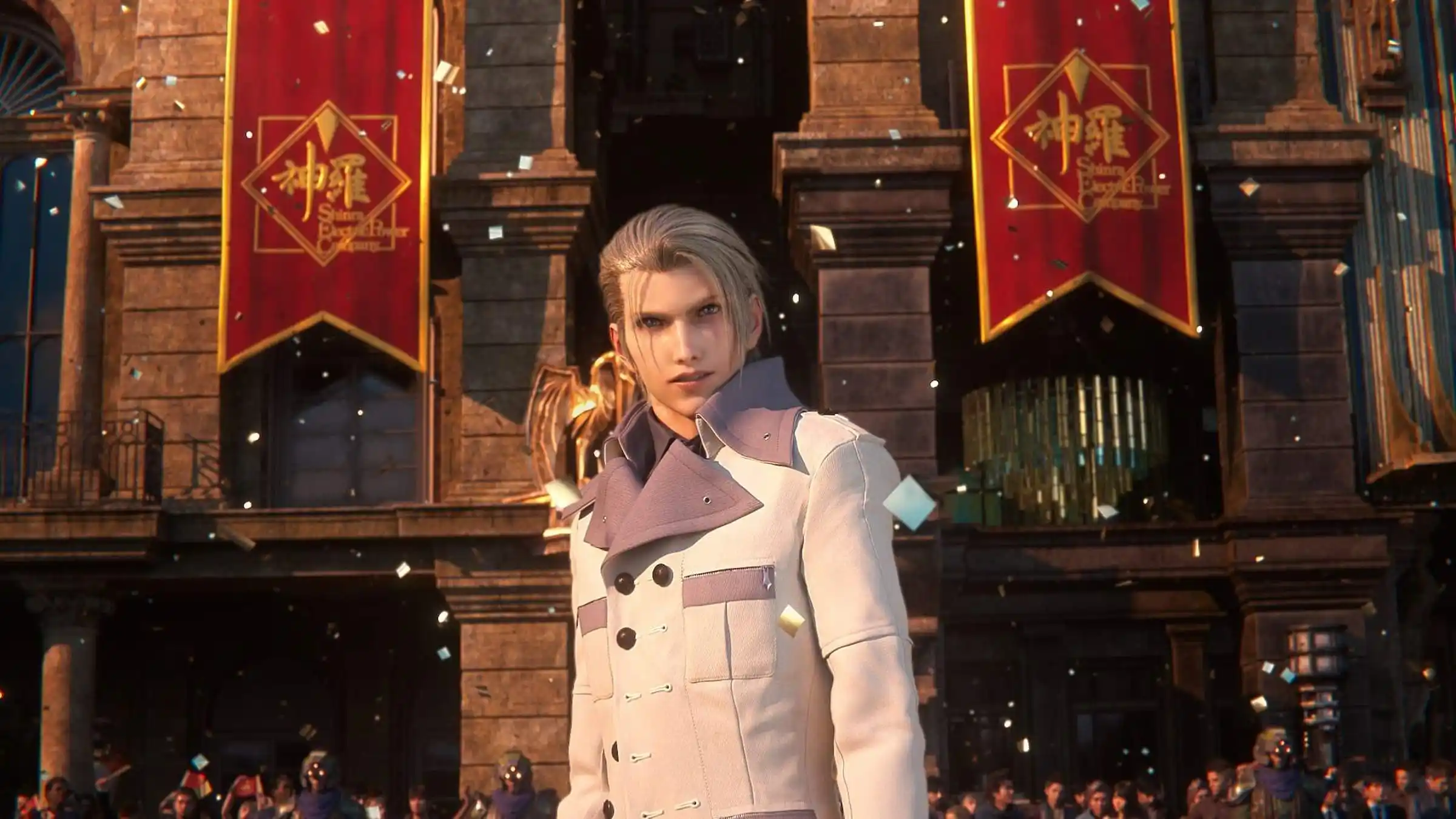
Square Enix has recently released Final Fantasy VII Remake and Rebirth on Xbox and the Nintendo Switch 2, ending the series’ long history of being exclusive to PlayStation and PC. While this is great news for players like me on those platforms, finally allowing us to enjoy these fantastic games, it also feels like Square Enix is trying to secure the future of the series. Sales of the games on PlayStation 5 weren’t as strong as the company had hoped, and this move suggests they’re looking for more reliable revenue streams.
It’s difficult to know exactly how well Rebirth has performed on PlayStation 5 and PC, as Square Enix doesn’t often share sales numbers. While sales did increase after an initial shortfall in 2024, and the game was quite successful on PC, it’s hard to get a clear picture. The game’s director, Naoki Hamaguchi, stated in late 2025 that Rebirth was “doing very well” on both platforms. However, the fact that the game was released on other platforms several years after its initial launch suggests that its overall success might not be as strong as Hamaguchi claims, even if sales did improve with discounts and positive word-of-mouth.
According to reliable sources, the third installment in the series won’t be exclusive to any single console, releasing on all platforms at the same time. This suggests the developers don’t believe it will sell well on PlayStation by itself. Furthermore, if Square Enix truly wanted as many people as possible to play the entire Remake trilogy, they would have released the first game on Xbox years ago. They ended their exclusivity deal with PlayStation in 2021, but haven’t brought the game to Xbox despite having ample time to reach a larger audience, indicating a change in strategy.
I don’t believe expanding to more platforms will be enough to revitalize the series. While releasing the game on Xbox Series X/S is a step, those consoles don’t have as many users as the PlayStation 5, and Xbox hasn’t traditionally been strong with Japanese role-playing games. A Switch port could have helped, though it was unlikely, but even the Switch 2, despite being popular, is still building its player base. The real issue isn’t that the game was previously exclusive to PlayStation – that platform is known for supporting this genre and has the largest console audience. Instead, the core problem is that the series has strayed from what made it popular in the first place, and fans simply want a return to its classic style.
Final Fantasy Needs To Go Back To Its Roots
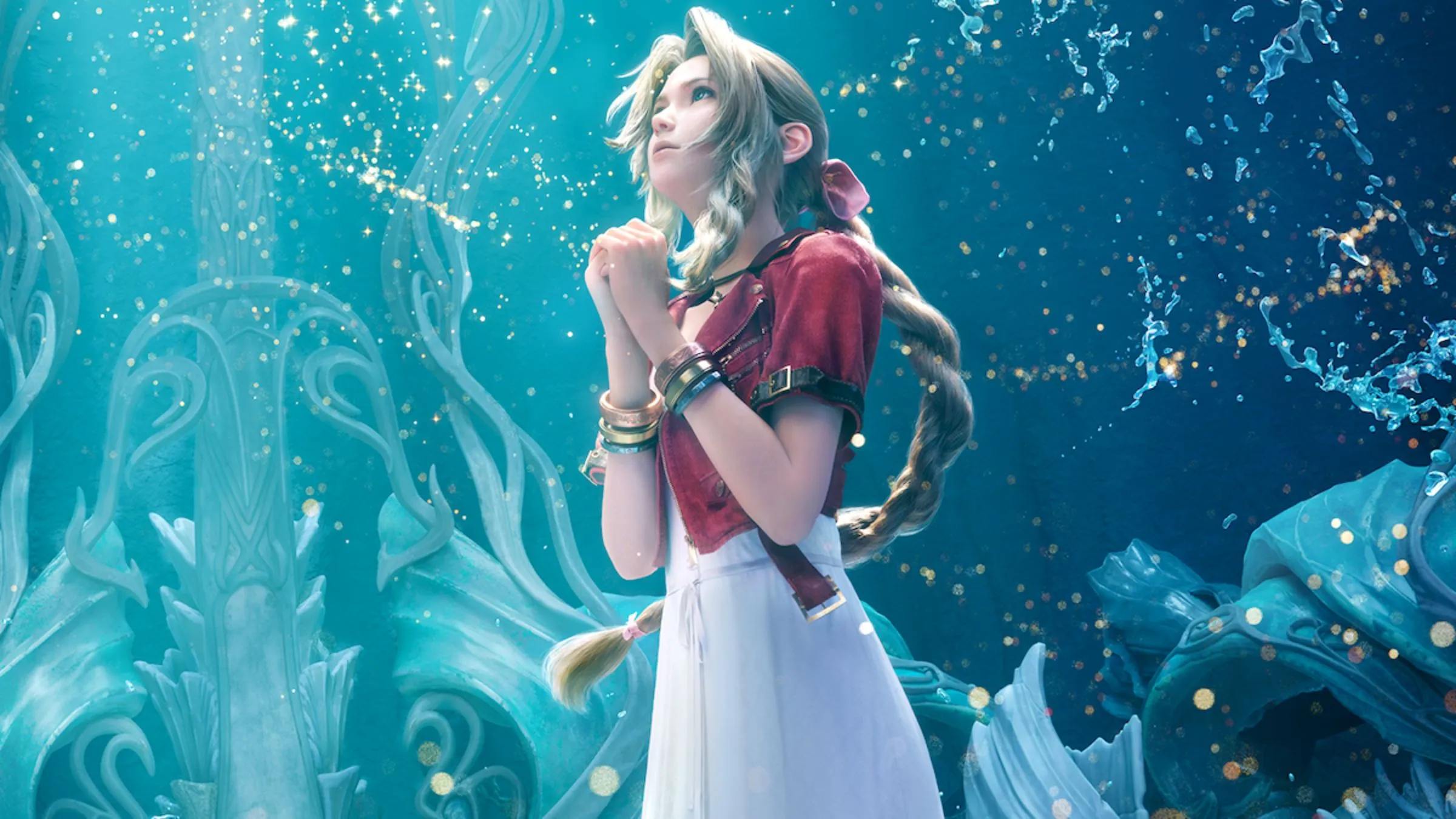
I enjoy the fast-paced, exciting combat systems in both Final Fantasy XV and the Final Fantasy VII Remake trilogy. While XV’s version was a bit simple, the Remake’s blend of action and turn-based elements really showed how effective this style of combat can be. I also understand why the changes to gameplay, particularly the combat, in these games and FFXVI have caused disagreements among fans.
Though not the sole reason for its popularity, Clair Obscur: Expedition 33 was a hit thanks to its exciting and strategic turn-based battles. Atlus has consistently innovated this style of combat, especially in games like Metaphor: ReFantazio and the Persona series. Their recent titles have revitalized the often-predictable turn-based format with impressive visuals and creative design, making it feel fresh, unique, and enjoyable.
Rather than build on what had worked well in previous games, Square Enix completely changed the core gameplay. This was a gamble that didn’t seem to pay off. While the switch to action-based combat wasn’t as bad as the poorly-received Dirge of Cerberus, it took the series in a new direction, and the developers struggled to create a combat system they weren’t familiar with.
It’s not that established series like Final Fantasy shouldn’t try new things—otherwise, you get franchises like Pokémon that feel outdated. But instead of abandoning the gameplay that made it popular, Square Enix should have evolved its turn-based combat system, like other game developers did, to create something fresh and unique.
Final Fantasy’s Loss Of Identity Is Hurting It
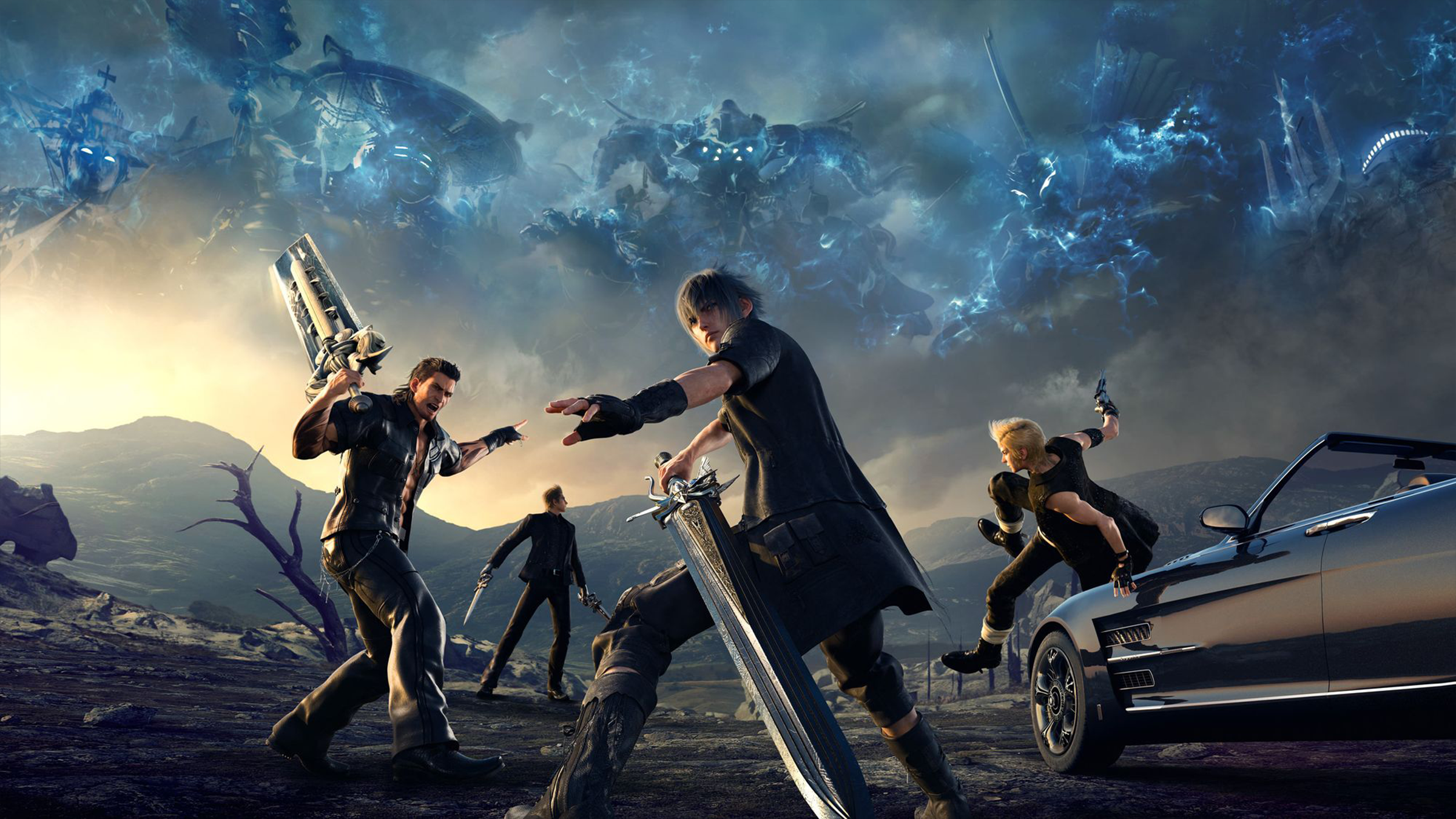
I don’t think the recent drop in Final Fantasy sales is solely because the games have moved away from traditional turn-based battles. The bigger issue, in my opinion, is that the series is losing what makes it unique. Final Fantasy XVI felt disconnected from previous games except for a few familiar symbols, and XV had a confusing story and a world that didn’t really fit the Final Fantasy style. While games like Clair Obscur: Expedition 33 are gaining popularity, Final Fantasy is struggling because it seems unsure of its own identity.
Bringing back the classic turn-based combat system could help the Final Fantasy series recapture its unique feel and regain the broad popularity it once enjoyed. While Final Fantasy is still well-known among RPG fans, it seems to have drifted away from what its original players, the genre itself, and new gamers expect. Maybe the current action-based combat would work better as a separate series, allowing it to be refined and potentially become popular enough to be integrated into future mainline Final Fantasy games.
It’s great that Square Enix is releasing games on more platforms, making them accessible to a wider audience. I’m not suggesting Final Fantasy should stay exclusive to PlayStation. However, I don’t think simply releasing games on multiple platforms will fix the issues with the Final Fantasy series. While the idea of Square Enix taking inspiration from Clair Obscur is promising, I believe Final Fantasy needs to rediscover its unique identity and focus on what makes it stand out as a JRPG. Until it does, I worry it will continue to disappoint longtime fans and fail to attract new players.
Will releasing Final Fantasy on multiple platforms help the series? Share your thoughts and join the discussion in the ComicBook Forum!
https://comicbook.com/gaming/list/5-best-jrpg-series-of-all-time/embed/#
Read More
- Trails in the Sky 2nd Chapter launches September 17
- Paradox codes (April 2026): Full list of codes and how to redeem them
- HBO Max Just Added the Final Episodes of a Modern Adult Swim Classic
- Pragmata Shows Off Even More Gorgeous RTX Path Tracing Ahead of Launch
- Crimson Desert’s Momentum Continues With 10 Incredible New Changes
- PRAGMATA ‘Eight’ trailer
- Solo Leveling’s New Character Gets a New Story Amid Season 3 Delay
- Frieren: Beyond Journey’s End Gets a New Release After Season 2 Finale
- How Could We Forget About SOL Shogunate, the PS5 Action RPG About Samurai on the Moon?
- Cameron Diaz and Benji Madden Are So in Sync During Rare Public Outing
2026-02-13 00:13