NFTs strutted onto the scene like a neon-lit tambourine in a quiet gallery-promising ownership, promising glory, and somehow turning every scroll into a mini heart attack for your wallet. They started as quirky digital doodads, then somehow grew up into something you could actually build a world with. The tech matured; the use cases did too, with a dash of drama, obviously.
One thing’s certain: the gaming scene isn’t just tinkering with blockchain anymore. NFT-based games have become proper platforms-ownership that feels real (even if your real only assets are a few pixels and a lot of patience), interoperable loot, and fresh digital economies. You can own in-game assets that survive the server’s nap times, which is fancier than it sounds. Here’s a list of eight top P2E NFT games you can actually try, if you’re into the idea of spending time and maybe a little money on the internet’s bread-and-butter fantasy of property ownership.
1. Decentraland

Decentraland offers a user-owned virtual world where players can explore, create, and monetise experiences within a fully decentralised metaverse. Built on the Ethereum blockchain, the game revolves around digital land ownership, with each parcel existing as an NFT. Players can build interactive spaces such as art galleries, games, and full-scale businesses, and generate income through activities like renting land, hosting events, or selling digital goods.
The native token, MANA, facilitates in-game purchases, trade, and governance. New users can casually roam the open world or participate in quests, while more experienced players may dive into custom scripting, scene building, or decentralized app creation.
Though not centered on traditional gameplay loops, Decentraland has carved out a space in the NFT ecosystem as a sandbox for digital creativity and ownership.
2. Treeverse
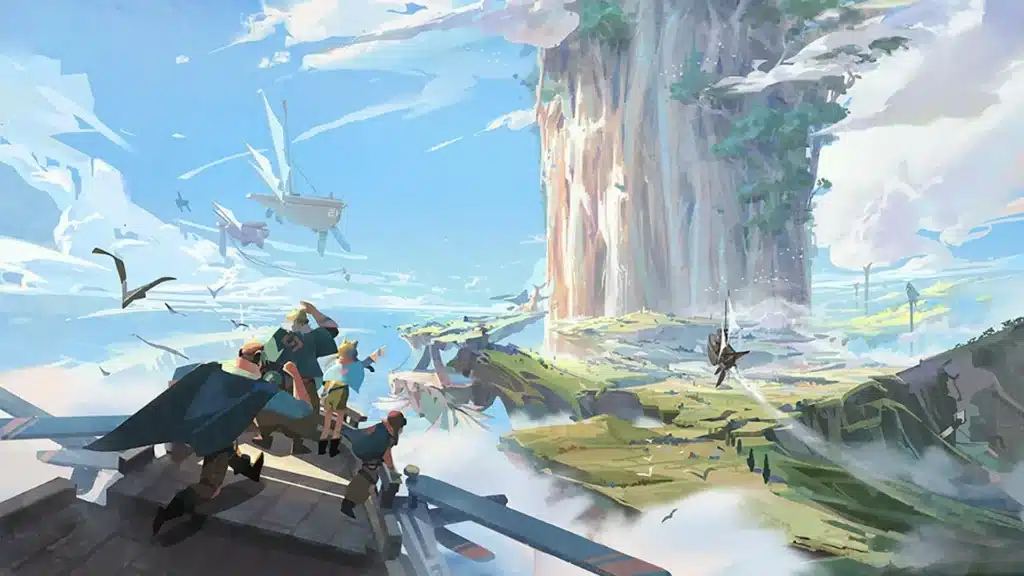
Treeverse is an open-world MMORPG where Arboros is the stage and your imagination is the boss fight. You’ll bolt between PvP skirmishes and PvE quests, gathering resources, crafting, and maybe barking at mythical beasts in a language only your guild understands. NFTs you collect can be planted, and their fruit can be sold in a bustling in-game economy, giving you a shot at passive income with the charm of a cultish farming sim.
SEED is the in-game currency for transactions, while ROOT serves as the governance token for the Treeverse universe.
3. Blast Royale

Blast Royale is a blockchain-based mobile battle royale that’s free-to-play, which means your bank account can stay optimistic. You
fight to be the last survivor in 6-minute skirmishes with up to 48 players. Pick your drop zones, scavenge for loot, and outlast everyone while trying not to spill your tea in the process. There are solo, duo, squad, and custom modes, plus seasonal tournaments to keep the adrenaline vaguely justifiable. NFTs aren’t just silly hats here; they’re items you can collect and trade-death makers and gliders included-if you’re into that sort of thing.
4. Gods Unchained

Gods Unchained is a competitive digital card game that borrows the thrill of a traditional TCG and gives it blockchain-backed ownership. Build decks from a curated pantheon of gods, each offering special powers and very loud strategic advantages. Battles unfold in a turn-based rhythm where timing, synergy, and resource juggling are the real MVPs.
The economy centers around GODS, the native token earned through ranked wins, daily quests, and special events. You can use GODS to buy new cards, stake for passive income, or trade externally. And unlike many blockchain games, Gods Unchained gives you a true free-to-play starting point, so you can learn the dance without dropping coins first.
Casual modes exist for those who want to ease in, but climb the ladder and you’ll meet a formidable depth that rewards those who enjoy plan-and-counterplay. Asset ownership meets serious strategy here, which is exactly the kind of chaos I can get behind.
5. RavenQuest
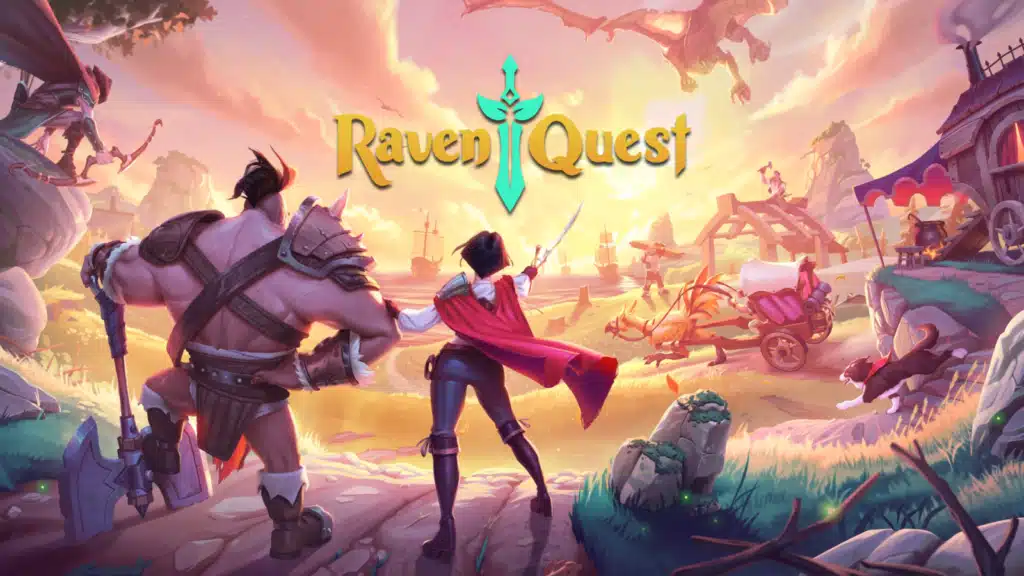
RavenQuest is an MMORPG born from Ravendawn’s afterparty, with blockchain at its core so you can truly own your loot. The eight archetypes-Holy, Protection, Shadow, Warfare, Archery, Spiritual, Wizardry, and Witchcraft-let you mash together up to three to forge a unique class build. You’ll dive into open-world PvP or squad up for PvE quests, all while your treasured gear exists on the blockchain rather than on some borrowed server.
6. My DeFi Pet

My DeFi Pet blends digital pet collecting, breeding, and battling with DeFi mechanics. You collect, breed, and evolve a menagerie of pets with quirky traits, train them, and pit them against other players in turn-based skirmishes. The DPET token powers breeding, buying new pets, crafting items, and joining events. You can earn by fighting, selling rare pets, staking, or dipping into some in-game liquidity pools and lending protocols.
While the basics are friendly enough for beginners, real rewards tend to demand deeper dabbling-breeding brag-worthy pets or mastering battle tactics. Profitability now leans more toward long-term play and active engagement than overnight miracles.
7. Sorare

Sorare is fantasy football with official player cards, a bit like fantasy football for people who want their players to exist as NFTs. Build teams from licensed athletes, enter fantasy tournaments that reflect real-world matchups, and watch performance translate into rewards. Each card’s rarity and market demand shape your lineup and your wallet.
Rewards come from tournaments and leagues where real-life performances tilt outcomes. High-fliers can snag NFTs or SOR tokens, and sharp traders can profit on transfers. Card values swing with athlete form, rarity, and market appetite, so timing and intuition matter as much as knowledge of the sport.
Sorare remains popular among football fans and fantasy sports nerds. Entry is free and casual play is possible, but the deeper you go, the more you’ll feel the pull of scouting, trading, and roster optimization.
8. The Sandbox

The Sandbox is a community-driven metaverse where you can create, own, and monetize virtual experiences. It isn’t a linear game with a single story; it’s a toolbox for making things that exist in a strange, wonderful internet reality. Land ownership is central: parcels exist as NFTs you can develop, rent, or sell for income.
The native SAND token powers every in-game purchase, staking, and governance choice. You can earn by crafting NFT assets, hosting experiences on your land, or trading parcels in the open market. As the ecosystem evolves, The Sandbox has become a hub for creators, brands, and communities to stage events, sell collectibles, or operate digital storefronts.
It may not chase traditional gameplay loops, but its creative freedom and monetization options make it one of the strongest NFT metaverse platforms today. The potential scales with how ambitious you are-build a world, or at least a tidy virtual lemonade stand.
Final words
The NFT gaming landscape has matured into something more diverse and player-focused than the early hype could ever promise. Ownership and earning exist, yes, but they come with a learning curve and a fair share of commitment-like any relationship that pretends to be casual but insists on a monthly meetup in the metaverse.
For newcomers, start slow. Dip your toes into a game’s mechanics, test its economy, and chat with the community before throwing money you might need for rent at it. Many of these platforms offer free-to-play entry points or low-risk entryways, making it easier to understand the system without diving in too deep, too quickly.
Read More
- Trails in the Sky 2nd Chapter launches September 17
- HBO Max Just Added the Final Episodes of a Modern Adult Swim Classic
- Pragmata Shows Off Even More Gorgeous RTX Path Tracing Ahead of Launch
- Crimson Desert’s Momentum Continues With 10 Incredible New Changes
- Solo Leveling’s New Character Gets a New Story Amid Season 3 Delay
- PRAGMATA ‘Eight’ trailer
- All 7 New Supes In The Boys Season 5 & Their Powers Explained
- Dragon Quest Smash/Grow launches April 21
- Frieren: Beyond Journey’s End Gets a New Release After Season 2 Finale
- How Could We Forget About SOL Shogunate, the PS5 Action RPG About Samurai on the Moon?
2026-02-13 17:11