The first PlayStation was a hotbed of gaming innovation, with developers fearlessly blending different game types and styles. They weren’t afraid to take risks, combining elements like RPGs with platforming or giving shooters adventure game elements – ideas that still feel fresh today. While many of these experiments didn’t quite work out, the ones that did were truly groundbreaking. Unfortunately, some of these ambitious projects never got the attention they deserved, not because of their quality, but simply because they weren’t widely played.
Square Enix (formerly known as Squaresoft) encountered a similar issue with their PlayStation 1 game, Racing Lagoon. It wasn’t a typical racing game; it combined fast-paced street racing with in-depth RPG character development and a story told like a Japanese role-playing game. Despite being made by a well-respected developer and offering a unique design, Racing Lagoon was never released outside of Japan. This meant that a truly original racing RPG remained largely unknown to players in the West, even those who actively search for rare PlayStation games. If Square Enix had chosen to release it more widely, Racing Lagoon could have become a major racing franchise.
Racing Lagoon Combined the Best of RPGs and Racing
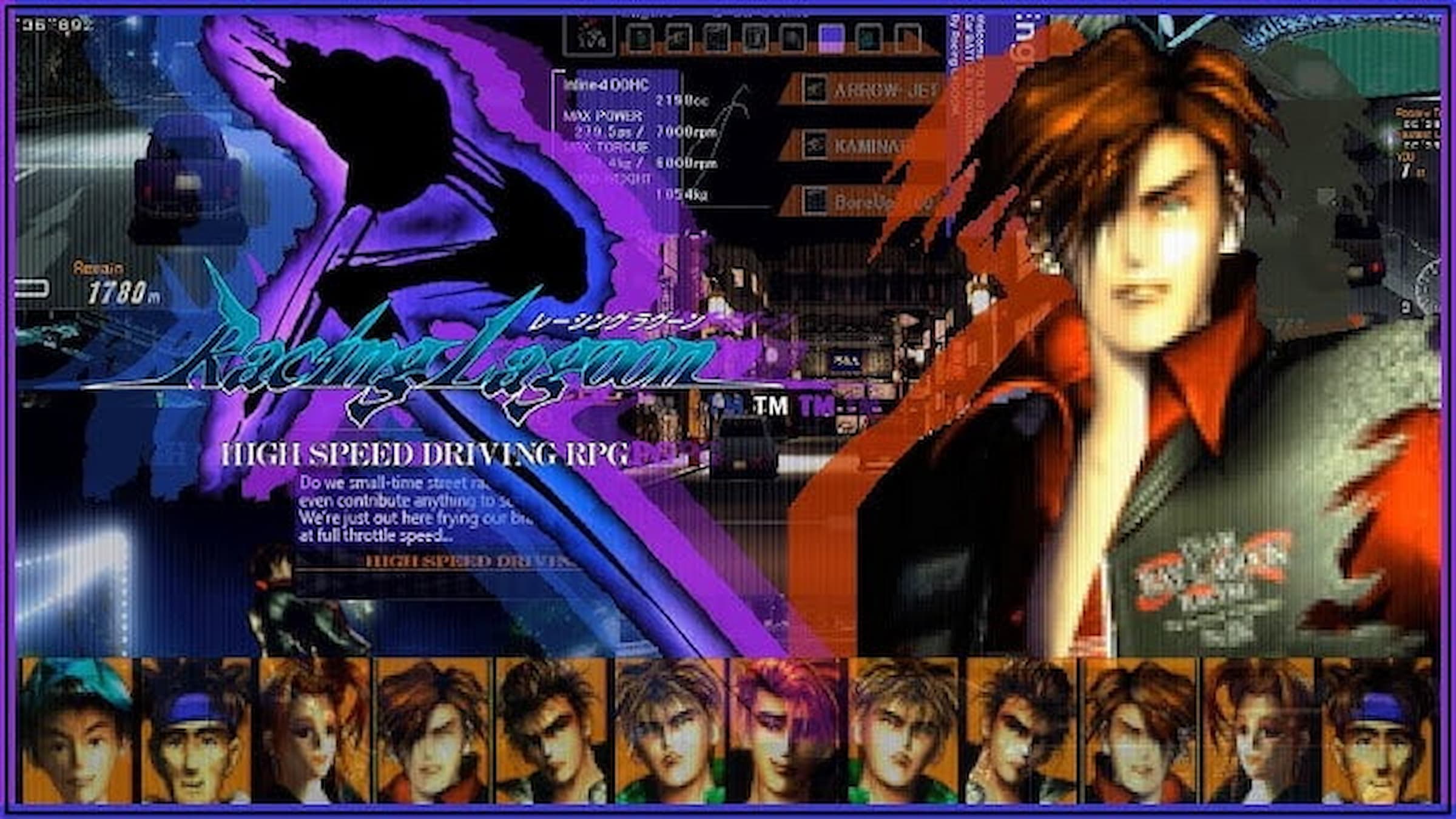
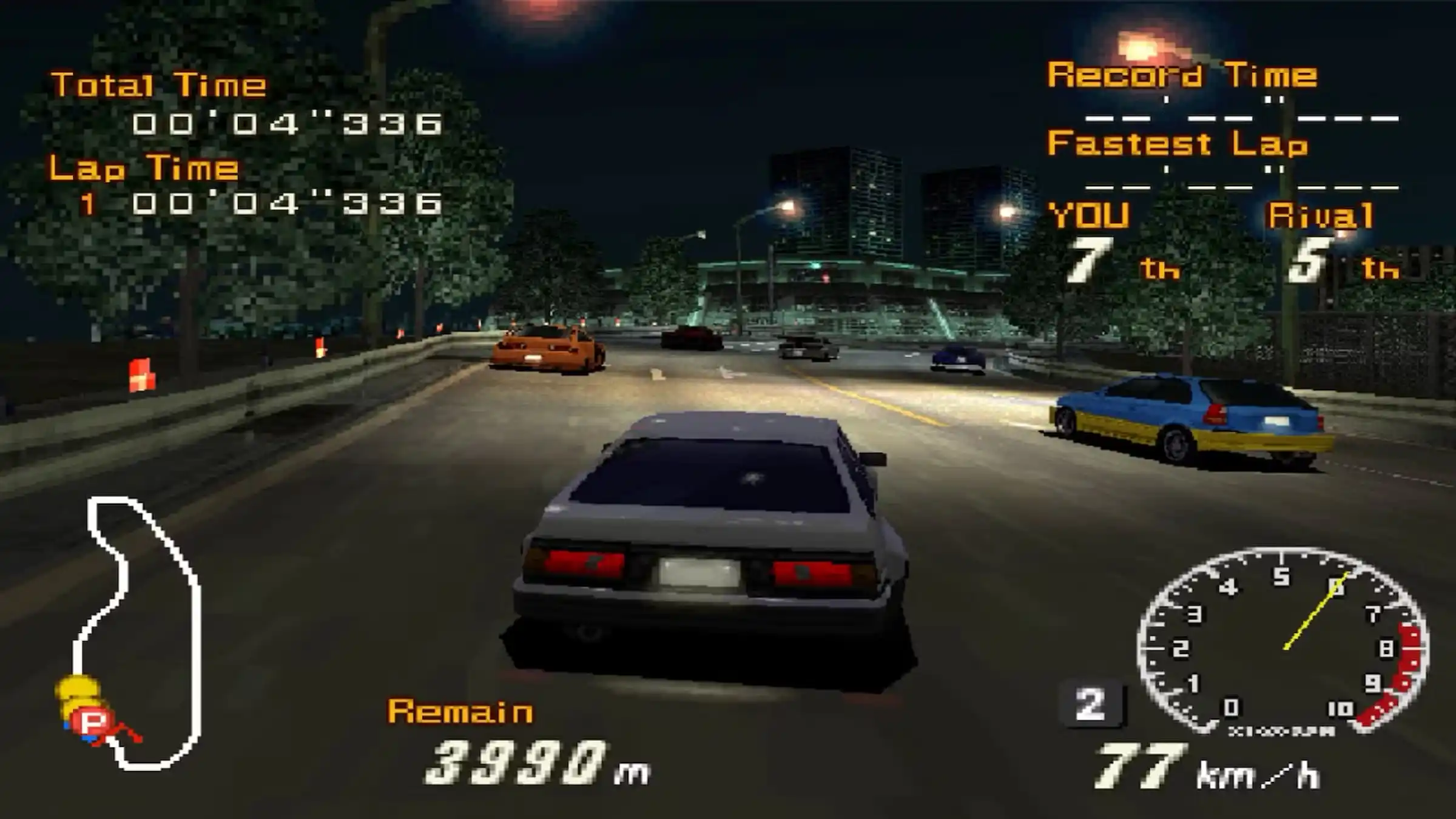
Released in 1999 for the original PlayStation, Racing Lagoon was a unique racing game developed by Squaresoft, the company famous for its role-playing games like Final Fantasy. Unlike most racing games of the time, which focused on arcade action or realistic simulation, Racing Lagoon blended racing with RPG elements. Players advanced through a story by taking on races, winning parts, and improving their vehicles – a system similar to leveling up characters in an RPG.
Car parts worked like gear slots in a role-playing game. You could swap out engines, tires, and other components, and then fine-tune them to improve your car’s performance. Success wasn’t just about driving skill; it was about how well you built and upgraded your vehicle. This cycle of racing, earning rewards, upgrading parts, and optimizing performance felt more like leveling up a character than simply choosing a car, and it gave players who enjoyed RPGs a rewarding sense of progress and ownership.
The way the races were structured emphasized the game’s unique style. Instead of just being standard races, many were set up as one-on-one battles with specific rivals, each with their own background and story. This made every race feel personal, like a showdown between characters, and created genuine emotional tension – the kind you’d expect from a challenging boss battle in a role-playing game, not a typical racing competition.
The presentation felt strongly inspired by Japanese role-playing games, with a focus on story. Long conversations, intense competition between characters, and a clear plot drove the game forward between races. The writing and overall tone were much more dramatic and elaborate than typical racing games from the original PlayStation era. It played like a story-rich RPG, but instead of fighting with weapons or magic, conflicts were resolved through racing. The developers skillfully blended the exciting elements of racing games with the depth of RPGs, resulting in a truly original experience.
Racing Lagoon Could Have Taken off in the West
Even though Squaresoft was well-respected worldwide, their racing game, Racing Lagoon, was never officially released in Western countries. This severely limited its popularity. Racing games typically do well in North America and Europe, particularly on PlayStation consoles. Given Squaresoft’s success with popular role-playing games, a story-focused racing RPG on the original PlayStation had a good opportunity to become a hit if it had been released and marketed effectively outside of Japan.
One major challenge was adapting the game for different regions. The writing is very complex and unique for its time, and the slang, attitude, and cultural references related to Japanese street racing are difficult to translate without losing its original feel. However, the company had successfully translated many other lengthy role-playing games around the same time, even ones with much more text. This makes the absence of an official English version particularly surprising now.
The game’s release timing probably hurt its chances. By 1999, the original PlayStation had a lot of games already, and racing games without official car brands often didn’t get noticed outside of Japan. The game’s mix of racing and RPG elements may have also been difficult to sell to Western players who were used to games falling clearly into one category or the other. This caution ultimately meant Squaresoft didn’t release the game outside of Japan. Thankfully, years later, fans created an unofficial English translation, allowing dedicated players and those focused on game preservation to experience the full story. However, only a small number of fans have actually gone to the trouble of playing what could have been the beginning of a fantastic series.
Square Enix Should Revisit This Racing Hidden Gem
Mixing different game genres is much more common now than it was in the late 1990s. We often see elements from role-playing games, like character progression and upgrades, appearing in games like shooters, racing games, and sports titles. This change in design makes Racing Lagoon seem less unusual and more like a game ahead of its time. It tried out ideas that are now standard in many modern games. The excitement around the new game Screamer highlights how well Racing Lagoon might have been received if it had been released today.
Square Enix often updates older games with remasters, remakes, and re-releases. They’ve given this treatment to both popular RPGs like Dragon Quest VII Reimagined and lesser-known titles, bringing them to current gaming systems. Racing Lagoon would be a great candidate for this kind of update. An official English version, remastered for modern platforms, would introduce it to a wider audience and demonstrate the range of Square Enix’s RPG design. With a good translation and some minor improvements, Racing Lagoon would fit right in with today’s games.
Truly memorable games often stand out because they dared to be different and fully committed to a unique vision, particularly in the past. Racing Lagoon, a street racing RPG from Squaresoft, is a prime example. Its creative design still feels fresh and original even today. Square Enix has a great chance to revitalize the RPG racing genre, and Racing Lagoon deserves wider recognition than just a dedicated fanbase – but its future depends on Square Enix revisiting it.
What do you think? Leave a comment below and join the conversation now in the ComicBook Forum!
Read More
- Solo Leveling’s New Character Gets a New Story Amid Season 3 Delay
- Trails in the Sky 2nd Chapter launches September 17
- HBO Max Just Added the Final Episodes of a Modern Adult Swim Classic
- Crimson Desert’s Momentum Continues With 10 Incredible New Changes
- All 7 New Supes In The Boys Season 5 & Their Powers Explained
- PRAGMATA ‘Eight’ trailer
- Pragmata Shows Off Even More Gorgeous RTX Path Tracing Ahead of Launch
- How Could We Forget About SOL Shogunate, the PS5 Action RPG About Samurai on the Moon?
- ‘Project Hail Mary’: The Biggest Differences From the Book, Explained
- Hulu Just Added One of the Most Quotable Movies Ever Made (But It’s Sequel Is Impossible To Stream)
2026-02-13 17:14