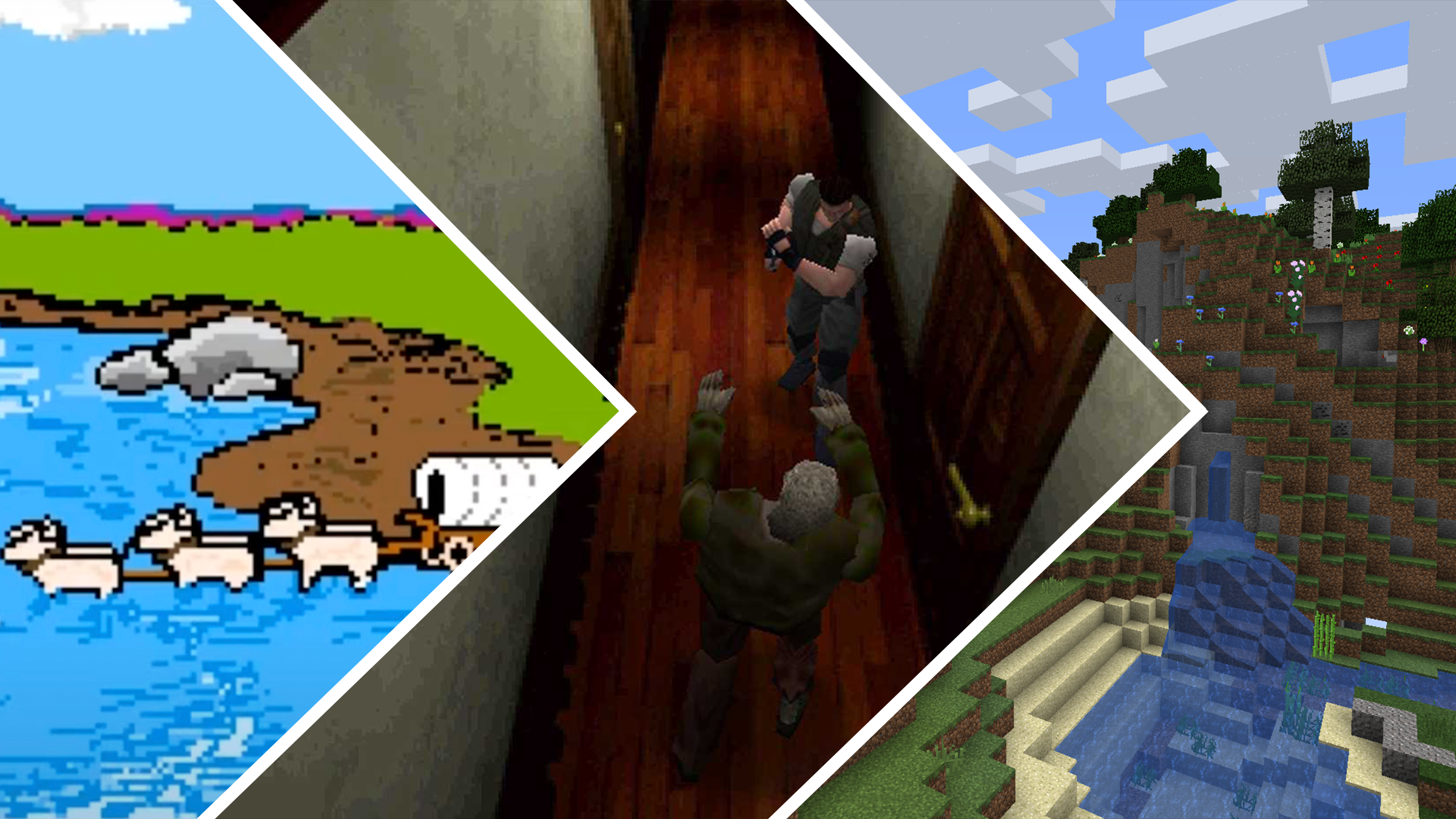
Most video games involve keeping your character alive, but the ‘survival game’ genre is unique and covers a wide range of experiences, from scary horror games to open-world adventures where simply staying alive is the main goal. This genre really took off in the 1990s, with games that threw players into dangerous situations and forced them to do whatever it took to survive. Over time, survival games have become incredibly diverse, but they still focus on managing resources, overcoming environmental threats, and testing how well players can endure. We’ve put together a list of ten games that were particularly innovative and helped shape the genre into what it is today.
1) The Oregon Trail (1971)
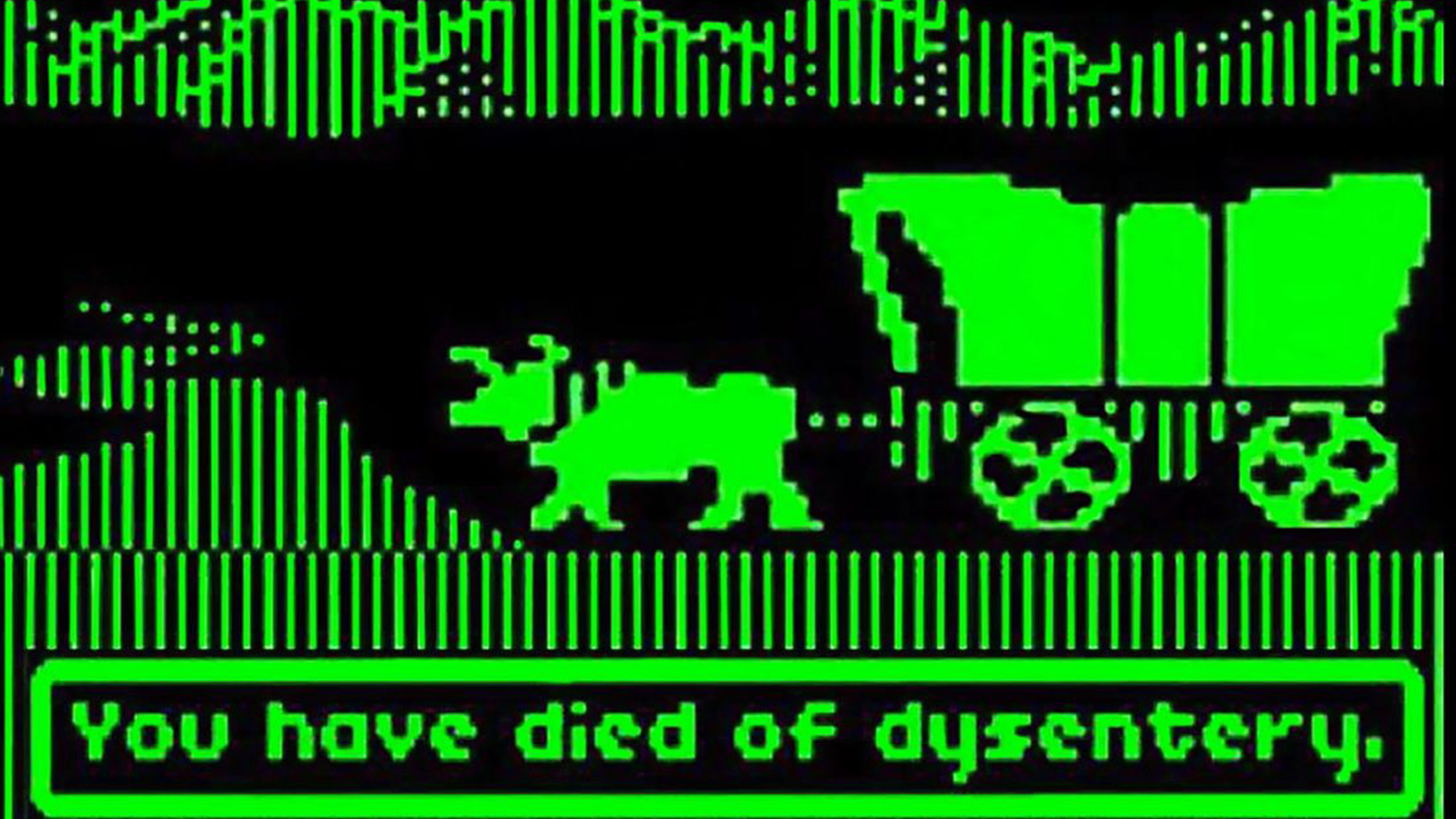
One of the earliest examples of a survival game is The Oregon Trail. Though many remember the popular graphic version from 1985 and later, it actually started as a simple text-based project in 1971. Players had to buy supplies, hunt for food, manage their inventory, and deal with challenges like bad weather and unfortunate accidents. The game ended when you either reached Oregon or succumbed to the hardships along the way. This combination of elements made it the first true survival game and, over the years, it has educated countless students.
2) Sweet Home (1989)
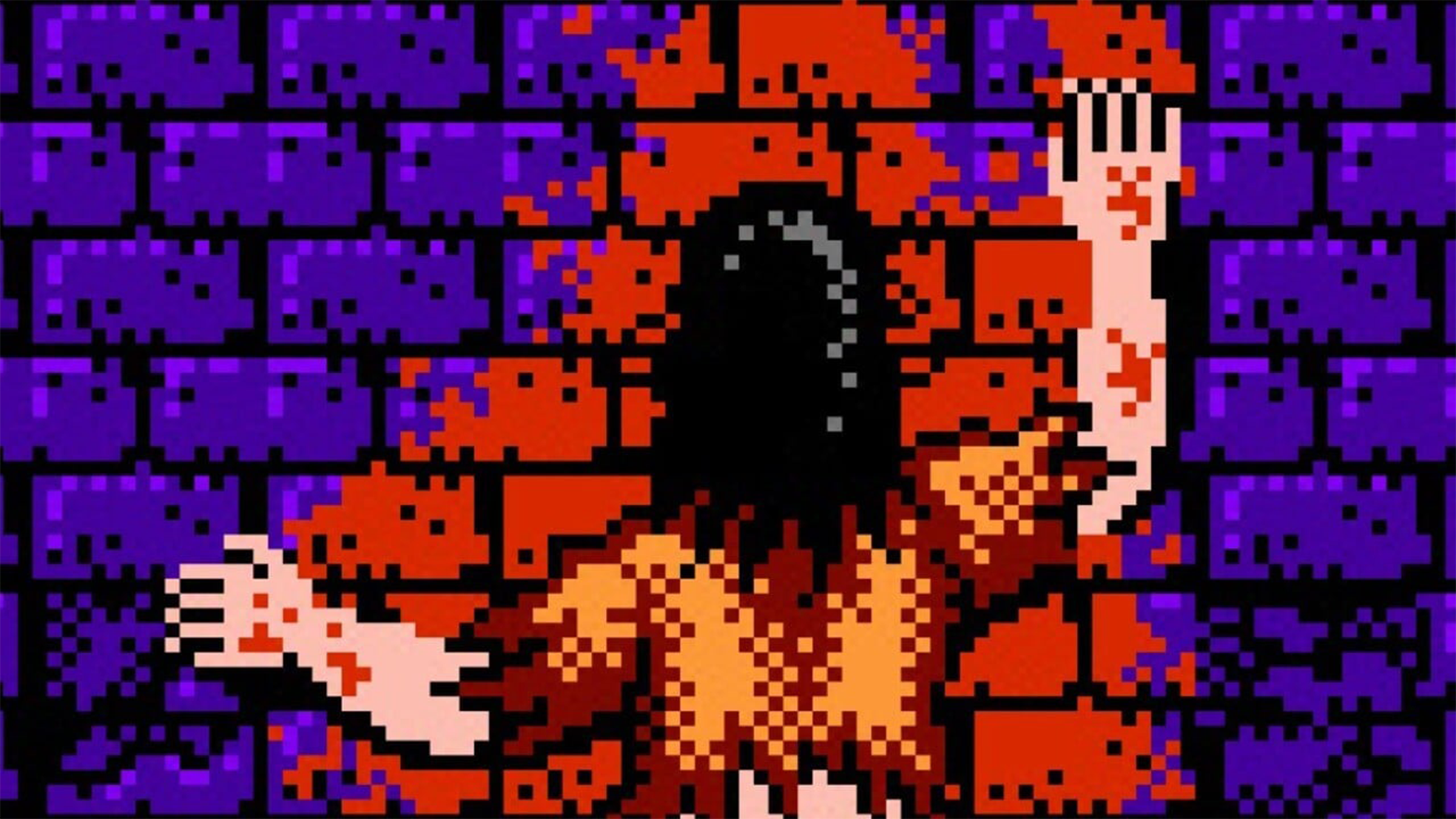
Survival horror is a major part of the broader survival game genre, and it began with the 1989 game Sweet Home for the Nintendo Famicom. Released alongside a horror movie of the same name, Sweet Home created the foundations for survival horror in a classic 8-bit style. The game is genuinely scary and surprisingly detailed, tasking players with helping a group of five characters survive a haunted mansion with scarce resources. The story has five different endings, determined by player choices and who manages to live. Sweet Home directly inspired the hugely popular Resident Evil, making its impact on the genre incredibly important.
3) UnReal World (1992)
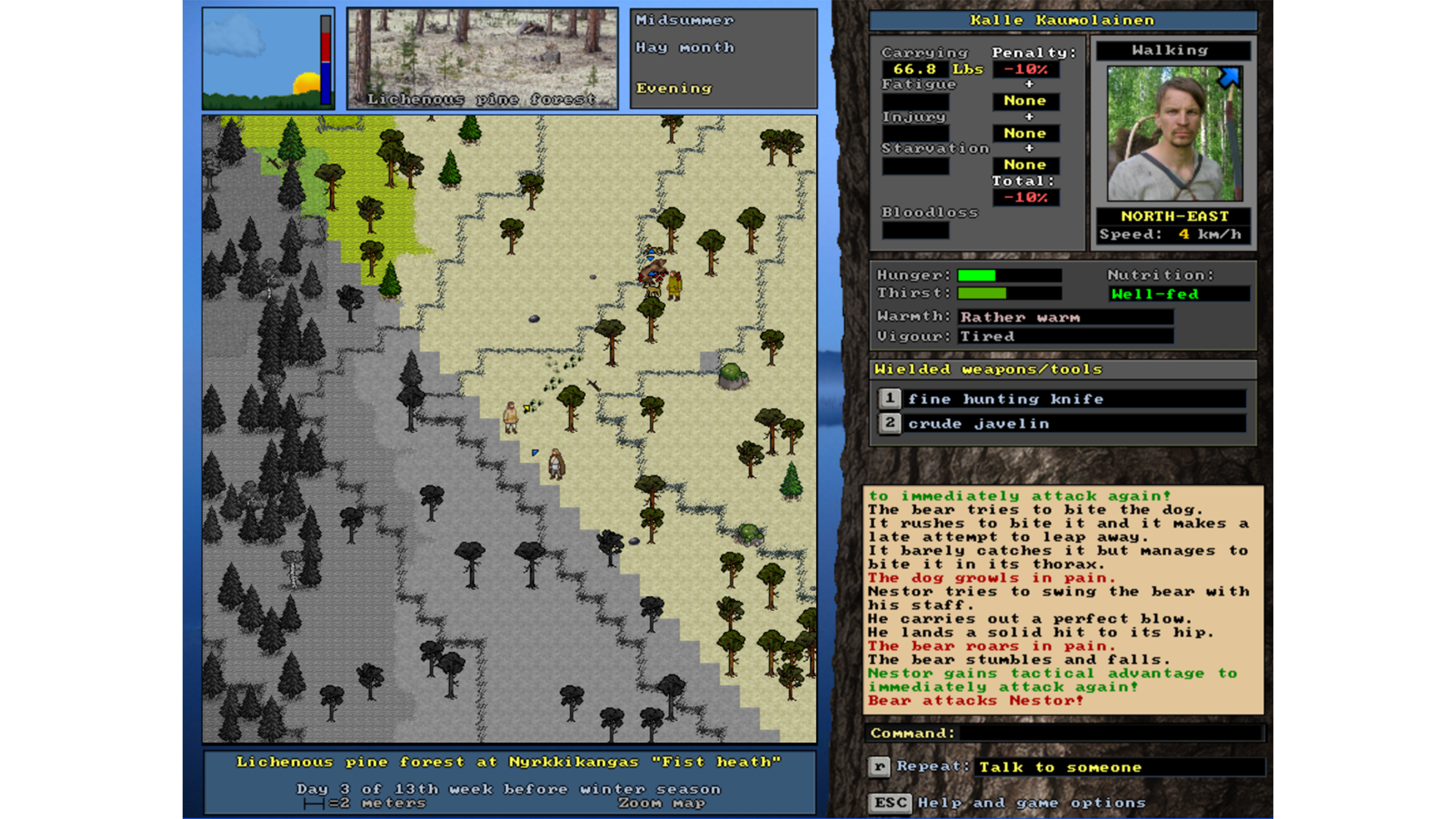
As a big fan of survival games, it’s amazing to look back and see where it all started! I think a lot of people don’t realize that UnReal World, released in 1992, was actually the first open-world survival game – it even has a Guinness World Record to prove it! Not every survival game needs to be open-world, but if they are, this game really pioneered that idea. And get this – it’s still being updated today! You play as someone trying to survive in ancient Finland, and it’s brutal. Blizzards and frostbite are real threats! While a lot of the features we expect in survival games today didn’t really appear until later in the 90s, UnReal World was truly ahead of its time and really set the stage for everything that followed.
4) Alone in the Dark (1992)
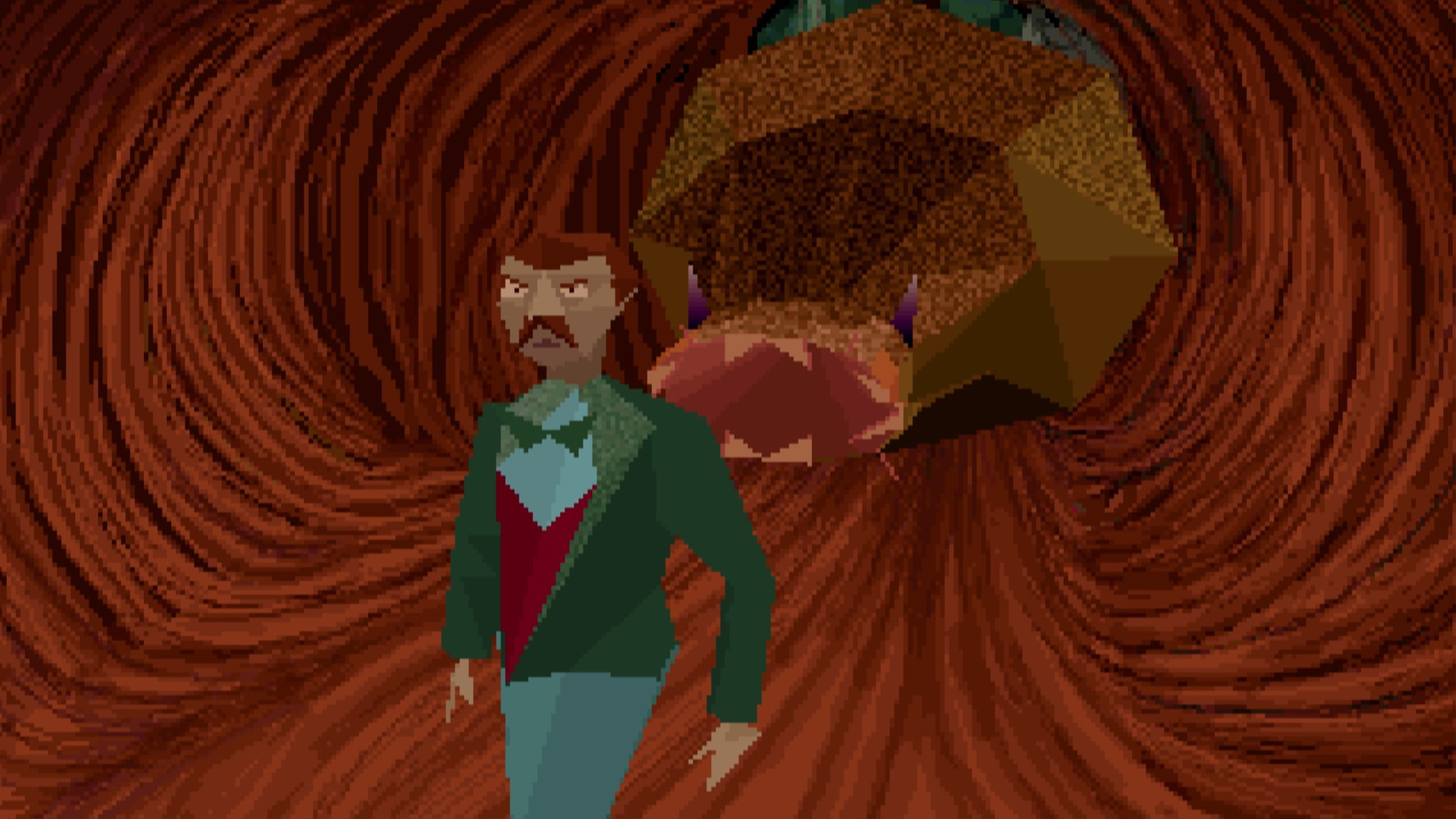
I remember when survival horror really started to get scary! As games got more advanced, developers started making things 3D, and Alone in the Dark was the first to really nail the 3D survival horror experience. It was a lot like Sweet Home in that you’re trapped in a creepy, haunted mansion, desperately trying to escape. You had to solve puzzles, avoid monsters, and fight them off when you couldn’t hide. They even had a cool inventory system where weight mattered, and the mansion wasn’t just a straight path – you could explore different areas. Looking at it now, the graphics are obviously dated, but back in ’92, Alone in the Dark was revolutionary. It totally changed the direction of survival horror, and honestly, you can really see how much it influenced Resident Evil.
5) Robinson’s Requiem (1994)
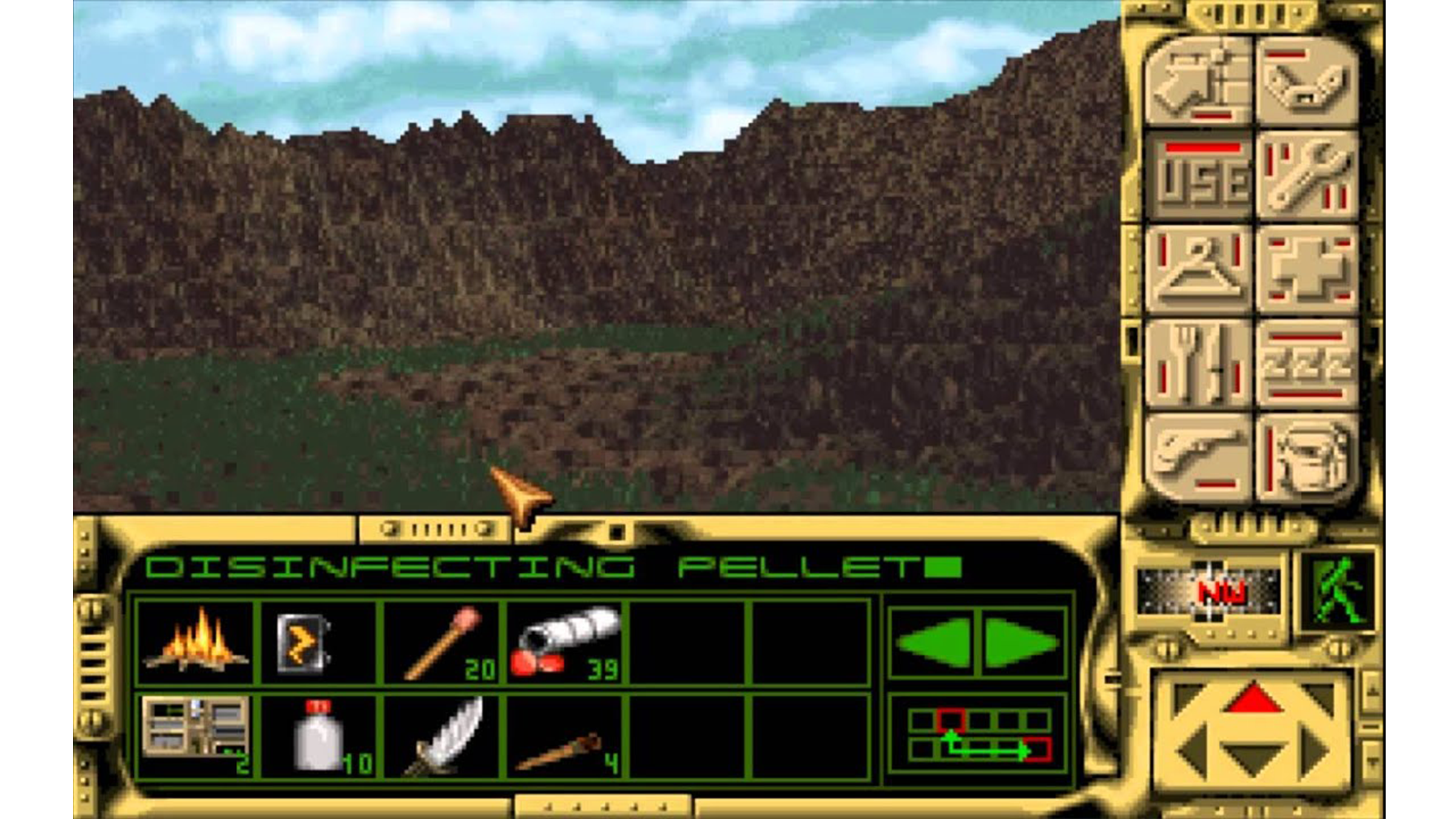
The 1990s saw many survival games inspired by titles like UnReal World, and Robinson’s Requiem stood out as particularly ambitious. Though not a huge success, it was known for being incredibly complex and challenging – keeping your character alive was a real struggle! It pushed the boundaries of the genre by adding detailed survival mechanics. While it was too difficult for most players, it let you experience a truly unforgiving wilderness. You had to deal with illnesses, monitor your health, and even perform surgery to treat injuries. The game also included essential survival activities like hunting, cooking, sleeping, and exploring – elements that would become common in later survival games.
6) Resident Evil (1996)
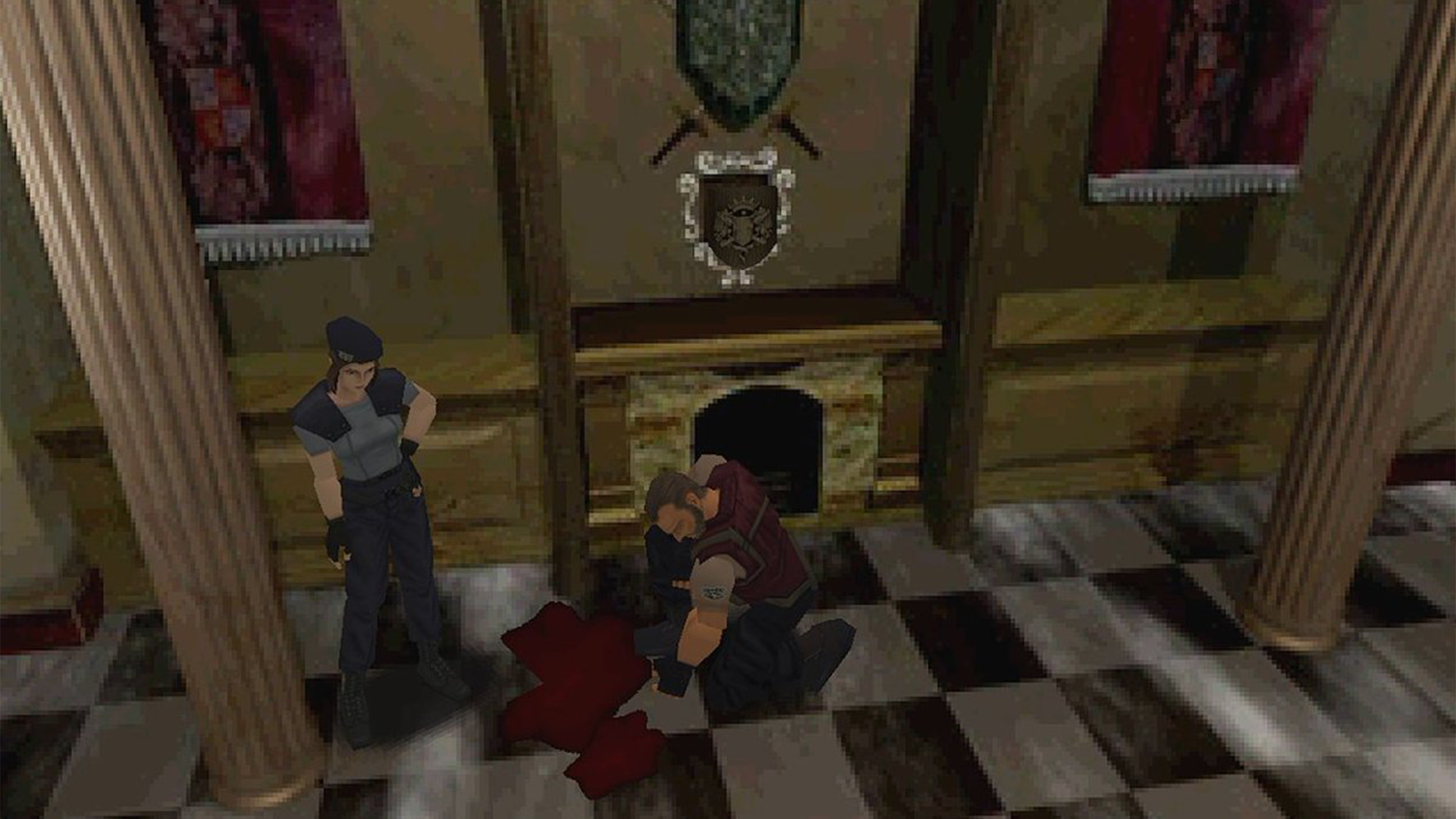
While the original Resident Evil is often considered a landmark survival horror game due to its popularity, it wasn’t actually the first. Earlier titles significantly shaped its gameplay, largely thanks to producer Tokuro Fujiwara, who also created Sweet Home. That game built upon existing ideas, improved everything, and essentially defined the core elements of survival horror. It became a blueprint that many subsequent games in the genre followed.
7) Survival Kids (1999)
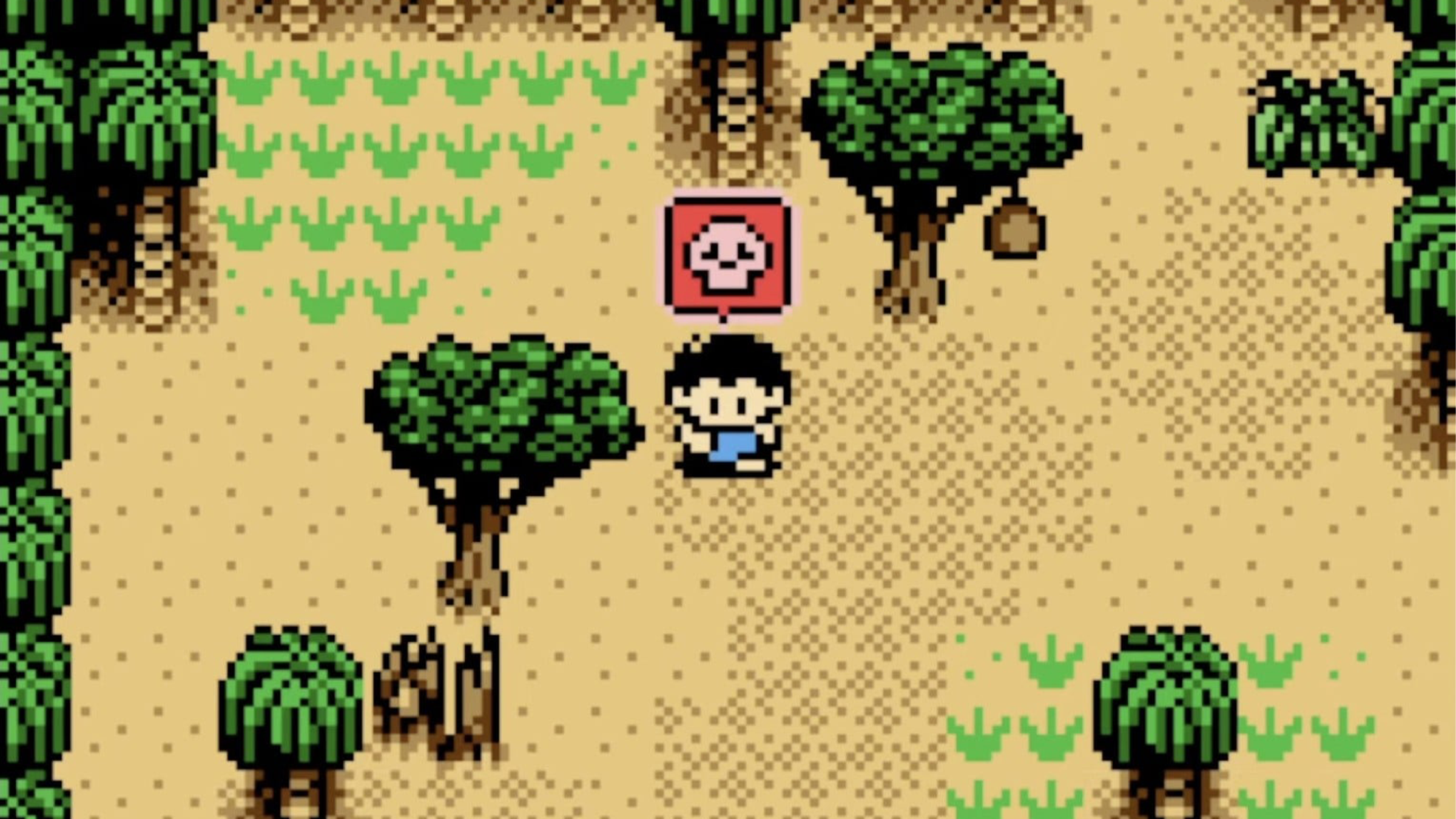
By the late 1990s, survival horror games were popular, but other games focused on the survival experience without relying so much on scary elements. Survival Kids, released for the Game Boy Color in 1999, was the first in its series and put players on a deserted island. Unlike many games of the time, it didn’t have a set storyline, letting players progress in different ways. A key feature was its item-crafting system, where players used materials found on the island to create tools and other necessities. While crafting had appeared in games before, Survival Kids improved on the idea, first seen in UnReal World, and made it central to how the game was played.
8) Minecraft (2011)
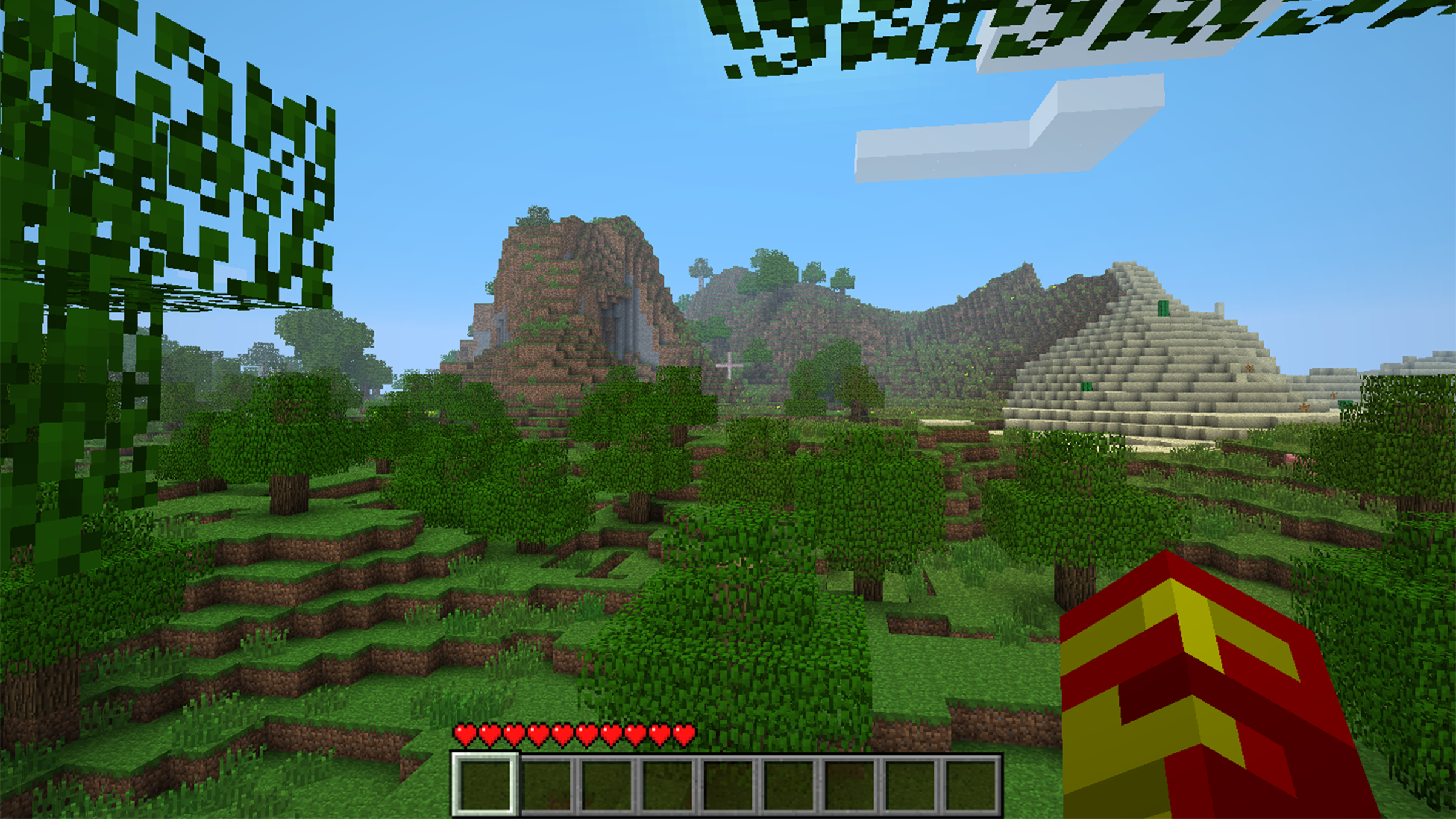
Although not the first game to create a world on the fly, Minecraft is by far the most popular. Created by Markus “Notch” Persson, the game grew through a long testing phase, attracting millions of players along the way. Minecraft is a sandbox game, meaning you’re free to build and do almost anything, but it also includes survival elements like crafting, exploring, managing hunger and sleep, and battling monsters. It even features farming and raising animals. With over 350 million copies sold, Minecraft is the best-selling video game of all time – a testament to its popularity beyond just the game’s genre.
9) 7 Days to Die (2013)
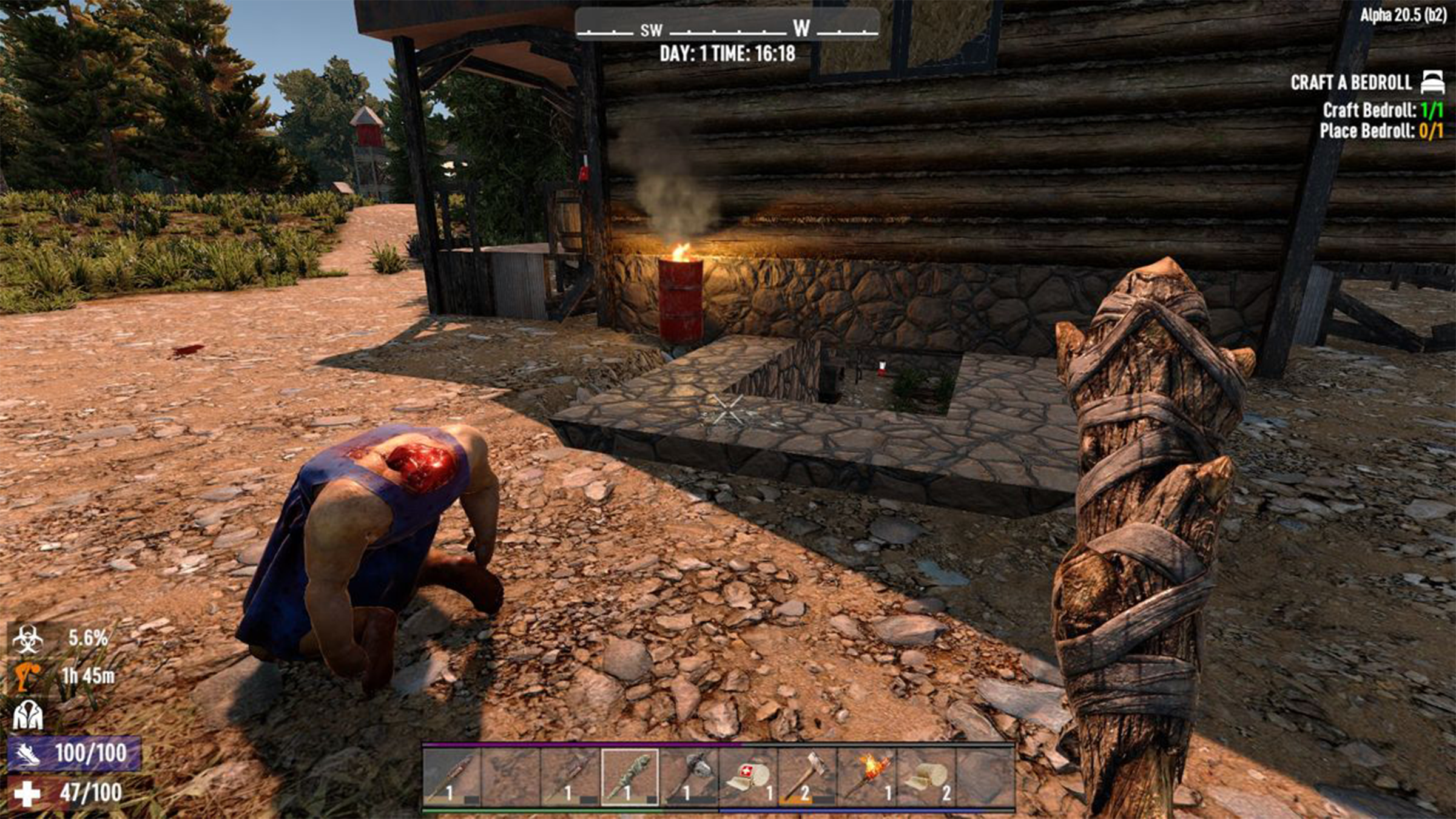
Survival horror games and zombies go hand-in-hand, a connection famously revived by Resident Evil in 1996. 7 Days to Die is a survival horror game set in a vast, open world reminiscent of Minecraft, but with more realistic physics. It includes all the classic elements of the genre, but adds a unique twist with its enemies. Zombie behavior changes depending on the time of day, becoming more aggressive at night. Players need to overcome many difficulties, find food and water, and build structures and craft essential items. The game’s title refers to a ‘Blood Moon’ event that happens every seven days, unleashing massive waves of zombie attacks.
10) No Man’s Sky (2016)
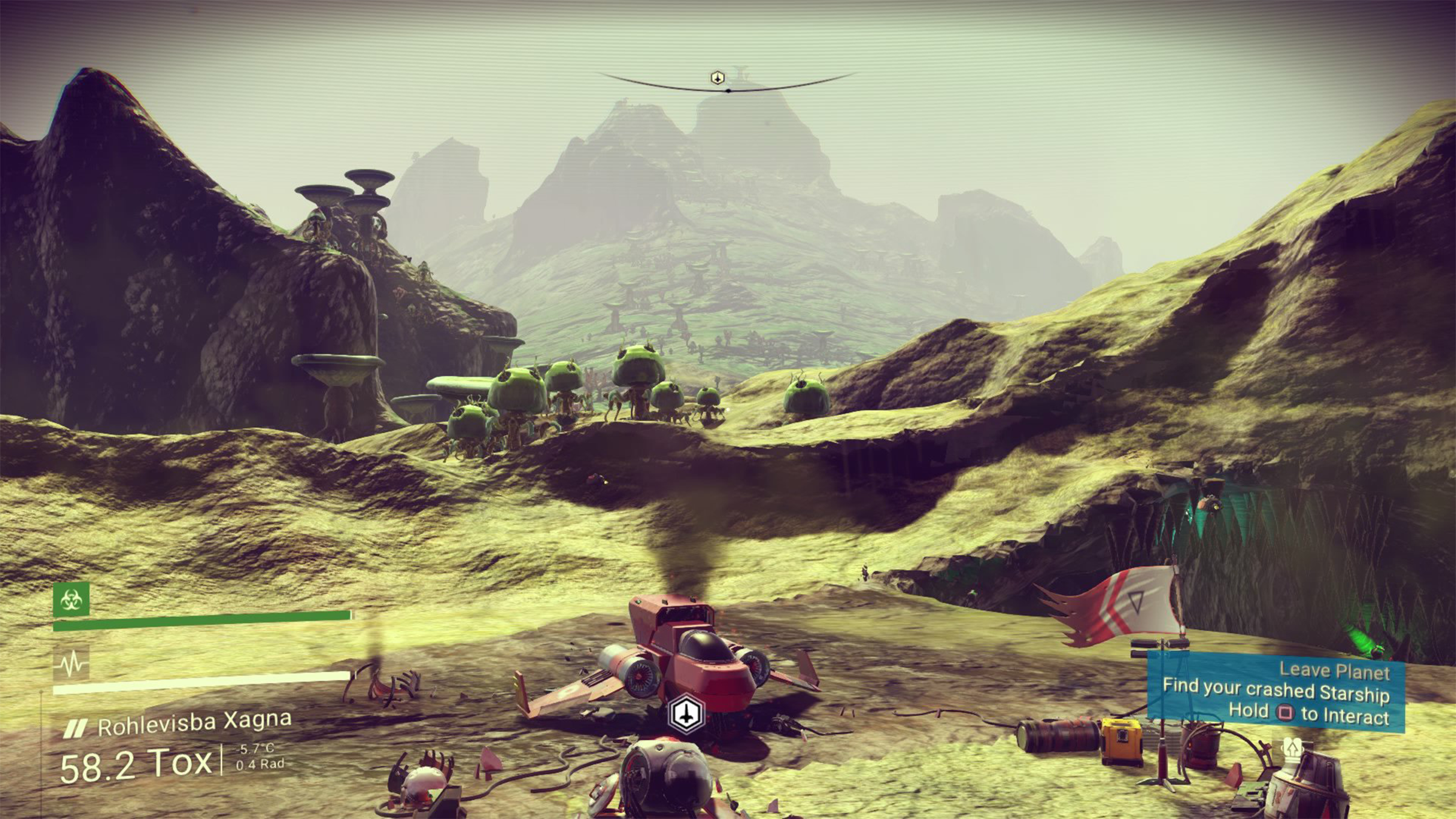
The popular game Minecraft has clearly inspired other titles, like No Man’s Sky. While No Man’s Sky had a rocky start, it’s now enjoyed by many players thanks to ongoing improvements. The game boasts an enormous, procedurally generated galaxy with 18 quadrillion planets. Though there’s a main story, it’s largely a sandbox experience where you can explore, build, create items, and survive in a dangerous universe. In many ways, No Man’s Sky builds upon the ideas Minecraft introduced, offering a more visually detailed and expansive world with more complex gameplay.
What survival game do you think really changed the game for the genre? Share your thoughts in the comments and join the discussion on the ComicBook Forum!
https://comicbook.com/gaming/list/5-upcoming-survival-games-to-look-forward-to-in-2026/embed/#
Read More
- Trails in the Sky 2nd Chapter launches September 17
- Paradox codes (April 2026): Full list of codes and how to redeem them
- HBO Max Just Added the Final Episodes of a Modern Adult Swim Classic
- Pragmata Shows Off Even More Gorgeous RTX Path Tracing Ahead of Launch
- Crimson Desert’s Momentum Continues With 10 Incredible New Changes
- PRAGMATA ‘Eight’ trailer
- How Could We Forget About SOL Shogunate, the PS5 Action RPG About Samurai on the Moon?
- Hulu Just Added One of the Most Quotable Movies Ever Made (But It’s Sequel Is Impossible To Stream)
- Solo Leveling’s New Character Gets a New Story Amid Season 3 Delay
- Dragon Quest Smash/Grow launches April 21
2026-02-13 17:16