
Years before Game of Thrones became a worldwide phenomenon – and before its controversial ending – HBO experienced a similar situation with another show. This series had been a cornerstone of the network for years, known for its daring content, provocative themes, and dedicated fanbase. It was full of violence, dealt with adult topics, tackled politics, and didn’t shy away from being over-the-top. For much of its run, it perfectly embodied the kind of programming HBO was known for: sophisticated, edgy, and sure to get people talking, especially since it explored a very popular subject.
What’s unusual about this show’s ending is that it wasn’t due to declining viewership or a network cancellation. The creators deliberately chose to end it this way, a decision many fans found confusing. The core problem is when a finale feels disconnected from everything the show established over the years, it’s difficult to justify – we definitely saw that happen with Game of Thrones.
True Blood Started Almost Perfect and Then Completely Fell Apart
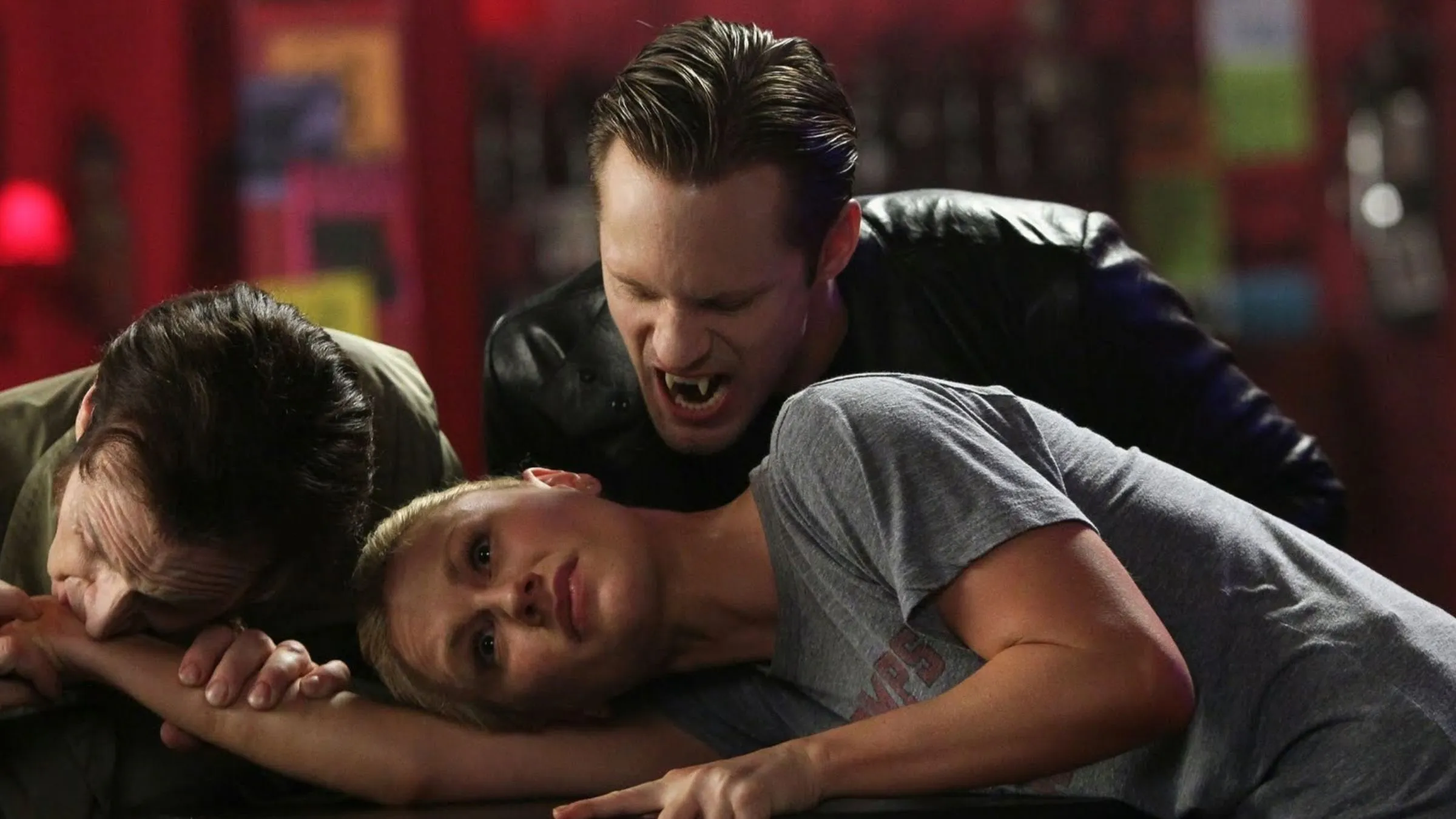
Created by Alan Ball and based on Charlaine Harris’ books, the HBO series True Blood ran from 2008 to 2014. Set in the small Louisiana town of Bon Temps, the show imagined a world where vampires had come out into the open thanks to the creation of synthetic blood, allowing them to live without harming humans. The series followed Sookie Stackhouse (Anna Paquin), a waitress with the ability to read minds, and her relationships with vampires Bill Compton (Stephen Moyer) and Eric Northman (Alexander Skarsgård). While a love triangle was central to the plot, it wasn’t simply a romantic storyline—it drove much of the show’s emotional tension.
During its first few seasons, True Blood succeeded by cleverly mixing over-the-top moments with insightful social themes—which were actually one of its greatest strengths. The show used vampires as a clear symbol for a group fighting for equal rights, and this approach resonated with viewers. It also combined strong sexual content, violence, and witty humor, appealing to a mature audience during the height of the vampire craze. Importantly, the show had a distinct identity; viewers knew what to expect and the world felt consistent because it avoided major plot holes or confusing storylines. A key part of this was the character of Sookie, who wasn’t portrayed as typical, and the series consistently emphasized her unique qualities.
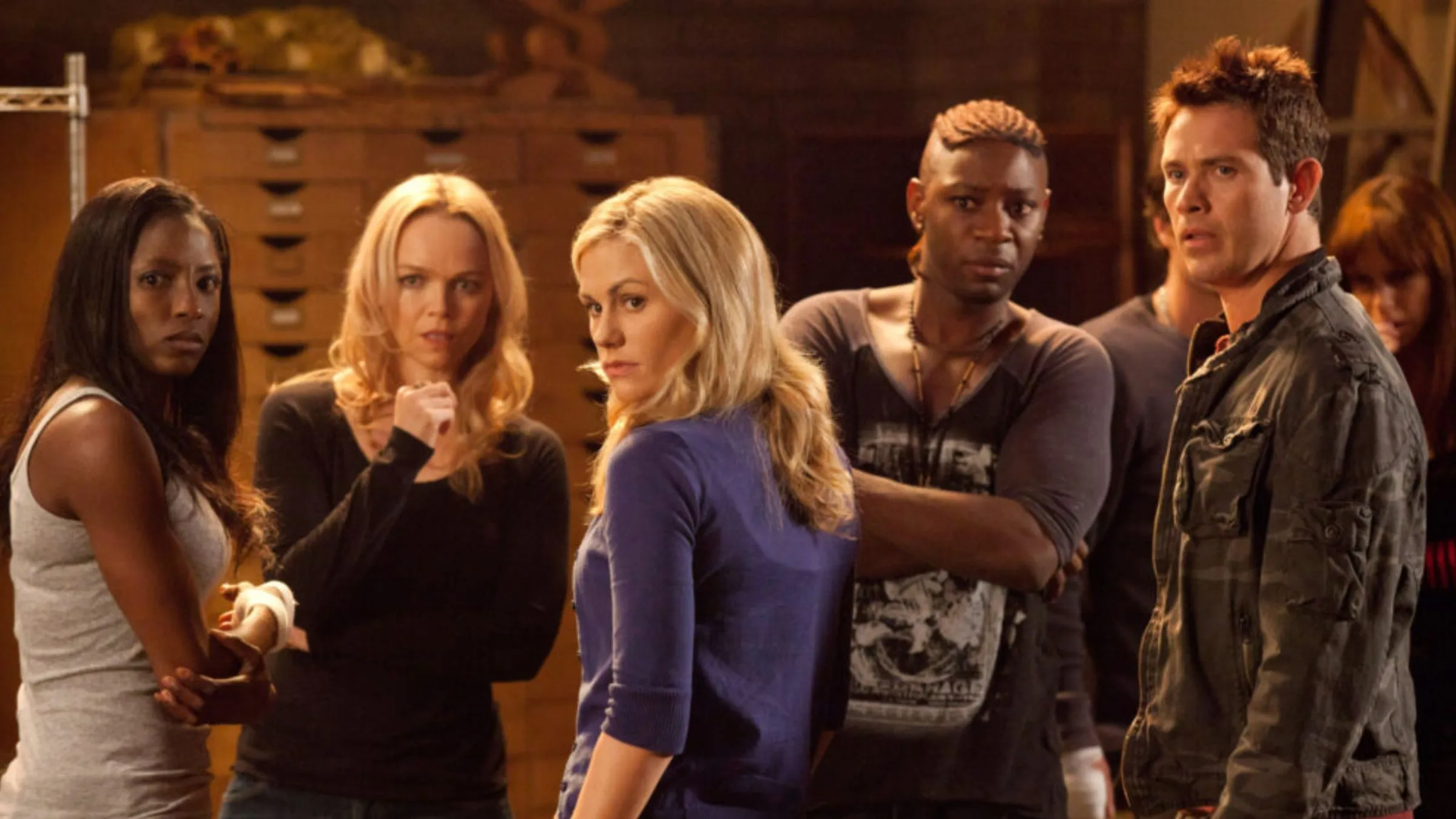
For a period, True Blood was actually HBO’s most popular show since The Sopranos. However, over time, the show began to lose its way as the storyline became overly complicated. Each season added new villains, supernatural beings, and side plots, but instead of making the story better, they ended up fighting for attention. What started as a story about vampires and humans evolved to include witches, werewolves, fairies, and even corrupt vampire leaders. This caused the show to lose the sharp focus it had in its first season. Characters with promising storylines were reduced to plot devices for quick drama, and deaths that once felt impactful started to seem like cheap attempts to shock the audience.
For a while, the show’s viewership didn’t suffer, but by Season 6, and definitely by Season 7, things began to decline. Instead of carefully building towards a strong conclusion, the later seasons took shortcuts. Key characters were killed off quickly, sometimes without even showing it on screen, signaling that the writers were more focused on simply ending storylines than on giving viewers a satisfying emotional experience. Ultimately, True Blood seemed to view its main plotlines as hurdles to overcome so it could quickly reach a finale, and the result didn’t feel right.
True Blood‘s Finale Is Still One of HBO’s Worst Endings Ever
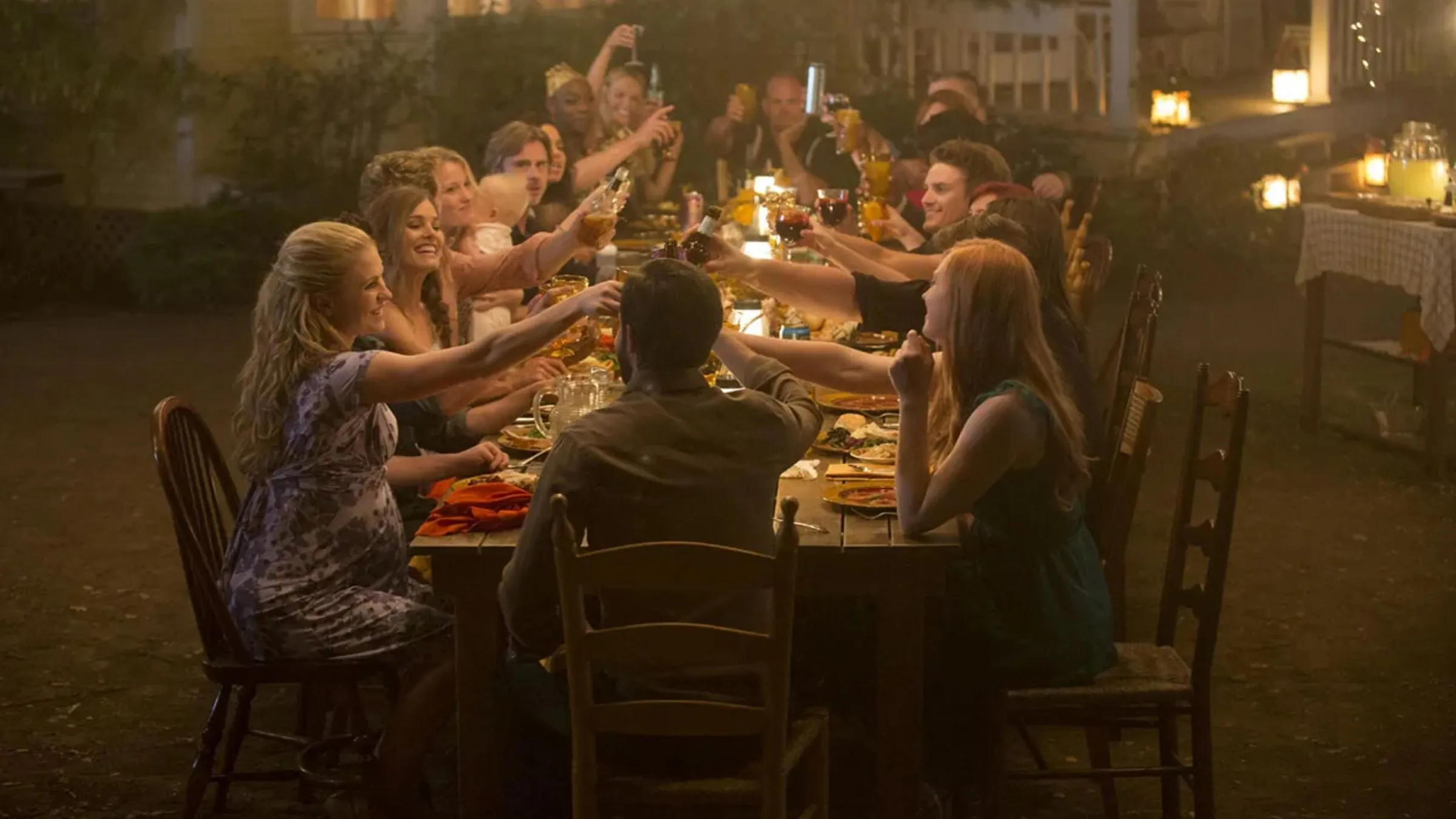
While the show’s effort to broaden its scope might be understandable, even if not universally appreciated, strong character development is crucial for any long-running series. It’s what gets viewers truly invested. Unfortunately, the final season stumbled in this area, making similar errors to those seen in Game of Thrones. Many felt that True Blood didn’t give its main characters satisfying conclusions, especially the lead, after all the time audiences had spent with them.
The series finale of the show left viewers with Sookie pregnant and married, but the groom’s face was never shown. The message seemed to be that Sookie’s happiness was all that mattered. However, this felt unsatisfying because the entire show revolved around her complicated relationships with Bill and Eric. Unlike other supernatural romances that focused on choosing a ‘team,’ this show was about a consistent storyline. The writers created a huge romantic conflict throughout the series, only to dismiss it in the end, which felt like a letdown for viewers who were invested in the love triangle.
Bill, a character who’s been important since the beginning, also didn’t get a very satisfying ending. After contracting Hepatitis V, he chooses to die and asks Sookie to help him. While intended as a selfless act, it could also be seen as selfish. Throughout the series, Bill was a complex character – sometimes manipulative, sometimes deeply loving – and his ending could have reflected that. Instead, his final moments felt simplified and didn’t quite fit with his overall story. It felt like a rushed and superficial resolution, and the later time jump showing Sookie moving on made his death feel even less impactful.
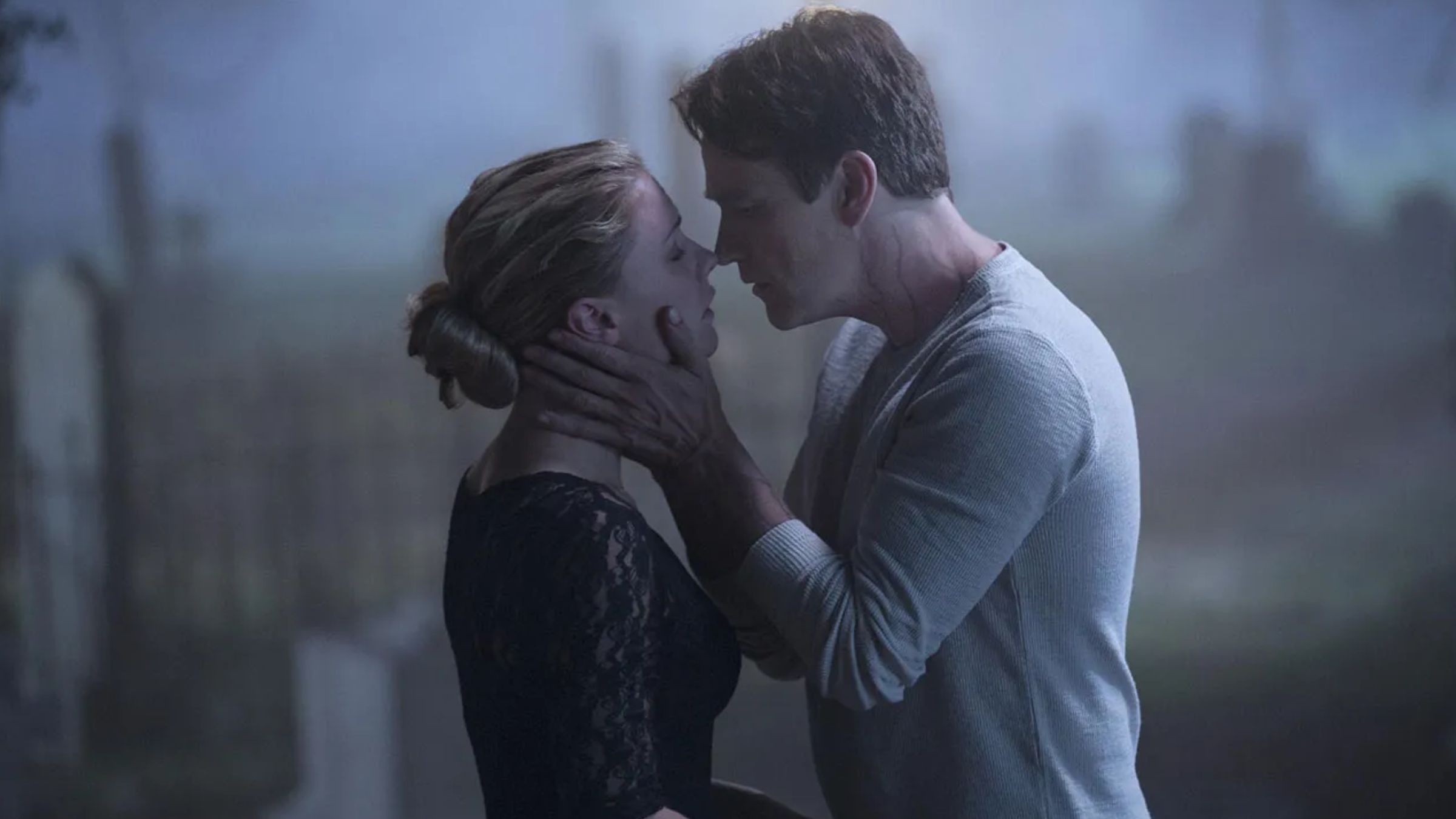
Several characters met unsatisfying ends. Warlow, who could have been a great villain, was unexpectedly removed from the story. Tara’s death felt abrupt and didn’t honor her character’s development. Alcide was killed seemingly at random by a less important character, and Jessica and Hoyt’s quick marriage lacked emotional depth and felt rushed.
While some might say the ending of True Blood fit with Sookie wanting a normal life, the show was never really about achieving normalcy. It consistently celebrated being different, existing outside the mainstream, and fighting prejudice. Suggesting happiness lies in leaving that unique world actually undermines the show’s core message. Despite its achievements – like changing supernatural dramas on TV and proving HBO’s willingness to be bold – the finale serves as a reminder of how an ending can change how we remember an entire series. When a final episode feels out of sync with what originally drew viewers in, the show’s lasting impact shifts as well.
The series wasn’t a failure because it tried to be different; it failed because it hesitated when it should have committed. Before Game of Thrones became infamous for this, True Blood showed us that a weak ending can ruin an otherwise great show. Both were strong series, but people mostly remember how they ended, not everything they did well. Hopefully, HBO has taken this to heart.
What were your thoughts on the finale of True Blood? Share your opinions in the comments and discuss it with other fans in the ComicBook Forum!
Read More
- Trails in the Sky 2nd Chapter launches September 17
- Solo Leveling’s New Character Gets a New Story Amid Season 3 Delay
- HBO Max Just Added the Final Episodes of a Modern Adult Swim Classic
- PRAGMATA ‘Eight’ trailer
- Pragmata Shows Off Even More Gorgeous RTX Path Tracing Ahead of Launch
- All 7 New Supes In The Boys Season 5 & Their Powers Explained
- Crimson Desert’s Momentum Continues With 10 Incredible New Changes
- Hulu Just Added One of the Most Quotable Movies Ever Made (But It’s Sequel Is Impossible To Stream)
- Dragon Quest Smash/Grow launches April 21
- How Could We Forget About SOL Shogunate, the PS5 Action RPG About Samurai on the Moon?
2026-02-14 03:11