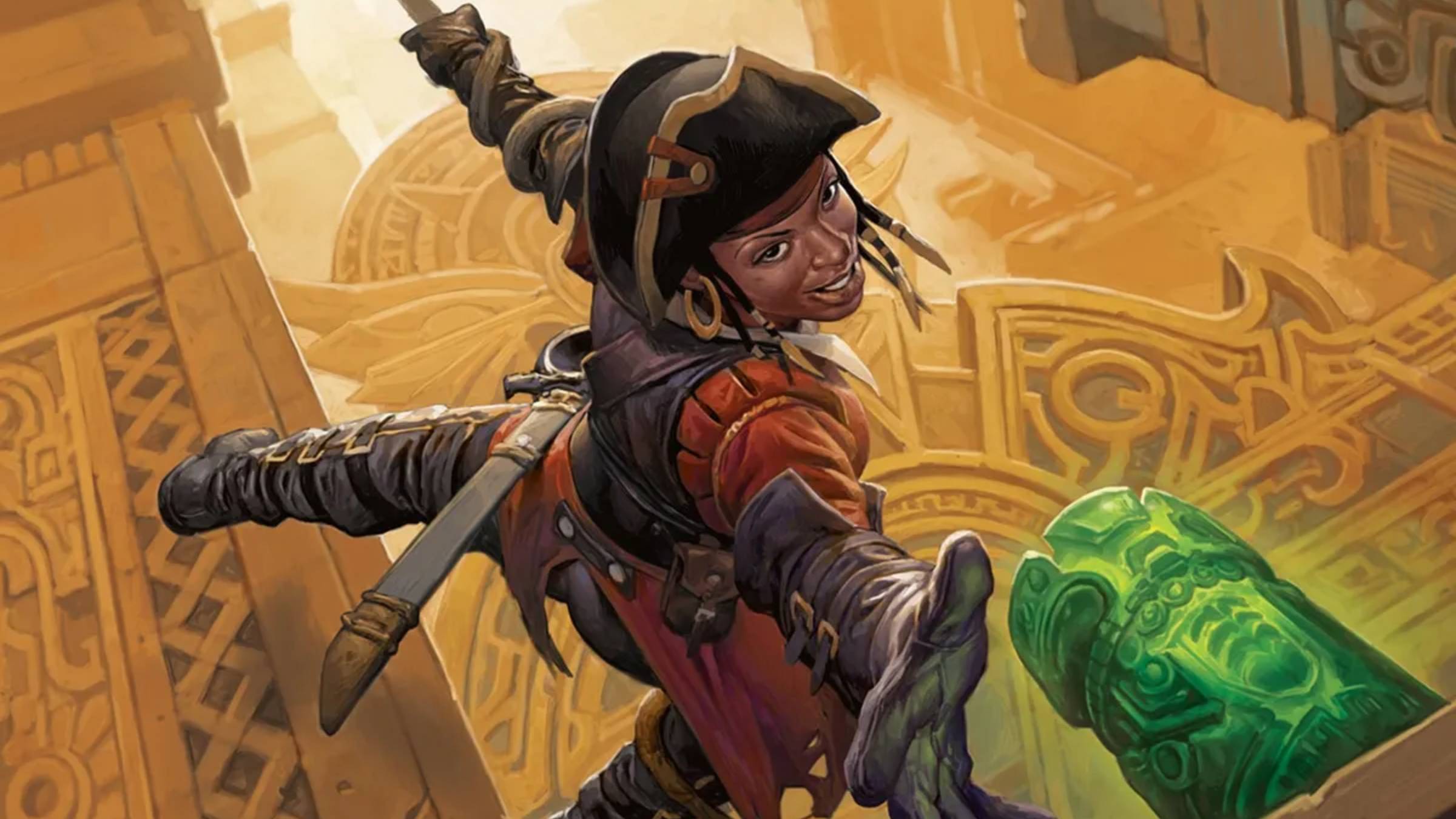
It’s easy to make mistakes when you’re first learning Dungeons & Dragons, which can make the game feel overwhelming and frustrating. But there are a few things to keep in mind that can help you get into collaborative storytelling smoothly. Whether you want to focus on building your character or getting better at roleplaying, being new to the game doesn’t have to mean struggling every time you play.
You don’t need to memorize every rule and number to enjoy a long D&D campaign – even experienced Dungeon Masters can’t! But overlooking or misunderstanding the details of the game can lead to common mistakes. These errors can sometimes make your character feel less important or powerful, especially during key moments in the story.
5. Forgetting How Your Character Approaches Attack & Damage Rolls
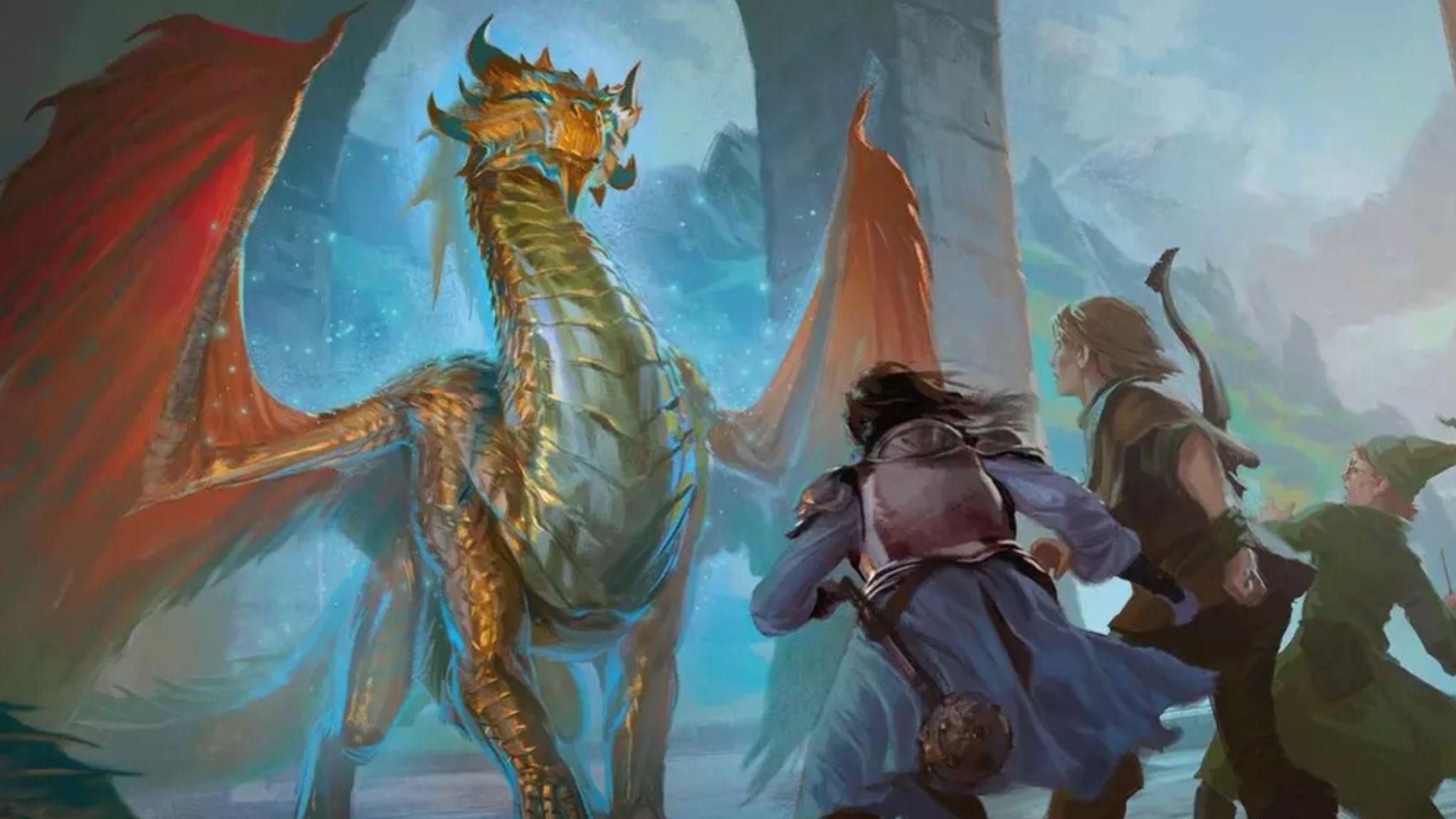
New players of Dungeons & Dragons often find combat challenging, and for good reason. Keeping track of turn order (initiative), remembering what your character can do, and working with your team can be a lot to handle. A common mistake is miscalculating how attacks work and how much damage your character deals during a fight. Since combat happens so frequently in the game, understanding the basic steps will help keep battles moving and prevent them from dragging on for hours.
Each character fights differently based on their abilities. For instance, Warlocks use their Charisma to make their spells more accurate. It’s common to get hitting and damage confused, but understanding how your character’s skills affect each one can make combat faster and help you focus on what your character does best.
4. Creating Someone That Doesn’t Interact With Others
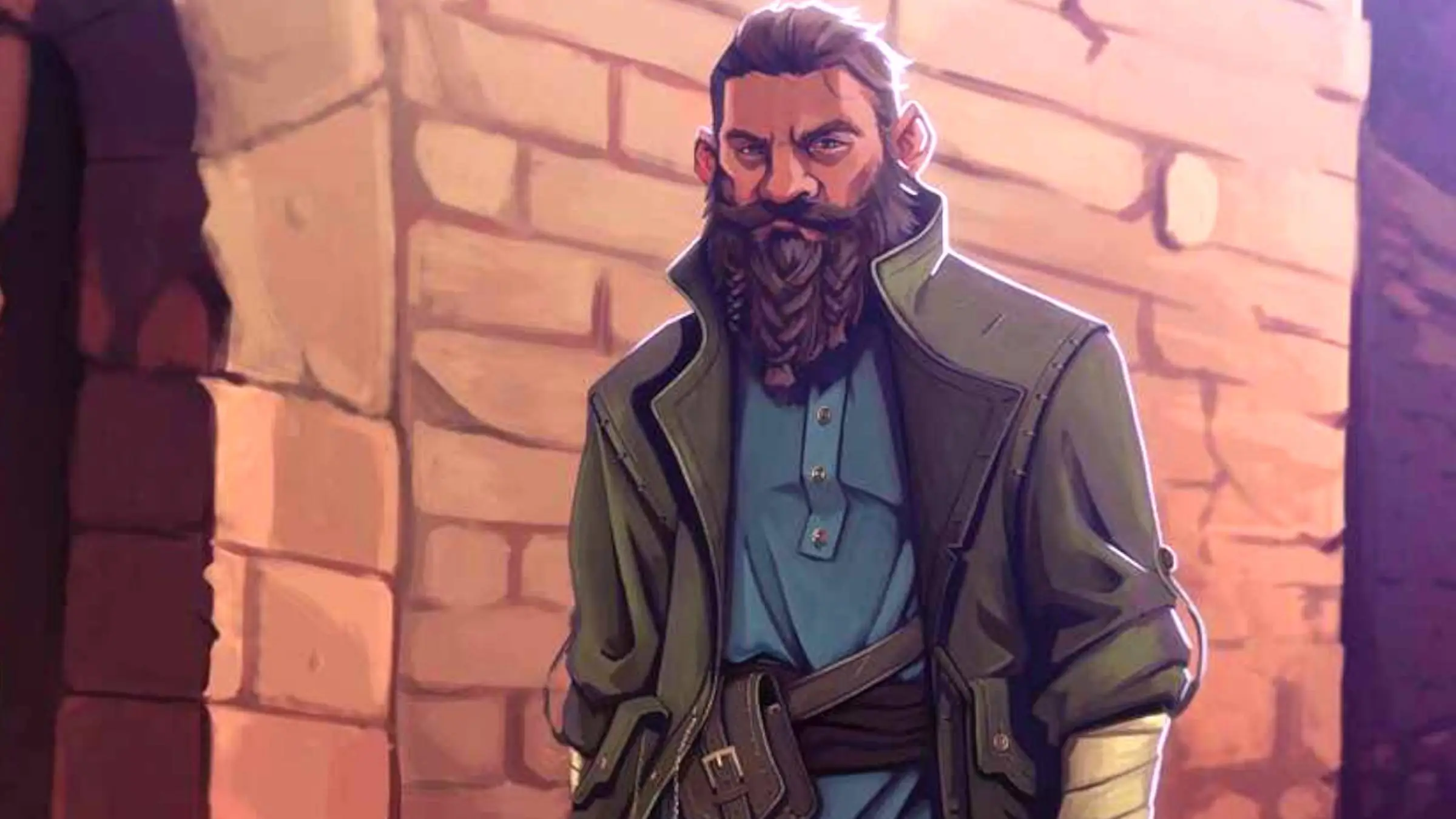
Players can stumble not just with the rules of the game, but also with how their characters get along. New Dungeons & Dragons players sometimes create characters who are loners or don’t interact much, relying on common archetypes from the game’s books. However, D&D is a game built around teamwork and connection, so a character who’s openly hostile or uncooperative can actually hinder the party’s success.
The “strong, silent type” might work in movies and TV, but it can really hinder a Dungeons & Dragons game. It’s a common choice for new players, but it often leads to poor roleplaying habits – like becoming a “murder hobo” who ignores the rest of the group. There’s nothing wrong with playing a quiet or troubled character, but limiting how they interact with others can make the game less fun for everyone.
3. Choosing A Weapon Your Character Can Barely Use
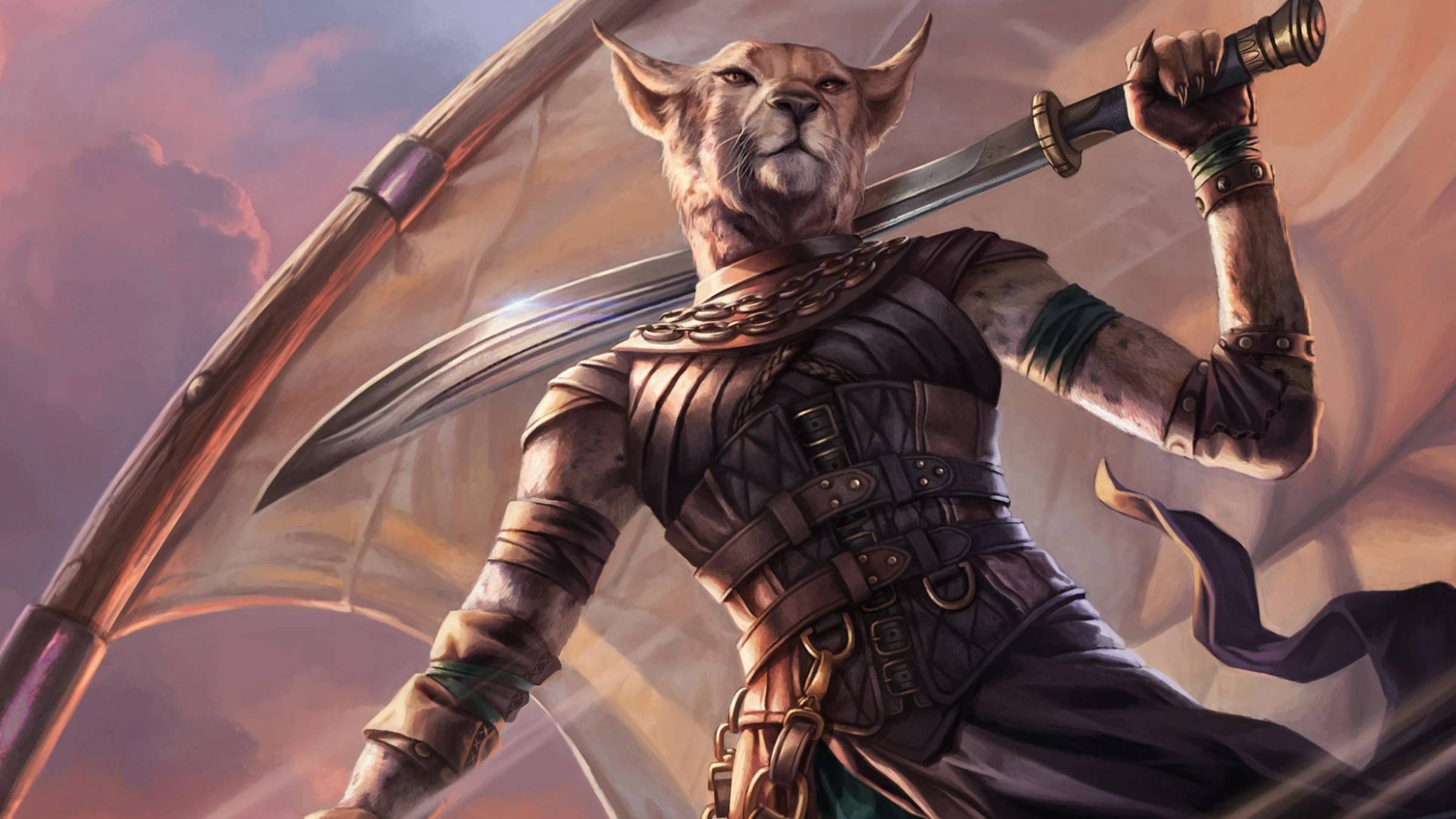
Picking a weapon in Dungeons & Dragons isn’t just about choosing one that looks cool. The game has specific rules about which weapons characters can use effectively. If your character isn’t trained with a weapon, you’ll likely struggle in combat and won’t be as helpful to your team.
When choosing weapons in D&D, don’t just focus on how much damage they deal. Think about how each weapon fits with your character’s overall abilities. For example, some weapons work best with Dexterity, while others need Strength. If your character is strong, a weapon that relies on Dexterity won’t be very effective. It’s also helpful to understand the difference between simple and martial weapons beforehand, so you don’t end up with something that actually holds your character back.
2. Not Doubling Down On Skills That Compliment Your Character
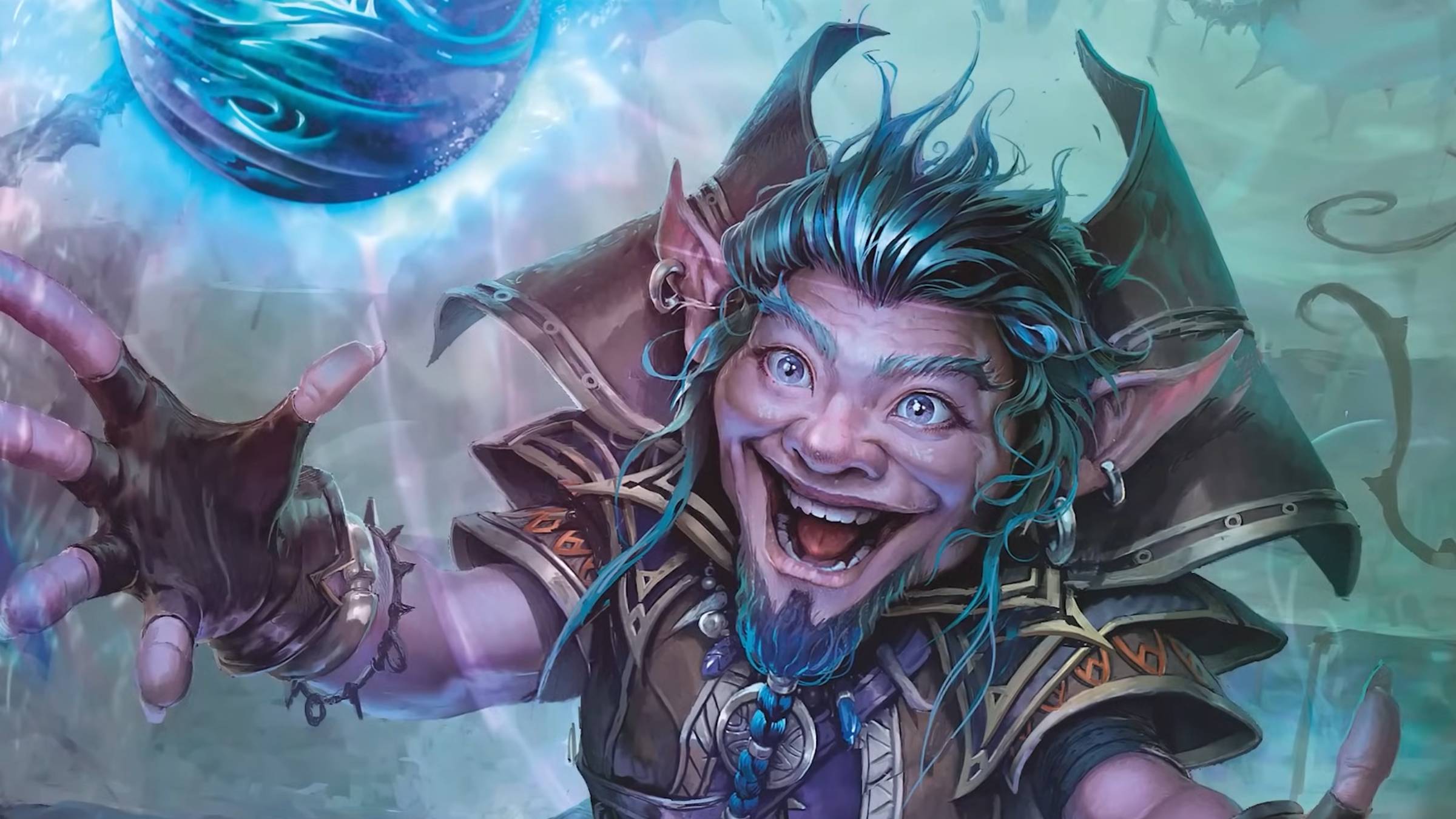
When creating characters, some players don’t carefully choose skills, instead trying to be good at everything. This often results in a character who isn’t truly great at anything. However, since skills are linked to core abilities, it’s better to carefully plan which skills to focus on and maximize those bonuses during character creation.
When choosing skills for your Dungeons & Dragons character, a helpful tip is to focus on those that match their strongest ability score. For example, if you’re playing a Barbarian or Paladin (who rely on Strength), skills like Athletics are a great choice. Similarly, Warlocks or Bards who prioritize Charisma can excel with skills like Persuasion, Intimidation, or Deception, giving them unique strengths within the party. Ultimately, consider which skills best enhance your character’s class and subclass.
1. Trying To Do Everything At Once
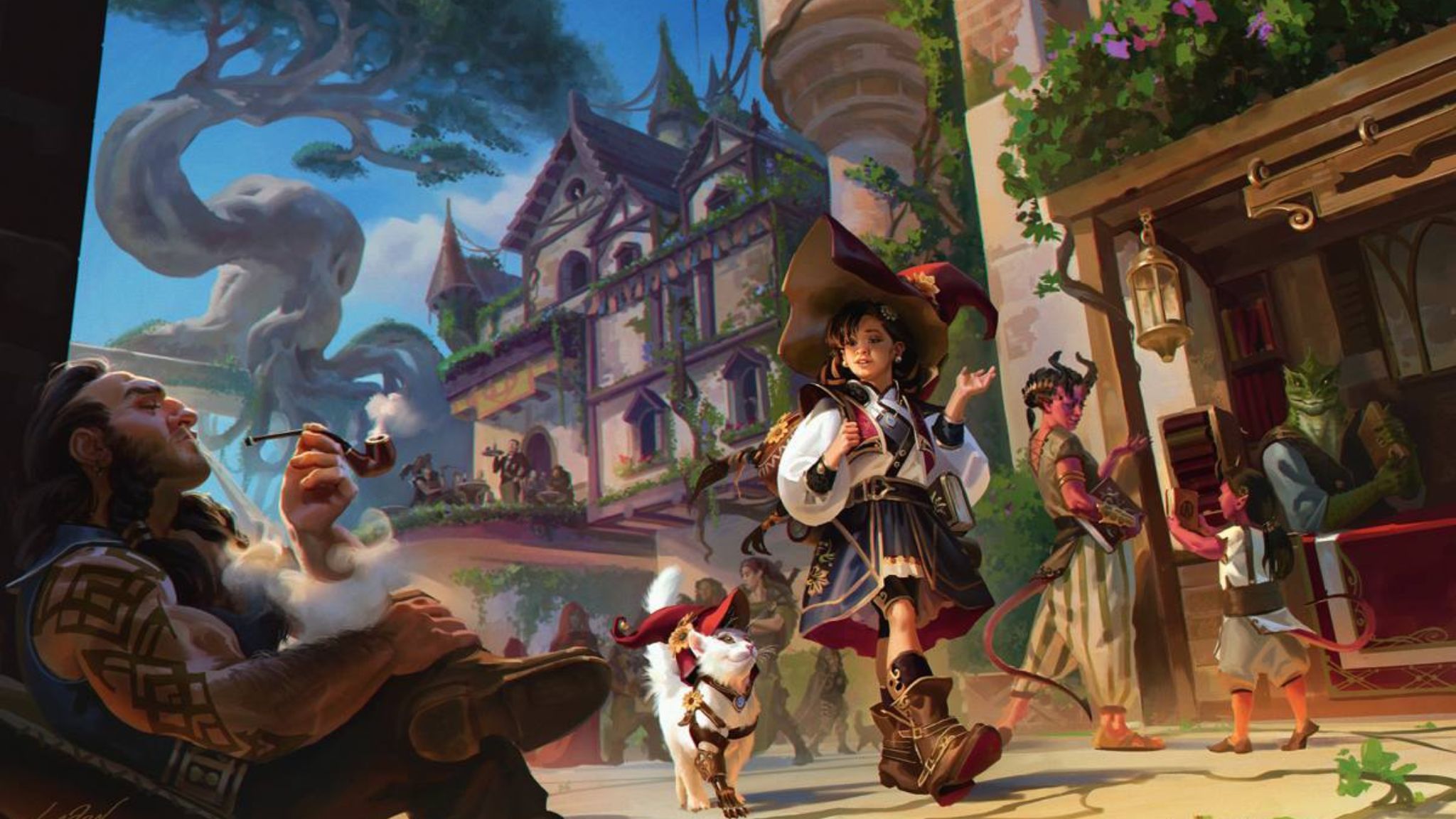
Dungeons & Dragons can be a complicated game, and new players often make it even harder on themselves. Trying to create overly complex characters, control the entire story, or learn too many spells right away can quickly become overwhelming. Remember, D&D is a team effort, and it’s easy to fall into the trap of thinking you’re the only important character, which makes the game less fun for everyone.
If you’re new to Dungeons & Dragons, it’s best to start with a simple character. Complicated characters can be overwhelming at first. For example, a Wizard with lots of spells might be tricky to manage, while a Warlock’s simpler magic is easier to learn. Take your time, understand the rules, and don’t be afraid to start with something straightforward – it’s a great way to begin your adventure!
What common mistakes do you notice new Dungeons & Dragons players making? Share your thoughts in the comments below, or discuss it with others in the ComicBook Forum!
Read More
- Adam Levine Looks So Different After Shaving His Beard Off
- Trails in the Sky 2nd Chapter launches September 17
- After AI Controversy, Major Crunchyroll Anime Unveils Exciting Update
- PRAGMATA ‘Eight’ trailer
- Hulu Just Added One of the Most Quotable Movies Ever Made (But It’s Sequel Is Impossible To Stream)
- Dragon Quest Smash/Grow launches April 21
- Xbox Game Pass Users “Blown Away” by New Exclusive Game
- How Could We Forget About SOL Shogunate, the PS5 Action RPG About Samurai on the Moon?
- Dialoop coming to Switch on June 17
- Why is Tech Jacket gender-swapped in Invincible season 4 and who voices her?
2026-02-17 18:13