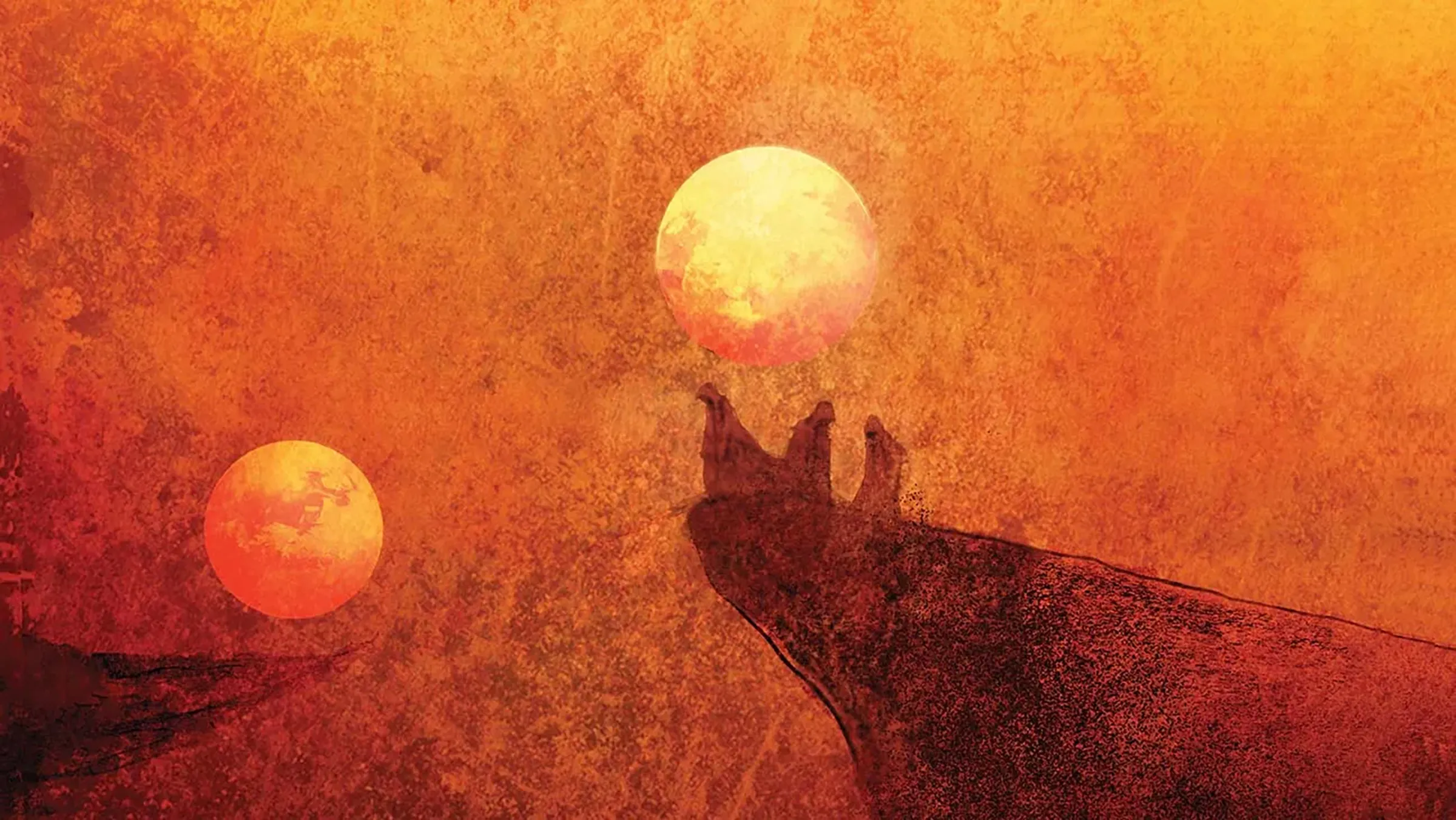
Science fiction is a remarkably compelling genre. It captivates us with imaginative stories set in incredible worlds, letting us explore possibilities like the future, distant galaxies, and alternate realities. These stories can be inspiring, frightening, and thought-provoking, often prompting us to consider what it means to be human and our place in the universe. This is why sci-fi makes for fantastic films that appeal to a wide range of viewers, but its strengths extend beyond the screen to captivating stories in other formats as well.
Science fiction boasts a wealth of fantastic books, and for those who love sci-fi movies, certain novels are a must-read. Some have been adapted into films many times, offering a richer experience than the movies, while others, though less known on screen, are epic and captivating. Get ready to visit your library or bookstore – we’ve compiled a list of 10 books to add to your reading list.
10) Binti by Nnedi Okorafor
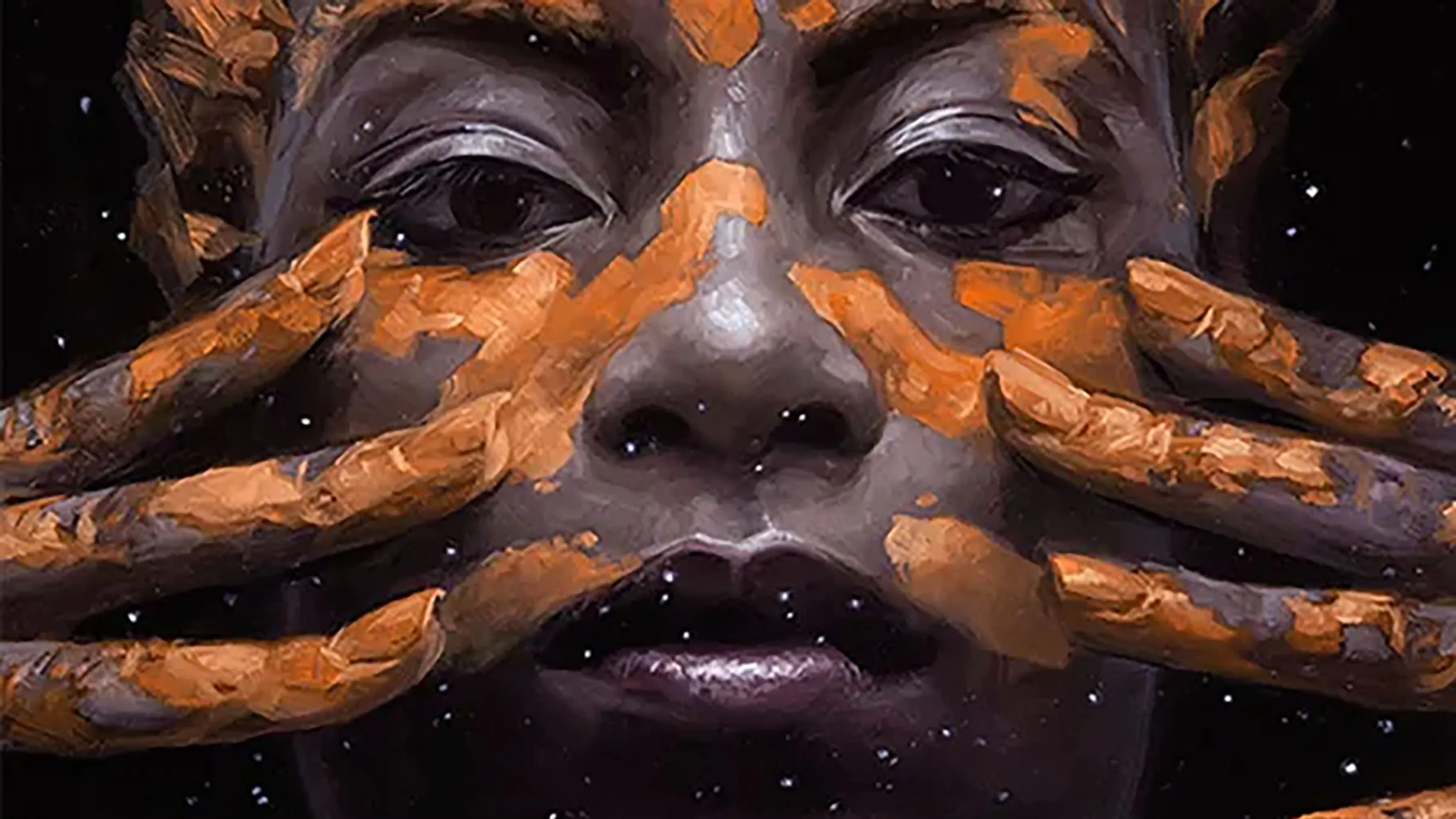
Nnedi Okorafor’s acclaimed novella, Binti, is in development as a television series, though it hasn’t been produced yet. A film adaptation also hasn’t happened. However, that shouldn’t discourage movie lovers from reading it! Considered one of the best science fiction books of the last fifteen years, Binti is the first in a series. It tells the story of a young Himba woman who leaves Earth to study at a renowned university in space, but her journey takes an unexpected turn when the ship she’s traveling on is hijacked.
All three books in the Binti trilogy are great, but the first one really stands out. It feels like a movie – perfect for sci-fi fans who don’t usually read novels. It’s a fast-paced story, only 96 pages long, filled with space travel, adventure, and questions about who we are. You could enjoy it as a standalone story, but reading the full trilogy will give you an even richer experience.
9) Do Androids Dream of Electric Sheep? by Philip K. Dick
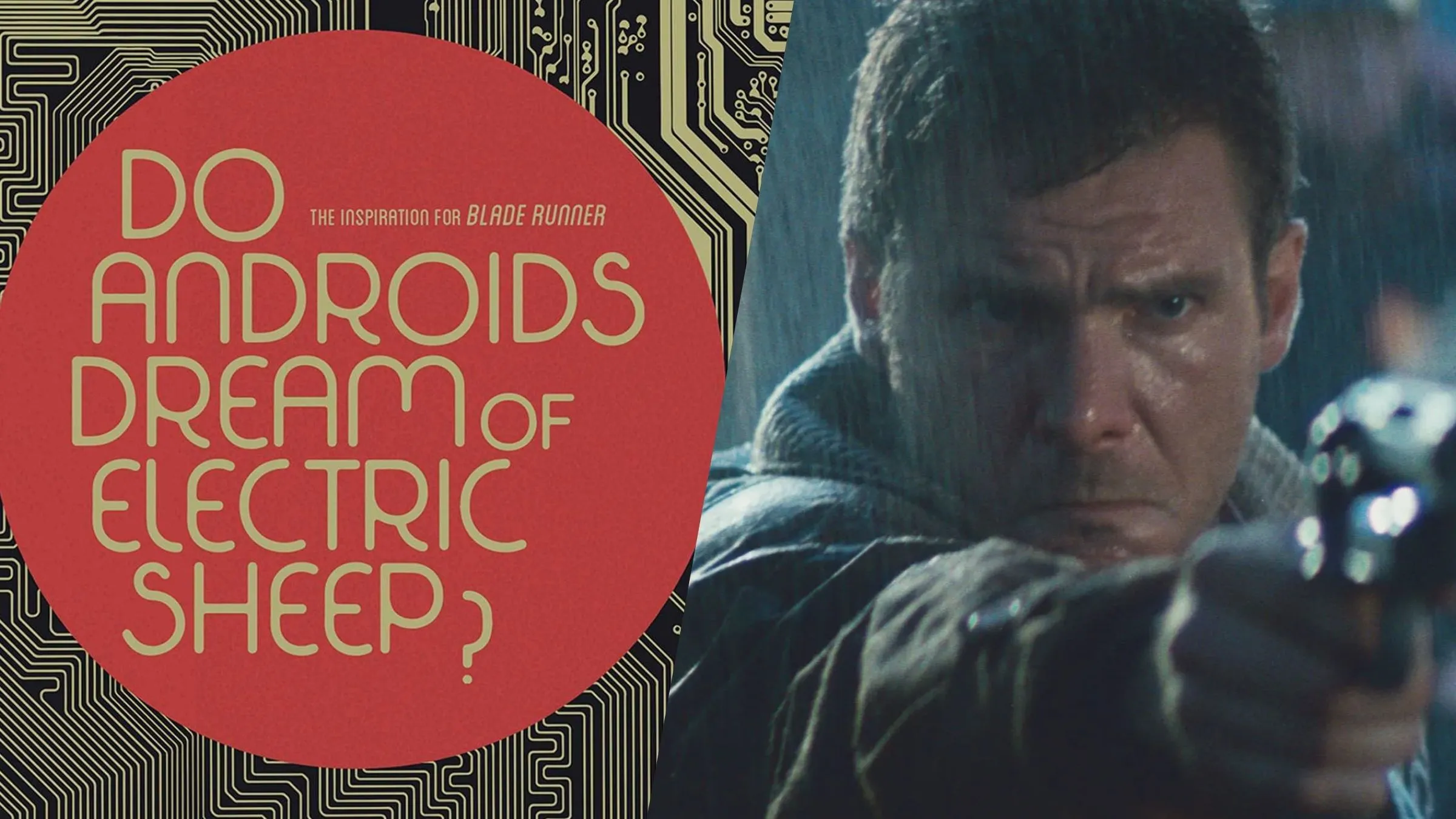
It’s always surprising to me how many people love the movie Blade Runner without ever having read the book it grew from. Actually, it’s more accurate to say the 1968 novel Do Androids Dream of Electric Sheep? simply inspired Blade Runner – the film isn’t a direct adaptation. Despite this, both works share important themes and elements, and are both incredible examples of dystopian, cyberpunk science fiction. If you haven’t experienced the novel, you really should, and if you somehow haven’t seen Blade Runner (or its sequel, Blade Runner 2049), it’s time to remedy that.
Do Androids Dream of Electric Sheep? takes place in a post-apocalyptic San Francisco, where bounty hunter Rick Deckard is assigned to track down and destroy six incredibly realistic androids who have escaped. Simultaneously, a man with limited cognitive abilities, John Isidore, finds himself helping these androids hide. The story deeply examines the nature of humanity, especially as technology becomes increasingly advanced. It feels remarkably relevant today, and while the film adaptation is more focused on action, the book reads like a classic, gritty detective novel. It’s a truly essential read.
8) Nineteen Eighty-Four by George Orwell
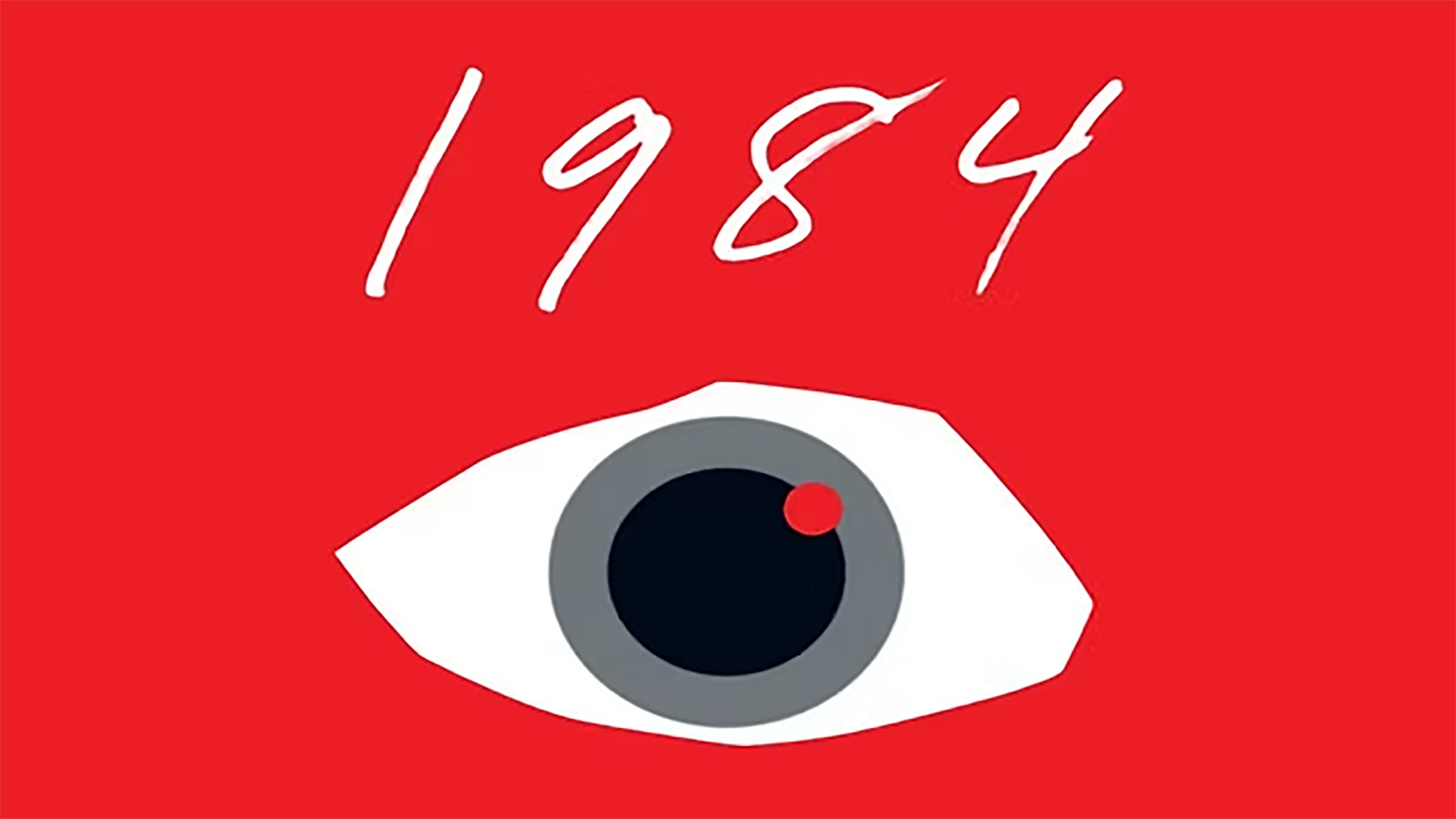
George Orwell’s Nineteen Eighty-Four (also known as 1984) has been adapted into many different formats, including television, radio plays, stage productions, operas, and films. The 1984 film version, notably Richard Burton’s last performance, even featured music by the band Eurythmics. While often assigned in high school, the book remains essential reading, especially for science fiction fans, due to its immense influence on both sci-fi literature and film.
Nineteen Eighty-Four is a powerful and disturbing story about a totalitarian society with constant surveillance and severe repression. It’s a major influence on many science fiction films, including Brazil, V for Vendetta, Equilibrium, and Snowpiercer. If you enjoy dystopian sci-fi, this book is a must-read.
7) Old Man’s War by John Scalzi
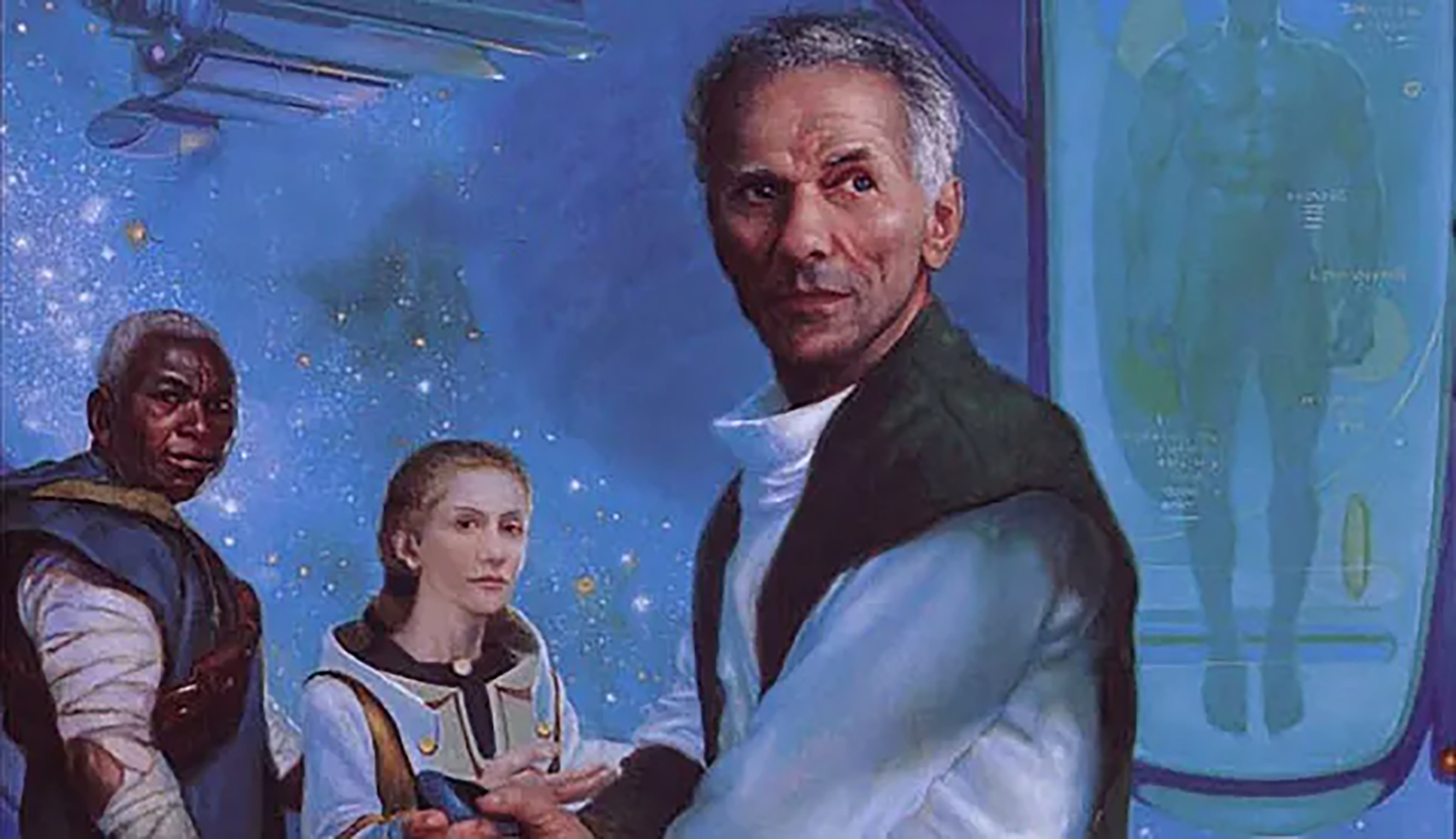
A movie adaptation of Old Man’s War is planned for Netflix, currently in development as of 2024, but in the meantime, the novel is a must-read for any science fiction fan. The story centers on John Perry, a 75-year-old retiree who enlists in the army with the goal of traveling to space and defending Earth – and he gets a brand new, cloned, and enhanced body to help him do it.
This book is both laugh-out-loud funny and packed with exciting, intense action. It feels like a movie, and if you enjoy films like Mickey 17, you’ll absolutely love Old Man’s War. The whole series is fantastic, but Old Man’s War is the perfect place to start – you won’t be disappointed.
6) We Are Legion (We Are Bob) by Dennis E. Taylor
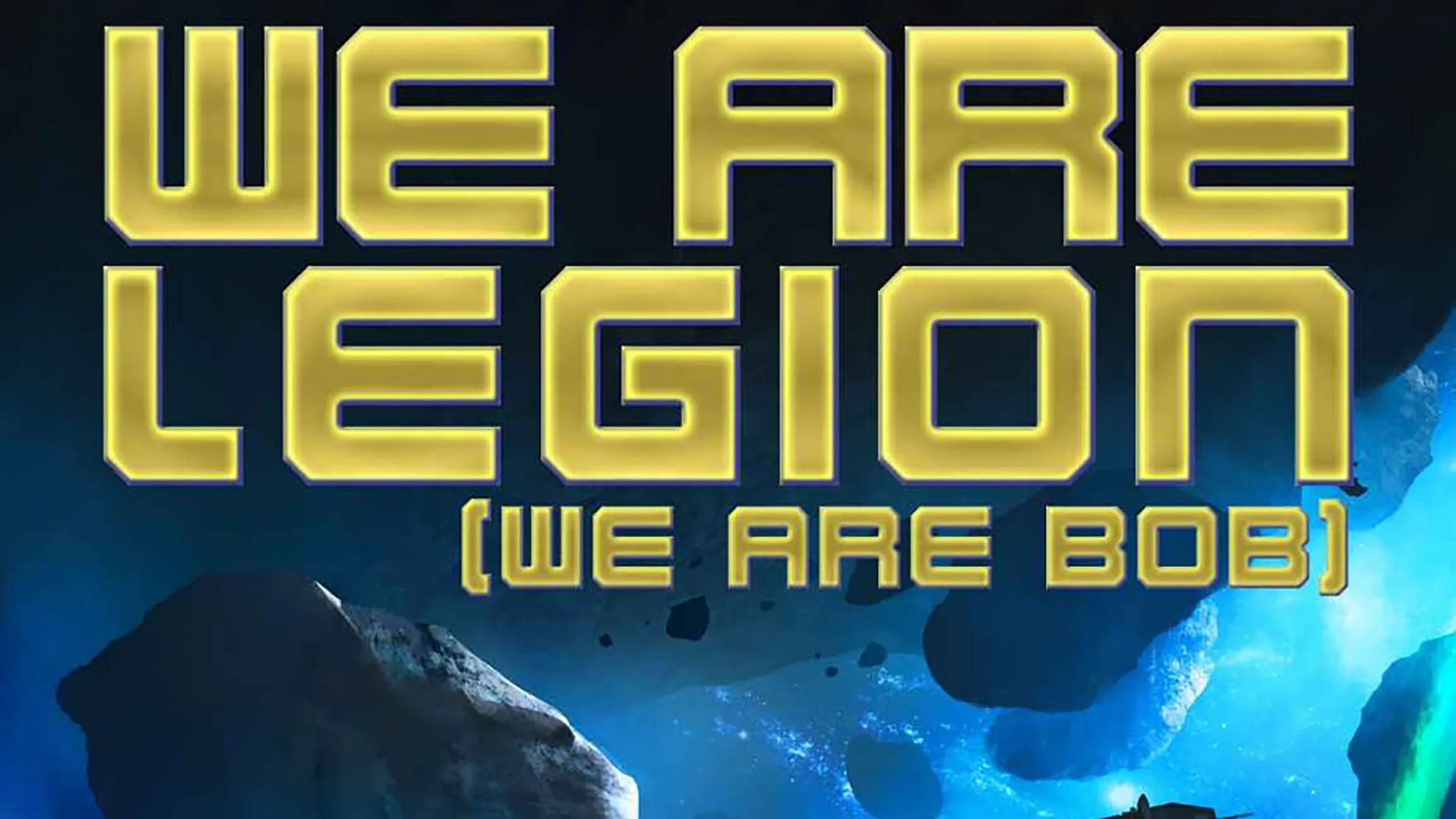
As a sci-fi fan, I’m always looking for a good space opera, and We Are Legion (We Are Bob) really hits the spot. If you love the idea of epic space adventures but find Dune a little intimidating (it’s amazing, but definitely a commitment!), this is a fantastic choice. The story is easy to get into: a guy named Bob is living his best life when he suddenly dies, and his consciousness gets uploaded into a spaceship. Basically, he becomes a self-replicating space probe tasked with finding new planets for humanity, or he gets switched off. Naturally, being an engineer, he decides to make copies of himself!
Many readers have said this book is similar to Project Hail Mary, but with more humor. It explores big questions about life, as well as the moral implications of colonizing new worlds and using artificial intelligence. The book is also grounded in real science, making it a well-rounded and enjoyable read, especially for those who love movies.
5) Frankenstein by Mary Shelley

Today, we often think of Mary Shelley’s Frankenstein as a scary story, but when it was published in 1818, it was groundbreaking as one of the first works of science fiction. The novel centers on scientific experiments – specifically, Victor Frankenstein’s attempt to bring life to inanimate matter in his laboratory. Frankenstein has had a huge impact, not only on literature but also on movies and popular culture in general.
Beyond its huge impact on science fiction films, Frankenstein is a compelling read because it successfully blends sci-fi with other types of stories. It can be viewed through many different lenses, making it surprisingly versatile. Ultimately, the novel reminds us that at its heart, science fiction is about people and the human condition, not just technology and futuristic ideas.
4) Station Eleven by Emily St. John Mandel
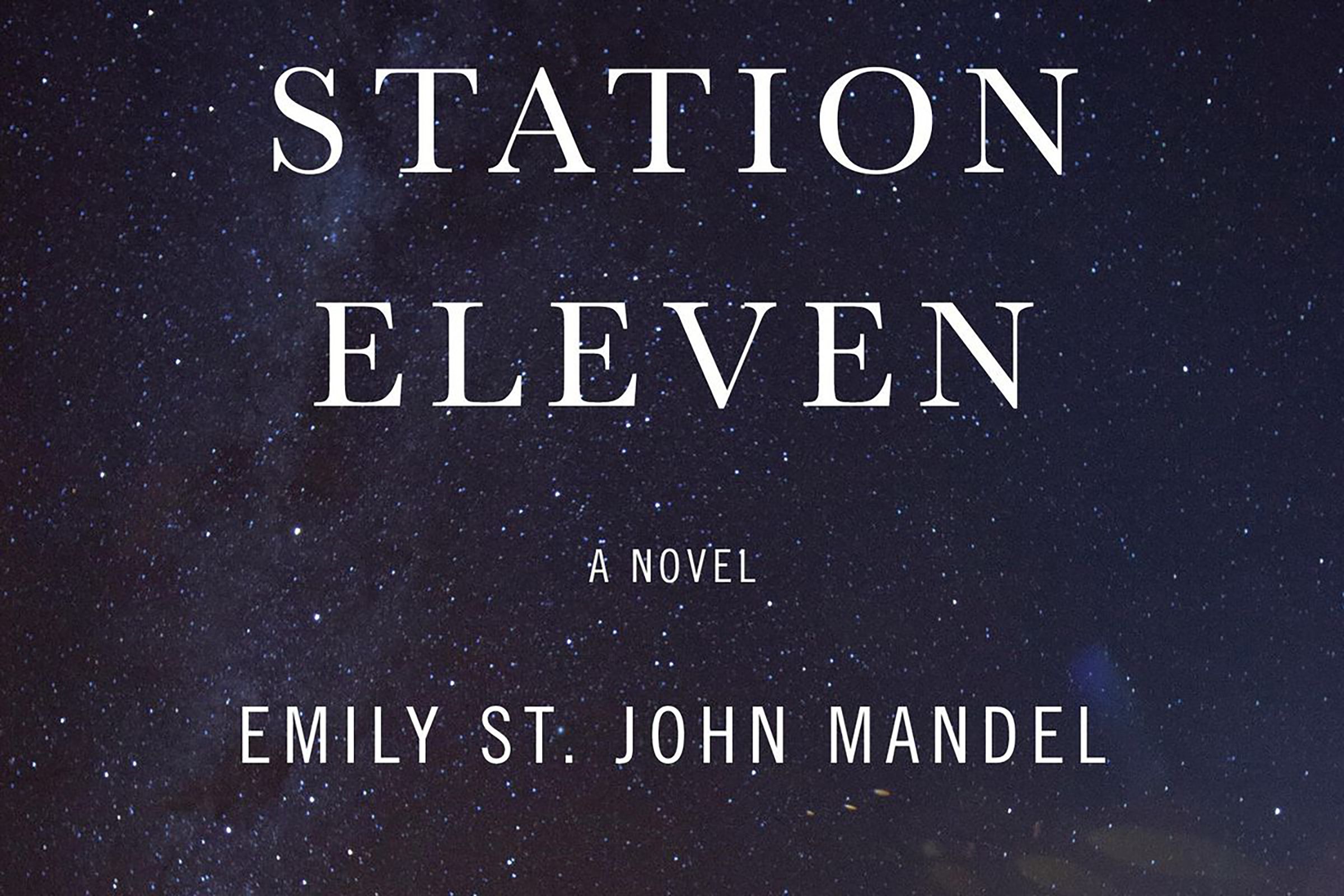
Emily St. John Mandel’s Station Eleven has been adapted into a limited series on HBO Max, and it’s a unique case. While the show differs significantly from the book in terms of plot, it still manages to capture the spirit and themes of the original story. It might sound confusing, but it’s well worth experiencing both the book and the series.
If you enjoy sci-fi films, you should definitely read Station Eleven. It stands out because it builds a post-apocalyptic world that feels believable and isn’t just relentlessly bleak—it focuses on hope, which is refreshing for the genre. The book is incredibly detailed and reads like a movie, especially when depicting everyday life after society collapses. Plus, Station Eleven is connected to a larger universe created by the author, linking it to their other genre-bending novels.
3) Dune by Frank Herbert
Of course, Dune is on the list! This novel is incredibly influential and complex, building a detailed and interconnected world of religion, politics, science, and more. It tells a grand, sweeping story and is considered a foundational work of science fiction. While adapting Dune for film has always been challenging – and Denis Villeneuve’s movies have been particularly well-received – the novel’s impact extends far beyond the screen, making it a must-read for anyone interested in popular culture.
2) Neuromancer by William Gibson
Cyberpunk is a hugely popular style within science fiction movies. Films like The Matrix and The Fifth Element are prime examples, often featuring a gritty, high-tech world where the difference between humans and machines becomes unclear. These movies usually have a distinctive, neon-lit look and take place in a troubled future. But they all owe a debt to William Gibson’s 1984 novel, Neuromancer. This book is considered the foundation of the entire cyberpunk genre. It tells the story of a hacker hired to pull off a dangerous job, facing off against a powerful artificial intelligence in a bleak, near-future setting.
Exploring the connections between people and technology, the dangers of excessive consumerism, and the very definition of what it means to be human—including whether artificial intelligence can truly be conscious—Neuromancer tackles complex ideas with bold ambition. It’s a hugely influential book, and a must-read for any science fiction fan, particularly those interested in cyberpunk.
1) Foundation by Isaac Asimov
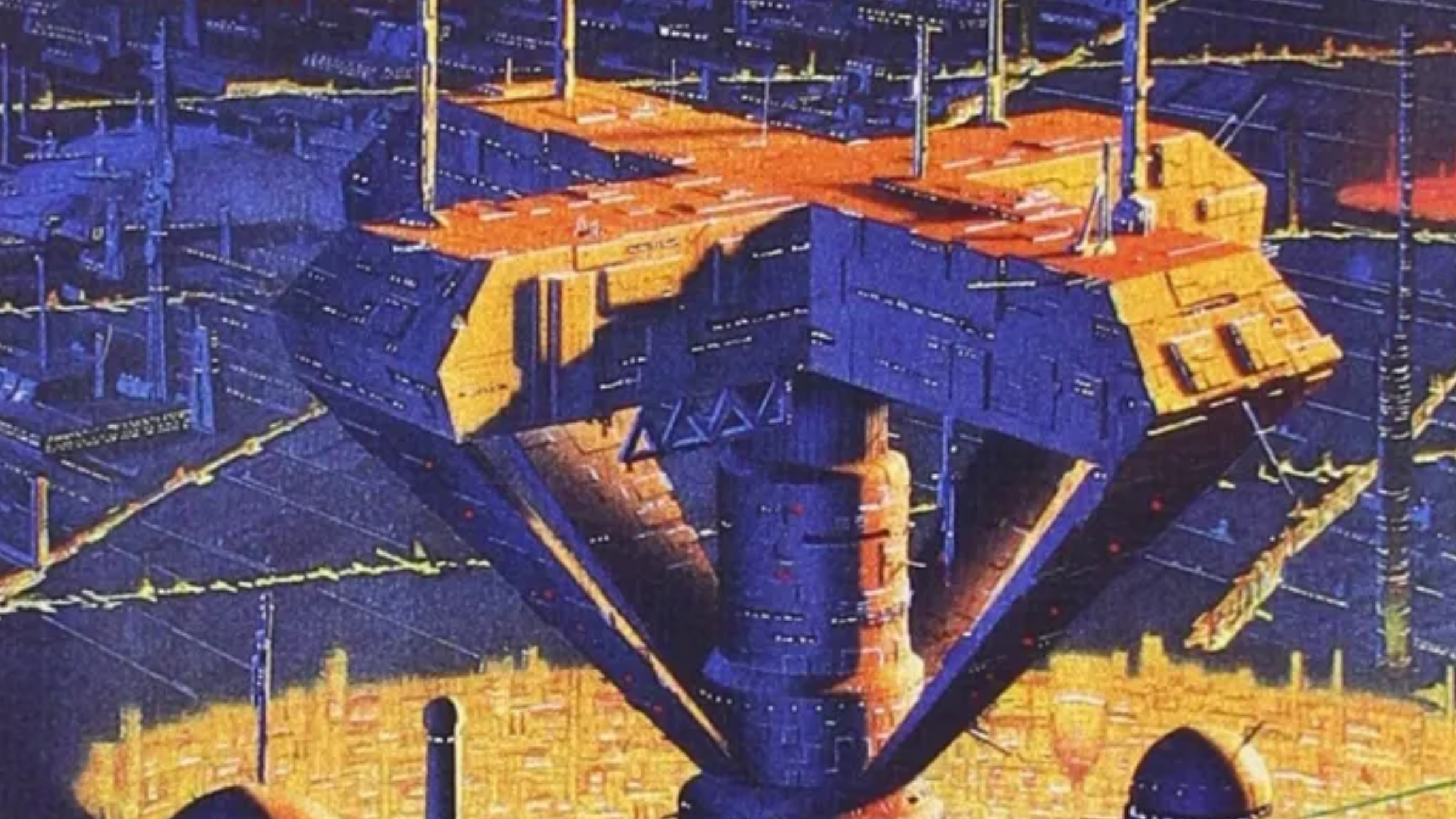
Okay, here’s a slight shortcut: I’m listing the 1951 novel Foundation, but you really should read the whole series—or at least the original trilogy (Foundation, Foundation and Empire, and Second Foundation). Why? Because Foundation is incredibly influential. It’s essentially the model for a lot of science fiction today, particularly stories about vast galactic empires. It laid the groundwork for the modern space opera, emphasizing political intrigue as much as action.
Among the science fiction books mentioned, Foundation is arguably the most influential. It’s likely that Dune and Star Wars, as well as many other space-based sci-fi stories and films, wouldn’t exist without it. The story itself is epic in scale, spanning thousands of years and feeling very visual. While it’s a complex and slow read, Foundation is ultimately a very rewarding experience.
What do you think? Leave a comment below and join the conversation now in the ComicBook Forum!
Read More
- Adam Levine Looks So Different After Shaving His Beard Off
- Trails in the Sky 2nd Chapter launches September 17
- After AI Controversy, Major Crunchyroll Anime Unveils Exciting Update
- Gold Rate Forecast
- Xbox Game Pass Users “Blown Away” by New Exclusive Game
- Dialoop coming to Switch on June 17
- Japan’s No. 1 Spring 2026 Anime Is the True Successor to an All-Time Great
- New Reveal Proves Windrose Isn’t The Only Promising Pirate Game Coming Out In 2026
- USD JPY PREDICTION
- EA Game Free With PlayStation Plus For Only 72 Hours
2026-02-19 19:16