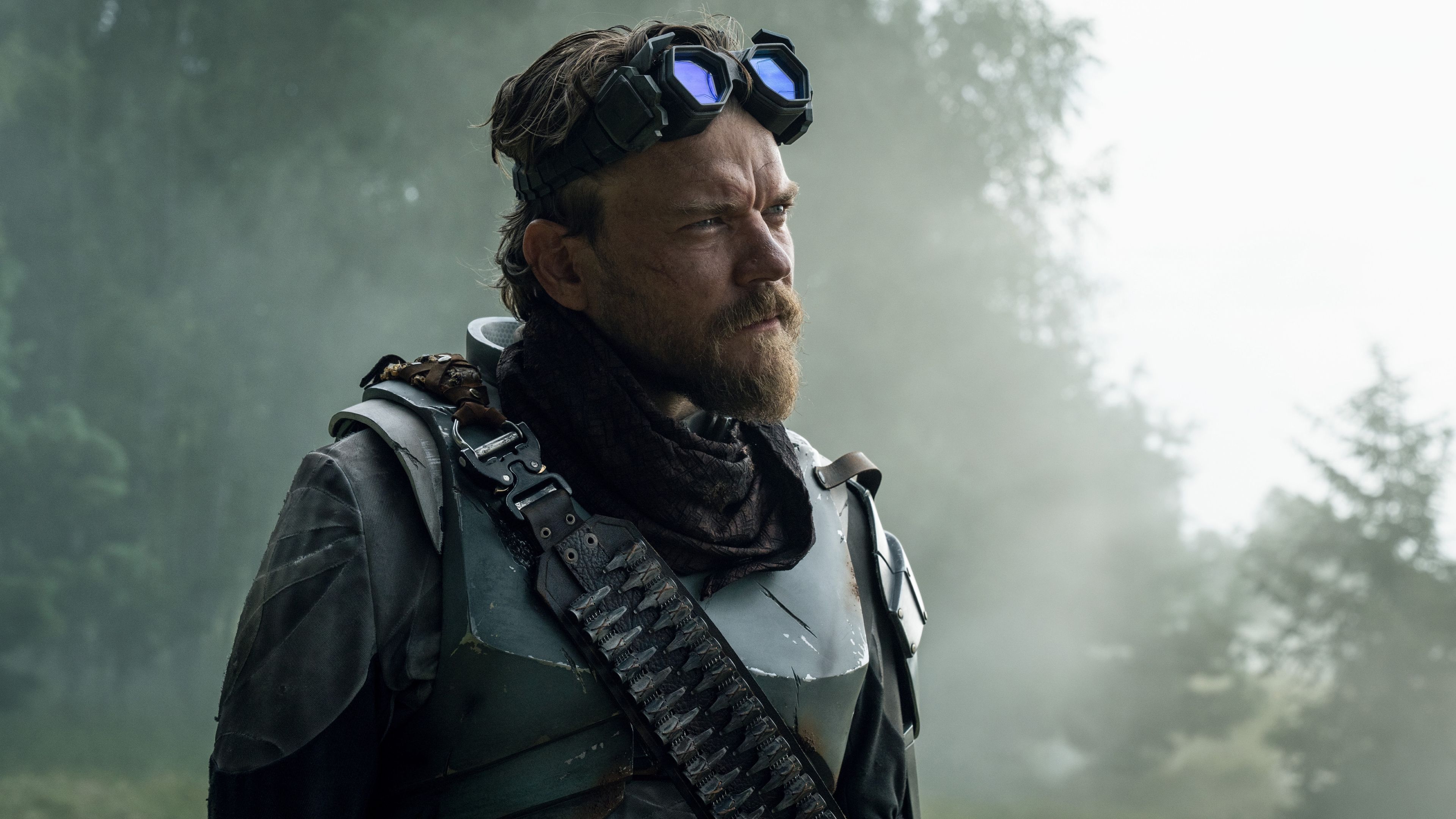
Apple TV+ has a fantastic selection of sci-fi shows. Whether you enjoy the creepy workplace drama of Severance or the suspenseful world of Silo, Apple consistently delivers high-quality science fiction across many different types of stories. Despite this strong lineup, Foundation still manages to be a particularly standout series.
Based on Isaac Asimov’s classic novels, Foundation tells the story of a galactic civilization collapsing and then being rebuilt over hundreds of years. The show combines political intrigue, stunning visuals, and thought-provoking ideas into a massive and complex story. It’s one of the most ambitious and large-scale science fiction series Apple has ever produced.
Since it premiered in 2021, Foundation has consistently provided high-quality science fiction. It stands out among current series—even on a platform like Apple TV+ that features a lot of sci-fi—for its ambition in exploring vast time scales and complicated ideas. The show’s achievement is especially impressive given how challenging the original story was to adapt for television, but Foundation handles that complexity with confidence.
Foundation Has Been A Flawless Sci-Fi Show So Far
Big Budgets And Bold Ideas Keep The Series Operating At A Stellar Level
By July 2025, with its third season, Foundation had become a key part of Apple’s science fiction programming. The show was renewed for a fourth season in September, which wasn’t a surprise considering Apple was investing around $10 million per episode (according to CBR). It’s clear the streamer sees Foundation as a high-quality, worthwhile sci-fi series.
The investment in Foundation really shows in its stunning visuals. The show offers a cinematic experience rarely seen on television, showcasing everything from massive cityscapes to remote, barren planets. But it’s not just about the impressive sights; the grand scale actually enhances the show’s complex and engaging stories. The galaxy feels real, detailed, and always evolving.
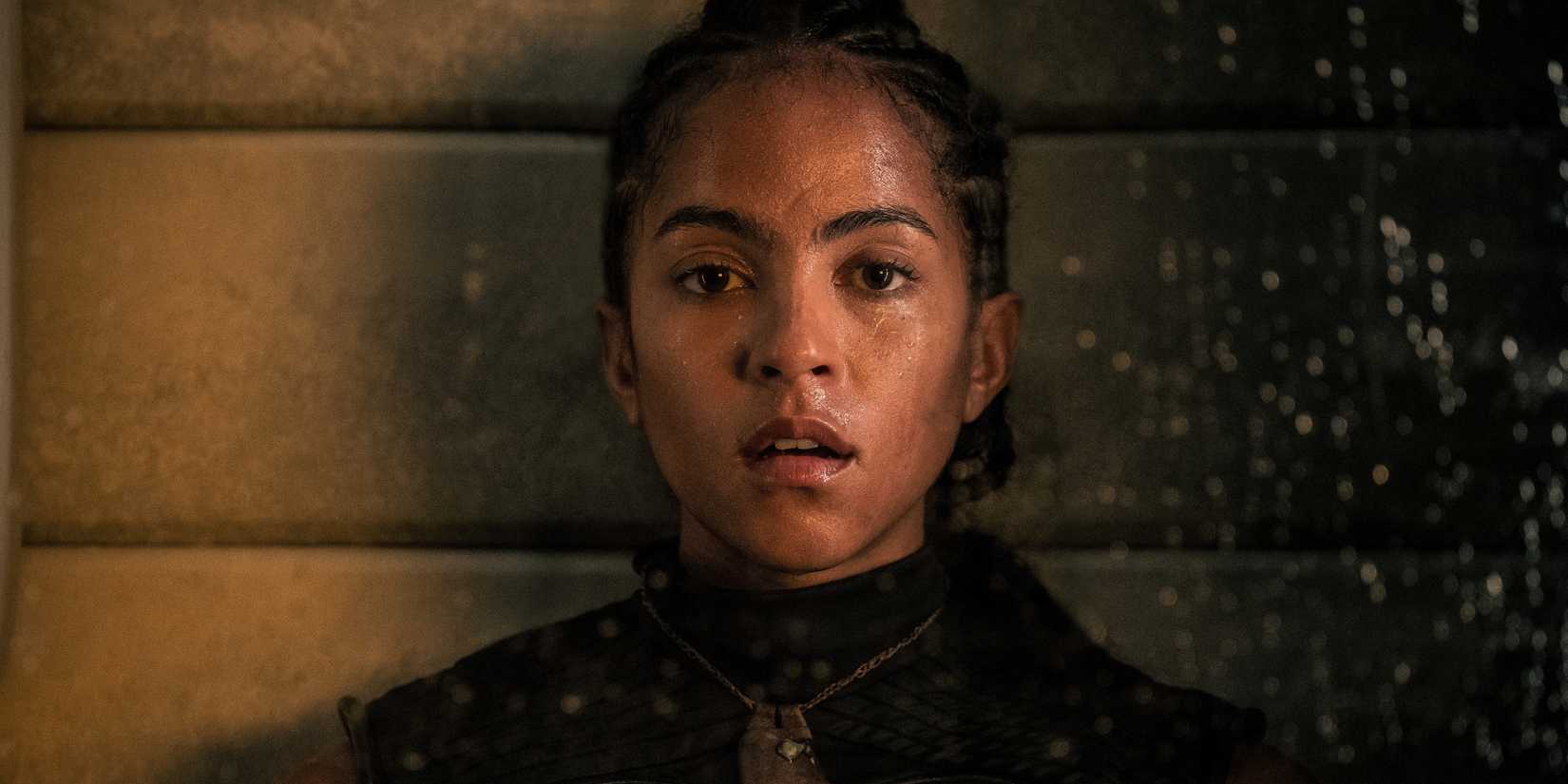
The actors in Foundation are a big reason why the show is both impressive and easy to enjoy. Jared Harris as Hari Seldon immediately makes the complicated ideas believable with his calm and intelligent portrayal. Lou Llobell, as Gaal Dornick, helps viewers connect with the story’s huge scope by reminding us of the human side of things, preventing it from becoming too abstract.
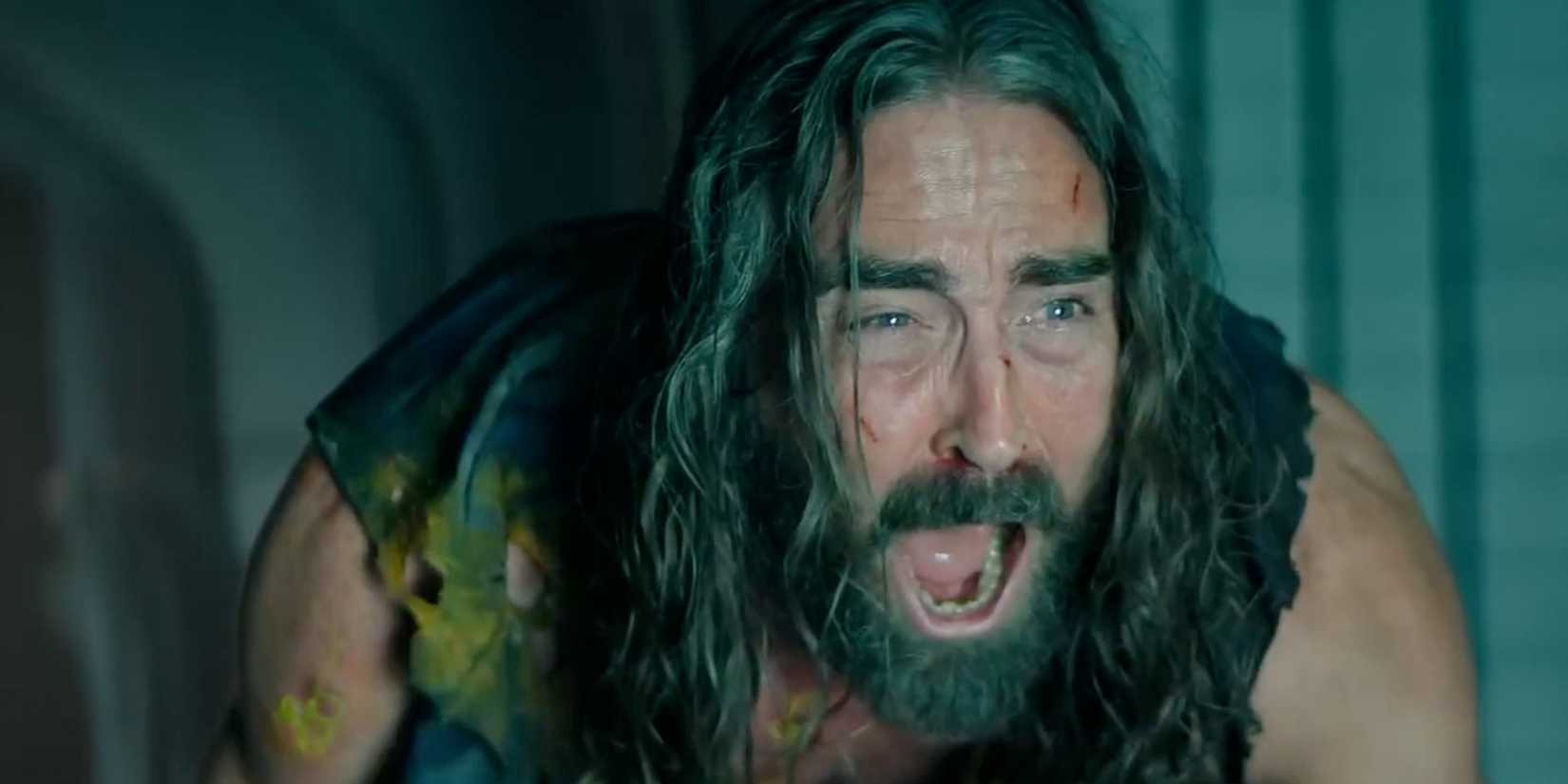
The storyline featuring the Cleon Dynasty, particularly through the character of Brother Day (Lee Pace), cleverly highlights how easily power can be lost, even when it seems absolute. This is one of the things that makes Foundation so strong. The show uniquely combines complex, thought-provoking ideas with personal stories, allowing viewers to connect with those ideas through the characters’ journeys.
Foundation is skillfully constructed, blending different time periods without becoming confusing. Instead of focusing on a strict timeline, the show highlights recurring themes. Ideas about what we leave behind, who we are, and what’s meant to be tie the various storylines together, creating a unified feel that many other shows struggle to achieve.
Like other smart sci-fi shows on Apple TV+, Foundation doesn’t underestimate its viewers. The writing respects the thoughtful side of science fiction, which makes the show even stronger. Complex ideas – like predicting the future with math or the decline of society – aren’t simplified. Instead, the show brings them to life by showing their impact and the difficult choices they create. This keeps the show both deep and easy to follow, and Foundation manages this balance remarkably well.
Foundation is a truly exceptional sci-fi series – every episode is a masterpiece. It’s rare to see such grand ideas brought to life with stunning visuals, compelling characters, and genuine depth. The show lives up to its ambitious goals, and Apple is right to continue the story based on what we’ve seen so far.
Apple TV Took A Risky Approach With Foundation
Transforming Dense Novels Into Action Driven Television Was A Massive Gamble
Turning Isaac Asimov’s Foundation books into a TV series was a big risk. The novels cover thousands of years, often move away from characters, and focus more on conversations than exciting events. To make it work for television, Apple didn’t try to copy the books exactly. Instead, they completely reimagined the story, making transformation the key to their approach.
A key change in Apple’s adaptation of Foundation was how it handled the vast timescale of the story. The idea of a ‘Genetic Dynasty’ – where rulers are clones – allows characters like Lee Pace’s Brother Day to appear throughout the centuries, providing a consistent emotional connection for viewers as the story jumps forward in time. This makes Asimov’s complex, multi-generational narrative more accessible and engaging.
To make the story work as a TV series, the characters in Foundation needed to be developed further. A good example is Gaal Dornick, who plays a much bigger role in the show than in the books. Giving her a central storyline creates a continuous thread and adds dramatic tension, and it gives viewers someone to root for as the series jumps between different times and places.
The Foundation TV series features more action and visual spectacle than the original books. While Asimov’s stories often describe the results of important events, and then explore the discussions that follow, the Apple TV show directly portrays those events, showing battles and escapes to bring the philosophical conflicts to life on screen.
Apple also faced the challenge of simplifying Isaac Asimov’s complex story. They combined and reordered different plotlines to keep the story moving at a good pace. They also made the religious and political themes more prominent, weaving them throughout the entire story instead of treating them as separate events. This rework helped keep viewers engaged while still respecting the original ideas, but it was a difficult process.
As a huge sci-fi fan, I was really impressed with the sheer ambition of Foundation. But what a gamble! They didn’t just take creative risks with the story; they put a ton of money on the line. Think about it – building those incredible sets, doing all the VFX, and hiring a massive cast… all before anyone even knew if the show would connect with viewers. It was a really bold move to invest so much in adapting such a complex and famously ‘difficult’ book series. Seriously, they went all in!
There was no certainty that Foundation would be a hit. In fact, it faced significant challenges. The show dealt with complex ideas that could have turned off many viewers, and changing the source material too much risked disappointing fans of the books. Apple had to strike a delicate balance between making the show easy to understand and staying true to the original story – a difficult task that could easily have led to a mediocre result or a limited audience.
The risk ultimately worked out well. By focusing on reimagining the story rather than sticking rigidly to the source material, Foundation created something truly unique. It shows that capturing the heart of a story, even if it means changing some details, can both honor the original and make it work as a TV show. The series itself proves that taking smart chances can lead to long-term success.
Read More
- Adam Levine Looks So Different After Shaving His Beard Off
- After AI Controversy, Major Crunchyroll Anime Unveils Exciting Update
- Gold Rate Forecast
- Steam Makes Sci-Fi Game 100% Free for 72 Hours
- Welcome to Demon School! Iruma-kun season 4 release schedule: When are new episodes on Crunchyroll?
- Japan’s No. 1 Spring 2026 Anime Is the True Successor to an All-Time Great
- From season 4 release schedule: When is episode 2 out on MGM+?
- Tekken 8 Fans Furious as Tifa Tipped for Street Fighter 6 Instead
- Dialoop coming to Switch on June 17
- 10 Movies That Were Banned in Different Countries For Random Reasons
2026-02-22 20:33