Sequels often have a reputation for being disappointing. This is especially true for horror movies, which are known for having many poorly made follow-up films.
Horror movies have always had lengthy franchises, from the classic Universal Monsters to the surge of slasher films like Friday the 13th – though many sequels aren’t great. Still, a handful truly stand out. Here are five of the best follow-up films in the genre, including some well-known favorites and a few hidden gems.
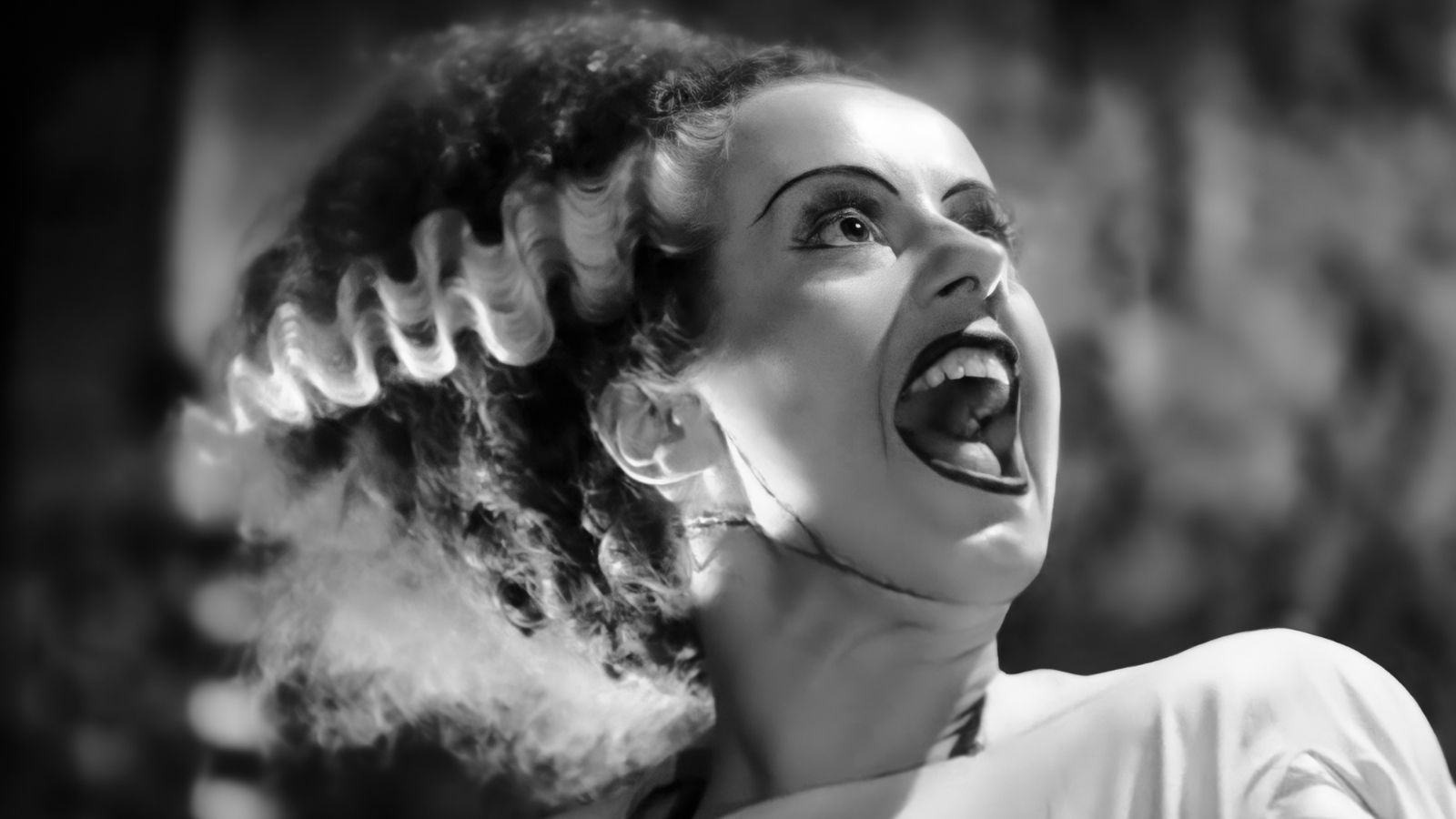
Bride of Frankenstein Takes the Franchise to Shakespearean Heights
As a fan, I’ve always felt that James Whale’s Frankenstein from 1931 isn’t just a film – it’s become a foundational story for our culture, almost like a modern myth. It’s amazing how much it deviates from Mary Shelley’s original novel. In fact, if you think you know the story of Frankenstein without having read the book, you probably know the movie version – Whale’s version – not Shelley’s.
Following up a groundbreaking film is always risky, but Bride of Frankenstein succeeds brilliantly. It takes a key idea from the original story – the monster’s longing for companionship – and develops it into a surprisingly moving and emotional horror film. The movie builds to a powerfully tragic climax, reminiscent of a Shakespearean play.
Since the original Frankenstein, there have been numerous adaptations, and some are even quite complex. However, none capture the emotional depth of Bride of Frankenstein. Though James Whale took liberties with Mary Shelley’s novel, he always remained true to its core message and feeling.
Friday the 13th Part 2 Made the Series Worthwhile
While not the first of its kind, Halloween didn’t invent the slasher film. Movies like House of Wax with Vincent Price, and later Psycho and Black Christmas, had already laid the groundwork about 25 years prior. However, Halloween‘s unexpected financial success sparked a surge of low-budget copycat films.
By 1980, slasher films were incredibly popular, with a new one appearing almost weekly. These movies followed a predictable pattern: take a group of young people, add a killer, and set it around a holiday or special event. That year saw releases like Prom Night, Terror Train, Christmas Evil, and New Year’s Evil, among many others.
Following the original’s blueprint, Part 2 really captures the spooky feel of Camp Crystal Lake and builds on Jason Voorhees’ growing reputation as a local myth. While the Friday the 13th series would explore many different ideas later on, Part 2 remains the most direct and classic example of what fans loved about the first film.
Aliens Goes in a Different Direction Without Losing Its Way
Despite its disturbing imagery, the original Alien is surprisingly subtle. The characters aren’t extraordinary heroes – they’re just ordinary people facing a terrifying, life-threatening ordeal, and the director wisely avoids showing the creature more than needed.
He easily could have just recreated the first movie, but he chose to do something completely different. The original Alien was subtle and restrained, while Aliens is big and action-packed. The first film creates a sense of dread, the second is a thrilling ride. Both styles could have worked, but Cameron impressively changed the direction of the series without alienating the fans.
The Alien series has evolved quite a bit over time. While films like Alien: Resurrection blend different styles, and Alien: Romulus pays homage to the earlier movies, the original two films remain classics of both science fiction and horror.
Pearl Really Gets Under the Skin of Its Main Character
Mia Goth truly shone playing dual roles as the older, resentful Pearl and her younger, driven counterpart, Maxine. The follow-up film, Pearl, is even more impressive. It delves into the difficult life Pearl led at home during World War I, telling a unique story of someone with promise gradually falling apart.
The main character has resonated with audiences online, likely because she feels more realistic and, unfortunately, more understandable than villains like Michael Myers or Jason Voorhees. The first film’s villain becomes the focus of the second, offering a deep look into a troubled mind – almost like a character study you’d see in a Martin Scorsese film.
A less skilled actor might have made Pearl seem silly, but Mia Goth portrays her with unsettling realism. While Pearl isn’t overly violent by today’s standards, the violence it does contain is strange and stays with you long after the movie ends. It’s not a film for those easily disturbed, but viewers who appreciate filmmaking artistry will find a lot to admire.
Beetlejuice Beetlejuice Is Far Funnier Than Its Predecessor
While Beetlejuice is a significant film and a very original comedy from the 1980s, it’s not without flaws. It doesn’t rank among Tim Burton’s very best because the pacing feels slow. This is especially noticeable given that the character of Beetlejuice is essentially a wildly unrestrained, cartoonish figure reminiscent of classic Looney Tunes.
The movie moves at an incredibly quick, almost chaotic, speed. It’s packed with jokes, reminiscent of the rapid-fire humor from classics like the early films by the creators of Airplane!. Fortunately, Michael Keaton gets a lot more screen time this time, which is great because a character like Beetlejuice really needs it – sometimes, you can’t have too much of a good thing!
Even though revisiting old franchises can sometimes feel limiting, this movie is surprisingly creative. It includes thoughtful observations about society and a lengthy tribute to the classic horror film Black Sunday. Though it doesn’t quite match the brilliance of Ed Wood, it’s still among director Tim Burton’s strongest work.
Found an error? Send it so it can be corrected.
Read More
- Gold Rate Forecast
- Dialoop coming to Switch on June 17
- Adam Levine Looks So Different After Shaving His Beard Off
- 10 Movies That Were Banned in Different Countries For Random Reasons
- Steam Makes Sci-Fi Game 100% Free for 72 Hours
- Nintendo Switch 2 Reportedly Getting Remake of One of the Best PS3 and Xbox 360 Games
- Welcome to Demon School! Iruma-kun season 4 release schedule: When are new episodes on Crunchyroll?
- Tekken 8 Fans Furious as Tifa Tipped for Street Fighter 6 Instead
- Michael Jackson Biopic’s Record-Breaking Debut Unseats 2026’s Biggest Box Office Hit On U.S. Chart
- See Kaia Gerber & Lewis Pullman’s Vanity Fair Oscars Party Date Night
2026-02-24 07:10