
I remember when this movie came out, almost ten years ago now. Honestly, it just seemed like another thriller hitting theaters alongside bigger films like Split, Baby Driver, and Atomic Blonde. But then something unexpected happened – it really stuck with people. What was so different wasn’t flashy effects or a crazy plot; it didn’t rely on monsters or over-the-top violence. Instead, it created this deeply unsettling feeling that slowly built up, all through scenarios that felt incredibly realistic. It’s one of those films that stays with you long after you leave the theater, because it’s disturbing how easily you can see its story happening in real life.
The film quickly gained praise from both critics and movie lovers. While categorized as a psychological horror, it offered much deeper insights, delivering smart and pointed social commentary within a surprisingly straightforward story. Many still consider it a modern masterpiece and potentially the most important film of the 21st century so far.
Get Out Is a Brilliant and Unmatched Work of Cinema

Some might think it’s an exaggeration, but the praise for Jordan Peele’s Get Out is well-deserved. Released in 2017, the film centers on Chris Washington (Daniel Kaluuya), a Black photographer who goes to meet his white girlfriend Rose Armitage’s (Allison Williams) family for the weekend. Initially, the visit seems normal, but a strange and unsettling feeling quickly develops. While the family appears polite and open-minded, Chris can’t shake the feeling that something is wrong. He picks up on subtle cues – tense moments, odd looks, and uncomfortable remarks – suggesting a hidden darkness. As the story progresses, he discovers he’s caught in a terrifying psychological thriller, packed with suspense and horror that steadily increases throughout the film, without relying on cheap frights.
Jordan Peele’s Get Out is so effective because it creates a constant sense of unease. This feeling isn’t built on typical villains, but on the unsettling nature of everyday politeness. The horror comes from seeing manipulation hidden behind friendly faces and harmless chats that slowly become threatening. At its core, the film is a powerful critique of modern racism, showing how it can be disguised by liberal attitudes and good intentions. It suggests that the danger for Black people isn’t just overt hostility, but also the subtle, insidious forms of prejudice embedded in systems, behaviors, and seemingly insignificant interactions. Every small detail in the film – a glance, a movement, a casual remark – contributes to this feeling. Get Out is a psychological horror that stays with you, forcing you to think and feel uncomfortable at the same time.

For me, Daniel Kaluuya is what makes this movie work. He’s the heart of it, and I really felt connected to his character, Chris, because of the vulnerability, intelligence, and fear he brought to the role. Allison Williams as Rose is fantastic too – she’s so charming, but there’s always something unsettling about her, and that kept me on the edge of my seat. It’s not just about the leads either; even the smaller characters felt purposeful. They weren’t just there to fill space, and their odd behavior really added to the feeling that Chris was trapped, like the Armitage house was a psychological prison closing in on him. It’s a truly suffocating atmosphere.
Beyond the story and acting, the visual elements of Get Out – the production design and cinematography – are crucial to its impact. The film relies on carefully chosen colors, lighting, and camera angles to create a sense of unease from the start, and these wouldn’t have been possible with strong writing and performances alone.
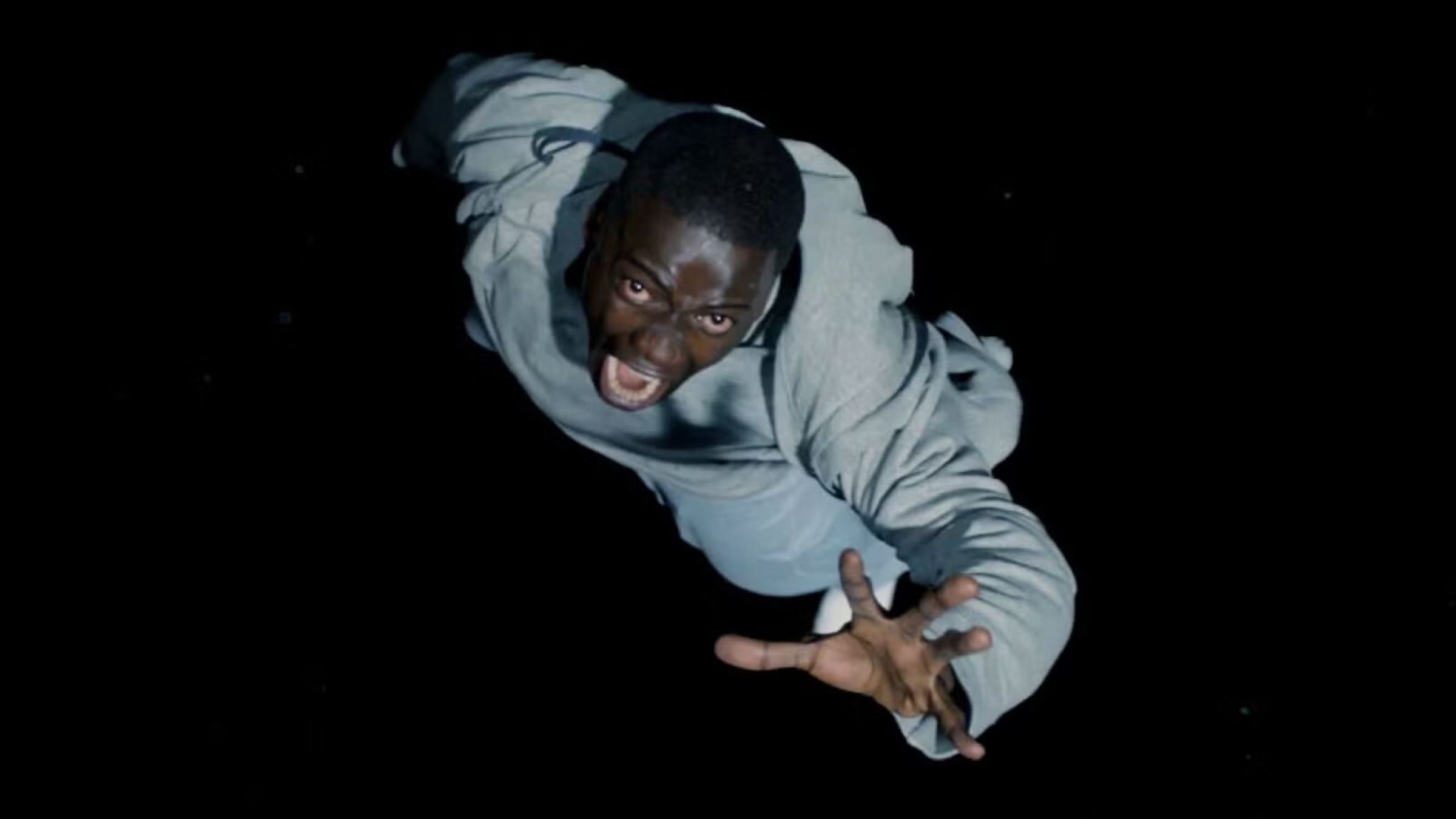
The scene where Chris is sent to the Sunken Place is famous for a reason. Missy Armitage hypnotizes him, putting him in a state where he’s aware of everything happening around him, but completely unable to move or speak – trapped in a dark, empty space. What makes it so effective isn’t jump scares or special effects, but its unsettling atmosphere and deeper meaning. It’s difficult to think of another horror scene that’s both as disturbing and as rich with symbolism.
Get Out Almost Didn’t Get Made

With a modest budget of around $4.5 million, Get Out became a huge commercial success, earning over $250 million worldwide. It paved the way for other filmmakers, like Ryan Coogler (who later directed Sinners), and shifted how Hollywood approaches the horror genre. The film received widespread praise, was named one of the best of 2017 by organizations like the American Film Institute, and earned four Academy Award nominations – including Best Picture and Best Director – ultimately winning for Best Original Screenplay. Interestingly, Get Out actually began as a personal creative project for Jordan Peele, rather than an attempt to create a blockbuster.
When Jordan Peele first started writing Get Out, he didn’t know if the movie would ever actually be made. He was mostly known for comedy at the time, thanks to the popularity of Key & Peele. Because of this, studio heads thought it was a big risk for him to start his directing career with a scary, thought-provoking thriller.
Jordan Peele has explained that he initially wrote the script as a personal creative exercise, unsure if Hollywood would fund a horror film focusing on systemic racism and featuring a Black lead who wasn’t a typical action hero or genre character. He told The Hollywood Reporter it began as a hobby, something he’d work on at home while relaxing. He essentially envisioned the movie he always wanted to see and wrote it for himself, without expecting it to actually get made.
The social climate of the time also presented challenges. Despite talk of a “post-racial” America after 2008, Jordan Peele believed a sense of unease was growing, but it wasn’t being openly discussed in movies. He saw a chance to tap into that fear with his film. However, making a scary movie about it felt risky. In fact, Daniel Kaluuya was even worried about potential backlash after reading the script, as Peele shared in an interview with Vulture.
Jordan Peele aimed to start conversations about race, especially with white audiences who haven’t often been challenged on the topic while watching a film. He intentionally avoided a typical, overtly racist villain, instead choosing to reveal the subtle, hidden racism present in everyday life – the kind people often ignore or deny. His goal was to encourage viewers to see these nuances and perhaps even recognize their own biases. This is a daring but important approach, and it exemplifies what modern movies should strive for.
This film almost didn’t get made because many in the industry favored safer choices. Luckily, someone took a chance, and it became a hugely important cultural moment. Get Out changed what people expected from horror, raised the bar for films with a social message, and showed that taking risks can pay off. It’s a powerful, influential movie that still stands out today.
Get Out is now available to stream on HBO Max.
What did you think of the movie? Share your thoughts in the comments and join the discussion on the ComicBook Forum!
Read More
- Gold Rate Forecast
- Tekken 8 Fans Furious as Tifa Tipped for Street Fighter 6 Instead
- Nintendo Switch 2 Reportedly Getting Remake of One of the Best PS3 and Xbox 360 Games
- Welcome to Demon School! Iruma-kun season 4 release schedule: When are new episodes on Crunchyroll?
- 10 Movies That Were Banned in Different Countries For Random Reasons
- Michael Jackson Biopic’s Record-Breaking Debut Unseats 2026’s Biggest Box Office Hit On U.S. Chart
- See Kaia Gerber & Lewis Pullman’s Vanity Fair Oscars Party Date Night
- Michael Jackson’s Mom Katherine Poses With Colman Domingo in Rare Pic
- All 61 Episodes 90s Cult Classic Sci-Fi TV Show That Was Famously Canceled Twice Were Just Added to Tubi
- Blake Lively Alleges $64 Million Fallout From Justin Baldoni Conflict
2026-02-24 19:14